Hi-Fi Amplifiers
Trilogy 921 Integrated Amplifier Review: High-End Resolution at £5,995
A close look at the Trilogy 921, the entry point into a high-end British brand built around short signal paths, low feedback, and exceptional detail retrieval.
Introduction
Trilogy Audio has earned a following in the UK for amplifiers that keep signal paths short and feedback low. The brand’s larger 925 integrated, a zero-feedback design that pairs a pure class A triode tube input stage with a MOSFET and bipolar bridge transistor output stage, retails for just under £17,000. The 921 is the new entry point at £5,995, and it carries the same design philosophy into a far more accessible price bracket.
At £5,995, the 921 is still a considered purchase. The important question is whether it stays true to the values that make the more expensive Trilogy models interesting, and whether it delivers enough resolution and musical honesty to justify the outlay. After living with it across several pairs of speakers, the answer is largely yes, with a couple of caveats around scale and dynamic drive.
Who the Trilogy 921 Integrated Amplifier Is For
The 921 is for listeners who want an amplifier to stay neutral. It does not add the harmonic richness that some designs use to smooth over rough recordings, and it does not lean dry or analytical either. It reads as an honest and faithful presentation of what is on the recording, which makes it a strong match for anyone whose system is already built around resolving speakers and a good source.
It also suits buyers who think in decades rather than seasons. The construction, the feel of the controls, and the way the amplifier is put together all suggest a product intended to be kept. If you would rather buy once and settle, that long-term character counts for something.
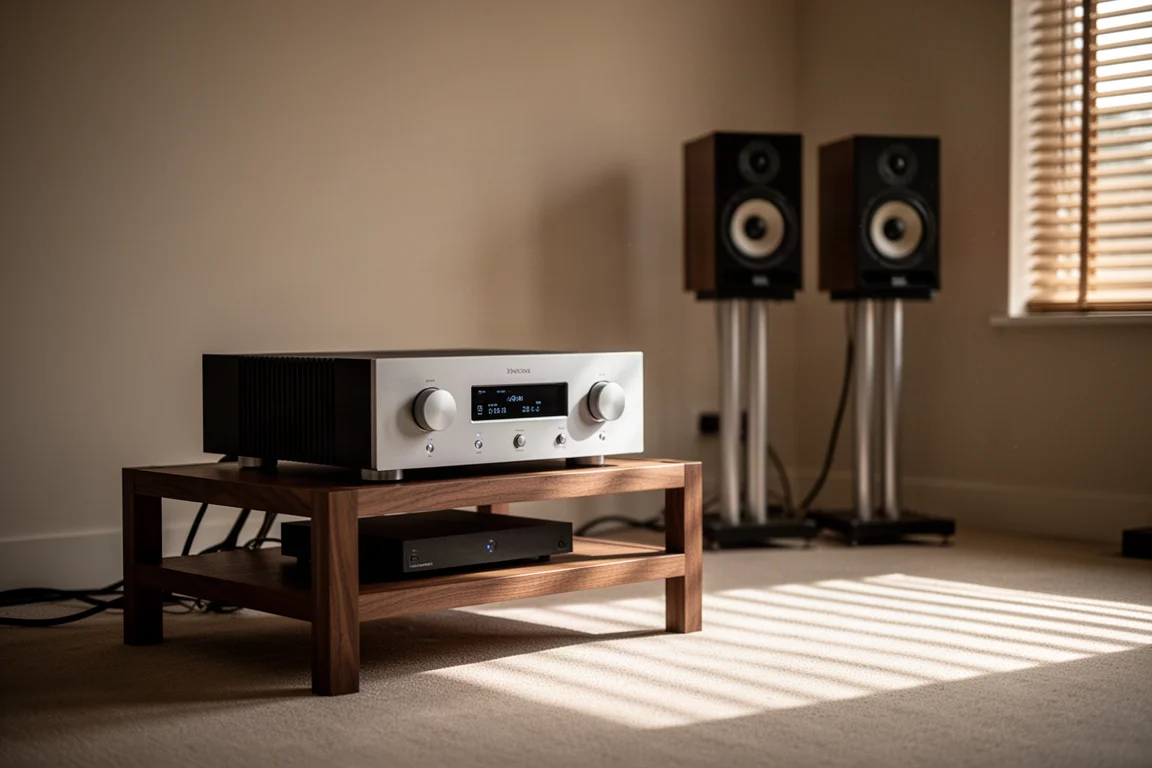
Where the 921 makes its strongest case is with speakers in the £2,000 to £3,000 range, where it drives without fuss and then gets out of the way. It lets you hear what the speakers are doing rather than what the amplifier is doing, and that is a difficult trick to pull off at any price.
Inside the Chassis: A Short Signal Path with Low Feedback
The 921 is rated at 75 watts into 8 ohms, and the internals explain how Trilogy gets there. The main power transformer is a custom part with a Faraday shield between the primary and the secondary to suppress noise and interference. Its secondary windings are dual, with three wires feeding the left power amplifier module and three feeding the right, a layout that sits one step away from a dual mono design. The transformer looks generously sized for a 75 watt amplifier.
Each power amplifier module carries four custom filter capacitors rated at 10,000 microfarads, which works out at 40,000 microfarads per side. Rectification happens on the same board, deliberately kept close to the amplifier module so the supply offers a low impedance feed and current arrives almost immediately when the music demands it. The output devices are mounted to thick side panels and were selected for the way they sound.
Two design choices stand out. There is no gain in the input stage at all, with all of the gain handled in the power amplifier stage, which keeps the signal path short. And the circuit applies only 10 dB of shunt feedback. Most transistor amplifiers use far more, often around 30 dB, to widen bandwidth, lower noise and straighten linearity. Trilogy can get away with less because the circuit is linear and wide-band to begin with. Some of the company’s more expensive designs use no feedback whatsoever.
The volume control is worth a note as well. It is implemented with an IC containing a bank of JFETs rather than a potentiometer or a stepped attenuator built from discrete resistors. The reasoning is straightforward: potentiometers introduce sound degradation, and resistors of sufficient quality would have pushed the price up. It is a compromise made in the name of a target price, and the result performs very well.
Sound Quality: Resolution, Timing, and Sound Stage
The 921 is not easy to categorise by tonality, and that is meant as a compliment. It adds nothing obvious in either direction, and the clearest way to describe it is as a truthful amplifier. Its exceptional detail retrieval is what stands out first.
Timing and resolution are the amplifier’s strongest cards, and the place they show up most clearly is the sound stage. The 921 layers a sound stage with real precision, among the most precisely layered we have heard from an integrated amplifier. Imaging is equally tidy, and low-frequency grip is strong. It holds bass lines together with the kind of control usually associated with amplifiers known specifically for that quality.
The one recurring reservation concerns momentum. The 921 tends to play things a little safe. There are moments where you want it to grab hold of a rhythm and push, and it stays composed instead. A little more scale and dynamic freedom would make it a more exciting listen, even if that meant giving up a touch of control.
Design, Build, and Everyday Use
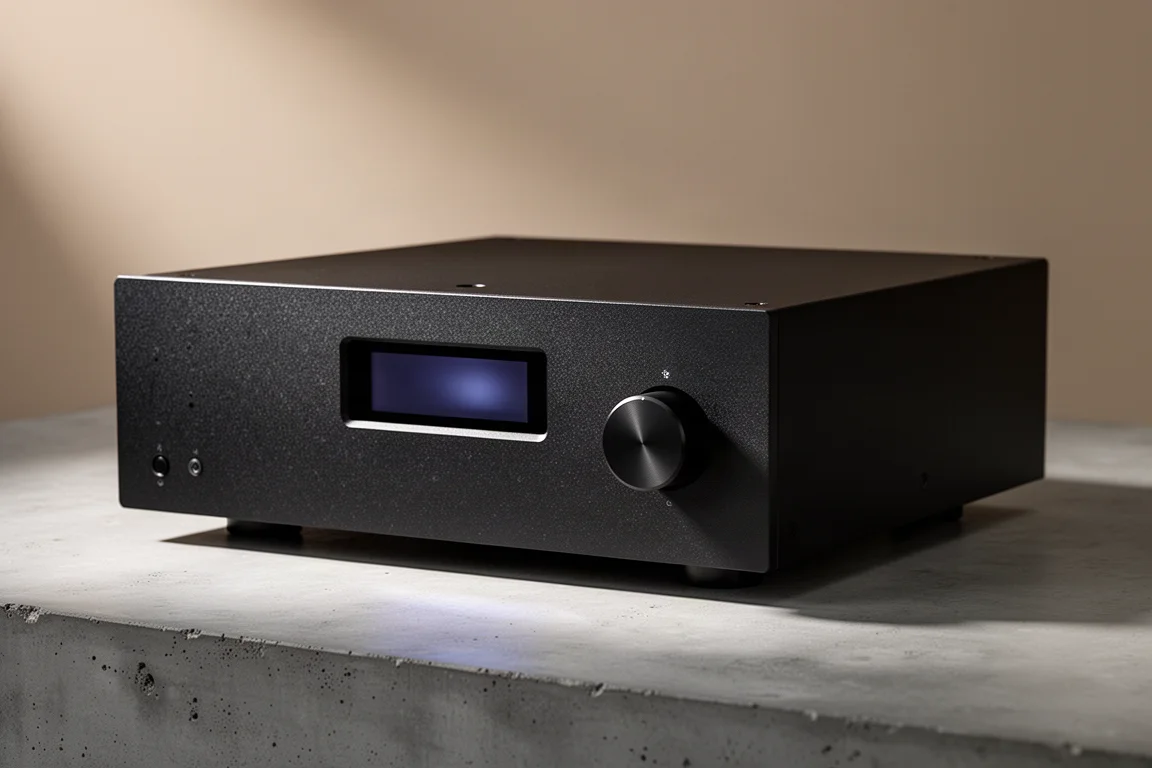
Full rack width and 106 mm high, weighing 11 kg, the 921 is a compact but substantial unit. Thick aluminium panels in a textured powder-coated finish, with cutouts that lend it some individuality, give it a more considered look than most boxes at the price.
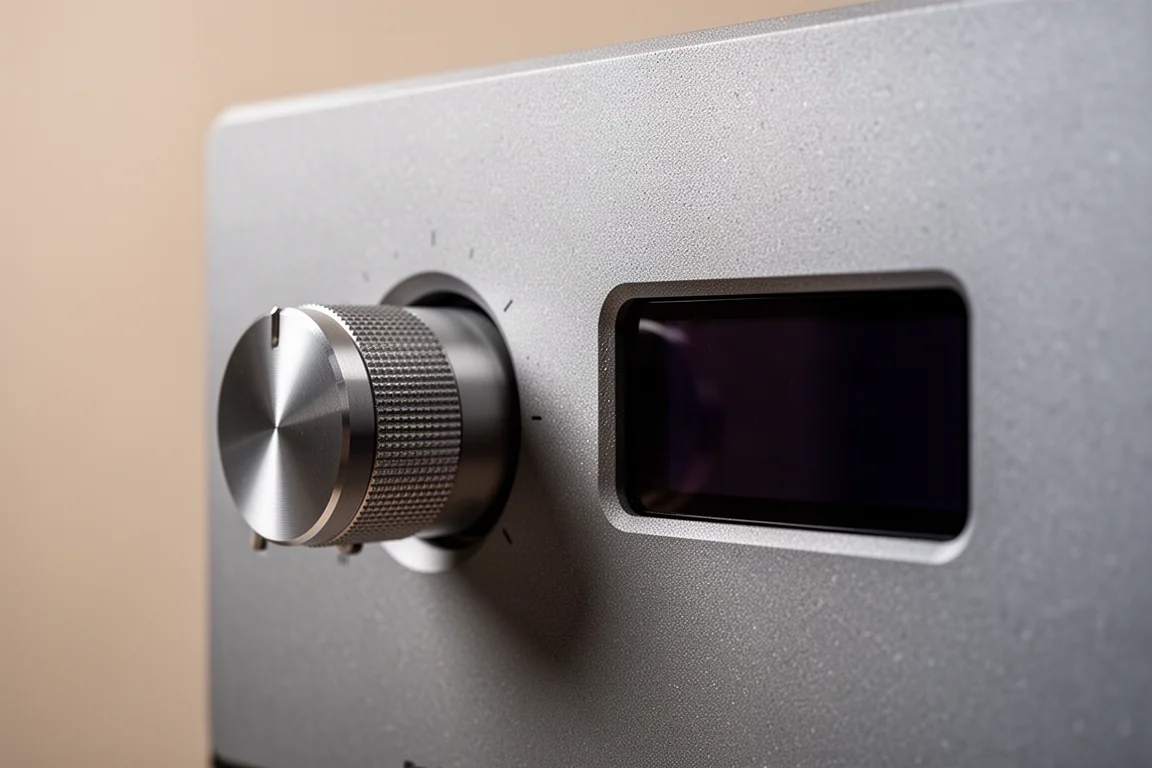
A button wakes the unit from standby, and it takes a little while to warm up even though there are no tubes inside. The chunky OLED display is the visual centre of the front panel, and the volume dial has a genuinely smooth action. Two buttons handle menu entry and exit, covering input selection, speaker balance and display brightness, with deeper options for setting the standby clock, personalising input names and adjusting default behaviour. Most of those functions are duplicated on the supplied remote control.
Around the back, five sets of RCA inputs and one set of outputs are joined by premium-quality connectors, with the speaker binding posts positioned at the outer edges. There are no balanced XLR connections on this model, which is worth knowing before you plan a system around it.
Speaker Pairing Notes
The 921 is not a fussy amplifier, and it drove everything we connected to it without complaint. Speakers in the £2,000 to £3,000 bracket feel like the natural starting point, and good quality traditional British standmounts are an obvious match.
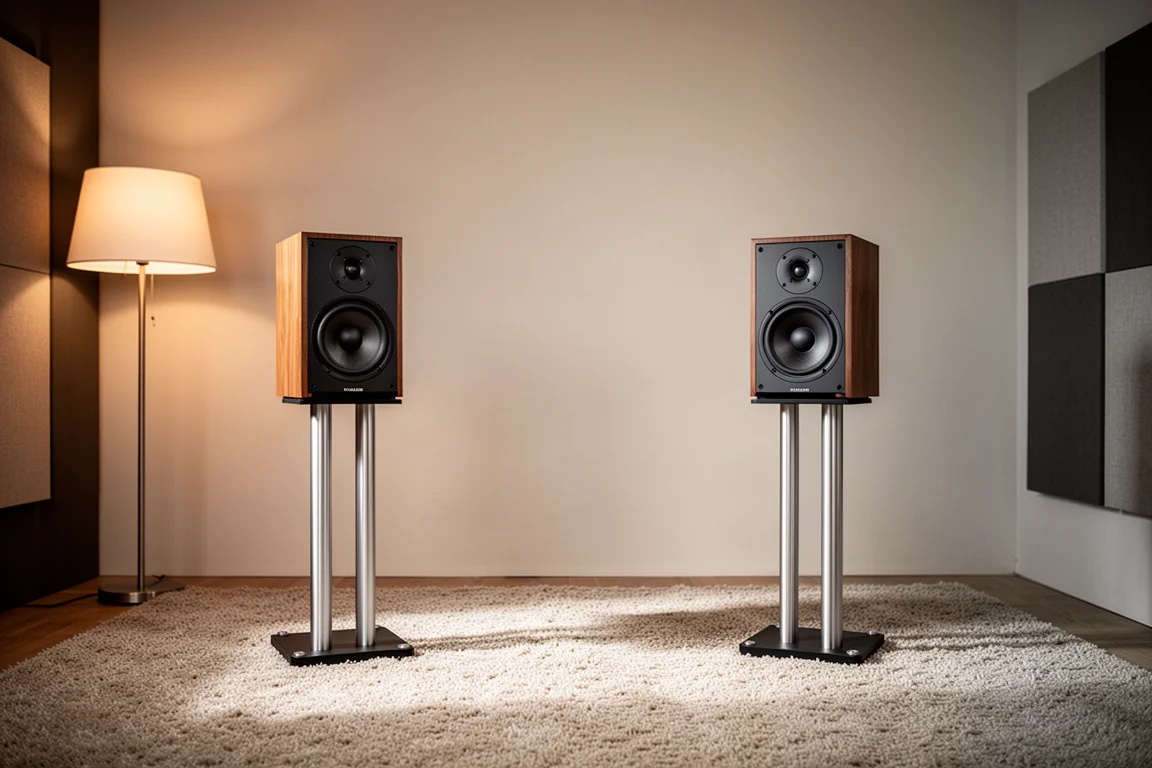
Partnering the 921 with a £5,000 pair of speakers moved performance up across resolution, scale and dynamics, and the combination of Trilogy amplification with those transducers was genuinely impressive. The best match of all came from a pair of £6,395 standmounts, which drew out a level of insight while everything still sounded perfectly natural. The vintage reference system retained a slight edge in sheer get-up-and-go, but the 921 won on almost everything else.
Things to Consider Before Buying
Price is the first consideration. At £5,995 the 921 is an entry point into a high-end brand, not an entry-level amplifier, and it competes in a busy part of the market.
Power is the second. At 75 watts into 8 ohms it is not a powerhouse on paper, and listeners who put scale and dynamic swing above everything else may find the presentation a touch polite. The amplifier is also purely analogue, with no built-in DAC or streaming module, so it will need a separate digital source if you want one.
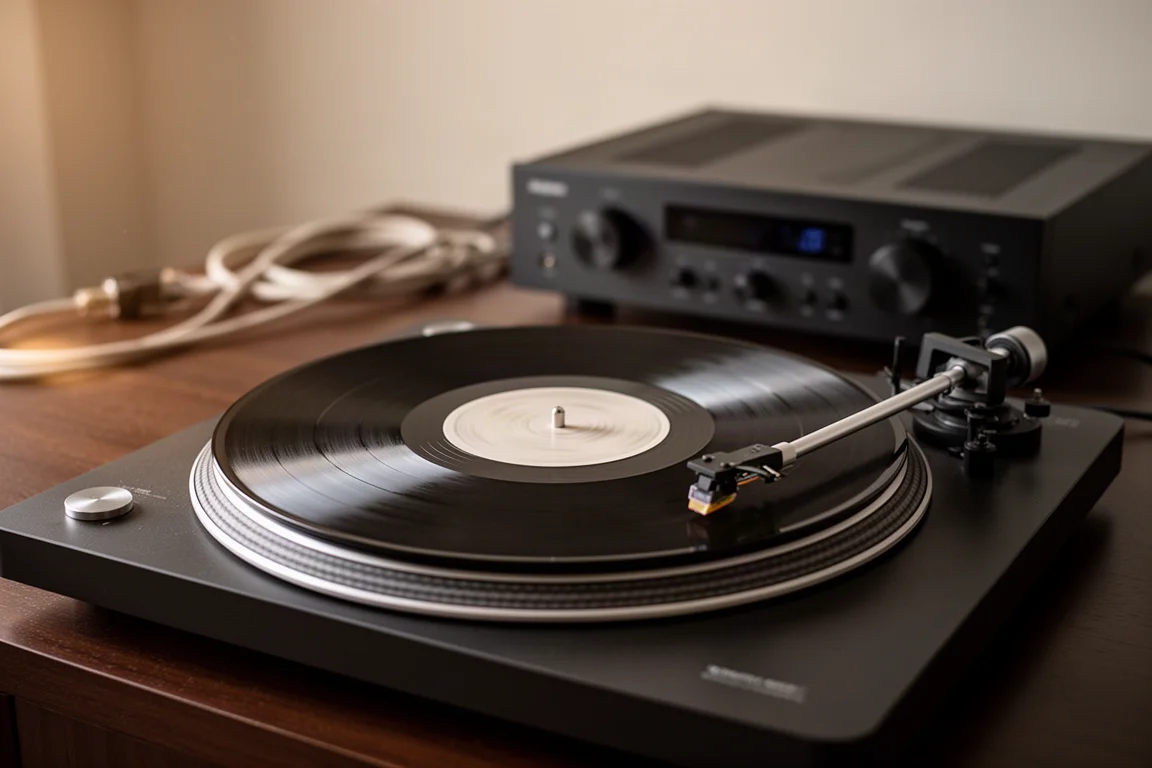
Connectivity is the third. The five RCA inputs are line level, so vinyl listeners will need their own phono stage, and anyone with balanced sources will have to look elsewhere or adapt. None of these are flaws in the design so much as a clear statement of what the 921 is: a traditional analogue integrated amplifier, done properly.
Buying Advice
Buy the 921 if your priority is resolution, timing and a sound stage that lets you hear deep into recordings without any added colour. Pair it with speakers in the £2,000 to £3,000 range and it will drive them cleanly and then disappear from the equation.
Budget for the rest of the chain as well. An amplifier this transparent rewards good source components and clean interconnects, and it will expose weak links rather than flatter them. If you want a system that keeps you engaged with the rhythm of a track above all else, audition carefully and compare against designs that add a little warmth. If you want to hear what is actually on the recording, the 921 makes a persuasive case.
Conclusion
The Trilogy 921 is a stylish and superbly built amplifier that carries a high-end brand’s design values into a lower price bracket. Its strengths are excellent resolution, impeccable timing and the removal of sonic colour from the chain, and at this price there is very little that matches it in those areas. The reservation is one it earns for itself: a touch more scale and dynamic release would have made it an even more compelling listen, and that is why it falls just short of the highest recommendation we can give. Make no mistake, though. This is one of the finest integrated amplifiers you can buy for the money.
Product link
View more details for Trilogy 921 Integrated Amplifier
This product is mentioned in the review. Check the specifications, options, and compatibility before buying.
View more details for Trilogy 921 Integrated AmplifierFurther reading
Related Reviews
Hi-Fi Amplifiers
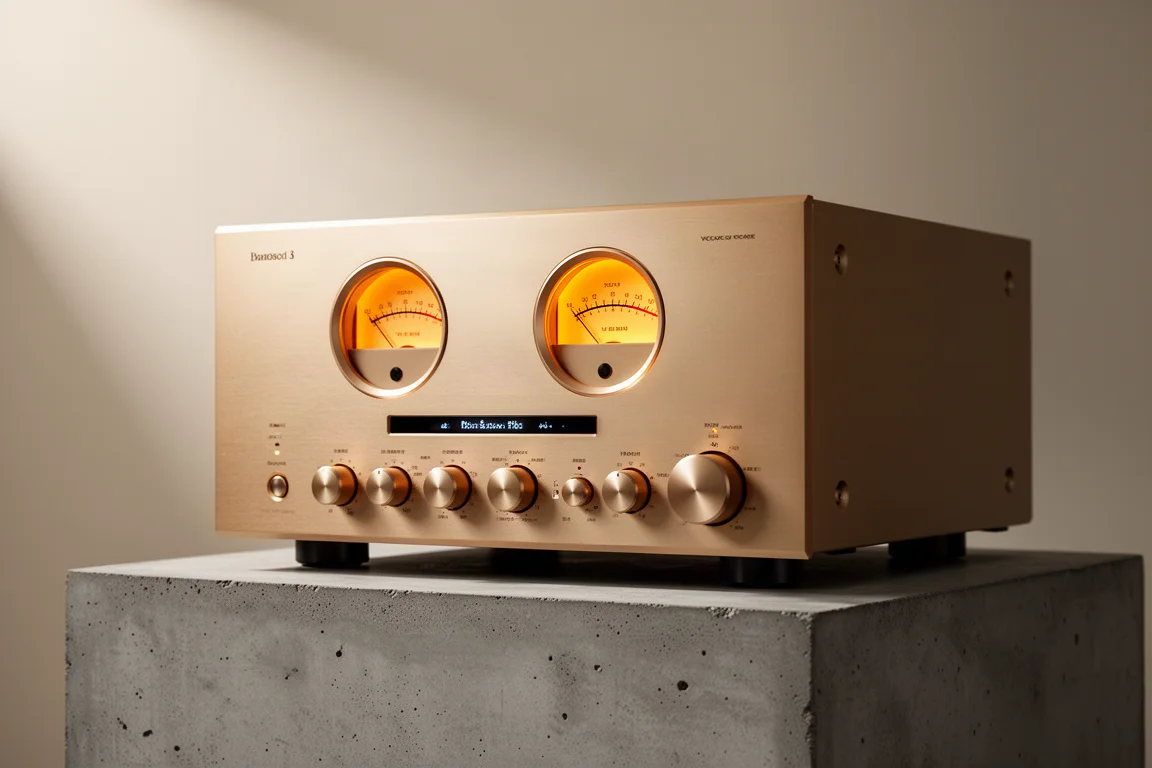
Accuphase E-280 Review: Entry-Level Accuphase With Flagship Attention to Detail
A close look at the Accuphase E-280 integrated amplifier, covering its champagne build, AAVA volume control, sound quality, and the speakers and sources that suit it best.
Hi-Fi Amplifiers
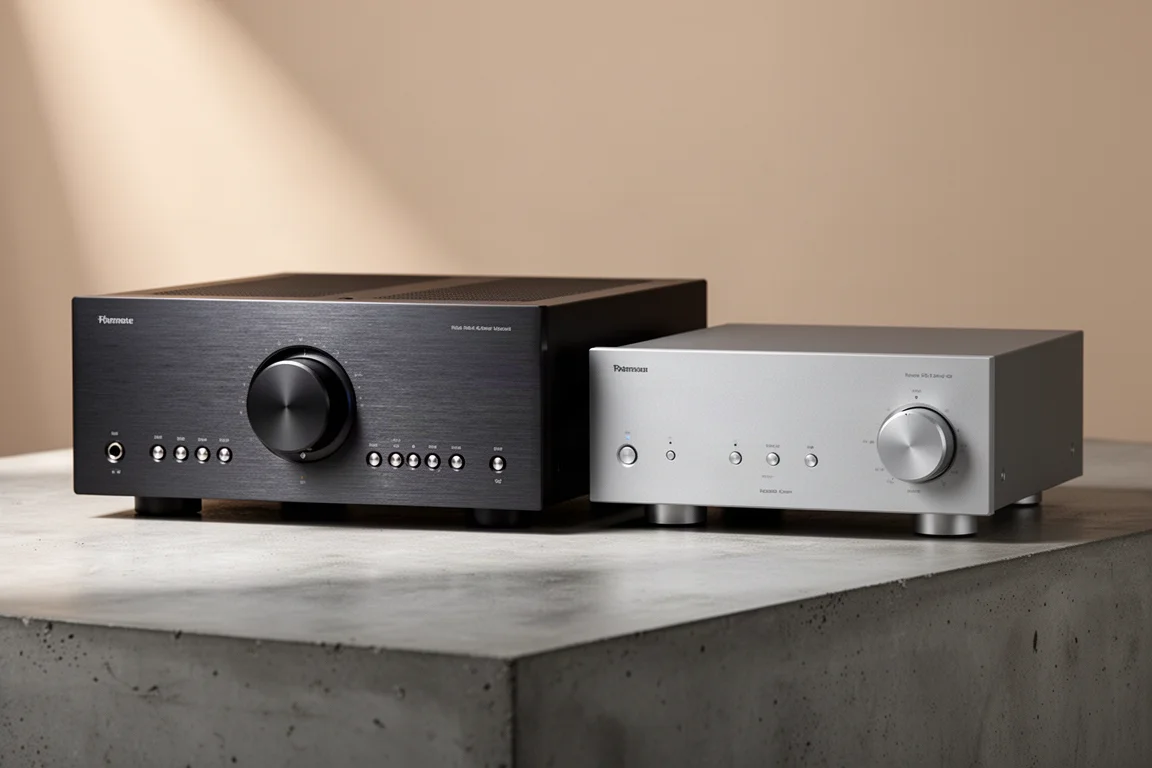
Advance Paris A10 Classic vs Yamaha A-S301: Two Integrated Amplifiers Compared
A practical comparison of a $350 integrated amplifier and a $2,500 reference model, covering the differences that matter and the ones that do not.
Hi-Fi Amplifiers
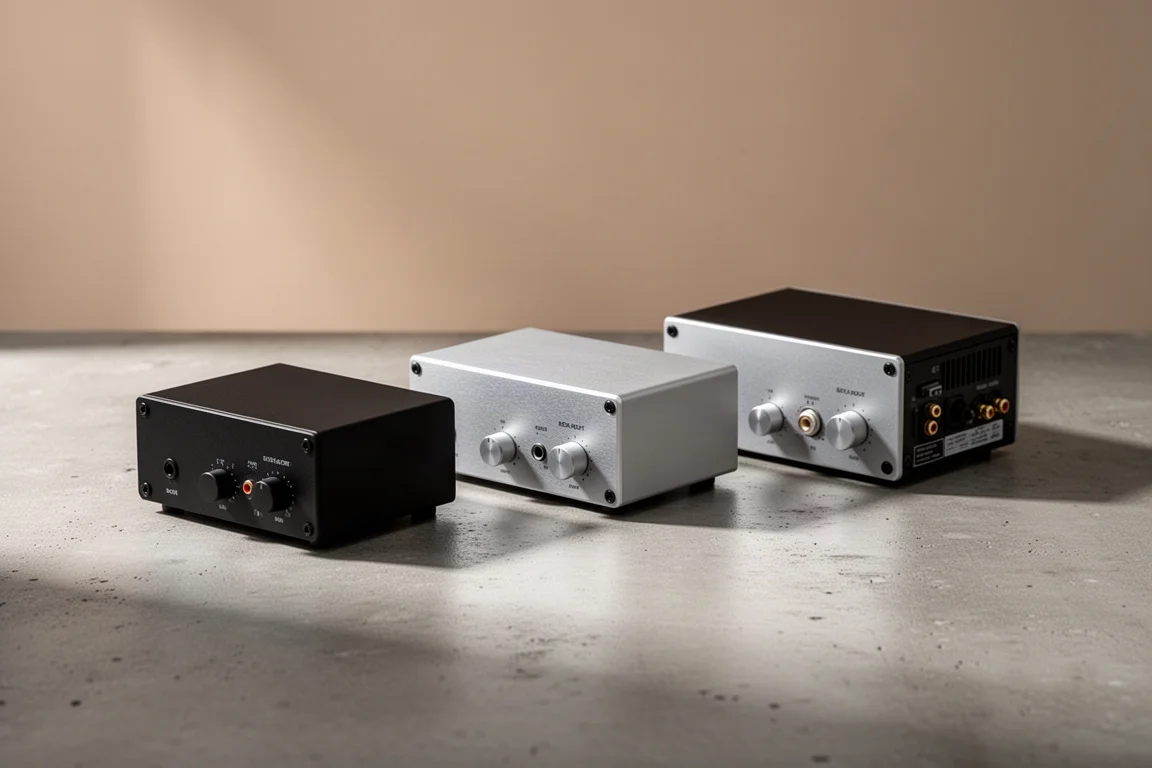
Affordable Chinese Amplifiers Worth Buying: Five Budget Hi-Fi Amps Compared
A practical look at five affordable amplifiers, what each one does well, and the trade-offs to weigh before you buy.