Wearable Tech
Triathlon Wearable Tech Guide: Eight Devices Worth Understanding
A practical tour of eight wearable devices for triathletes, from swim goggles with in-lens metrics to core temperature sensors, portable metabolic testing, and recovery trackers.
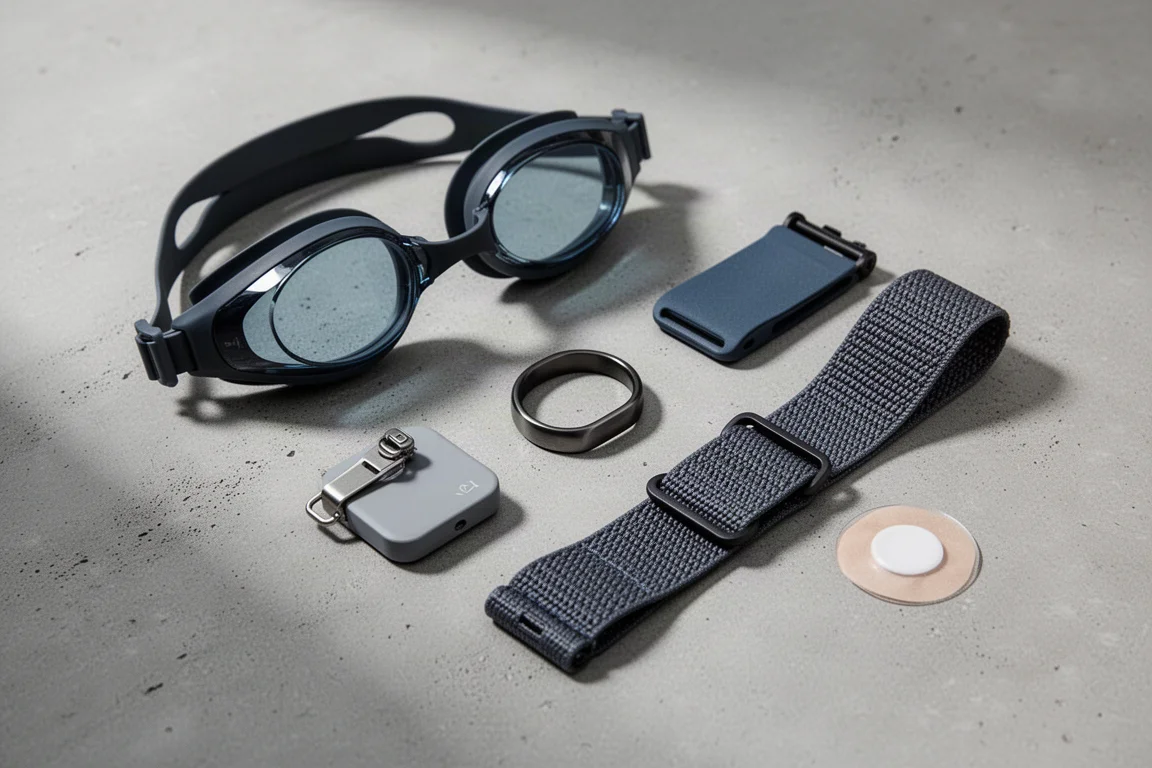
Introduction
Smartwatches have quietly become standard equipment for triathletes. Most competitive athletes already wear one, and the basics are well covered: pace, heart rate from the wrist or a chest strap, training zones, laps, and the data needed to review a run or a ride afterwards. More advanced watches add running power, body temperature estimates, and recovery metrics on top.
The interesting part now sits alongside the watch rather than inside it. A growing group of devices specialises in one measurement and does it more precisely than a general purpose watch can, then feeds that data back into the same ecosystem. Heart rate, activity, body temperature, sweat, blood oxygenation and more are all available, and the sheer volume of numbers can start to feel like a second job to interpret.
Swimming has been the slowest area to develop, mainly because water interferes with the connection between skin contact sensors and the device reading them. That is starting to change, and a few of the options below show how far it has come.
What These Devices Actually Measure
It helps to group these devices by the question they answer rather than by brand. Some measure effort: heart rate, pace, power, stroke rate, and oxygen delivery to a working muscle. Some measure the environment and the body’s response to it: core temperature, sweat rate, sweat concentration. Some measure recovery: sleep duration, sleep quality, and the morning readiness or stress scores that have become familiar on rings and bands. Continuous glucose monitoring sits somewhere in the middle, having moved from essential clinical use into endurance sport, where athletes watch how energy levels rise and fall during a session and across a day.
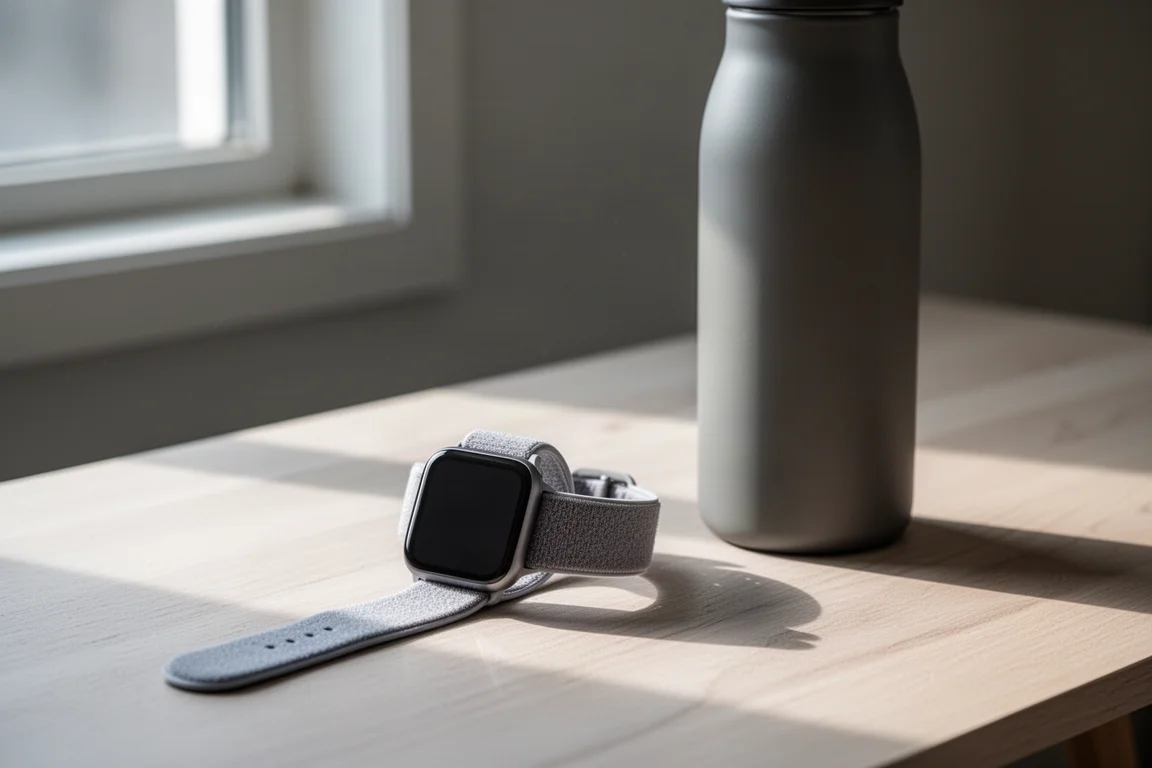
The practical difficulty is interpretation. A single device can now produce more data in one session than most athletes have time to review, and several of the tools below are genuinely more useful in the hands of a coach or a sports physiologist.
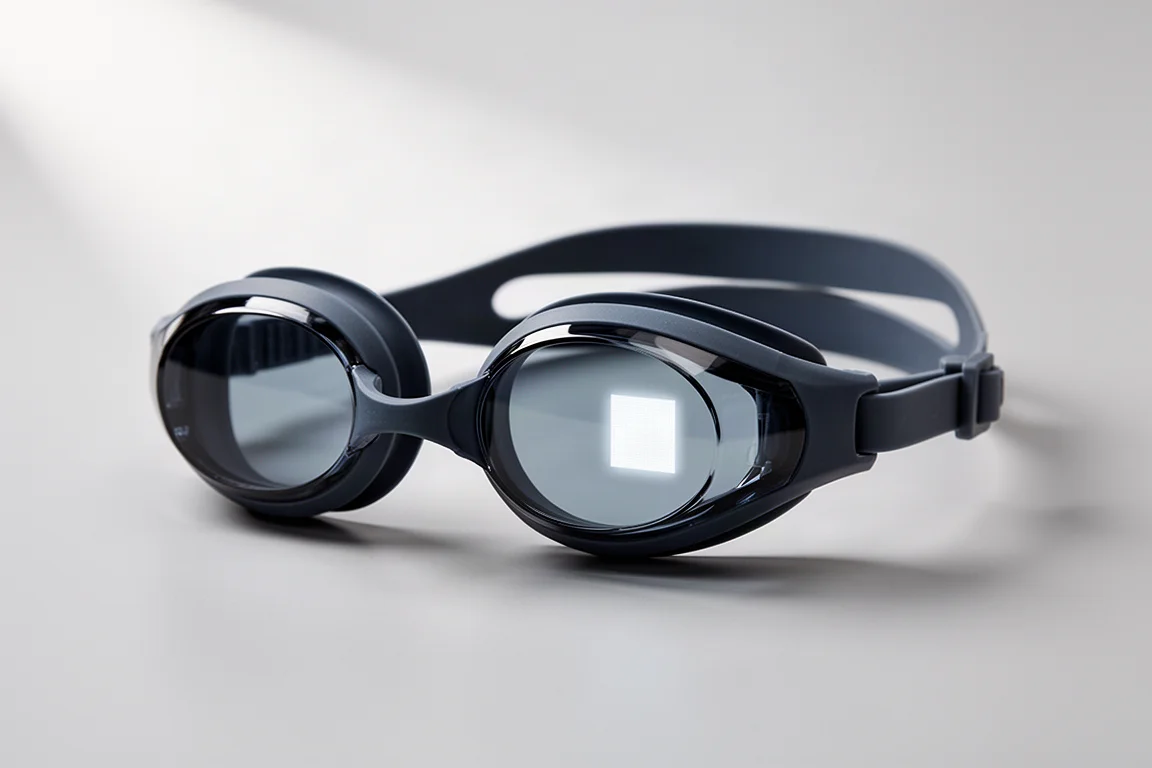
Form Goggles: Swim Metrics in the Lens
Form Goggles place an augmented reality display inside one lens. Swimmers can still see where they are going, and the display overlays live metrics in real time: heart rate, pace, distance, stroke rate and stroke count. The same data can be reviewed after a session for a closer look at how the swim was executed.
Workouts can be synced from training platforms and shown directly in the display, which changes the pool experience for anyone who struggles to hold focus, hit target paces, or follow a written set. The goggles can also be raced in, though not every event permits them, so it is worth confirming with the race organiser beforehand.
Nyx Hydration Biosensor: Live Sweat Data
The Nyx Hydration Biosensor uses small non-invasive patches applied to the skin to deliver live sweat data during a session. The accompanying app does the interpretation, converting the readings into practical guidance on how much fluid and electrolyte an athlete needs for a given session.
Two limitations are worth knowing before buying. The patches are not waterproof, which rules them out for swimming and makes heavy rain a problem. They are also consumable, so using a fresh patch for every session adds up quickly. The most sensible approach is to gather enough data over a focused period to build a hydration plan, then apply that plan without measuring every time.
CORE Body Temperature Sensor: Heat and Adaptation
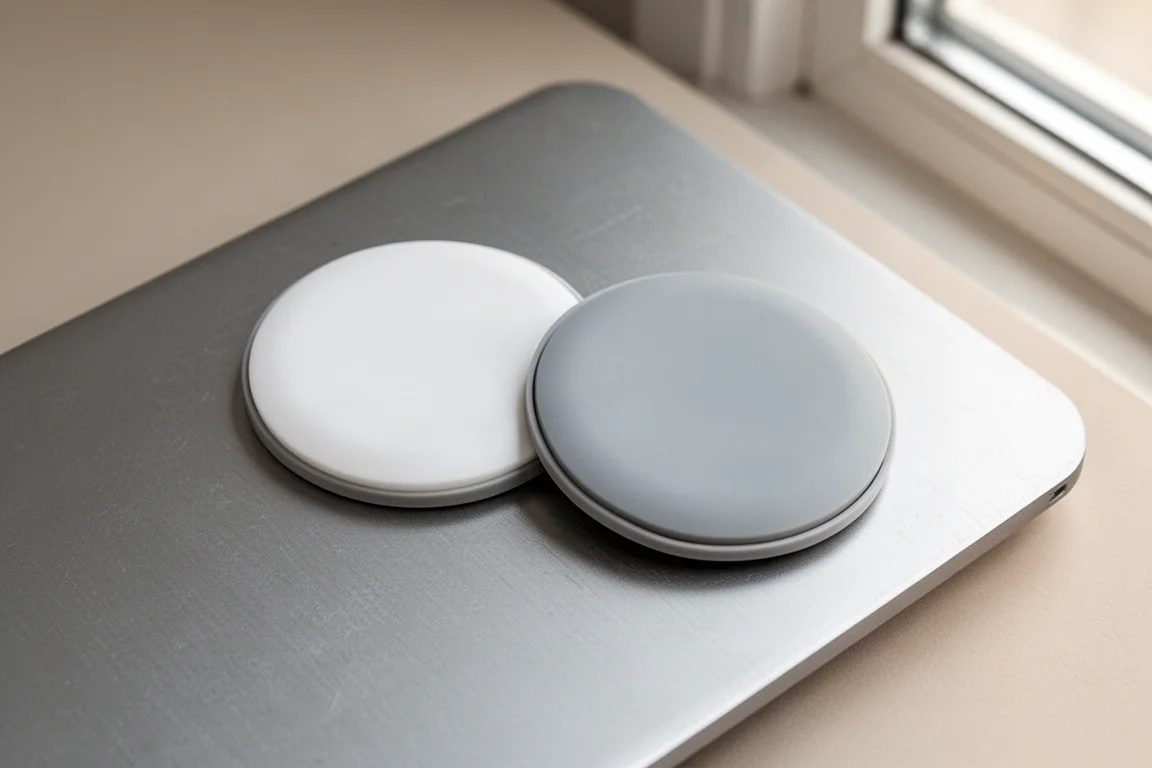
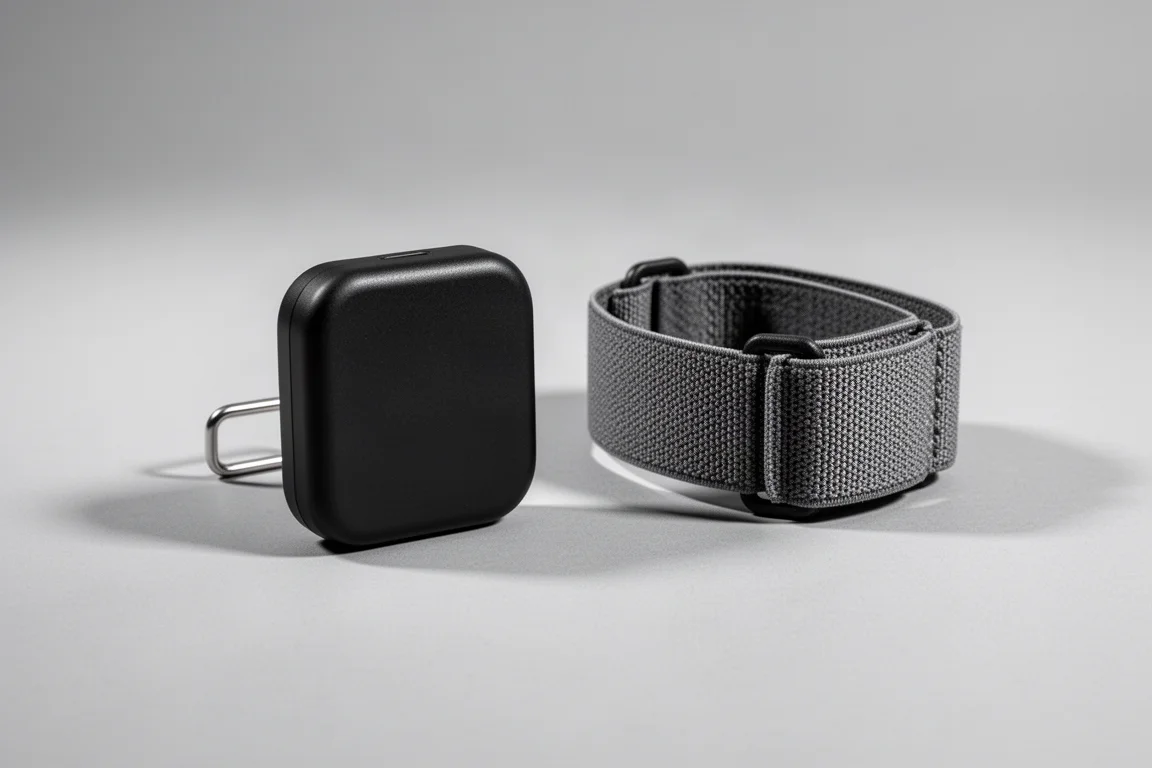
The CORE Body Temperature Sensor clips onto a heart rate strap and reports core body temperature without needing anything invasive. It goes a step further than the body temperature readings on a watch or a ring because it can indicate whether a rising temperature is being generated internally by effort or driven by heat coming from the environment.
Because it can be worn continuously, it is useful outside training as well. A slight rise in core temperature while resting at home can be an early signal that the body is fighting something. Interest in this metric grew sharply after hot and humid championship racing, and athletes training for similar conditions often use it to learn how their bodies respond and how much heat adaptation work they need.

For anyone preparing for an event in the heat, that combination of live feedback and long term tracking is the main reason to consider it.
CORE Bodysuit: Heat Adaptation at Home
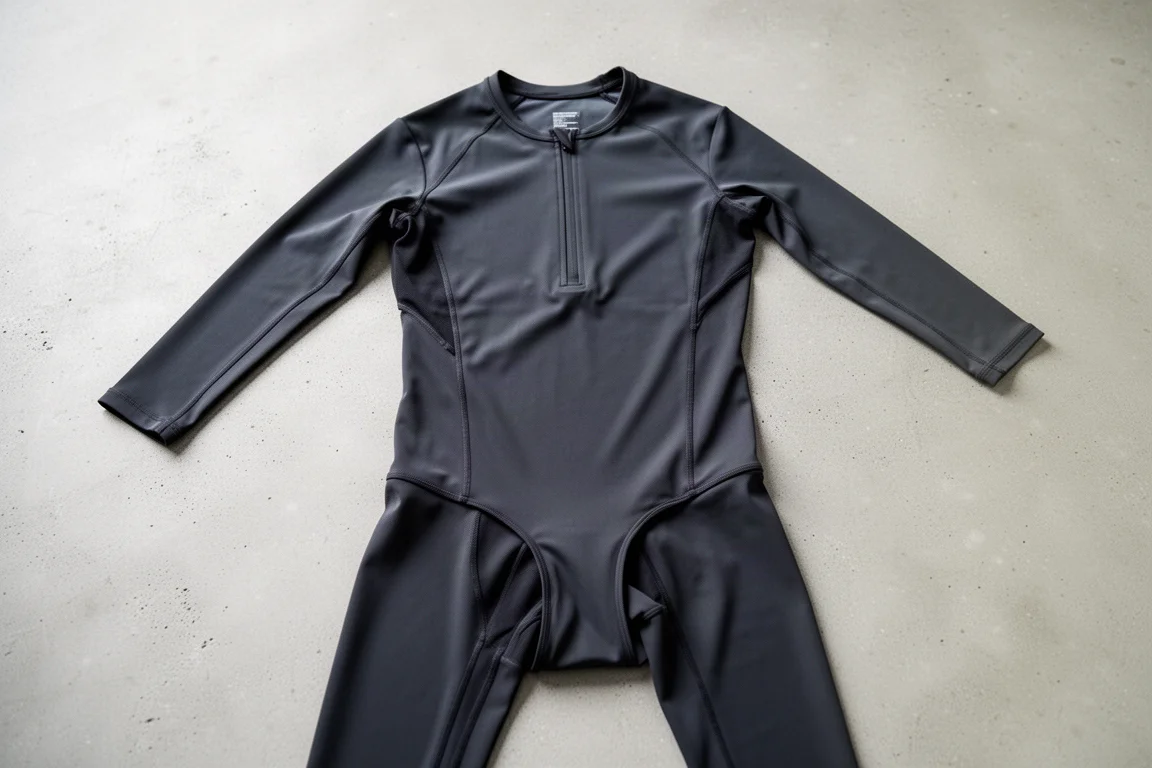
The CORE Bodysuit takes the same heat adaptation idea in a different direction. Wearing it is described as training in a portable sauna, allowing an athlete to build heat tolerance without access to a heat chamber or a trip to a warm climate.
VO2 Master: Portable Metabolic Testing
VO2 testing is valuable for an endurance athlete because it provides the numbers needed to set accurate training zones and keep training specific to a goal. Traditionally this means booking time in a sports science lab with a physiologist present to run and analyse the test, which costs money, takes time, and is not easy to repeat often.
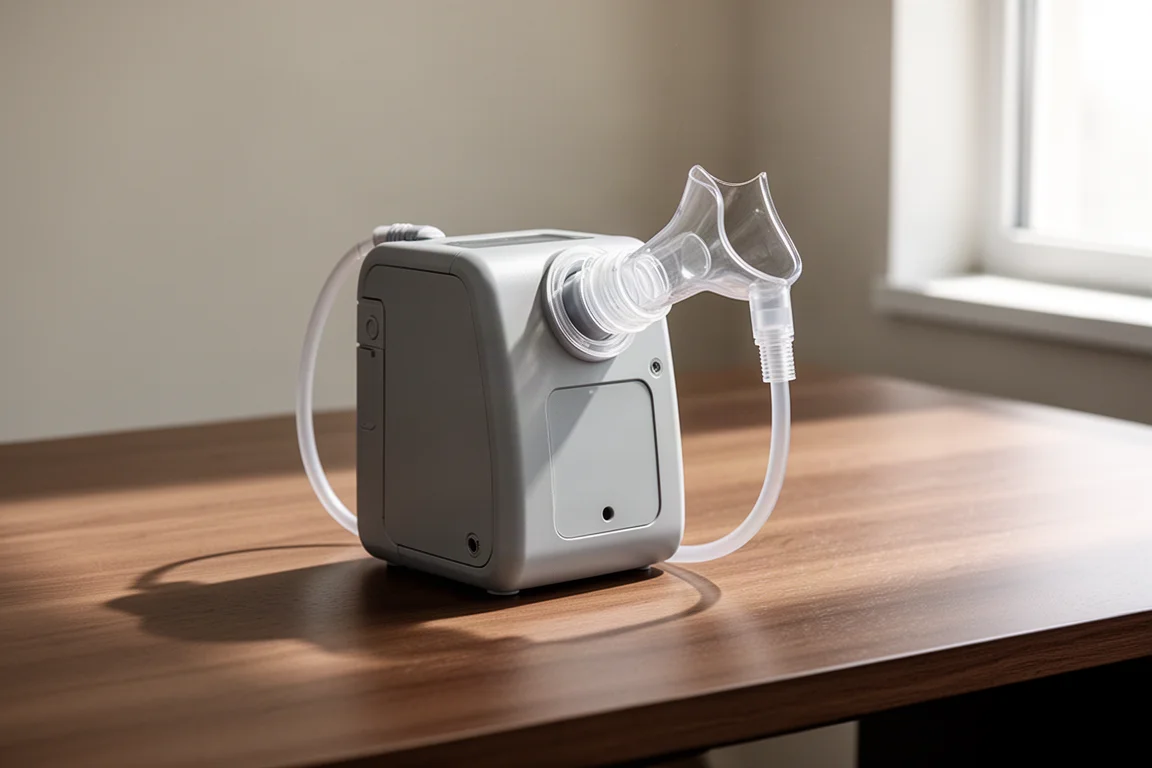
VO2 Master developed a portable device that allows VO2 testing during everyday training instead. Several athletes have adopted it for exactly that reason. The trade-off is the volume of data it produces: it is usually most useful when a coach or physiologist interprets the results, so it suits athletes who already work with someone or who have a strong personal interest in the physiology.
Moxy: Muscle Oxygen Monitoring
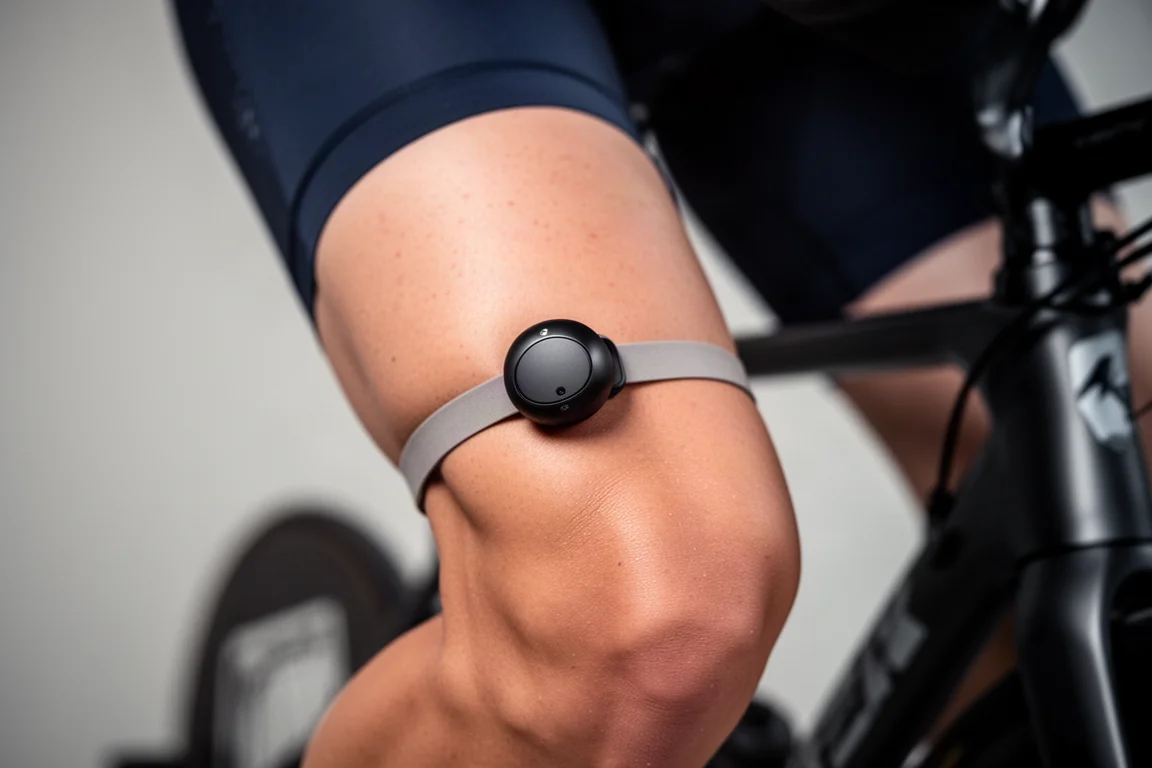
Moxy answers a question many athletes ask in the hardest part of a session: how much oxygen is actually reaching the working muscle. The device attaches to a chosen muscle and measures the oxygen available to it.
Interpretation is the barrier. The numbers require a solid grounding in sports physiology to be useful, and at roughly $800 per device the tool is largely limited to professional athletes and their support teams for now. Even so, it is a field worth watching as more athletes look for a genuine insight into what is happening inside the muscle.
For the majority of age group triathletes, the practical value will depend on having someone qualified to read the data and turn it into training decisions.
Oura Ring: Sleep and Readiness Scores
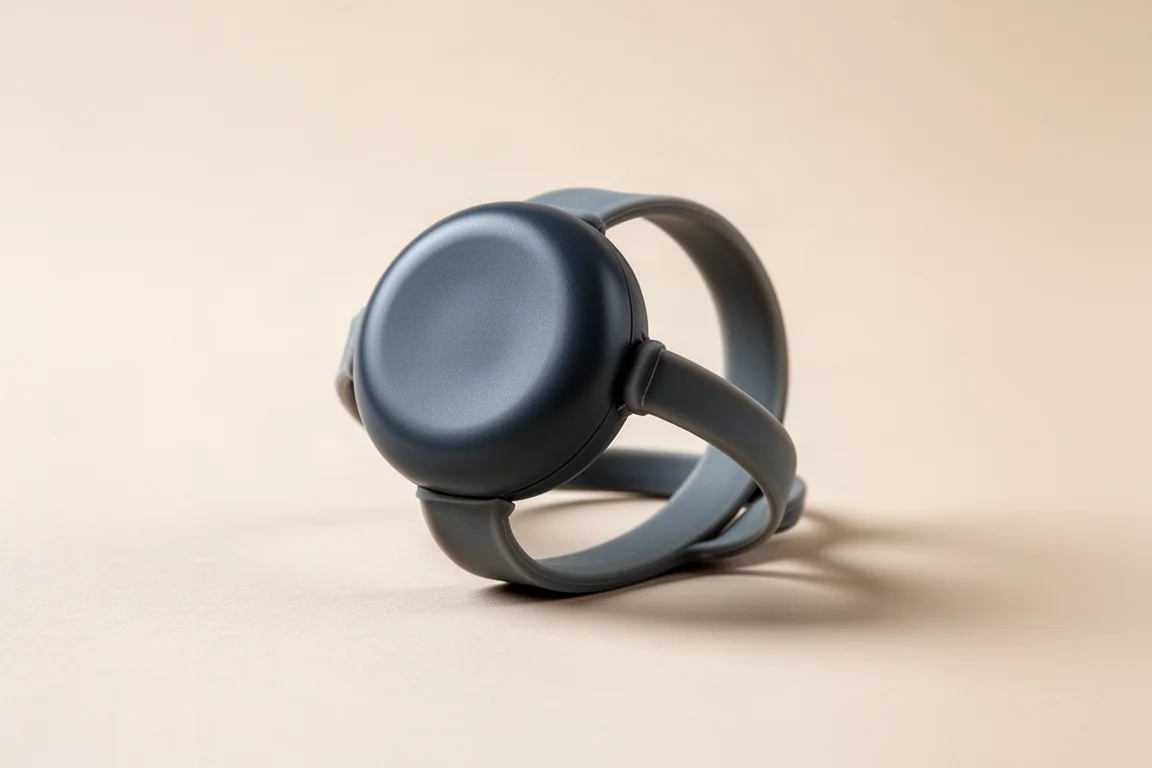
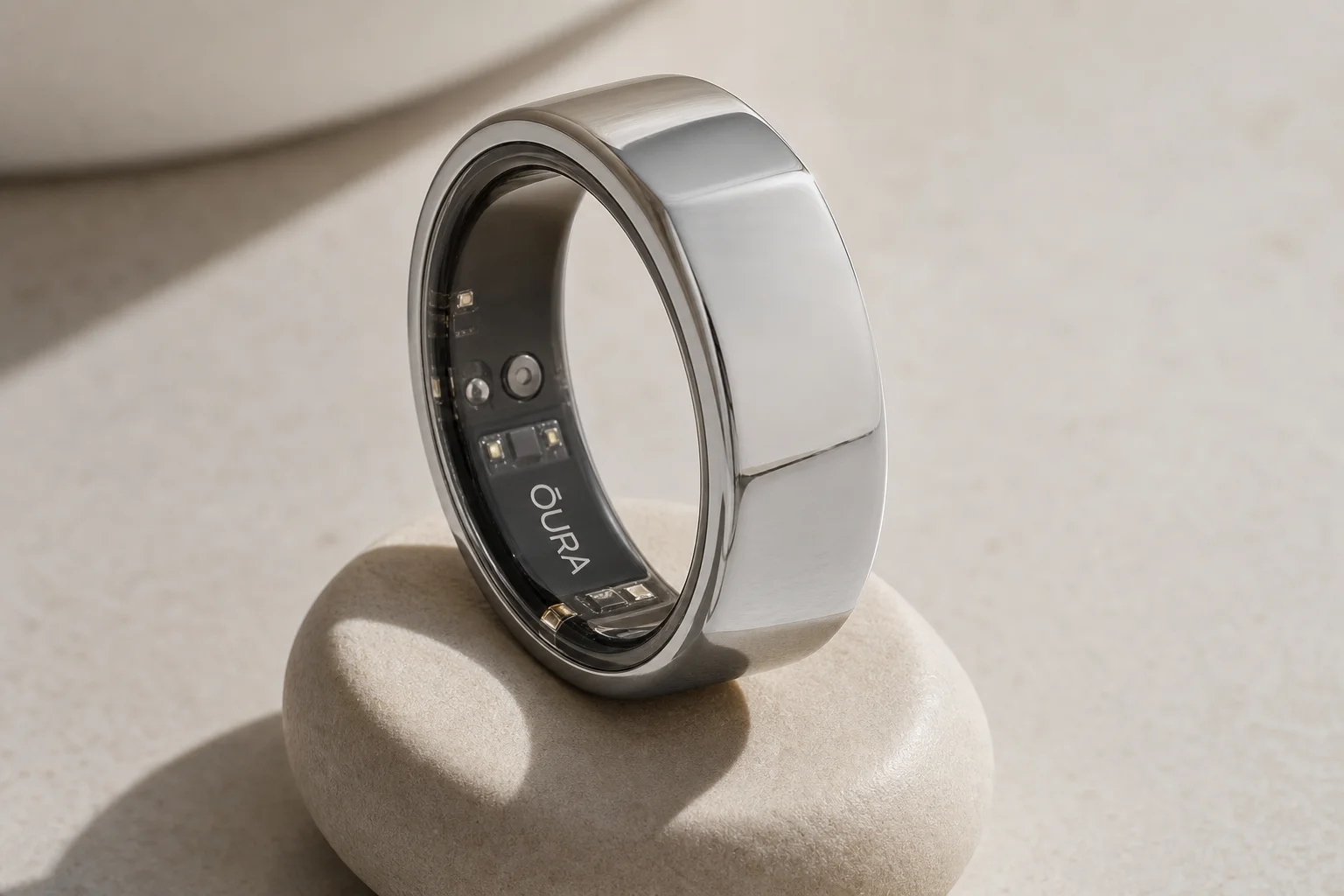
The Oura Ring belongs to the group of devices designed to be worn continuously rather than used for a single session. It tracks physical activity through the day and sleep overnight, including sleep quality rather than just duration. In the morning it combines that information into a readiness or stress score, giving a quick indication of how prepared the body is to train.
The appeal is accessibility. These devices are built with a broader audience in mind, so the data is interpreted into something that can be understood without a physiology background. Consistency matters, which means wearing it all the time so the app can establish what is normal for the individual. It is also worth watching for the habit of checking the score instead of listening to the body. Heart rate variability, often surfaced alongside these scores and measured shortly after waking, adds another early warning signal for stress, overtraining, or illness.
Whoop: Continuous Recovery Tracking
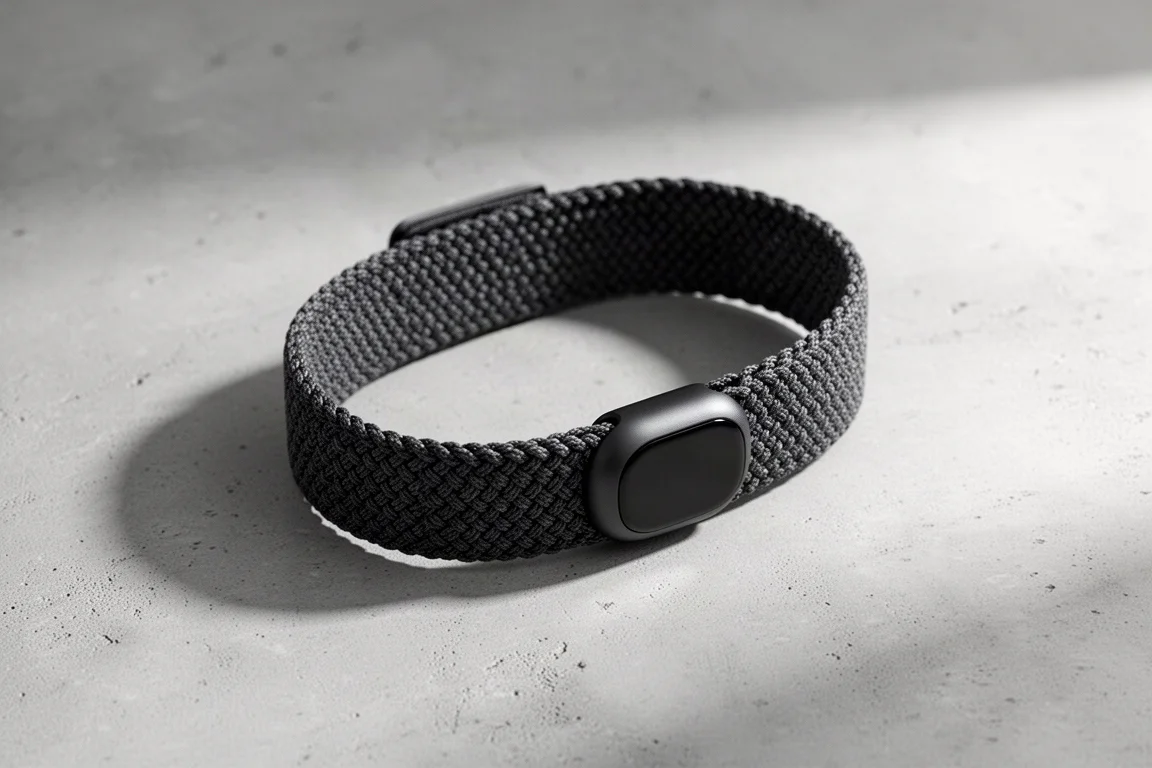
Whoop follows the same principle: a band worn continuously that records all day activity and overnight sleep, then returns a simple readiness or stress score each morning. Like the ring above, it is aimed at a wide audience and does the interpretation for the user, which makes it easy to act on without any specialist knowledge.
The trade-offs are the same as well. A useful baseline depends on wearing it constantly, and a daily score can encourage over-checking. Used sensibly, it is a compact way to keep an eye on how the body is coping with training load.
Buying Advice for Triathletes
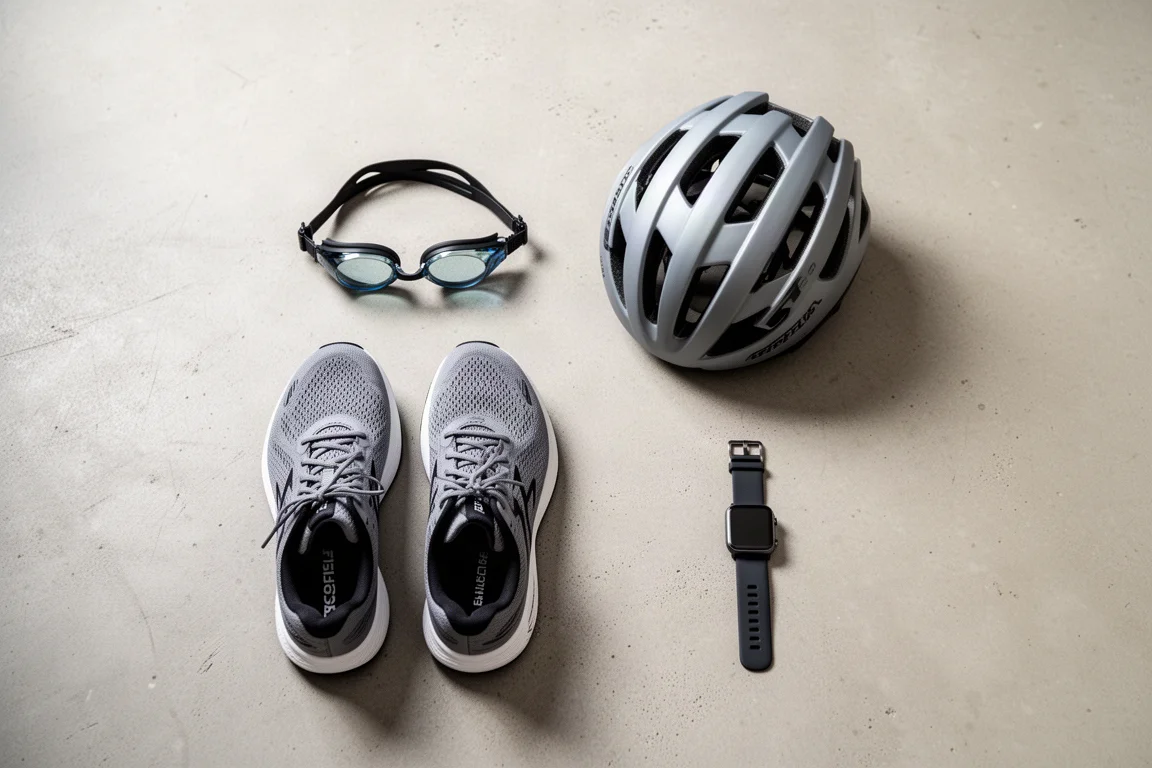
Start with the watch and the basics. If a smartwatch already covers pace, heart rate, zones and laps, the question is which specific measurement is genuinely missing from your training. A swimmer who cannot hold a pace may get more from in-lens swim metrics than from another recovery score. An athlete racing in the heat may get more from a core temperature sensor than from any other upgrade.
Cost structure matters as much as the headline price. Consumable patches and premium sensors only make sense if they are used often enough to change a decision. Several of these devices also produce data that needs a coach or physiologist to interpret properly, and lactate testing is a good illustration of the same problem: the devices have become cheaper and more available, but producing accurate results is difficult even in a lab, so a professional test can be better value than buying hardware.
Conclusion
Wearable tech for triathletes has moved well past the smartwatch. Core temperature sensors, sweat patches, portable metabolic testing, muscle oxygen monitors and recovery rings and bands each address a specific question, and each links back to the watch so the numbers land in one place.
The devices that earn their place are the ones matched to a real problem, whether that is holding pace in the pool, adapting to heat, or understanding recovery. Some of them still demand a level of expertise to interpret, so it is worth being honest about how the data will actually be used before buying. Handled that way, the numbers complement training rather than adding noise to it.
Further reading
Related Reviews
Wearable Tech
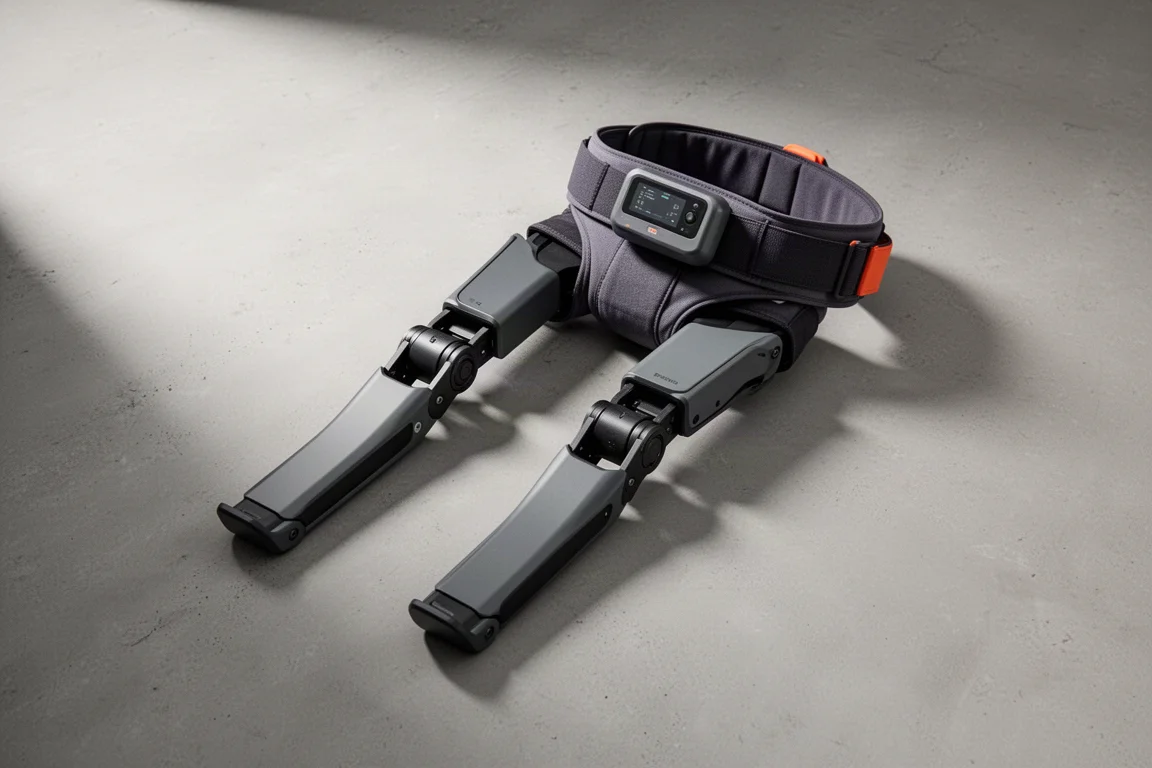
Hypershell Exoskeleton Pro Review: Wearable Assistance for Walking, Hiking and Cycling
A wearable lower-body exoskeleton that claims up to 30% more power. We look at what it actually delivers on foot, on stairs, and on the bike.

Backpacking Gear
Building a 10 lb Base Weight: An Ultralight Backpacking Gear List
A practical walkthrough of the ultralight pieces behind a 10 lb base weight, from a 765 g pack and a roomy one-person tent to a full camp chair and a dependable water filter.

Road Bikes
10 New Road Bikes Worth Watching: Aero, Titanium, Steel and Endurance Standouts
A practical roundup of 10 new road bikes, from aero flagships chasing single-watt gains to titanium, steel and endurance platforms built for real roads.