Mountain Bikes
Trend Setting Mountain Bikes to Watch: Seven Designs Shaping the Trail
Seven mountain bikes with designs worth understanding, from lightweight e-MTBs and high pivot enduro rigs to steel hardtails and telemetry-equipped trail bikes.
Introduction
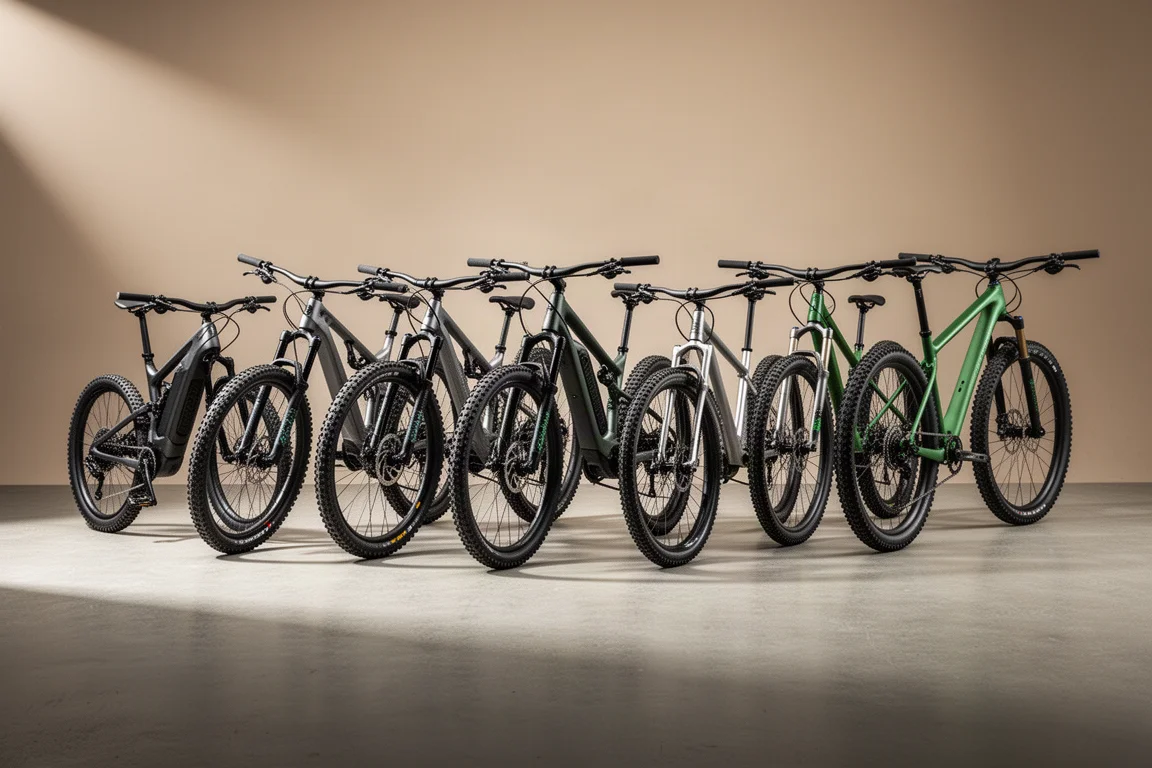
Mountain bike design moves in waves. Some seasons bring small refinements, other seasons bring genuinely new thinking about motors, frame construction, pivot layouts and geometry. The seven bikes below are the ones worth paying attention to, because each one pushes a specific idea further than the bikes around it.
They are not direct rivals. A steel hardtail and a 190mm aluminium e-bike serve completely different riders, so comparing them head to head would be meaningless. What they share is that each represents a direction the wider mountain bike world is likely to follow.
This roundup covers a lightweight electric trail bike, a high pivot enduro machine, a mixed wheel gravity bike, a race-focused enduro bike with on-the-fly geometry adjustment, a CNC machined aluminium e-bike, a stainless steel hardtail, and a mid-travel carbon trail bike with suspension telemetry. Each entry explains what makes the design notable, what it is good at, and what a buyer should think about before committing.
How These Bikes Were Chosen
Each bike here has been assessed on its own terms rather than against the others. A frame that excels on steep technical descents is not judged by how it behaves on smooth climbs, and a hardtail is not marked down for lacking rear suspension.
The selection criteria were straightforward: does the bike introduce or refine an idea that matters, does that idea translate into a genuinely different riding experience, and is the result something a real rider would want? Several of these bikes use unusual motors, unusual frame construction or unusually adjustable geometry. That is precisely why they belong on this list.
The most important thing to keep in mind is that a design trend is not automatically the right choice for every rider. Read each section as a description of a specific set of priorities, then decide which priorities match your own trails.
Trek Fuel EXe: A Lighter Take on Electric Mountain Bikes
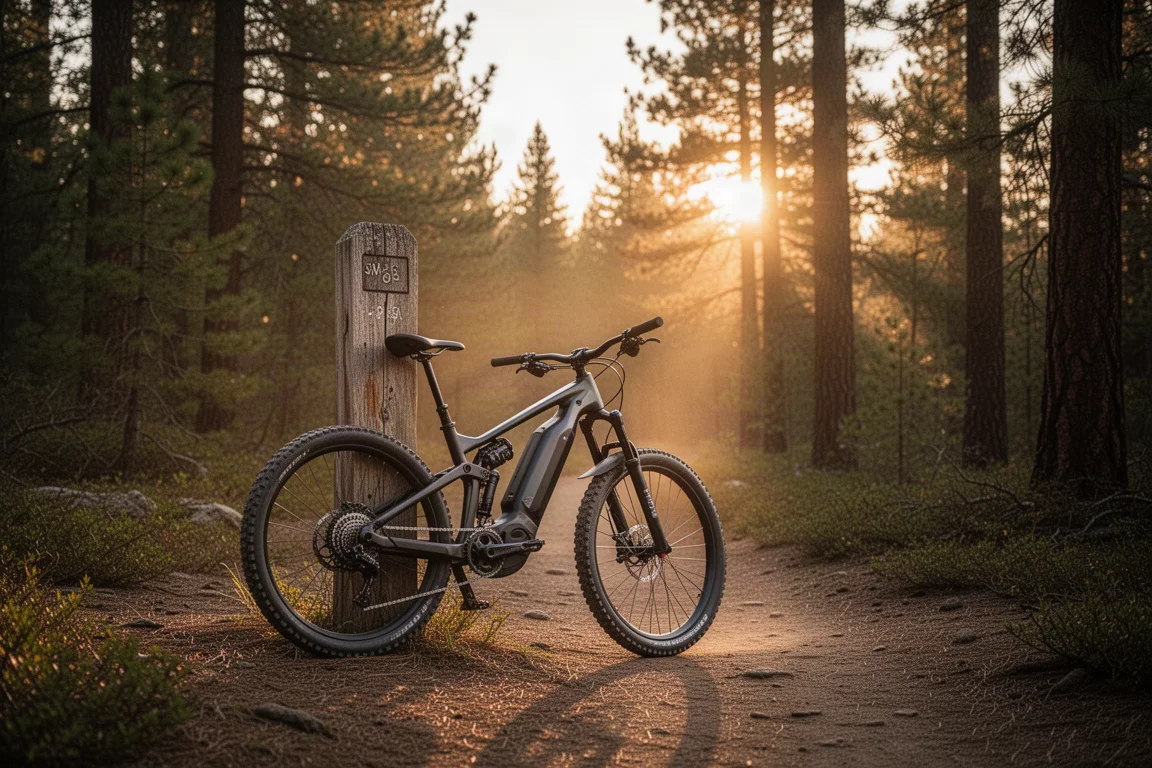
The Trek Fuel EXe represents one of the clearest steps forward in electric mountain bike design. Rather than building a frame around an existing drive unit, Trek partnered with TQ to produce a motor from the ground up, which allowed the bike to be designed exactly as intended.
The TQ HPR 50 motor is remarkably compact and light. It produces 50 newton meters of torque with a peak power of 300 watts, and because of its small size Trek did not have to compromise on geometry. Power delivery is instant and natural, so there is no unfamiliar behaviour to adjust to. You simply get on and ride. The motor is also close to silent in use.
The 360 watt hour battery provides a reasonable amount of ride time. In practice, one outing covered 32.6 kilometres with 1,347 metres of climbing in the middle power mode, returning to the start with around one percent of battery remaining. Riders who want to keep pace with friends on full power e-bikes can generally do so, provided those friends are not relying on turbo mode. Steeper climbs ask for a little more effort, but they remain manageable.
On the trail, the Fuel EXe feels confident and stable at speed. The suspension is well balanced, the overall weight is relatively low, and the bike is comfortable being thrown around, lofted and launched. Despite its trail bike tag, the frame feel, proportions and suspension behaviour make it more capable than the 140mm of rear travel might suggest. The reviewed build sits at the very top of the range at 13,250 pounds or 14,000 dollars, but Trek offers other versions of the Fuel EXe that use the same frame and drive unit for considerably less.
Hope HB916: High Pivot Enduro Performance
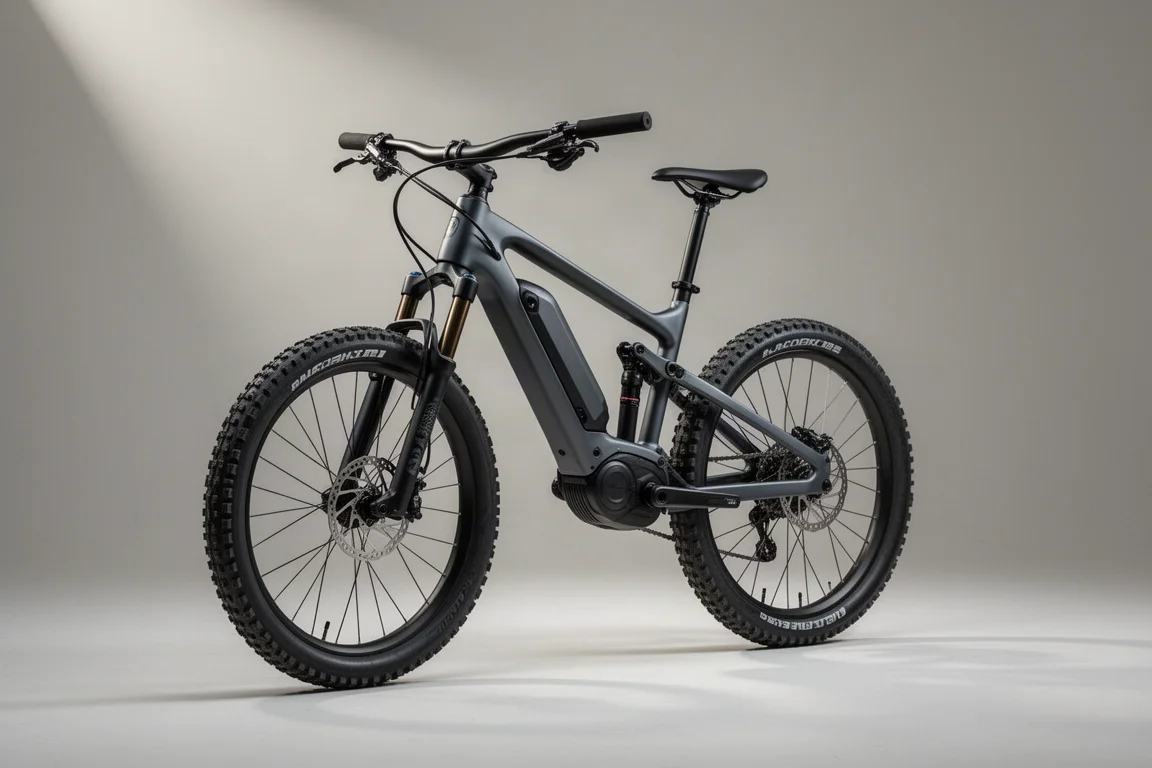
High pivot suspension has seen a resurgence, with several brands adopting an idler layout and claiming improved suspension performance. Results have been mixed. The Hope HB916 is the latest take on the idea, and it is a radical departure from Hope’s earlier enduro bike, using a high main pivot and an idler pulley.
The result is a bike that comfortably smooths out the harshest hits while remaining genuinely capable when pedalled uphill. The geometry is pushed further than many mainstream brands, with reach figures between 450 and 510 millimetres in the low setting, a head angle hovering around 63 degrees, and a seriously steep seat tube angle close to 79 degrees.
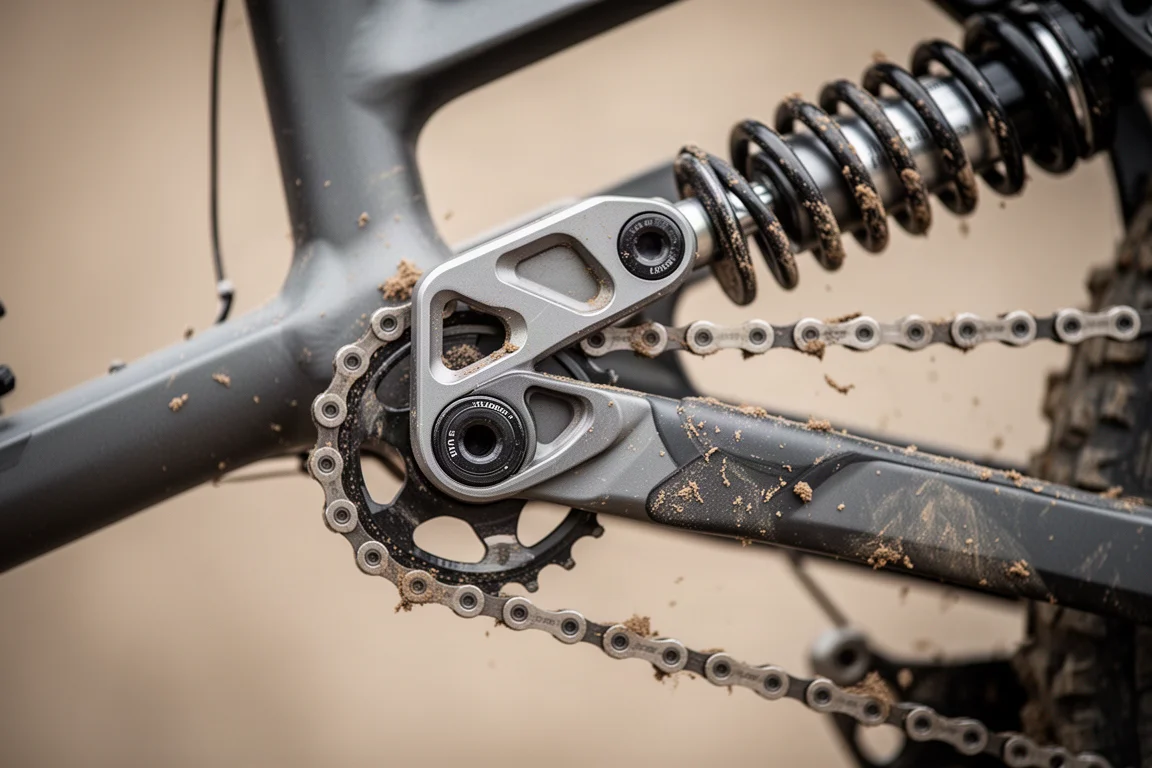
The 160mm of travel comes from Hope’s high pivot design and offers enough progression to suit either an air or a coil spring shock. On the trail it feels sure-footed and eager to be ridden fast almost immediately. The frame is designed to run as a full 29er or in a mixed wheel configuration, and switching to the smaller rear wheel is straightforward. The steep seat tube angle makes seated climbing comfortable, which helps on long technical ascents.
Descents are where the HB916 shines. Driven into matted roots or jagged braking bumps, it smooths the trail impressively without ever feeling disconnected. There is still enough feedback through the frame to know exactly what the tyres are doing, plus enough support and pop to keep the ride dynamic and lively. Two small notes: the Öhlins shock felt a little overdamped for lighter riders, and the Hope carbon bar felt stiff. Neither changes the fact that this is an impressive bike.
Santa Cruz Nomad: Mixed Wheel Versatility
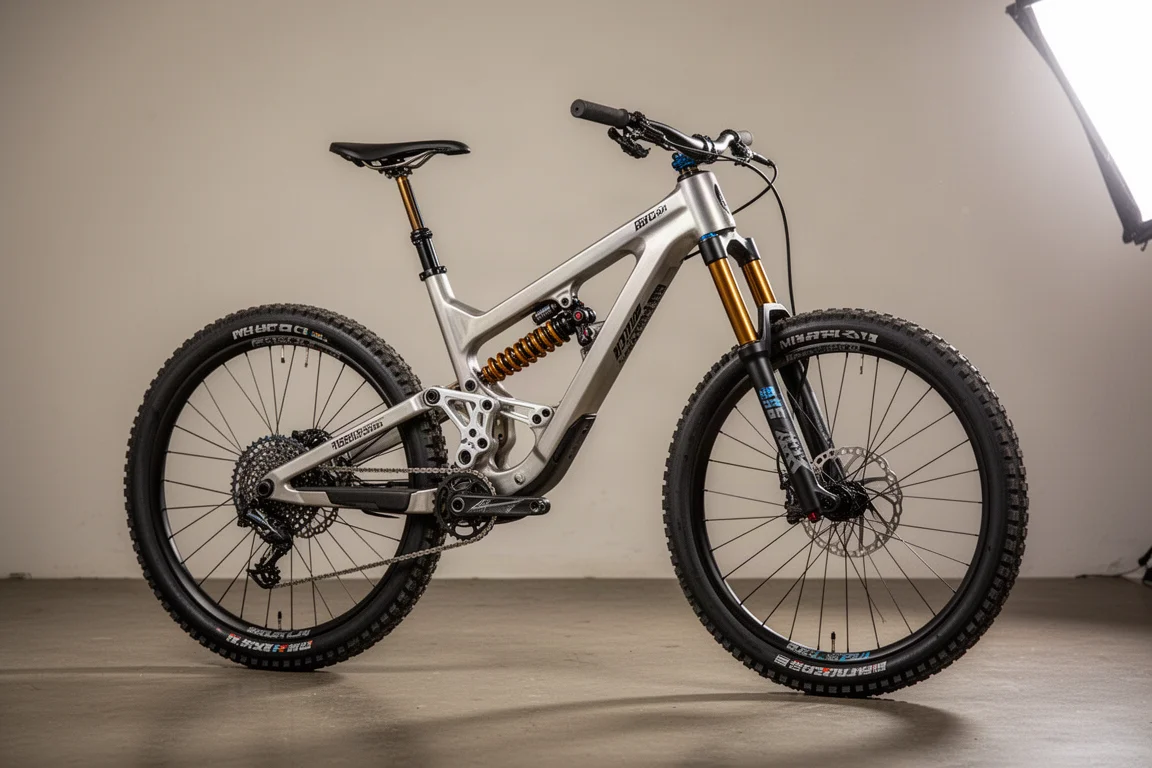
The Santa Cruz Nomad remains the Californian brand’s most aggressive bike outside its downhill range, and for this generation it has moved to a mixed wheel setup with a 29 inch front wheel. The Nomad was long associated with 650b, so the change is significant.
It delivers 170 millimetres of suspension travel front and rear, paired with slack and capable geometry for demanding descents. Santa Cruz also revised the suspension kinematics, lowering anti-squat to improve bump absorption over square edge hits, with a small trade-off in pedalling efficiency. The starting leverage rate was lowered as well, to better support body weight movements and keep geometry stable on the trail.
The Nomad’s intentions are clear. It is not a poor climber, and the updated geometry gives a comfortable seated position, but point it downhill and it comes alive. The tyres provide strong trust in the bike, and the suspension soaks up chunky terrain with ease. It is not a one-trick machine either. On mellower trails the coil shock and leverage rate give plenty of support to push against, so pumping and popping remains fun.
The 29 inch front wheel adds a little extra speed over bumpy ground without dulling the fun in corners. Stability comes from the slack 63.5 degree head tube angle, while a moderate reach and size-specific chainstays keep the handling eager and sharp. The added versatility makes a good bike better.
Canyon Strive CFR: Shapeshifter Enduro Racer
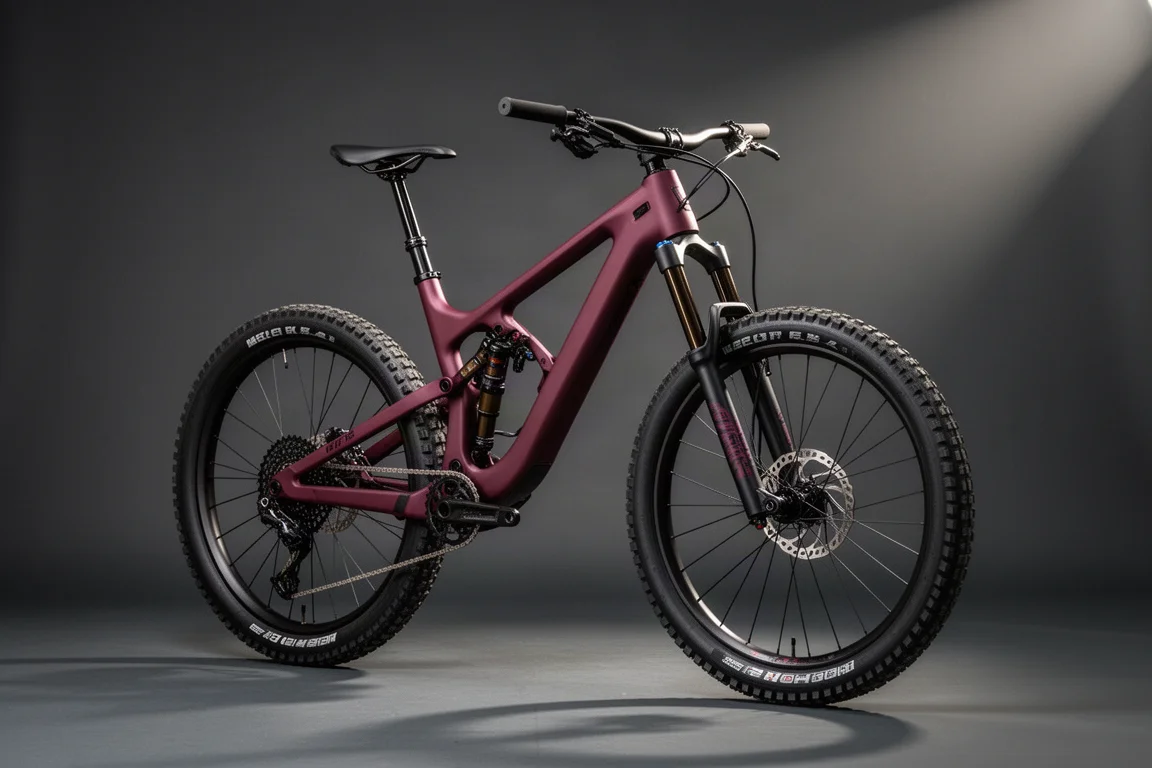
The Canyon Strive CFR has grown, both in length and in ambition. It was previously a long travel 29 inch bike that also had to appeal to trail-oriented riders, but with the Spectral and Torque ranges covering other ground, the Strive was free to return to its thoroughbred enduro racing roots.
Despite a silhouette that looks similar to its predecessor, the Strive CFR is a new bike with a complete frame overhaul. The centrepiece is the Shapeshifter, a Fox-built piston that changes the position of the shock within the frame, altering both geometry and suspension leverage rate. That gives the bike two distinct personalities and remains one of the best uses of on-the-fly adjustment available.
With 160 millimetres of rear travel, the Strive is fast and shines when conditions get rough. Updated frame tube profiles have increased stiffness, which makes for direct handling, though at mellow speeds that can translate into a little harshness. A very low 36 millimetre bottom bracket drop and a slack 63 degree head tube angle provide plenty of stability, so speed is rewarded. Grip comes from Maxxis MaxxGrip tyres, and short 435 millimetre chainstays let the bike change direction quickly without feeling like it will get away from you.
Click the Shapeshifter into pedal mode and the character flips. Travel is limited to 140 millimetres, the head tube angle steepens by 1.5 degrees and the bottom bracket rises by 15 millimetres. That transforms handling and improves climbing ability, which keeps the bike engaging over mellower terrain. The Strive now sits firmly at the aggressive end of the enduro spectrum, and it is built to serve a specific purpose without compromise.
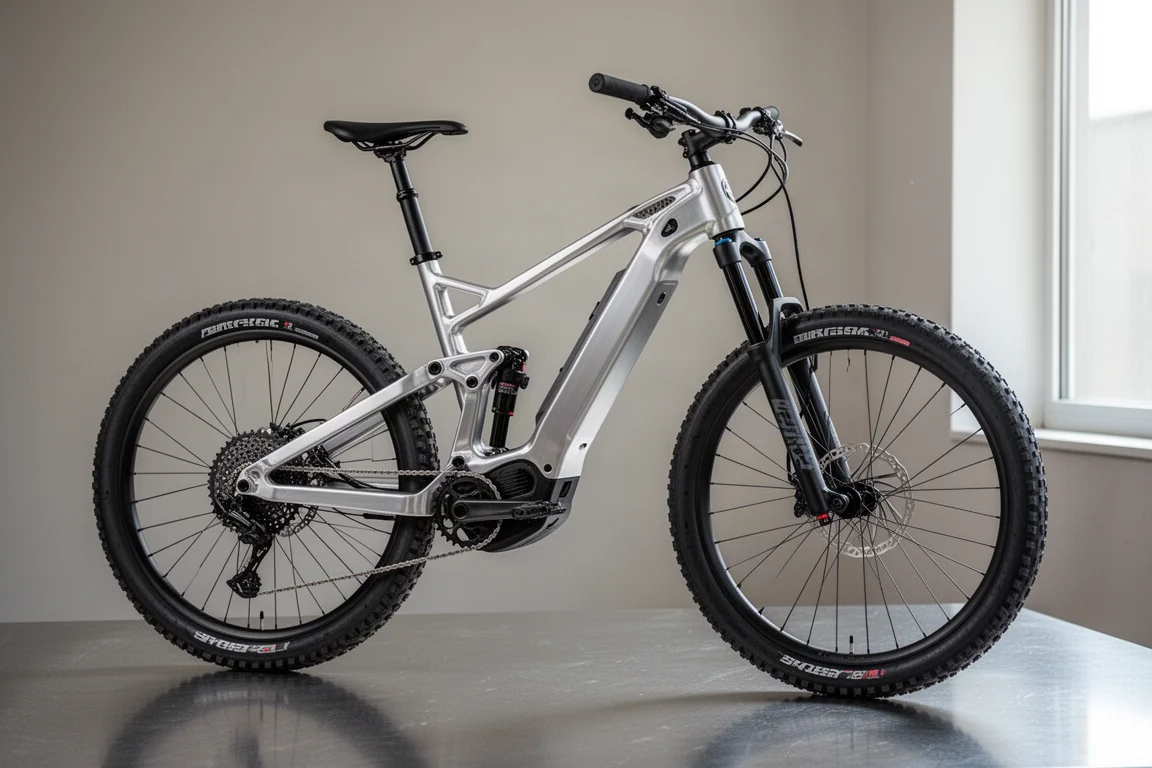
Pole Voima: A CNC Machined Aluminium E-Bike
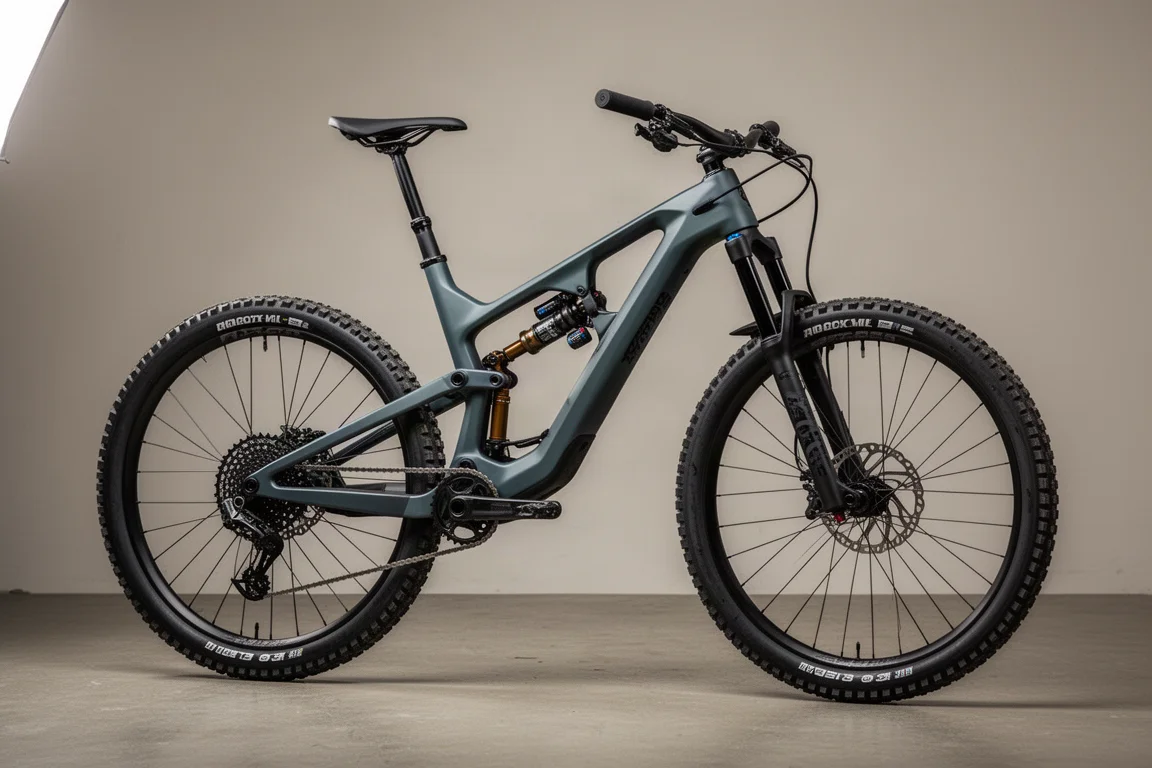
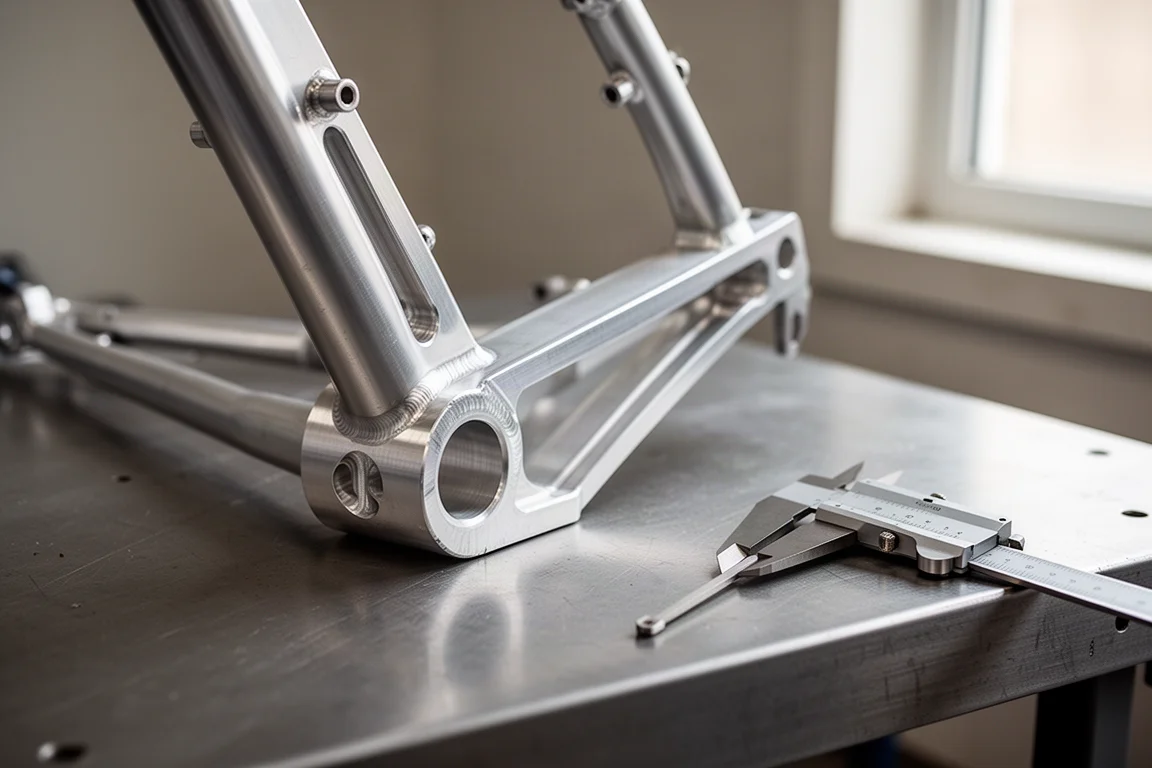
The Pole Voima comes from Finnish brand Pole and takes an approach that is genuinely rare in the bike industry. It is the brand’s first e-bike, and it is made from CNC machined billet aluminium. Rather than welding tubes, Pole machines the bike’s shape out of one solid block of aluminium in two parts, which are then bonded together.
The bonding is strong enough that the brand backs the bike with a substantial warranty, and the frame has been granted a category 5 certification, which means it meets downhill bike standards. That is a meaningful statement about how much confidence Pole has in the construction method.
The geometry follows its own logic. The Voima is slack and long, but it is deliberately not low. Pole claims that raising both stack and bottom bracket heights makes the bike easier to ride on technical, steep and gnarly terrain. In practice this means there is zero bottom bracket drop, so the bottom bracket lines up with the axles on the horizontal plane.
On fast, rough trails the Voima is a beast. Its 190 millimetres of front and rear travel absorb bumps extremely well. In tighter terrain it becomes slower, and the high bottom bracket and tall stack both contribute to that. This is not a bike for everyone, but it is groundbreaking, and its looks and construction technique make it one of a kind.
Bird Forge: Steel Hardtail Character
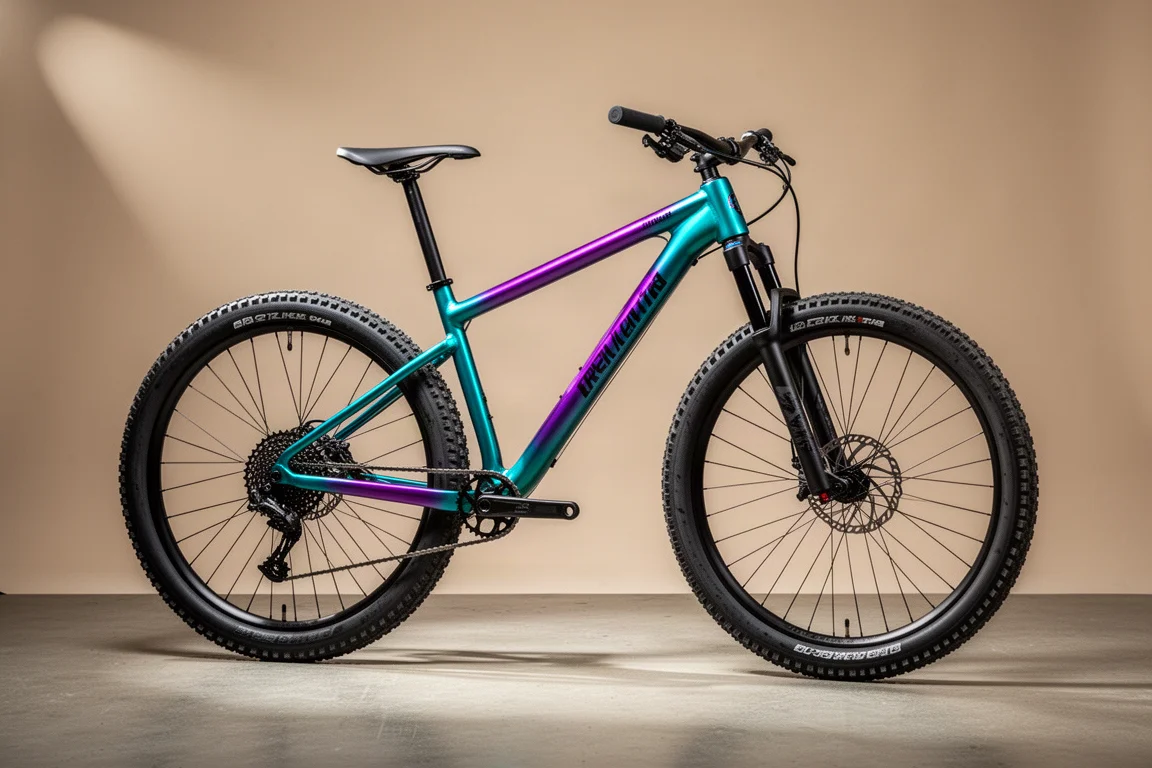
The Bird Forge is a reminder that the British-designed steel hardtail is here to stay. As more brands produce longer travel bikes, riders who want a stronger connection to the ground while still tackling steep, loose technical trails now have a growing selection of hardtails built for exactly that.
Stainless steel is used here. The material is rust resistant and more impact resistant, so the knocks and scrapes that come with mountain biking are more likely to be shrugged off. With no rear suspension and 2.4 inch rubber at the back, the ride will never be smooth, but the classically skinny tubes of a steel frame take the edge off the harshness that stiff carbon or aluminium frames can transmit.
A long 1,200 millimetre wheelbase helps the bike pitch forward and back less over bumps, which calms the ride in rough terrain. Those two elements let the Forge hold good speed off-road without rattling every filling out of your teeth. In corners, a moderately slack 65.5 degree head angle combines with a slammed bottom bracket, dropping your weight low below the axles so you can engage the tyre shoulder treads and carve.
Despite the low bottom bracket, medium length stays and long front centre, the Forge never felt like a handful in tighter terrain. It pivots side to side easily and encourages the occasional cheeky Scandinavian flick. The biggest limitation is a thick, moderately spaced root section, and the EXO casing tyre on this build felt most at risk given the speed the bike encourages. A stronger casing or a tyre insert would be a sensible upgrade, and Bird allows some specification changes at the point of purchase. The RockShox Pike air spring and damping give great support, and the Formula Cura brakes offer a firm, non-digital bite with ample power from their dual pistons.
Mondraker Raze: Mid-Travel Trail Bike with Suspension Telemetry
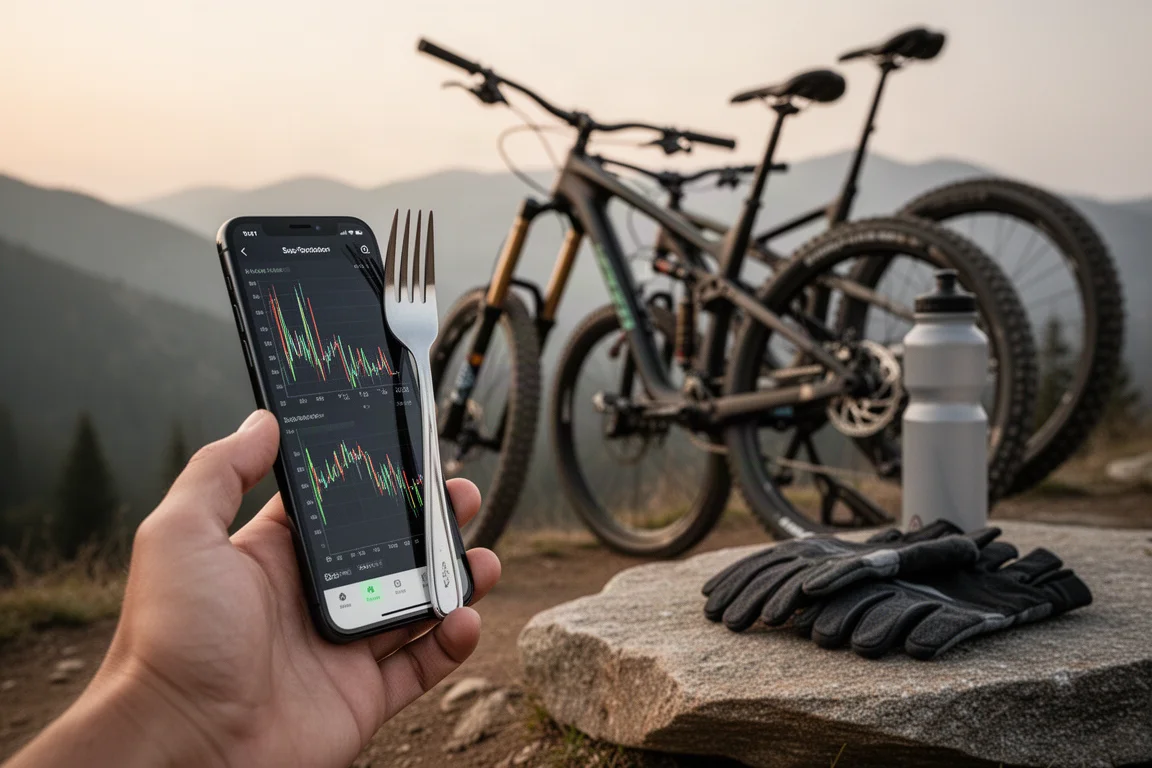
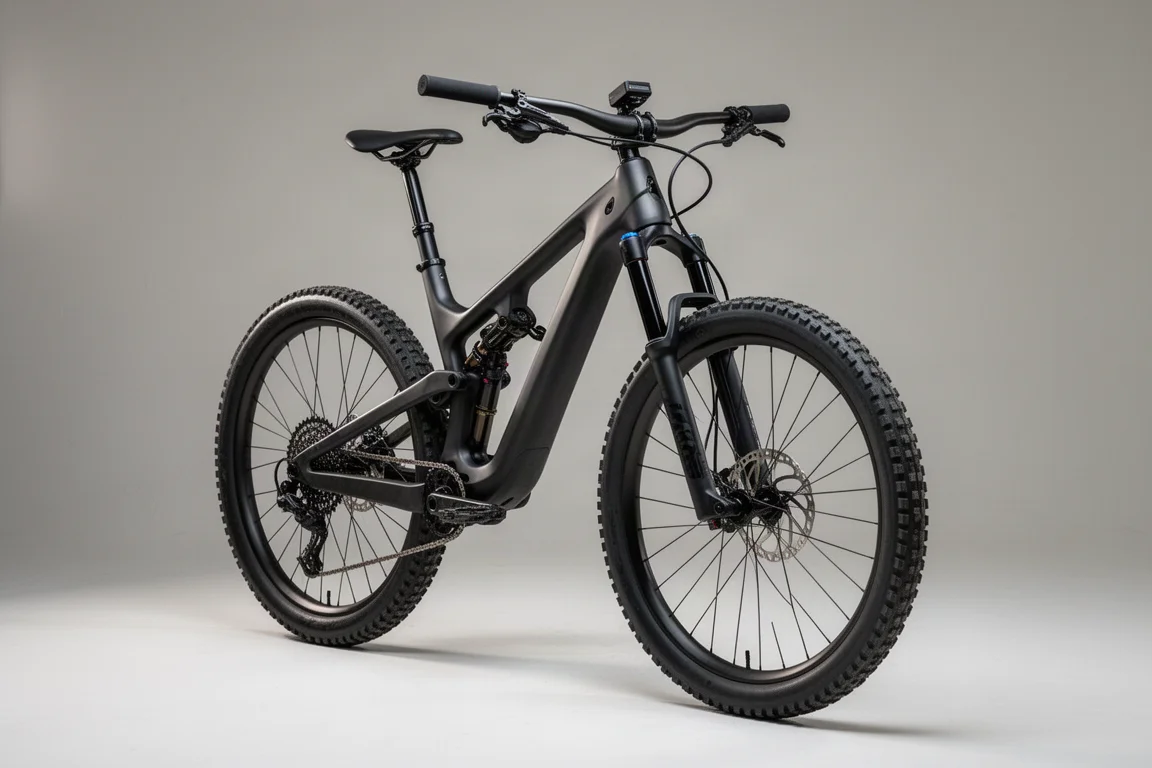
The Mondraker Raze is a full carbon mid-travel trail bike with 130 millimetres of rear travel and a burly 150 millimetre fork up front. What sets it apart is the on-board system developed by Mondraker under the name MIND, which uses magnetic field sensors on the fork and shock to send live suspension data to an app.
That data shows how much travel is used and where on the trail, and offers hints on shock and fork setup. It is a genuinely unique feature. The wider question is whether it is the best use of the money, because at this price point the suspension performance, lower end SRAM NX and GX drivetrain and the SRAM G2 R brakes compromise overall performance and value more than the telemetry adds.
Setting telemetry aside, the Raze impressed during testing. Its forward geometry with a long front end and short stem works exceptionally well on fast straights, where you can hang on and let the shock deal with the bumps. Confidence on steeper terrain is exceptional. Drop the front wheel into an awkward steep corner where lesser bikes might understeer, and the Maxxis Assegai front tyre digs in and pulls you out of trouble, with the Fox 36 Performance fork keeping you propped up while the chassis holds firm. The zero suspension linkage does not give a completely isolating ride.
The telemetry has real potential as a tool for dedicated riders chasing maximum performance, but the data needs to be more detailed to be genuinely useful. For example, it may suggest you need less sag without indicating how much less. Making MIND an add-on option while improving the value of the stock bike would make the Raze a more convincing package.
Buying Advice
These seven bikes point in different directions, so the right choice depends entirely on what you want from a ride.
If you want electric assistance without losing the feel of a regular trail bike, and you want to keep pace with full power e-bikes on the climbs, a lightweight system like the one in the Trek Fuel EXe is the most relevant option here. If outright descending performance on rough, steep terrain matters most and you still want the bike to climb well, the Hope HB916 and the Santa Cruz Nomad both deliver, with the Nomad offering a more versatile mixed wheel setup and the Hope pushing geometry further.
The Canyon Strive CFR suits riders who want a dedicated enduro race bike that can be softened for mellower days through its on-the-fly adjustment. The Pole Voima is for riders who value a genuinely different construction method and want a bike that thrives on fast, rough trails, accepting that tighter terrain is less of a strength. The Bird Forge is the pick for riders who want a durable stainless steel hardtail with a strong connection to the trail. The Mondraker Raze makes sense for riders who value a confident, fast front end and are curious about suspension telemetry, provided they accept the build compromises.
The unifying theme is that each of these bikes has a clear point of view. A bike that does one thing exceptionally well is usually a better purchase than one that tries to do everything adequately.
Conclusion
Trends in mountain bikes are really just answers to specific problems. Trek and TQ answered the question of how light an e-MTB can feel. Hope and Santa Cruz answered how far suspension layout and wheel configuration can go. Canyon answered how adjustable a race bike should be. Pole answered how unusual frame construction could become. Bird answered whether steel still has a place on technical trails. Mondraker answered what happens when a bike starts collecting its own data.
None of these bikes is right for every rider, and several are clearly aimed at committed enthusiasts. What makes them worth watching is that the ideas behind them are likely to appear on more affordable and more mainstream bikes over time. If one of these designs matches the way you ride, it is a genuinely rewarding time to be shopping.
Further reading
Related Reviews
Mountain Bikes
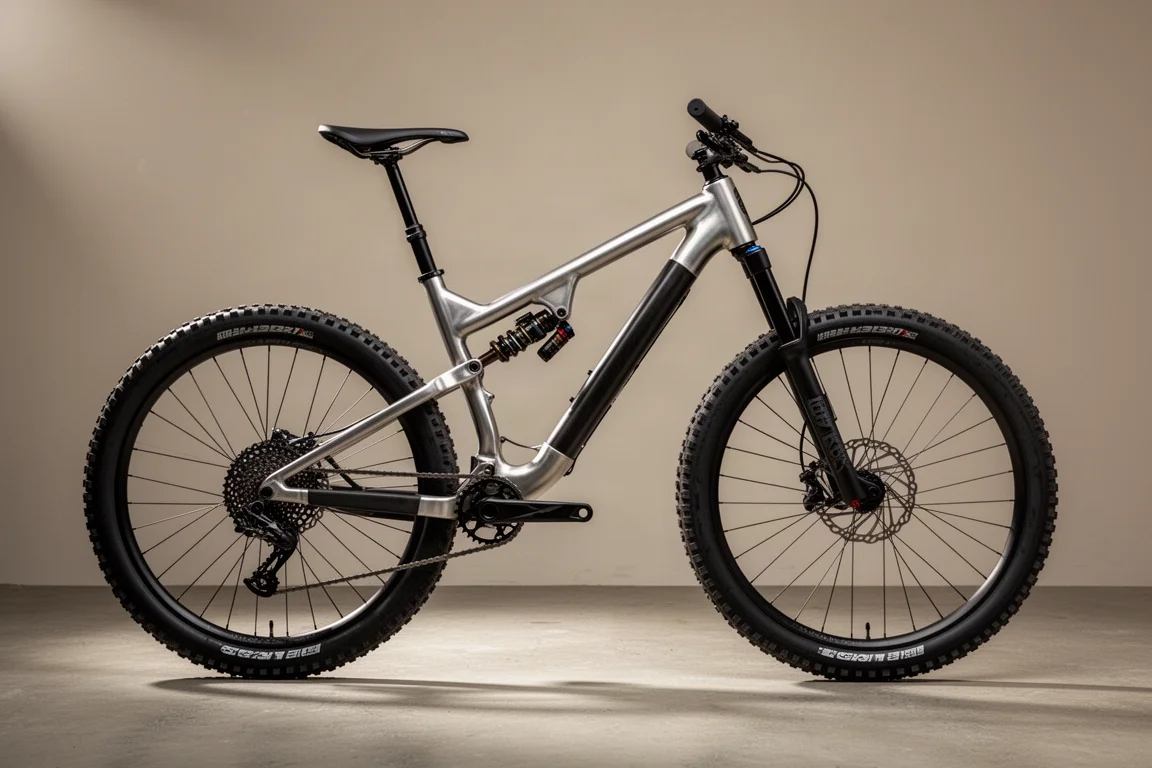
Atherton AM.130 Review: 3D-Printed Titanium Lugs and a 130mm Trail Bike That Descends Like a Bigger Machine
The Atherton AM.130 pairs 3D-printed titanium lugs with carbon tubes and a DW6 suspension platform. Here is how it rides, what the build delivers, and who it suits.
Mountain Bikes
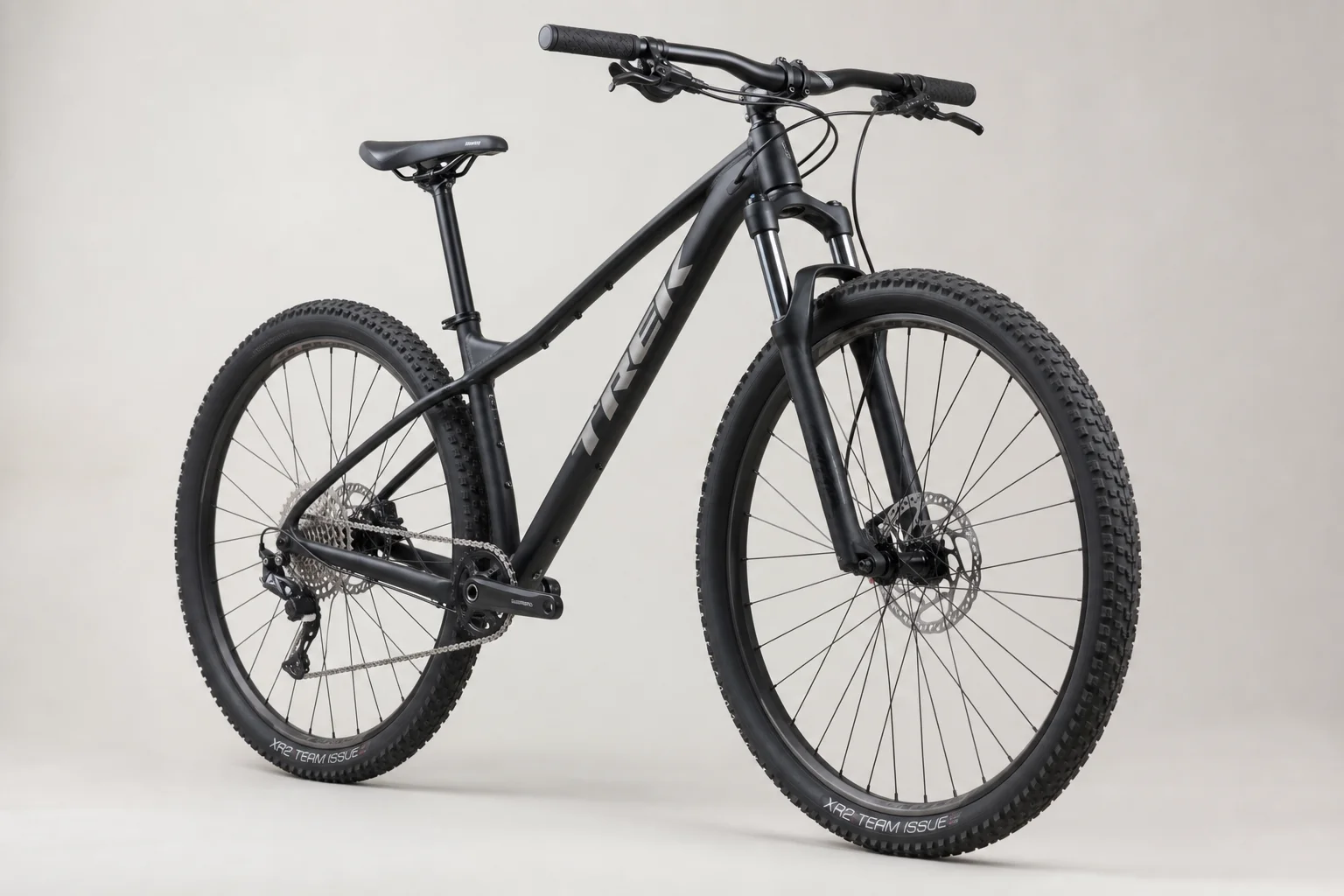
Beginner Mountain Bike Buying Guide: What to Look For in a Trailworthy Hardtail
A practical framework for evaluating beginner mountain bikes, whether new or used, by examining key components that indicate real trail capability.
Mountain Bikes
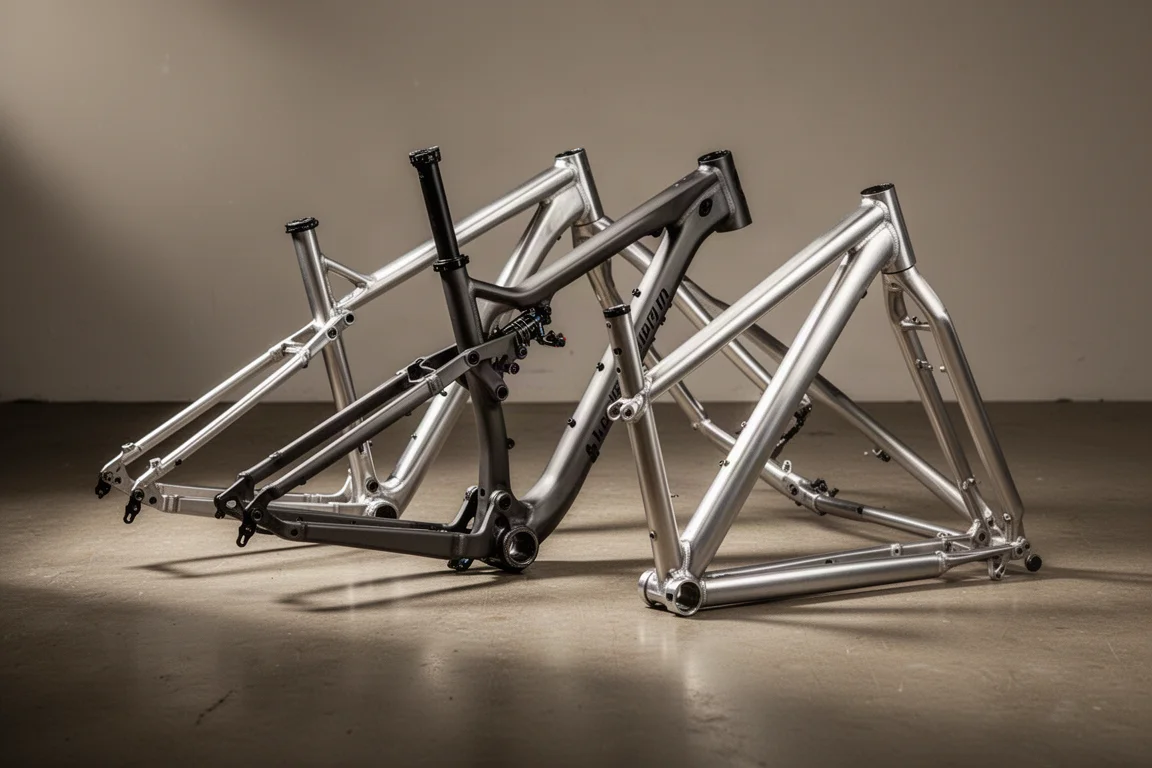
Best Aluminum Mountain Bikes 2026: Five Alloy Bikes Worth Your Attention
Five aluminum mountain bikes that show how far alloy has come, from a 120mm trail bike and a versatile machined frame to a 180mm freeride machine.