Mountain Bikes
Trek Slash vs Specialized Enduro: Which 170mm Enduro Bike Suits You Better?
A close look at two hard-hitting 170mm enduro bikes, how their suspension designs differ, and which riding style each one rewards.
Introduction
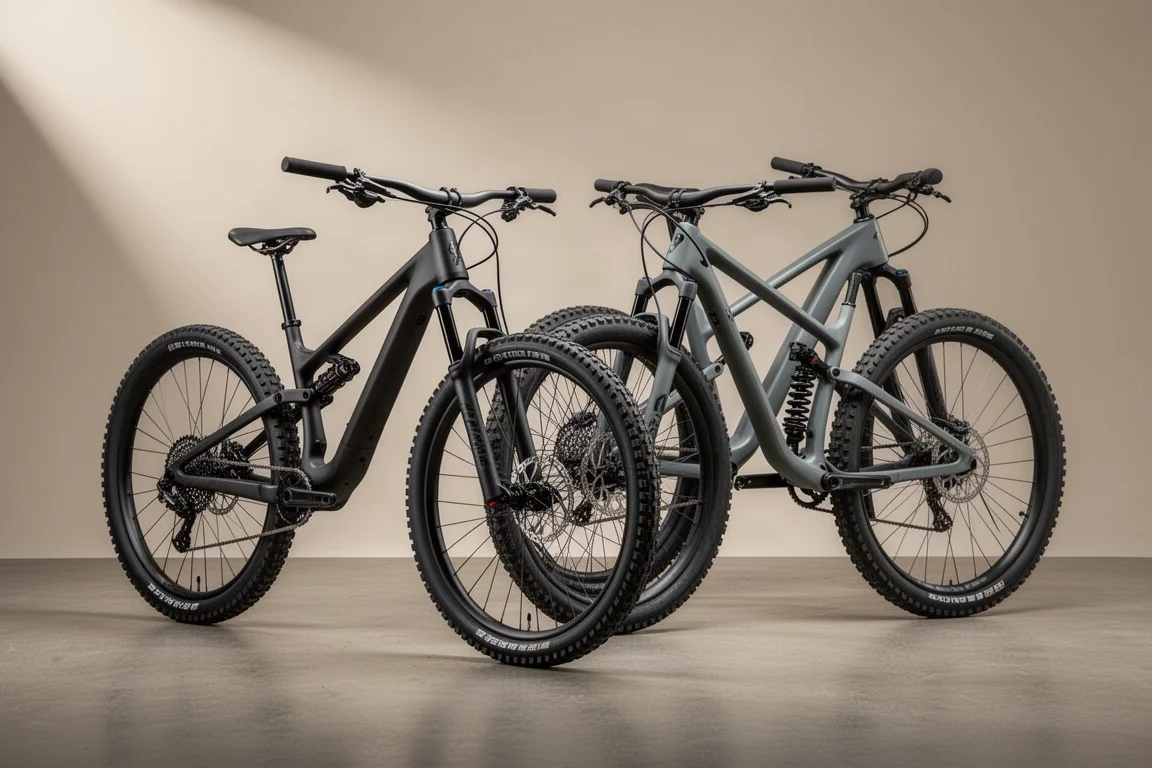
Big-travel enduro bikes with 170mm of rear travel all chase the same brief: ride hard on the descents and still get you back to the top without a shuttle. The Trek Slash and the Specialized Enduro meet that brief in two very different ways. The Slash pairs a high pivot suspension layout with a mixed wheel setup, while the Enduro relies on a six-link design and 29-inch wheels front and rear. Both are tough yet light, both are aggressive, and the choice between them comes down to how you ride.
What These Two Bikes Have in Common
Both bikes are built around 170mm of travel, hard-hitting componentry and geometry that has been pushed a long way toward descending performance. Bottom bracket heights sit around 350mm on both, which helps straight-line stability and predictability when cornering. Head angles are similarly slack: 63.9 degrees on the Enduro and 63.3 degrees on the Slash, with adjustable cups on the Slash offering the option of a 62.6-degree setting. Reach on a large frame is nearly identical between the two, at a shade below 490mm, so both give a roomy cockpit and stability at high speed.
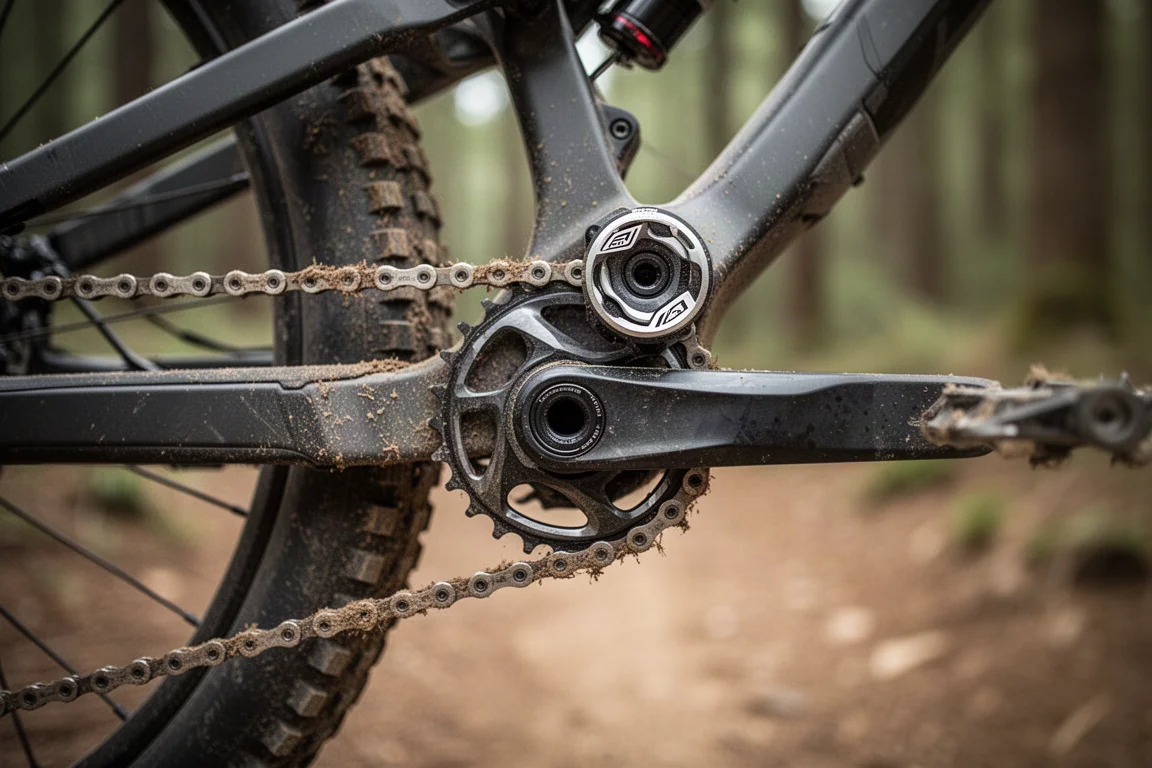
Chainstay length is where the two start to diverge. The Slash measures a compact 434mm, and that figure grows through the middle of the suspension travel, so the static number does not tell the whole story. The Enduro sits at a longer 442mm. Shorter chainstays generally feel nimbler and make it easier to pop the bike into a manual, while longer chainstays favour stability.
Trek Slash: High Pivot Suspension and Mixed Wheels
The Slash is designed around a high pivot suspension layout that uses a 19-tooth idler pulley to route the chain above the swingarm. That arrangement delivers high anti-squat numbers, which is how the bike manages its pedalling behaviour and keeps the rear end settled under power.
Wheel size is the other defining choice. The Slash runs a mixed setup that combines the extra grip and improved rollover of a 29-inch front wheel with the nimbleness and lower rotating mass of a smaller 27.5-inch rear wheel. It is a combination aimed squarely at riders who want front-end confidence without giving up agility at the back.
Specialized Enduro: Six-Link Suspension and 29-Inch Wheels
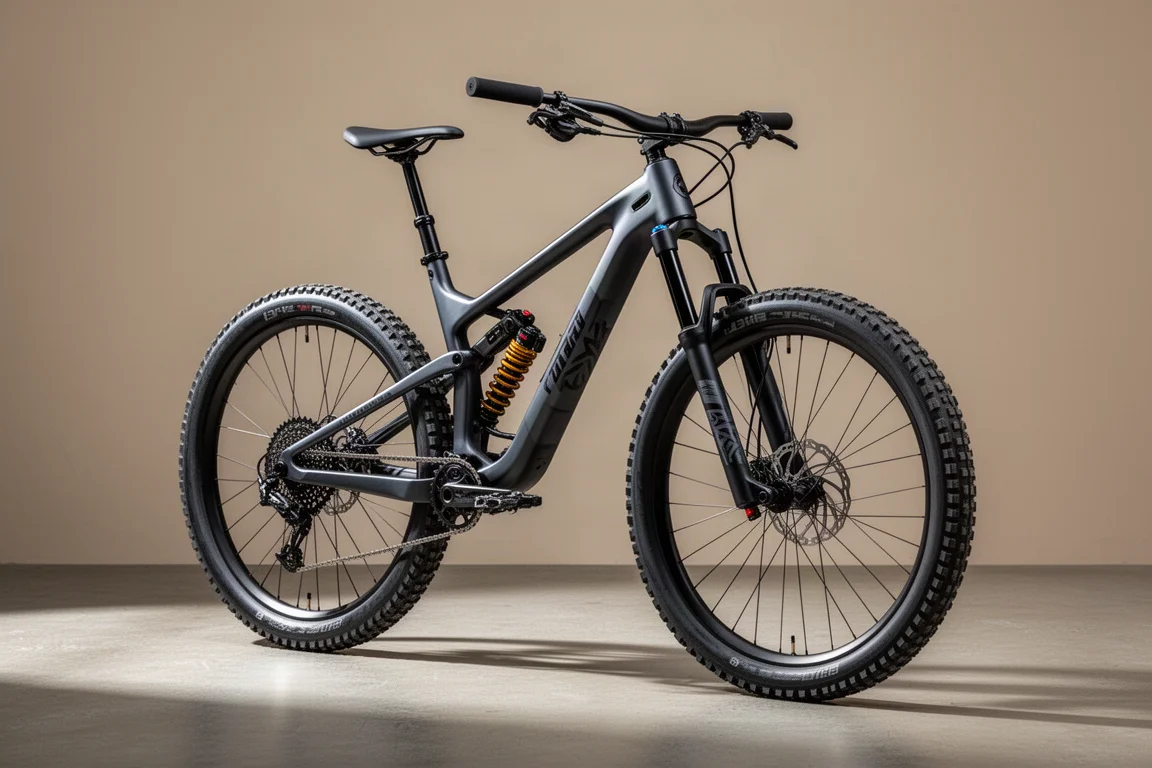
The Enduro uses a six-link suspension design, with a Horst link dictating the axle path and two additional links controlling the actuation of the rear shock. Because the pivot sits low, there is no idler pulley, and the anti-squat forces are less aggressive than those on the Slash.
The Enduro rolls on 29-inch wheels front and rear. A larger rear wheel can offer improved rollover ability and a bigger contact patch than a 27.5-inch rear wheel, which suits riders who prioritise momentum and traction over snap.
Climbing Performance Compared
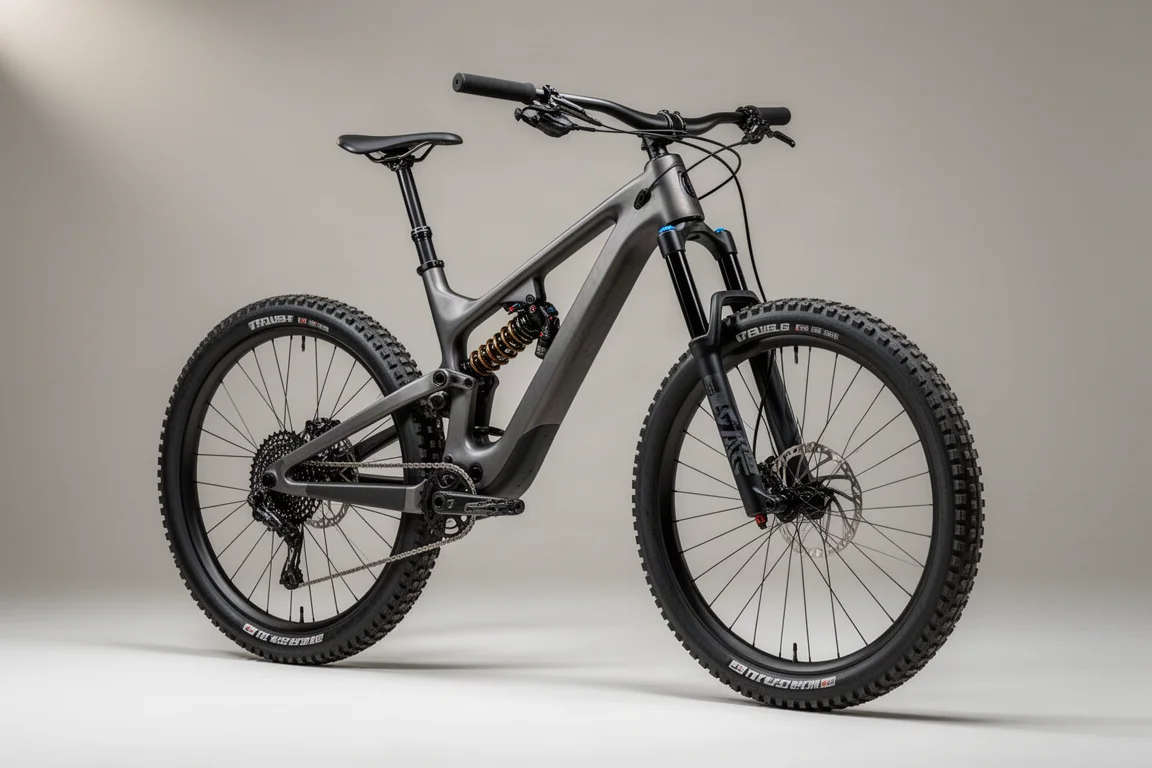
The Enduro feels stable on the way up, helped by a steep seat angle and a long wheelbase, and its 29-inch rear wheel provides ample traction. It is a capable climber for a 170mm bike, and steep ascents do not present a problem.

The Slash climbs with surprising ease as well, with no sense that the idler is adding drag. A firm compression tune on the RockShox Vivid shock, a steep seat angle and high anti-squat numbers combine to keep the bike driving forward rather than wallowing.
Descending Speed and Traction
On rough terrain the Enduro carries speed very effectively. Its 170mm of travel delivers excellent traction, and the RockShox Super Deluxe coil shock feels supple and compliant, with plenty of grip from the rear wheel, particularly under braking. For out-and-out speed across rough ground it is hard to beat.
The Slash also carries great speed over rough terrain, which is consistent with its high pivot design. The firm compression tune on the RockShox Vivid shock feels supportive at low speed, although the compression can come across as heavy and slow to react, which does not show off the superb sensitivity a high pivot layout can offer. It is a bike that is at its best when pushed to the limit.
Cornering and Jumping Character
In the corners the Slash’s mixed wheel setup is confidence inspiring. It turns in easily and encourages loose, playful riding, with the smaller rear wheel tending to break grip first and allowing long, progressive drifts. On flatter, drifty turns the Enduro’s larger rear wheel and extra stability let it exit with more speed, but sharper corners are a different story: the 29-inch rear wheel and longer chainstays make it feel as though the bike wants to stand you up, and initiating the turn takes a lot of body language.

In the air both bikes are very capable, stable and predictable. The Slash has the edge here, with the smaller rear wheel, shorter chainstays and lighter weight adding up to a bike you can really throw around.
Componentry and Value
The Slash has just been released, and the 9.9 AXS XO model is priced at £9,400. Its lightweight carbon wheels are a standout, remarkably light yet very stiff, and the SRAM AXS drivetrain offers a zero-effort, low-maintenance option with no sticky gear cable to replace. The one-piece carbon cockpit is as light and futuristic as it looks, although it offers no sweep adjustment at the handlebars. It is worth remembering that a cheaper cable-operated derailleur is less painful to replace if you clip a rock, and an analogue shifter gives more feedback through your thumb.
The Enduro has been around in this guise since 2020, and the Enduro Comp comes in at £5,000 with a lower specification, nearly half the price of the Slash 9.9 AXS XO. Its wheelset is slightly heavier, but it would be much cheaper to replace if the worst happened. Both platforms are available in a range of builds, from more budget-conscious options to more expensive models, so there is a version of each to suit different budgets.
Buying Advice: Which Enduro Bike Suits You
If you are after an all-rounder, the Slash is the natural pick. It is fun to jump, confidence inspiring in corners and a genuine hoot to ride, and it climbs without any obvious penalty.
If you are after an enduro race machine that offers maximum efficiency in every situation, the Enduro is the stronger choice. It extracts maximum forward momentum and offers impressive stability at the highest speeds and in the roughest conditions.
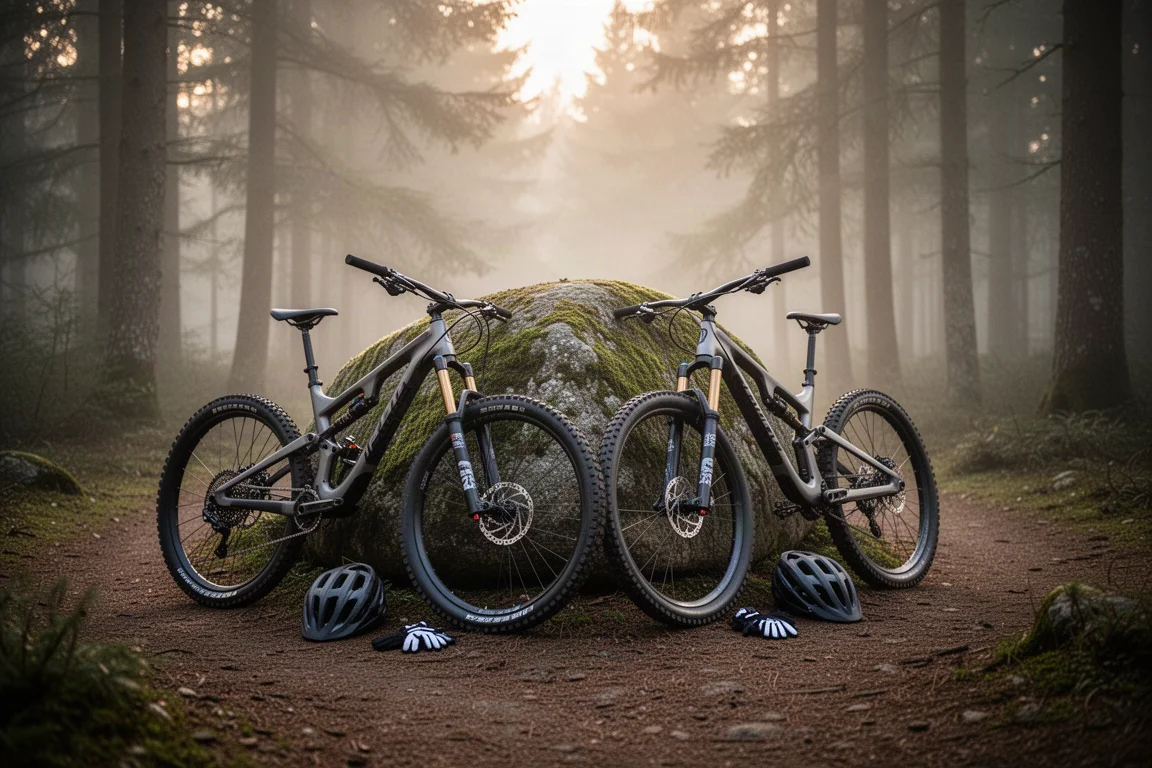
Either bike will perform admirably at an enduro race or at the bike park and come back for more. The two things that really divide them are personal preference and riding style, so the most useful question is not which bike is faster, but which one matches the way you like to ride.
Conclusion
The Trek Slash and the Specialized Enduro are both excellent 170mm enduro bikes, and neither is a compromise. The Slash rewards riders who want a playful, nimble machine that is easy to throw around and confidence inspiring in corners, while the Enduro rewards riders who want maximum speed, traction and stability on the roughest terrain. Match the bike to your riding style and either one will serve you well.
Further reading
Related Reviews
Mountain Bikes
Atherton AM.130 Review: 3D-Printed Titanium Lugs and a 130mm Trail Bike That Descends Like a Bigger Machine
The Atherton AM.130 pairs 3D-printed titanium lugs with carbon tubes and a DW6 suspension platform. Here is how it rides, what the build delivers, and who it suits.
Mountain Bikes
Beginner Mountain Bike Buying Guide: What to Look For in a Trailworthy Hardtail
A practical framework for evaluating beginner mountain bikes, whether new or used, by examining key components that indicate real trail capability.
Mountain Bikes
Best Aluminum Mountain Bikes 2026: Five Alloy Bikes Worth Your Attention
Five aluminum mountain bikes that show how far alloy has come, from a 120mm trail bike and a versatile machined frame to a 180mm freeride machine.