Mountain Bikes
Trek Roscoe 7 Review: A Trail Hardtail That Punches Above Its Price
A detailed look at the Trek Roscoe 7 trail hardtail, covering its modern geometry, ride feel, component choices and the two upgrades worth planning for.
Introduction
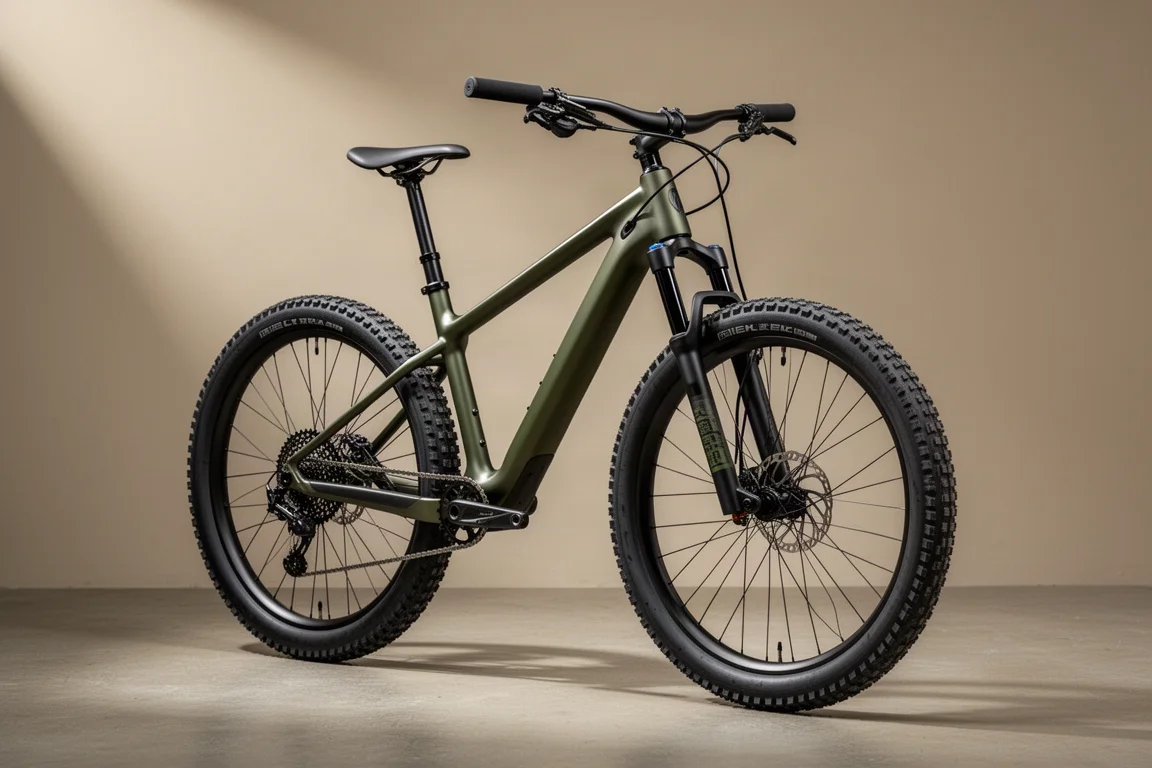
The Trek Roscoe 7 is the brand’s popular trail-focused hardtail, and the latest version of the Roscoe range brought more than a fresh coat of paint. Trek reworked the geometry and moved the platform from 650b plus wheels to 29 inch wheels, shifting the bike away from its entry-level cross-country roots toward something closer to a confident trail machine. That is a meaningful change of direction, and it raises an obvious question. Does the new package actually ride better?
At around £1,400 in the UK and $1,729.99 in the US, the Roscoe 7 sits in a competitive bracket. The good news is that Trek has kept most of the specification sensible, with a 140mm air-sprung fork, a 1x12 drivetrain and a dropper post fitted as standard rather than left off the build sheet.
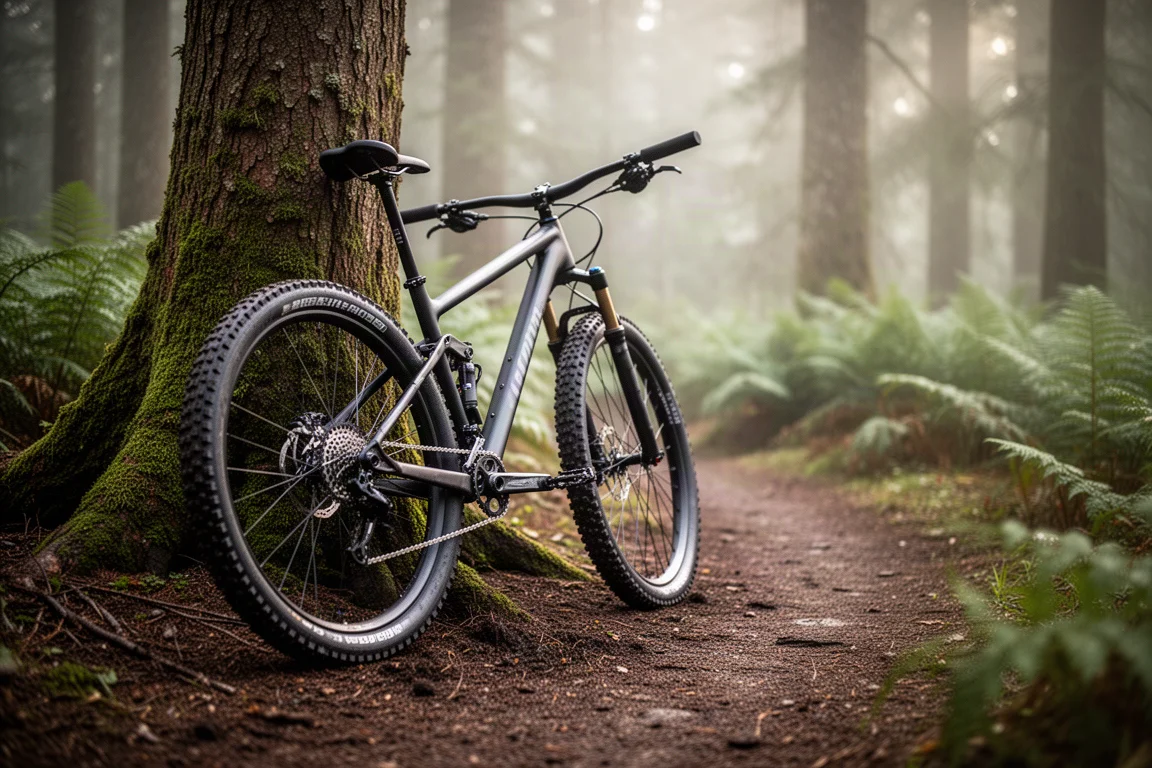
This review covers the frame and geometry, the ride feel on real trails, the component choices and the compromises worth weighing up before you buy.
Who This Bike Is For
The Roscoe 7 suits riders who want one bike for everyday trail riding: local woods, all-day pedalling and the occasional trip to a trail centre. The 140mm fork, big-volume tyres and slack front end give it enough composure for steeper, rougher descents, while the geometry still lets it climb and cover distance without feeling like a chore.
Trek offers the bike in six sizes with sensible seat tube lengths, so riders can pick between sizes depending on whether they want a nimble feel or a more stable one. A smaller size gives quicker handling, while sizing up adds stability without the seat tube becoming awkwardly long. The size large used here comes with a fairly lengthy 470mm reach.
This is not a race bike and not the poppiest hardtail around. It is best understood as an approachable, capable trail bike that flatters a wide range of abilities and rewards riders who want fun without spending a fortune.
Main Strengths
Trail Feel and Geometry
The updated numbers give the Roscoe a 65 degree head tube angle and a 74.7 degree effective seat tube angle, which is modern and future-proof for a trail hardtail. Chainstays stay short at 430mm across all sizes, and a 470mm reach on the size large puts the rider in a roomy, confident position.
On the trail that combination works well. The slack front end, the 140mm of fork travel and the cushioning of the tyres smooth out trail chatter impressively and give the bike confidence in all but the fastest, highest-speed turns. The short rear end livens up the ride and makes the Roscoe agile, although it prefers to carve through corners rather than be thrown around. Quick changes of direction are not a hindrance, but this is not the most playful or poppy hardtail out there.
The frame feels stiff and direct without compromising comfort. Frame protection is some of the best seen on a hardtail at this price, with a chainstay cover and a down tube fender to fend off rock strikes, and it helps keep the bike quiet over rough ground.
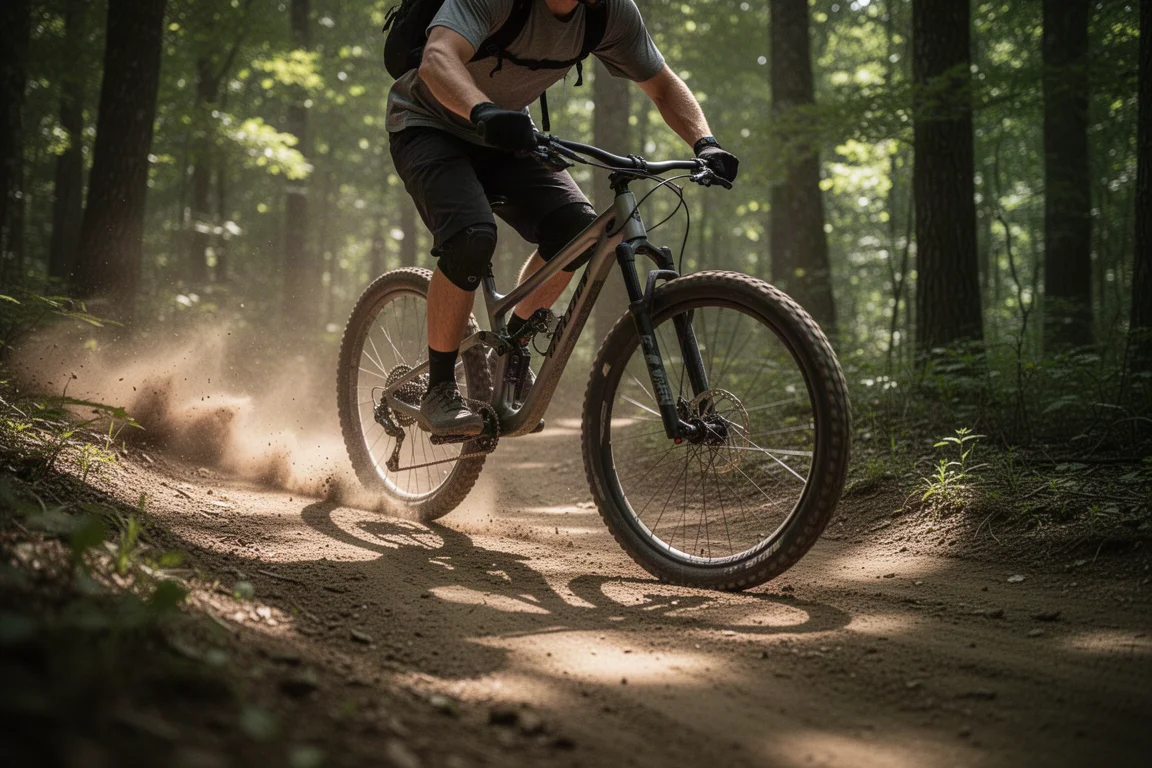
Comfort over distance is a genuine strength. The seated pedalling position is good, the balance between the wheels feels fine, and the bike is as happy on all-day epics as it is on short blasts around the local woods.
Suspension, Tyres and Componentry
The RockShox Recon Silver RL offers 140mm of air-sprung travel with external compression and rebound adjustment, so it can be tuned to rider weight and style. In use it wanted higher air pressures than the recommended settings, but performance stayed admirable, with good progression and sensitivity even off the top. Its 32mm stanchions can eventually be outgunned on harder technical descents, though that only becomes noticeable when the bike is pushed well beyond its comfort zone.
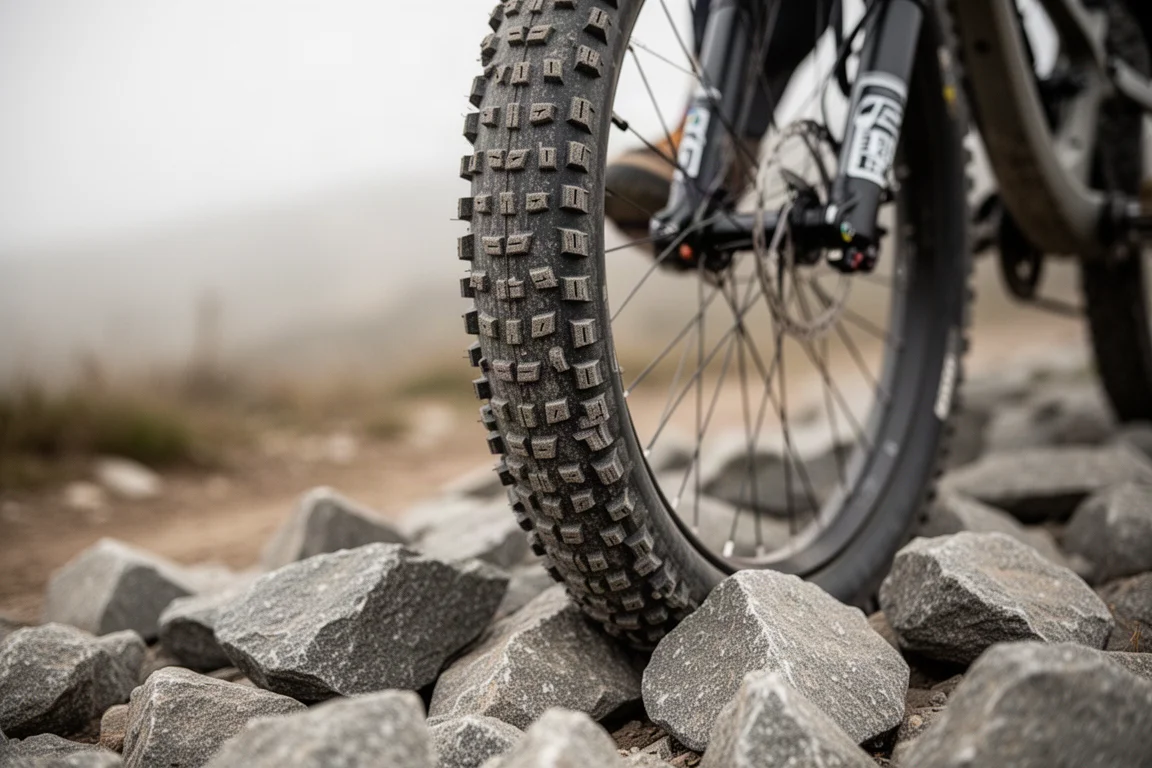
The tyres are a defining feature. Bontrager XR4 Team Issue rubber in a claimed 2.6 inch width actually measures closer to 2.5 inches, noticeably bigger than much of the competition. That volume brings excellent comfort and an extra buffer against punctures, and it lets riders run slightly lower pressures for traction on climbs. The trade-off is that on fast downhill trails the tyres can squirm and feel vague, rolling on the rim in a way that is unnerving even when outright grip is not the problem.
Trek specifies Bontrager Line 30 Comp wheels with a wide 30mm internal width to support those tyres, along with a 780mm bar and a short 50mm stem. Wider bars and a shorter stem are the right call for controlling a trail hardtail, and the cockpit feels well judged from the first ride.
The Shimano 1x12 drivetrain, with a 10-51 tooth cassette and a 30 tooth chainring, is a capable performer. Shifting feels crisp and the range is ample, with enough low gearing to winch up the steepest climbs and a small enough top sprocket to avoid spinning out on faster sections. It works with the feel of more expensive parts.
Things to Consider Before Buying
Brakes and Dropper Post
The two clearest compromises are the brakes and the dropper post. The Shimano MT-200 brakes do include reach adjustment for hand size, but they are adequate rather than strong: fine on mellow trails, yet easily overwhelmed on steeper sections and in wet conditions. They are the most obvious place to plan an upgrade.
The TranzX dropper post gets the job done, but it has a little more friction than other, cheaper posts, so it is not as refined as the best in class. A 150mm drop on the size large is a sensible amount of travel for this kind of bike.
There are also practical details worth knowing. There is clearance for 2.6 inch tyres, room for two water bottles inside the main frame, semi-internal cable routing through the down tube and Boost hub spacing. None of these are headline features, but they make the bike easier to live with over time.
Buying Advice
The Roscoe 7 makes the most sense for riders who want a versatile trail hardtail with modern geometry and who are willing to live with a couple of upgradeable weak points. The frame is the right place to invest: it is stiff, comfortable, well protected and likely to stay relevant for years.
Plan for the brakes sooner rather than later if you ride steep or wet terrain, and consider a dropper post upgrade if refinement matters to you. The drivetrain and the fork, by contrast, feel like more expensive parts than the price suggests and do not need changing.
Sizing deserves care. With six sizes on offer, riders can size down for a nimbler feel or size up for extra stability, and the short chainstays stay consistent across the range so handling keeps its playful character either way.
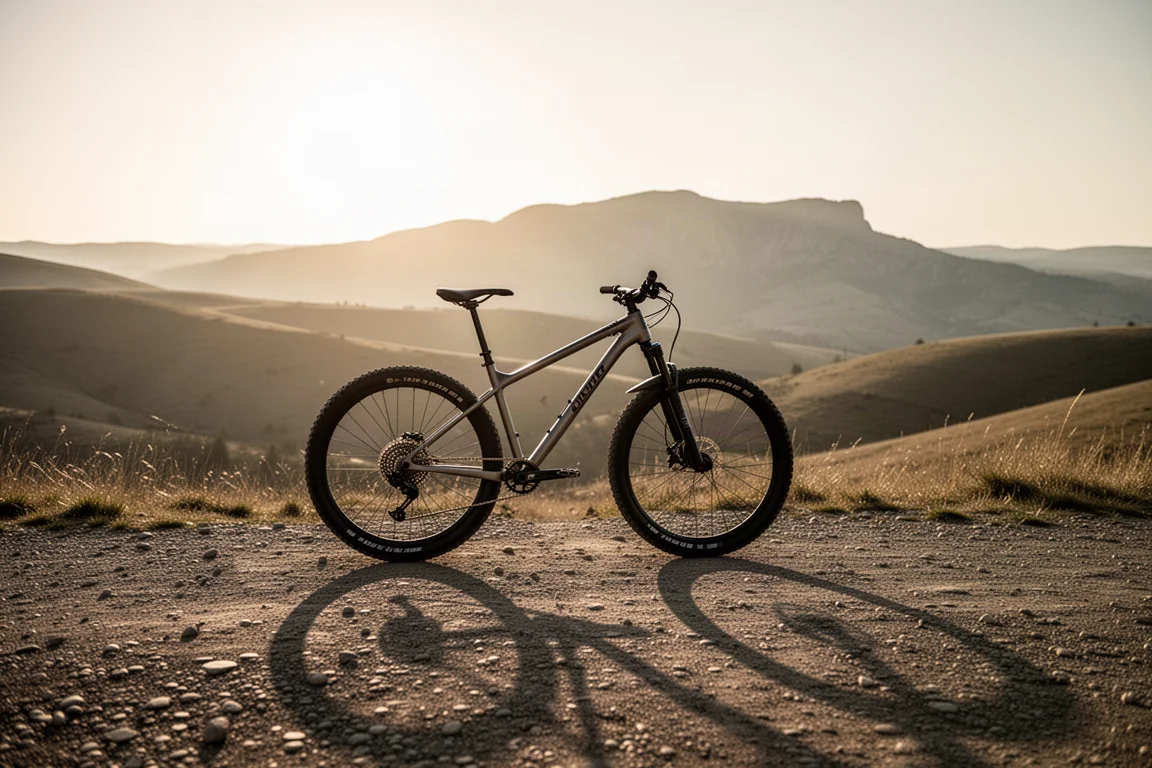
If your priority is outright speed or a lively, jump-happy ride, this is probably not the bike for you. If you want a comfortable, capable and genuinely fun machine for local woods, trail centres and long pedalling days, the Roscoe 7 is easy to recommend.
Conclusion
The Trek Roscoe 7 delivers on the goal behind the revamp. The geometry update and the move to 29 inch wheels give it a composure and confidence that a purely entry-level cross-country hardtail cannot match, and the core frame, fork, drivetrain and wheels are well chosen for the money. The brakes and the dropper post are the weak links, but both are straightforward to upgrade over time. As a fun, well-rounded trail hardtail, it deserves a second look.
Product link
View more details for Trek Roscoe 7
This product is mentioned in the review. Check the specifications, options, and compatibility before buying.
View more details for Trek Roscoe 7Further reading
Related Reviews
Mountain Bikes
Atherton AM.130 Review: 3D-Printed Titanium Lugs and a 130mm Trail Bike That Descends Like a Bigger Machine
The Atherton AM.130 pairs 3D-printed titanium lugs with carbon tubes and a DW6 suspension platform. Here is how it rides, what the build delivers, and who it suits.
Mountain Bikes
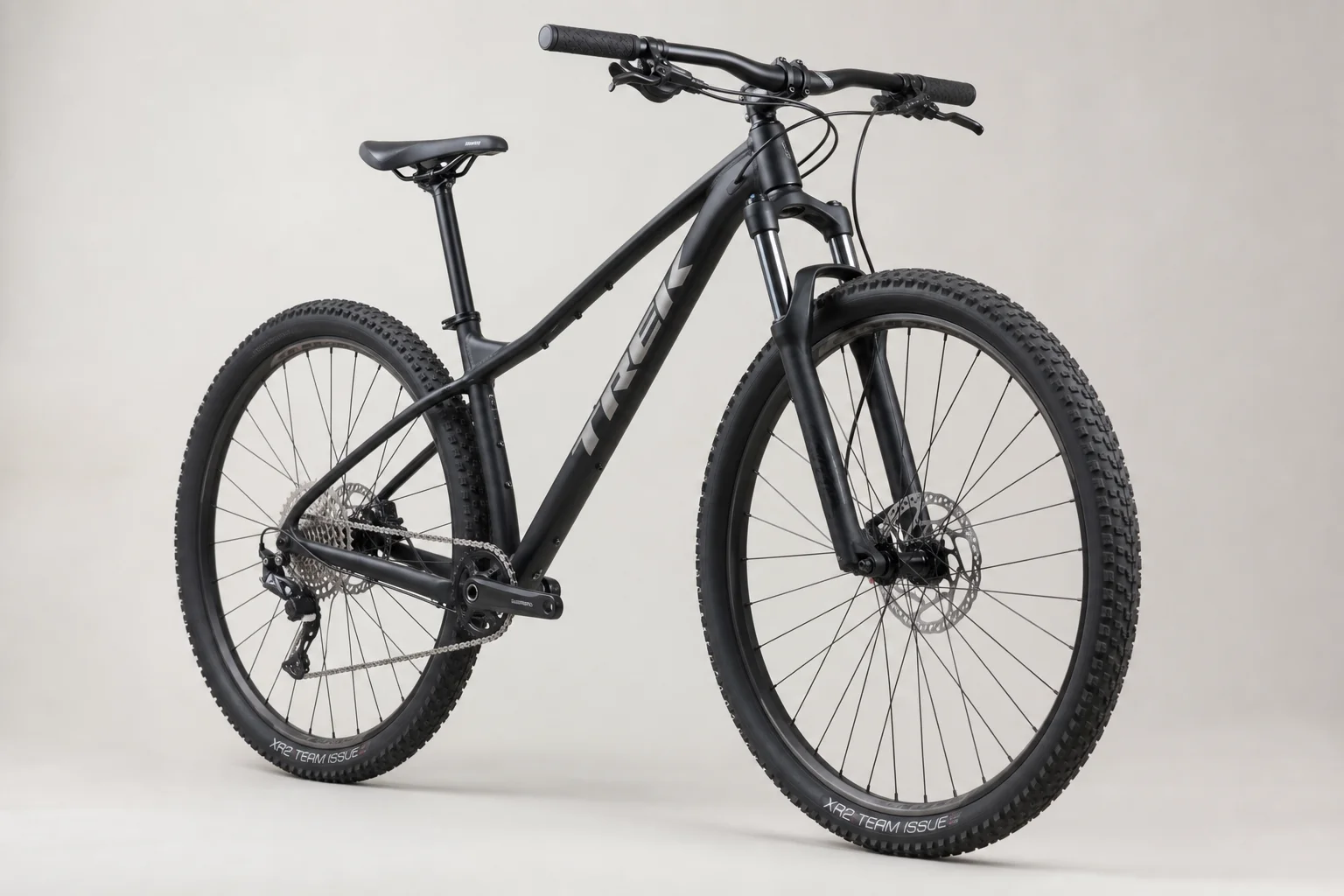
Beginner Mountain Bike Buying Guide: What to Look For in a Trailworthy Hardtail
A practical framework for evaluating beginner mountain bikes, whether new or used, by examining key components that indicate real trail capability.
Mountain Bikes
Best Aluminum Mountain Bikes 2026: Five Alloy Bikes Worth Your Attention
Five aluminum mountain bikes that show how far alloy has come, from a 120mm trail bike and a versatile machined frame to a 180mm freeride machine.