Mountain Bikes
Trek Mountain Bikes Compared: Slash, Fuel EX, Supercaliber and Roscoe on One Black Trail
Four Trek mountain bikes, one black-rated descent, one professional racer. The clock shows where travel, tires and geometry actually change the outcome.
Introduction
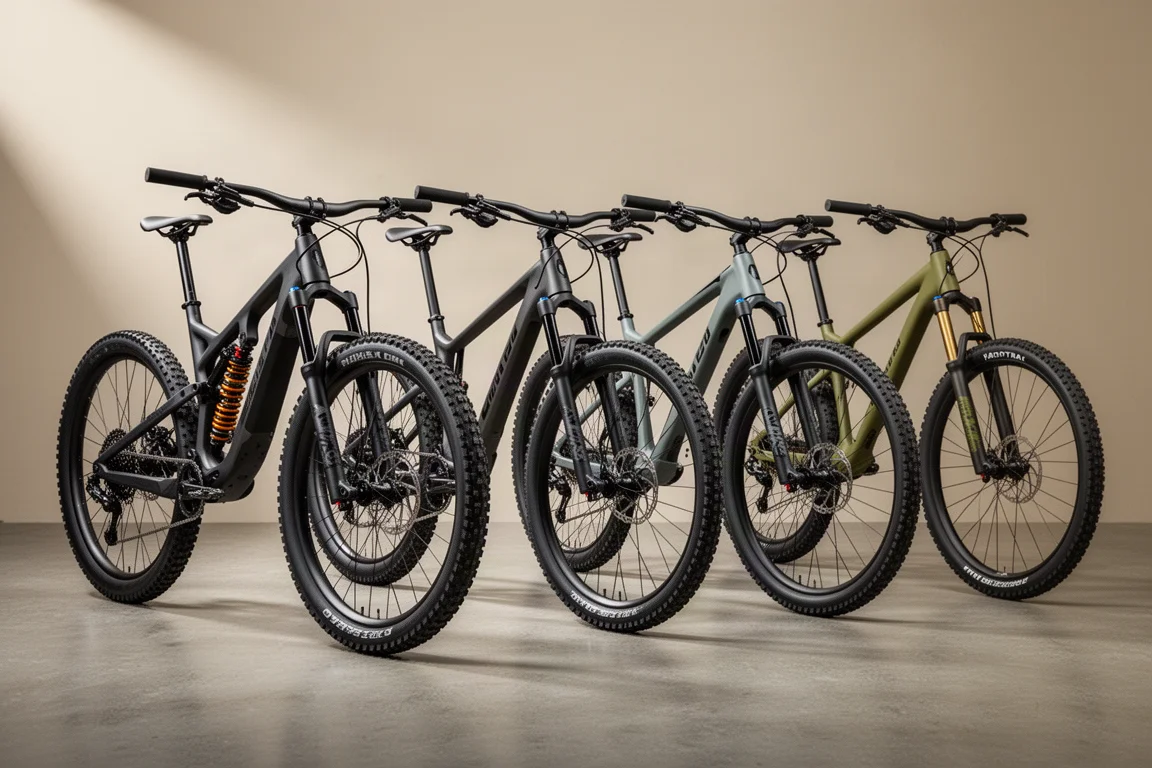
Four Trek mountain bikes, one black-rated downhill trail, and a single rider setting the times. That is the whole premise of this comparison, and it produced a result that is genuinely useful for anyone trying to work out how much suspension they actually need.
The bikes covered a wide spread, from a 170mm enduro race build down to a 140mm hardtail, with a 160/140mm trail bike and a short-travel cross-country machine in between. A regular rider also put in a benchmark run on the enduro bike, which gives the numbers a second layer of meaning.
The headline finding is simple: more travel did not automatically produce a faster descent.
How This Comparison Worked
Every bike was ridden down the same black-rated trail by the same professional racer. Keeping the rider constant leaves the bike as the main variable, which is what makes the times below worth reading. Conditions were dry and sunny early in the day and noticeably wetter later on, so treat the results as a reliable guide to relative performance rather than a controlled test.
A regular rider also set a time on the 170mm enduro bike. That run is useful because it shows how much of the gap between a professional and an enthusiastic amateur comes from the person rather than the purchase.
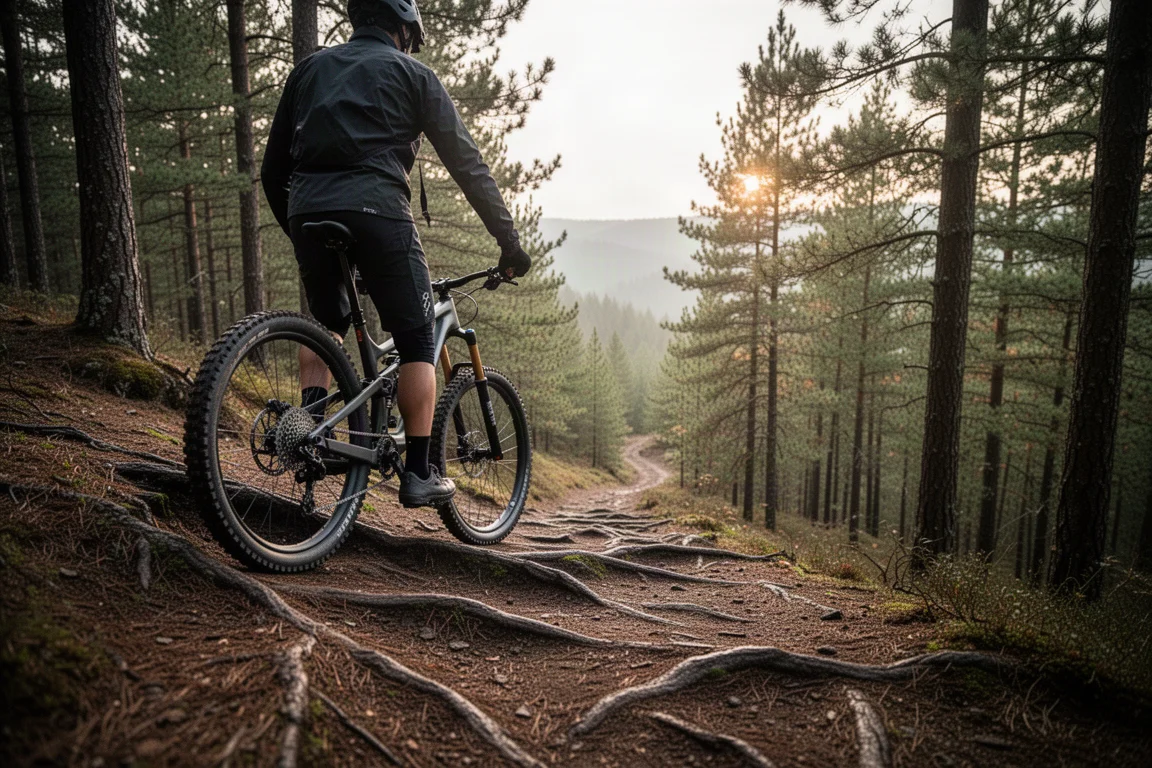
Travel, tire choice and cockpit setup are the three things to watch as you read each section. Every bike in the group differed on at least one of them, which is exactly why the results are interesting.
Trek Slash
The Slash is the enduro platform, and this build carried 170mm of travel with RockShox suspension front and rear, a Zeb fork and a Vivid shock, Pirelli tires at both ends and a SRAM drivetrain. It is the same configuration used for enduro racing, making it the most descent-focused bike of the four.
It stopped the clock at 2:01.1. The regular rider’s time on the same bike was 2:26, which is a useful reminder of how large the rider contribution is on a demanding trail.
Trek Fuel EX
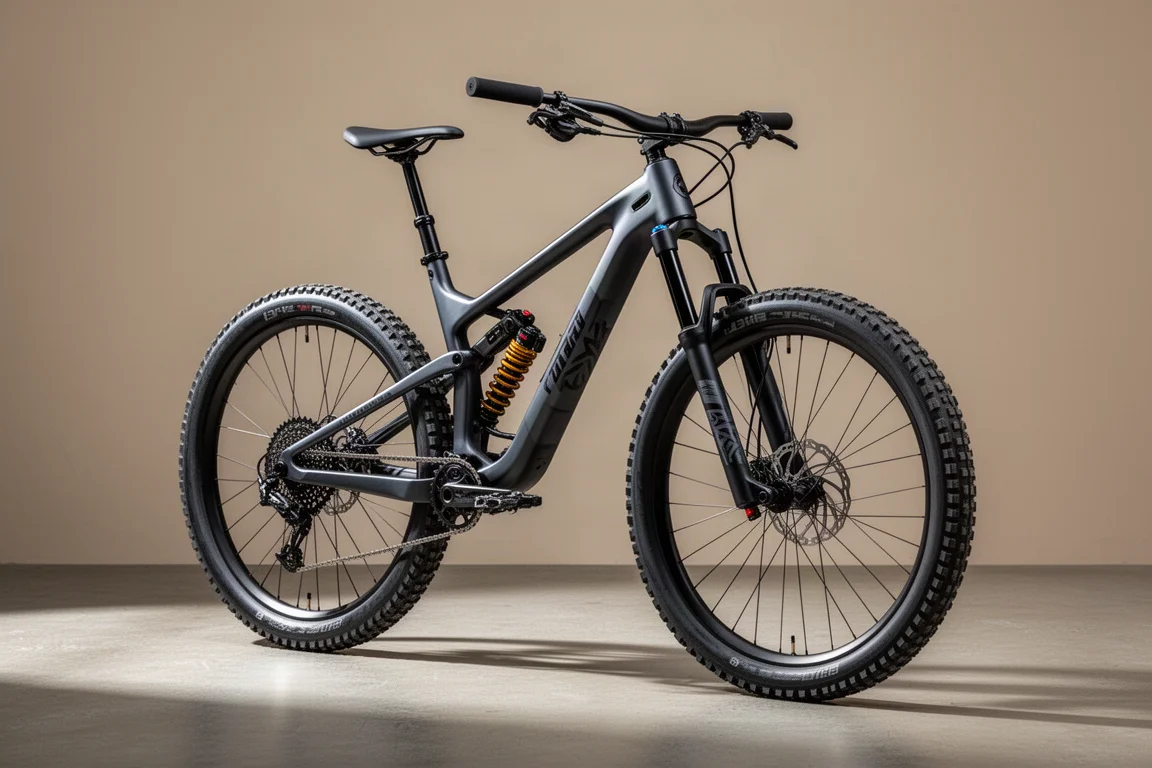
The Fuel EX is the trail bike of the group, with 160mm at the front and 140mm at the rear, RockShox suspension, Pirelli tires and a SRAM drivetrain. On paper it gives away 30mm of front travel to the Slash, which would normally suggest a slower descent.
It was the quickest bike of the day at 1:59. That result is the strongest argument in this comparison for not simply buying the longest-travel bike you can afford.
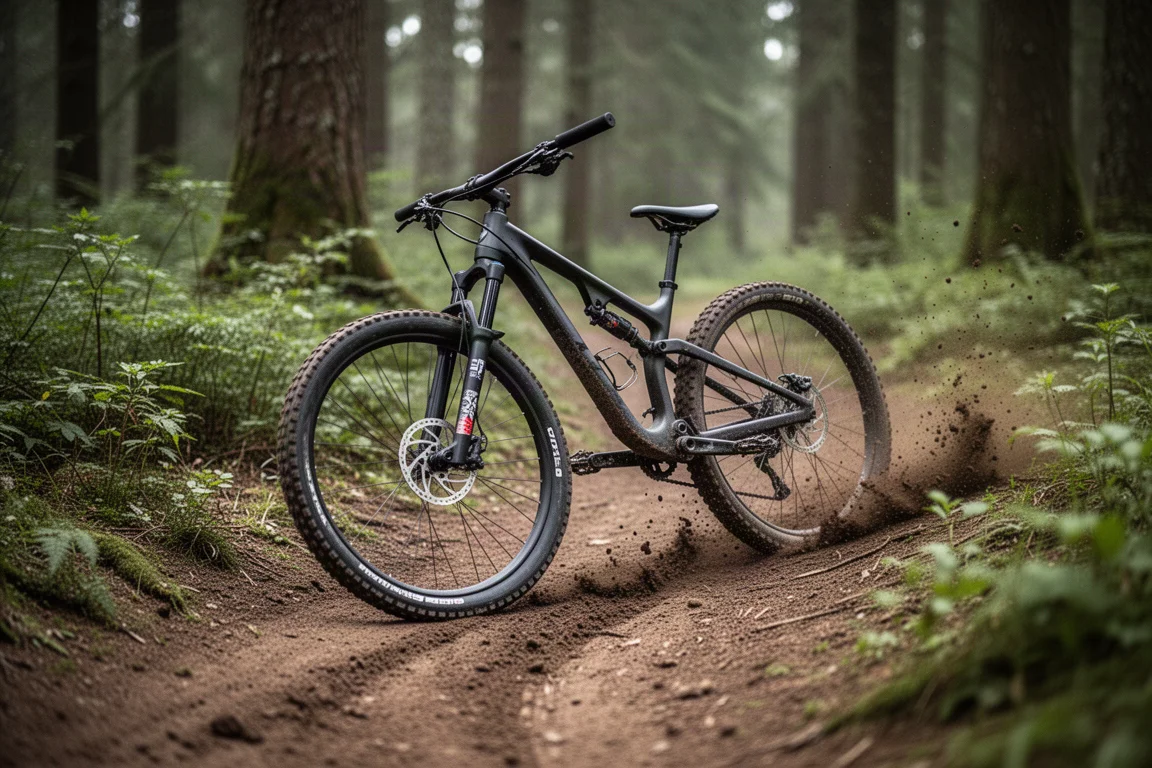
A shorter-travel trail bike with balanced geometry can be easier to move around on a technical descent, and this run suggests the Fuel EX gave away nothing meaningful in composure while gaining something in agility.
Trek Supercaliber
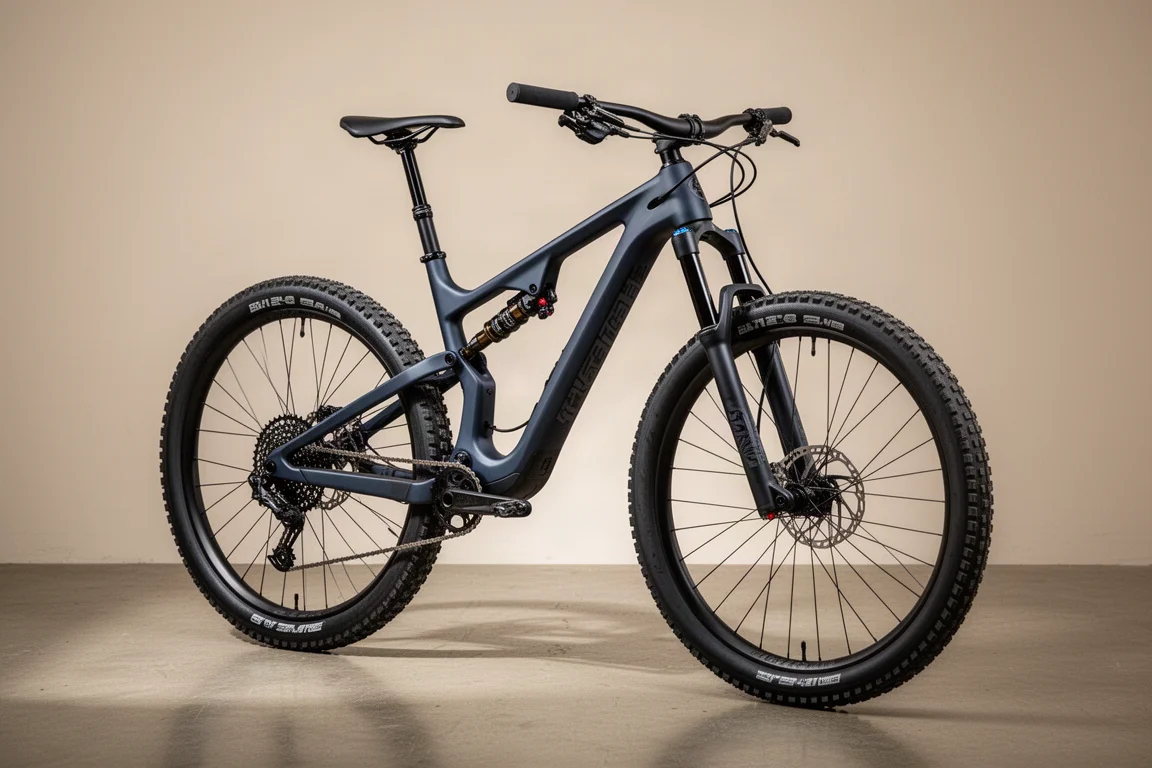
The Supercaliber is a cross-country race bike, and the one used here ran 110mm up front with a much shorter rear travel figure, cross-country tires and a long stem. It is by far the least descent-oriented bike in the group.
It recorded 2:15, the slowest of the four Trek bikes on the day. The rider described it as twitchy over the bigger hits and pointed to the long stem and the cross-country tires as the main reasons it gave away time, even though it is a full-suspension design.
Trek Roscoe
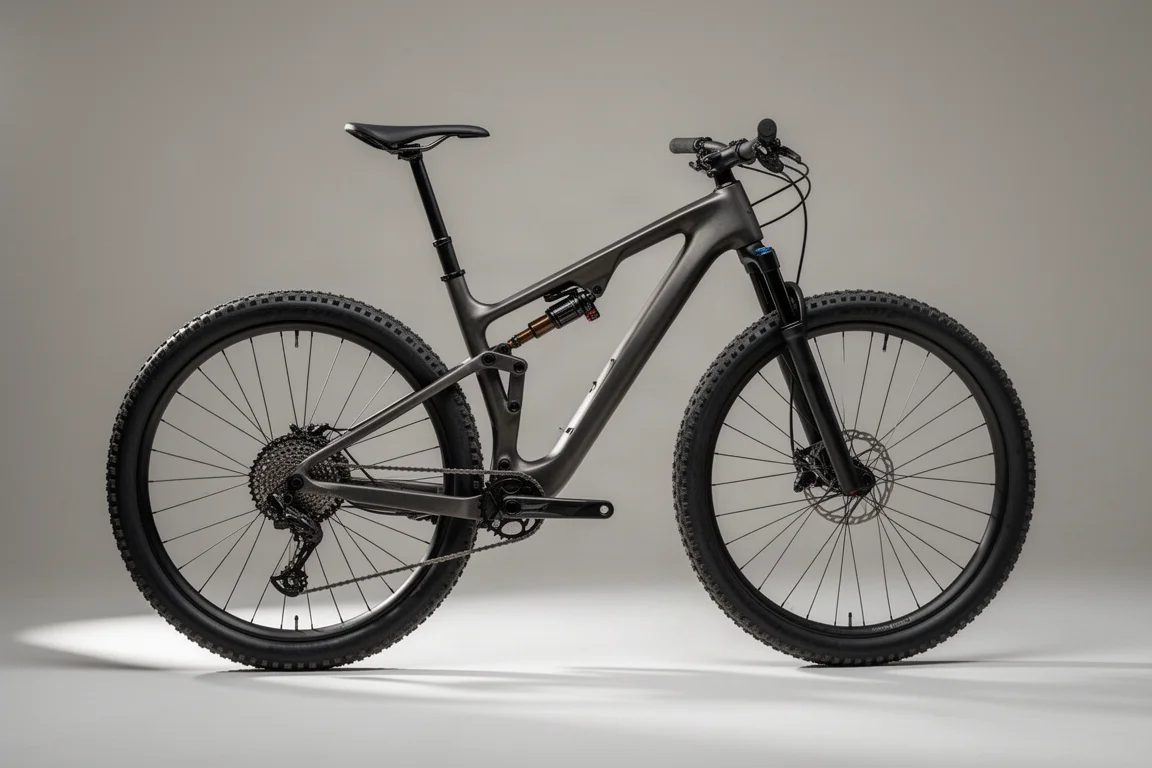
The Roscoe is a 140mm hardtail with no rear shock at all, which makes it the simplest bike of the group. Its rider had not been on a hardtail since 2018 and expected the drops to be the hardest part of the run.
It crossed the line in 2:12, faster than the full-suspension cross-country bike and only a few seconds behind the trail bike. The rider called it genuinely capable and chose to skip the biggest lines rather than risk a mistake, which makes the time more impressive rather than less.
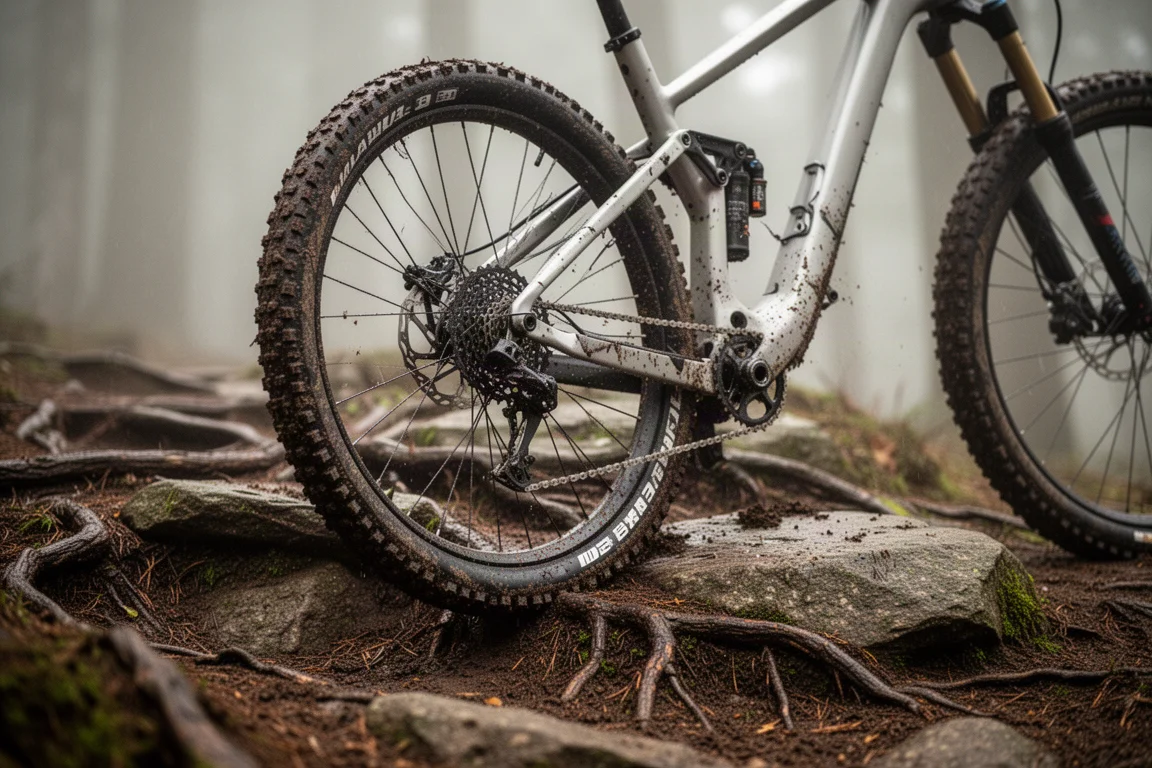
For riders who want one bike for trail centre laps with the occasional steeper descent, that result is worth sitting with.
What the Times Say About Travel
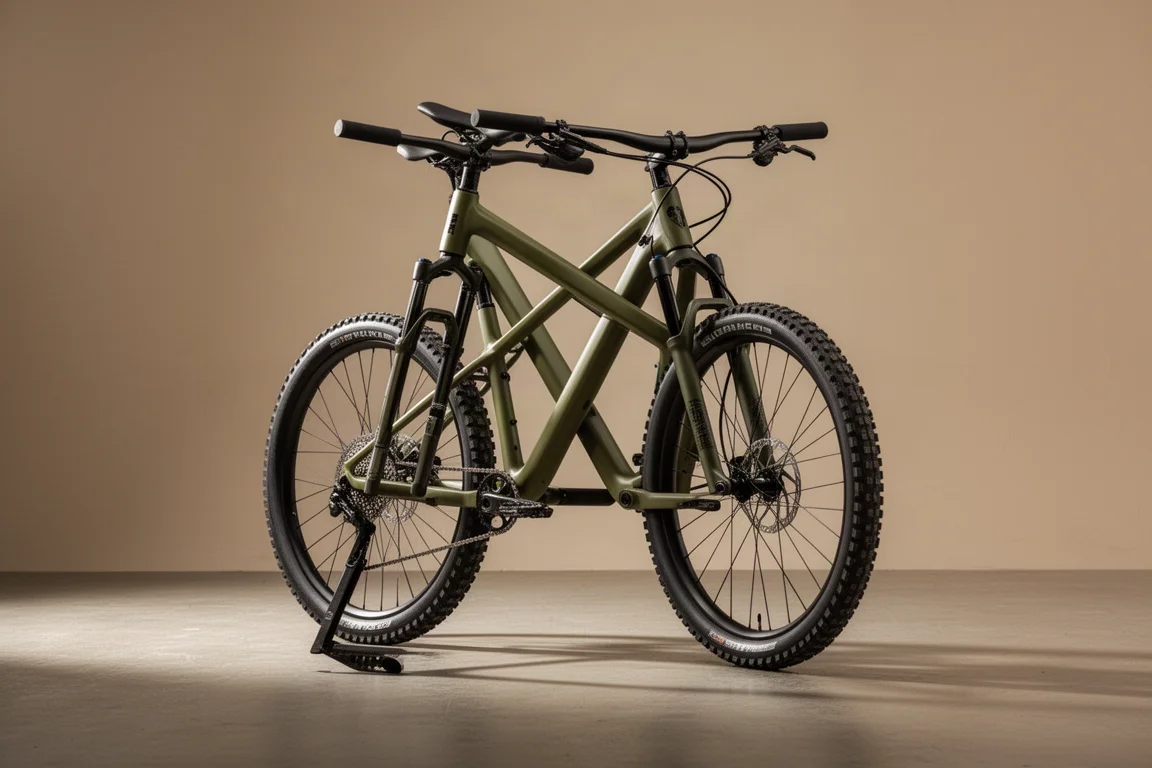
The fastest bike of the day was the 160/140mm trail bike, not the 170mm enduro bike. The gap is small, but it is real, and it matches the way most riders actually experience travel. More of it helps most on the biggest hits, while geometry and tires shape how confident the bike feels everywhere else.
The Supercaliber result makes the same point from the other direction. It is a full-suspension bike, but cross-country tires and a long stem cost it time on a black-rated descent, more than the travel numbers alone would predict. The hardtail finished ahead of it.
The amateur run on the enduro bike is the clearest number of the day. A 2:26 against 2:01.1 on identical bikes shows how much of the performance comes from the rider rather than the spec sheet.
Buying Advice
Four bikes, four sets of priorities, and one trail that exposed the differences between them. Here is how to turn the day into a decision.
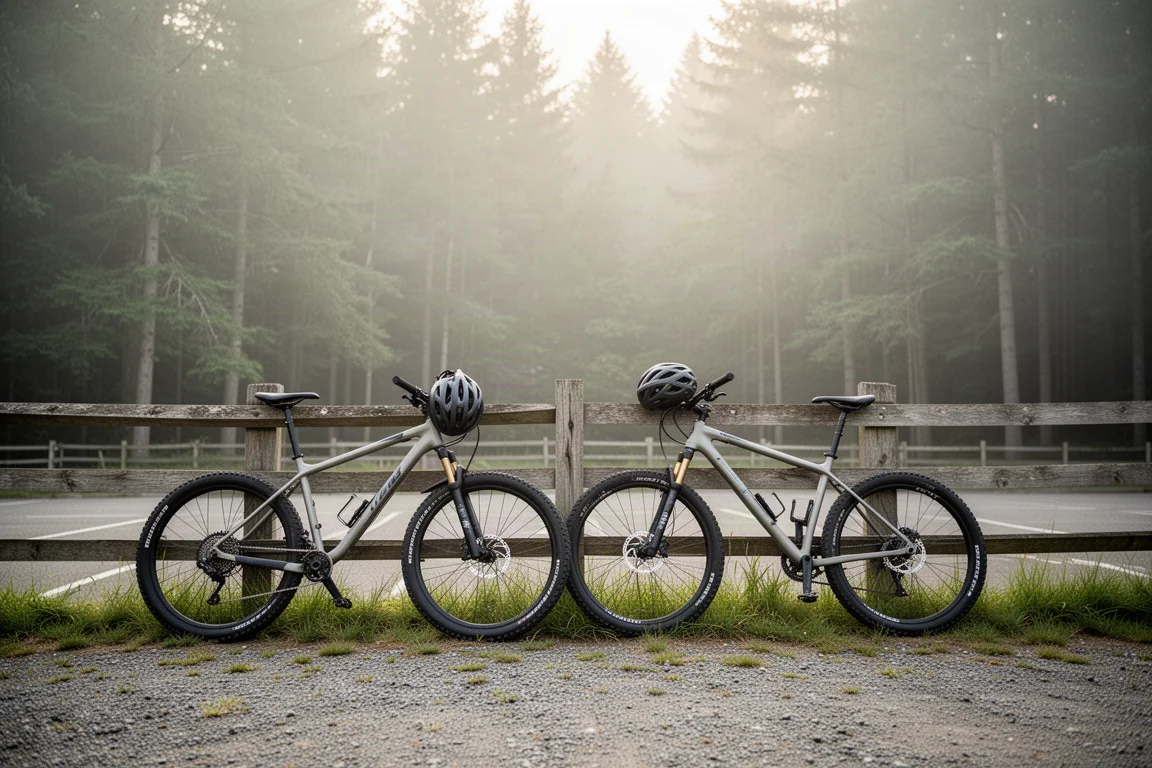
Start with the terrain you ride most often, not the travel figure that sounds most impressive. If your riding is mostly trail centre loops with occasional steeper descents, a 160/140mm trail bike covers that ground comfortably and posted the fastest time here. If you race enduro or regularly ride steep, rough descents, the extra travel and burlier components of an enduro bike are easier to justify.
If you race cross-country or cover long distances, the Supercaliber’s priorities make sense, but expect to give away time on technical descents unless you change the tires and cockpit setup. If simplicity matters most, the hardtail result shows that a 140mm hardtail can still be ridden hard down a black-rated trail.
Conclusion
The comparison answered its own question: a professional racer is faster than a keen amateur, even when the amateur is on the more expensive bike. The slowest run of the day, set on a 140mm hardtail, was still quicker than the amateur’s run on a full enduro bike.
Just as useful is what the four Trek bikes revealed about equipment. The trail bike was quickest, the hardtail was competitive, and the cross-country race bike was the slowest down a black-rated descent despite having rear suspension. Travel matters, but it is not the only variable, and it is rarely the one that decides whether you enjoy the ride.
Further reading
Related Reviews
Mountain Bikes
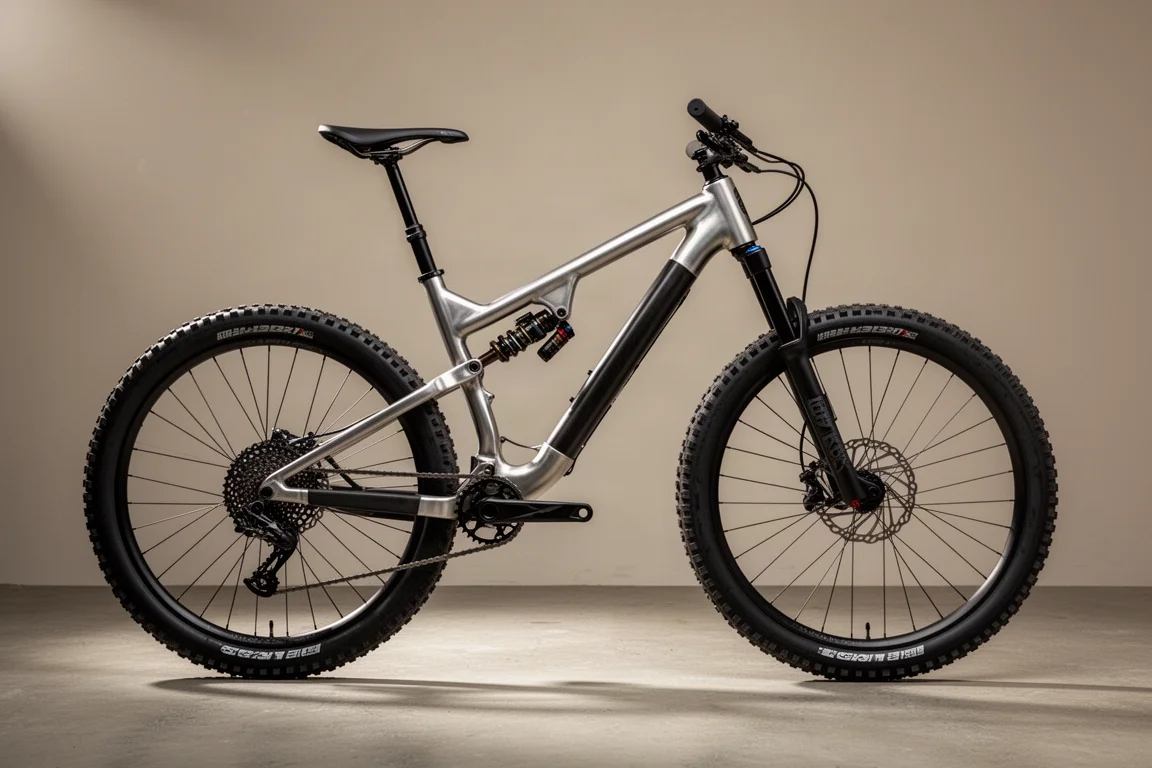
Atherton AM.130 Review: 3D-Printed Titanium Lugs and a 130mm Trail Bike That Descends Like a Bigger Machine
The Atherton AM.130 pairs 3D-printed titanium lugs with carbon tubes and a DW6 suspension platform. Here is how it rides, what the build delivers, and who it suits.
Mountain Bikes
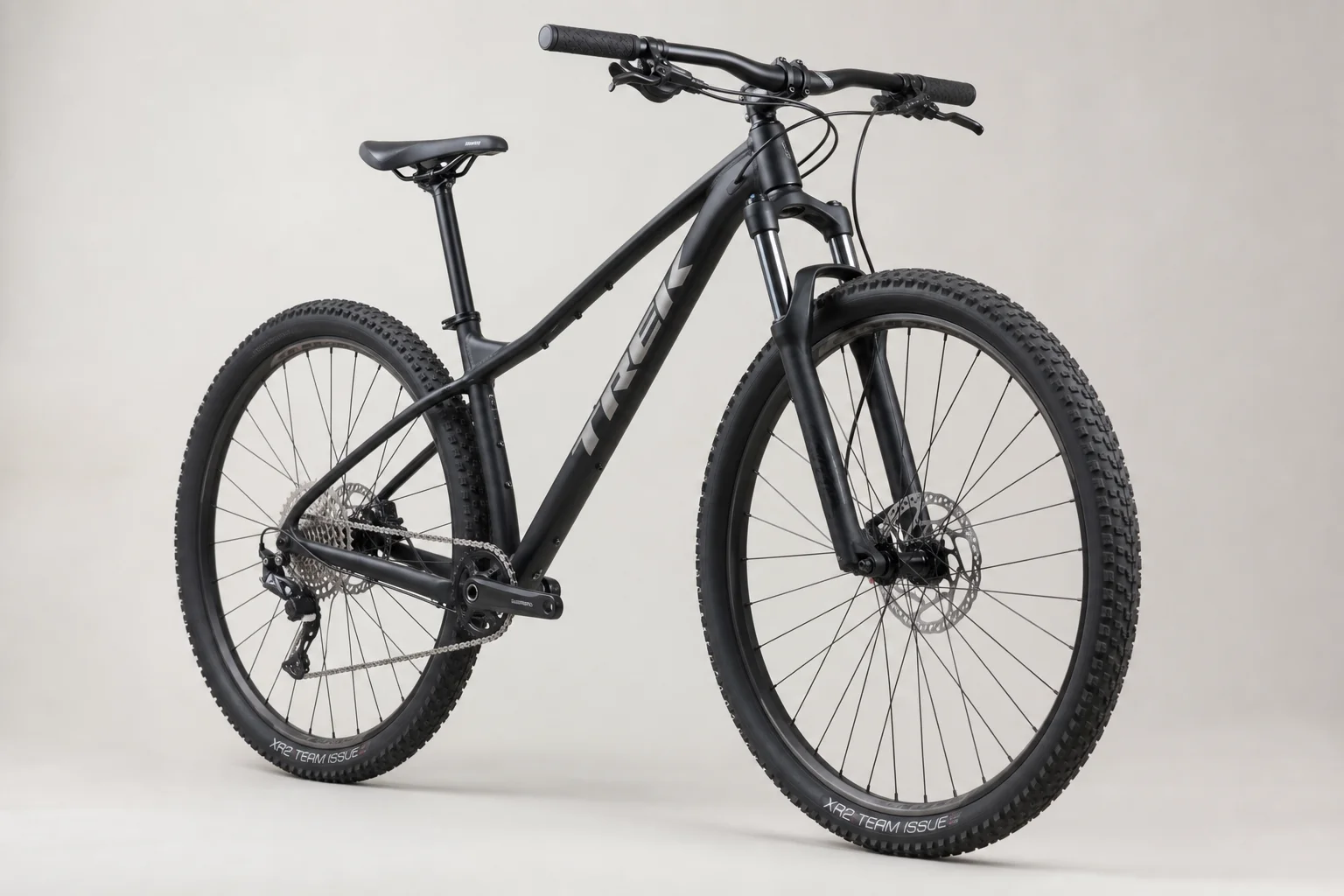
Beginner Mountain Bike Buying Guide: What to Look For in a Trailworthy Hardtail
A practical framework for evaluating beginner mountain bikes, whether new or used, by examining key components that indicate real trail capability.
Mountain Bikes
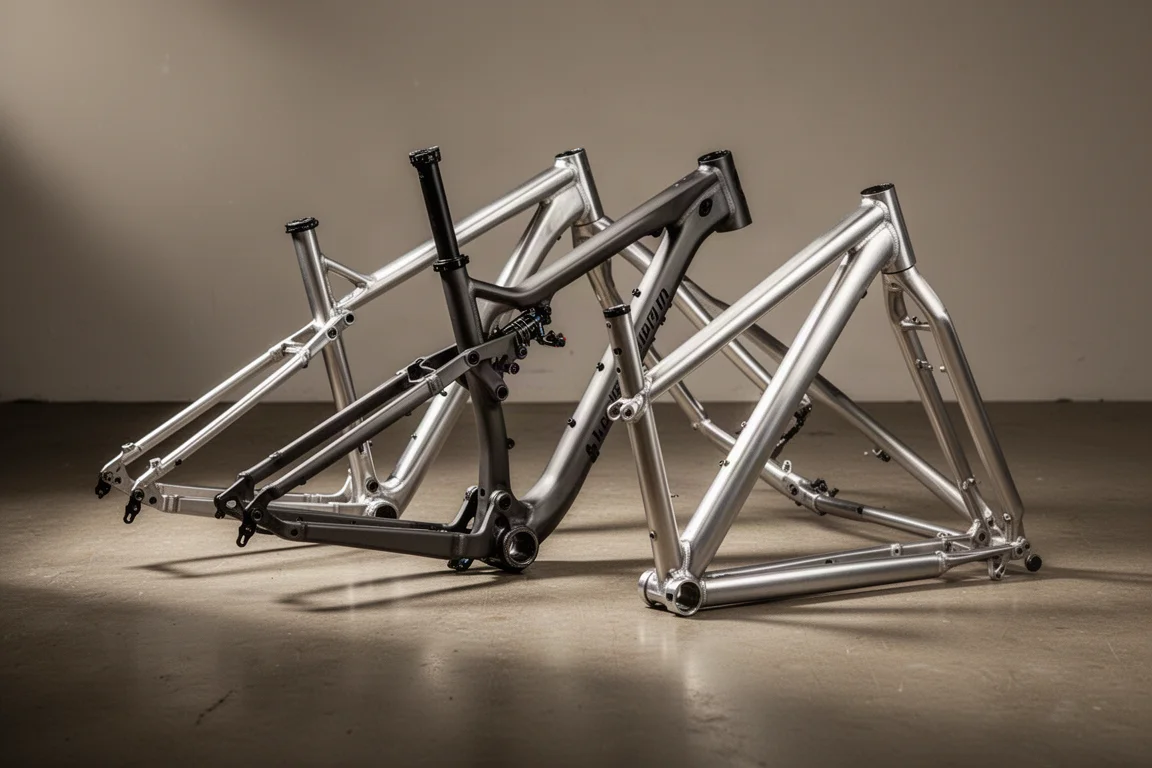
Best Aluminum Mountain Bikes 2026: Five Alloy Bikes Worth Your Attention
Five aluminum mountain bikes that show how far alloy has come, from a 120mm trail bike and a versatile machined frame to a 180mm freeride machine.