Mountain Bikes
Trek Mountain Bikes Compared: What a Pro and a Punter Learned on One Black Trail
Five Trek mountain bikes, one black-rated descent, and two very different riders. Here is what the times reveal about travel, price, and real descending speed.
Introduction
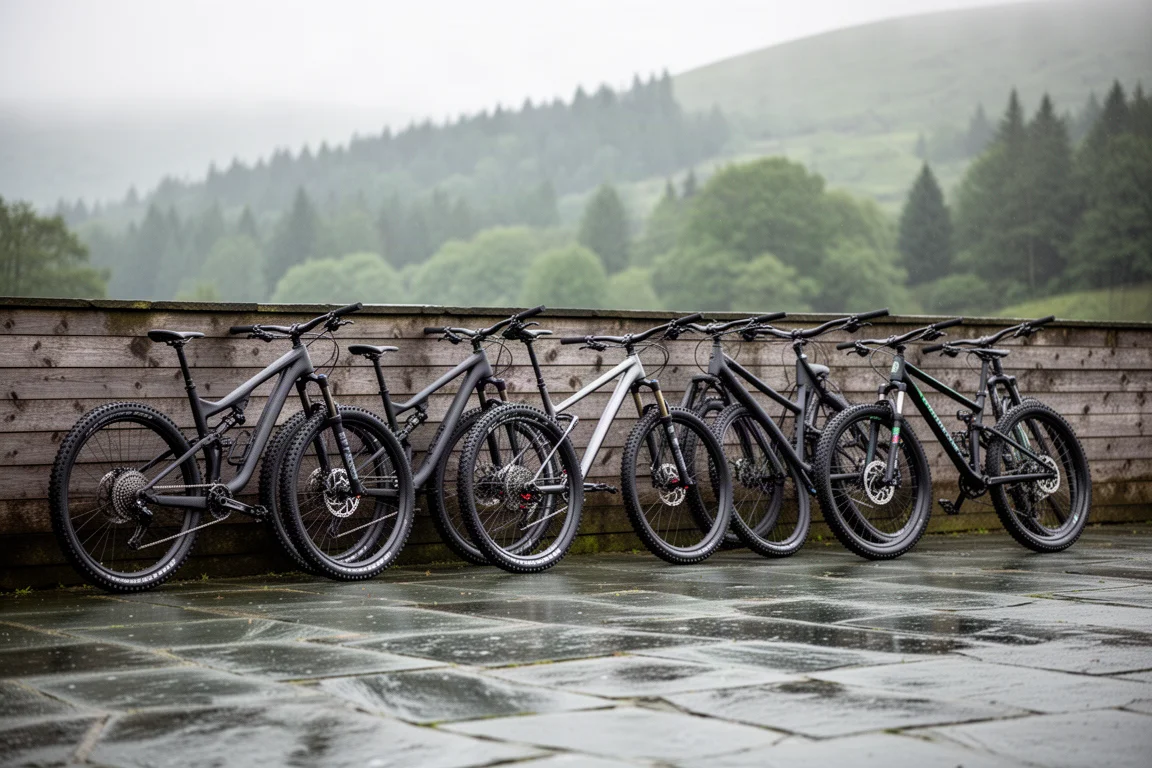
Five Trek mountain bikes, one black-rated descent, and two very different riders. That is the setup behind this comparison: a professional racer with enduro race wins, downhill world championship experience and a former British cross-country national title, against an amateur rider who describes himself as a weekend punter.
The format was simple. Both riders set a benchmark time on a Trek Slash, then the professional worked down the Trek range on four progressively less capable and less expensive bikes to see whether the amateur’s time on the Slash could survive the day. The trail was Die Hard at BikePark Wales, a black-rated descent built from roots, drops and steep chutes.
The answer turned out to be more interesting than anyone expected, and it says a lot about how much bike you actually need.
How This Test Was Set Up
Each rider started on the Trek Slash, a 170mm enduro bike running RockShox suspension front and rear, Pirelli tires and a SRAM drivetrain. The amateur’s benchmark run came in at 2:26, which set the target.
From there the professional switched to a Trek Fuel EX, then a Trek Supercaliber, then a Trek Roscoe hardtail, and finally a Trek Marlin. Travel dropped at every step, and so did the price. The question was straightforward: at what point, if any, would the amateur’s Slash time become the faster one?
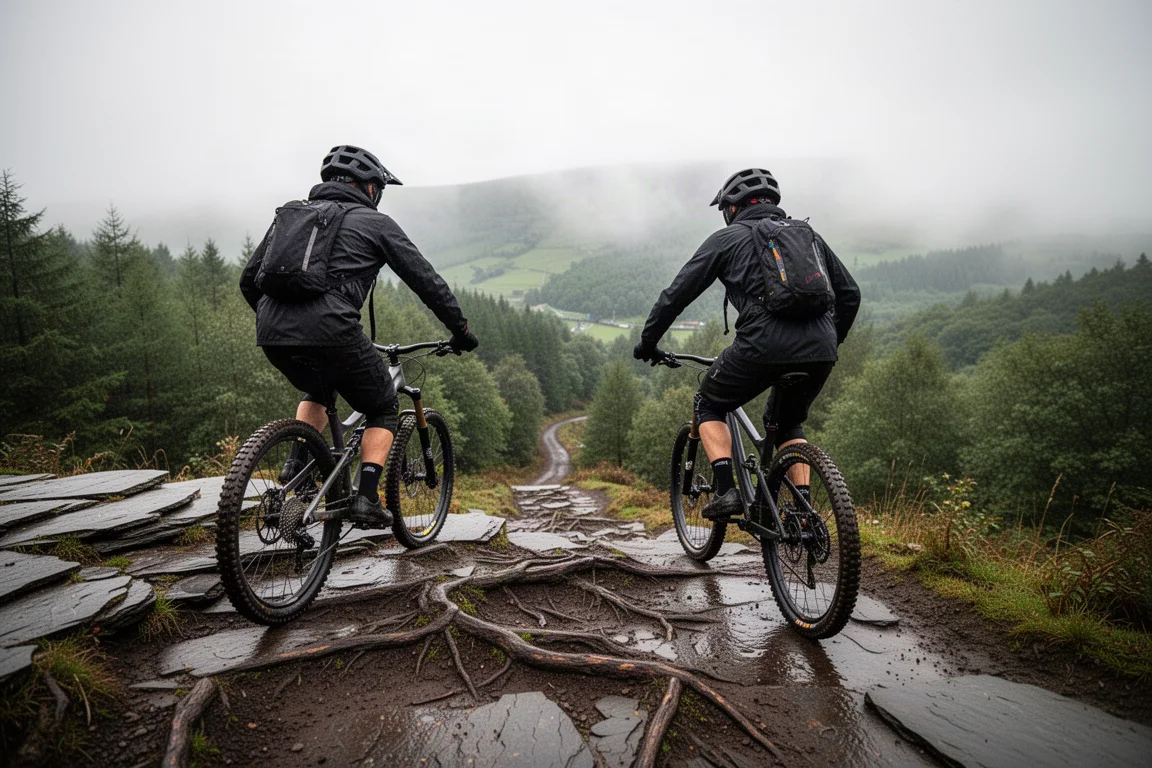
Conditions began dry and sunny with grippy roots, then turned wetter as the day went on. That matters on a trail like Die Hard, where root sections, drops and a steep exit reward grip and composure far more than outright speed.
Trek Slash: The Enduro Baseline
The Trek Slash is the bike the professional races enduro on, and it set the reference point for everything that followed. The build used a RockShox Zeb fork and Vivid shock with 170mm of travel, Pirelli tires front and rear, and a SRAM drivetrain.
Its benchmark run stopped the clock at 2:01.1, roughly 25 seconds ahead of the amateur’s 2:26 on the same model. That gap is the honest measure of the distance between a professional and a quick amateur on a demanding downhill trail, and it set the bar every other bike in the test had to clear.
Trek Fuel EX: The Fastest Time of the Day
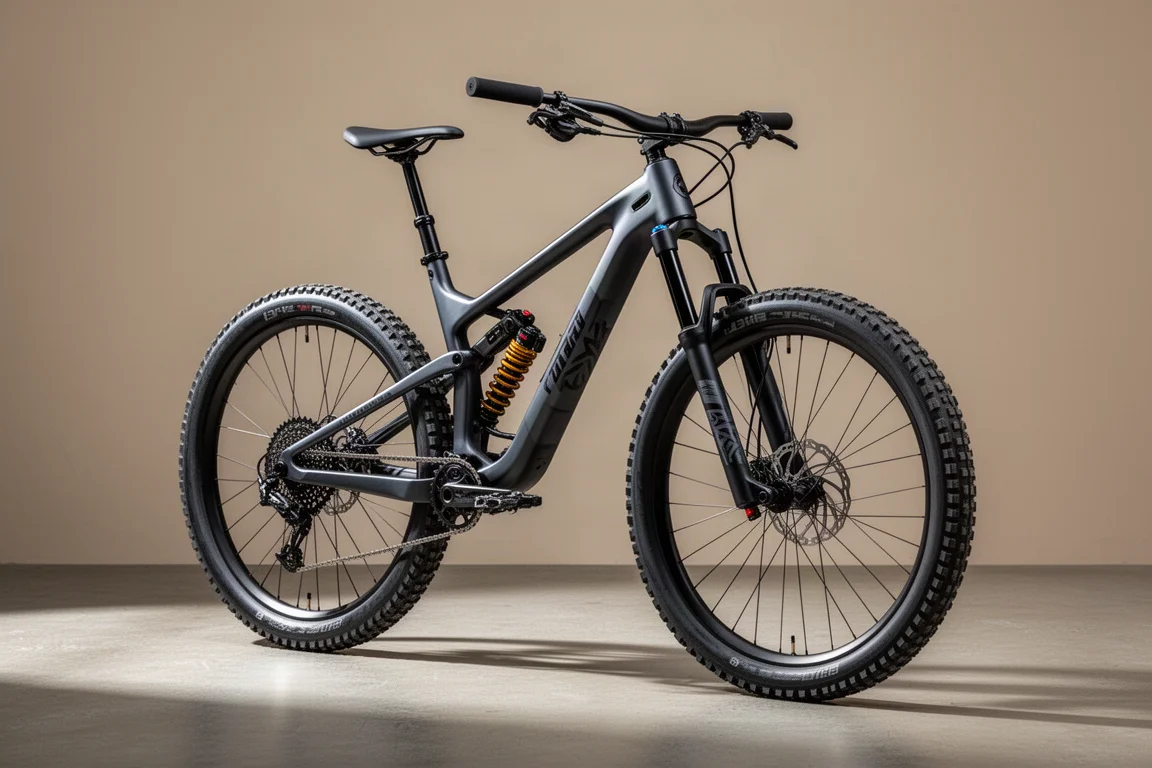
The Trek Fuel EX was the first step down in travel, with 160mm at the front and 140mm at the rear, again on RockShox suspension with Pirelli tires and a SRAM drivetrain. On paper it should have been a touch slower than the Slash. It was not.
The Fuel EX posted 1:59, two seconds quicker than the Slash and the fastest run of the entire day. For riders who want one bike that climbs well and still handles a black-rated descent with confidence, that result is worth a second look.
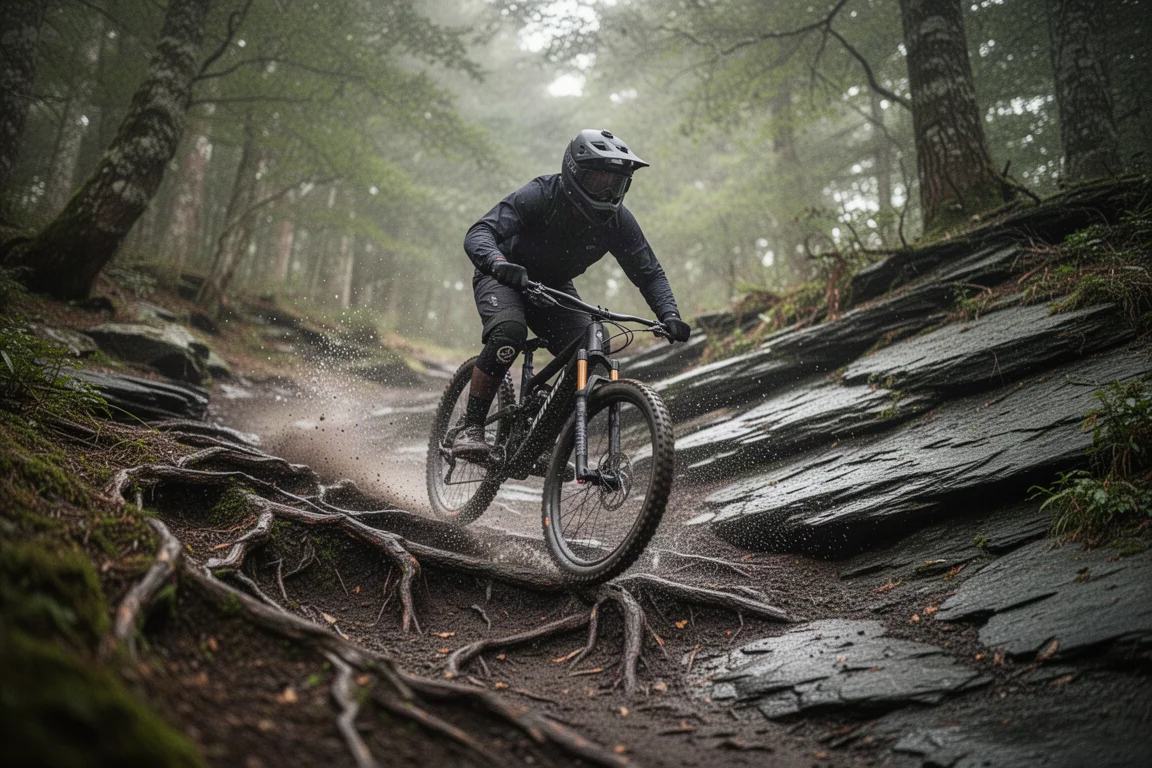
The margin is small enough that it says more about how a mid-travel trail bike suits this particular track than about any clear hierarchy across the range. Even so, it is a useful data point: more travel is not automatically faster.
Trek Supercaliber: The Cross-Country Race Bike
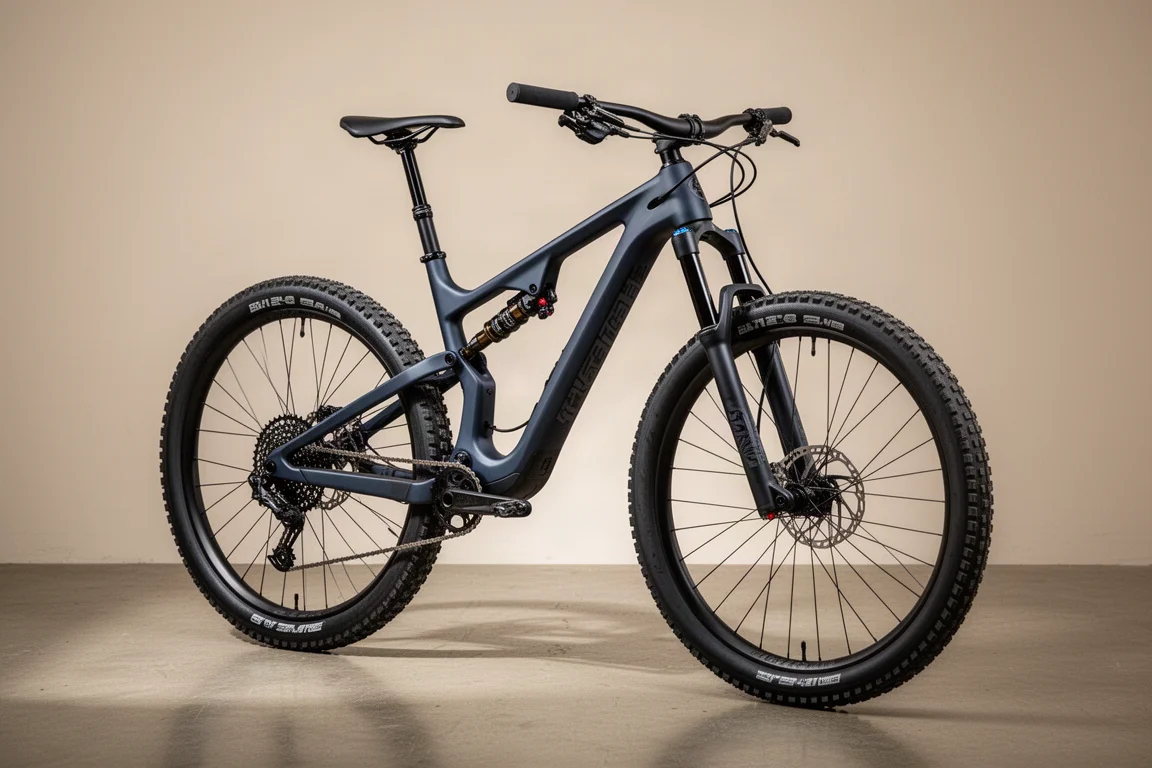
The Trek Supercaliber is a very different machine, with 110mm of travel at the front and just 50mm at the rear, a long stem, and the only cross-country tires in the test. On the descents it felt nervous and twitchy, and it was clearly the least at home on the roughest parts of the track.
It still recorded 2:15, which was enough to beat the amateur’s 2:26 on a full enduro bike. The lesson is that the Supercaliber is quick in experienced hands, but the long stem made it less maneuverable in tight, technical sections and the XC tires gave away grip over roots and loose rock.
Trek Roscoe: The Hardtail That Impressed
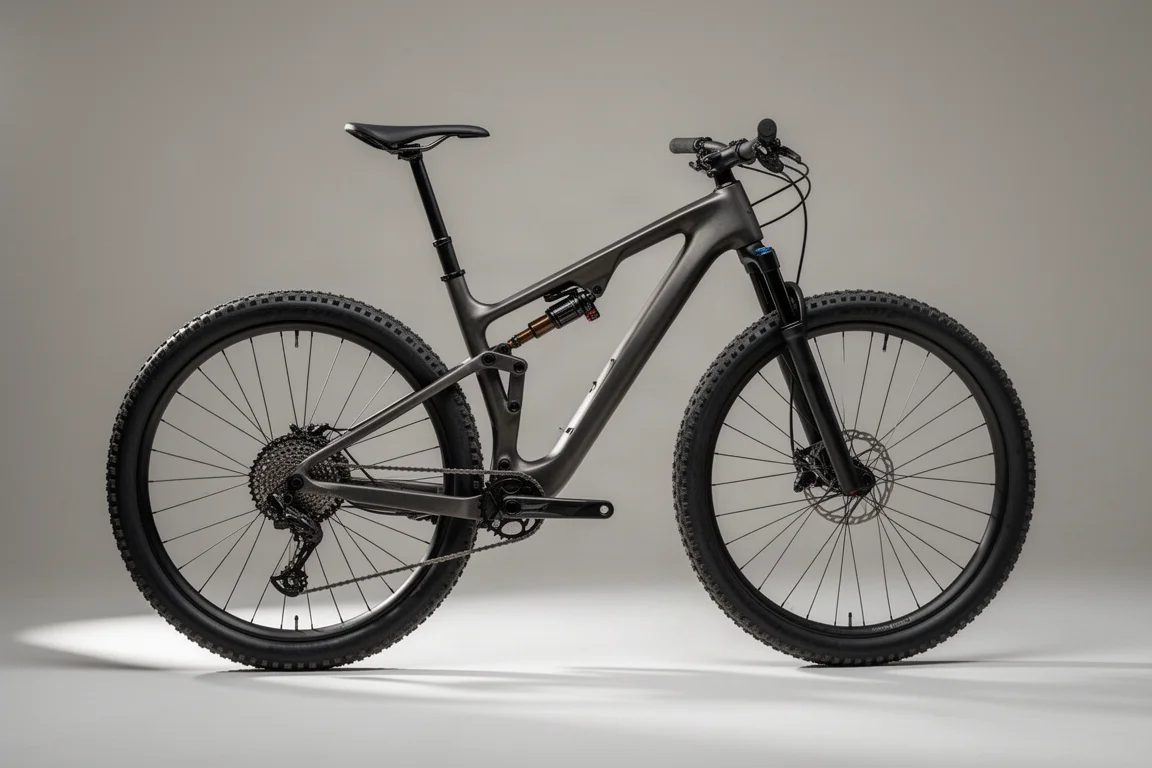
The Trek Roscoe is a 140mm hardtail with no rear shock at all, and it produced one of the biggest surprises of the day. The professional had not ridden a hardtail in several years and expected to feel under-biked, but came away calling it very capable and genuinely quick.
Its run came in at 2:12, faster than the Supercaliber and just under eleven seconds behind the Slash. For riders who want a simple, low-maintenance bike that can still be pushed hard down a demanding trail, that is a strong showing.
Trek Marlin: The Entry-Level Contender
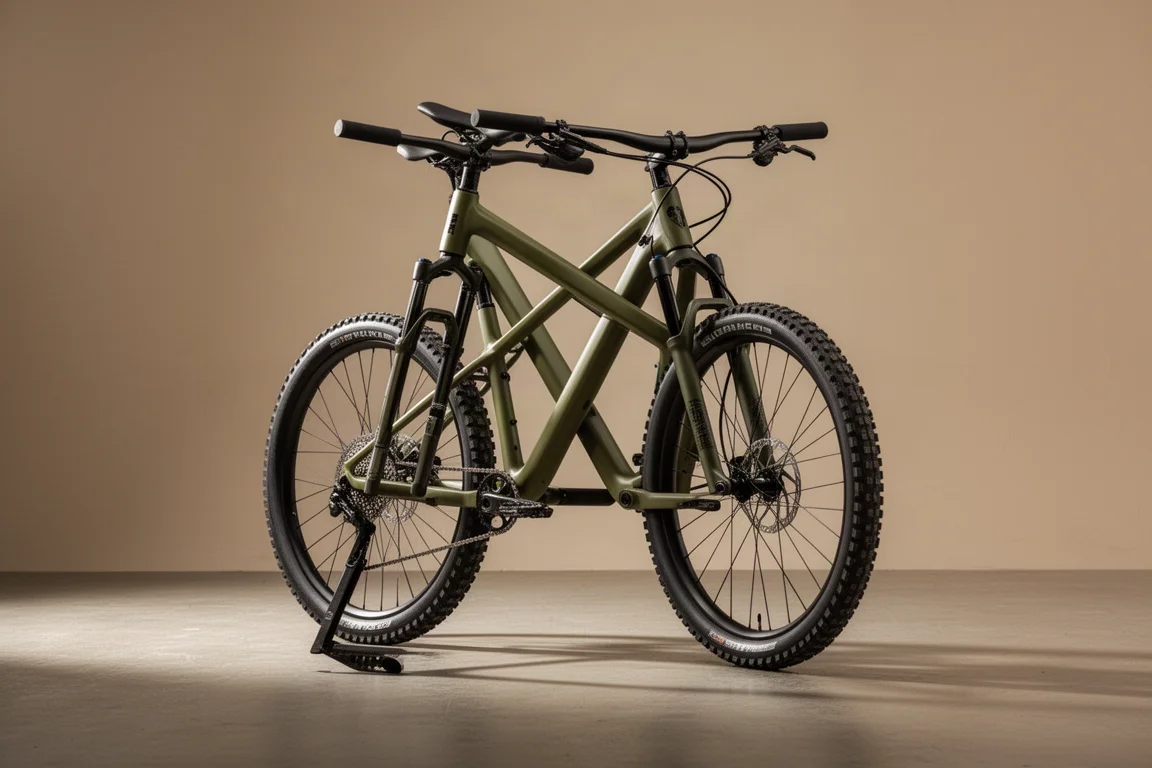
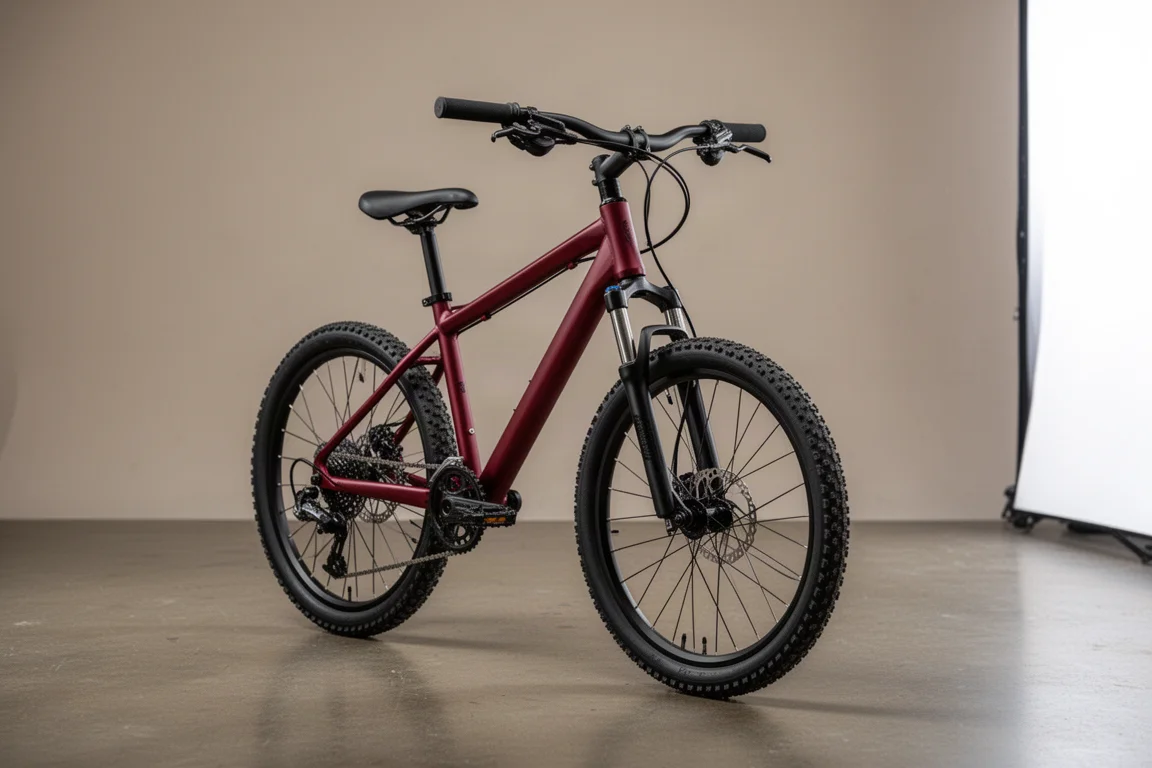
The Trek Marlin is the entry point of the group, with around 100mm of travel and a build that sits in roughly £1,000-class territory. It ran last, and it delivered one of the most talked-about results of the day.
The Marlin stopped the clock at 2:10. That was faster than the Supercaliber, faster than the Roscoe, and under nine seconds off the Slash. It is a reminder that a well-shaped frame, working suspension, knobbly tires and decent brakes are enough to ride a black trail quickly when the rider stays in control.
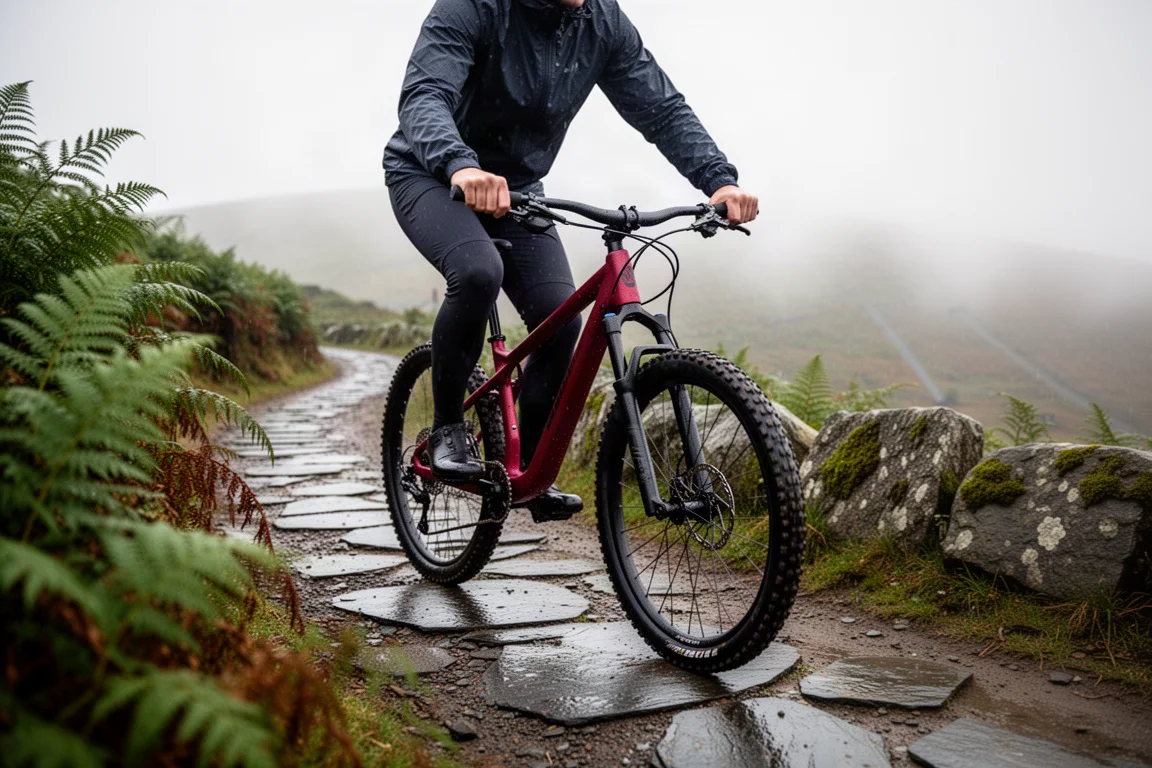
The amateur, riding behind on a much more expensive enduro bike, could not hold the wheel for the whole descent. That contrast is the most useful takeaway for anyone shopping at the budget end of the mountain bike market.
What the Times Suggest About Buying
Here are the day’s times in order: Fuel EX 1:59, Slash 2:01.1, Marlin 2:10, Roscoe 2:12, Supercaliber 2:15, with the amateur’s Slash benchmark at 2:26.
Two conclusions stand out. The first is that rider skill dominates everything else. Even on the least suitable bike in the group, the professional was more than ten seconds quicker than the amateur on a full enduro bike. The second is that travel and price are not straight-line predictors of descending speed on this kind of track. A 160mm trail bike set the fastest time of the day, and a 100mm entry-level bike finished ahead of two models further up the range.
For buyers, that supports a fairly practical approach. Match the bike to the terrain you ride most often, prioritize geometry and a component package that suits those trails, and do not assume that spending more automatically buys a faster descent.
Conclusion
The professional was faster than the amateur on every bike, including the entry-level Marlin, and the amateur’s best run on an enduro bike would still have been the slowest of the day. At the same time, the results show how much speed is available from a modest, well-rounded mountain bike.
The Trek Marlin and Trek Roscoe both handled a black-rated trail with far more composure than their travel figures and price tags suggest, while the Trek Fuel EX quietly set the fastest time of the entire test. If you are choosing between them, start with the trails you actually ride and work backwards from there.
Further reading
Related Reviews
Mountain Bikes
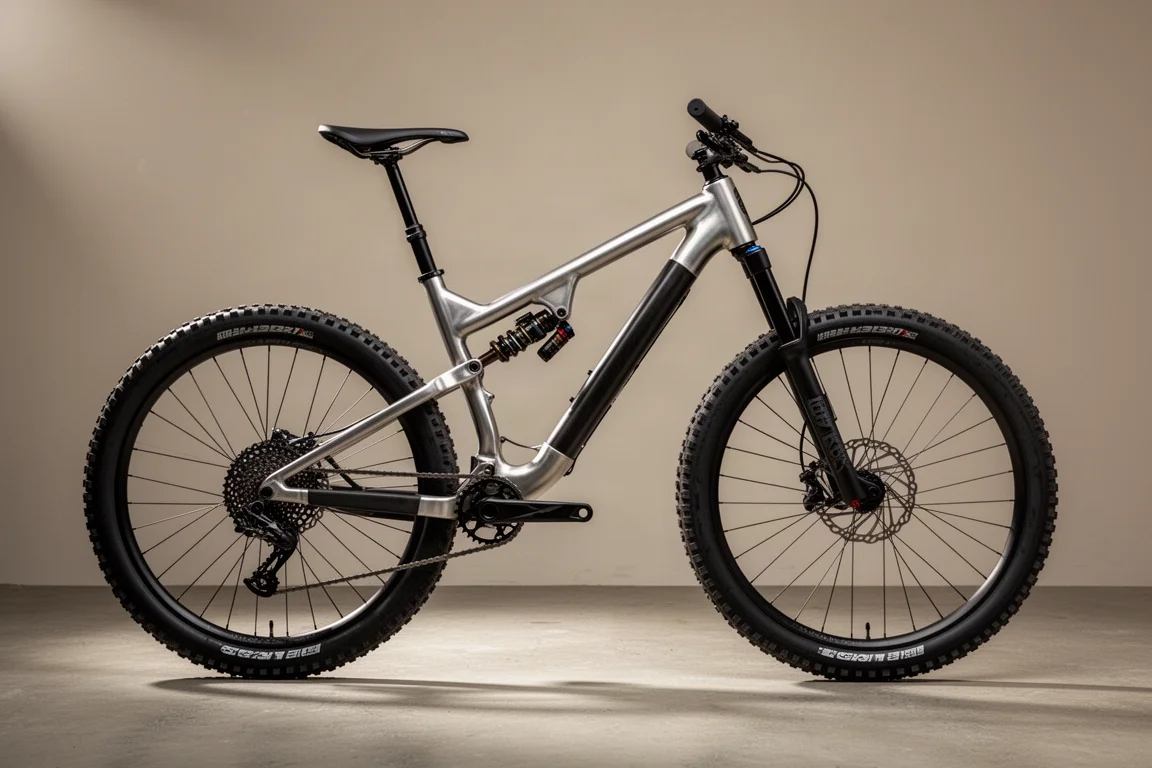
Atherton AM.130 Review: 3D-Printed Titanium Lugs and a 130mm Trail Bike That Descends Like a Bigger Machine
The Atherton AM.130 pairs 3D-printed titanium lugs with carbon tubes and a DW6 suspension platform. Here is how it rides, what the build delivers, and who it suits.
Mountain Bikes
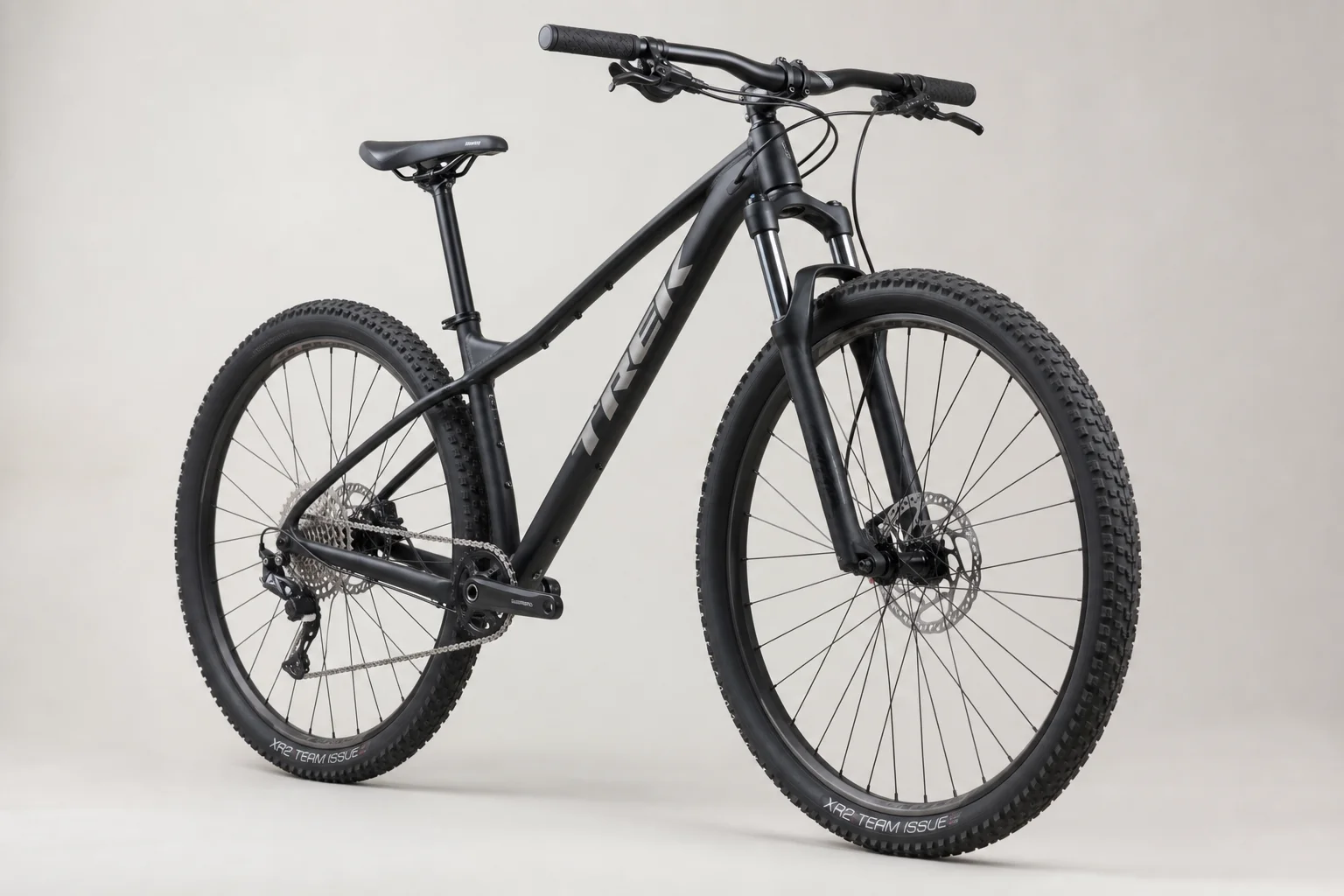
Beginner Mountain Bike Buying Guide: What to Look For in a Trailworthy Hardtail
A practical framework for evaluating beginner mountain bikes, whether new or used, by examining key components that indicate real trail capability.
Mountain Bikes
Best Aluminum Mountain Bikes 2026: Five Alloy Bikes Worth Your Attention
Five aluminum mountain bikes that show how far alloy has come, from a 120mm trail bike and a versatile machined frame to a 180mm freeride machine.