Telescope Mounts
Track the Stars Panther Pro Review: A Premium Alt-Az Mount Built for Speed and Outreach
A Danish premium alt-az mount that skips polar alignment entirely, and what that means for solar, planetary, EAA, and public outreach use.
Introduction
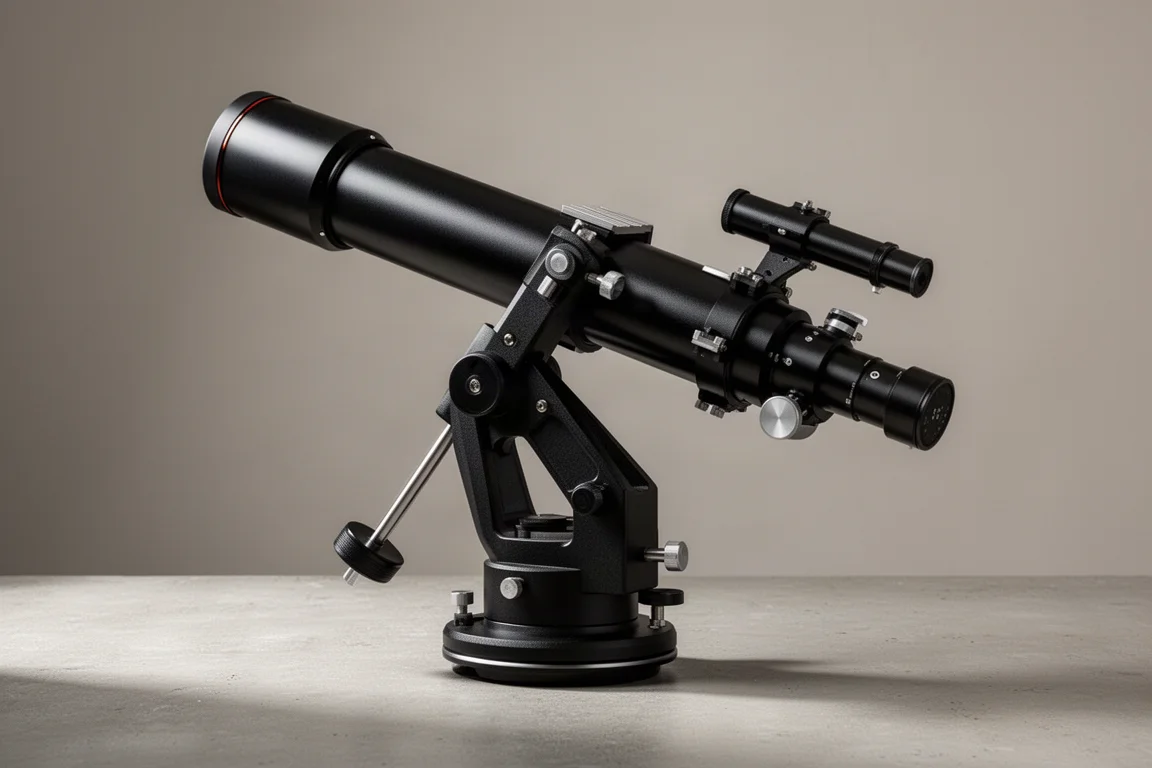
Most premium telescope mounts are judged by one standard: long exposure deep sky imaging. But not everyone observes or images that way. If your sessions revolve around solar work, lunar and planetary targets, visual observing, EAA, or public outreach, the priorities change. Speed of setup, stability, comfortable eyepiece position, and simple operation matter far more than perfect polar alignment.
That is exactly the problem the Track the Stars Panther Pro sets out to solve. This premium alt-az mount from Denmark is designed around quick setup, high payload capacity, flexible telescope configurations, and operation with no polar alignment at all. No polar scope, no meridian flip, no waiting for Polaris, no contorting yourself into awkward eyepiece positions as the telescope tracks across the sky.
This review looks at the Panther Pro from the perspective of a solar imager, lunar and planetary imager, visual observer, and outreach presenter, and asks a simple question: does it solve the real problems that show up in the field?
Who This Mount Is For
The Panther Pro fits anyone whose observing lives outside long exposure deep sky work. H-alpha, white light, and calcium K solar observers will appreciate being able to set up in full daylight. EAA users get short exposures, fast alignment, and an eyepiece position that stays comfortable. Outreach volunteers get a mount that recovers from bumps instead of demanding a full recalibration mid-event.
One thing to understand upfront: this is not a replacement for a dedicated equatorial deep sky imaging mount. It is not trying to be. Its value is in speed, stability, and comfort for solar system work, visual use, and multi-scope configurations.
Setup Speed: The Biggest Day-to-Day Advantage
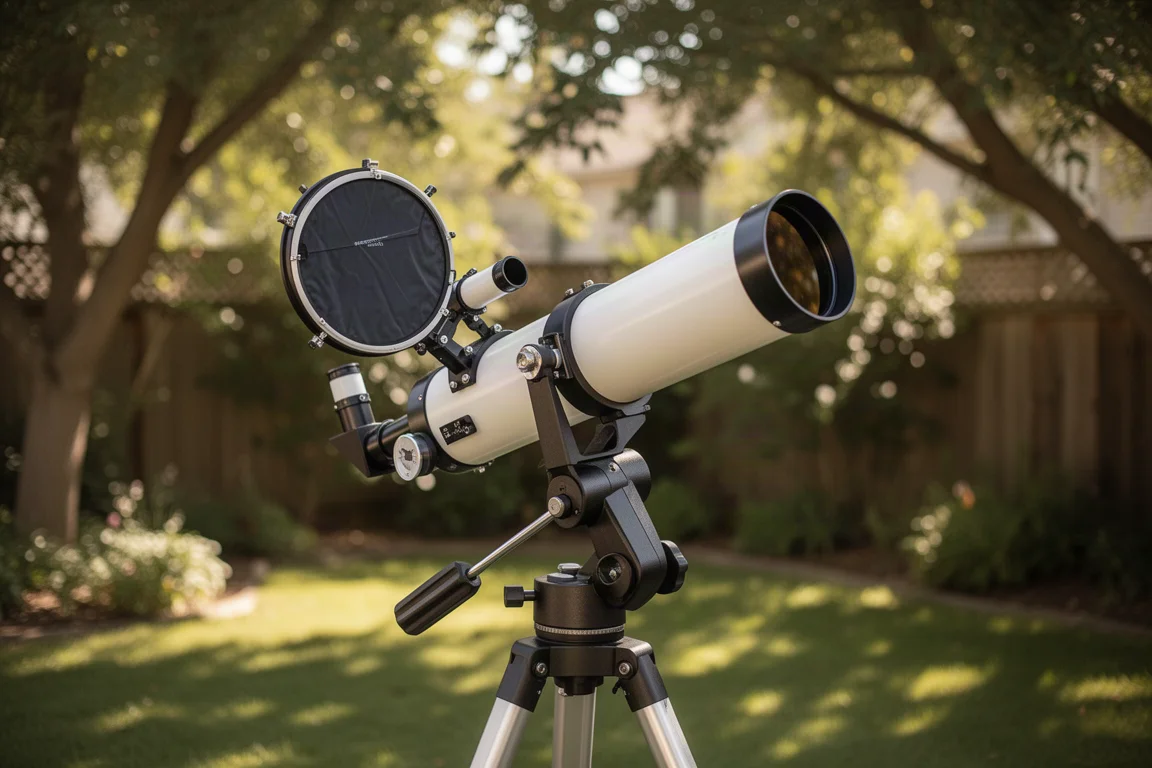
When you set up at a star party or outreach event, the faster the telescope tracks, the faster people can start looking. The Panther Pro excels here. For solar, there is no need to worry about whether a tree blocks north. Start with a rough guess, slew close to the sun, do a simple alignment, and begin tracking.
At night the same logic applies. There is no waiting for Polaris to appear. You can align on Venus, Jupiter, Arcturus, Vega, or any bright target that is visible and start showing people the sky while twilight is still fading. For public outreach, this is a genuine advantage: nobody wants to stand around while you fuss with alignment. They want to look through the telescope.
The Hand Controller: Buttons Still Matter
App control is excellent on this mount. Over Wi-Fi, apps like SkySafari let you tap a target, slew, and be there, with an enormous object database at your fingertips. But physical buttons still earn their place, especially on cold winter nights.
The Panther Pro’s hand controller can be used by feel. The buttons are large enough to operate with gloves on, and the menu system gives direct access to bright stars, solar system objects, Messier objects, NGC and IC targets, and popular objects. For outreach, the combination works well: the hand controller is reliable and tactile, while SkySafari makes object selection fast and intuitive.
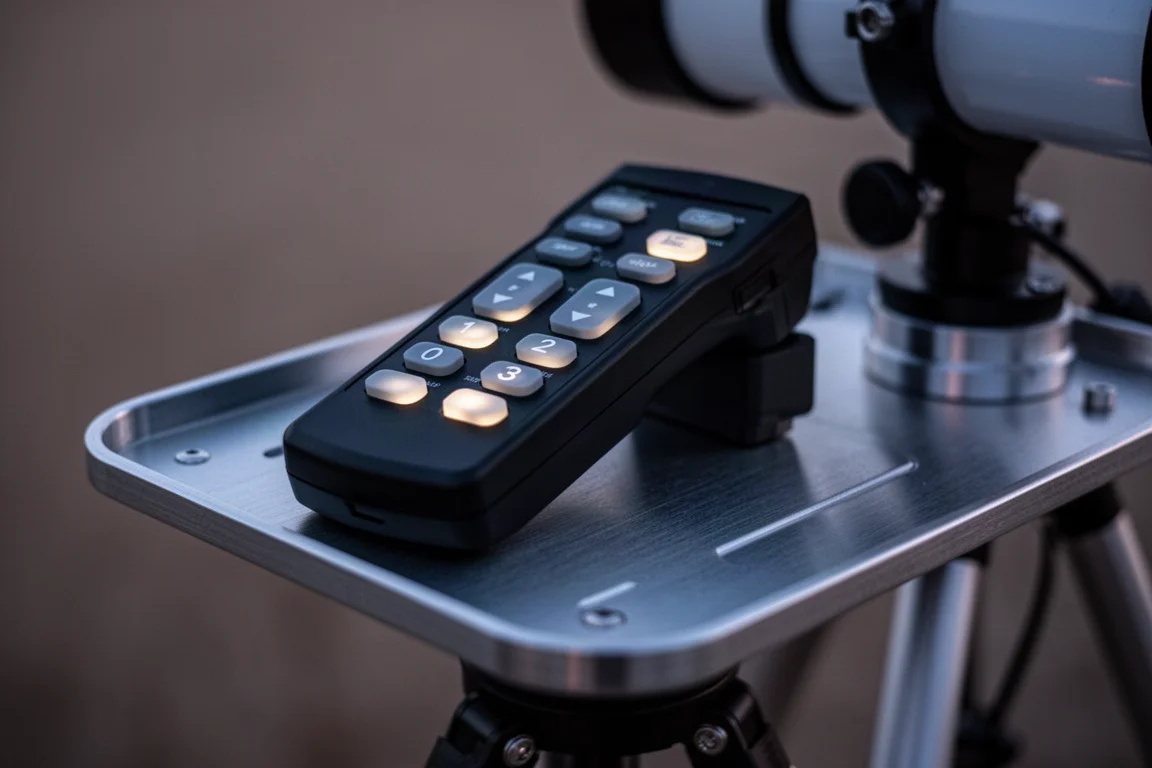
One change worth knowing about: there is now roughly a 20-second delay between applying power and when the hand controller becomes usable, because the onboard Raspberry Pi computer needs to boot. The practical workaround is to attach power early in the setup cycle, so by the time you are ready to align, the mount is good to go.
Payload, Geometry, and Stability
Payload is not just about weight. It is also about geometry. A short, compact scope and a long refractor might weigh the same, but they do not stress a mount the same way. A long refractor acts like a lever, and the longer the telescope and imaging train, the more obvious vibration becomes.
For narrowband solar imaging, this can get extreme. With telecentric amplifiers, a TEC 160 setup can operate at an effective focal length of more than 4,400 mm. That is a demanding test for any mount. The Panther Pro handles it well: with a long refractor and a full imaging train, the setup feels solid and vibration damps quickly, which matters for high resolution solar work where steadiness is critical.
Depending on configuration, the mount can carry a single large telescope, two parallel telescopes, or more specialized multi-scope arrangements. Always check with the manufacturer for exact payload limits and counterweight requirements.
Flexibility and Multi-Scope Configurations
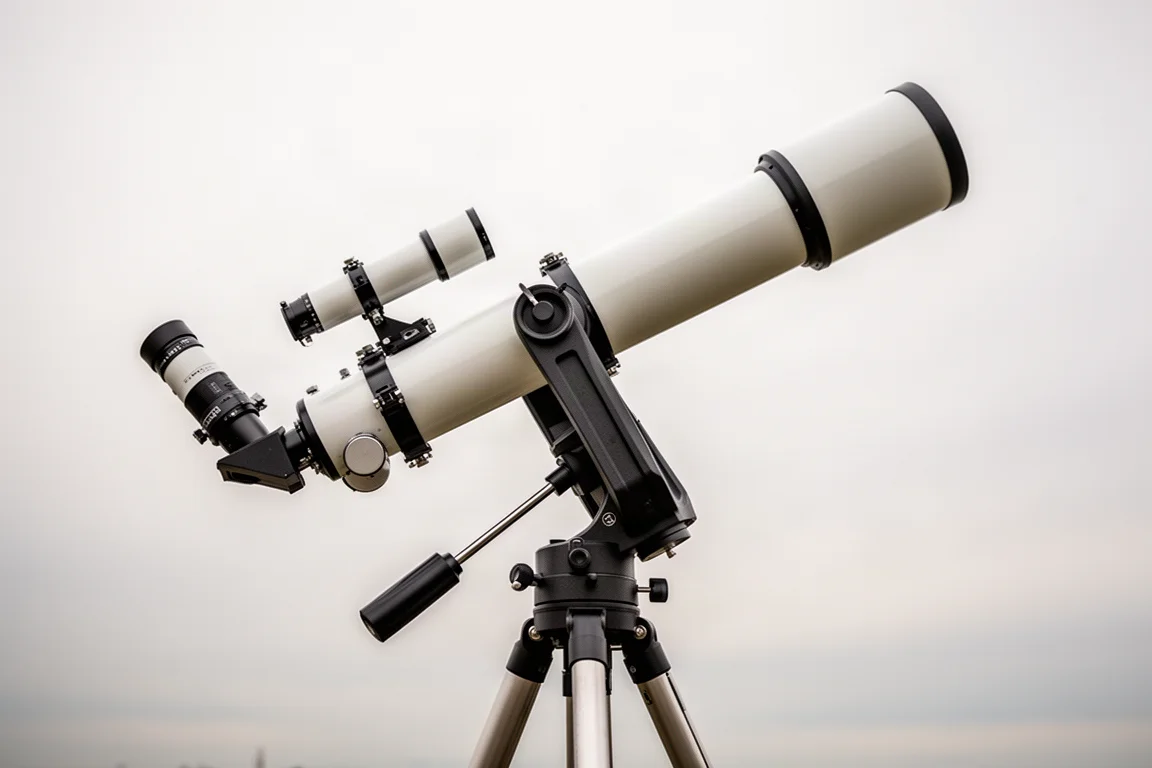
The Panther Pro is not a one-scope mount. It can be configured for multiple telescopes. For solar, that might mean one telescope for H-alpha and another for white light. For outreach, it could mean a wide-field view and a high-power zoomed view at the same time. For imaging, it means configuring the mount around the task instead of forcing every task into the same setup.
That flexibility extends to comfort. A classic alt-az weakness is that pointing near the zenith can put the eyepiece uncomfortably low to the ground, especially with a refractor. The Panther Pro addresses this with what the manufacturer calls comfort balancing: you shift the telescope higher and offset the resulting imbalance with a counterweight, so the eyepiece sits further from the ground.
Outreach Usability: Recovering from Bumps
At public events, people bump telescopes. Kids grab eyepieces. Adults touch the scope. It happens. On many mounts, a hard bump ruins your alignment and forces you to stop the event while you reset everything.
The Panther Pro recovers gracefully. If the telescope is jostled, the mount simply hunts back to the target instead of turning the incident into a full restart. That alone makes it a genuine outreach tool. The alt-az format also keeps the eyepiece in a more natural orientation, avoids meridian flips, and makes the observing experience more intuitive for guests, which keeps a public line moving.
Slewing is efficient too. If you want to move from one side of the sky to the other, you can help the mount along: swing it close to the target manually and it continues the alignment on its own.
How It Compares with the ZWO AM5 and AM7
The mounts many buyers will naturally cross-shop are the ZWO AM5 and AM7 series. Both are excellent: lightweight, reliable, with impressive payload capacity for their size. As equatorial mounts, they are the natural choice for a long-term solar time-lapse or deep sky work where field rotation matters. This is not a case of one mount replacing the other. They solve different problems.
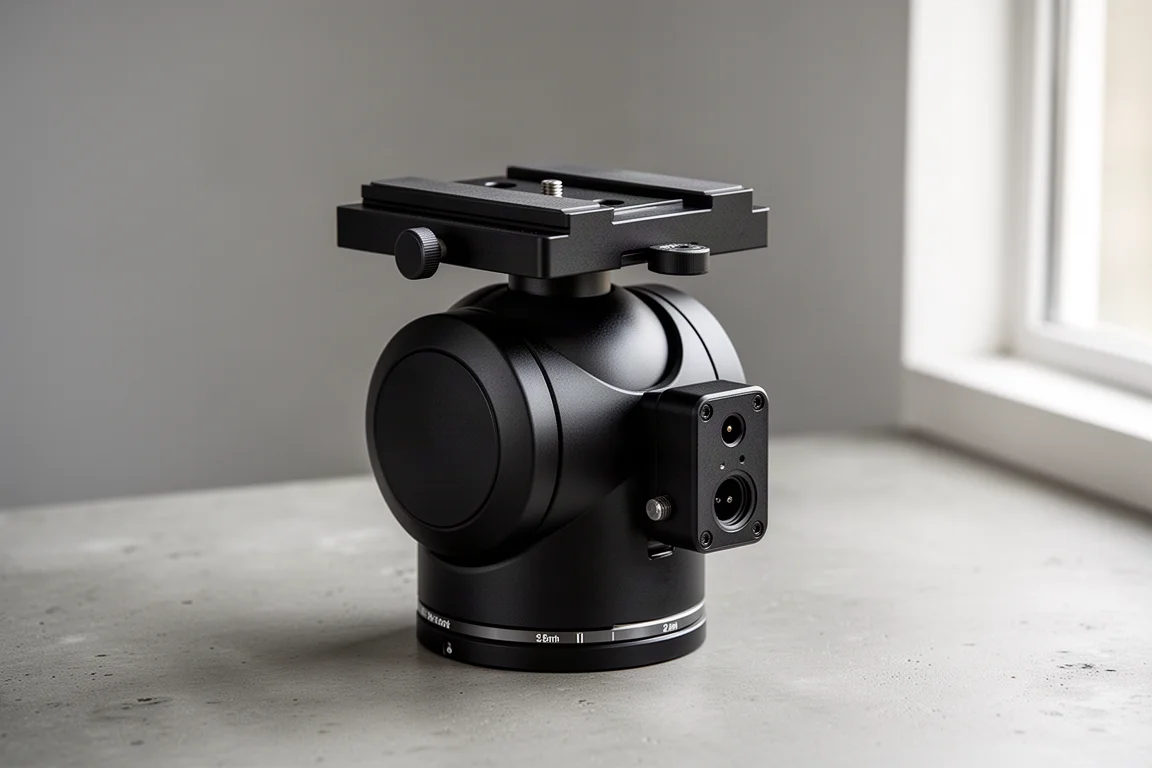
The AM7 is a very strong portable equatorial imaging mount, but for daytime solar or public outreach it is slower to get going because it still needs a polar alignment workflow, and it is heavily app-centered. Its hand controller is essentially a joystick for slewing and centering. You cannot simply punch in a target like M101; for that you need to connect an app or planetarium software over Wi-Fi or Bluetooth. That is fine for imaging, which is app-driven anyway, but for outreach or casual visual observing it makes the AM7’s alignment slower and more dependent on a phone, tablet, or computer.
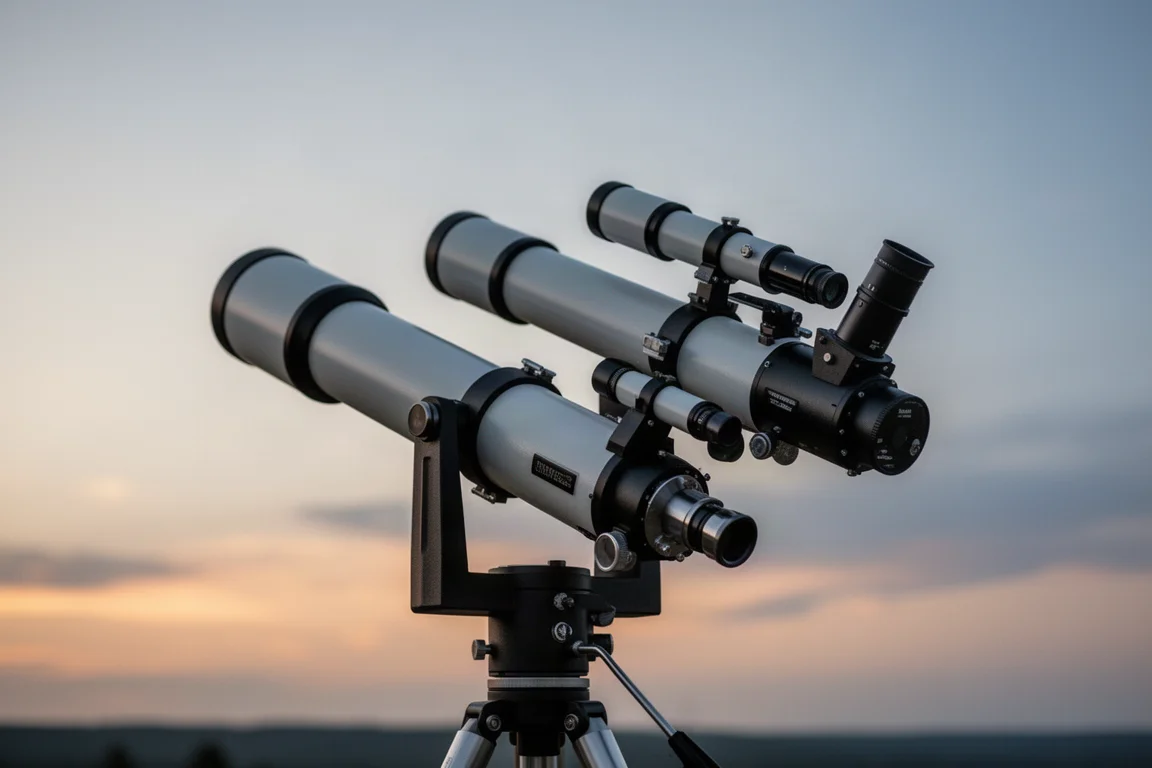
The Panther Pro is more self-contained. You can start with the sun, a planet, or a bright star, with no wait for Polaris, no meridian flips, a comfortable eyepiece orientation, and a full-featured physical hand controller. For long solar animations or equatorial imaging, the ZWO mounts still make sense. For fast solar observing, quick setups, outreach, visual work, EAA, and multi-scope configurations, the Panther Pro offers advantages a compact equatorial mount cannot match.
Limitations to Know Before Buying
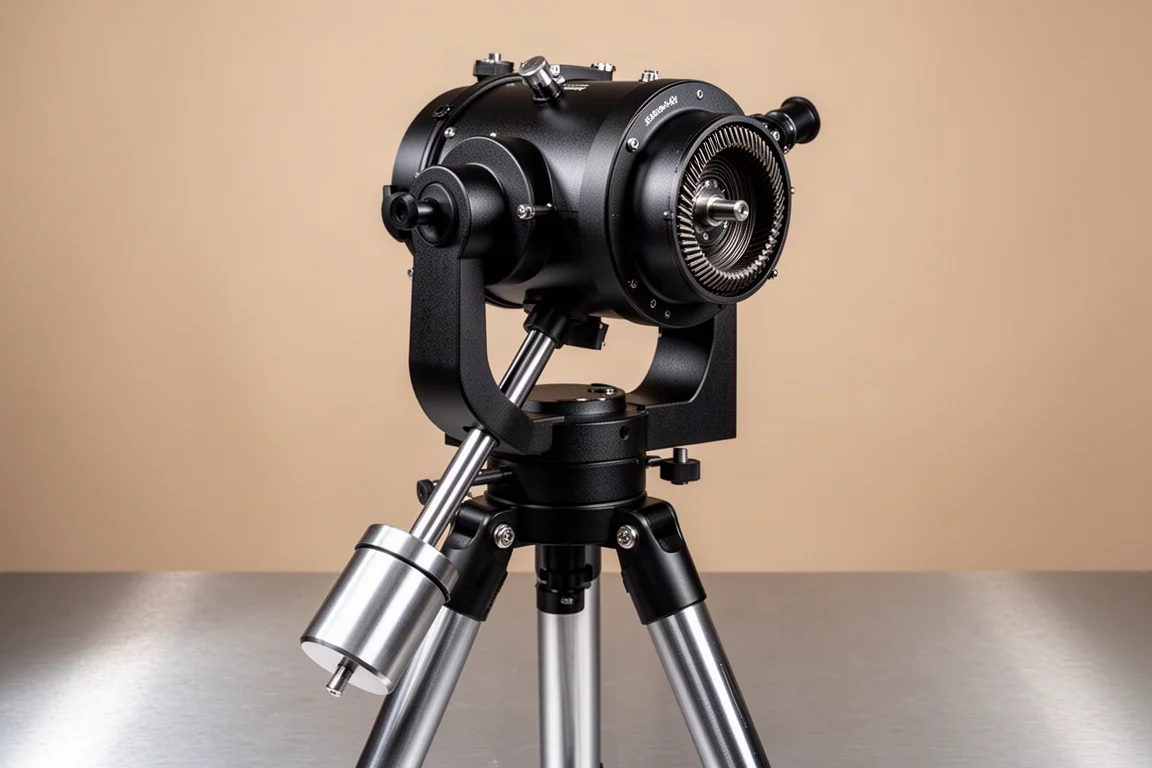
The Panther Pro is still an alt-az mount. Field rotation limits it for traditional long exposure deep sky astrophotography, and imaging very near the zenith is awkward because field rotation becomes extreme. If long exposure deep sky imaging is your main goal, a high-quality equatorial mount is the better choice.
Then there is the practical side. This is not an inexpensive mount. It is a high-priced, premium, boutique product, and buyers need to understand that. A dovetail saddle was expected to be included at this price, but it is not: the dovetail saddle and counterweights are extra. Counterweights from ZWO or iOptron mounts are not compatible. As a specialized European mount, you are buying into the Track the Stars ecosystem for arms, counterweights, and accessories. That is not necessarily a problem, but it is something to know before purchasing.
Buying Advice
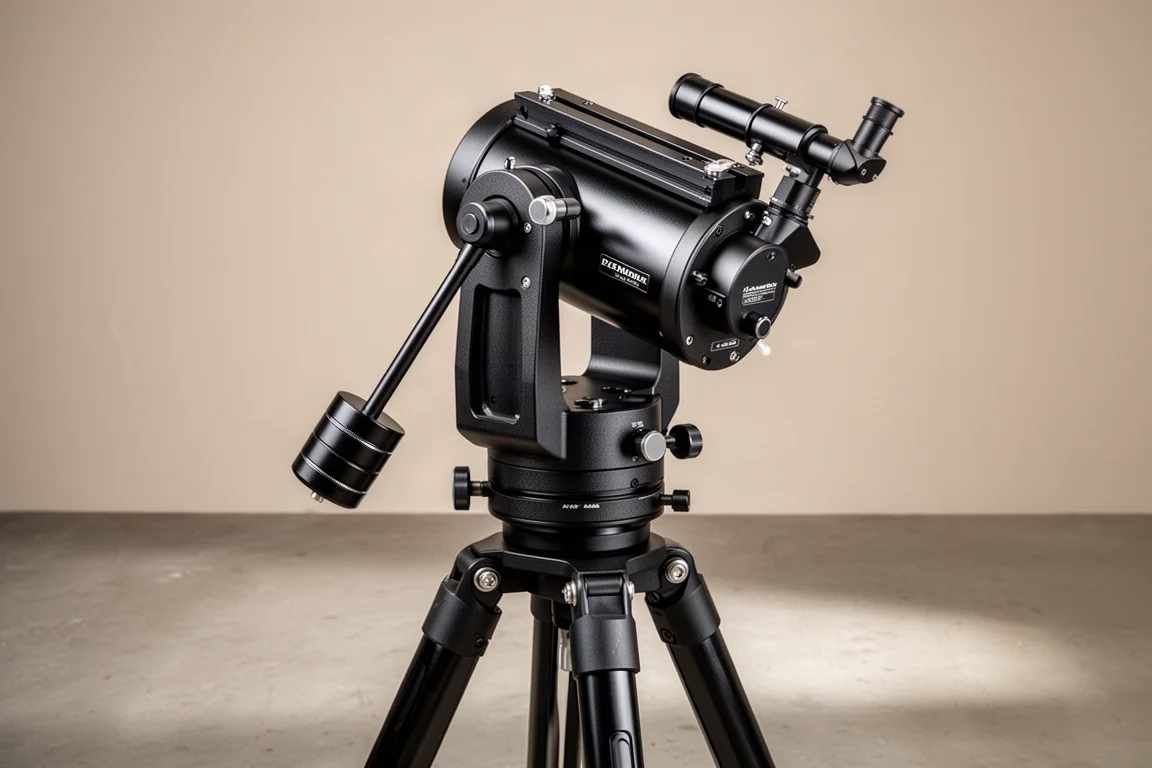
The Panther Pro is a great fit for EAA users, solar imagers and observers, lunar and planetary imagers and observers, and anyone who wants to put substantial telescopes on a mount that is very stable without the complexities of a traditional equatorial setup.
If your priorities are long exposure deep sky imaging, look at equatorial alternatives instead. If your priorities are speed, comfort, stability, and real-world observing with solar system targets and public audiences, this mount makes a strong case. Budget for the required accessories, plan your counterweight purchase through the manufacturer’s ecosystem, and it will reward you with the fastest path from box to observing.
Conclusion
The Track the Stars Panther Pro is not cheap, and it is not for everyone. But for solar observing and imaging, public outreach, EAA, planetary work, and multi-scope configurations, it is strong, stable, and unusually well-suited to real-world observing. It removes the alignment friction that equatorial mounts impose and replaces it with a workflow that starts tracking in minutes. For the right buyer, that trade is worth every bit of its premium price.
Further reading
Related Reviews
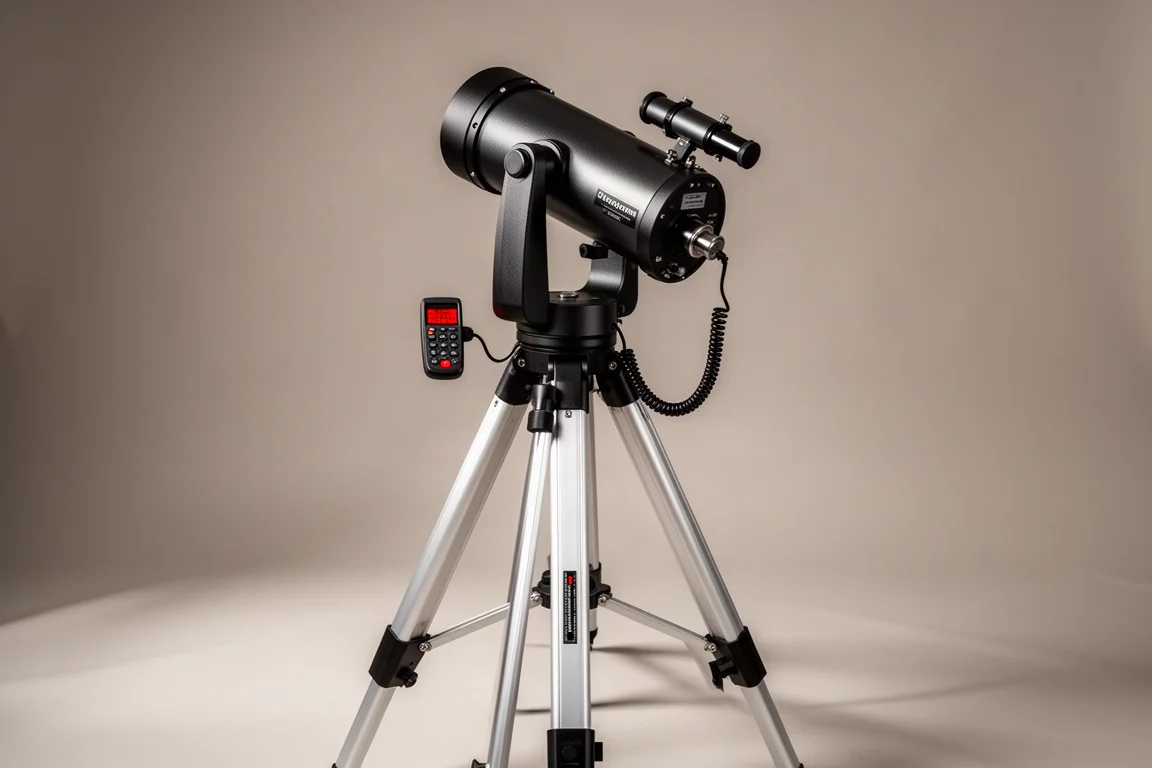
Telescope Mounts
Celestron Advanced VX Review: A Practical First Step Into Astrophotography Mounts
A 30-pound payload, familiar NexStar-style hand control, and free computer control software make the Advanced VX an approachable upgrade for visual astronomers moving into imaging.
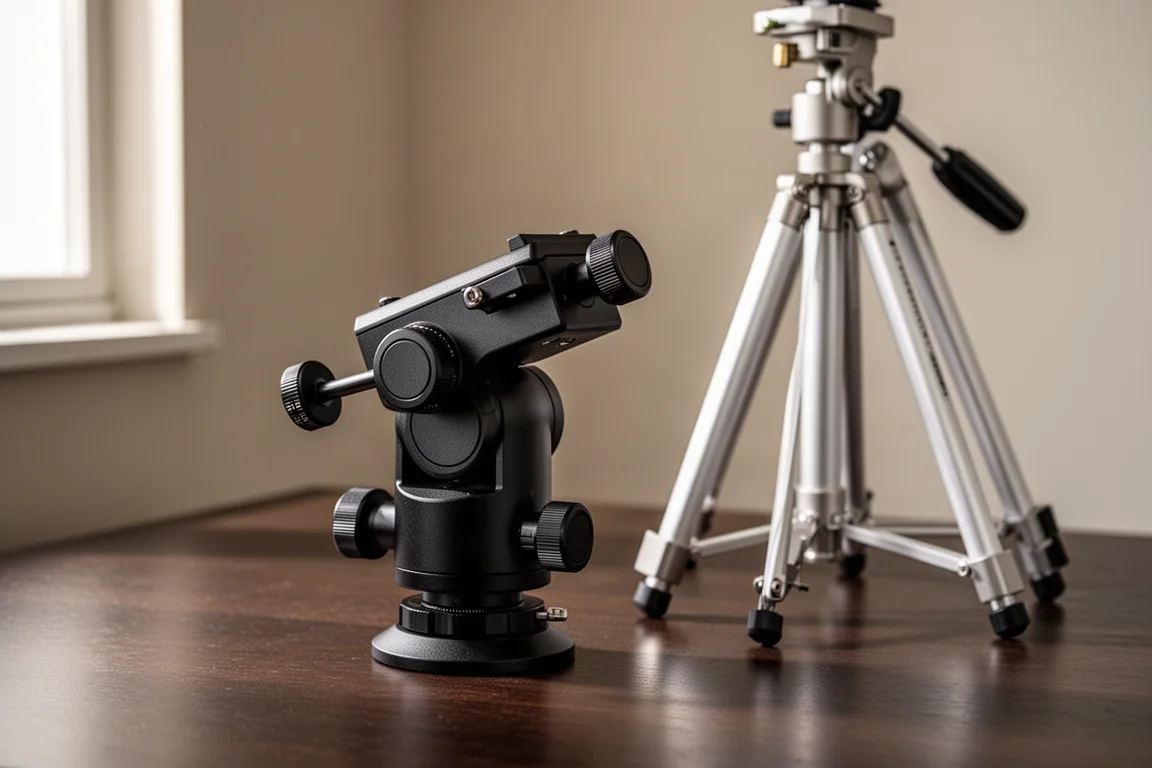
Telescope Mounts
iOptron SkyHunter Mount Review: A Portable Go-To Mount for Visual and Astrophotography
A lightweight portable go-to mount that works for visual observing out of the box and can handle astrophotography with the right setup.
Backpacking Gear
Building a 10 lb Base Weight: An Ultralight Backpacking Gear List
A practical walkthrough of the ultralight pieces behind a 10 lb base weight, from a 765 g pack and a roomy one-person tent to a full camp chair and a dependable water filter.