Telescope Mounts
Celestron Advanced VX Review: A Practical First Step Into Astrophotography Mounts
A 30-pound payload, familiar NexStar-style hand control, and free computer control software make the Advanced VX an approachable upgrade for visual astronomers moving into imaging.
Introduction
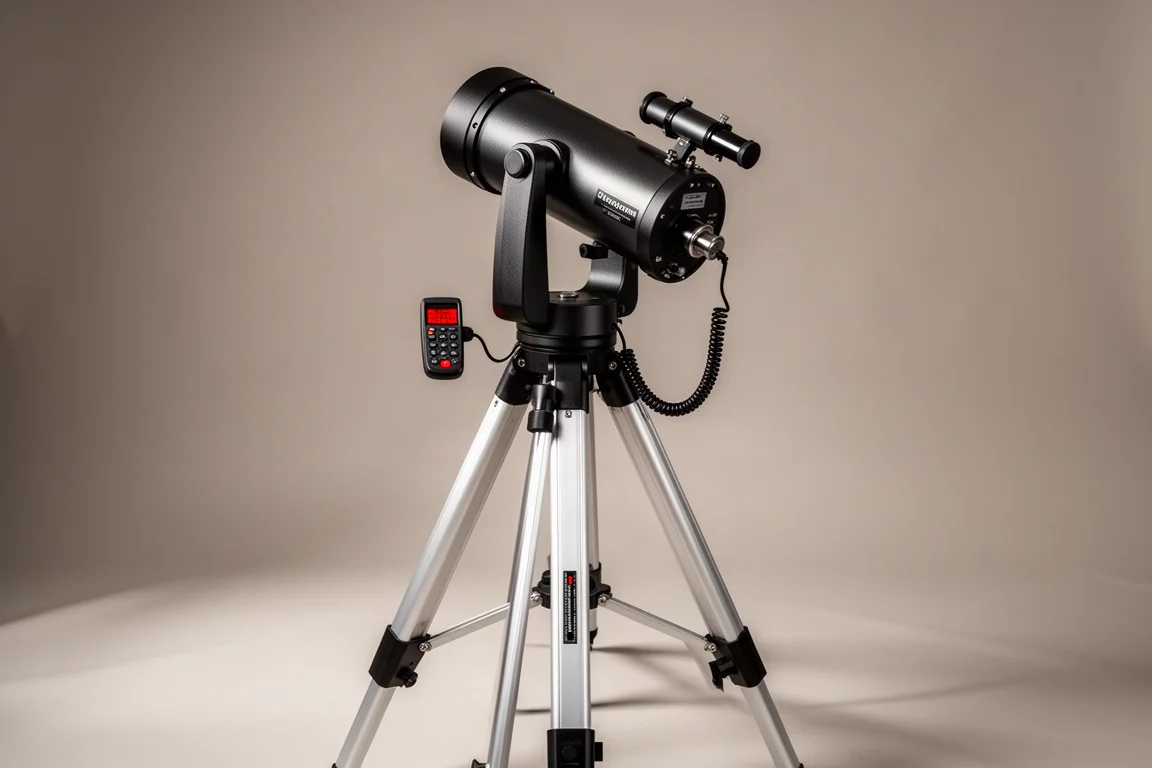
The Celestron Advanced VX (AVX) occupies a useful spot in the telescope mount market: it is a computerized German equatorial mount aimed at people making their first serious move into astrophotography without committing to a substantial amount of money. This review covers what the mount offers, where it fits, and a few practical details worth knowing before you buy.
Who This Mount Is For
The AVX makes the most sense for a very specific group of observers. If you own a Celestron NexStar 8SE or 6SE, or something in the SLT series, and you have been doing visual astronomy for a while, the jump to the AVX is arguably one of the easiest transitions in the hobby. The hand controller and system feel familiar, which removes a real barrier when you are already learning an entirely new discipline like imaging.
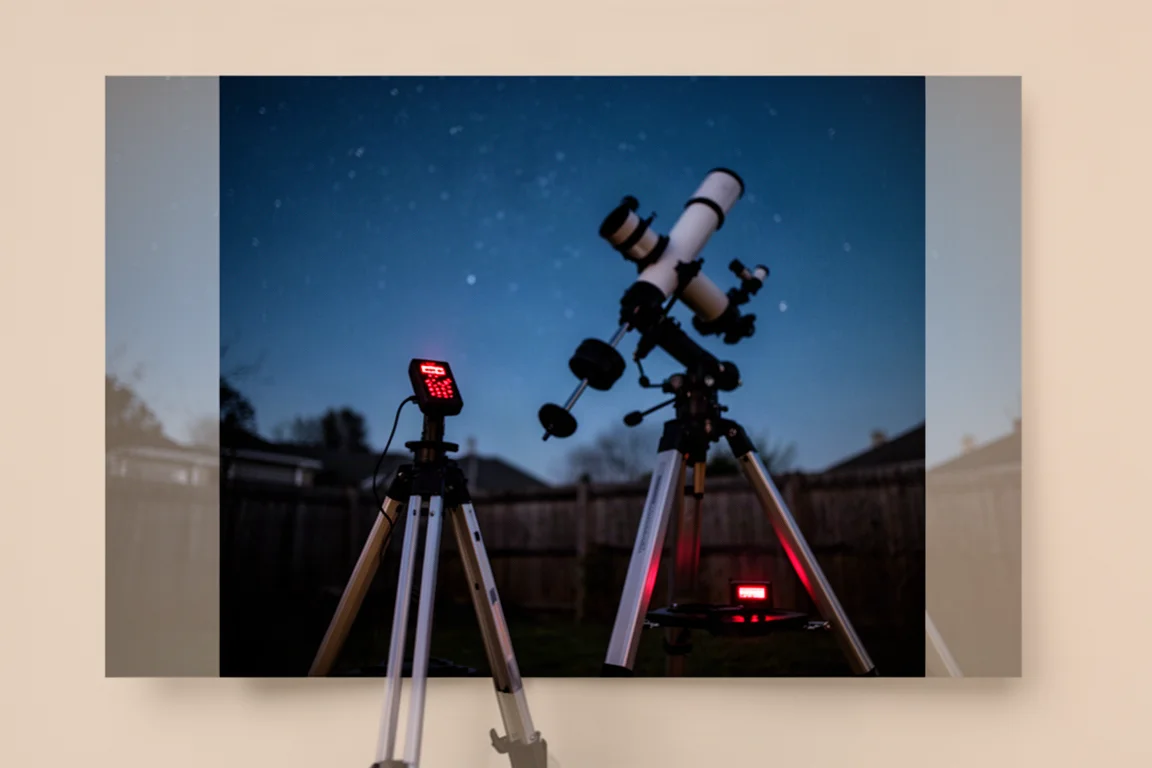
It is also a strong upgrade path if you have been using a camera lens and a DSLR on a sky tracker. Moving to the AVX gives you the opportunity to work with more focal length and get up close and personal on galaxies and nebulae, something a small tracker simply cannot support.
Mount Specifications and Qualities
The headline specification is the 30-pound weight capacity. That is enough to handle most 8-inch scopes on the market, including SCTs, Newtonians, and RCs. It is worth remembering that a big optical tube is rarely the whole payload: onboard computers, cameras, filter wheels, guide scopes, and guide cameras all add weight, so the real capacity needs room for accessories too.
Even so, a smaller to medium sized refractor is the recommended starting point for astrophotography, especially if you are coming from a visual system like the NexStar or SLT series. The 30-pound capacity leaves sensible room for future upgrades as your imaging kit grows.
Computer Control and Software
A feature worth highlighting is the USB port on the bottom of the hand controller. Through it, you can connect the mount to your laptop for complete computer control, which is a meaningful convenience once your sessions start involving imaging software.
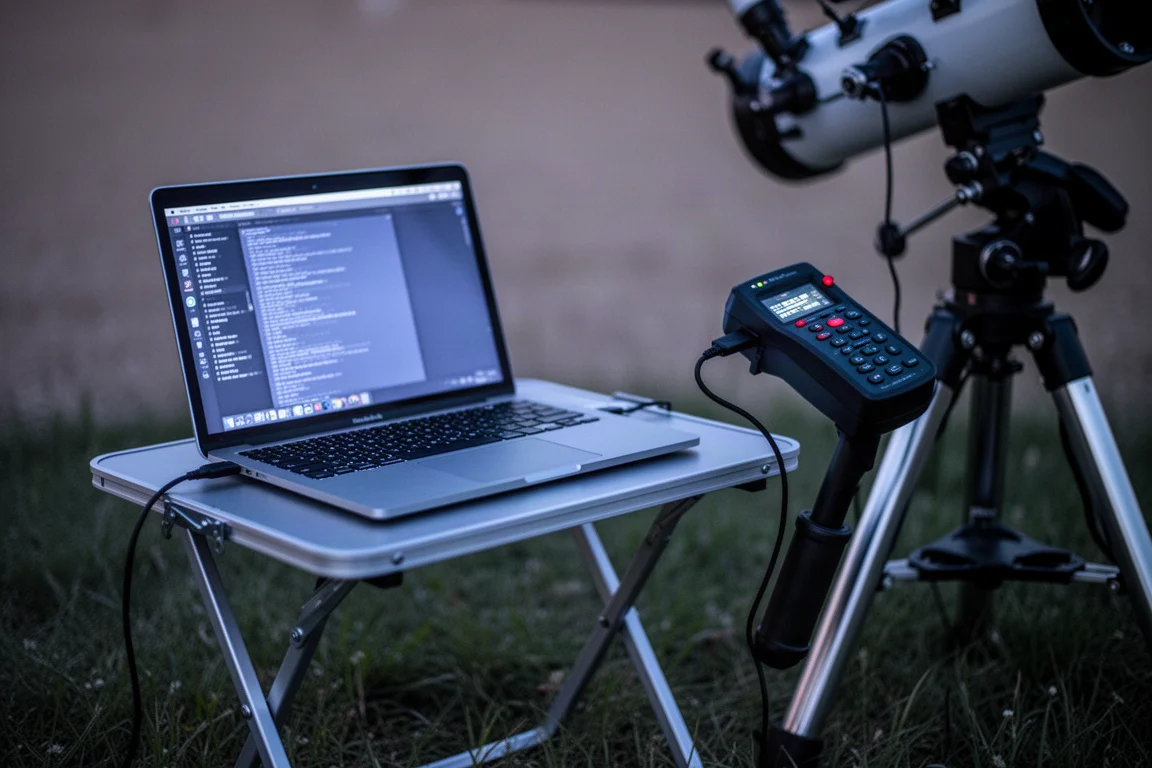
Celestron also offers its PWI control software, which is free and compatible with nearly every Celestron computerized telescope on the market. The software is linked to the SIMBAD astronomical database, which contains more than 10 million celestial objects. In practice, this makes finding and pointing to deep sky objects with the AVX extremely simple.
Things to Consider Before Buying
Two details deserve attention before you commit. First, the AVX does not have a built-in polar scope. Polar alignment is handled instead by the hand controller’s All-Star Polar Align function, which prompts you to center a star in your eyepiece by making the necessary adjustments to the alt-azimuth knobs. It works, but if you were counting on an optical polar scope, plan around its absence.
Second, the mount has a dual-plate saddle, but it does not support Losmandy-style dovetails. It does support standard Vixen-style dovetails as well as Celestron’s proprietary CGE wider-style dovetails. The dual-plate saddle itself is genuinely beneficial, particularly with a larger or longer focal length scope where added stability is crucial.
Buying Advice
If you are a NexStar or SLT owner moving into astrophotography, or a sky tracker user who wants more focal length and payload headroom, the Advanced VX fits the brief well. Start with a smaller to medium refractor, budget payload margin for cameras and accessories, and lean on the All-Star Polar Align routine for alignment.
If your gear relies on Losmandy-style dovetail plates, confirm your mounting arrangement before purchasing, since the saddle supports Vixen and CGE-style plates only.
Conclusion
The Celestron Advanced VX is a well-targeted first astrophotography mount: familiar controls, a useful 30-pound payload, free computer control with a deep object database, and a stable dual-plate saddle. Its lack of a built-in polar scope and Losmandy-style dovetail support are the main things to weigh, but for its intended audience, the transition it offers is hard to beat.
Product link
View more details for Celestron Advanced VX (AVX) Mount
This product is mentioned in the review. Check the specifications, options, and compatibility before buying.
View more details for Celestron Advanced VX (AVX) MountFurther reading
Related Reviews
Telescope Mounts
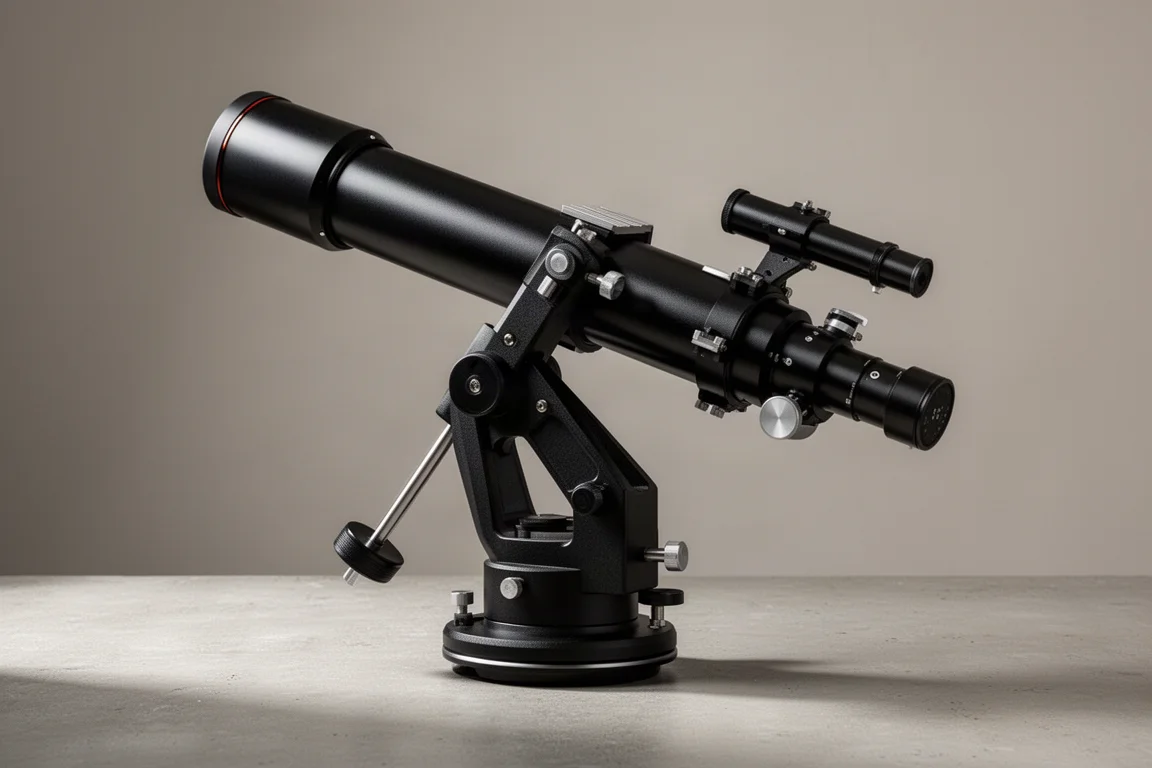
iOptron SkyHunter Mount Review: A Portable Go-To Mount for Visual and Astrophotography
A lightweight portable go-to mount that works for visual observing out of the box and can handle astrophotography with the right setup.
Telescope Mounts
Track the Stars Panther Pro Review: A Premium Alt-Az Mount Built for Speed and Outreach
A Danish premium alt-az mount that skips polar alignment entirely, and what that means for solar, planetary, EAA, and public outreach use.
Astrophotography
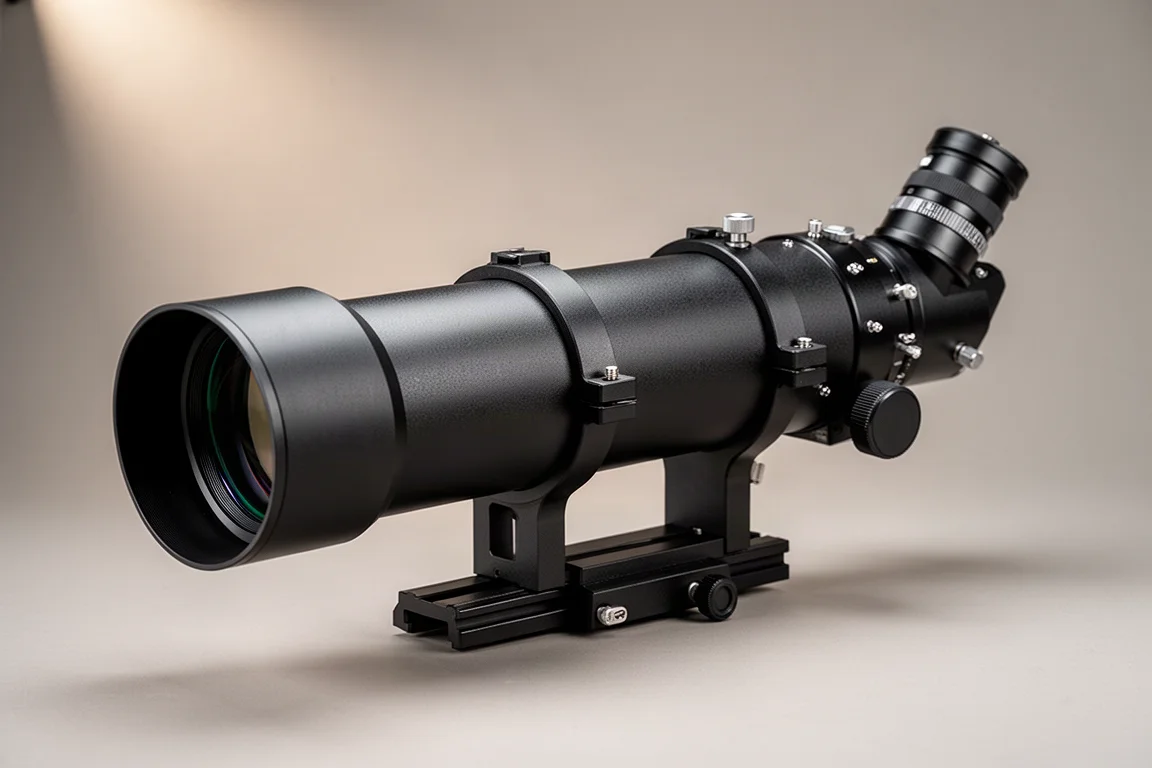
ASKAR FRA400C Review: A Versatile 400mm Refractor for Astrophotography and More
The ASKAR FRA400C is a compact 72mm refractor that balances reach, versatility, and portability for astrophotographers and visual observers.