Off-Road Vehicles
Toyota Land Cruiser 80 Series Review: Living With a 1992 Japanese Import
A 1992 Japanese-market Toyota Land Cruiser 80 Series with 129,000 miles, right-hand drive, and a factory cool box. Here is what it does well and what to weigh before buying.
Introduction
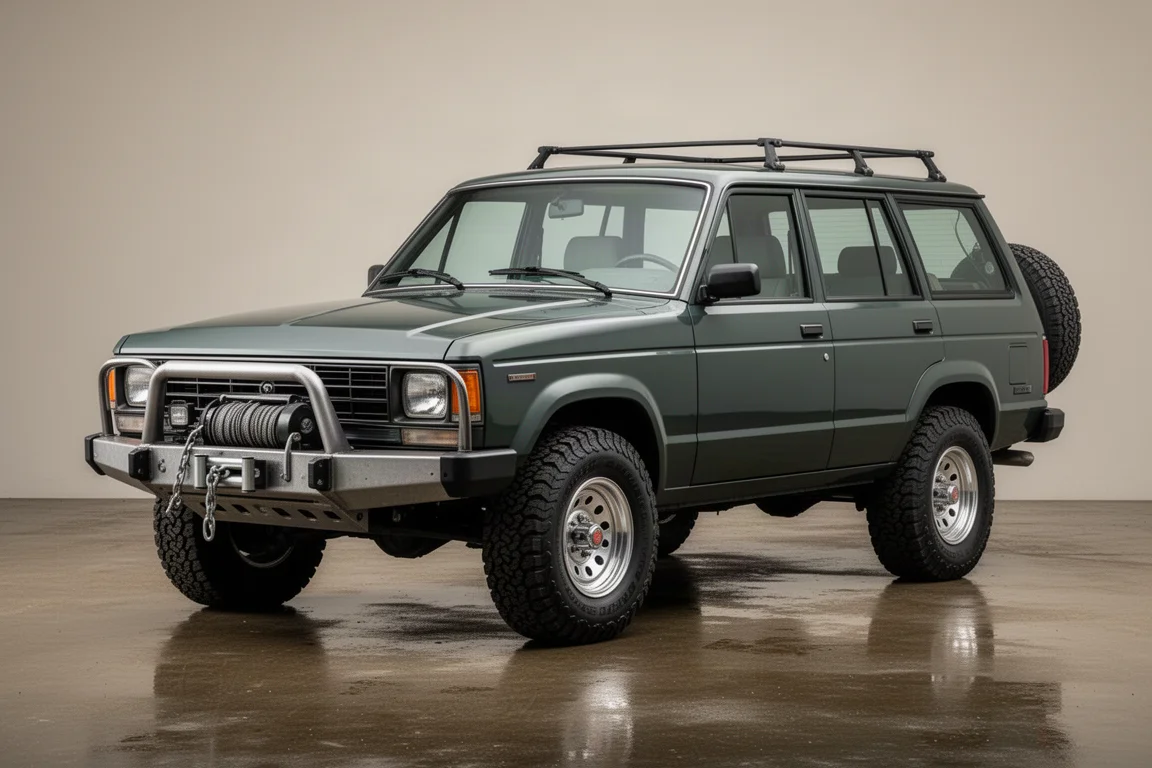
The Toyota Land Cruiser 80 Series built its reputation slowly, through decades of hard use in places where a paved road counts as a luxury. This particular truck is a 1992 Japanese-market example, imported from Japan and now more than thirty years old, showing roughly 129,000 miles on a kilometer speedometer.
Its first long outing put it on a badly worn forest road in the Linville Gorge area outside Linville Falls, a rugged stretch of mountain country often described as the Grand Canyon of the East Coast. Cold, steady rain, temperatures hovering around 40 degrees Fahrenheit, and a road surface in genuinely poor shape made for an honest introduction.

What came out of that trip was straightforward. The vehicle handled the rough sections with little drama, and the verdict after the first run was enthusiastic. What follows looks at what makes the 80 Series appealing, which details take getting used to, and what a buyer should check before committing to a thirty-year-old import.
Who This Land Cruiser 80 Series Is For
Buyers who want a rugged, full-time four-wheel-drive vehicle with real ground clearance and a parts-friendly engine will find plenty to like here. The appeal is not outright performance or efficiency. It is durability, simplicity, and the confidence that comes from a truck that feels unstoppable on loose, uneven ground.
It also suits owners who intend to keep it close to stock. This example is not destined to become a rock crawler, and leaving it largely original protects both resale value and on-road manners. It is not a vehicle for someone shopping for a small, frugal off-roader either, because this is a large, heavy truck, and its size and fuel consumption are among the reasons it is less common in Japan than smaller alternatives.
Right-hand drive is a real factor as well. In left-hand-drive markets the driver sits next to the edge of the road rather than the center line, which takes deliberate adaptation before it starts to feel natural.
Main Strengths of the 1992 Land Cruiser 80 Series
The mechanical package is the core of the appeal. Full-time four-wheel drive is standard, there is a center locking differential, and ground clearance is close to a foot. On the worn forest road used for this first trip, that combination made steep and broken terrain feel routine rather than intimidating.
The engine is the other headline. This truck uses a 4.5-liter unit, the same displacement found in the US-market version, and that shared specification was the reason it was chosen, since parts for the 4.5 are easy to source. In Japan the same 4.5-liter engine also saw use in industrial equipment such as forklifts, and its transmission family was used in buses, which says something about how conservatively these drivetrains were specified.
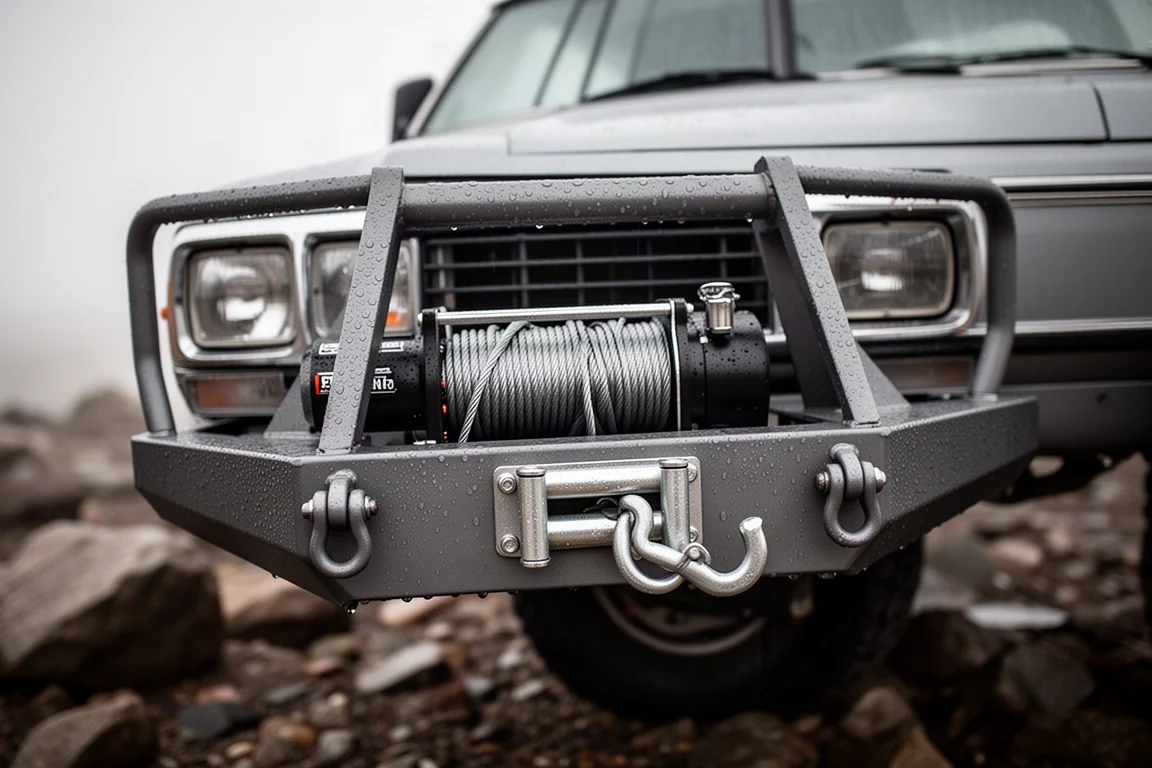
Mileage is worth noting too. A 1992 vehicle reading around 129,000 miles is unusual, and it points to a truck that has been used regularly rather than worn out. This example also carries a factory winch fitted by Toyota and a rear-mounted spare tire carrier, both of which add practical capability without aftermarket compromises.
One honest caveat sits alongside those strengths. This truck has the center locker only, not front or rear lockers. For the kind of driving described here that is a reasonable trade, since the vehicle is not intended for hardcore rock crawling.
Cabin Details and Japanese-Spec Quirks
The interior is where a Japanese-market 80 Series separates itself from more familiar versions. Between the front seats sits a cool box, a small refrigerator with an ice maker function. It is genuinely useful and unmistakably unusual.
Other details take adjustment. The turn signal and wiper stalks sit on the opposite sides of the column from what most drivers expect, which means indicating a turn regularly sets the wipers going instead. The speedometer reads in kilometers, which is why a GPS speedometer app became a practical workaround. The factory radio works, but it was built for Japanese broadcast frequencies, so a replacement with Bluetooth connectivity is a sensible early upgrade.
There are no cup holders anywhere in the cabin, and the carpeting is unusually plush, almost shag-like, with no certainty about whether it is factory or a previous owner’s addition. At the rear, the spare tire carrier opens easily, while the side windows do open but are stiff from years of disuse and will need attention.
The Camping Setup: Platform, Stove, and Sink
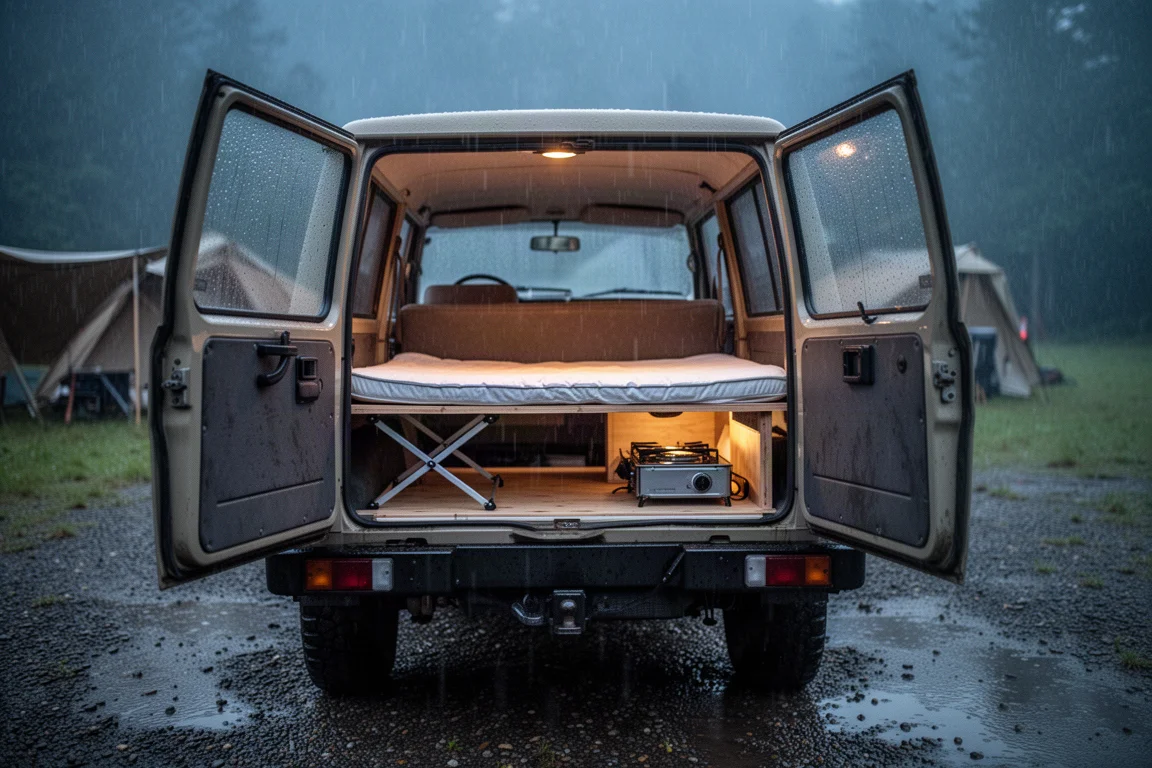
This particular truck came with a rear conversion that turns the cargo area into a usable camper. A platform serves as both seating and a sleeping surface, with a table and a combined stove and sink unit mounted underneath. Japanese-market Land Cruiser overland packages are said to have included bedding with stove and sink combinations, so the setup follows a known pattern.
Comfort is not the problem. The platform slept well, although the mattress used on this trip was too large for it and a better-fitting one is needed.
The stove and sink are the weak points. The butane canister mount on the stove does not seat correctly, and touching the canister can restart a gas leak, which makes the stove unusable as it stands. The sink’s internal water jug could not be lifted out of its case at all. The plan is to remove the combined unit, keep the platform, and add a simple removable tabletop instead, which is a more flexible arrangement for most trips.
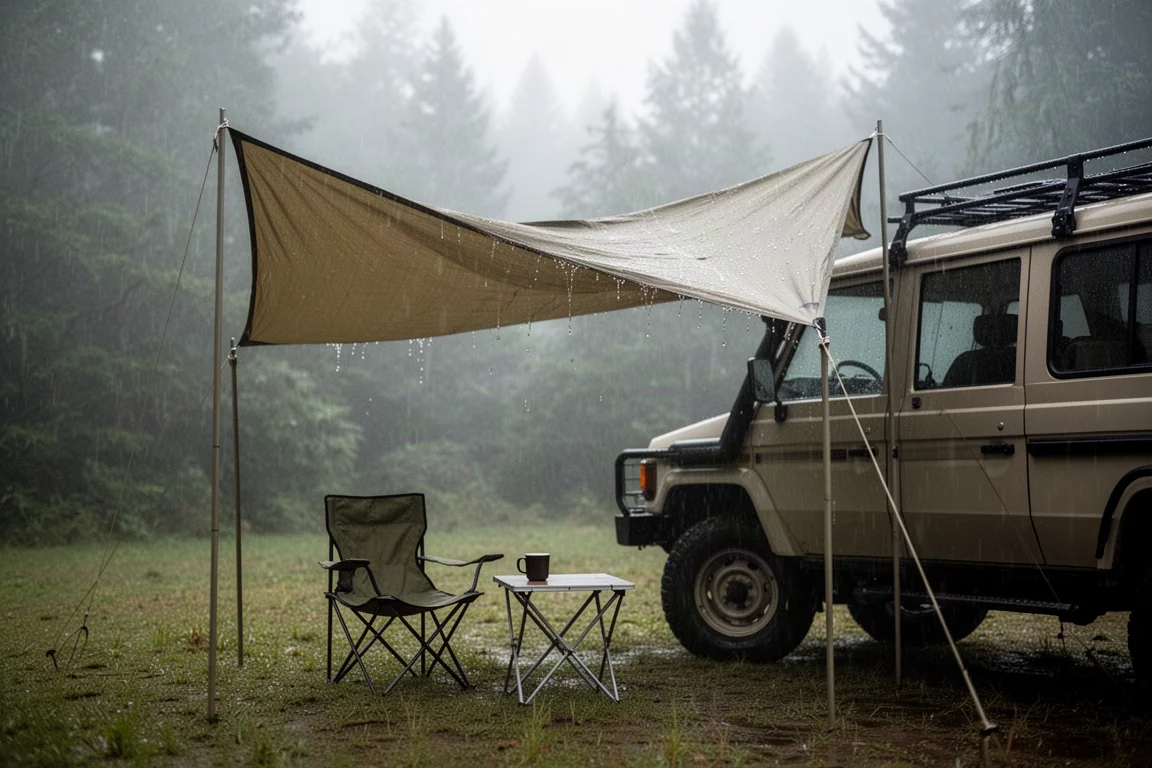
One addition on the way is a tarp awning setup. Side-mount clips designed to attach to vehicle bodywork are available in Japan, and a set has been sourced for this truck. A tarp that can be rigged quickly over the tailgate makes wet-weather camping far more pleasant, and it is a small upgrade with a large payoff.
Things to Consider Before Buying
Right-hand drive is the first consideration. It is manageable, and this truck’s owner adapted quickly, but it changes how you position the vehicle in a lane and it will not suit every driver.
Parts strategy matters as much as condition. A diesel version was considered and rejected, not because diesel parts are impossible to find, but because sourcing them can take time. The 4.5-liter petrol engine was chosen precisely because parts are straightforward to obtain. Buyers in other markets should think the same way about whichever drivetrain they target.
Modifications deserve caution. Lifting a Land Cruiser and fitting aggressive off-road hardware can make it excellent off-road and unpleasant on-road, and it tends to reduce resale value. Keeping the vehicle stock is the safer path for most owners.
Expect age-related work as well. On this truck the rear windows need freeing up, the radio needs replacing, the stove and sink unit needs removing or repairing, and the interior would benefit from window tint for heat rejection and privacy at trailheads. A reverse camera is also on the wish list, since visibility out of a tall, boxy vehicle is limited.
Finally, budget for size and fuel. This is a big, heavy vehicle, and running costs reflect that.
Buying Advice
Start with mechanical condition rather than cosmetics. A thirty-year-old 80 Series can look tired and still be mechanically sound, or look tidy and hide expensive problems, so compression, driveline behavior, and the condition of the full-time four-wheel-drive system deserve close attention. Confirm that the center locker engages as it should.
Mileage on these trucks matters less than maintenance history, but a genuinely low figure for the age is a meaningful signal. This example’s roughly 129,000 miles across three decades suggests a vehicle used regularly without being abused.
Check any camping conversion thoroughly before relying on it. Stoves, sinks, and gas fittings are the first things to fail and the least rewarding to repair. A simple platform plus a removable tabletop is often the more practical answer.
Plan a small refresh budget. A radio with Bluetooth, window tint, a reverse camera, and a tarp awning with side-mount clips are the upgrades that make the biggest difference to daily use. Keep the rest stock where possible, both for resale and for on-road composure.
Where a Japanese-market vehicle is not sold locally, importing is part of the process, and it is worth working with someone who understands the paperwork and the shipping. The reward is a truck that feels engineered for exactly the kind of rough, remote roads that make it look at home.
Conclusion
The Toyota Land Cruiser 80 Series remains compelling for the same reasons it always was: full-time four-wheel drive, generous clearance, a tough drivetrain, and a body that shrugs off rough terrain. A 1992 Japanese import adds character in the form of right-hand drive, a cool box, a kilometer speedometer, and a cabin full of small surprises.
The trade-offs are honest ones. There are no cup holders, the radio needs replacing, the stove and sink conversion does not work, and the right-hand-drive layout asks for patience. None of that undermines the core appeal.
For a buyer who wants a rugged, largely stock classic four-wheel drive with parts that are easy to find, this is a sensible and rewarding choice. For anyone chasing a dedicated rock crawler or a cheap runabout, it is the wrong tool.
Product link
View more details for Toyota Land Cruiser 80 Series
This product is mentioned in the review. Check the specifications, options, and compatibility before buying.
View more details for Toyota Land Cruiser 80 SeriesFurther reading
Related Reviews

Backpacking Gear
Building a 10 lb Base Weight: An Ultralight Backpacking Gear List
A practical walkthrough of the ultralight pieces behind a 10 lb base weight, from a 765 g pack and a roomy one-person tent to a full camp chair and a dependable water filter.

Road Bikes
10 New Road Bikes Worth Watching: Aero, Titanium, Steel and Endurance Standouts
A practical roundup of 10 new road bikes, from aero flagships chasing single-watt gains to titanium, steel and endurance platforms built for real roads.
Bikepacking Gear
11 Bikepacking Essentials for Long-Distance Cycling
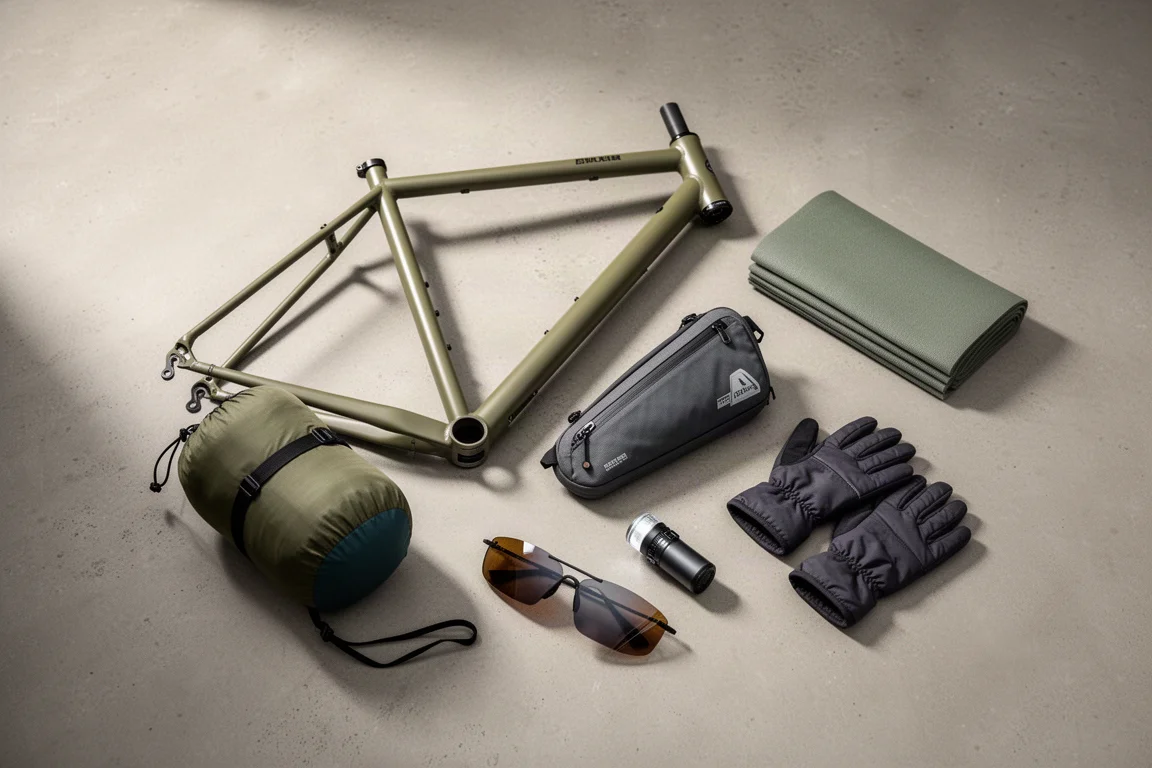
Eleven bikepacking essentials for long-distance cycling, from a steel gravel frame and a two-person tent to helmet lights, packable gloves, and a frame bag that puts weight in the right place.