Hydroponic Gardening
Tower Garden High vs Low Density Pots: Which Tower Setup Fits Your Harvest Goals
Low density and high density tower pots serve very different purposes. Here is how planting capacity, growing space, and harvest timing differ between the two.
Introduction
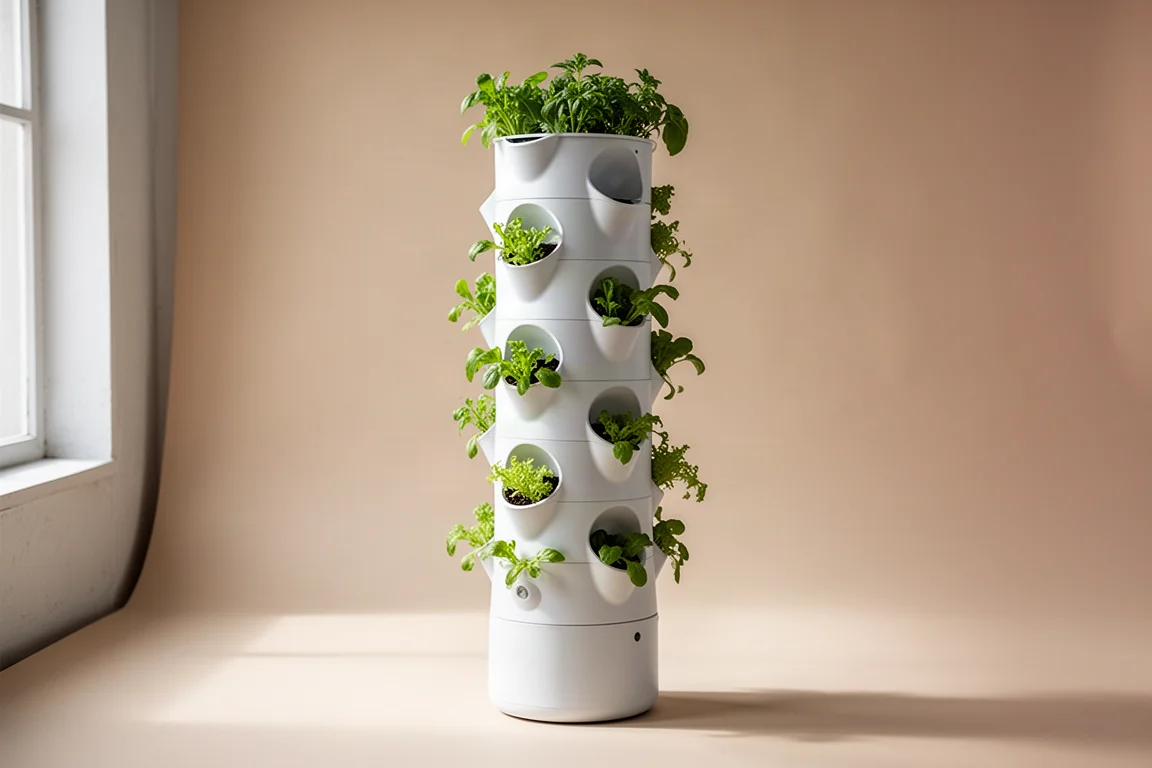
Tower garden systems use two different types of pots, and choosing between them shapes everything from how many plants you can grow to how often you harvest. Low density and high density pots look similar at a glance, but they serve clearly different purposes. Understanding that difference is the key to planning a tower setup that actually matches what you want to grow.
Two Pot Types, Two Different Jobs
Every tower garden or tower farm system uses one of two pot types. The low density pot has four planting spots per pot. The high density pot has eight, which is a lot more planting capacity in the same footprint.
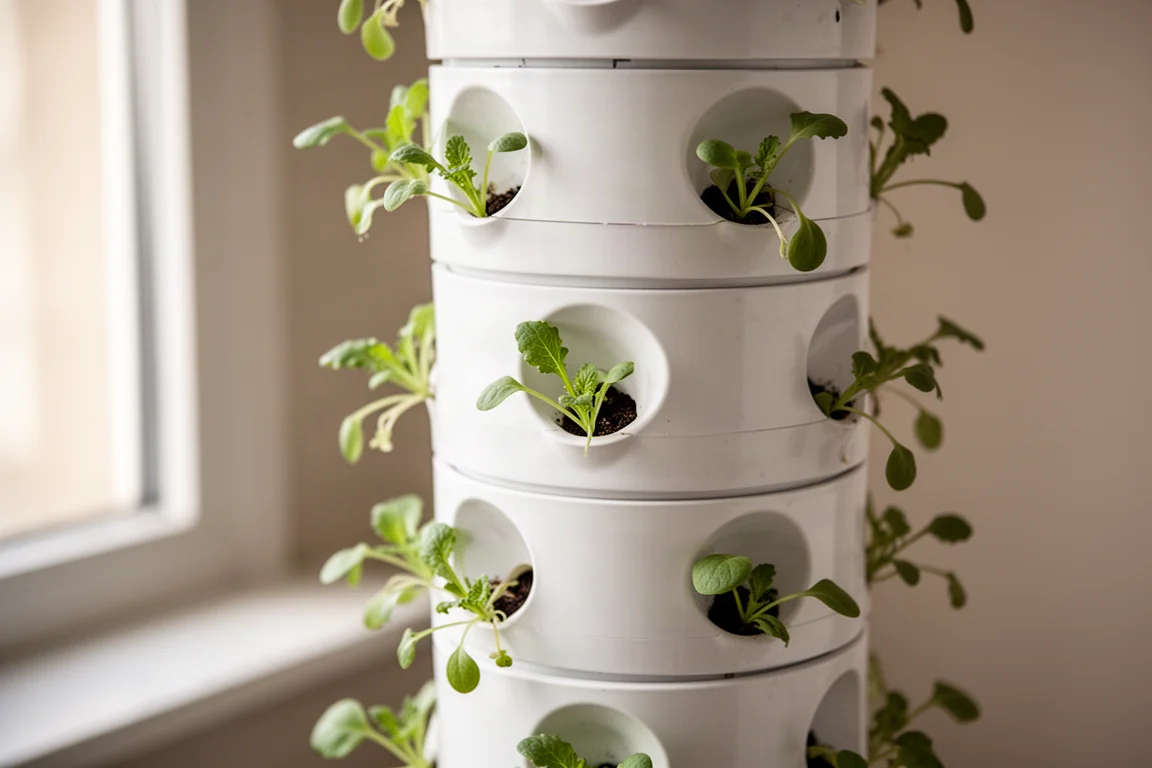
The trade-off is space. Low density pots give each plant more room to grow, which makes them the right choice when you want a plant to reach full maturity. High density pots squeeze in twice as many plants but leave less growing space per plant, so they are used for crops that will be harvested early or more frequently.
High Density Towers Reward Careful Management
High density towers are harder to manage if you want to get the most out of them. But when they are managed well, the results speak for themselves. Two high density towers dedicated entirely to spinach have produced over five pounds every 14 to 21 days.
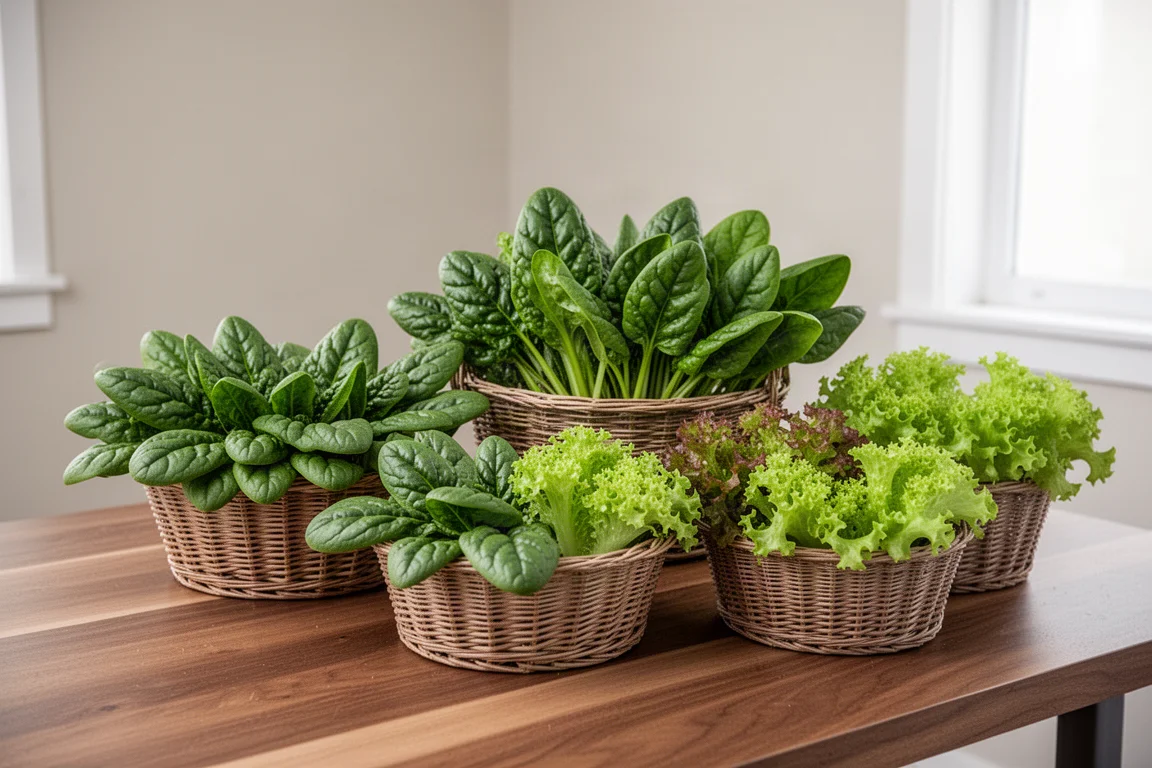
That kind of output matters because spinach is a staple in many salad mixes. Factoring in what it costs to grow it, frequent cut-and-come-again harvests from a high density tower can be a significant win. Typical cut-and-come-again varieties for this setup include lettuce, spinach, and other herbs.
Estimating Yield Per Plant
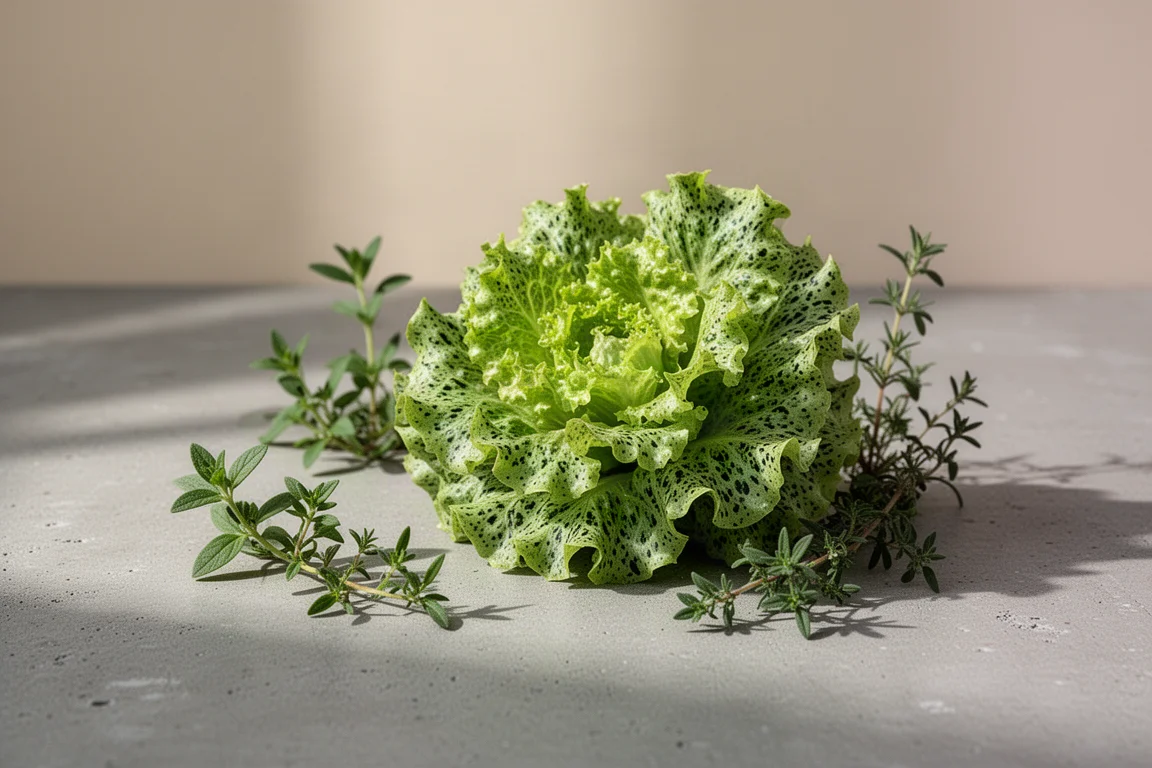
Knowing your average harvest weight helps you plan. Heads grown on these towers, such as a speckled romaine lettuce variety, a pomegranate crunch type head, and even a stevia plant, each weigh around four to five ounces when ready to harvest, and they can be left to grow further if desired.
Once you know the average weight per plant and the number of plants per tower, you can estimate your total output and weigh it against the cost of growing. That simple math is what turns a tower setup from a hobby into a predictable production plan.
Tower Farm Sizes and Planting Capacity
Residential tower garden users can buy additional low density or high density pots directly from the Tower Garden website, so expanding a home tower is straightforward.
Tower farm systems are sold complete in four different tower heights. Low density configurations come in 7, 9, 11, and 13 pots high, standing over 9 feet tall with a total planting capacity of 52 plants. High density configurations come in 13, 17, 21, and 25 pots high, also standing over 9 feet tall but with a much larger total planting capacity of 196 plants.
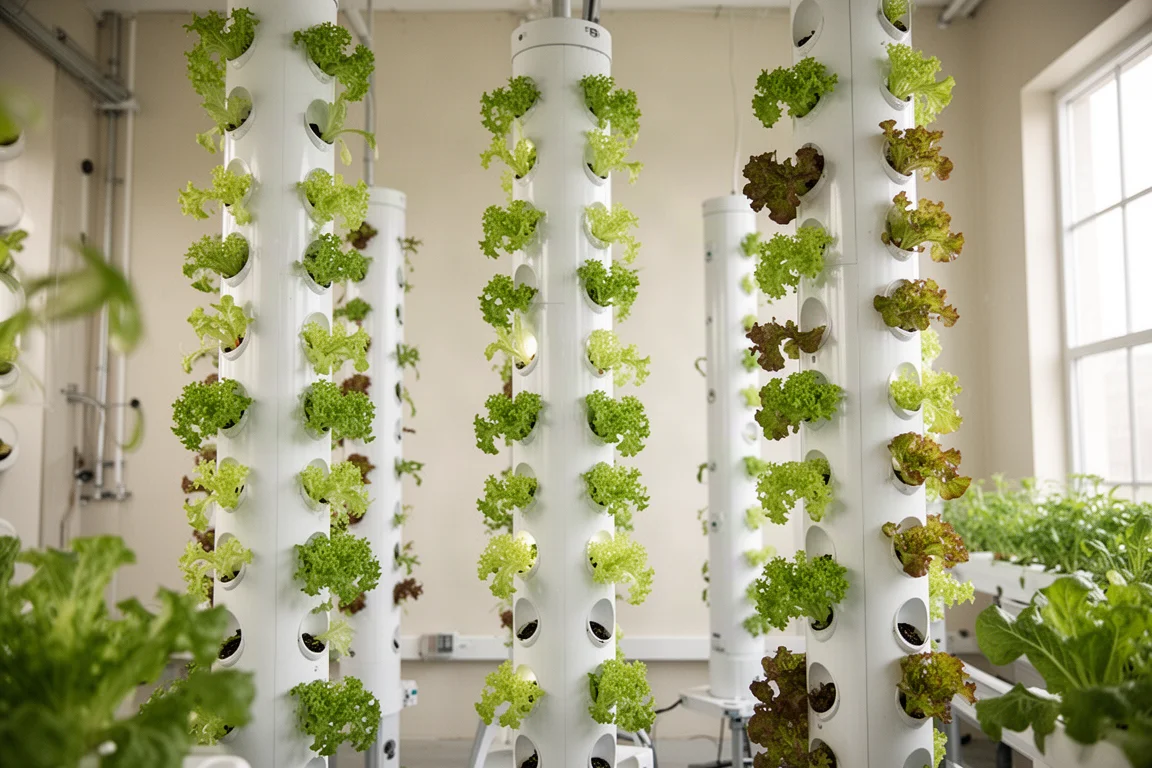
The recommended starting point for a commercial farm is at least 10 percent high density towers. The real answer, though, depends on two decisions: how tall you want your towers, and how many of each type you need based on what you grow and when you want to harvest it.
Buying Advice
If you are growing mature heads of lettuce, larger greens, or fruiting plants, low density pots are the safer default because each plant gets the room it needs. If your focus is frequent cut-and-come-again harvests of spinach, lettuce, and herbs, high density pots deliver far more capacity per tower, provided you stay on top of management.
For a mixed operation, a small share of high density towers alongside mostly low density towers is a sensible structure, and it aligns with the at-least-10-percent guideline used in commercial planning.
Conclusion
Low density and high density tower pots are not competing options; they are complementary tools. Low density gives plants room to reach full maturity, while high density maximizes planting capacity for early and frequent harvests. Decide what you want to grow, estimate your yield per plant, and match your tower heights and pot mix to that plan.
Product link
View more details for Tower Garden
This product is mentioned in the review. Check the specifications, options, and compatibility before buying.
View more details for Tower GardenFurther reading
Related Reviews
Hydroponic Gardening
18 Great Crops for Indoor Hydroponic Growing: Seeds Worth Trying
From fast-growing lettuce to space-saving micro tomatoes, here are crops and seed varieties that work well in an indoor hydroponic setup.
Hydroponic Gardening
Tower Garden Buyer's Guide: Choosing the Right Model for Indoor and Outdoor Growing
A practical walkthrough of the Tower Garden lineup, from the Flex and Home models to family bundles, community systems, and commercial Tower Farms.
Indoor Gardening
AeroGarden Eight-Pod System Review: A Budget Hydroponic Garden That Works
After a few months of growing dill, a shishito pepper, and micro tomatoes, here is what this eight-pod hydroponic system gets right and what to watch for before buying.