Hydroponic Gardening
18 Great Crops for Indoor Hydroponic Growing: Seeds Worth Trying
From fast-growing lettuce to space-saving micro tomatoes, here are crops and seed varieties that work well in an indoor hydroponic setup.
Introduction
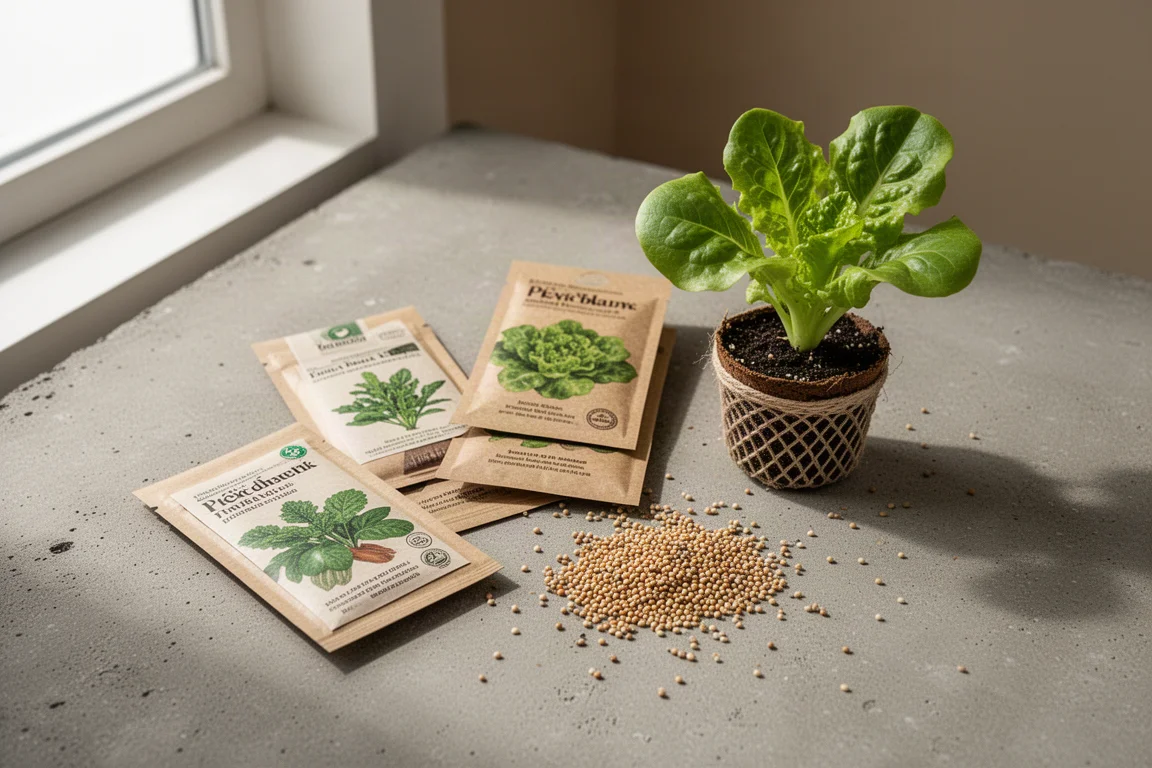
Growing indoors hydroponically changes what makes sense to plant. Some crops are simply easier in water-based systems, some save the most money compared to grocery store prices, and ultimately the best choice depends on what your household actually eats. This guide walks through crops and specific seed varieties that perform well indoors, from quick wins like lettuce to slower projects like tomatoes.
Lettuce
Lettuce grows exceptionally well hydroponically. Many indoor growers prefer its taste over store-bought heads, and because it grows so reliably, it frees up outdoor garden space for crops that are harder to grow inside. It is also a genuine money saver: a single head of lettuce at the grocery store can cost as much as or more than a whole packet of seeds, and a good packet can contain hundreds of seeds.
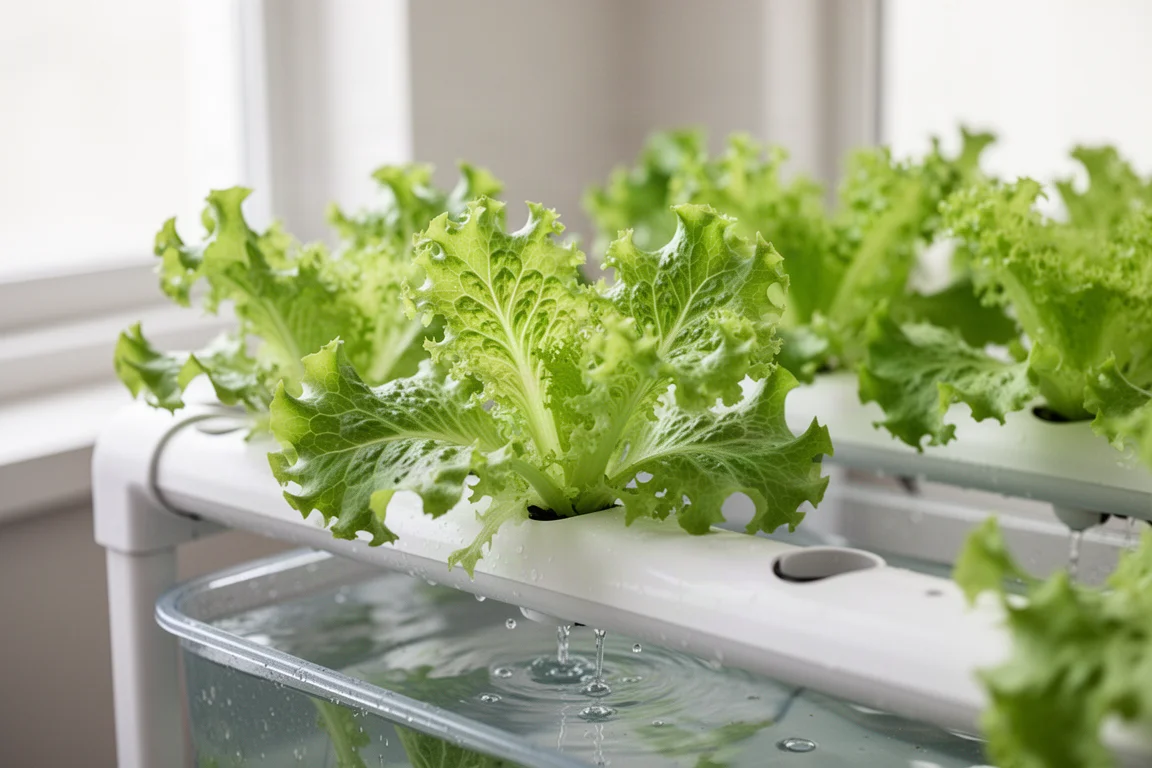
A few varieties stand out. Buttercrunch has a soft, buttery texture and is a reliable favorite. Lollo Rosso offers a striking red-and-green appearance. Tom Thumb and Little Gem are compact choices that work even in a small AeroGarden Sprout.
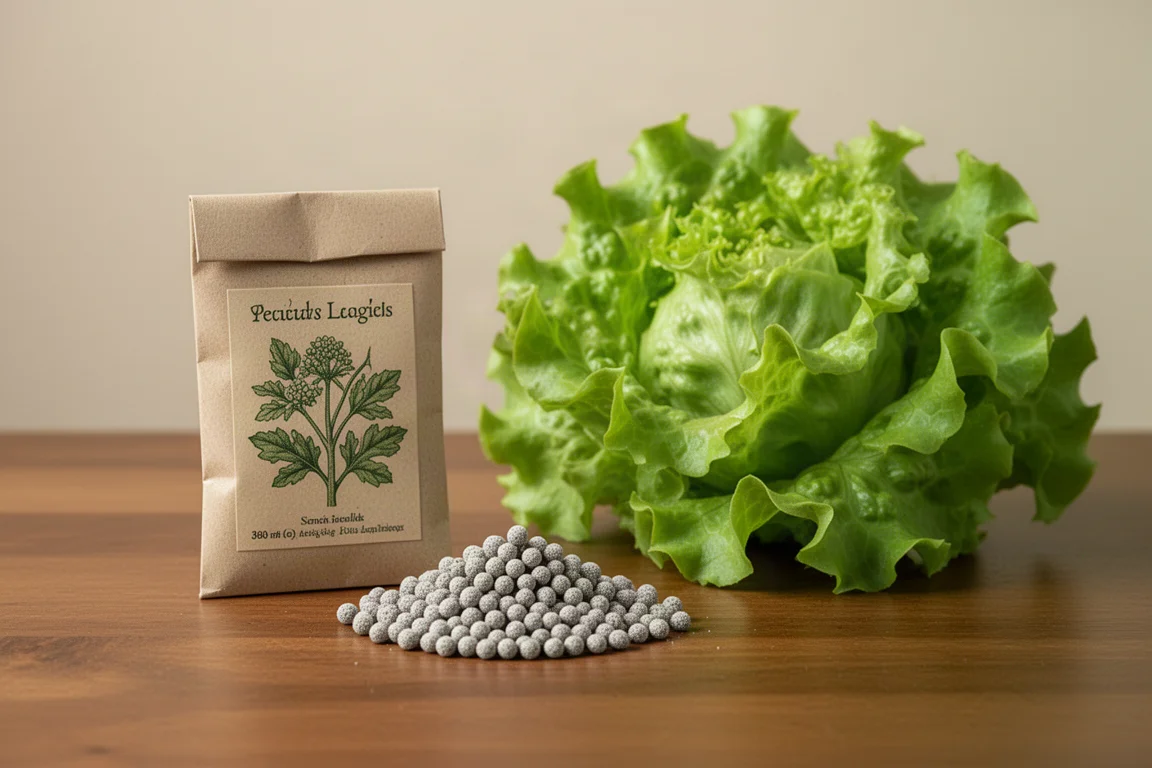
One variety that deserves special attention is the Tropicana lettuce from West Coast Seeds. These seeds are pelleted, meaning each tiny seed is coated to make it larger and easier to handle and place. Since untreated lettuce seeds are incredibly small, pelleted seed is especially helpful for first-time growers sowing outdoors as well.
Herbs
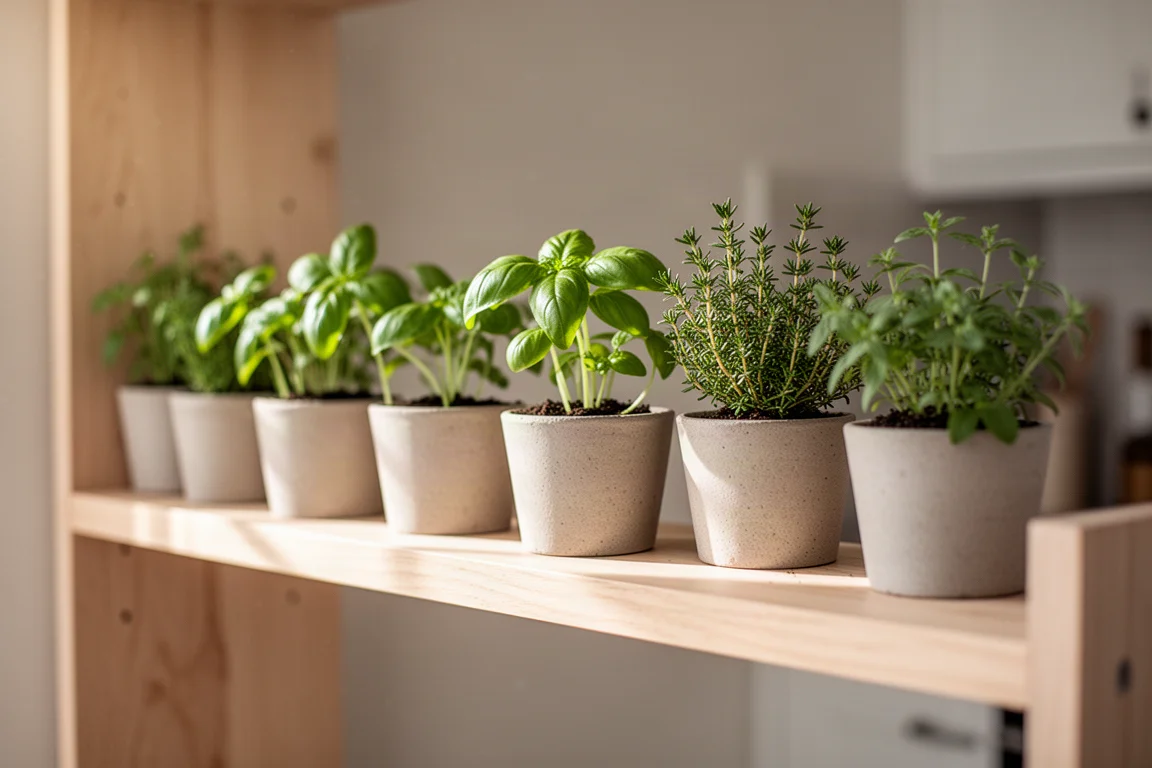
Herbs are where the savings really add up. Even a small AeroGarden Sprout can support a couple or three different herbs at a time, and if there are herbs you use on continuous rotation in your cooking, this is the category to prioritize.
Good starting choices include thyme, which appears in countless chicken and general-purpose recipes, and basil, which comes in an enormous range of varieties. Dill is another easy option, and chervil is worth trying if you want something a little less common.
Bok Choy, Celery, and Chard
Bok choy grows super fast, with varieties like Milk and other pak choy types doing particularly well. Celery is about 95% water, which makes it naturally suited to hydroponics; the Utah Tall and Tango varieties are solid picks. A practical bonus: instead of buying a whole head and letting the leftover ribs go rubbery in the fridge, a hydroponic plant lets you pick a couple of ribs whenever a recipe calls for them.
Chard also grows well hydroponically, and there is a fun detail worth knowing: the roots take on the color of the plant’s ribs, so root checks turn into a surprisingly pretty moment.
Tomatoes
Tomatoes are a favorite, but they need planning. The pre-filled tomato pods sold for small AeroGarden units tend to take over and outgrow the space. If you have a taller unit like an AeroGarden Farm XL with full growing height, dwarf or determinate varieties are the way to go.
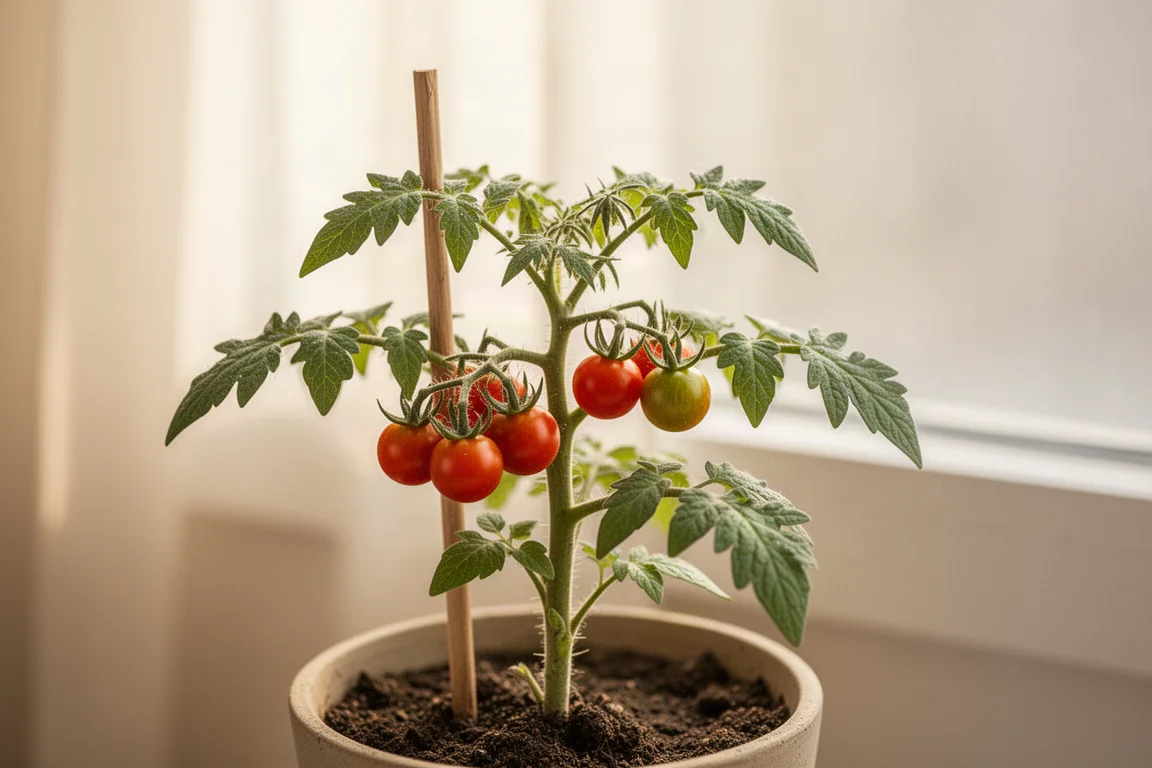
Among dwarf varieties, Dwarf Elsie’s Fancy from Victory Seeds is a standout, notable for its variegated leaves. Brandy Fred, a dwarf related to Brandywine, is another loved option.
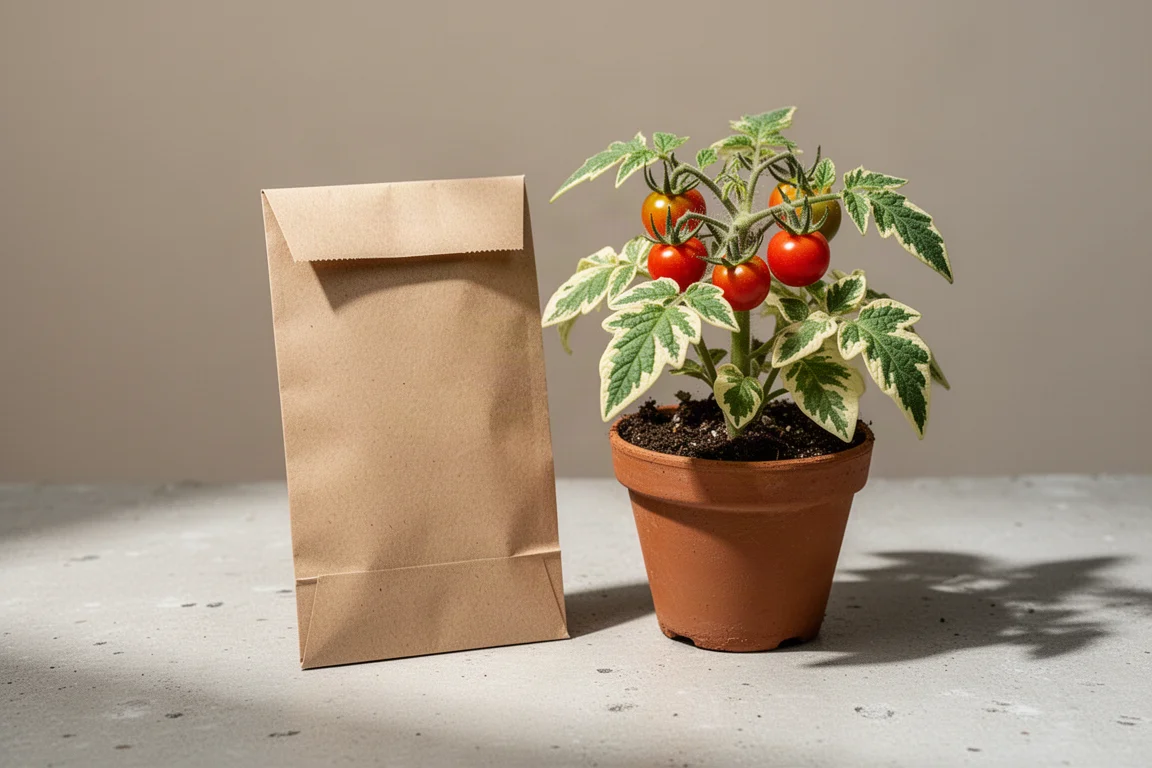
If you do not have a tall system, even an AeroGarden Sprout can grow micro tomatoes. Some varieties reach only a few inches tall, and while the harvest will never match an outdoor indeterminate cherry plant, they can still produce real tomatoes. One thing to expect: tomatoes grown indoors hydroponically take a long time to ripen, so patience is required.
Peppers
Peppers need grow height, so plan for the bottom level of a Rise Garden, an AeroGarden Bounty, or an AeroGarden XL. The mini bell is a very compact plant, but for its size it contains a remarkable number of seeds inside, making it less appealing to grow.
Better picks include the Aji Omnicolor, an excellent flavoring pepper, and the Biquinho yellow, which also comes in a red variety. Biquinho peppers are extremely productive and among the most flavorful peppers many growers have tasted. Fresno chilies are worth growing yourself if they are hard to find locally, and the Lesya, a newer orange variety, is another fantastic choice.
Onions, Mustard Greens, and Peas
Green onions or scallions are an easy win. Varieties like Kencho, Red Beard, and Ramrod work well, but know one key fact: onion seeds lose viability quickly, with germination dropping off after just one to two years. If green onions have failed for you before, old seed may be the reason.
Mustard greens such as mizuna or golden frills add spiciness to salads, and nearly any leafy green grows well hydroponically. For peas, avoid standard varieties indoors; they will take over. The Tom Thumb pea is the exception, small enough to grow in any system including an AeroGarden Sprout, though the harvest will be modest.
Spinach and Bush Beans
Spinach is a rewarding indoor crop precisely because outdoor spinach is so often damaged by leaf miners before you get to eat any of it. A whole hydroponic unit can be planted with spinach, harvested in one pass, processed, and frozen for soups and other cooking.
For beans, stick to bush beans indoors and leave pole beans outside. Varieties like Nickel Fillet and French Mascotte are good indoor choices. Keep in mind that bush beans are determinate, like a determinate tomato, so most of the harvest arrives around the same time. That makes them great for pickling or a big fresh-cooked meal.
Beets and Radishes
Beets can be grown hydroponically for the greens, but also for the roots. The system matters a lot here: AeroGarden-style pods are narrow and deep, which is bad news if a beet starts forming low down. Wider, shallower pod systems like Rise Garden or Click and Grow are better suited to root formation.
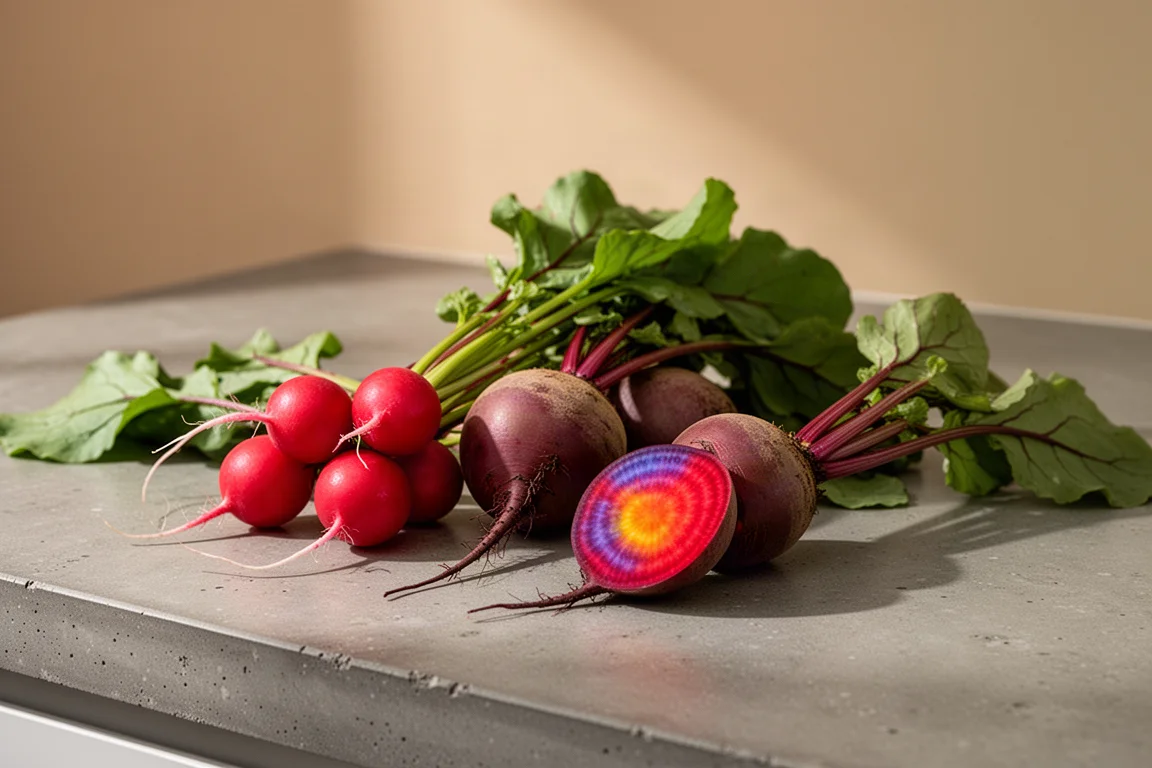
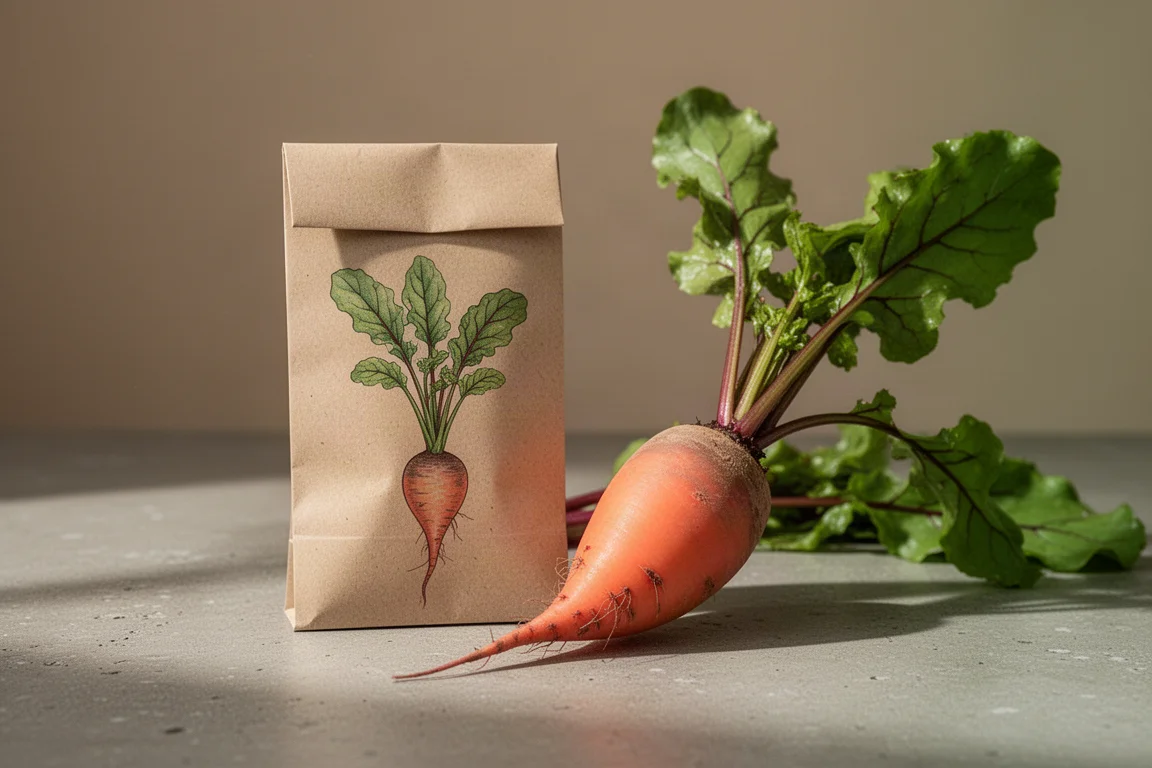
For varieties, Chioggia shows off a beautiful bull’s-eye pattern when sliced, and golden beets are another option. If you want to love beets but dislike their earthiness, the Badger Flame beet from Row 7 Seeds was bred specifically to reduce that earthy flavor. For many indoor growers, it is the beet of choice.
Radishes are the fastest gratification in hydroponics, ready in as little as 21 days, which makes them perfect for beginners who want to see something grow. French Breakfast and the Chinese Red Meat, also called watermelon radish, are fun varieties. Multi-sow four to six seeds per pod, and choose a wider, shallower pod system rather than a deep AeroGarden pod.
Kale, Eggplant, and Strawberries
Kale varieties like Rugged Jack and Dwarf Siberian do well, though kale can get tall. Younger leaves taste nicer, so harvest often and let the plant keep producing.
Eggplant works with patio varieties like Little Prince, or the Chinese string type, which has fewer seeds. Strawberries are the fruit pick: everbearing varieties produce runners you will need to trim, while alpine strawberries such as Mignonette, Regina, and Pineapple stay compact, never spread, and deliver huge flavor in tiny fruit. Watch for spider mites, which can be an issue with strawberries indoors.
Cucumbers
Cucumbers grow well hydroponically because of their high water content, but they are a vine crop that will take over. The AeroGarden Farm XL is really the only place many growers would attempt them, and you will need a trellising system. Choose a parthenocarpic variety, which produces fruit without pollination, since cucumber flowers are tiny and hand-pollinating them is fiddly. Mini Me and Mini Munch are good parthenocarpic choices.
Conclusion
If you are brand new to hydroponics, do not try all of these crops at once. Start with lettuce, add herbs like basil if you want a bit more adventure, and you will get fast growth, real grocery savings, and valuable learning time with your system. Once the basics feel easy, move on to tomatoes, peppers, and root crops with the confidence of a few successful harvests behind you.
Further reading
Related Reviews
Hydroponic Gardening
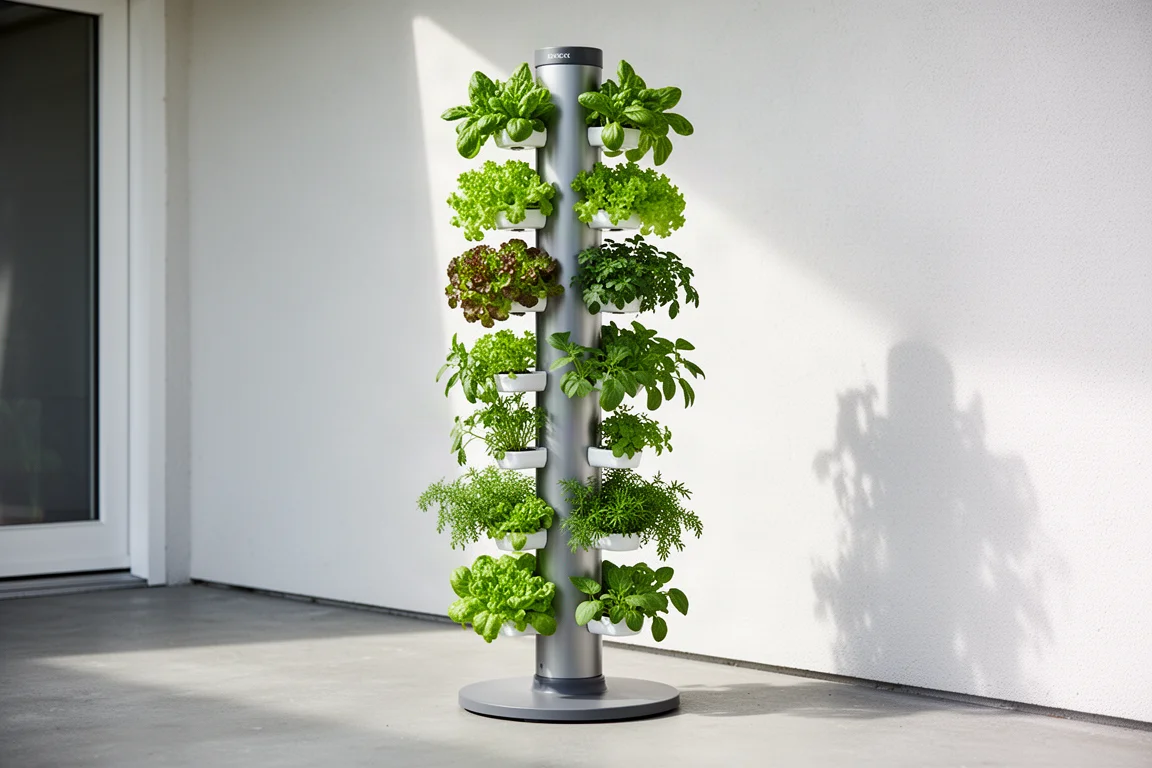
Tower Garden Buyer's Guide: Choosing the Right Model for Indoor and Outdoor Growing
A practical walkthrough of the Tower Garden lineup, from the Flex and Home models to family bundles, community systems, and commercial Tower Farms.
Hydroponic Gardening
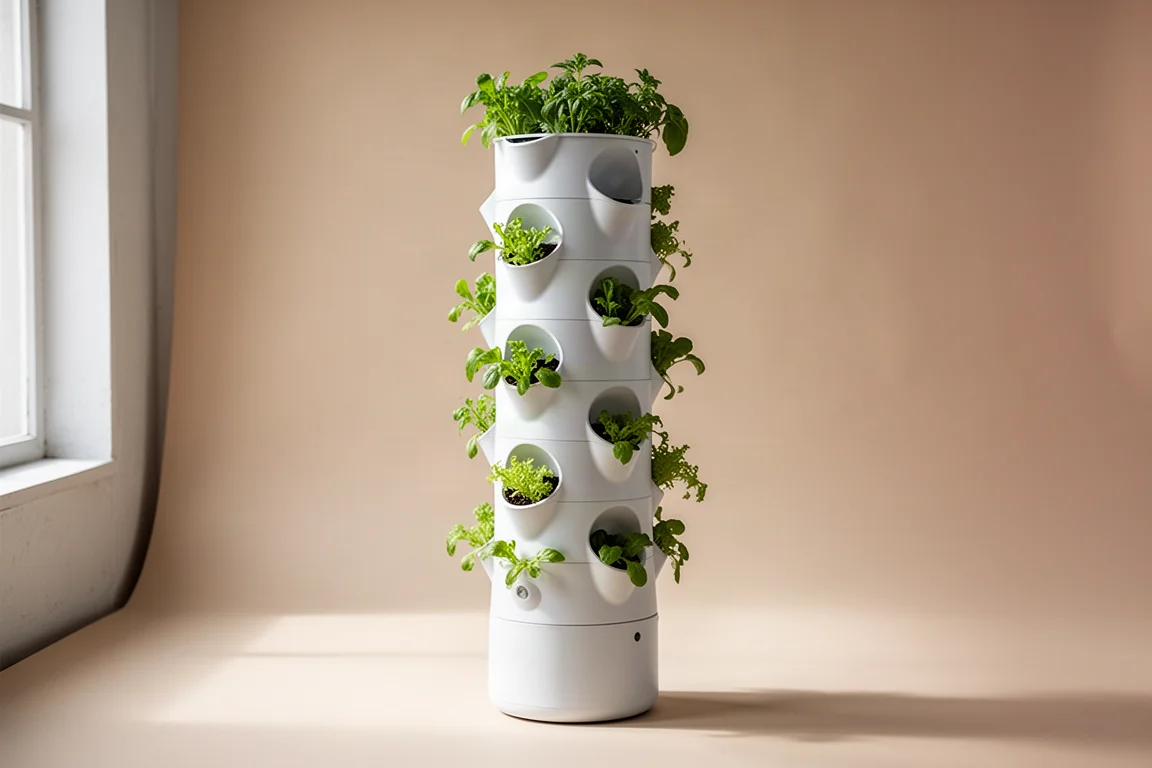
Tower Garden High vs Low Density Pots: Which Tower Setup Fits Your Harvest Goals
Low density and high density tower pots serve very different purposes. Here is how planting capacity, growing space, and harvest timing differ between the two.
Backpacking Gear
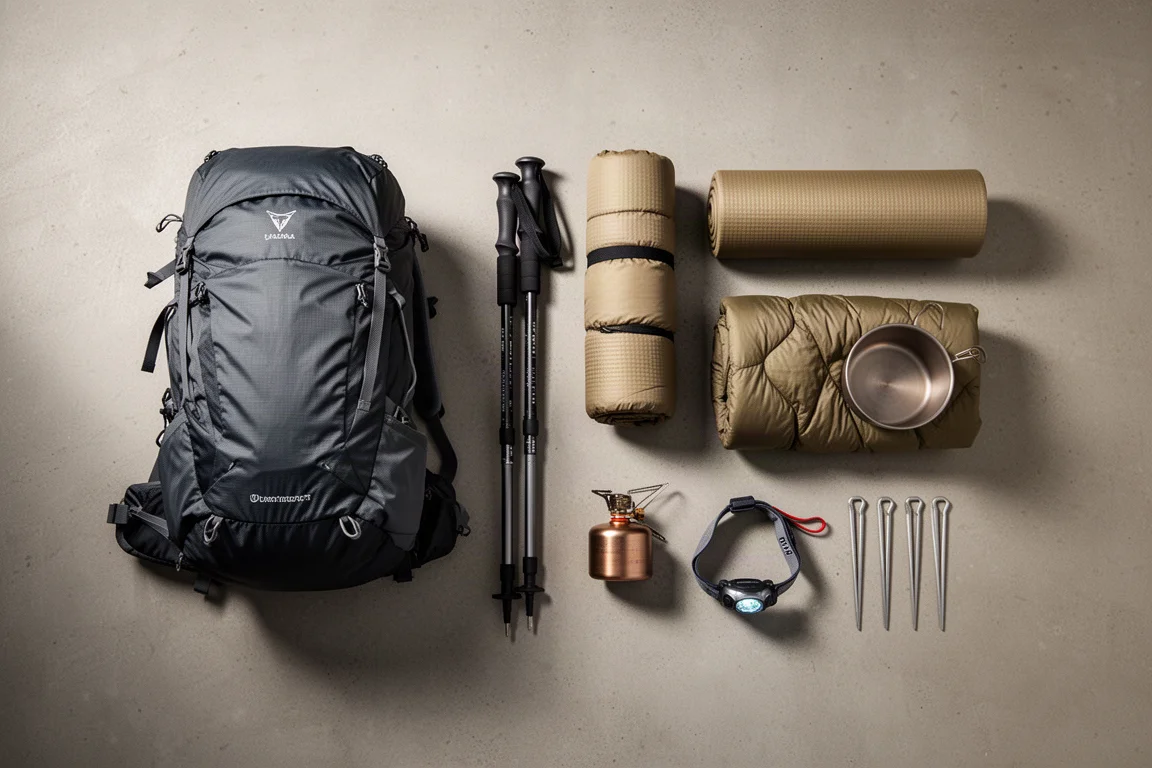
Building a 10 lb Base Weight: An Ultralight Backpacking Gear List
A practical walkthrough of the ultralight pieces behind a 10 lb base weight, from a 765 g pack and a roomy one-person tent to a full camp chair and a dependable water filter.