Hydroponic Gardening
Tower Garden Buyer's Guide: Choosing the Right Model for Indoor and Outdoor Growing
A practical walkthrough of the Tower Garden lineup, from the Flex and Home models to family bundles, community systems, and commercial Tower Farms.
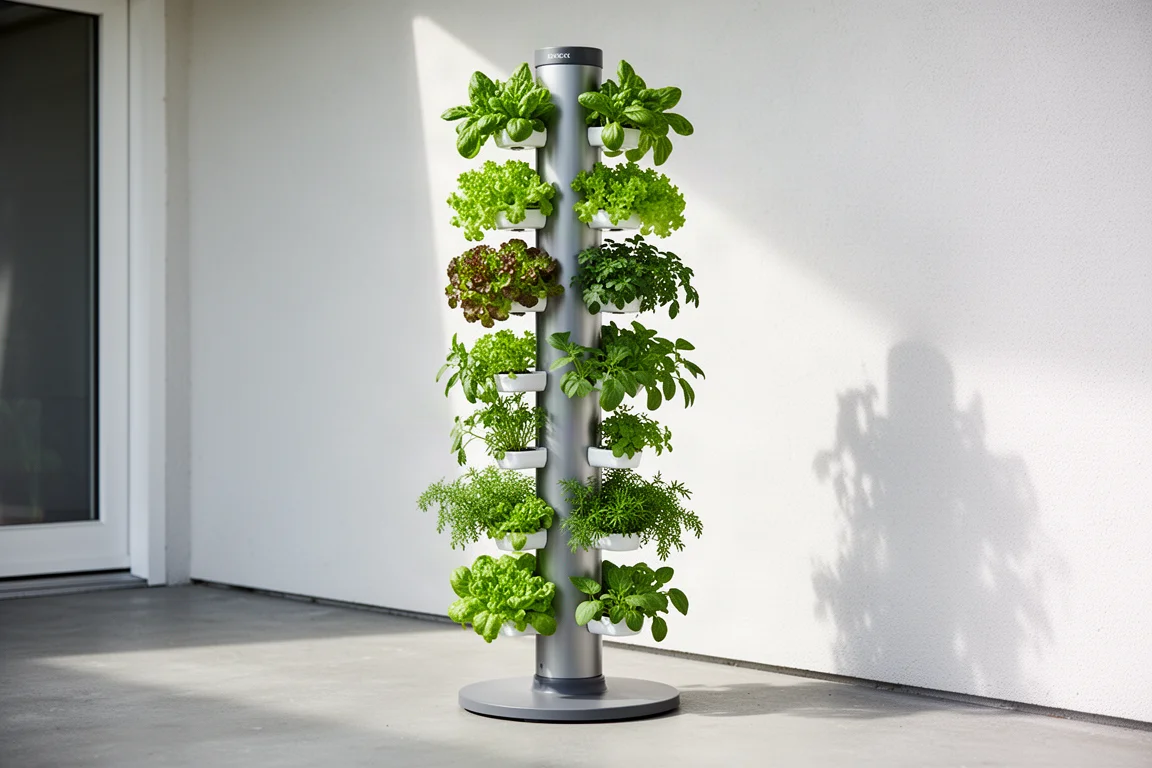
Introduction
Tower Garden has built its reputation on vertical aeroponic growing systems that work both indoors and outdoors. The lineup can look confusing at first: two core models, several bundles, and a handful of accessories that genuinely change what you can grow. This guide breaks down each option so you can match the right tower to your space, your appetite, and your ambitions.
The Two Core Models: Flex and Home
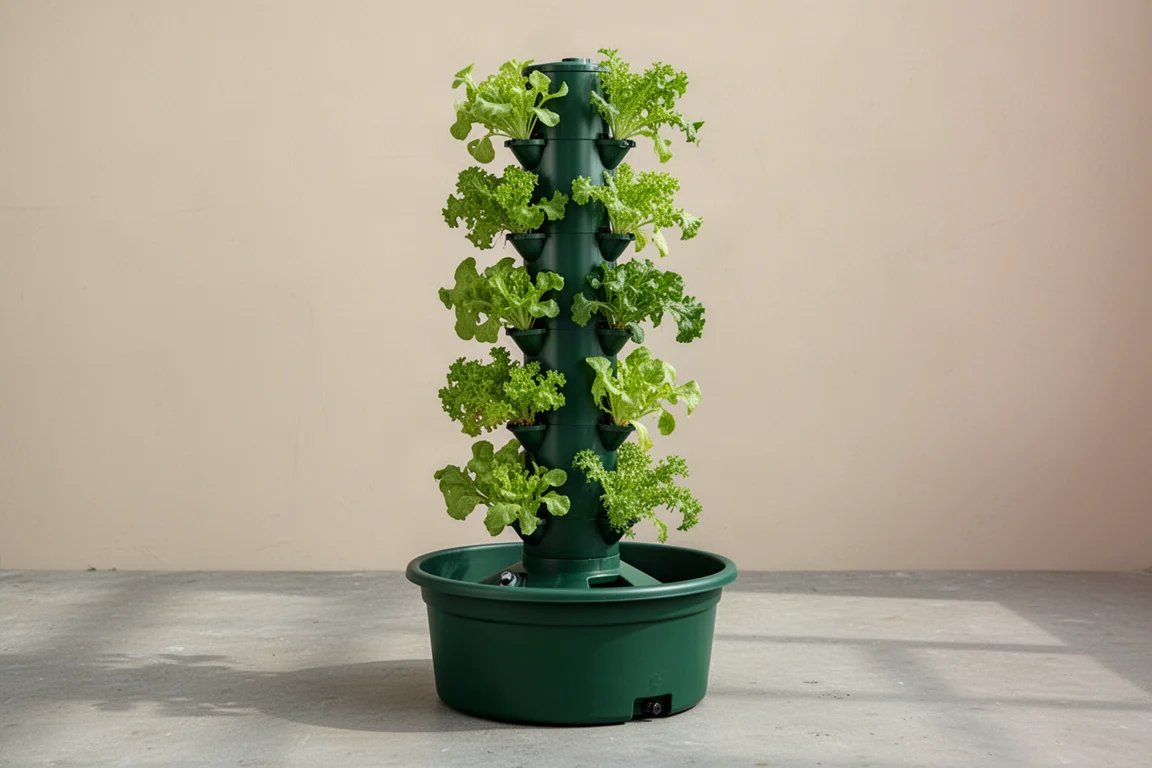
Everything in the Tower Garden range starts with a choice between two models, and the biggest difference is the base. The Flex model has a larger base that holds up to 20 gallons of water and provides room for more tower pots. That extra capacity is why the Flex is the model used for all commercial Tower Farms, and it is generally the recommended choice for outdoor setups such as gardens, patios, and decks.
The Home model, as the name suggests, is aimed at indoor growing in places like apartments, basements, kitchens, or bedrooms. Its smaller base holds less water, which usually just means refilling it more often. In practice, both models can work indoors or outdoors; these are recommendations based on where each one tends to fit best.
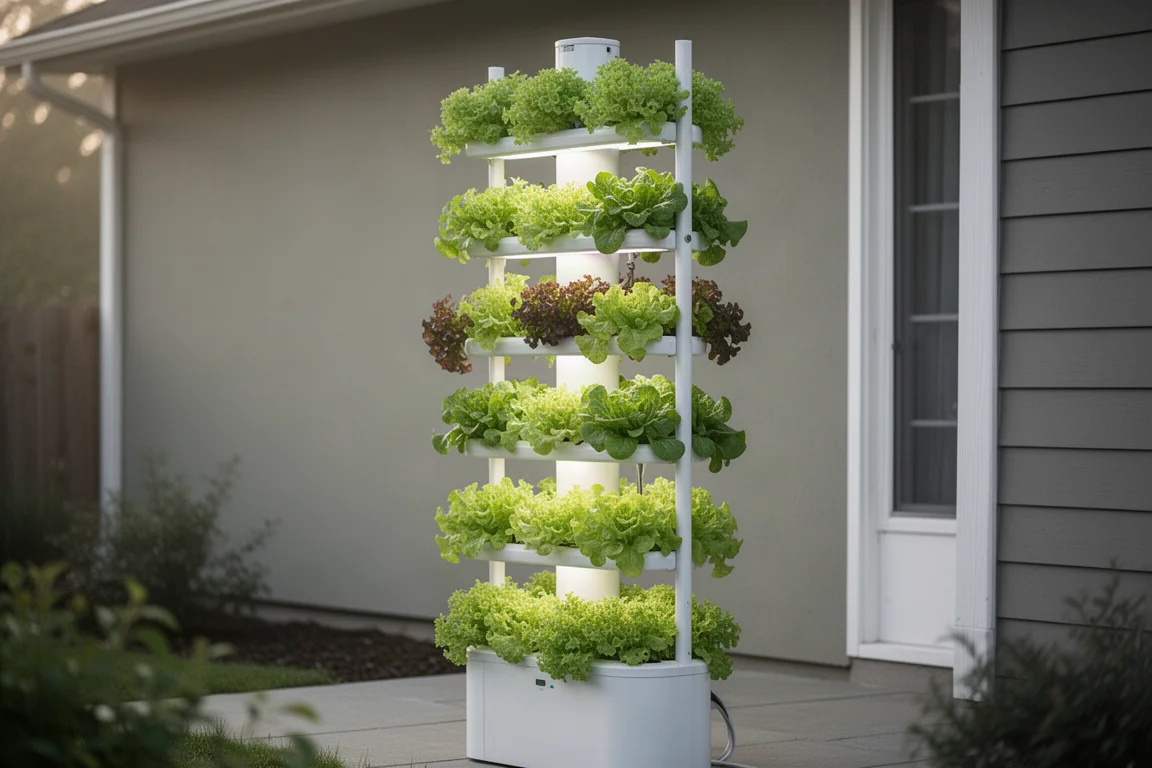
Extension Kits: High Density vs Low Density Pots
Tower Garden offers two types of pots. Low density pots have four planting spots per pot, giving each plant more room to mature. High density pots pack in eight planting spots with less space per plant, which makes them ideal for cut-and-come-again varieties.
The Home model comes with two high density pots, while the Flex comes with all low density pots. High density pots shine with crops like spinach, lettuce, and herbs such as cilantro. One grower reports fitting over 300 spinach plants into a single 11-foot tower using high density pots. Low density pots are the right call for crops you want to grow to full maturity: squash, zucchini, tomatoes, peppers, full heads of lettuce, bok choy, and many varieties of kale.
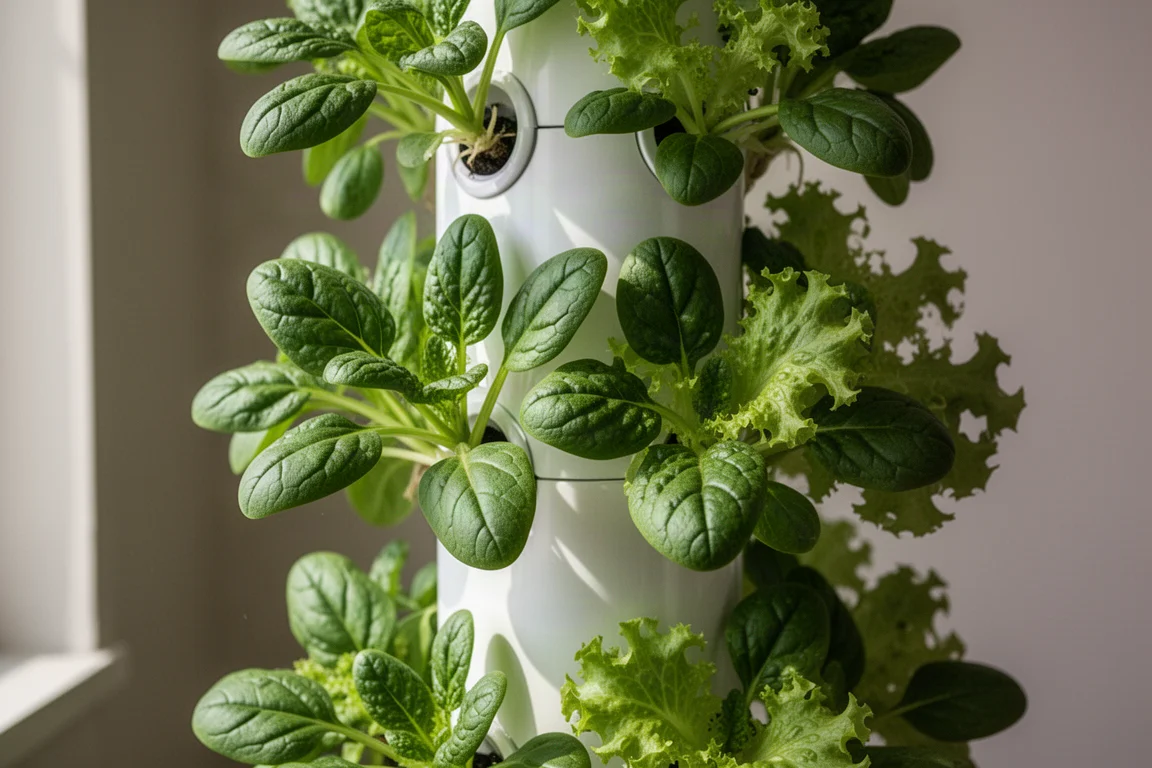
Light Attachments for Indoor Growing
If you plan to grow indoors, supplemental lighting is necessary. While it is possible to hang third-party lights above a set of towers, the purpose-built Tower Garden lights grow the tower more evenly. They include a built-in timer, a tidy cord casing, and support towers up to seven pots high.
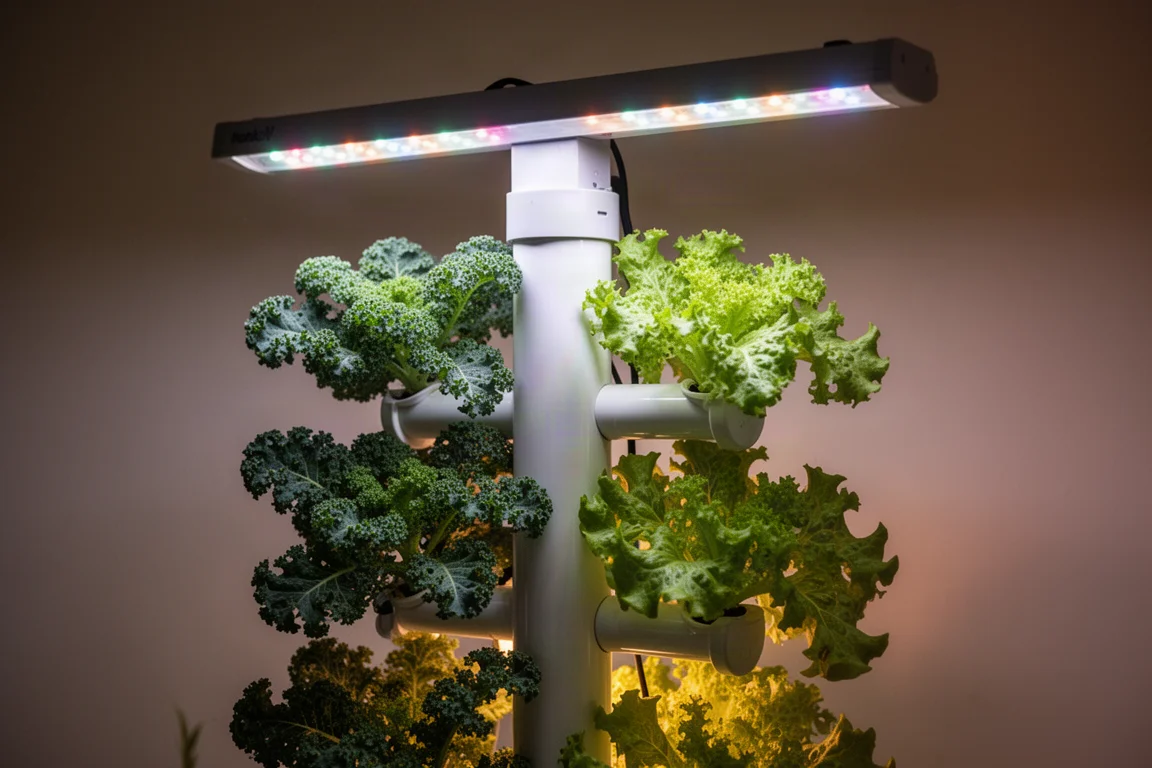
For anything taller, particularly commercial Tower Farms, larger ceiling-mounted units are available. These lights are full spectrum, high-grade LEDs, and they have proven effective at growing lettuce, kale, spinach, parsley, and mustard greens in indoor setups. If you are putting a tower inside, budget for lighting from the start rather than retrofitting later.
Support Cage
The support cage attaches to the outside of the tower and supports crops that get heavier over time. Large fruiting plants like tomatoes and peppers benefit most, but even big leafy greens can break without help. Experienced growers consistently list this as the accessory they wish they had bought sooner; improvised trellises and makeshift solutions tend to underperform compared with the purpose-built cage.
If you grow anything beyond salad greens, treat the support cage as a near-essential accessory rather than an optional extra.
Best Overall Pick: The Flex Model
For most new buyers, the Flex model is the strongest starting point. It is the most versatile tower in the range: suitable indoors or out, and capable of growing essentially anything you could grow in a traditional garden.
Tower Garden sells the Flex in the Green Bronx Machine bundle, which packages the tower with lights for indoor growing, plus the support cage, dolly, and everything needed to get started, including rockwool, a timer, and nutrients. Starter seeds and a germination tray are included as well. Because it covers both indoor and outdoor use right out of the box, this bundle is the pick for buyers who are serious about getting started and want a system that grows with them.
Tower Garden Family Bundle
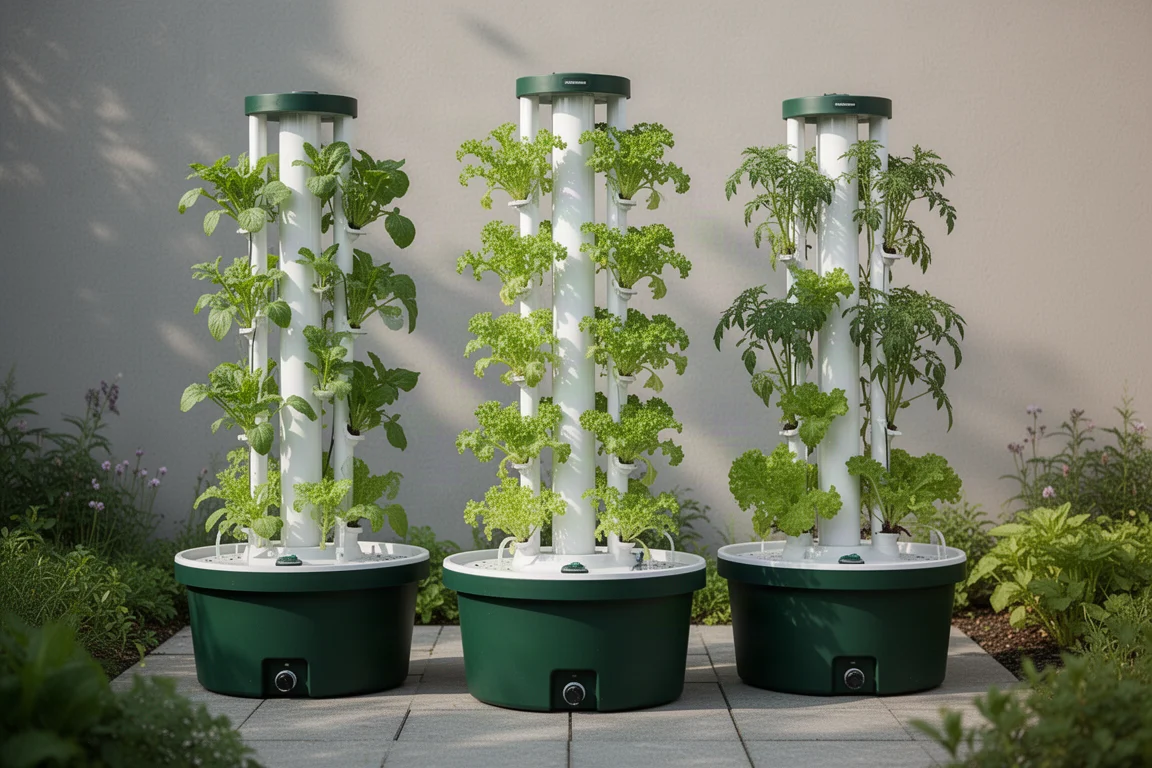
The Family bundle is straightforward: three Flex model towers bought together at a saving. It is aimed at households that expect to eat a lot from their towers or want to grow a wider variety of crops at once.
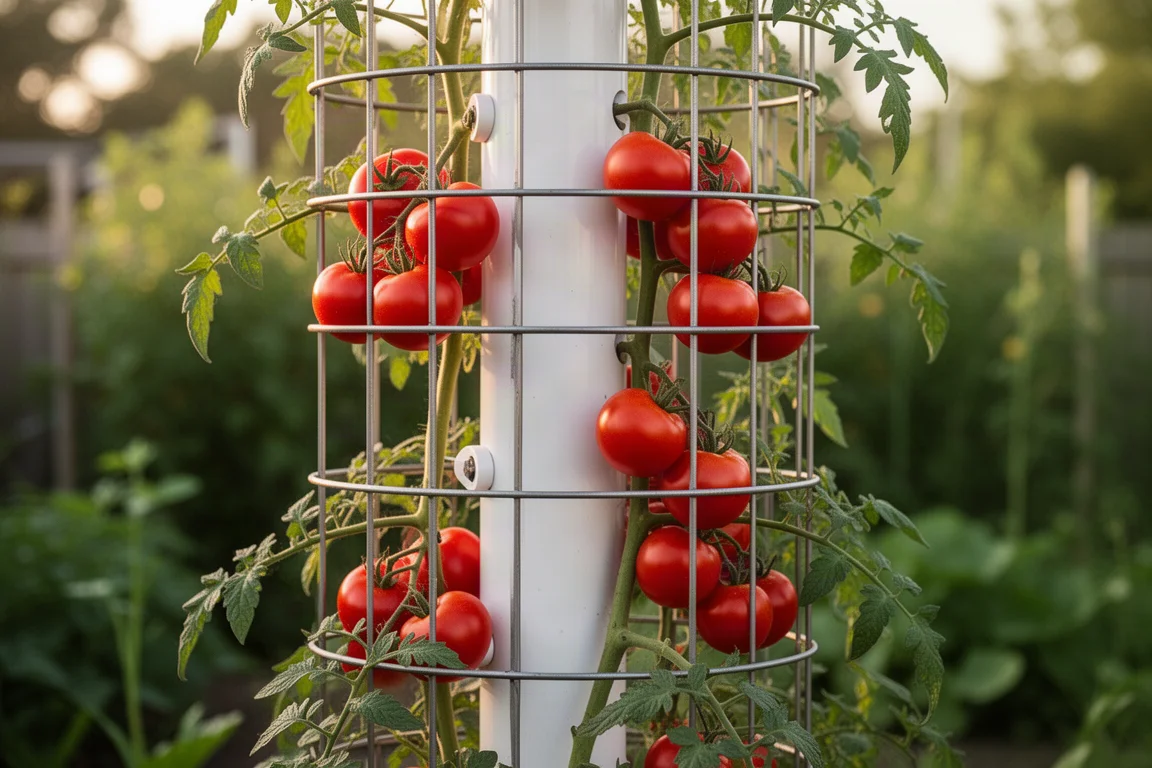
If a single tower feels like it will not keep up with your household’s harvest appetite, stepping up to three towers at once is the economical path.
Growing for a Crowd: The Community System
The Community system scales things up considerably with 12 Flex model towers. This is the setup you see in school and hospital cafeterias, at stadiums, and even in airports, and it can put out serious weight, enough to feed a community of many families. It also suits homesteads where growing is shared with family and friends.
Commercial Growing: Tower Farm Systems
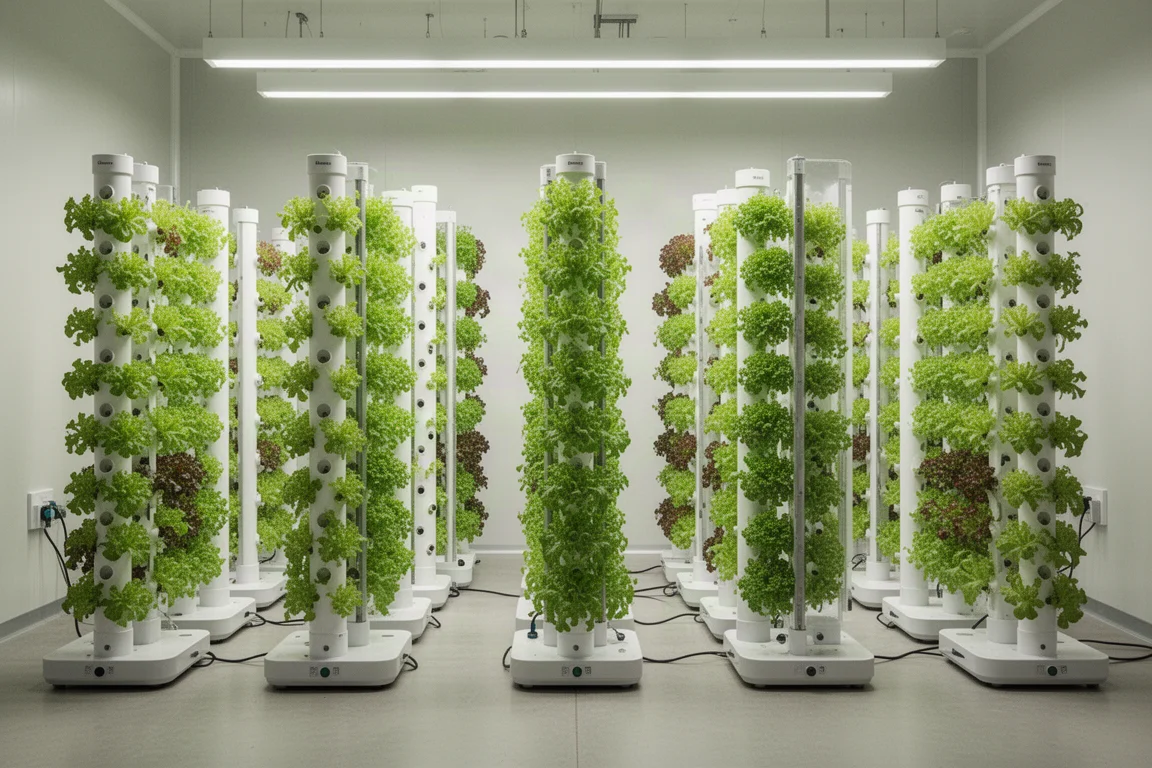
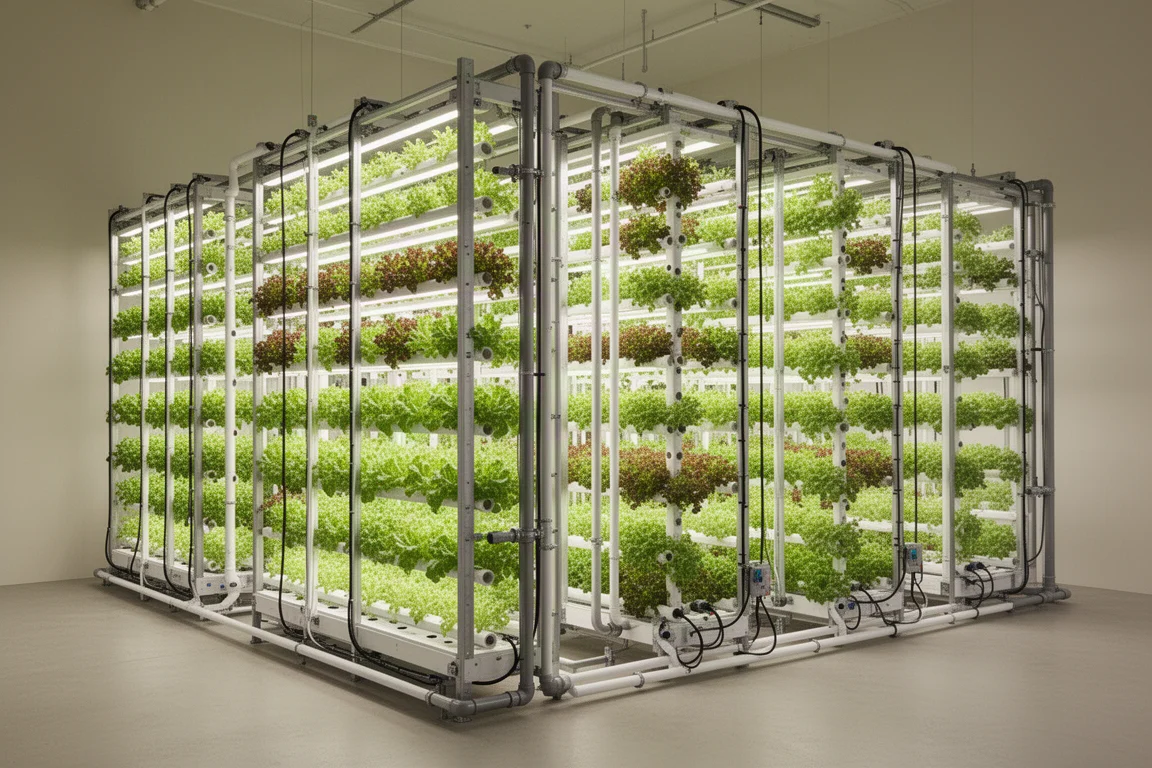
Tower Farm is a distinct tier from Tower Garden, and classification requires buying 10 or more towers at once. These systems come with additional attachments, tools, and irrigation lines that the Community system does not include, which is the key difference between the two.
The added equipment, including gravity tanks and a dosatron for nutrient dosing, makes Tower Farm the option optimized for commercial growing. If your goal is production rather than personal harvest, this is the tier built for it.
Which One Should You Buy?
If you are starting out, the Flex model, ideally in the Green Bronx Machine bundle, gives you the most flexible foundation with lights, support cage, dolly, and growing supplies included. The Home model fits compact indoor spaces where refill frequency matters less than footprint. Households with bigger appetites should look at the Family bundle of three Flex towers, while the Community system and Tower Farm tier serve schools, institutions, homesteads, and commercial growers respectively.
Conclusion
The Tower Garden lineup scales cleanly from a single indoor or outdoor tower to full commercial installations. Match the model to your space and goals, and add the high density pots, grow lights, and support cage where your crop list calls for them. For most buyers, the Flex-based bundle is the smartest first step.
Further reading
Related Reviews
Hydroponic Gardening
18 Great Crops for Indoor Hydroponic Growing: Seeds Worth Trying
From fast-growing lettuce to space-saving micro tomatoes, here are crops and seed varieties that work well in an indoor hydroponic setup.
Hydroponic Gardening
Tower Garden High vs Low Density Pots: Which Tower Setup Fits Your Harvest Goals
Low density and high density tower pots serve very different purposes. Here is how planting capacity, growing space, and harvest timing differ between the two.
Backpacking Gear
Building a 10 lb Base Weight: An Ultralight Backpacking Gear List
A practical walkthrough of the ultralight pieces behind a 10 lb base weight, from a 765 g pack and a roomy one-person tent to a full camp chair and a dependable water filter.