Indoor Gardening
AeroGarden Eight-Pod System Review: A Budget Hydroponic Garden That Works
After a few months of growing dill, a shishito pepper, and micro tomatoes, here is what this eight-pod hydroponic system gets right and what to watch for before buying.
Introduction
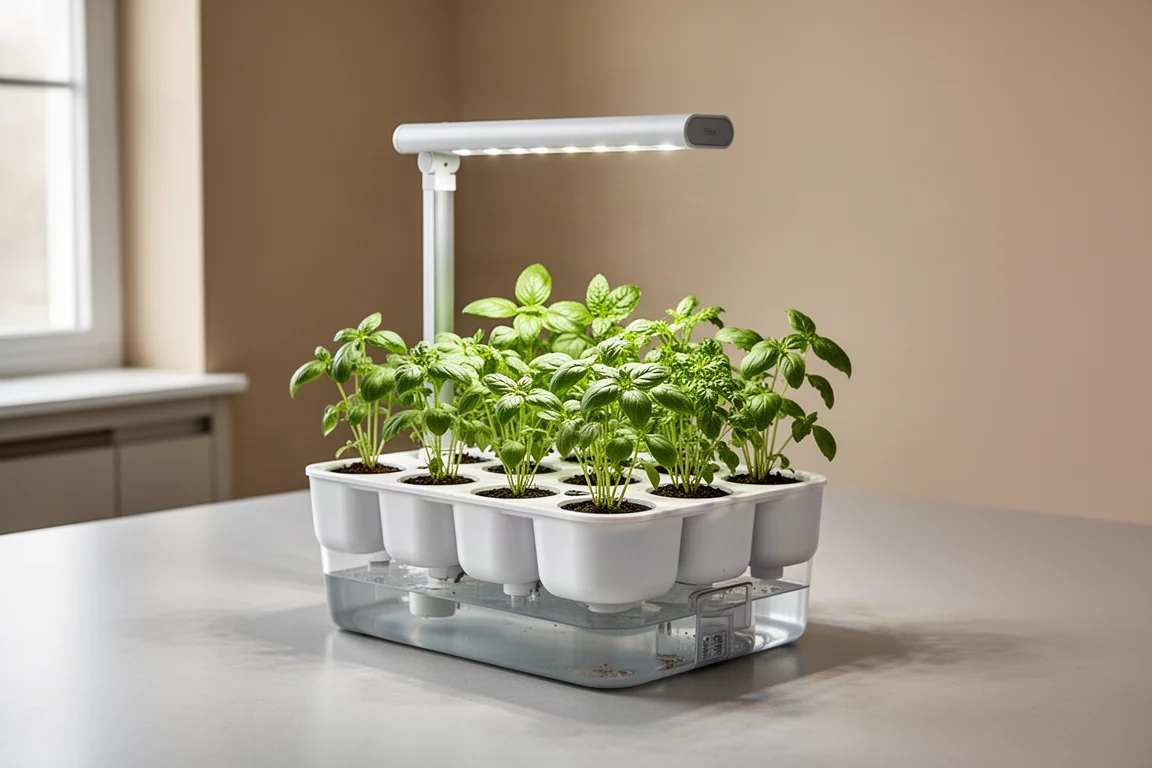
Countertop hydroponic gardens promise fresh herbs and small vegetables year-round without a garden bed, and the AeroGarden eight-pod system is one of the more affordable ways into that hobby. After a few months of continuous use, it has proven itself a capable little unit with a few practical quirks worth knowing about before you buy.
First Impressions After a Few Months
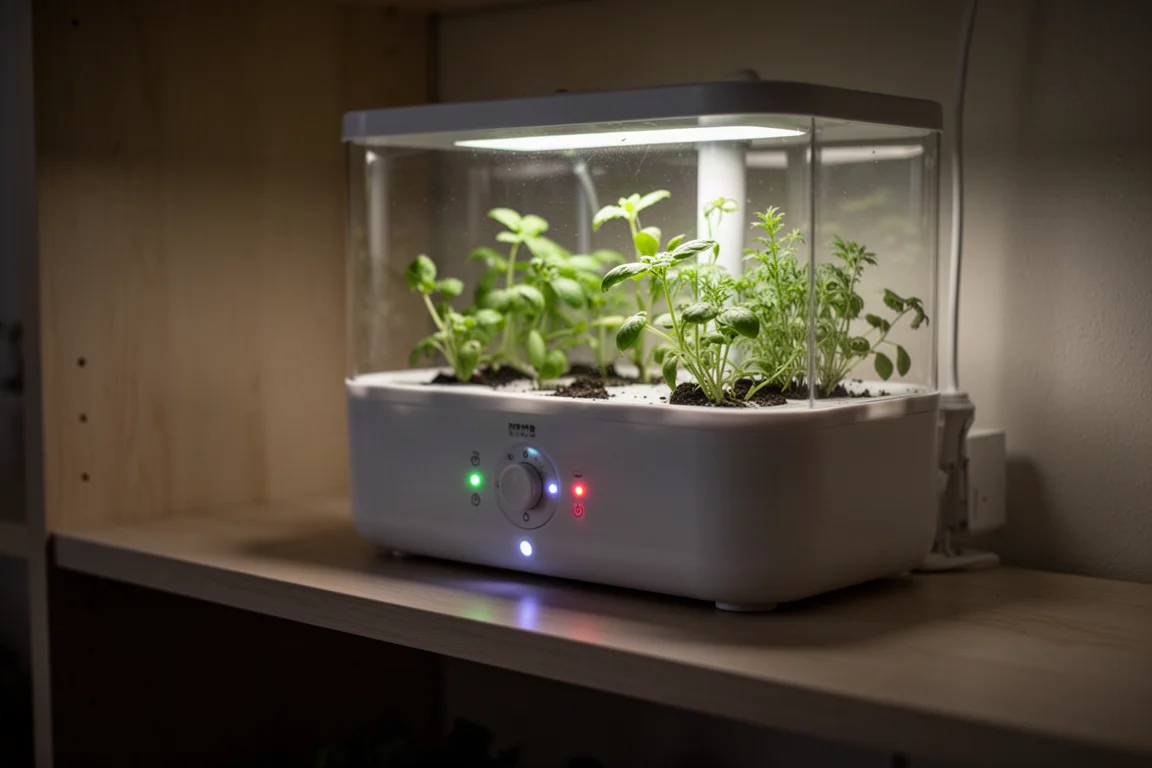
This review unit has been running for a few months with dill, a shishito pepper, and a multiflora micro tomato planted in it. Everything in the system has grown well. The dill has been harvested many times, the tomato is thriving, and the pepper is happy once given a bit of breathing room.
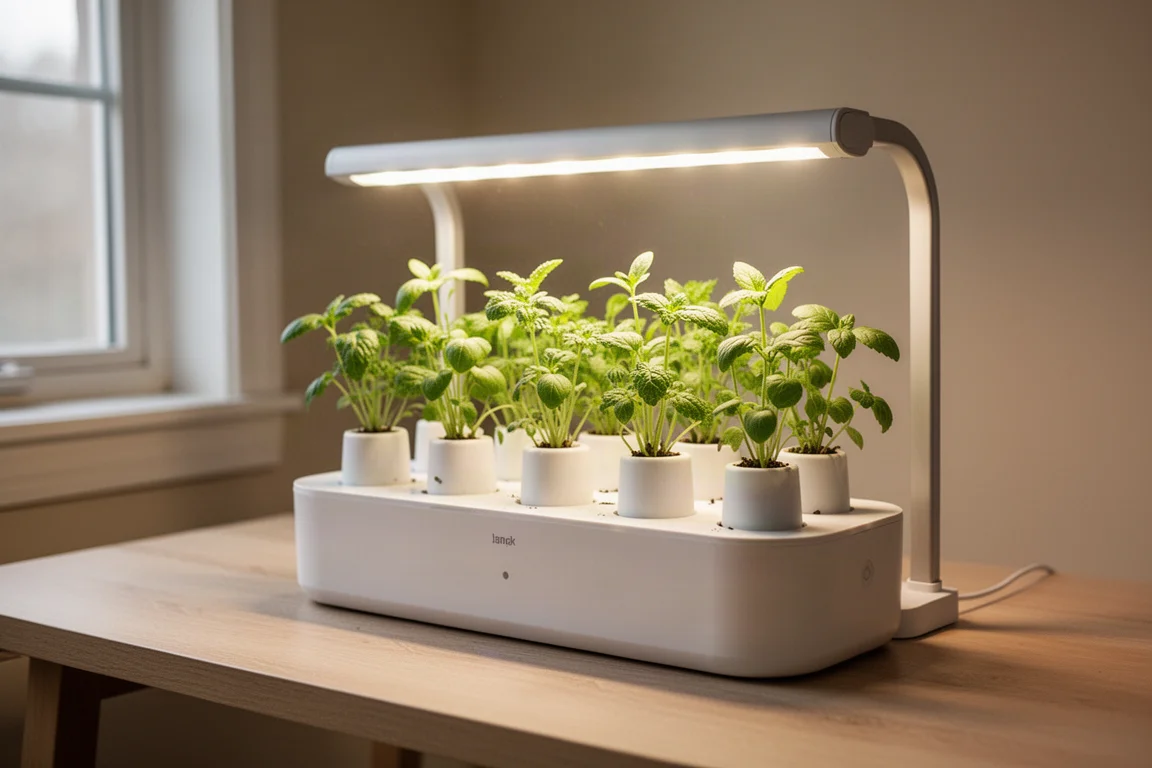
The kit ships with grow baskets that feel noticeably sturdy, along with germination domes you only use at the very beginning and a set of plant tags. The baskets are a genuine strength, and the included pods fit neatly into the eight holes with bracing supports for the plants.
How the Watering System Works
Unlike AeroGarden units with a pump that moves water up over the top of the pods, this system relies on wicking. Water is drawn up from the bottom where the grow pods touch the reservoir, so the water level matters more here.
The tank holds up to 3 litres, which is a reasonable capacity for a countertop unit. A water indicator tells you when the level is running low, but because there is no pump circulating water over the pods, letting the level drop too far risks drying out the growing medium faster than with a pumped system.
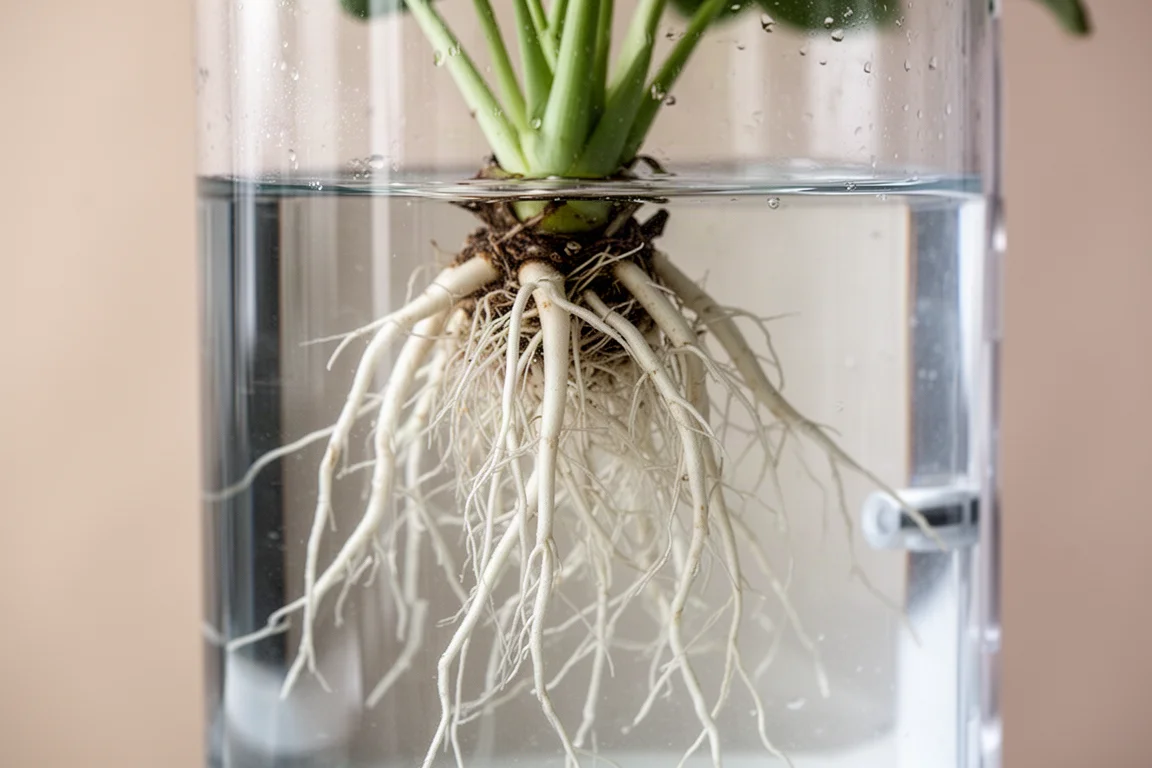
In practice this just means checking the water indicator regularly. The plants themselves showed no signs of stress during the testing period.
Grow Height and Light Behaviour
The grow height is about 15 inches with the light in its standard position. The light bar does tilt upward, which technically extends the height to around 19 inches, but at that angle the light is extremely bright and genuinely unpleasant to sit near, so 15 inches is the realistic working number.
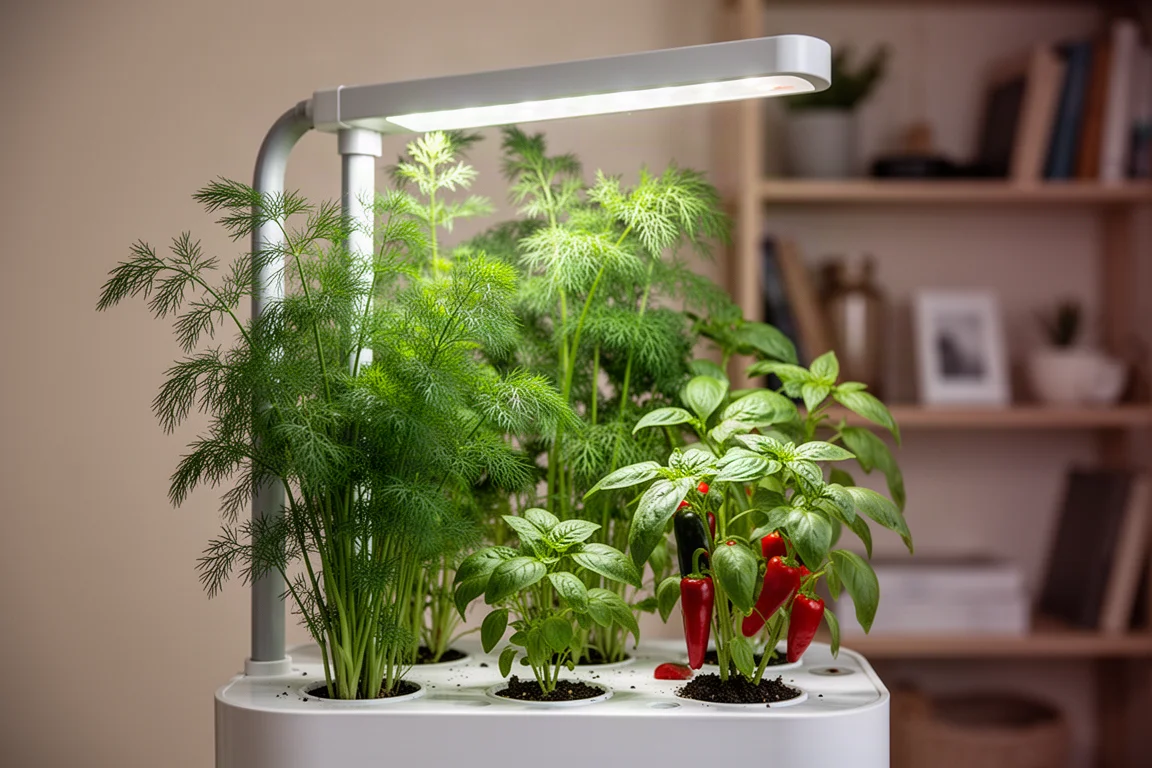
The unit offers two light modes. Vegetable mode produces a whiter light, while fruiting mode shifts to a noticeably more yellow tone. Whether the fruiting mode actually makes a meaningful difference is unclear without side-by-side testing, but the option is there. The lights run on a simple 16 hours on, 8 hours off cycle from whenever you switch the unit on.
Things to Consider Before Buying
The most notable omission is a nutrient reminder. Most comparable systems flash a light or send an app notification when it is time to add plant food. This one does not, so if you follow a 14-day feeding cycle, set a reminder on your phone. It is a minor inconvenience rather than a dealbreaker.
The water indicator also sits up on the top of the unit, which made it surprisingly easy to miss when it activated, particularly with the unit placed under a shelf. Indicators mounted on the front of similar units are much easier to see at a glance.
Two practical disclosures from long-term use: the included sponges were not used, since a different brand’s grow sponges were preferred, and the included nutrients were skipped in favour of a FoxFarm hydroponic formula. Neither suggests a flaw in the unit itself, but factor in the cost of preferred consumables if you already have a brand you trust.
Buying Advice
So is this a good unit? Yes, it is fine. It works, it grows, and it costs less than an AeroGarden. The missing nutrient reminder is not a make-or-break issue, and nothing negative came up over months of use. The main thing to respect is the wicking design: keep an eye on the water level and the system will reward you.
Avoid planting all eight holes. Leaving the watering hole free and giving larger plants space produces much better results, and transplanting crops like dill outdoors once they outgrow the light height keeps the system productive.
Conclusion
For anyone deciding between starting to grow food indoors hydroponically or not starting at all, this eight-pod system is an easy recommendation. It is affordable, dependable, and simple to live with, provided you remember to feed your plants and top up the water.
Product link
View more details for AeroGarden Eight-Pod System
This product is mentioned in the review. Check the specifications, options, and compatibility before buying.
View more details for AeroGarden Eight-Pod SystemFurther reading
Related Reviews
Indoor Gardening
AeroGarden Buying Guide: How to Choose the Right Model for What You Want to Grow
From the 3-pod Sprout to the 24-hole Farm Plus, here is what actually matters when picking your first AeroGarden, plus the growing tips nobody tells beginners.
Indoor Gardening
AeroGarden Farm After 8 Years: What I Wish I Knew Before Buying
A long-term look at the AeroGarden Farm, the 12XL alternative, and why a Rise Garden won out on space efficiency.
Indoor Gardening
AeroGarden Farm XL 12 Review: A Tall Indoor Garden Built for Year-Round Tomatoes
A closer look at the tallest grow height in the AeroGarden Farm lineup, its assembly quirks, and why it makes sense for growing full-size tomatoes indoors.