Astrophotography
Touptek GS Series Guide Scopes: A Versatile Budget Option for Astrophotography
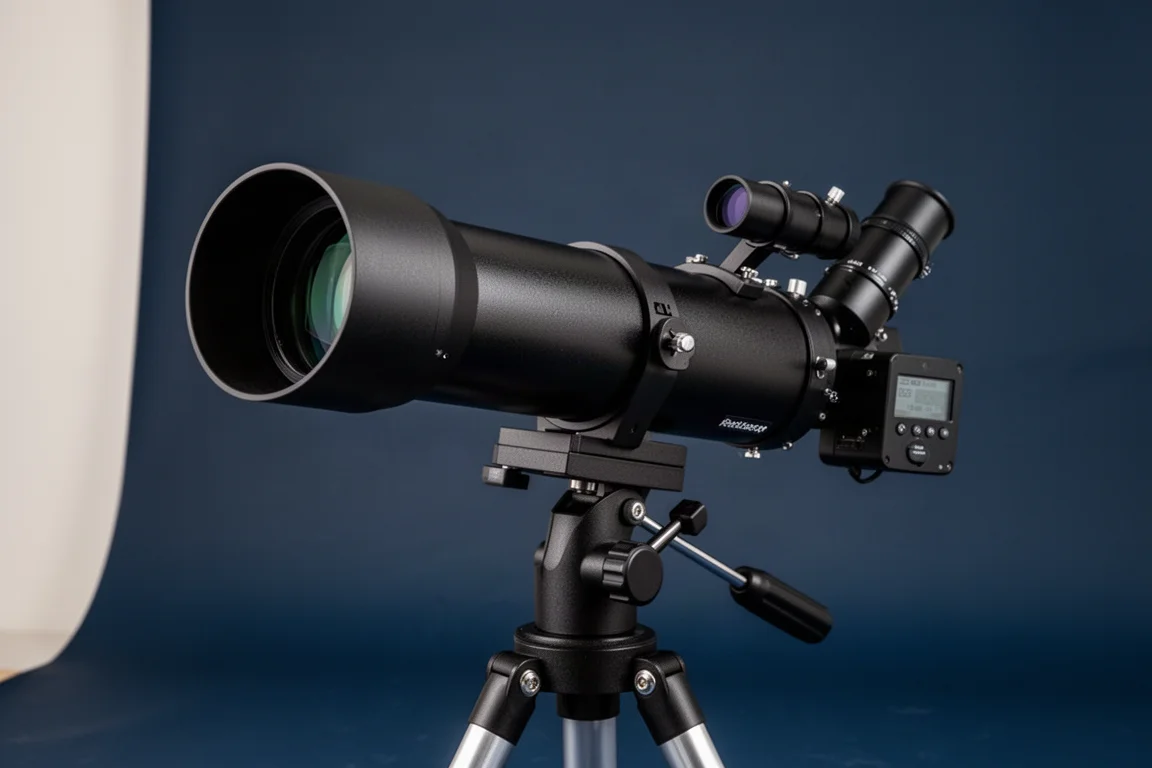
The Touptek GS series offers triplet optics at a low price, working well as a guide scope and surprisingly well as a small imaging scope.
Introduction
The Touptek GS series is a line of compact refractor telescopes that are marketed primarily as guide scopes. The lineup includes five models, from the small GS150 to the large GS350, all priced well below what you would typically expect for triplet refractors. The GS150 starts at around $149, while the largest model, the GS350, costs roughly $220.
What makes this series interesting is that these scopes are not limited to guiding. With the right accessories, they can serve as small imaging scopes or even visual telescopes. This versatility is both their biggest strength and their main limitation. In this review, we will look at what the GS series can do, where it falls short, and which model makes the most sense for different use cases.
What Is the Touptek GS Series?
The GS in the name stands for guide scope, and that is the primary purpose of these telescopes. All five models feature triplet optics, which is unusual at this price point. The smaller models, the GS150, GS200, and GS250, are F5 telescopes, while the GS300 and GS350 are F6. The focal length of the largest model is a relatively short 350 mm.
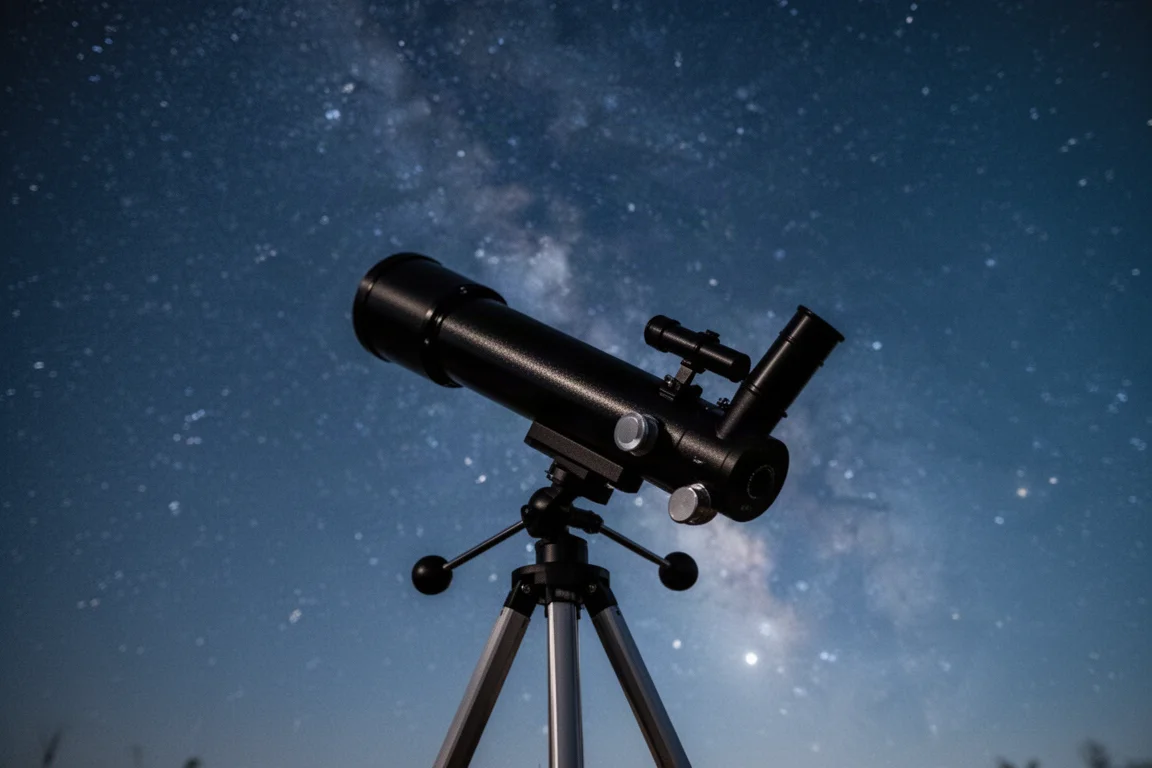
The series is designed to be flexible. You can choose between two focuser types when ordering: a Crayford-style focuser or a rack and pinion focuser, both at the same price. The rack and pinion version allows you to attach an electronic focuser, which opens up the possibility of using the scope for more than just guiding. The rear of the telescope has M42 threads, so you can screw in a camera directly. It also comes with three screw holes and a compression ring, allowing you to mount a guide camera or a 1.25 inch diagonal for visual use.
Design and Build Quality
The build quality of the GS series is decent for the price. The focuser mechanism works smoothly, and once you lock it in place, there is almost zero shift. This is important for guiding, as any movement in the focuser can ruin long exposures.
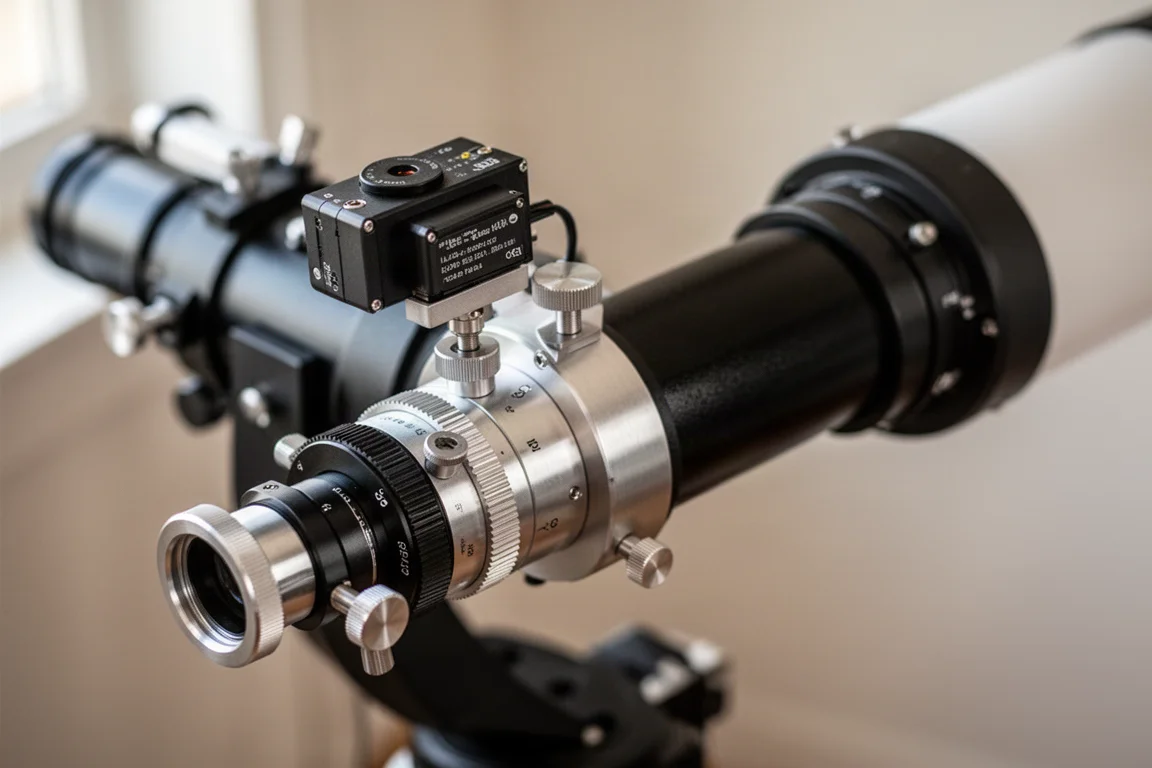
One issue we noticed is that the focuser has a small amount of flex when the locking knob is not tightened. This might not seem like a big deal, but it can cause differential flexure during long exposures. If the camera sags even slightly, the guide scope will track correctly, but the main telescope will not, resulting in elongated stars despite perfect guiding figures. This was confirmed in testing with a cooled camera, where vibrations from the camera’s fan affected the image when the locking knob was loose, but caused no problems when it was locked down.
If you plan to use an electronic focuser, you will need to find the sweet spot between enough locking tension to prevent flex and enough freedom for the focuser to move. This can be a bit fiddly, and the ideal tension might change with temperature. Some users may find it easier to add a small piece of tape around the focuser tube to eliminate the play entirely.
Performance as a Guide Scope
As a pure guide scope, the GS series performs excellently. The stars come into sharp focus with no halos or blooming, and PHD2 locks onto them easily. The focusing mechanism is smooth, and the locking system holds the focus securely. This is where the series truly shines, and it is the use case that makes the most sense for most buyers.
The smaller models, particularly the GS200 and GS250, are the most practical choices for guiding. They are compact, lightweight, and cost less than $200. The GS350, on the other hand, is quite large for a guide scope, and for most users, an off-axis guider would be a more sensible option. Unless you have a specific reason to avoid off-axis guiding, the GS350 is hard to justify as a pure guide scope.
Deep Sky Imaging Performance
The GS series can also be used as a small imaging scope, and the results are surprisingly good for the price. In testing, the GS350 was paired with an APS-C size cooled camera, which is larger than the recommended sensor size. The manufacturer recommends using a 1 inch sensor, such as the 533 or 585 models, and that advice is accurate.
With a 1 inch sensor, the stars at the corners are perfectly fine. Even on the larger APS-C format, the results were better than expected, though the stars did become less sharp and slightly elongated toward the edges. The main optical issue is chromatic aberration, which shows up as blue halos around bright stars. This is a result of the cost-cutting measures needed to hit such a low price point, and it is acceptable given the price.
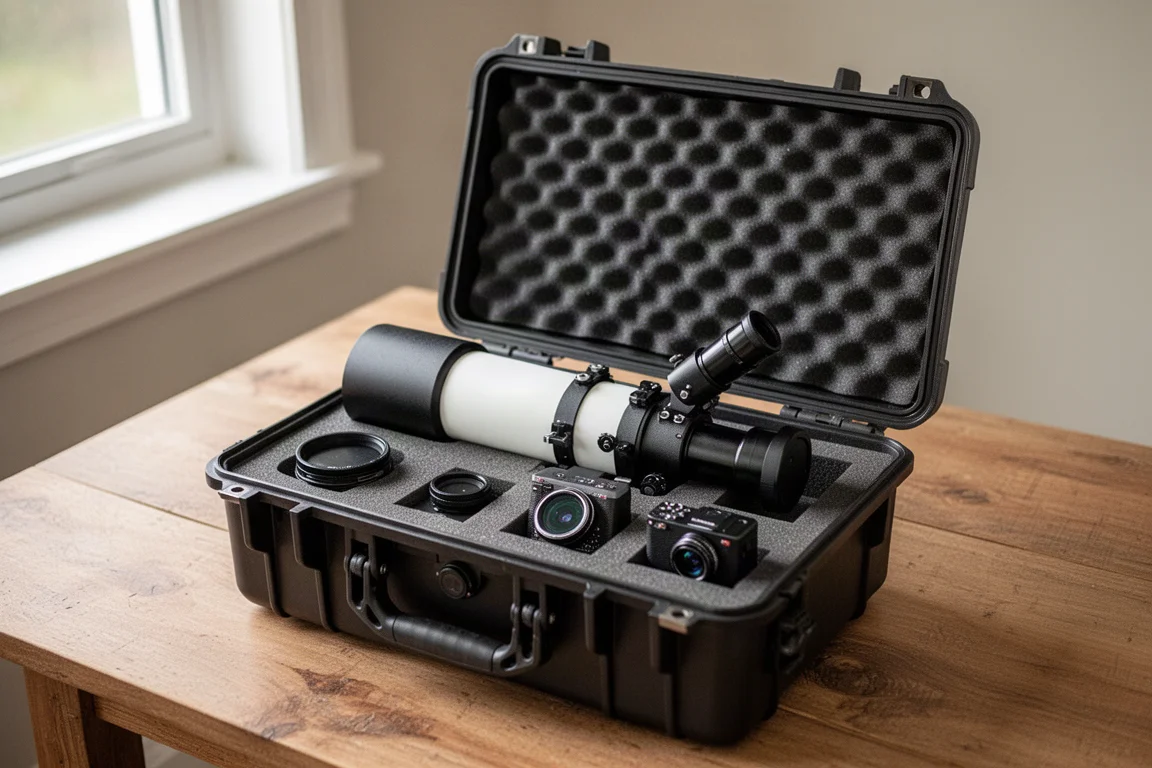
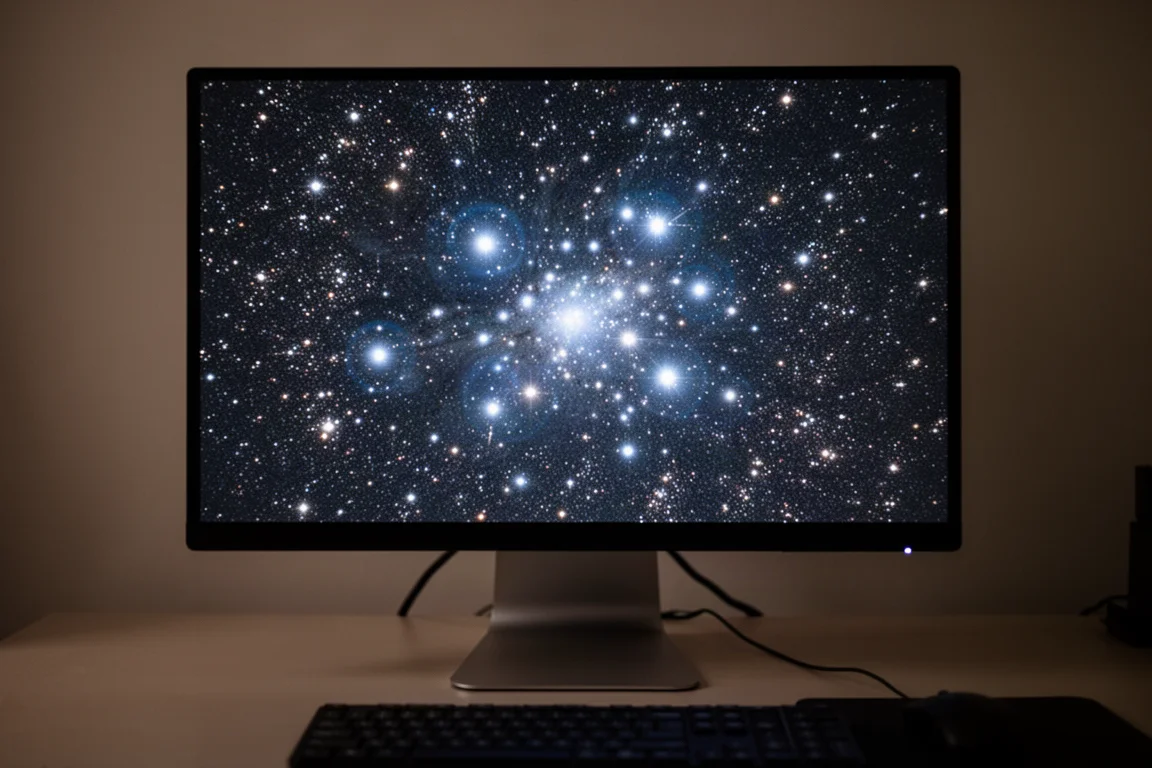
In a one-hour test on the Pleiades, using 120 frames of 30 seconds each, the final image was decent. The stars were slightly elongated, partly due to the mount used during testing, but the overall result was respectable. The flat frame calibration issues encountered during testing were traced back to the focuser flex mentioned earlier, which caused a slight angle difference between the flat frames and the light frames. Once the locking knob was tightened, the problem disappeared.
Who Should Buy the Touptek GS Series?
The Touptek GS series is best suited for astrophotographers who need a reliable guide scope and want the flexibility to occasionally use it for imaging or visual observation. The GS200 and GS250 are the sweet spots in the lineup, offering good performance at a very low price.
If you are primarily looking for an imaging scope or a visual telescope, this series is probably not the best choice. The short focal length and small aperture limit its capabilities, and there are better options available for those specific purposes. However, as a guide scope with bonus features, the GS series is hard to beat at this price.
Buying Advice
When choosing a model, consider how you plan to use it. For pure guiding, the GS200 or GS250 are the most practical options. They are small, affordable, and perform excellently. The GS150 is even smaller and cheaper, making it a good choice for travel or compact setups.
The GS300 and GS350 are larger and more expensive, and they make less sense as guide scopes. They can be used for imaging, but the larger models are still limited by their short focal length and the need for a small sensor. If you want a larger scope for imaging, you would be better served by a dedicated imaging telescope.
Conclusion
The Touptek GS series is a jack of all trades, master of none, with one notable exception: as a pure guide scope, it is excellent. The triplet optics, smooth focuser, and low price make it a compelling option for astrophotographers on a budget. The ability to attach an electronic focuser and use the scope for imaging or visual observation is a nice bonus, even if those modes are only adequate rather than outstanding.
At the price, it is hard to complain. These are guide scopes with additional features on top, and they deliver solid performance where it matters most. If you are looking for a reliable guide scope that can do a bit more when needed, the Touptek GS series is worth a close look.
Product link
View more details for Touptek GS150
This product is mentioned in the review. Check the specifications, options, and compatibility before buying.
View more details for Touptek GS150Further reading
Related Reviews
Astrophotography
ASKAR FRA400C Review: A Versatile 400mm Refractor for Astrophotography and More
The ASKAR FRA400C is a compact 72mm refractor that balances reach, versatility, and portability for astrophotographers and visual observers.
Astrophotography
Askar SQA106 Review: A Premium 106mm Astrograph With Exceptional Optics
The Askar SQA106 is a premium 106mm quintuplet astrograph with impressive sharpness across full-frame sensors, though its price and weight demand careful consideration.
Astrophotography
Astro Imaging Gear 2026: Eight New Products Worth Watching
A look at the most interesting new astrophotography and astronomy products announced this year, from fast telescopes to smart cameras and wireless accessories.