Hi-Fi Amplifiers
Topping LA-90 Review: A Balanced-Only Power Amplifier That Delivers
The Topping LA-90 is a $900 stereo power amplifier with exceptional clarity, a full-bodied sound, and one firm requirement: balanced sources only.
Introduction
Topping has built a reputation for measurement-driven desktop audio, and the LA-90 is its most ambitious amplifier yet. At $900 it sits well above what most buyers expect to pay for a Topping component, and that gap between brand expectation and asking price is the first thing anyone has to reckon with.
Spend time with it, though, and the number starts to make more sense. The LA-90 is a balanced-input stereo power amplifier with a separate external power supply, a genuinely substantial chassis, and a level of clarity that is easy to hear within minutes. This review covers what it does well, where it forces compromises, and who should actually consider it.
Who This Amplifier Is For
The LA-90 is built for listeners whose sources are already balanced. It accepts three analog inputs, all of them TRS or XLR, and nothing else. If your DAC or preamplifier offers balanced outputs, you are the intended customer.
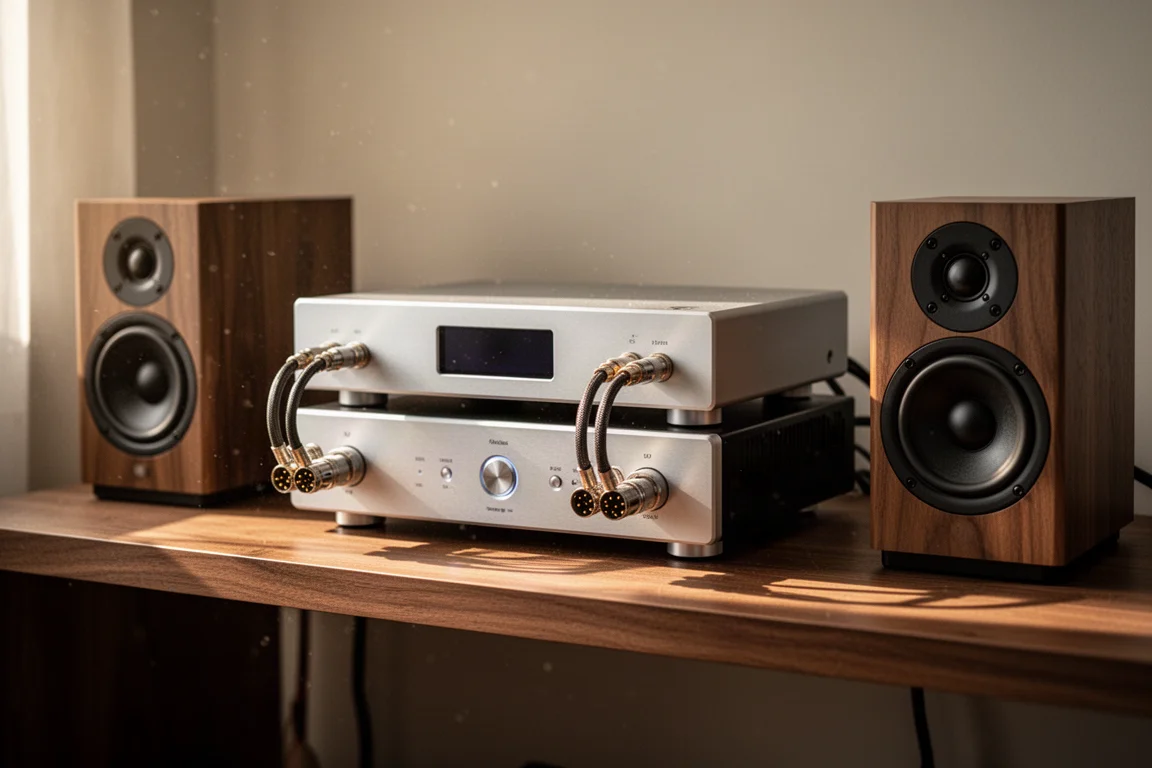
That focus is deliberate rather than accidental. Topping’s own 90-series digital-to-analog converters use the same balanced connection scheme, so the amplifier is designed to sit in a system built around that ecosystem. Buyers coming from single-ended gear need to solve that problem before they buy, not after.
Main Strengths
Topping rates the LA-90 at 90 watts per channel into 8 ohms at 1% THD and 110 watts per channel into 4 ohms at 10% THD, with lower output figures at tighter distortion limits. Bridged into mono it is rated at 220 watts into 8 ohms at 10% THD. Those are credible numbers from a company that publishes measurements rather than adjectives, and they are enough for most stand-mount and moderately sensitive floorstanding speakers.
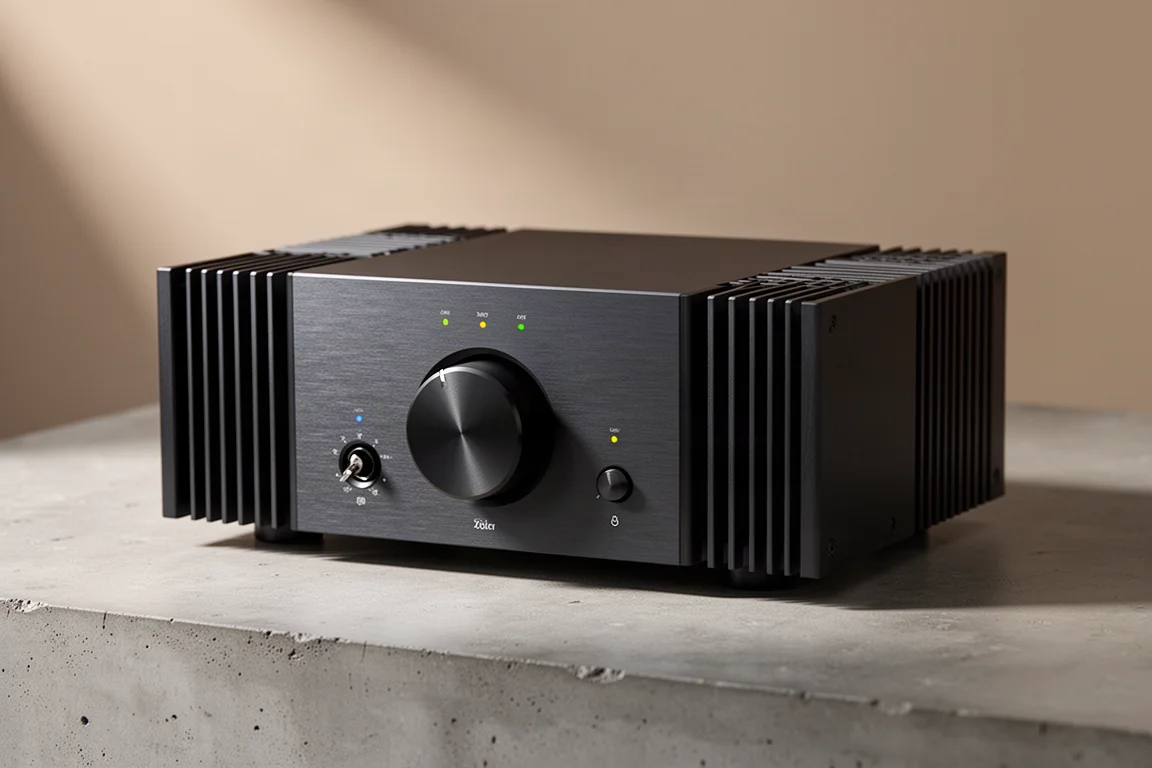
The physical design is straightforward and well executed. A large volume knob sits at the centre of the front panel, with a rotary selector for the three analog inputs that doubles as the power switch, and three small LEDs to show which input is active. The flanks are given over to heat sink fins that look plain but match the rest of the brand’s lineup.
The rear panel is where the flexibility lives. Alongside the three balanced inputs and the speaker outputs there are DIP switches for fixed or variable volume, stereo or mono operation, and a choice of low or high gain. A 12-volt trigger input is provided for system integration, and power arrives through a three-pin connector.
Sound Quality and Presentation
The LA-90’s defining quality is cleanliness. The soundstage is wide and the imaging is precise, with instruments locked into place rather than smeared across the middle. There is a fullness and body to the presentation that is not always present in amplifiers at this price, and it gives lean-sounding speakers a bit more weight.
Vocals come through with unusual clarity and sit slightly forward of where many competing amplifiers place them. The top end is relaxed rather than bright, but it does not lose detail in the process, which is a difficult balance to strike.
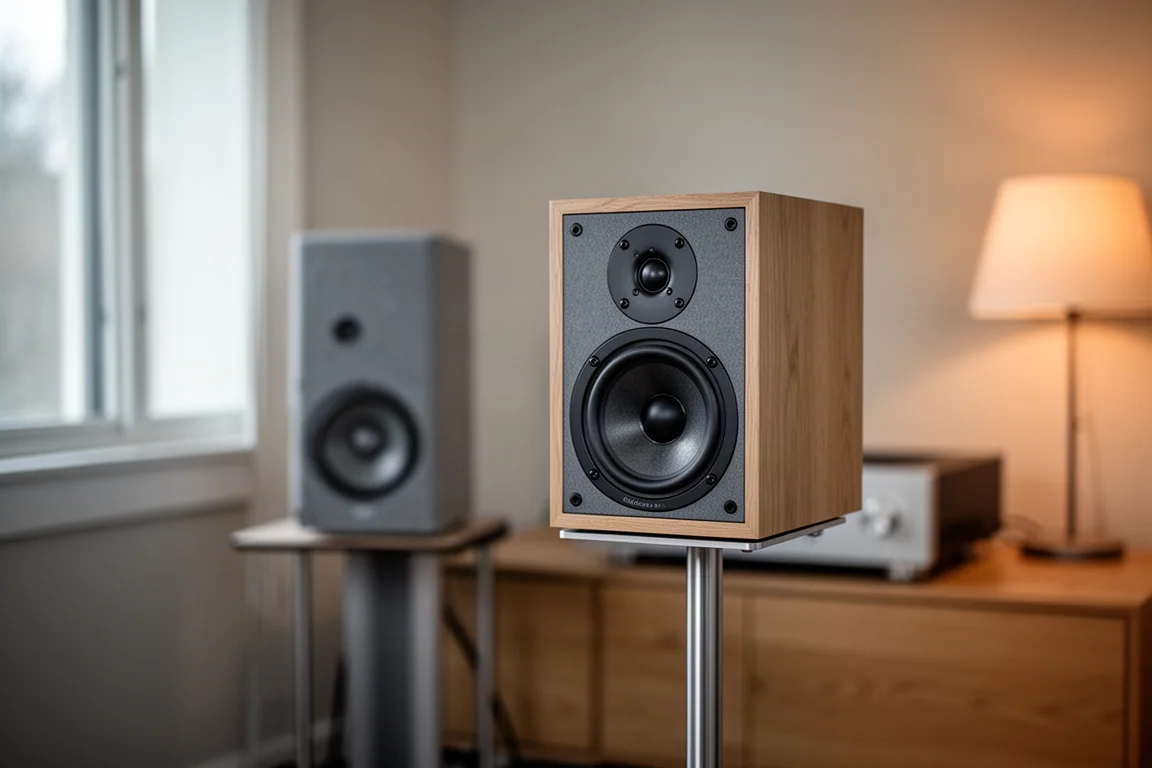
Instrument separation is a particular strength. Complex passages stay legible, and the amplifier never sounds as though it is working hard to keep them that way.
Balanced-Only Connectivity
The three analog inputs accept TRS or XLR connectors only. There are no single-ended RCA inputs anywhere on the amplifier, and that single decision shapes almost everything about who should buy it.
Topping’s reasoning is not hard to infer. Balanced connections reject noise, and the LA-90’s external supply appears to be designed around that approach. The company also offers a Class D amplifier, the PA5, built on a Texas Instruments TPA3255 chip, which takes the same balanced-only route and uses a comparable power supply connection. The pattern suggests a deliberate design philosophy rather than an oversight.
The practical consequence is real, though. If your source is single-ended, you cannot simply plug it in.
Things to Consider Before Buying
Two things deserve serious thought before ordering.
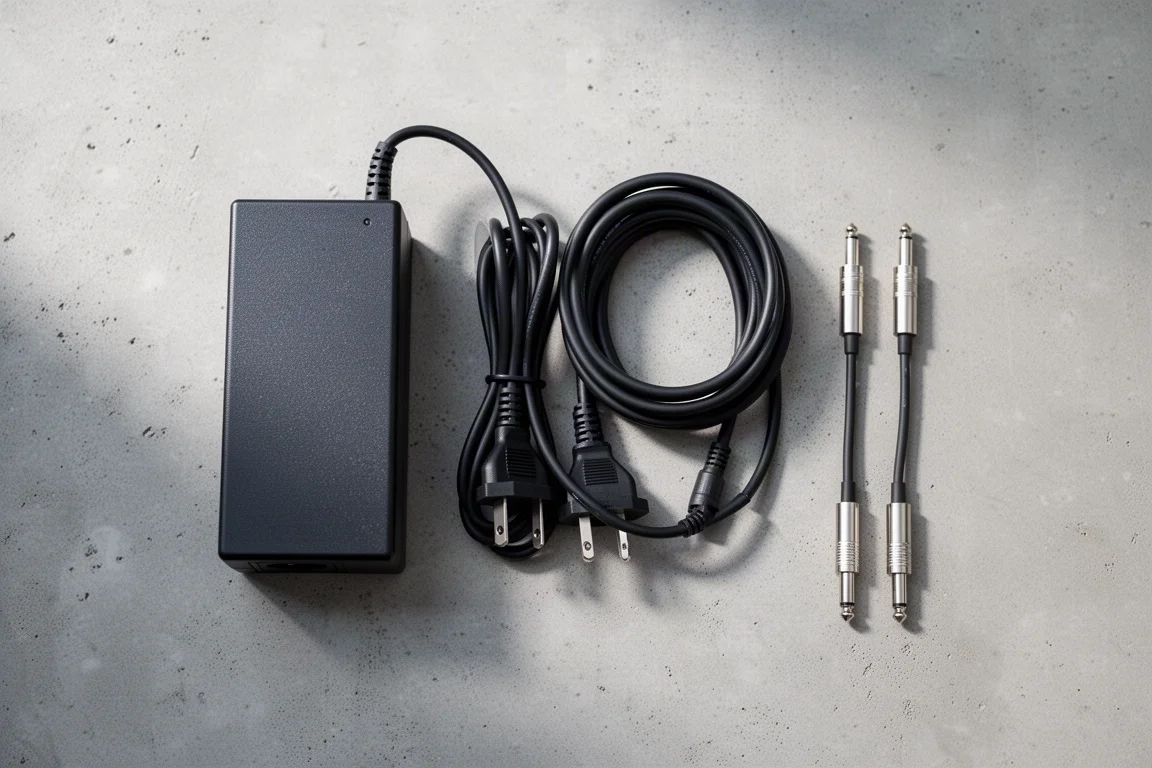
The first is the power supply. The LA-90 has no internal supply. Instead it ships with a large external brick rated at 64 volts, and it is genuinely bulky. Buyers who dislike external power supplies should look elsewhere, because there is no way around this one.
The second is source compatibility. With no RCA inputs, single-ended listeners need a converter or switcher, or a preamplifier that accepts RCA and outputs balanced. A balanced preamp such as the Schiit Freya S, which sits around $600, is one route, but it adds cost on top of the amplifier.
Bridging also has limits. In mono mode the amplifier should be used with 8-ohm speakers. A 6-ohm load may work, but a 4-ohm speaker that dips below 4 ohms is not a sensible match in bridged operation.
How It Compares With Other Amplifiers
The natural comparisons are the Emotiva A1 monoblocks and the Schiit Vidar, both of which were on hand during listening. Those two were connected through their single-ended inputs, while the LA-90 ran balanced.
Against the Vidar, the differences were subtle but consistent. The Vidar sounded a little more energetic in the treble, while the LA-90 offered more vocal clarity and more fullness in the low end. Both are capable amplifiers, and the choice comes down to whether you want a touch more sparkle up top or a denser, more articulate midrange and bass.
The LA-90’s advantage is its transparency. It does not add much of its own character, which makes it a strong foundation for a system built around a balanced source.
Buying Advice
The LA-90 is worth its $900 asking price for the right listener, and that qualification matters.
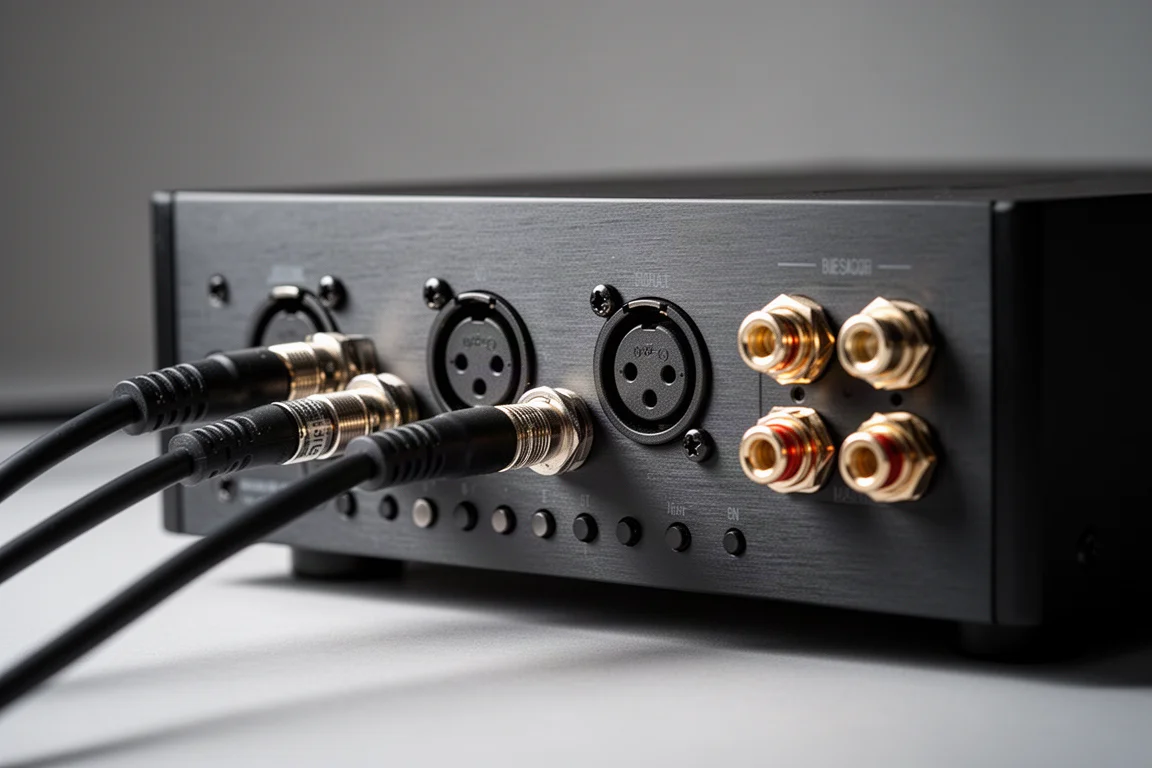
If you already own a balanced DAC with volume control, or a balanced preamplifier, the amplifier slots in with no friction and delivers performance that is hard to match at the price. If your system is single-ended, budget for the extra hardware needed to make the connection, and factor that into the total cost before you commit. Buyers who want a conventional amplifier with RCA inputs should look at other options.
Conclusion
The Topping LA-90 is a focused product. It delivers exceptional clarity, precise imaging, and a full-bodied sound, and it asks buyers to commit to a balanced signal chain in return. For listeners already set up that way, it is an easy recommendation. For everyone else, the missing RCA inputs are a genuine obstacle rather than a minor inconvenience.
Product link
View more details for Topping LA-90
This product is mentioned in the review. Check the specifications, options, and compatibility before buying.
View more details for Topping LA-90Further reading
Related Reviews
Hi-Fi Amplifiers
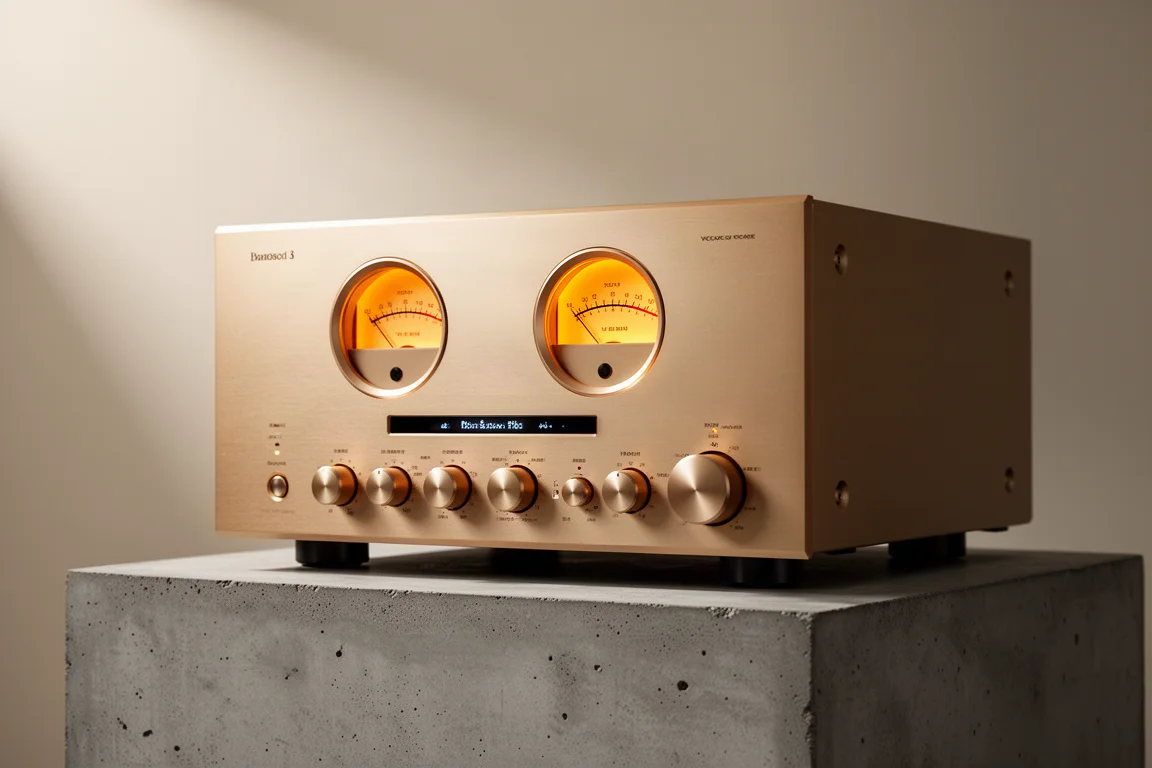
Accuphase E-280 Review: Entry-Level Accuphase With Flagship Attention to Detail
A close look at the Accuphase E-280 integrated amplifier, covering its champagne build, AAVA volume control, sound quality, and the speakers and sources that suit it best.
Hi-Fi Amplifiers
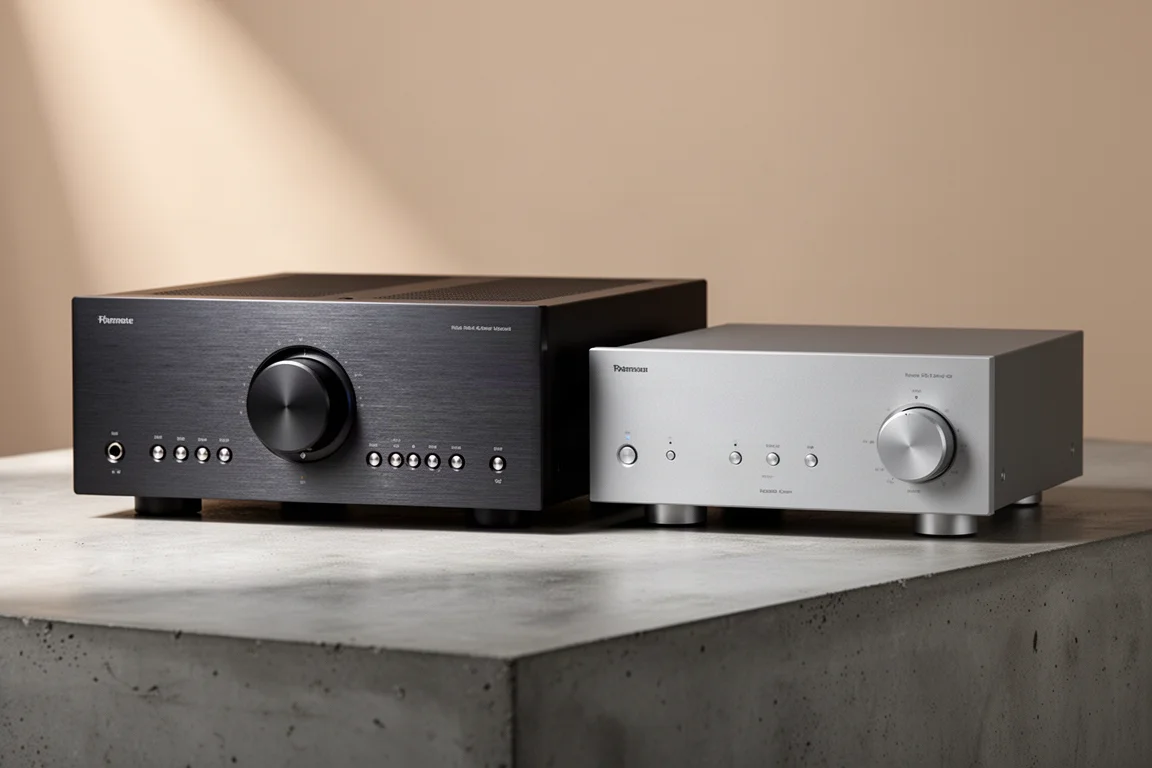
Advance Paris A10 Classic vs Yamaha A-S301: Two Integrated Amplifiers Compared
A practical comparison of a $350 integrated amplifier and a $2,500 reference model, covering the differences that matter and the ones that do not.
Hi-Fi Amplifiers
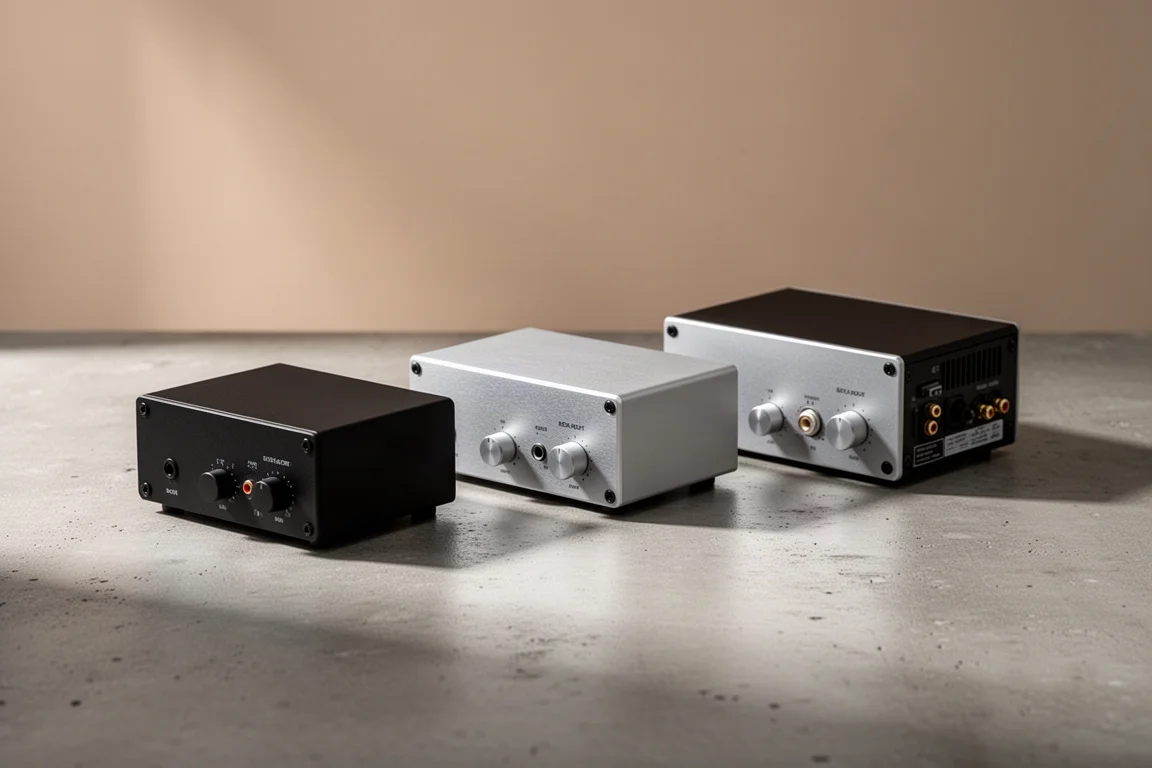
Affordable Chinese Amplifiers Worth Buying: Five Budget Hi-Fi Amps Compared
A practical look at five affordable amplifiers, what each one does well, and the trade-offs to weigh before you buy.