Hi-Fi Audio
Topping D70 Octo Review: Eight DAC Chips at a $599 Price Point
A compact stereo DAC with eight separate flagship chips, a neutral and detailed sound, and a wide, precisely imaged soundstage for around $599.
Introduction
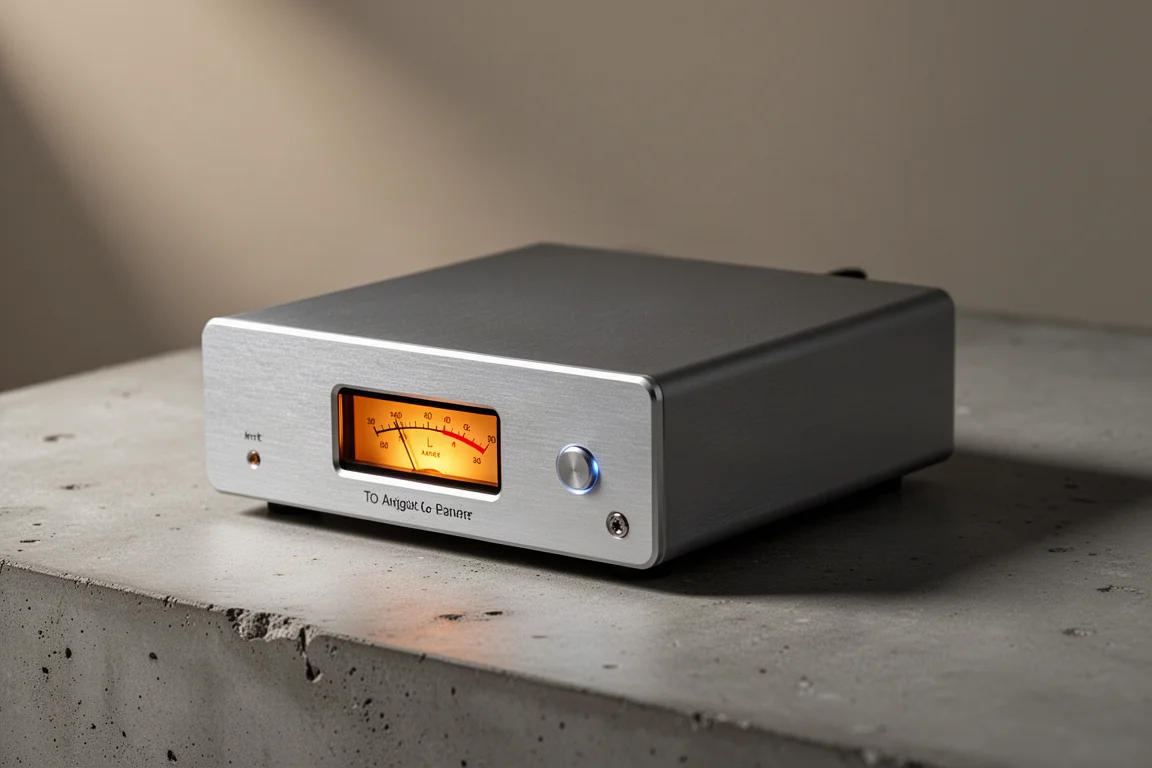
The Topping D70 Octo is a compact stereo DAC priced at $599, and its headline specification is unusual for the money: eight physically separate flagship DAC chips, all working on a two-channel signal. That approach is normally reserved for far more expensive converters, and the result here leans detailed, neutral, and open rather than warm or colored.
For listeners who want their DAC to stay out of the way, that combination is genuinely appealing. It is also why the D70 Octo invites comparison with converters costing several times as much.
Who This DAC Is For
This is a DAC for listeners who want a revealing, neutral source rather than a warm one. If the character you like already lives in your amplifier and speakers, the D70 Octo is designed to let that character through instead of adding its own.
It also makes sense for anyone curious about the finesse and nuance often associated with ladder-style converters but not ready to spend thousands. The D70 Octo is not a ladder DAC, yet it gets close to that kind of information retrieval at a fraction of the price.
It is less suited to listeners who want a rich, thick, warm presentation, or who plan to lean on its built-in preamplifier as the heart of a system.
Eight DAC Chips in a Stereo Design
The Octo name refers to the chip count, not the channel count. This is a stereo DAC. All eight chips are dedicated to the left and right channels rather than to surround or multi-channel playback.
Running multiple converter chips per channel is a known technique for pushing noise and distortion below what a single chip can achieve alone, because paralleling converters averages out part of the error. Some expensive designs reach a similar result with one multi-channel chip whose outputs are summed into stereo. The D70 Octo takes the more literal route and uses eight separate physical chips.
Is that overkill for a two-channel signal? Arguably, yes. Overkill is also the running theme in high-end audio, and what stands out here is that this level of component count appears in a unit priced at $599.
Sound Quality: Detail, Neutrality, and Open Space
The D70 Octo sounds detailed, neutral, and balanced, with a level of nuance in the high frequencies that is rare below $1,000. The presentation is open rather than constricted, which is a meaningful change from the drier, more closed-in character that some affordable DACs from the same manufacturing region have shown in the past.
Imaging is a particular strength. The soundstage is wide and reasonably deep, and instruments and vocals sit clearly spotlit within it, so placing individual elements is straightforward. The background is also extremely quiet, the darkest of the comparison units here, which helps low-level detail come through.
Bass is quick and punchy with good attack and dynamic range, though it is not as textured or as warm as some alternatives. Bass quantity and texture land close to the far more expensive Denafrips Venus 15th Generation rather than to a warmer, thicker sound.
Connectivity, Features, and Controls
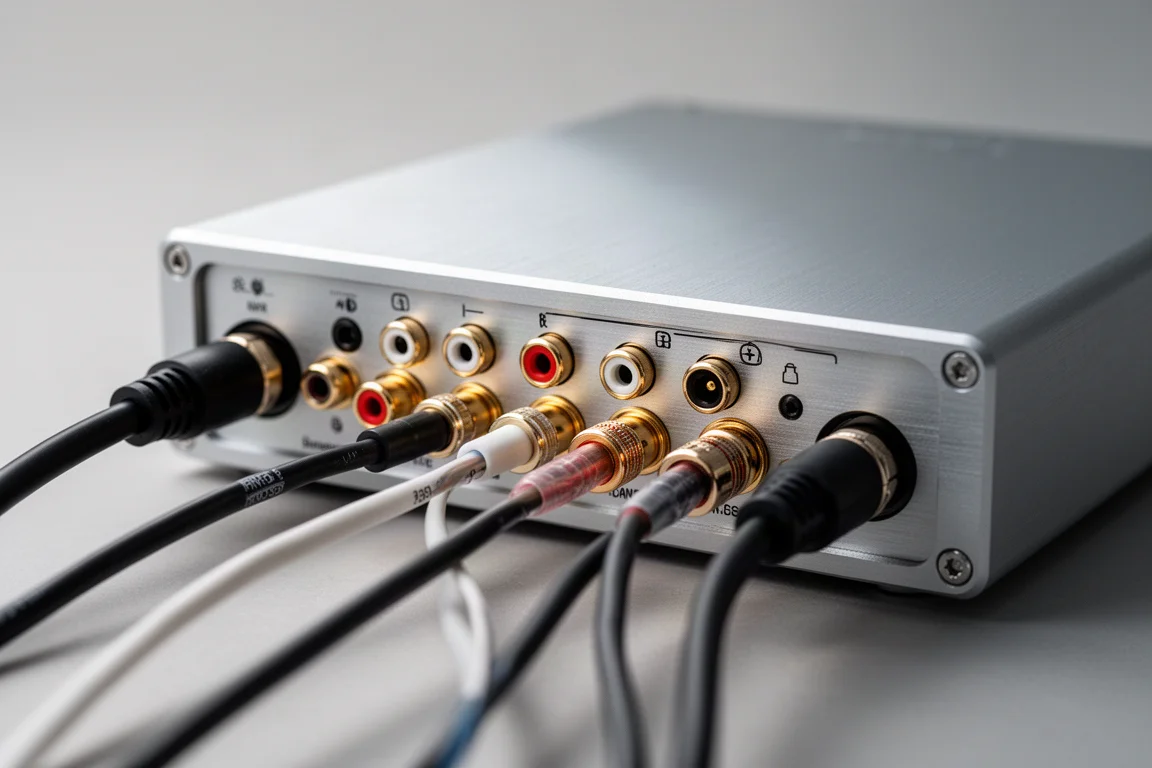
The rear panel covers the essentials and then some: dual XLR outputs, single-ended RCA outputs, coaxial and optical inputs, USB, and AES. There is also Bluetooth with a screw-on antenna for convenience. USB is the input to use if you want the highest resolution the unit can accept.
A remote is included, and the D70 Octo can also act as a preamplifier with adjustable volume. In practice, the fixed-output DAC setting is the better choice for maximum fidelity; the volume stage is most useful when feeding active studio monitors over XLR, where it behaves acceptably. The front display is sharp and can show volume, a VU meter, or an FFT view, and there are nine digital filter settings plus a channel balance adjustment that helps correct asymmetrical speaker placement.
One setting worth knowing about is the balanced output level. The unit can output 5V instead of the usual 4V, and the published measurements are taken at 5V, where the numbers look better. The default is 4V, and 4V is the safer recommendation for most systems, since the audible difference between the two is not meaningful.
How It Compares to More Expensive DACs
Against the PS Audio StellarGold DAC, the D70 Octo takes a different path. The StellarGold has a robust, meaty low end and a warmer, more textured bass presentation that remains a favourite for grip and body. The D70 Octo counters with a more open soundstage, sharper imaging, and a quieter background.
Against the Denafrips Venus 15th Generation, the gap narrows considerably. The Venus costs around $4,000, roughly 6.7 times as much, and yet the D70 Octo delivers an estimated 85 to 90 percent of its sonic performance and a similar overall character, including that finesse and detail retrieval. What the more expensive unit still brings is a larger chassis, a far more substantial power supply, and the last 10 to 15 percent of spaciousness and refinement.
Things to Consider Before Buying
Build quality is typical for this class of compact DAC, and the price reflects that. The chassis is small and light rather than heavy and inert.
The preamplifier section is the weakest part of the package. Used strictly as a fixed-output DAC, the D70 Octo performs at its best; used as a DAC and preamplifier together, it gives up some quality.
The nine filter options make only subtle differences, and the display color is fixed rather than adjustable. The 5V output setting can also cause problems in some systems, which is another reason to leave it at the default 4V.
Buying Advice
At $599, the D70 Octo is a straightforward recommendation for a neutral, detailed, and revealing source. Set it to fixed output, connect over USB, and let it feed a preamplifier or integrated amplifier you already like. That is where it makes the most sense.
If you are chasing the final measure of soundstage space and refinement, or you want a heavier chassis and a larger power supply, the more expensive options remain a step ahead. For everyone else, including listeners moving up from a warm, forgiving budget DAC, the D70 Octo delivers a substantial lift in clarity without tipping into a dry, clinical sound.
Conclusion
The Topping D70 Octo takes an overkill approach to a two-channel DAC and turns it into a genuinely musical result. It is neutral and detailed without sounding thin, its imaging is precise, and its noise floor is exceptionally low. At $599, it earns its place on a desktop or in a main system, and it makes the case that the law of diminishing returns starts earlier than the price tags suggest.
Product link
View more details for Topping D70 Octo
This product is mentioned in the review. Check the specifications, options, and compatibility before buying.
View more details for Topping D70 OctoFurther reading
Related Reviews
Hi-Fi Audio
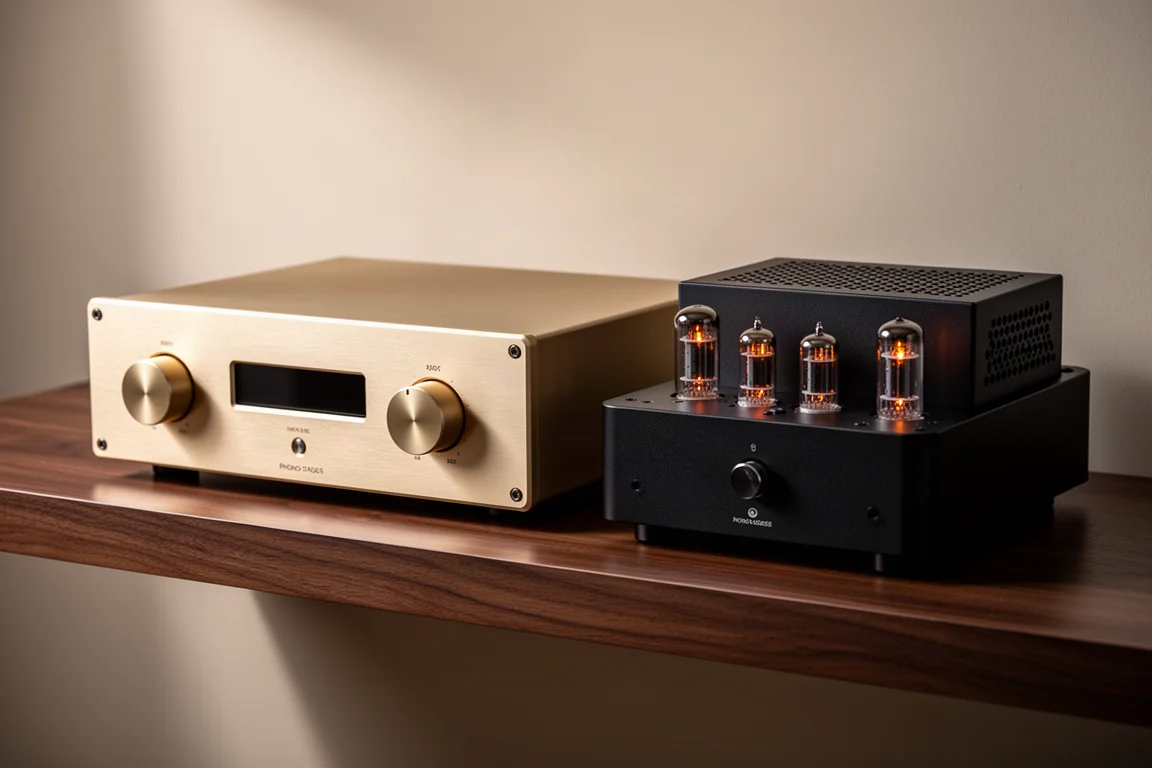
Accuphase C-57 vs Allnic H-7000V: Two High-End Phono Stages Compared
A fully balanced solid-state phono stage with a pitch-black noise floor meets a tube design built for well-loved records. Here is how to choose between them.
Hi-Fi Audio
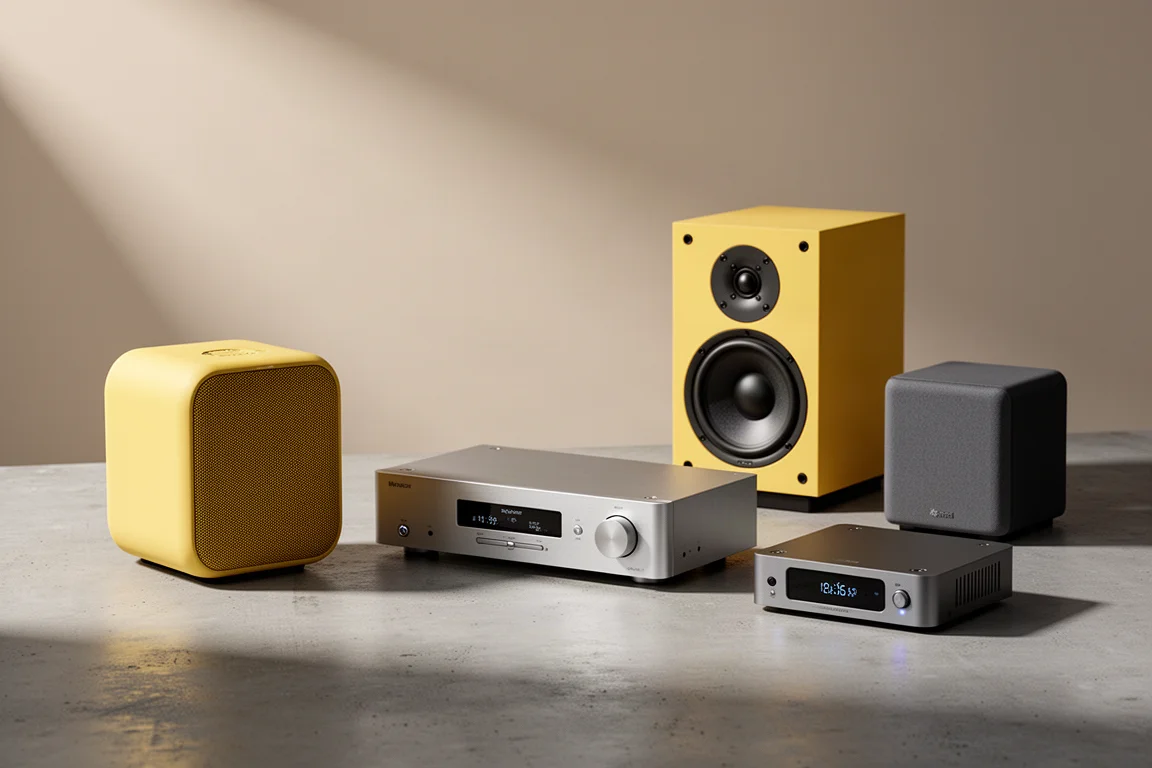
Active vs Passive Hi-Fi: Five Components for a Modern System
Five components that define modern active and passive hi-fi systems, with the strengths, trade-offs and setup details worth weighing before you buy.
Hi-Fi Audio
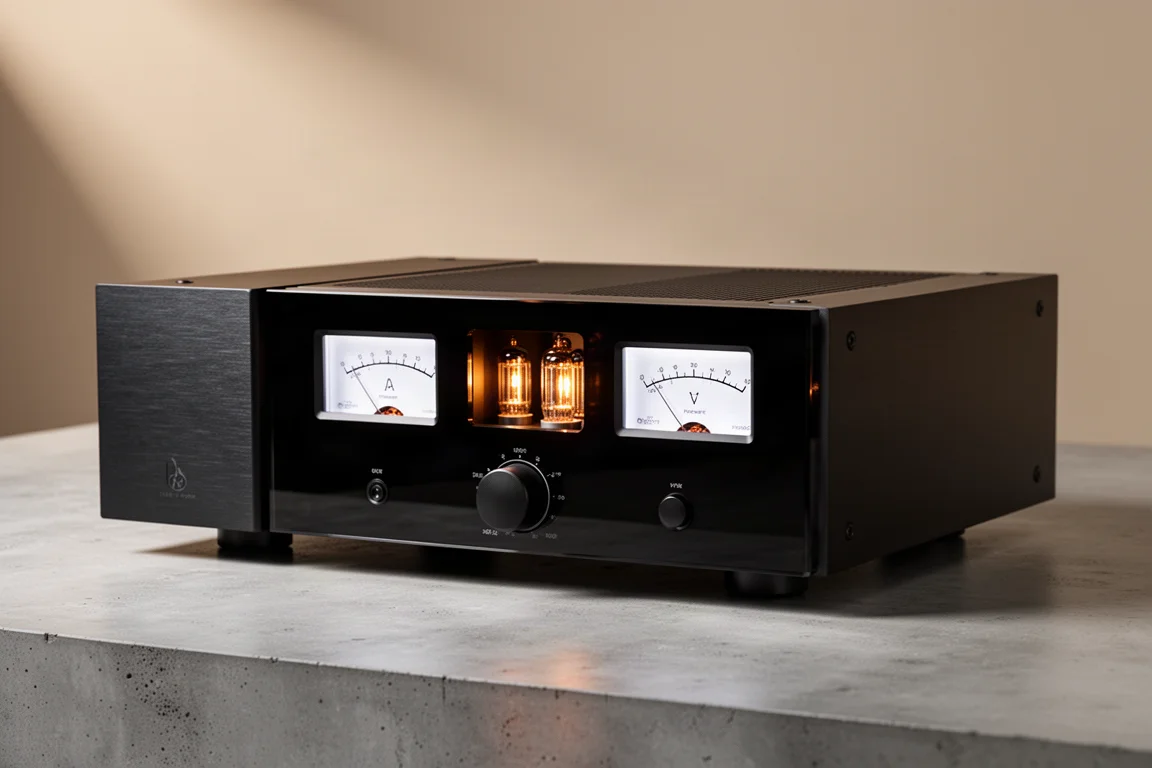
Advance Paris A10 Apex Review: A Hybrid Integrated Amplifier That Covers a Lot of Ground
A French hybrid integrated amplifier with a class A tube preamp stage, analogue power meters, and an internal DAC and phono stage good enough to make extra boxes unnecessary.