Desktop Audio
Topping D50 III vs SMSL SU-1, Geshelli Labs J2, and SMSL SU-X: Compact DAC Comparison
A four-way look at compact desktop DACs, from the budget SMSL SU-1 to the premium SMSL SU-X, and where the Topping D50 III lands between them.
Introduction
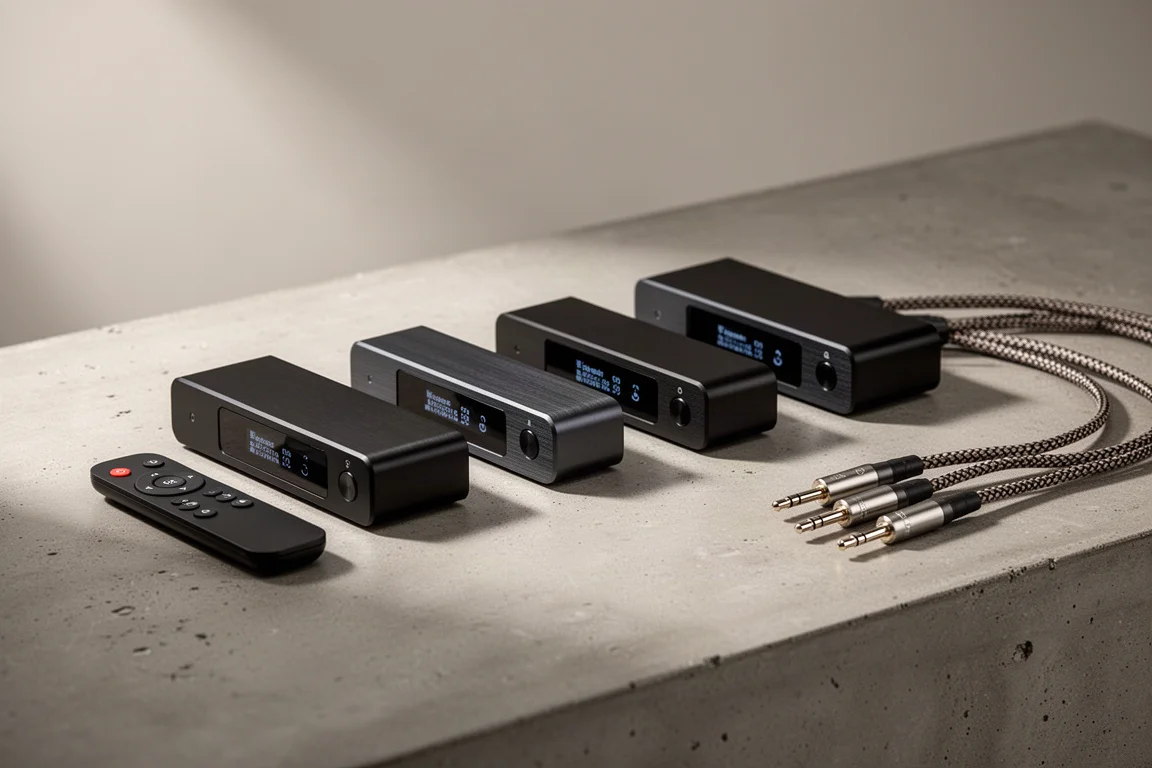
Compact desktop DACs have quietly become one of the best value upgrades in desktop audio. This comparison covers four converters at very different price points: the Topping D50 III, the SMSL SU-1, the Geshelli Labs J2, and the SMSL SU-X. The point is to show where extra spending actually shows up in sound and features, and where it does not.
The Topping D50 III sits at the centre of the group. It is a small, feature-dense DAC with a dual-chip conversion stage, a remote control, and variable output, priced at roughly $230. Around it sit a budget benchmark costing about a third as much, a mid-priced alternative with a different sonic signature, and a premium model priced at several times more.
What to Look For in a Compact Desktop DAC
Before comparing sound, it helps to separate the features that change how a DAC fits into a system from the ones that only change a spec sheet.
The most consequential feature is variable output. A DAC with volume control can feed a power amplifier directly, which means you can skip a preamplifier entirely. That matters most for all-digital setups where no analog source needs to be switched.
Input flexibility is the second factor. Optical and coaxial inputs cover televisions, streamers, and disc players, while USB-C covers computers. Bluetooth is a convenience layer rather than a critical one, and on a small unit it is best treated as a bonus rather than a reason to buy.
Power design is the third. A DAC that runs from a standard 5V USB supply can be fed from a power bank, which gives you an option that fixed-voltage designs do not offer.
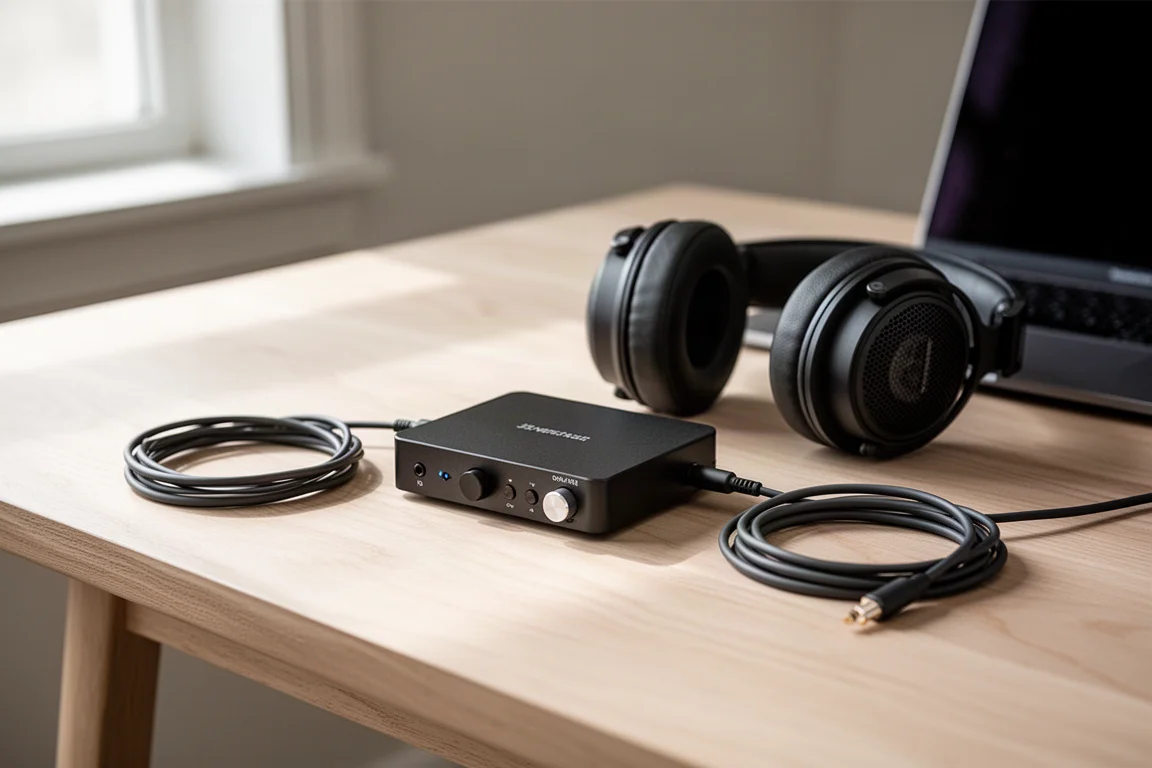
Finally, consider app support. Some converters expose EQ profiles and filter settings through a companion application, and those features are only as useful as the platform support behind them.
Topping D50 III: Design, Features, and Sound
The Topping D50 III is a genuinely small desktop DAC. It uses two ES9038Q2M converter chips, one for the left channel and one for the right, a design that delivers a higher signal-to-noise ratio, wider dynamic range, and lower distortion than the earlier D50s.
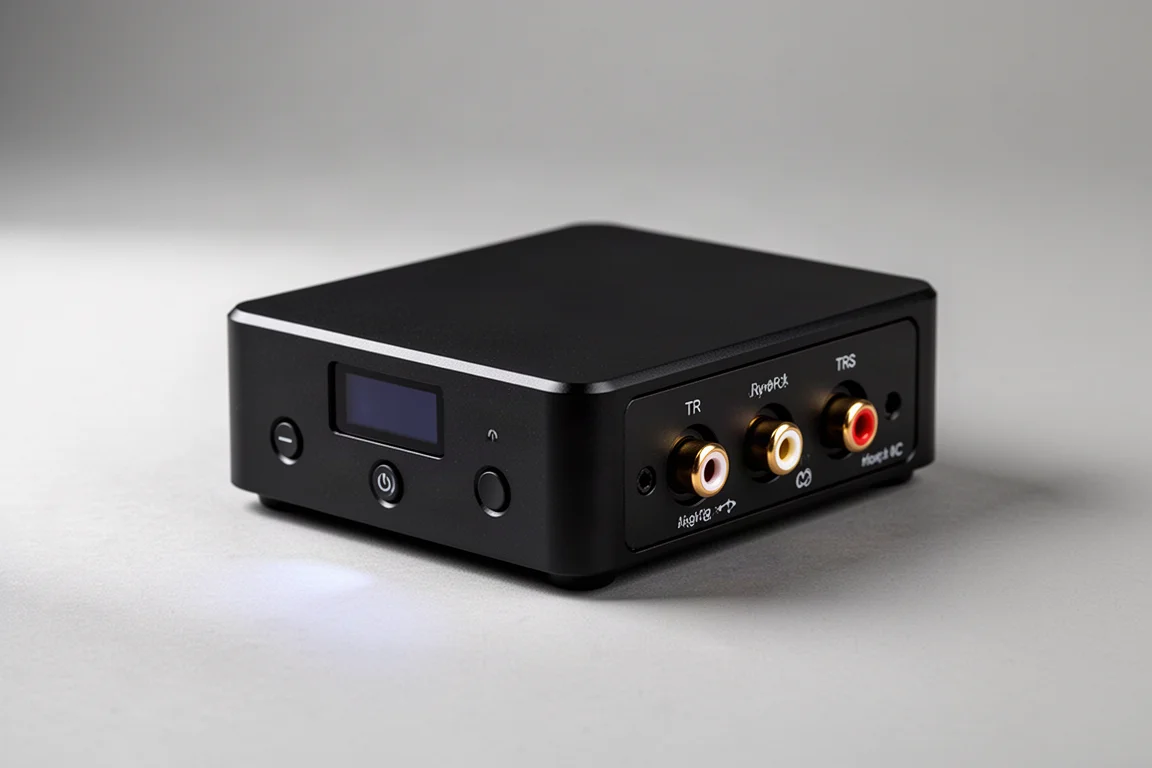
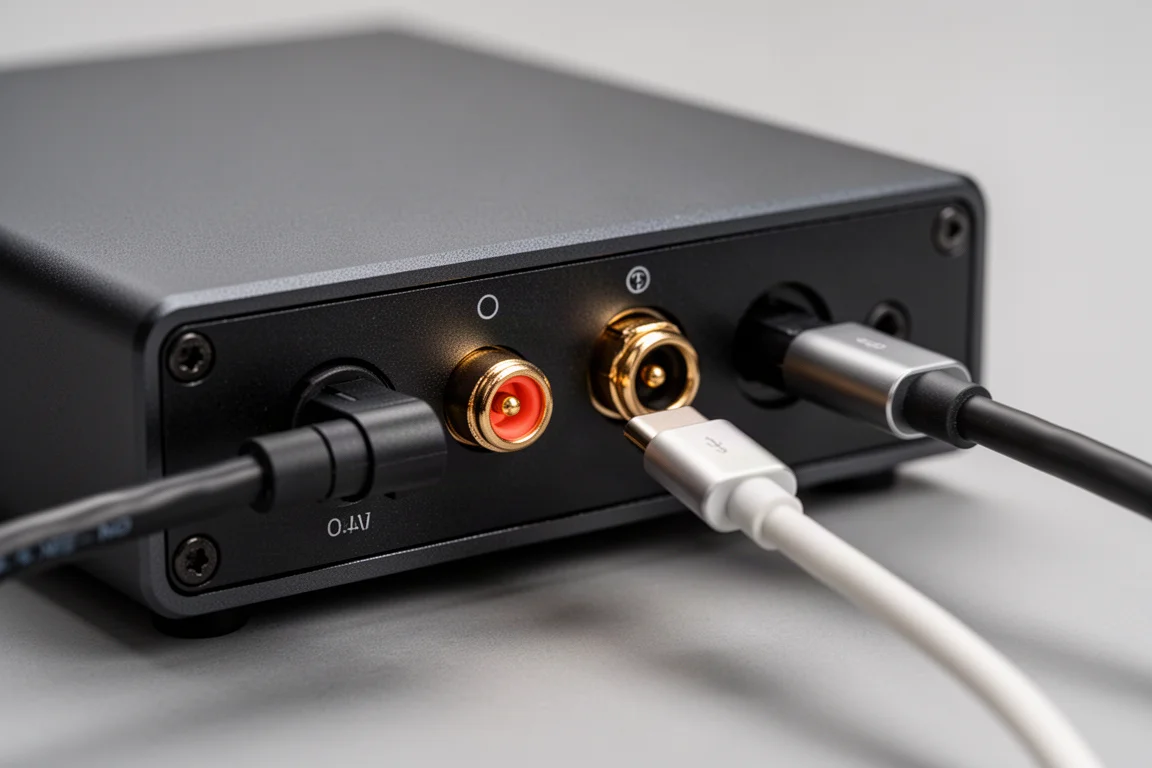
Around the back the layout is straightforward. You get balanced outputs on TRS connections, a pair of single-ended RCA outputs, coaxial and optical inputs, and a USB-C input. Balanced connection requires a pair of TRS cables rather than XLR. Power arrives through a separate 5V USB connection, so the unit can be run from a power bank if you want to experiment with a battery supply.
The front display is very small. It is usable up close but not from across a room, which is worth knowing if you plan to use the built-in Bluetooth LDAC. A remote control is included, and the D50 III supports variable output, so volume can be adjusted from the remote or from a small joystick on the unit itself.
That joystick also opens a settings menu with eight filter rolloff options, covering minimum phase, linear phase, fast and slow rolloff, apodizing, and low dispersion variants. EQ profiles can be loaded through the Topping Tune application, although the download is currently Windows only, which limits that feature for Mac users.
On sound, the D50 III is balanced and clean with a noticeably analog character. The bass is articulate, punchy, and controlled, the top end is believable, and timbre holds together well through the midrange. It is not the last word in spaciousness, but it is easy to listen to for long stretches.
SMSL SU-1: The Budget Reference
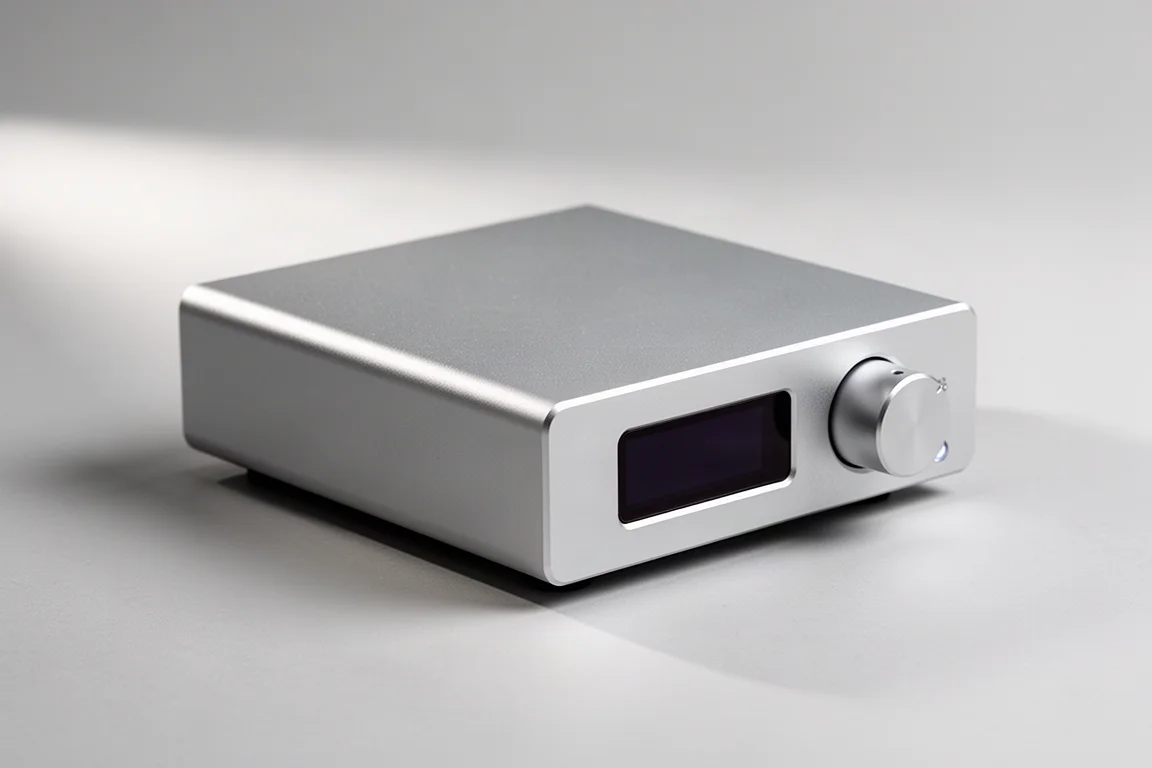
The SMSL SU-1 costs roughly $70 to $80 depending on whether it is on sale, and it uses an AKM 4493 converter chip. For the money it delivers a lot of dynamics, and it remains one of the strongest value propositions in desktop audio.
Its character is brighter than the D50 III. The upper midrange and treble carry more energy, which can read as extra detail at first but comes across as slightly less natural over longer listening. The low end has plenty of drive, with a touch of smearing that the D50 III avoids.
What makes the SU-1 notable is that spending more does not automatically buy a better-sounding DAC. This unit holds its own against considerably more expensive converters and stays the sensible starting point for anyone building a first desktop system on a tight budget.
Geshelli Labs J2: Soundstage and Nuance
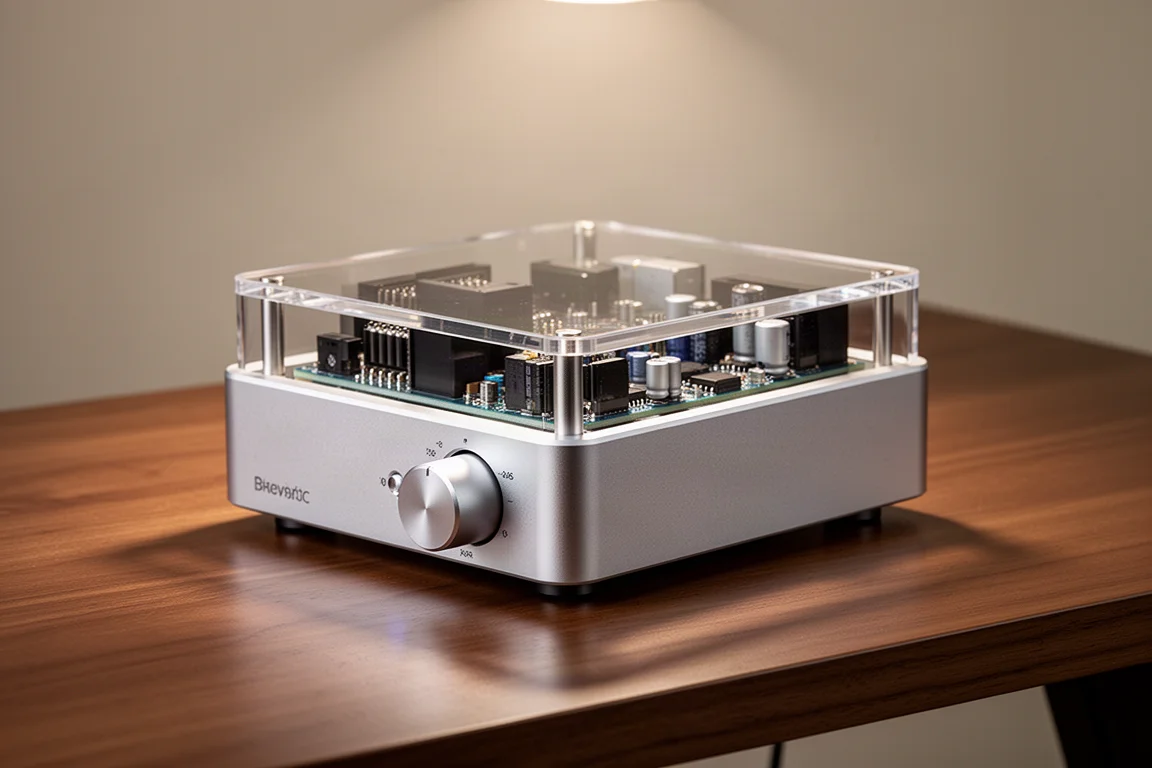
The Geshelli Labs J2 sits at roughly $250 in the configuration compared here, which puts it within a small margin of the Topping D50 III. The version in question uses an ES9026 Pro converter chip, and the J2 is also offered in a lower-cost non-socketed form and in an AKM 4493 version.
Its strengths are spatial. Soundstage and imaging are more convincing than the D50 III, with a better sense of three-dimensional space. Through the midrange it handles vocal nuance more delicately, which is the kind of difference that shows up over a full album rather than a single track.
The D50 III counters with more low-end dynamic punch through headphones, although that particular difference is harder to hear on speakers. The Topping also has the more laid-back presentation of the two, which some listeners will prefer for long sessions.
Buyers who do not need volume control may find the J2 the stronger choice at this price, particularly in the socketed version, which allows op-amps to be swapped later. The AKM 4493 version of the J2 should sit closer to the D50 III in bass weight and dynamics.
SMSL SU-X: Premium Price, Mixed Results
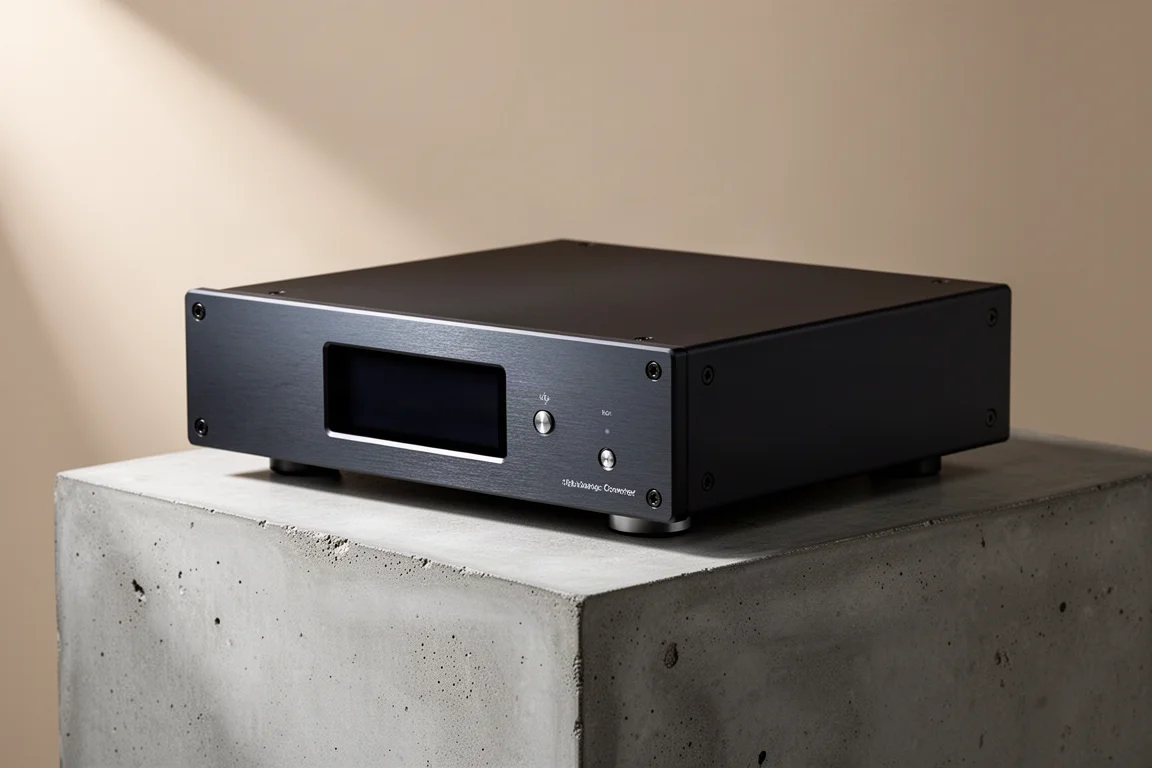
The SMSL SU-X sits at around $1,000, several times the price of the D50 III. Its detail retrieval is competent, but the top end is harsh, and the overall balance is less organic than the far cheaper Topping.
That is the useful lesson in this comparison. With DACs, a higher price does not guarantee a proportional improvement. Several lower-priced units here sound more natural than the SU-X, and the D50 III was the preferred option at roughly a quarter of the cost.
For anyone considering the SU-X, the practical advice is to hear it before committing, or to compare it directly against a cheaper converter in your own system. The premium price does not translate into an automatic step up in sound quality.
How the Four Compare on Value
Value here depends on what you already own.
The SMSL SU-1 is the entry point. At $70 to $80 it delivers strong dynamics and an energetic presentation, and it is the easiest recommendation for a first DAC.
The Topping D50 III, at around $230, adds variable output, a remote control, balanced TRS outputs, eight filter settings, Bluetooth LDAC, and a noticeably more natural tonal balance. That is a meaningful feature set for the money, and it is roughly three times the price of the SU-1.
The Geshelli Labs J2, at around $250, competes on soundstage, imaging, and vocal nuance rather than features. If volume control is not a requirement, it is a strong alternative, and the socketed version leaves room for op-amp upgrades later.
The SMSL SU-X, at around $1,000, is the outlier. Its detail capability is real, but the bright, harsh top end makes it difficult to justify against cheaper options that sound more balanced.
Buying Advice
Start with the question of volume control. If your setup is entirely digital and you want to drive a power amplifier directly, the Topping D50 III is the more flexible choice. Paired with a compact class-D amplifier it covers speakers, and a matching same-footprint headphone amplifier brings a full desktop stack in at roughly $430.
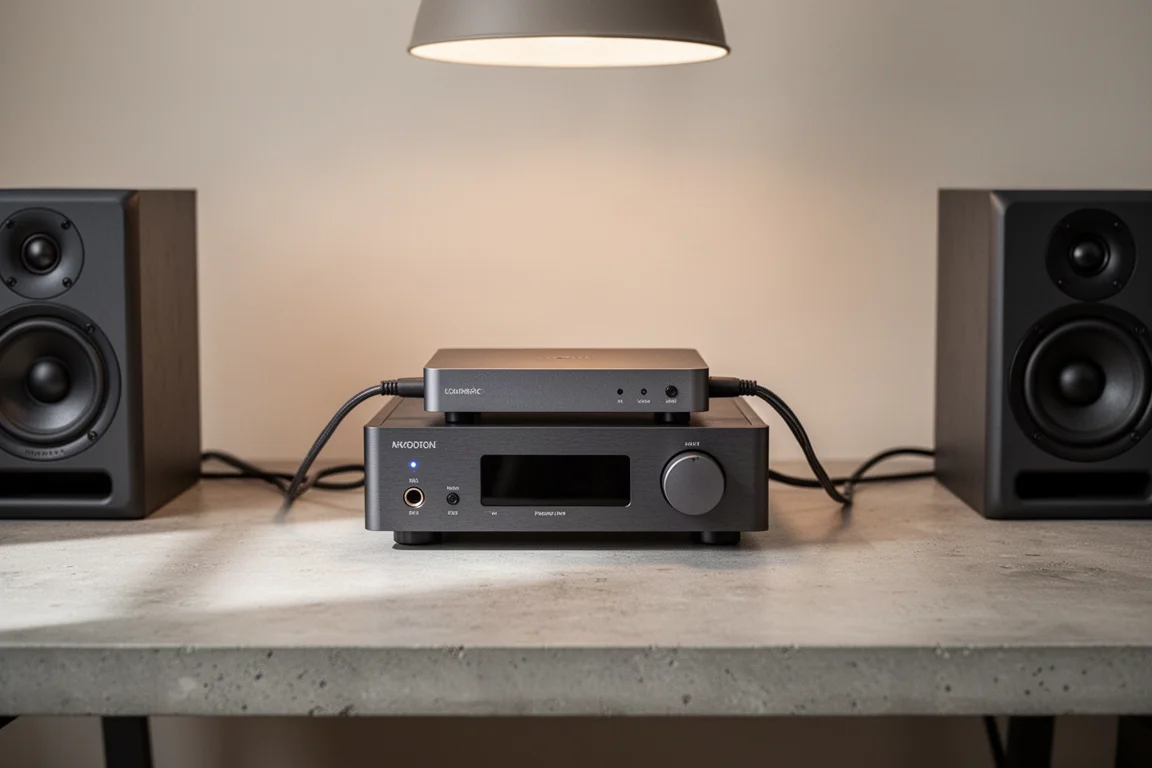
If you already have a preamplifier or an integrated amplifier with its own volume control, that requirement disappears and the decision becomes purely about sound. In that case the Geshelli Labs J2 deserves serious consideration for its soundstage and imaging, especially in the socketed version with the AKM 4493 chip.
If budget is the deciding factor, the SMSL SU-1 remains the value pick. It is not as refined as the D50 III, but at its price it is far from a compromise.
One practical workaround is worth noting. If you cannot use the Windows-only EQ application, an inexpensive network streamer with its own EQ app can add streaming, a ten-band EQ, or a parametric EQ without touching the DAC’s internal settings.
Conclusion
The Topping D50 III is a small, well-measured DAC with a feature set that punches above its price: dual ES9038Q2M converters, balanced TRS outputs, variable volume, a remote control, and eight filter options. Its tonal balance is clean and natural, and it is easy to recommend for all-digital desktop systems.
The SMSL SU-1 remains the budget benchmark, the Geshelli Labs J2 wins on spatial presentation and vocal nuance at a similar price, and the SMSL SU-X is a reminder that spending more does not guarantee a better result.
Further reading
Related Reviews
Desktop Audio
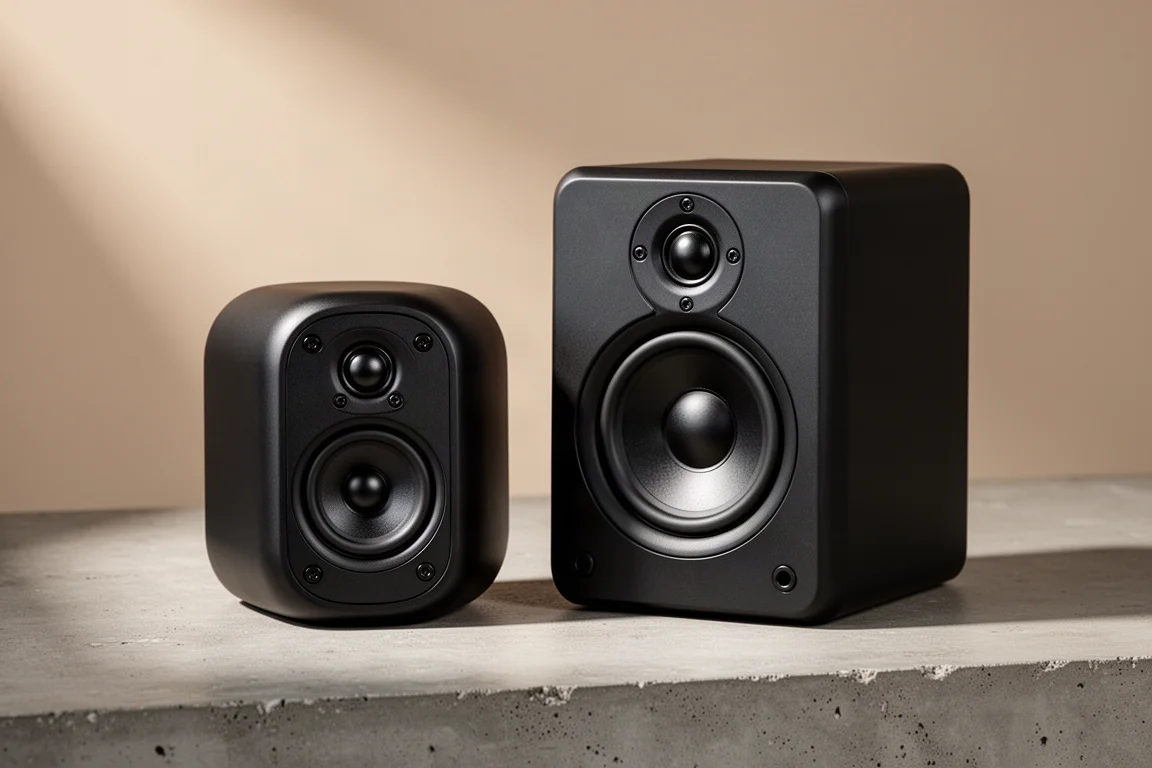
ADAM Audio D3V vs Kali Audio LP-UNF: Two $299 Desktop Monitors Compared
Two compact powered desktop monitors at the same price, compared on bass extension, linearity, placement settings, directivity, and realistic output limits.
Desktop Audio
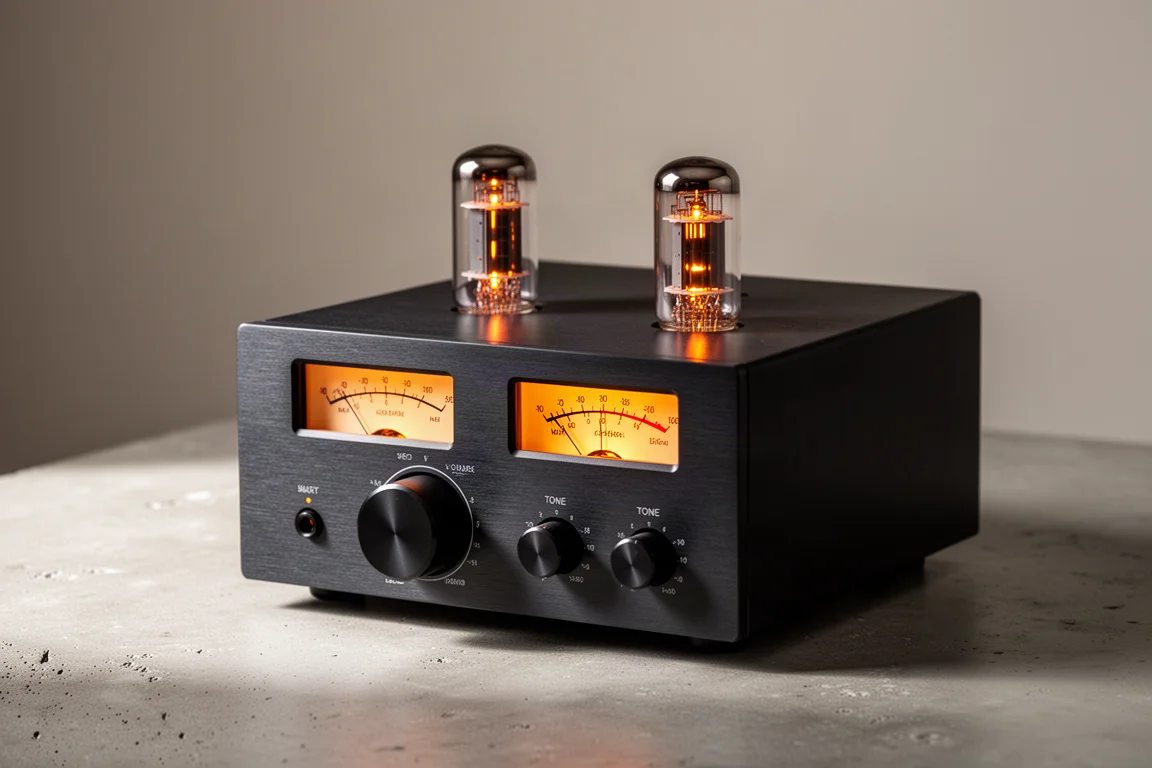
Aiyima T9 Review: A Compact Tube Desktop Amplifier With a Built-In DAC
A budget desktop amplifier that pairs class D power with two tubes, a full DAC section, Bluetooth, tone controls, and a working VU meter.
Desktop Audio
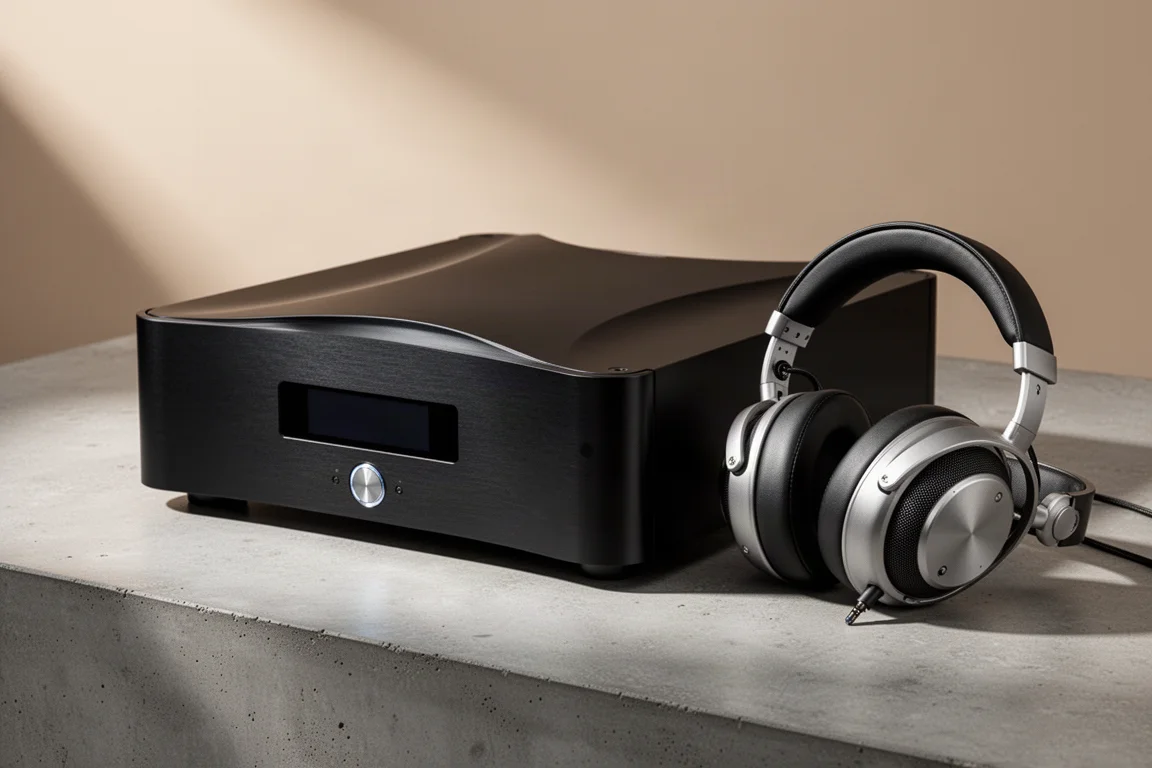
Aune S9c Pro Review: A Weighty Desktop DAC and Headphone Amplifier With Real Power
A desktop DAC and headphone amplifier with a linear power supply, dual Sabre converters and five watts of balanced headphone output. Here is what to weigh before buying.