Backpacking Gear
Top-Rated PCT Backpacking Gear: 12 Standouts and How They Suit Shorter Trips
The backpacking gear Pacific Crest Trail through-hikers favor most, with real-world strengths, trade-offs, and whether it suits shorter weekend trips.
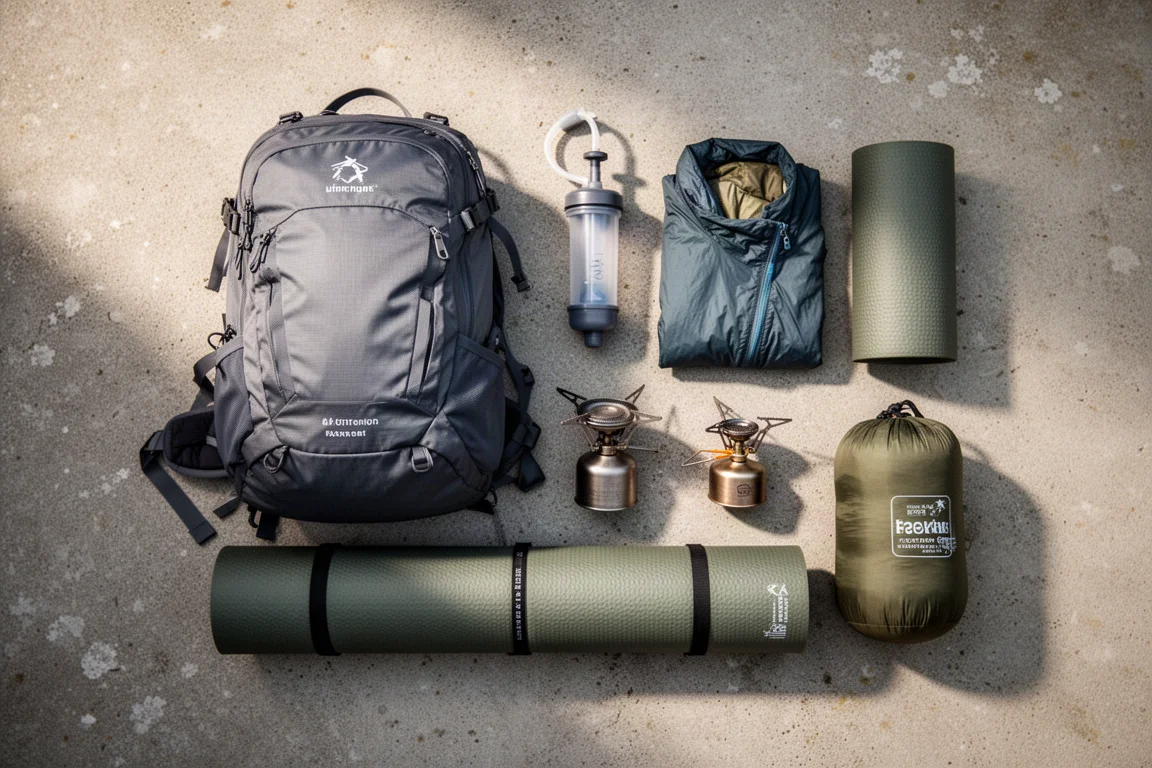
Introduction
Long-distance trails develop their own gear canon. Walk the 2,600-mile Pacific Crest Trail and you learn quickly which items survive months of daily use and which ones quietly get replaced along the way. That is why the equipment PCT through-hikers gravitate toward is worth a closer look, even if your own trips run three or four days rather than five months.
The open question is whether that gear is genuinely better or simply more specialized. Months of continuous walking reward low weight, easy field repairs, and features that save a few minutes every single day. A weekend trip rewards comfort, simplicity, and kit that works straight out of the car. Those two sets of priorities do not always point at the same products.
This guide covers the PCT favorites that stood out during field testing on hot, dry desert terrain, what each one does well, and where a more mainstream alternative may serve casual backpackers better.
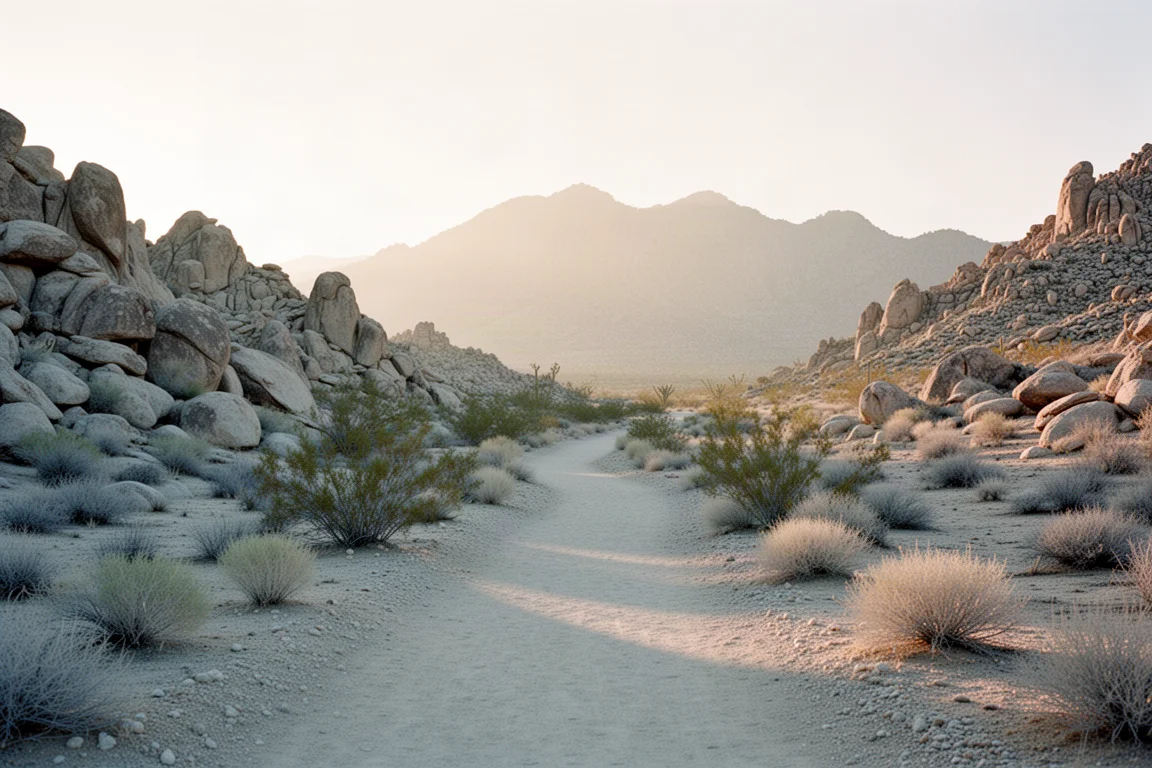
Twelve items are covered below: a pack, a water filter, a rain shell, a GPS watch, a satellite communicator, a tent, a canister stove, a down jacket, a sleeping pad, a sleeping bag, and two pairs of trail footwear. Each entry gives the practical case for the product and the honest caveats.
How These Picks Were Evaluated
Three things matter most when judging long-trail gear against everyday use. The first is whether the item solves a problem that actually comes up on a shorter trip. A water filter, a sleeping pad, and a stove earn their place on almost any itinerary. A satellite communicator or a hoodless sleeping bag is more situational.
The second is durability. Long-trail gear is often built to be light first and robust second, and some ultralight materials need more careful handling than most weekend backpackers expect.
The third is comfort, and this is where through-hiker favorites and casual backpacking diverge most. Gear tuned for efficiency can feel stripped down on a relaxed two-night trip, while a heavier, plusher item may simply be more enjoyable to use.
Atom Packs Mo: A Refined Ultralight Pack
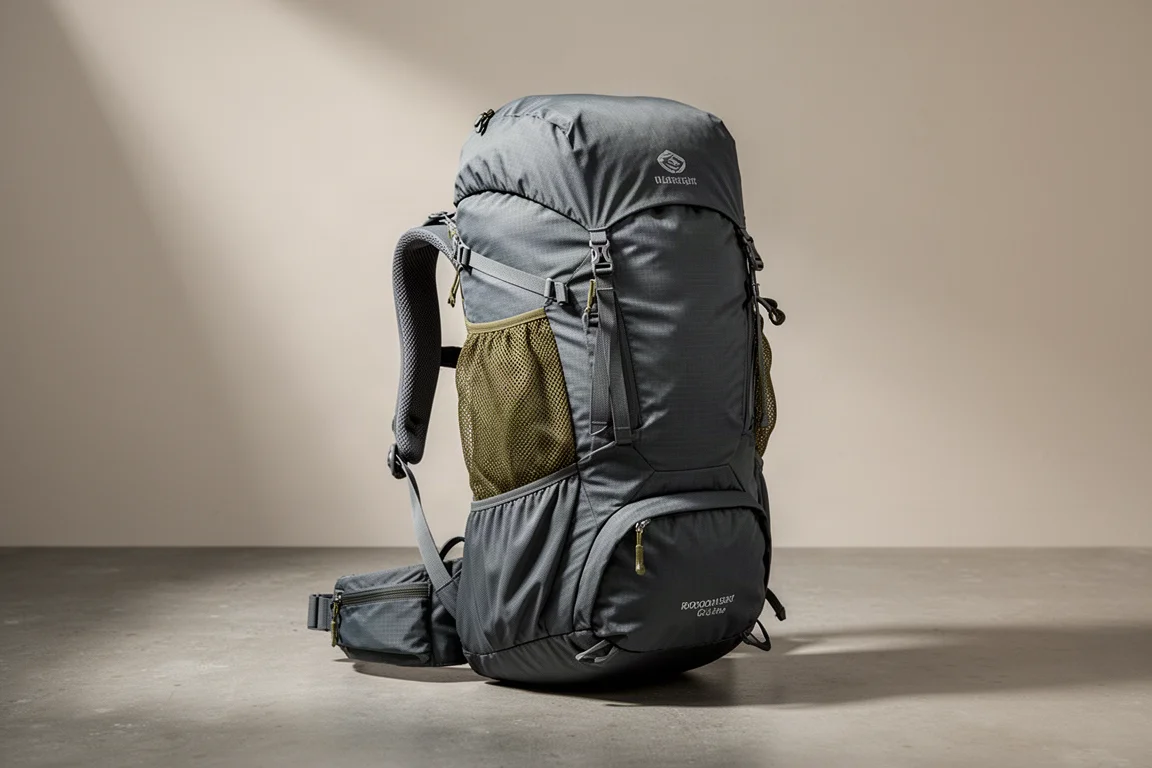
At first glance the Atom Packs Mo looks like a fairly plain ultralight pack, and in structure it is. What sets it apart is how carefully the details are executed. It sits comfortably against the back, carries weight well, and keeps the things you reach for during the day close at hand: a bottom pocket for snacks, a shoulder pocket for wrappers, a second shoulder pocket for a satellite communicator, and hip belt pockets for sunscreen and small electronics.
Access to the side pockets is the first test for any pack on a long, hot day. Even with limited shoulder flexibility and a short reach, a water bottle comes out of the side pocket easily and goes back in with a little more effort. It is a workable compromise rather than a deal breaker.
That kind of accessibility is the real argument for this pack over hundreds of miles. You stop less, eat more consistently, and keep moving. On a shorter trip it simply makes the day flow better.
Platypus Quick Draw: The Water Filter Most Backpackers Should Carry
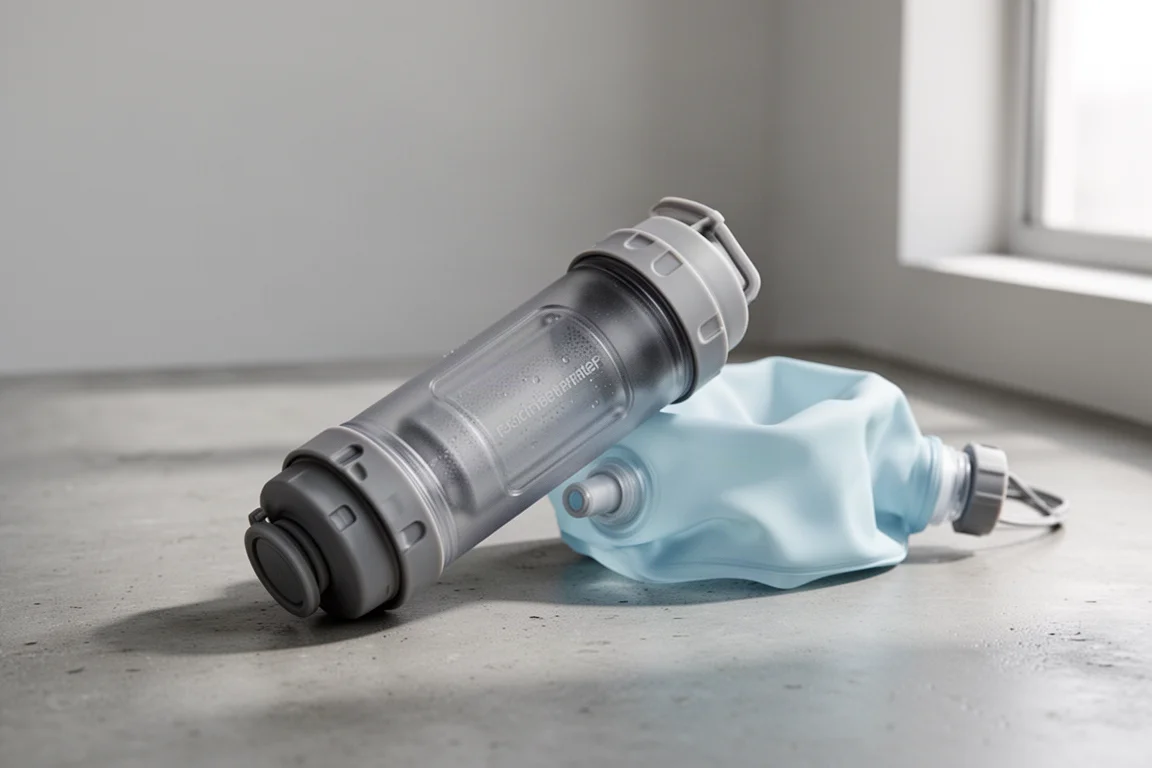
The Platypus Quick Draw came out on top among water treatment options, ahead of the Sawyer Squeeze. It filters fast, resists clogging, and is straightforward to backflush and maintain. Across roughly 700 miles of the Great Divide Trail it stayed quick and reliable, which is exactly the kind of consistency that matters when you are filtering several times a day.
For most people this is the sensible default rather than a specialist tool. The Sawyer Squeeze remains a proven alternative, but the Quick Draw’s speed and easy maintenance make it the more appealing choice for the trips most backpackers actually take.
Montbell Versalite: Light Rain Protection With Pit Zips
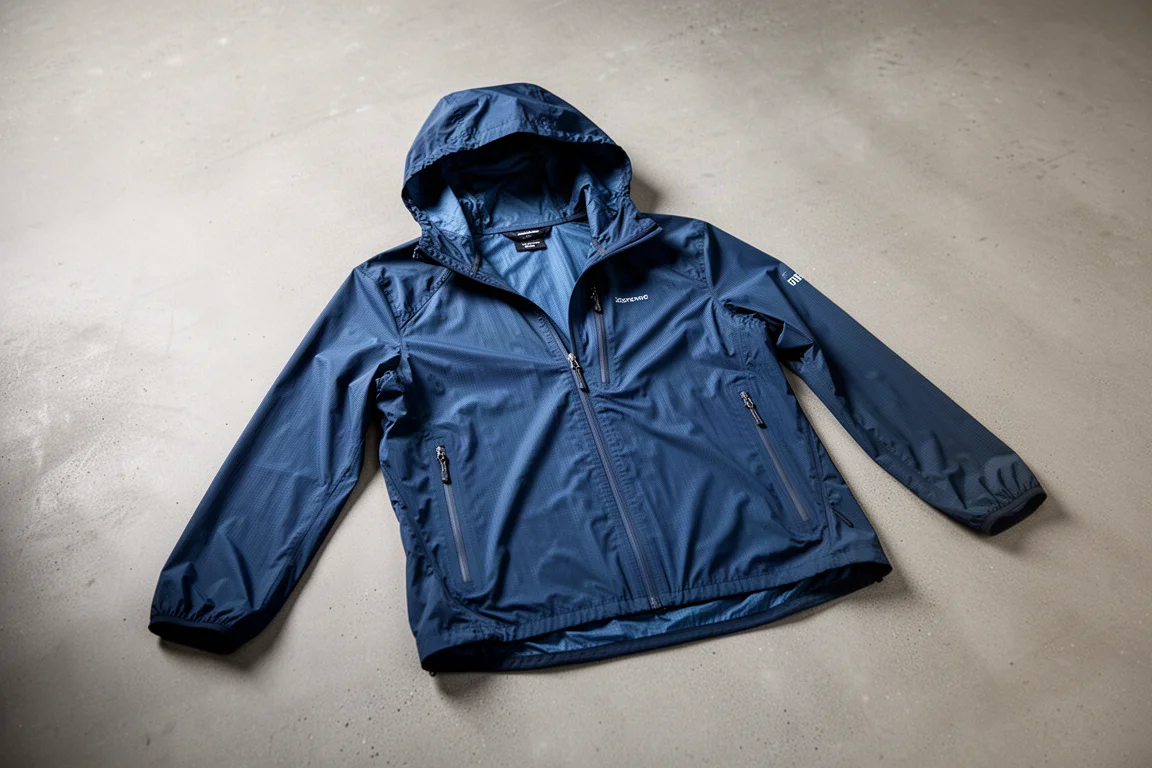
The Montbell Versalite is the ultralight rain jacket that PCT through-hikers rate most highly. It is designed to keep rain out while adding very little weight, and the US version includes pit zips. Those vents matter more than any breathable membrane claim, because an ultralight shell traps heat and most people end up damp from sweat inside it regardless of how waterproof it is.
Whether a shell like this belongs in your pack depends on your plans. If your trips are three or four days and you schedule around the forecast, a simple and inexpensive option such as the Frogg Toggs Ultralight rain jacket and pants, around $20, will do the job. An ultralight shell like the Versalite makes more sense on long, wet, unpredictable routes where every gram and every vent counts.
Garmin Fenix: Tracking and Navigation on Your Wrist
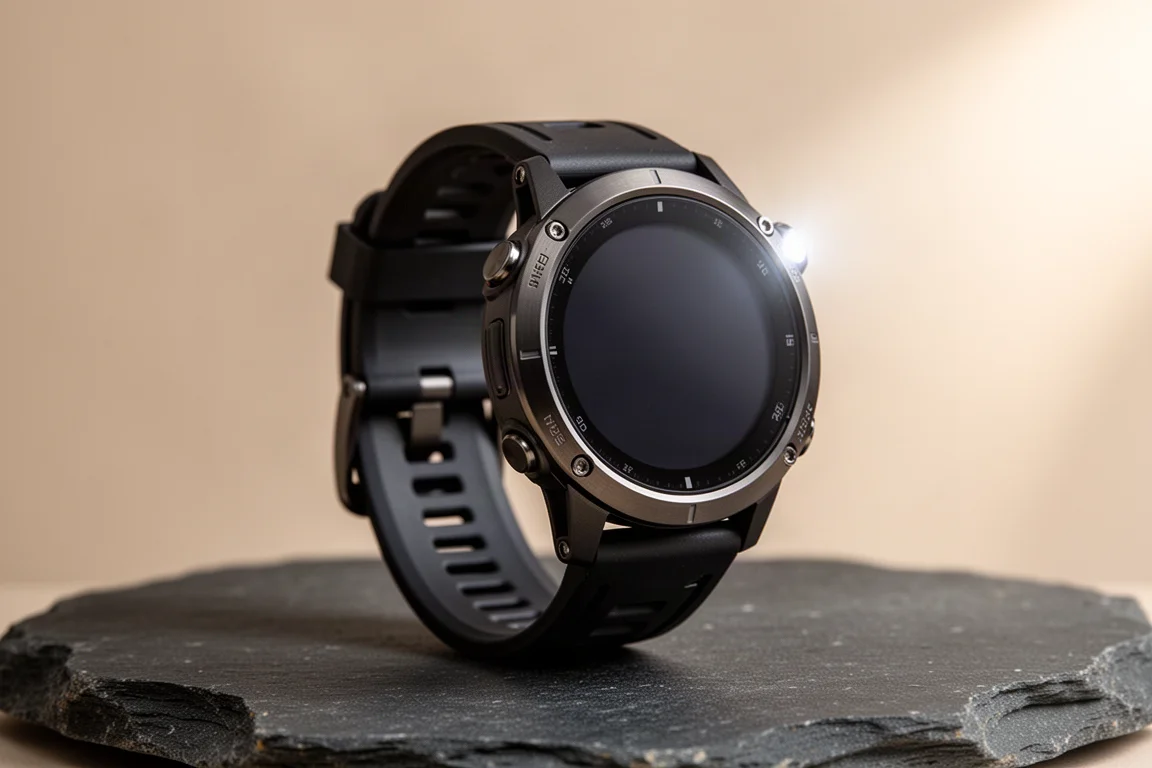
The Garmin Fenix handles the day-to-day record keeping that long hikes generate. It logs distance, elevation gain, and heart rate without any input from you, and it can hold maps with contour lines and trails so you can follow a route directly from your wrist.
Navigation is the feature that earns it a place on a long trail. A glance at the wrist is faster than pulling out a phone, and on a hike where the route matters it keeps you moving without breaking your rhythm. On shorter trips, the automatic tracking alone is a genuinely useful record of what you covered.
Garmin inReach Mini 2: Messaging and SOS Beyond Cell Coverage
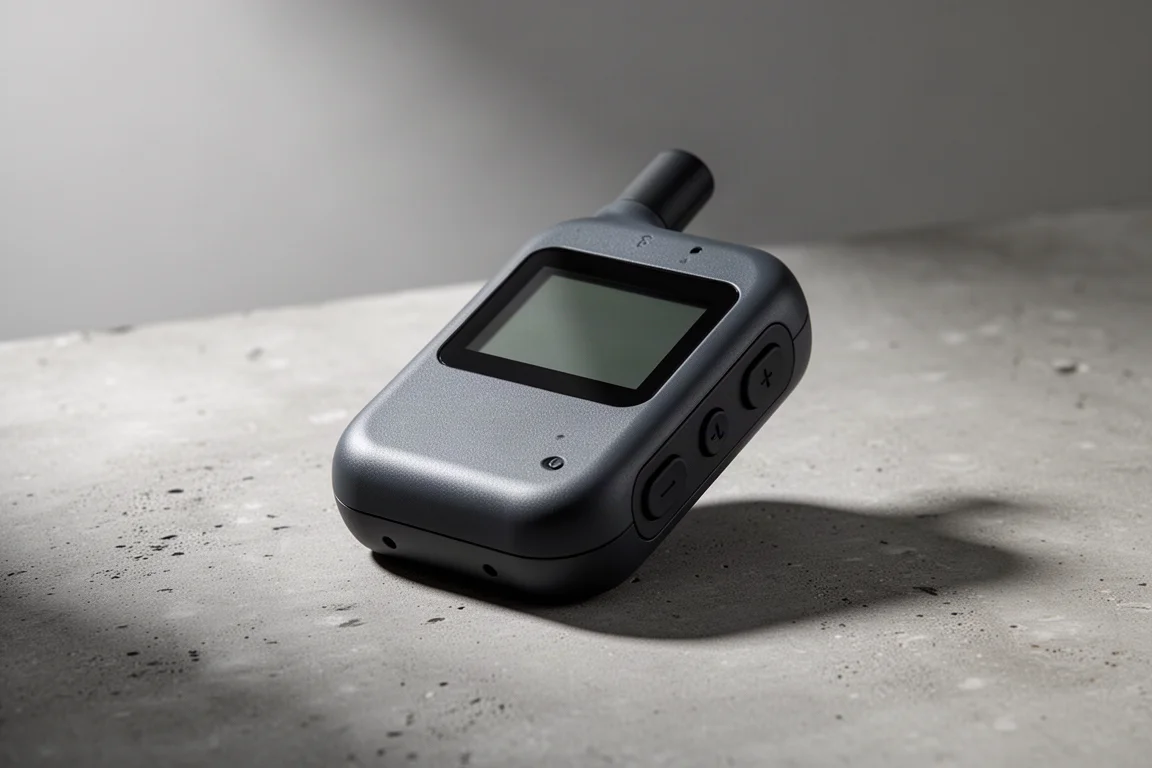
The Garmin inReach Mini 2 is the satellite communicator that long-distance hikers reach for. It sends two-way messages to people at home, lets you check in from places with no cell signal, and includes an SOS button that can call for help when something goes wrong far from a road.
The Mini 2 also includes on-device navigation, which is arguably unnecessary on a device you carry for emergencies. The inReach Messenger drops that navigation in favor of longer battery life, a trade many hikers would take. Either way, this is a category where the value becomes obvious the moment you need it.
Big Agnes Tiger Wall UL2: A Tried-and-True All-Rounder
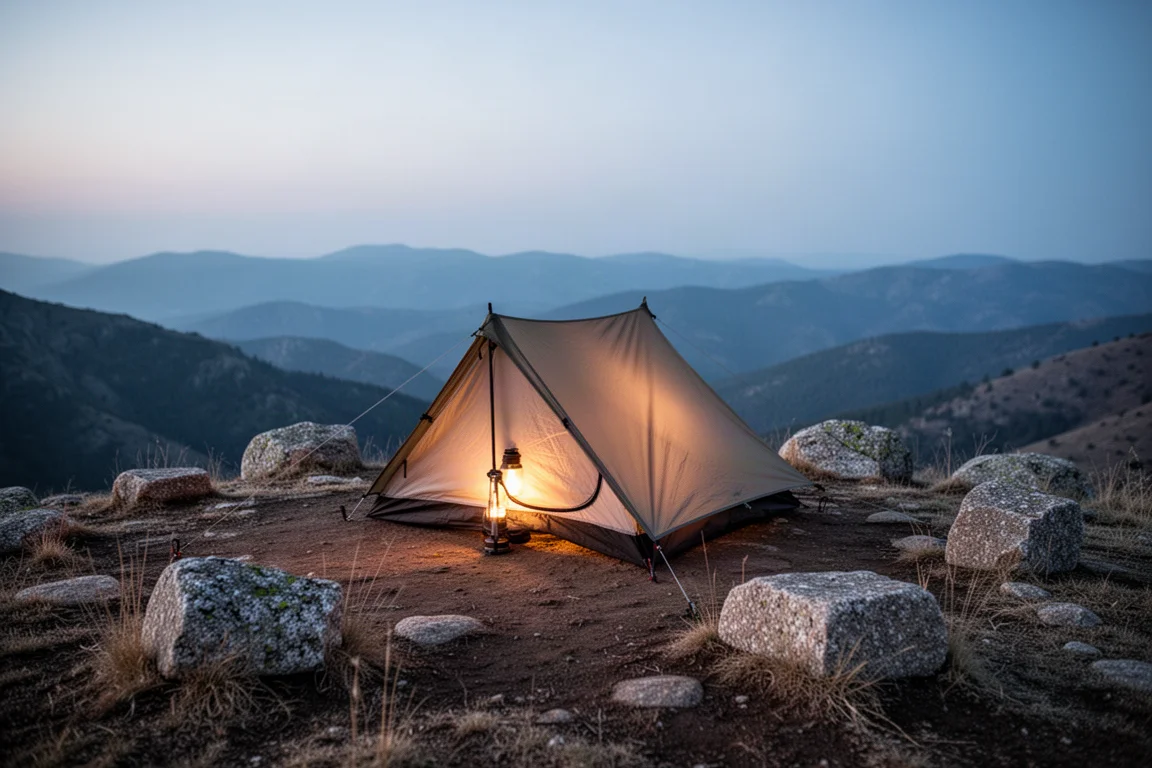
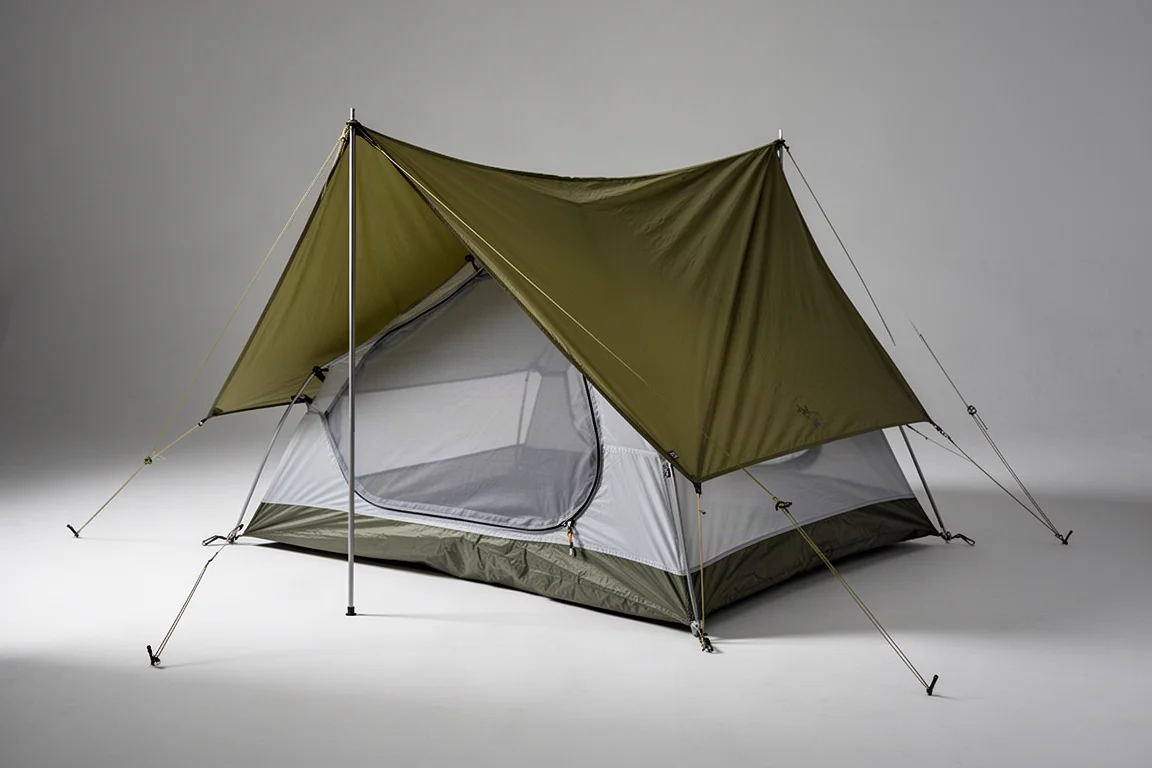
The Big Agnes Tiger Wall UL2 is a two-person, semi-freestanding tent that has become a common sight on the Pacific Crest Trail. It pitches easily in tight or rocky spots, which is a real advantage on routes where flat ground is scarce, and it has a long record of holding up in the field. It is also widely available and relatively affordable next to the more exotic ultralight shelters.
Two drawbacks are worth knowing. The nylon fabric stretches and sags when wet and does not dry quickly, and the weight is high by current ultralight standards. Hikers chasing the lowest possible pack weight have lighter choices: the Zpacks Plex Solo for solo trips, the Durston X-Mid Pro 2 Plus for a little more room, and the Zpacks Offset Trio for a genuinely spacious shelter. Those tents use Dyneema, which is light, durable, and handles moisture far better than nylon.
For most backpackers, though, the Tiger Wall UL2 remains a dependable and well-rounded shelter.
GigaPower Stove: Small, Simple, and Surprisingly Effective
The GigaPower stove is a small canister stove with folding arms and a piezo igniter built into the body. It does not look especially wind resistant, and it is not a large stove, but the igniter lit on the first attempt and the flame is strong.
That combination explains its standing. A working piezo igniter removes the need to carry a lighter or matches, and a strong flame means water boils quickly. For a simple cook system built around rehydrating meals, that is most of what matters.

Mountain Hardwear Ghost Whisperer UL: Light, Expensive, and Not for Everyone
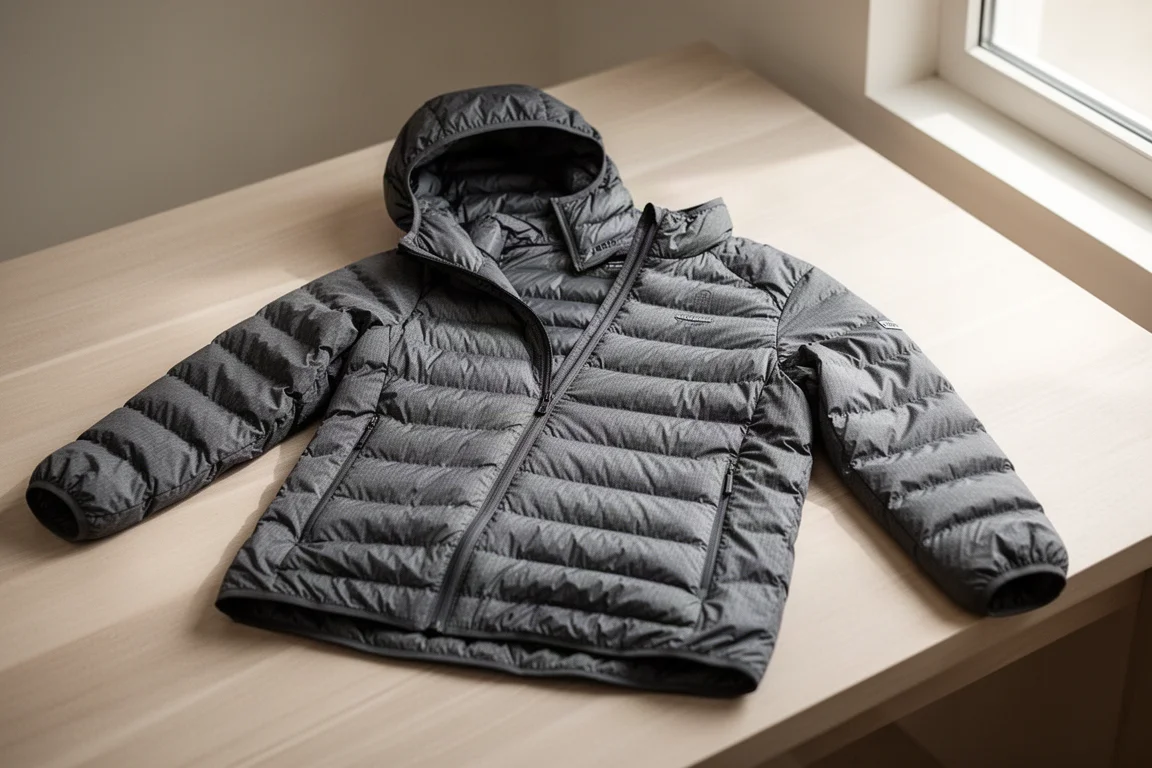
The Ghost Whisperer UL is an exceptionally light down jacket, built with a 7-denier shell fabric and 1,000-fill-power down. It shows how far ultralight materials have come, and it is also one of the most expensive ultralight down jackets you can buy.
That price is part of the story. Research on spending and satisfaction suggests people tend to rate an item more highly when they have paid more for it, which may help explain why the most expensive jacket in a category so often ends up at the top of a list. For most hikers, whether they are walking a long trail or heading out for a weekend, there are better-value options.
Through-hikers who expect storms and high humidity may prefer the Enlightened Equipment Torrid, which uses synthetic insulation and therefore dries faster. Casual backpackers can look at the Decathlon Trek 100 or the Uniqlo Ultra Light Down jacket, both under $100, both light, and both capable for the trips most people actually take.
Therm-a-Rest XTherm: Warm and Reliable, but Overkill for Most
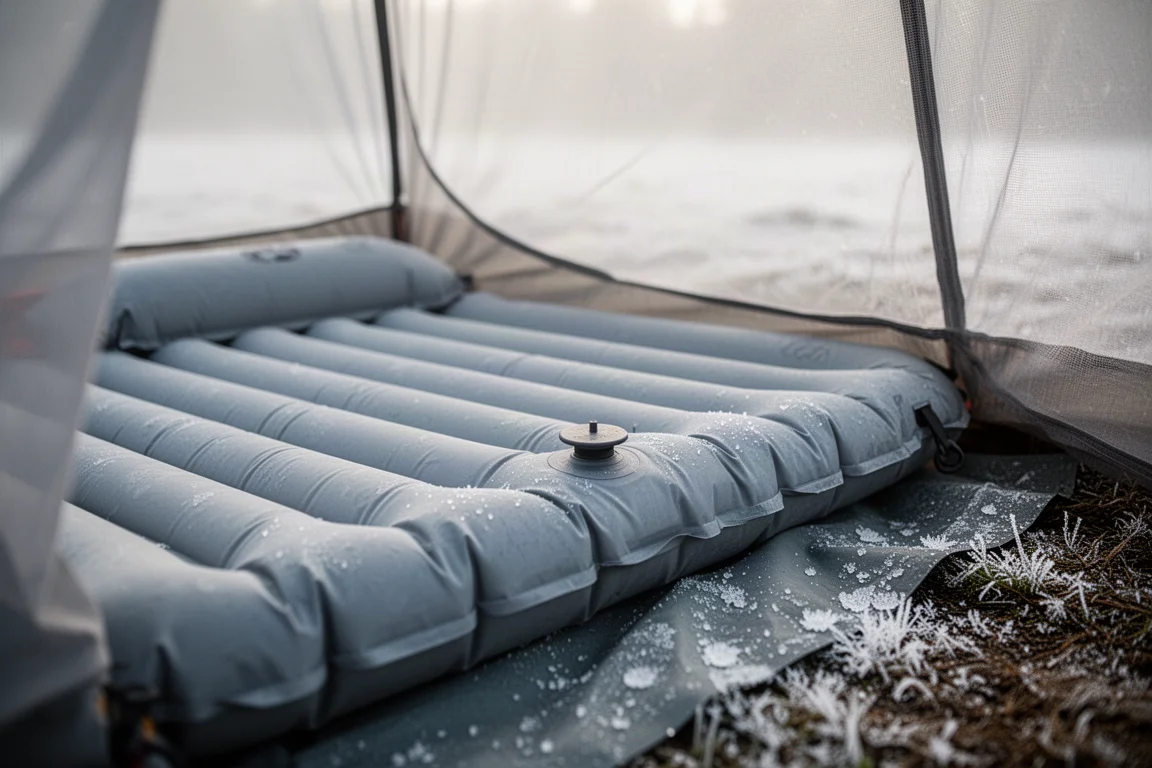
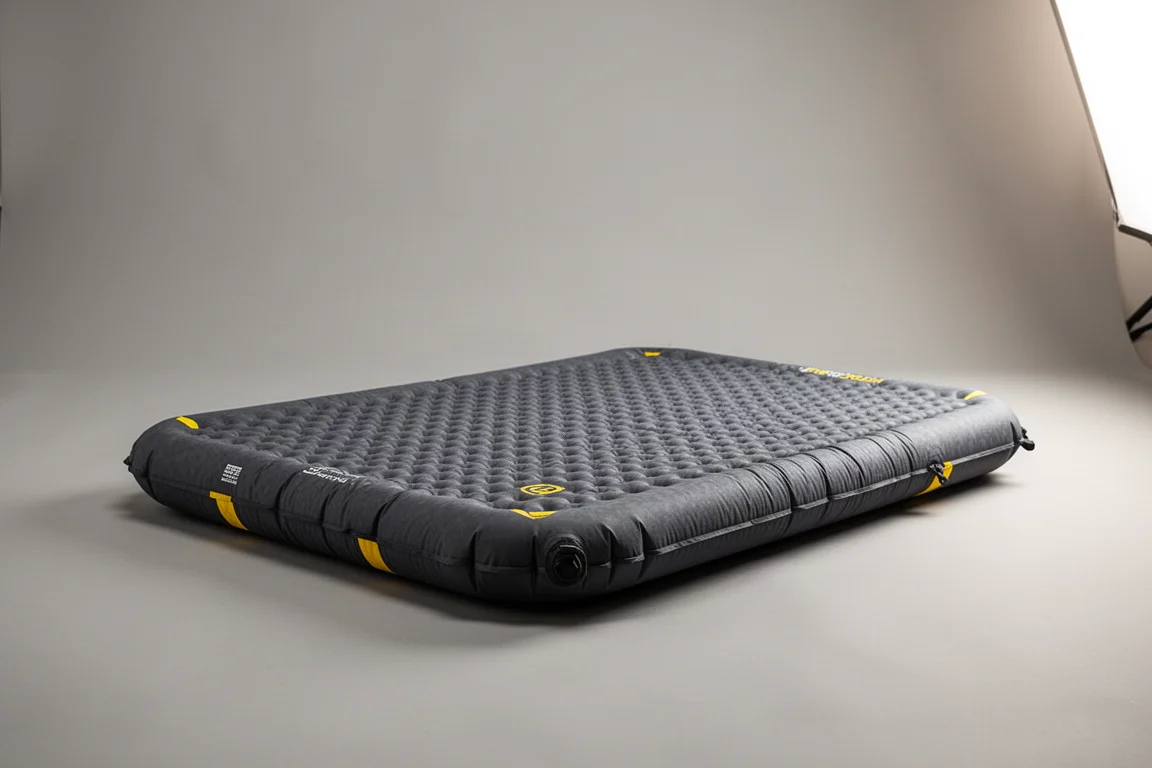
The Therm-a-Rest XTherm is a lightweight, high-insulation sleeping pad designed for genuinely cold conditions. It is the pad you reach for when temperatures drop well below freezing, and Therm-a-Rest pads have a strong record of reliability that not every brand can match.
Comfort is the trade-off. It is far from the plushest pad on the market, and for most three-season trips it is more insulation than you need. Through-hikers who want lighter and more comfortable options should look at the Exped Ultra line, the Ultra 3R for warmer sleepers and the Ultra 5R for anyone who sleeps cold. Weekend backpackers who prioritize a good night’s sleep over pack weight may prefer the REI Helix or the Zenbivy Ultralight, both heavier but noticeably more comfortable.
Feathered Friends Flicker UL 30: The Hoodless Sleeping Bag
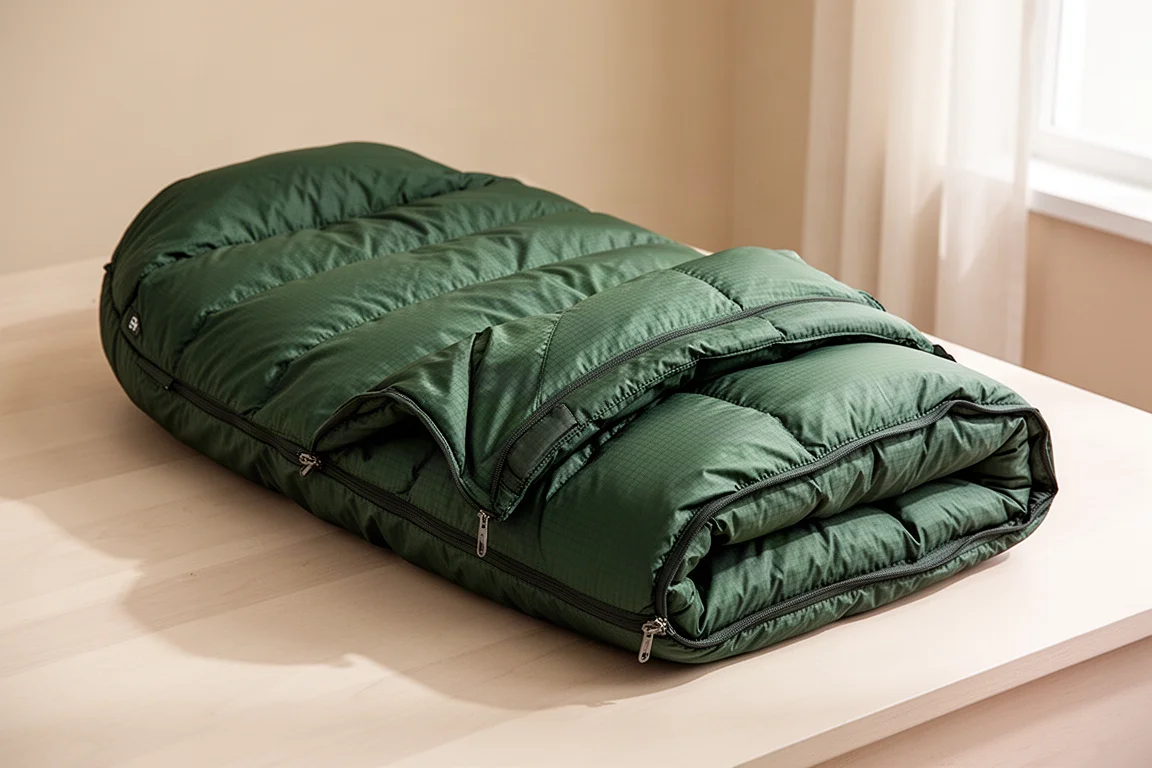
The Feathered Friends Flicker UL 30 is unusual: a sleeping bag with no hood. That single change makes a bigger difference than it sounds. Without a hood restricting your head, turning over during the night is far easier, and the bag opens all the way down so it can be used like a quilt, with loops along the side for attaching a pad strap.
The construction is genuinely impressive. There is a substantial draft collar, reliable snaps, an excellent zipper guard, and a draft tube running along the zipper. On a warm night the bag works fully opened as a quilt; when the temperature drops in the early morning it closes up into a warm, well-sealed bag.
Two things to keep in mind. A hoodless design means you need a warm hat on cold nights, and the usual sleeping bag caveat still applies: insulation compresses underneath you, so shifting position can create cold spots. Quilts are generally lighter and many hikers find them more comfortable, which makes this bag an interesting middle ground.
Merrell Moab: A Long-Standing Hiking Shoe That Did Not Suit Every Foot
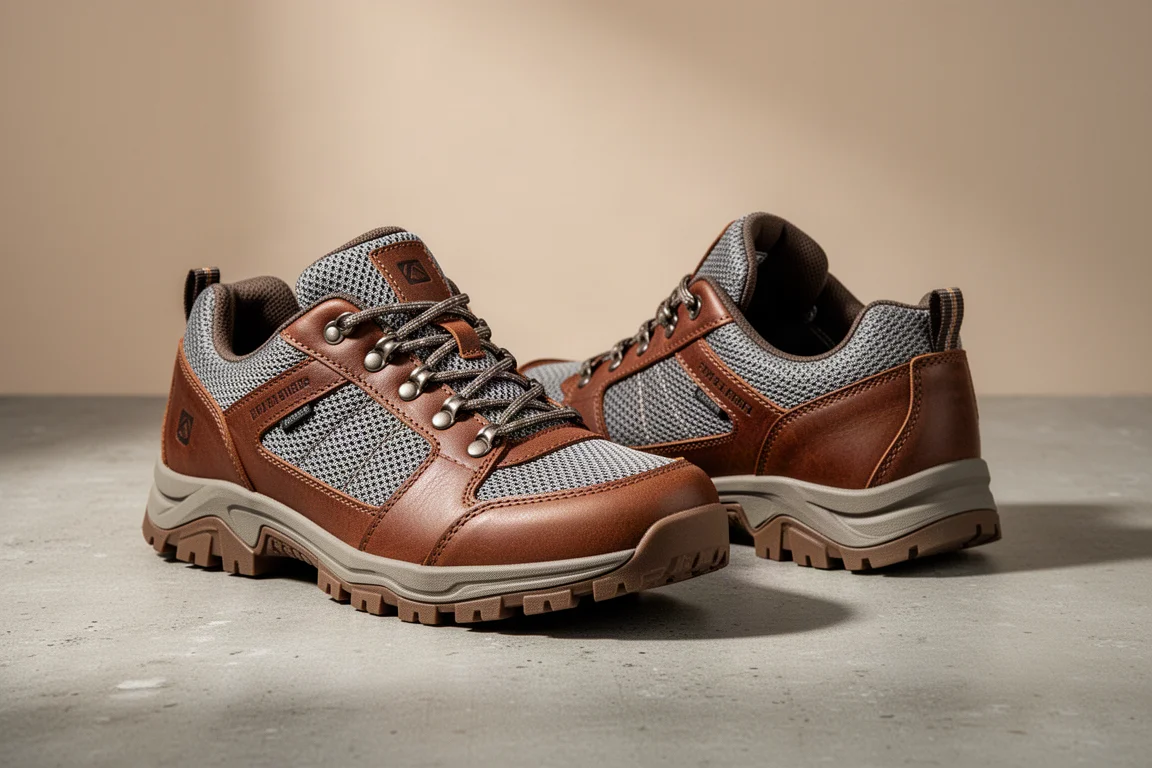
The Merrell Moab has a long reputation as a dependable hiking shoe and is one of the best-known designs in the category. That reputation did not translate into comfort here. After more than 15 miles of rocky, uneven desert terrain, the cushioning and underfoot protection felt insufficient, and the shoe became painful on steep, loose ground.
This is a fit issue more than a quality issue. Feet vary enormously, and a shoe that works for one hiker can be the wrong choice for another. The lesson is simply that a well-regarded hiking shoe is not automatically the right one, and rocky terrain punishes a firm, thinly cushioned platform.
Hoka Speedgoat: Cushioning That Handled Rocky Ground
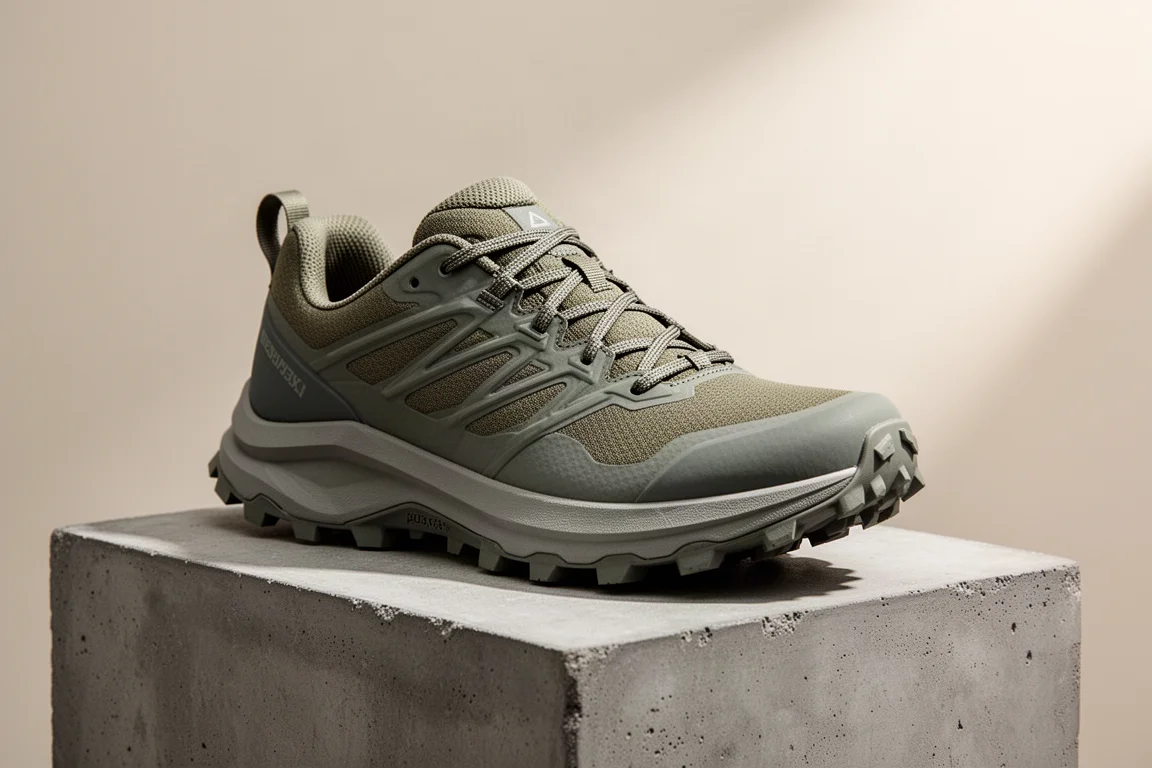
The Hoka Speedgoat, by contrast, dealt with the same rocky and uneven trail without complaint. The extra cushioning underfoot absorbs the sharp edges of loose rock, and for hikers whose feet prefer a softer ride it is a much more comfortable choice on long, rough days.
A trail runner like this prioritizes cushioning over the stiffness of a traditional hiking shoe, and that is a trade many long-distance hikers are happy to make. Footwear remains the most personal decision in a pack, which is why it is worth testing a pair before a long trip rather than on one. Socks matter too, and merino options such as Darn Tough remain a near-universal favorite among long-distance hikers.
Buying Advice: Matching Through-Hiker Gear to Shorter Trips
The pattern across this list is fairly clear. Items that solve a recurring problem, such as water treatment, sleep insulation, cooking, and a comfortable pack, earn their place on trips of any length. Items that optimize for months of continuous walking, such as a hoodless bag, an ultralight shell, or a satellite communicator, are excellent when the conditions call for them and unnecessary when they do not.
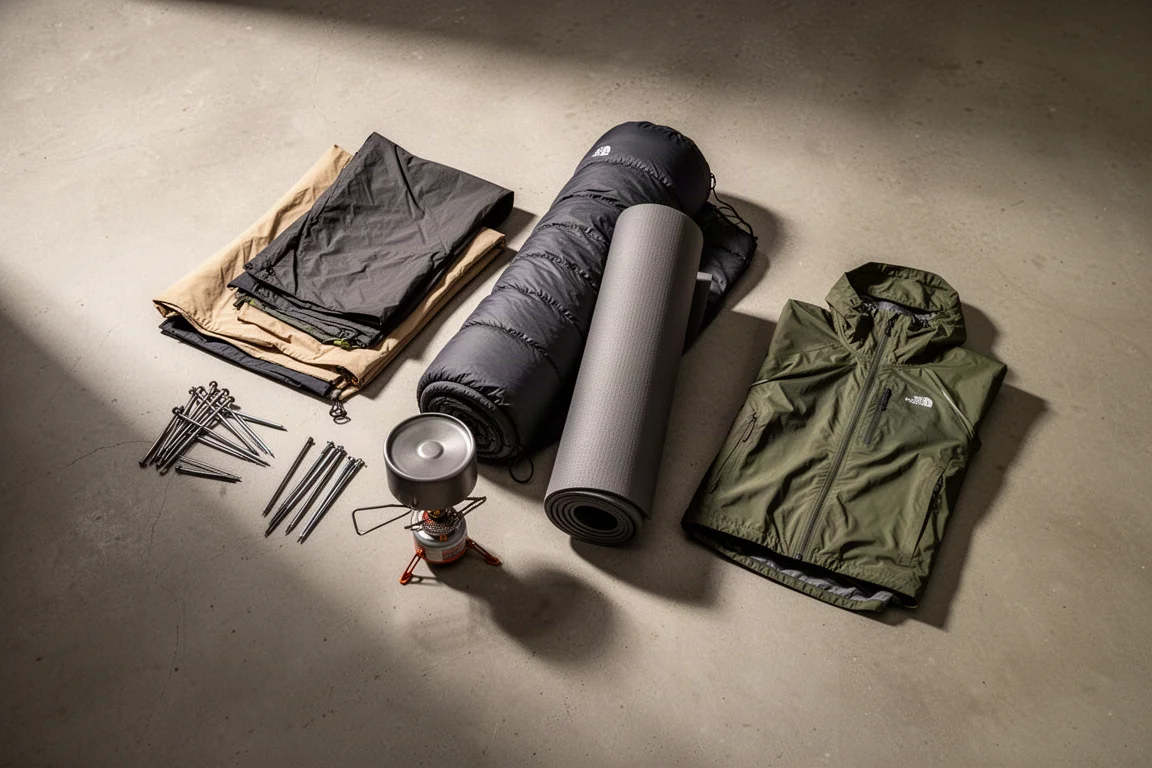
A practical way to decide is to ask how many nights you sleep out each year and how much of that time you spend in bad weather. If your trips are three or four days and you plan around the forecast, you can save money and carry less specialized kit: a simple rain shell, a comfortable pad, and a proven pack. If you are heading out for weeks, or into conditions you cannot schedule around, the ultralight and specialized options start to pay for themselves.
Weight is worth paying attention to, but it is not the only measure. A lighter pad that keeps you awake is worse than a heavier one you sleep well on, and a pack that fits your body properly matters more than a few hundred grams of difference. Buy for the trips you actually take, then let the gear grow with you.
Conclusion
The most useful thing about looking at long-trail gear is not that through-hikers are always right. It is that they have already stress-tested a great deal of equipment over thousands of miles, so their favorites are a sensible starting point for anyone building a kit.
Treat the Atom Packs Mo, the Platypus Quick Draw, and the Feathered Friends Flicker UL 30 as the standouts worth investigating further. Treat the Ghost Whisperer UL and the Therm-a-Rest XTherm as excellent products built for conditions most backpackers rarely encounter. And treat footwear as the one decision only your own feet can make.
Further reading
Related Reviews

Backpacking Gear
Building a 10 lb Base Weight: An Ultralight Backpacking Gear List
A practical walkthrough of the ultralight pieces behind a 10 lb base weight, from a 765 g pack and a roomy one-person tent to a full camp chair and a dependable water filter.
Backpacking Gear
A 15-Pound Lightweight Backpacking Gear List for Solo Trips
A beginner-friendly 15-pound backpacking setup built from easy-to-find gear, with notes on what each piece does, how it packs, and where to spend your attention.
Backpacking Gear
8 Ultralight Backpacking Gear Upgrades Worth Carrying
Eight small, affordable backpacking upgrades that solve real trail annoyances, from a pillow that stays put to a fuel valve that rescues leftover canister gas.