Backpacking Gear
Top-Rated Backpacking Gear 2026: What Thru-Hikers Carry and Why It Matters
A practical look at the backpacking gear long-distance hikers rate highest, from packs and shelters to filters, electronics, and sleep systems, plus what makes sense for shorter trips.
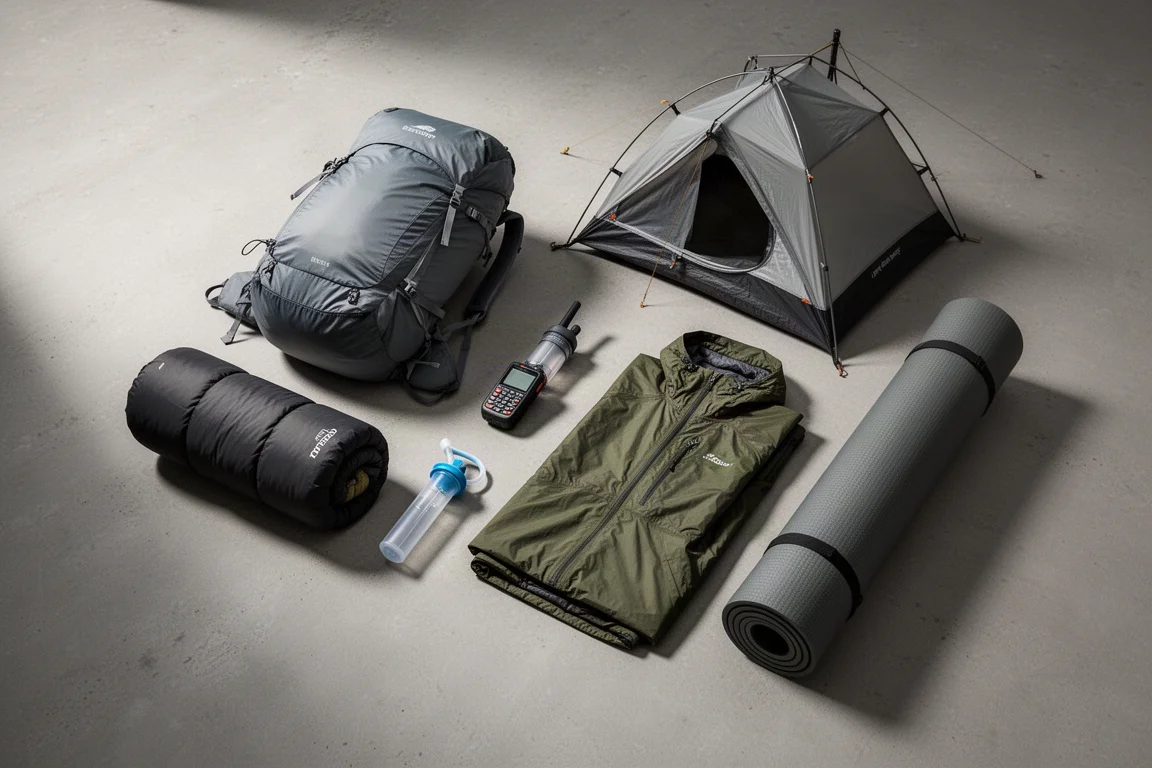
Introduction
Long trails act as a filter. On the 2,600-mile Pacific Crest Trail, hikers carry the same kit for months, so the gear that earns the highest ratings tends to be chosen for durability, weight, and how it behaves after weeks of daily use rather than for a spec sheet.
That makes a thru-hiker gear list useful for two very different readers. Long-distance hikers can compare their own setup against what a large group of experienced walkers actually carried. Weekend backpackers get a reality check: some of these items are genuinely better than what most people own, while others are specialized tools built for problems a three-day trip never creates.
This guide covers the standouts from that list, what each one does well, and where the trade-offs sit.
How These Picks Were Evaluated
The rankings behind this list come from thru-hikers, which sets a demanding bar. Gear has to survive months of continuous use, keep working when it is wet, dusty, or packed away damp, and stay light enough to carry day after day.
Shorter trips change the calculation. Comfort, easy pitching, and value matter more, and a slightly heavier item is rarely a problem over two or three nights. Most weekend trips are also planned around a favorable forecast, so the gear does not need to handle a month of rain.
The picks below are grouped by the role they play on a trip, with notes on what each item asks of the person carrying it.
One theme runs through the whole list: usability in the field. Whether a pocket can be reached without stopping, how quickly a filter flows, and how a sleeping system behaves when you change position all matter more over months than they do over a weekend.
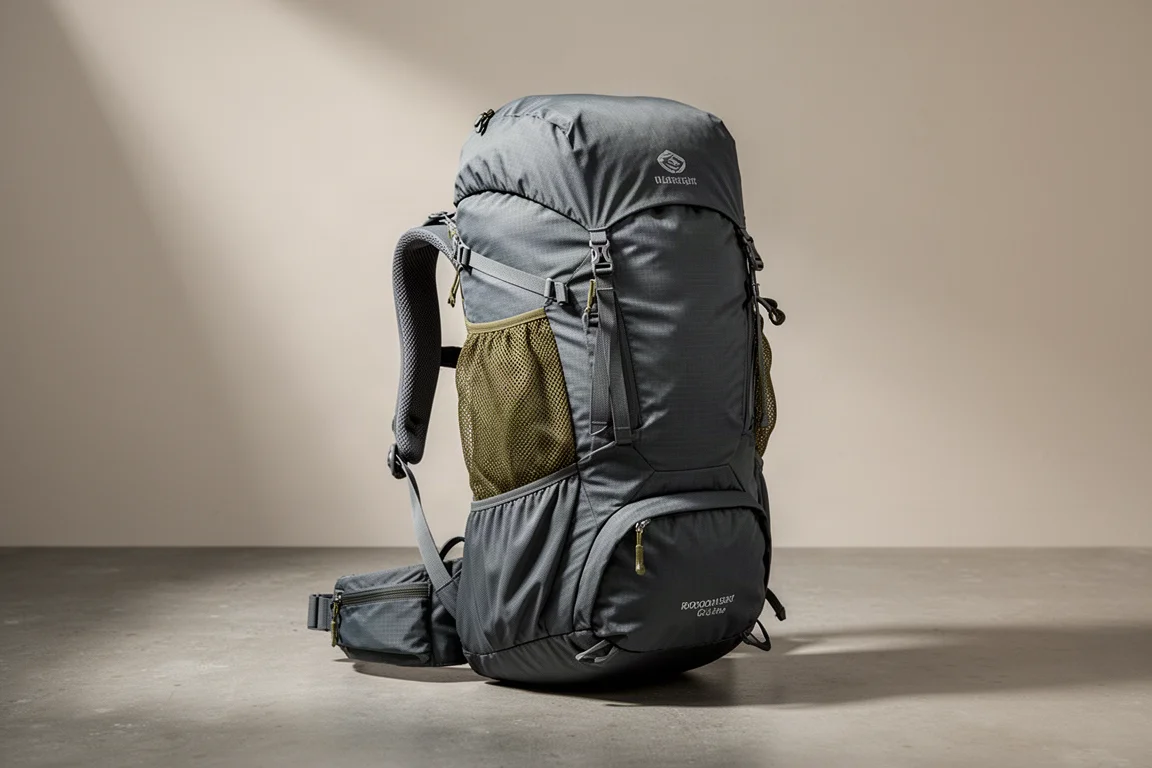
Atom Packs Mo Backpack
The Mo looks like a plain ultralight pack, and that is part of its appeal. The features are refined rather than numerous, and the carry is the standout: it sits comfortably against the back and handles a loaded weight without fuss.
Access is the other strength. Side pockets can be reached while the pack is on, which is not a given for hikers with shorter arms or limited shoulder flexibility, although putting a bottle back takes a little more effort than pulling it out. The bottom pocket takes snacks, the shoulder pockets hold small items and rubbish, and the hip belt pockets keep electronics and sunscreen within reach.
That matters more than it sounds. Being able to grab what you need without stopping adds up over a long day and over a long season, and it is just as useful on a weekend trip when you would rather keep walking than take the pack off again.
Feathered Friends Flicker UL 30 Sleeping Bag
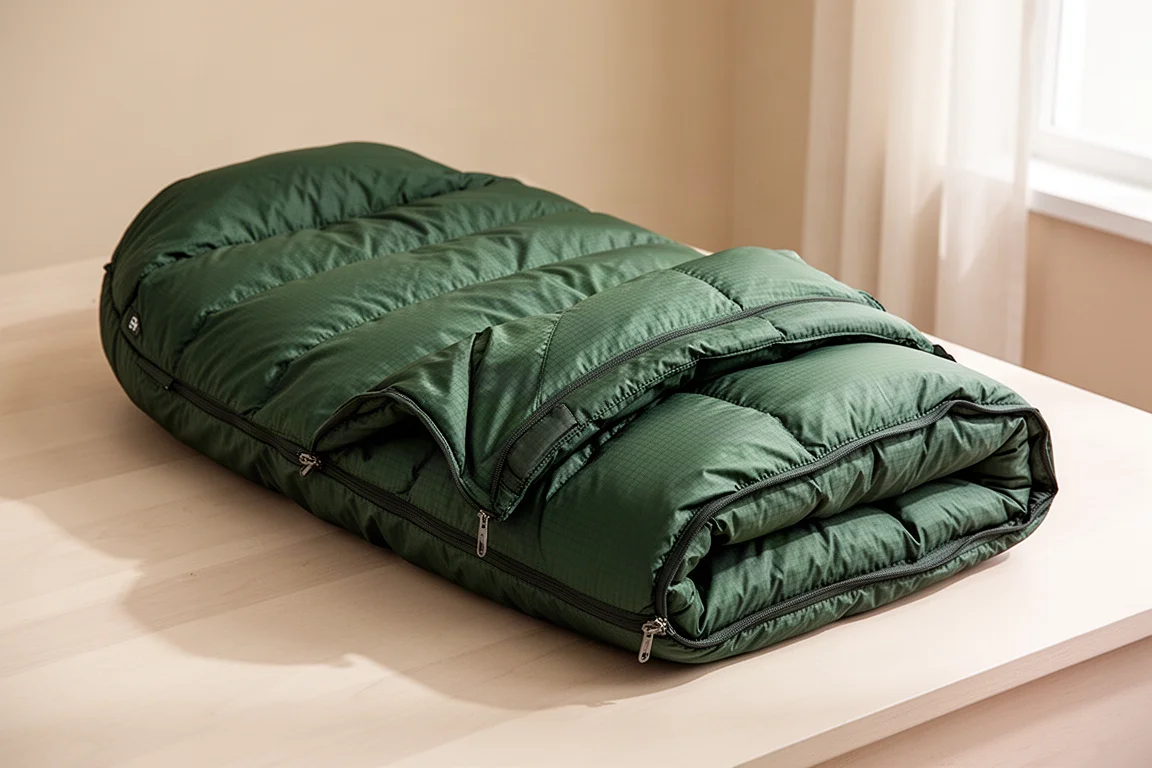
The Flicker UL 30 is a hoodless down bag that sits between a quilt and a full-featured sleeping bag. It opens all the way down and has loops along the side for a pad strap, so it can be used flat as a quilt on warm nights and closed up when temperatures drop.
The construction is a step above most ultralight bags: a proper draft collar, secure snaps, a well-finished zipper guard, and a draft tube running along the zipper.
Two things are worth knowing before you buy. Without a hood, you will want a hat for your head. And in closed-bag mode the insulation compresses under your back, so rolling onto your side can create a cold spot, which means sleepers who stay put or who use it quilt-style will get the most from it.
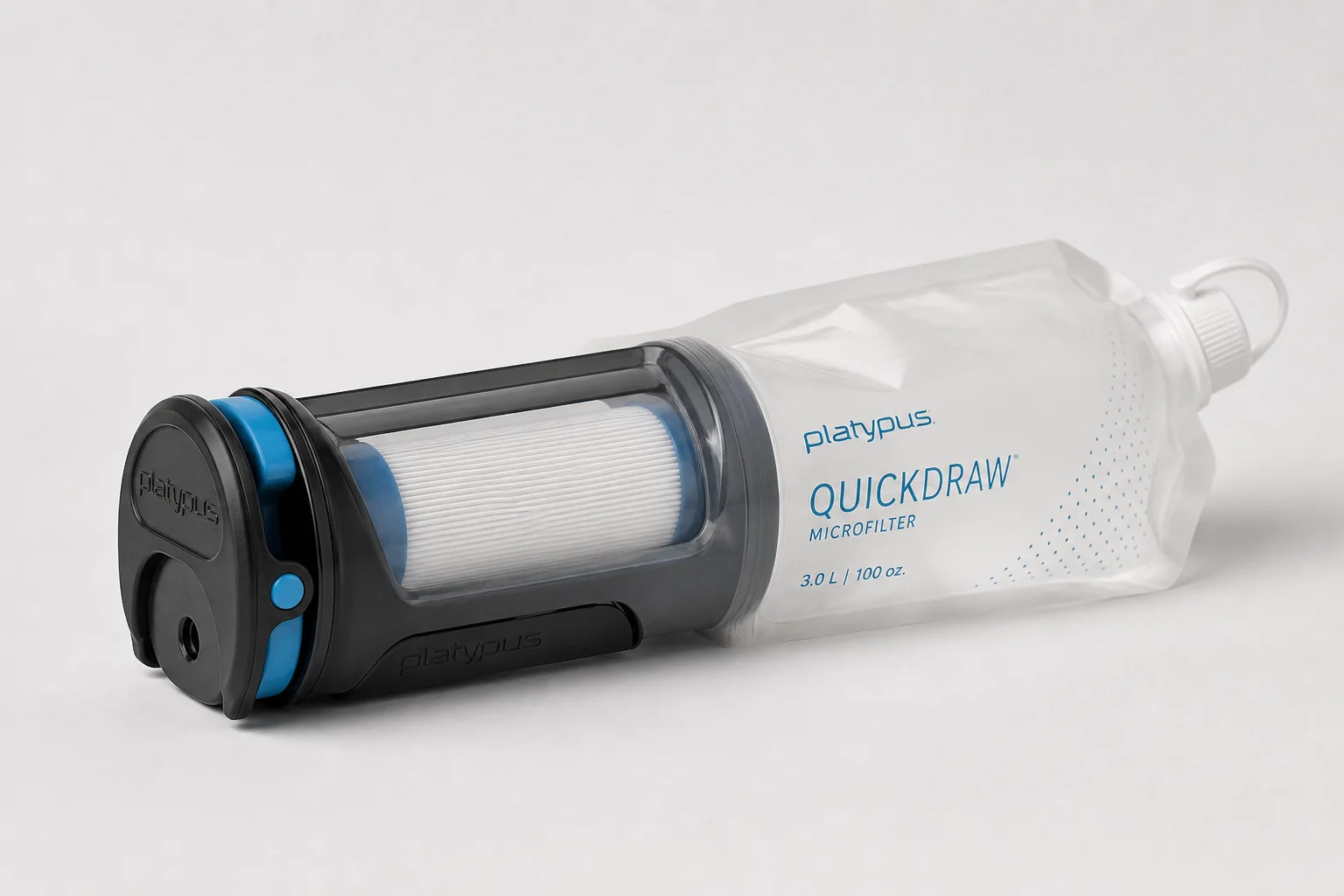
Platypus QuickDraw Water Filter
The QuickDraw was the highest-ranked filter on the list, ahead of the Sawyer Squeeze and the Katadyn BeFree. It flows quickly, resists clogging, and is easy to back flush, and it has proven itself over a 700-mile stretch of the Great Divide Trail.
Flow rate is the difference most people notice first. A filter that fills a bottle in seconds keeps you moving and makes you more likely to drink enough, which is the real reason a fast filter is worth carrying.
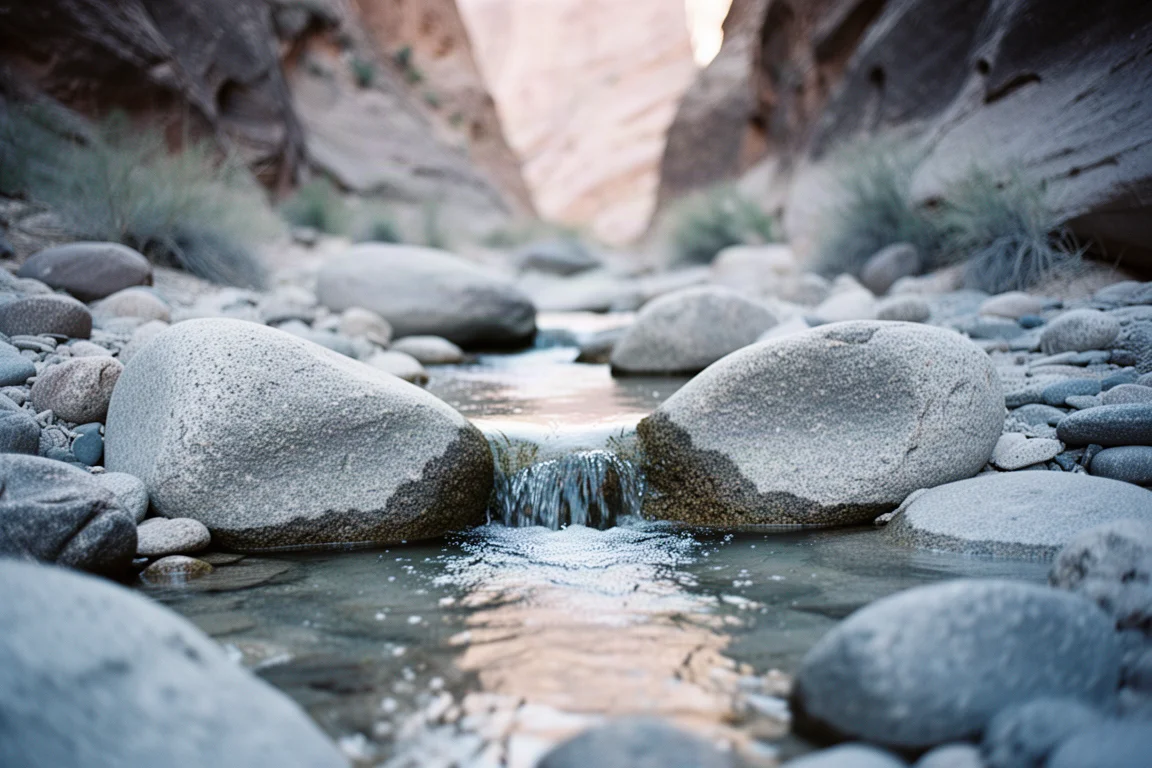
For weekend trips, this is one of the easiest recommendations on the list: it is light, dependable, and does not ask you to learn a complicated routine.
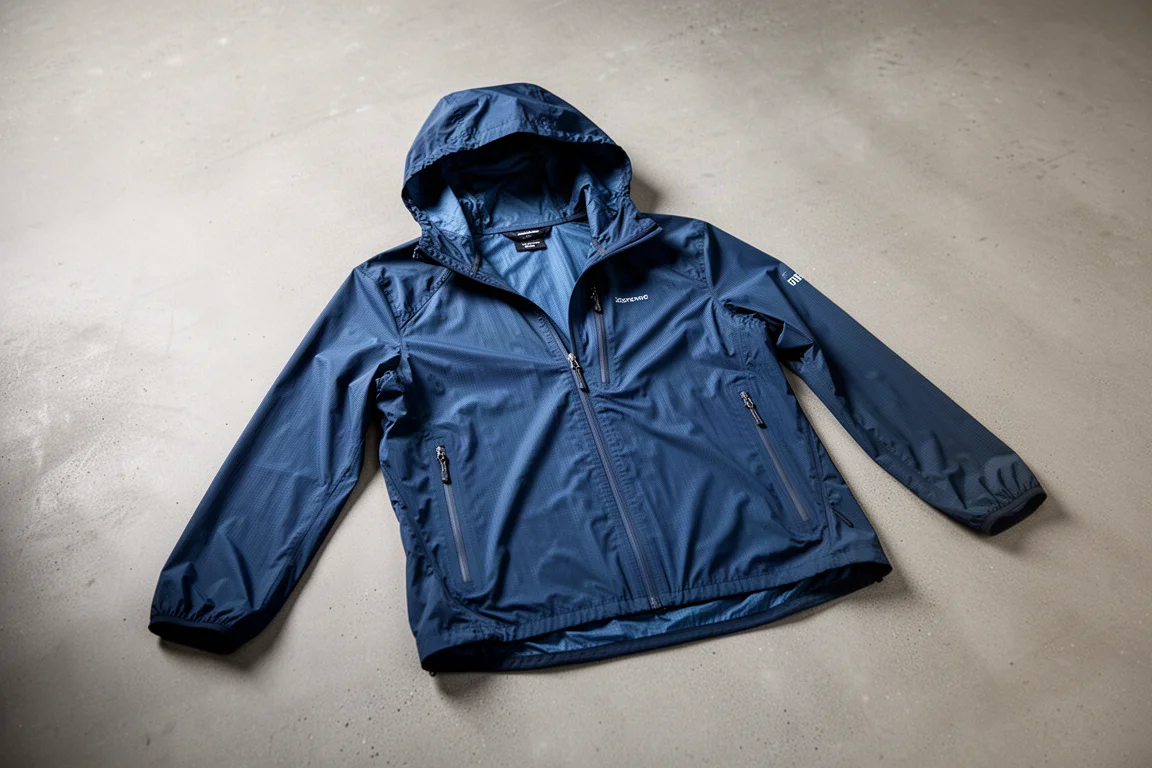
Montbell Versalite Rain Jacket
The Versalite is a very light waterproof shell, and the US version ships with pit zips. That detail matters more than any membrane specification, because pit zips let you dump heat directly instead of relying on breathability alone.
Be realistic about what an ultralight shell can do. It will keep rain out, but you can still end up damp from your own sweat on a long climb. If you only hike a few days at a time and plan around the forecast, you do not need to spend much here at all: a heavier jacket you already own will do, and a low-cost ultralight set such as the Frogg Toggs jacket and pants, around $20, handles occasional rain perfectly well.
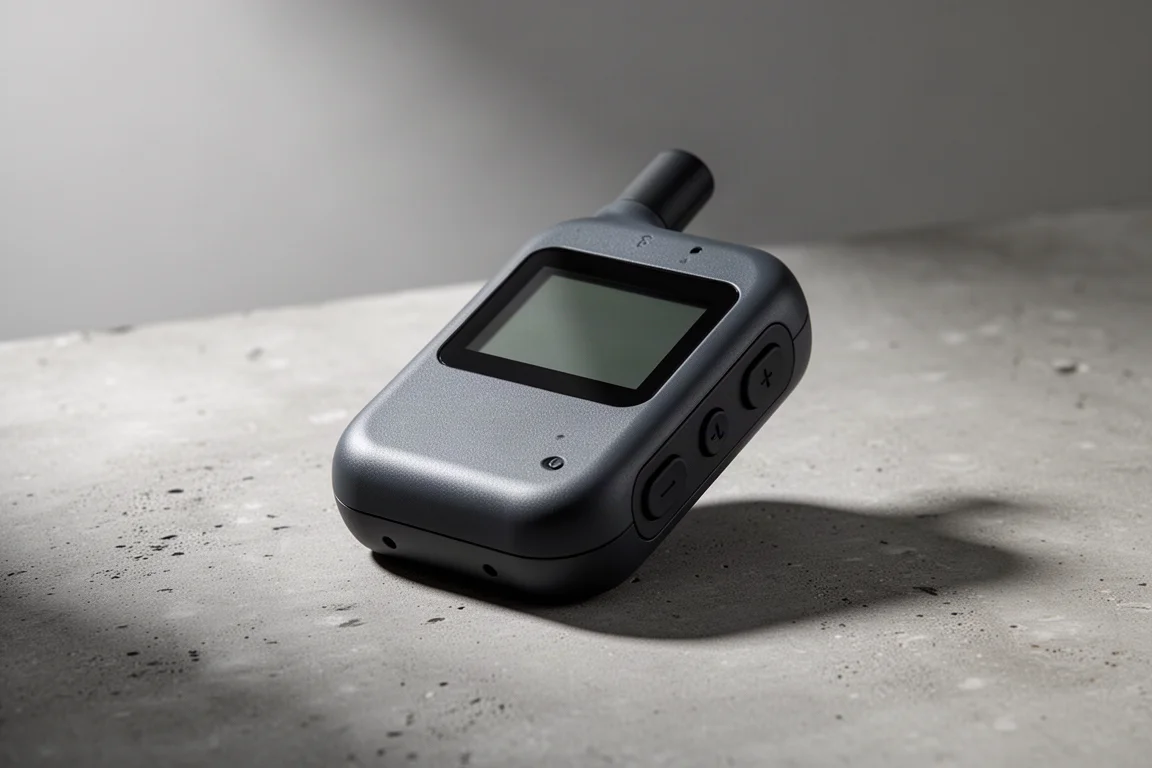
Garmin inReach Mini 2
The inReach Mini 2 is a compact satellite communicator that handles two-way messaging and a one-button SOS, and it has already proven itself on a long-distance thru-hike. The same gear list also included a Garmin Fenix watch, which logs distance, elevation, and heart rate and can hold contour maps for navigation on the wrist.
Worth knowing: the inReach Messenger offers better battery life, while the Mini 2 adds on-device navigation that most people are better off leaving to a phone or a watch. If you mainly want messaging and an emergency backup, the battery life argument is the stronger one.
Big Agnes Tiger Wall UL2 Tent
The Tiger Wall UL2 is a two-person semi-freestanding tent, and its practical strength is pitching. It sets up quickly in tight or rocky spots where a larger shelter would struggle, which makes it a forgiving choice when the campsite you find is less than perfect.
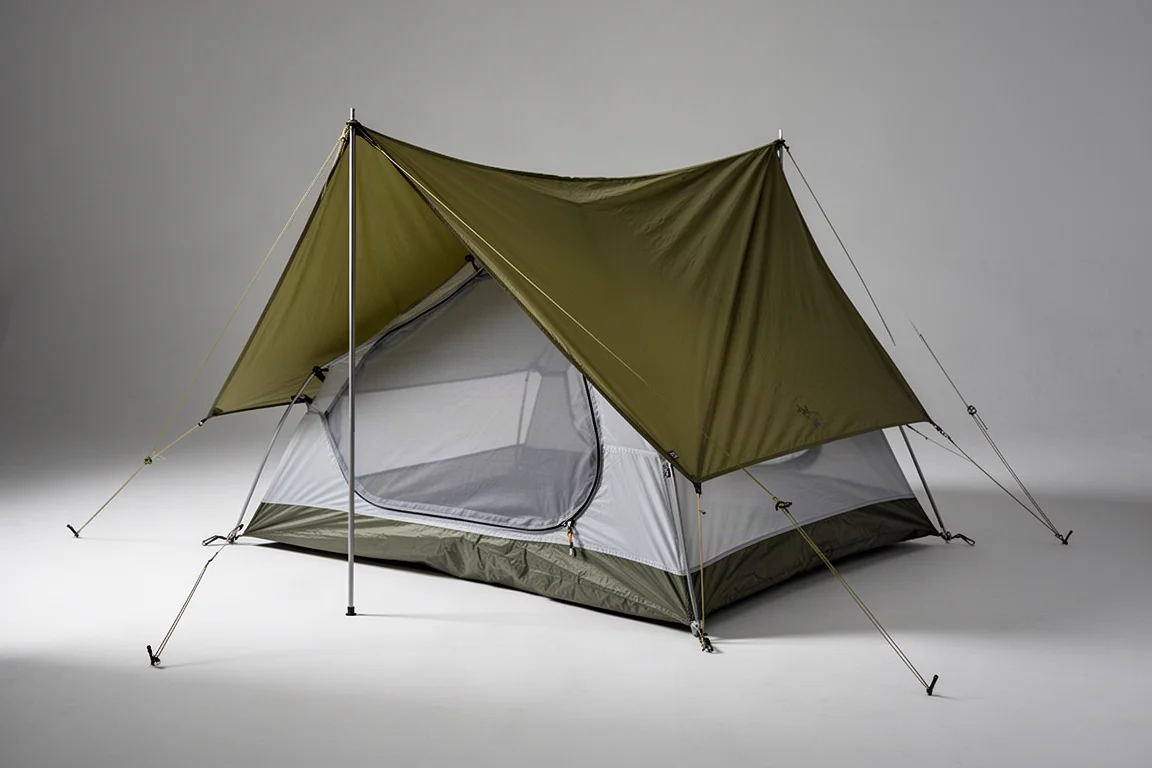
Two drawbacks are worth weighing. The nylon fabric sags and stretches when it gets wet and does not dry quickly. It is also heavier than the lightest shelters now available: a solo hiker chasing minimum weight might prefer something like the Zpacks Plex Solo, while two people who want more room could look at a Dyneema shelter such as the Durston X-Mid Pro 2 Plus or, for maximum space, the Zpacks Offset Trio.
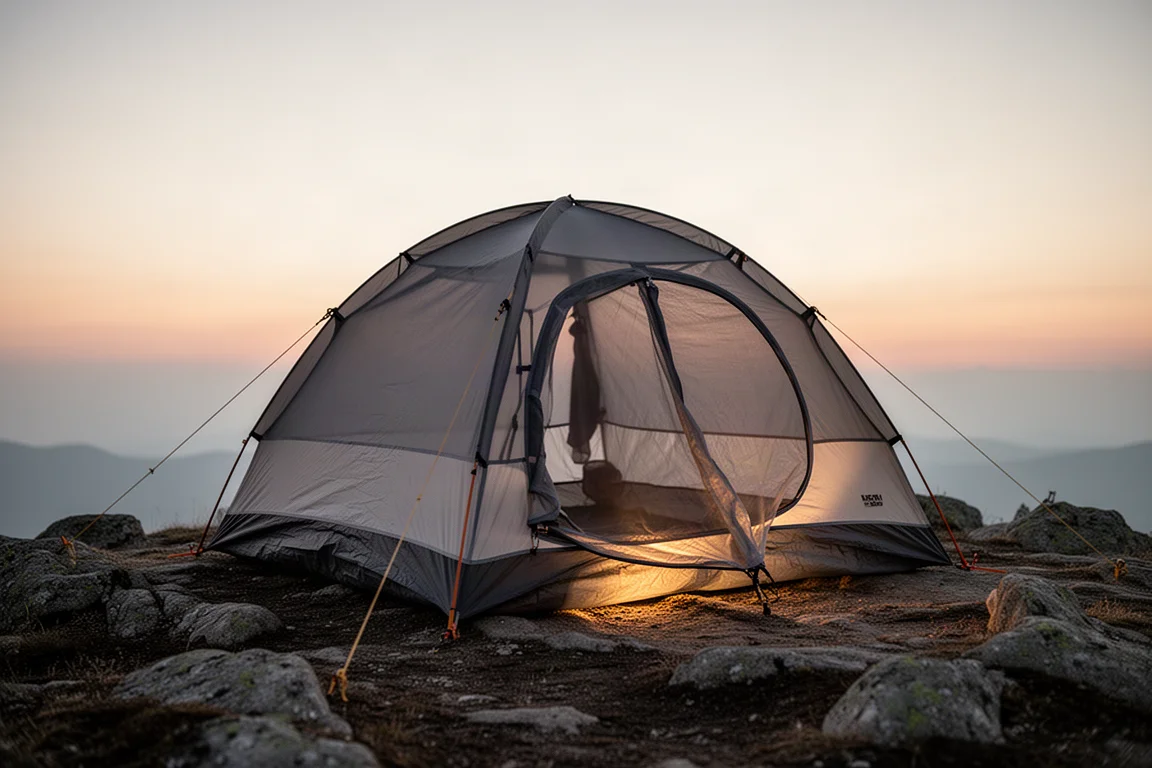
Against that, the Tiger Wall is a dependable all-rounder that is widely available and more affordable than most Dyneema alternatives, which is a large part of why it rates so well.
Mountain Hardwear Ghost Whisperer UL Down Jacket
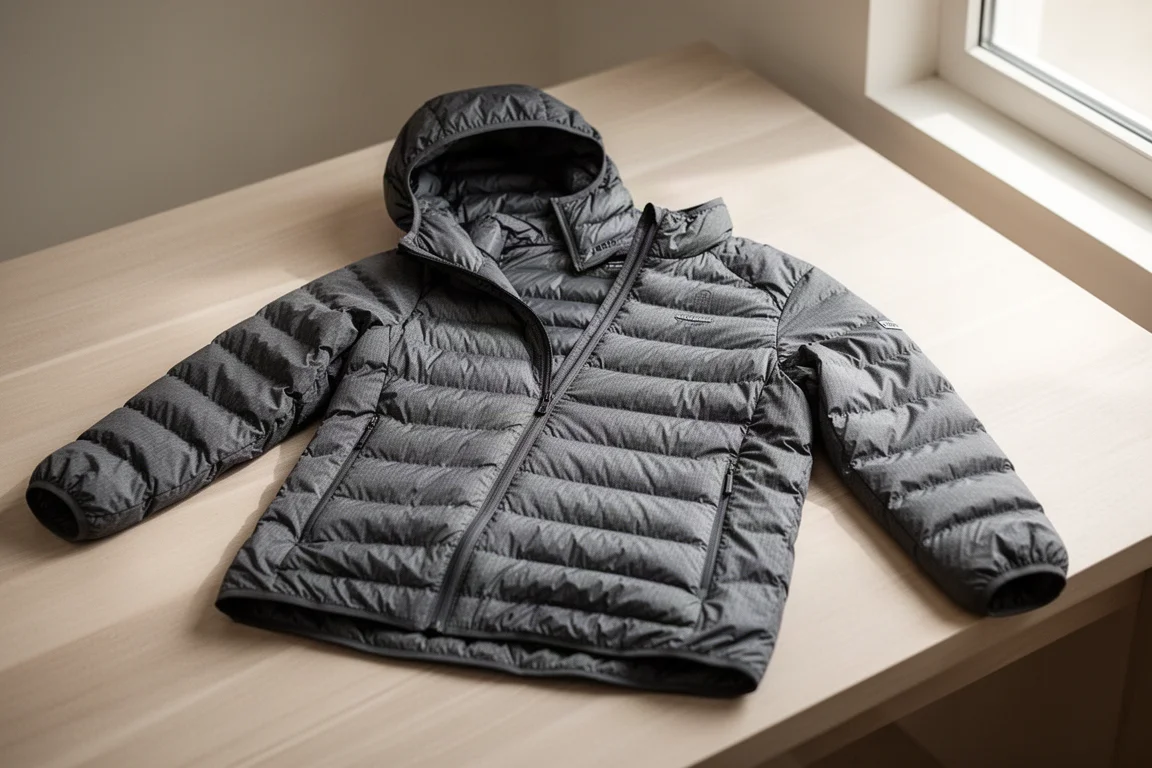
The Ghost Whisperer UL is built from a 7-denier shell fabric and 1,000 fill power down, making it one of the lightest down jackets you can carry. It is also one of the most expensive ultralight down jackets available, and that price may be doing some of the work, since people tend to rate expensive purchases more generously than identical cheaper ones.
The standard Ghost Whisperer was a favorite for years before more affordable options arrived, and it has gradually lost ground since. For wet or humid conditions, a synthetic jacket such as the Enlightened Equipment Torrid dries faster. For most backpackers, the Decathlon Trek 100 and comparable down jackets under $100 cover the same job at a fraction of the cost.
Therm-a-Rest XTherm Sleeping Pad
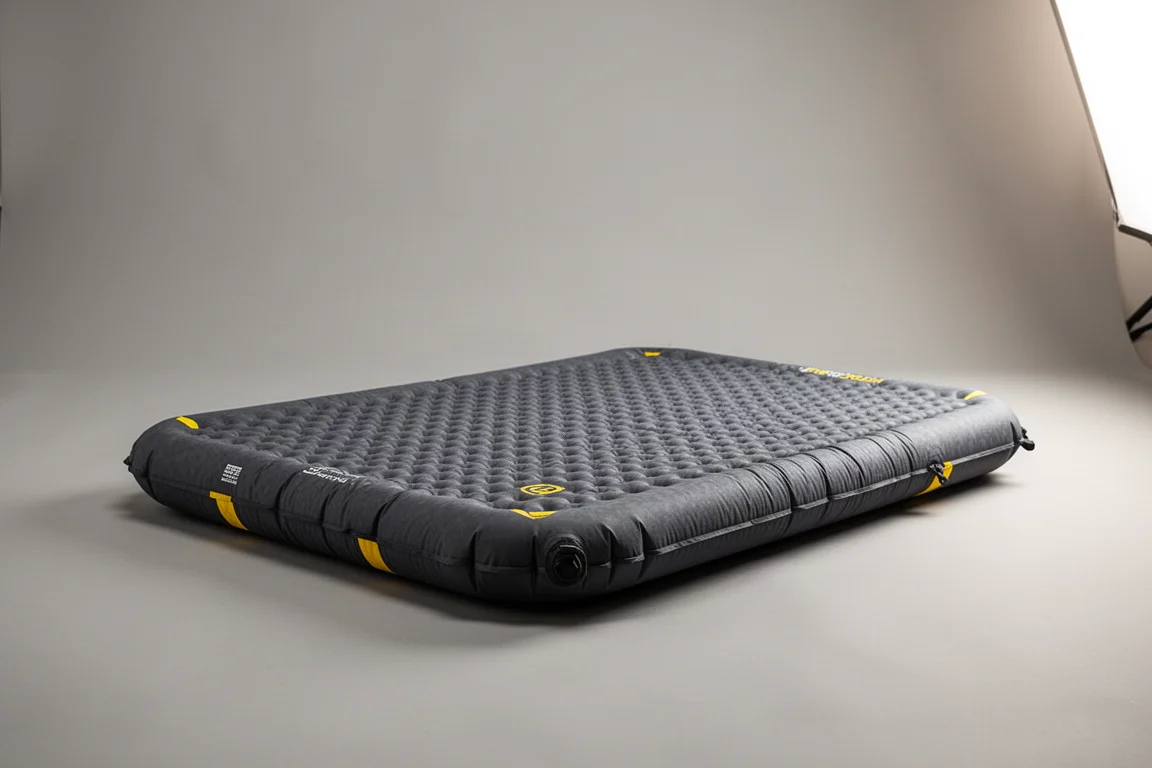
The XTherm is lightweight, extremely warm, and built for serious cold: it is the pad people reach for when camping in temperatures around -30 to -40. Therm-a-Rest pads also have a strong reliability record, which is not something every inflatable pad can claim.
Comfort is the trade-off. This is not a plush pad, and for most three-season trips it is more warmth than you need. Warmer sleepers can look at the Exped Ultra 3R, cold sleepers at the Ultra 5R, and anyone who puts comfort first on shorter trips at the REI Helix or the Zenbivy Ultralight, both of which are heavier but far more comfortable. A simple pillow makes a bigger difference to sleep quality than most people expect.
Overall Buying Advice
Match the gear to the trip you actually take. If you are hiking for months, weight, durability, and field usability are worth paying for, and the pack, filter, and sleep system here earn their place. If you go out for two or three nights at a time, comfort and value should outrank grams, and several items on this list are more specialized than you need.
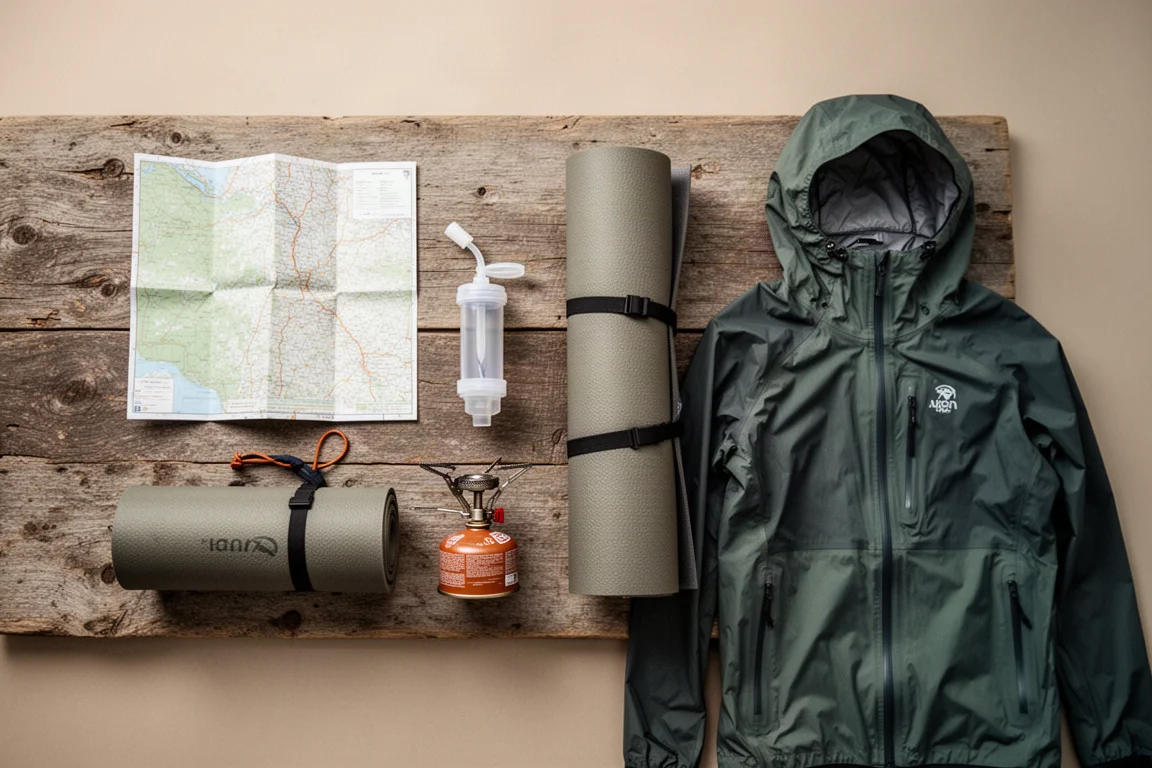
A simple way to decide is to ask what problem each item solves. Fast water treatment, reachable pockets, and a warm pad solve problems on every trip. A hoodless quilt-style bag, a semi-freestanding tent, and a very warm winter pad solve problems that appear mainly on long or cold trips.
Conclusion
The strongest lesson from a thru-hiker gear list is not that you should buy everything on it. It is that the items which rate highest are the ones that keep working, stay comfortable, and never force you to stop. A pack you can reach into, a filter that flows fast, and a sleeping system that suits how you actually sleep will improve any trip, whether it lasts three nights or three months. Everything else is a question of how specialized you want to get.
Further reading
Related Reviews

Backpacking Gear
Building a 10 lb Base Weight: An Ultralight Backpacking Gear List
A practical walkthrough of the ultralight pieces behind a 10 lb base weight, from a 765 g pack and a roomy one-person tent to a full camp chair and a dependable water filter.

Backpacking Gear
A 15-Pound Lightweight Backpacking Gear List for Solo Trips
A beginner-friendly 15-pound backpacking setup built from easy-to-find gear, with notes on what each piece does, how it packs, and where to spend your attention.

Backpacking Gear
8 Ultralight Backpacking Gear Upgrades Worth Carrying
Eight small, affordable backpacking upgrades that solve real trail annoyances, from a pillow that stays put to a fuel valve that rescues leftover canister gas.