Japanese Kitchen Knives
Top 10 Japanese Kitchen Knives for 2026: Our Favorite Picks
Ten Japanese kitchen knives with great stories, standout craftsmanship, and real performance for 2026, from a Canadian-made bunka to a razor-thin sujihiki.
Introduction
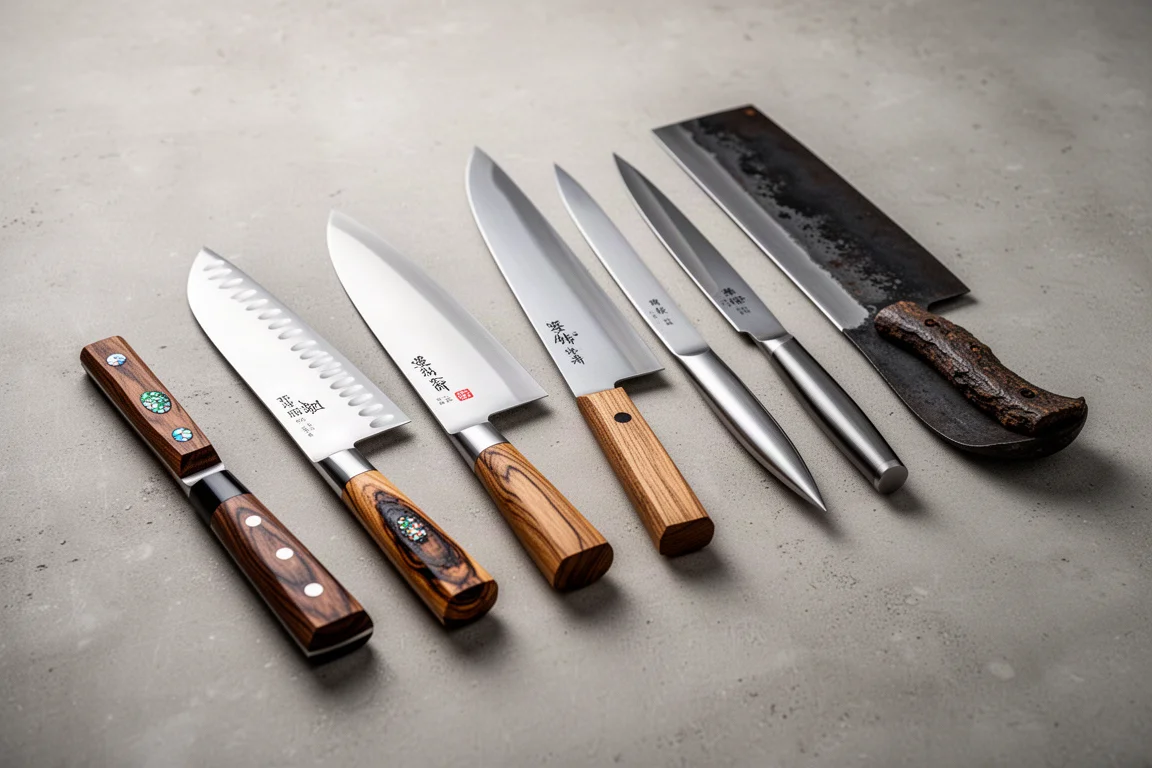
Picking a favorite Japanese knife is hard enough. Picking ten meant leaving a lot of great makers out. This list mixes new releases, fresh maker stories, and long-standing favorites that are still earning their spot in 2026. None of these are in any particular order; each one earned its place with an exciting story, standout craftsmanship, or simply the way it cuts.
10. Haki Pro Series Bunka
Haki is a young Canadian company that launched just a couple of years ago, and its blades are made in Seki, Japan, a city renowned for knife making. What makes the Pro Series special is the woodwork: every handle is finished in Quebec using Canadian woods, including a really nice walnut here, topped with an attractive mosaic pin at the bolster. It is a genuinely beautiful first Japanese knife, and buying one supports a Canadian business at the same time.
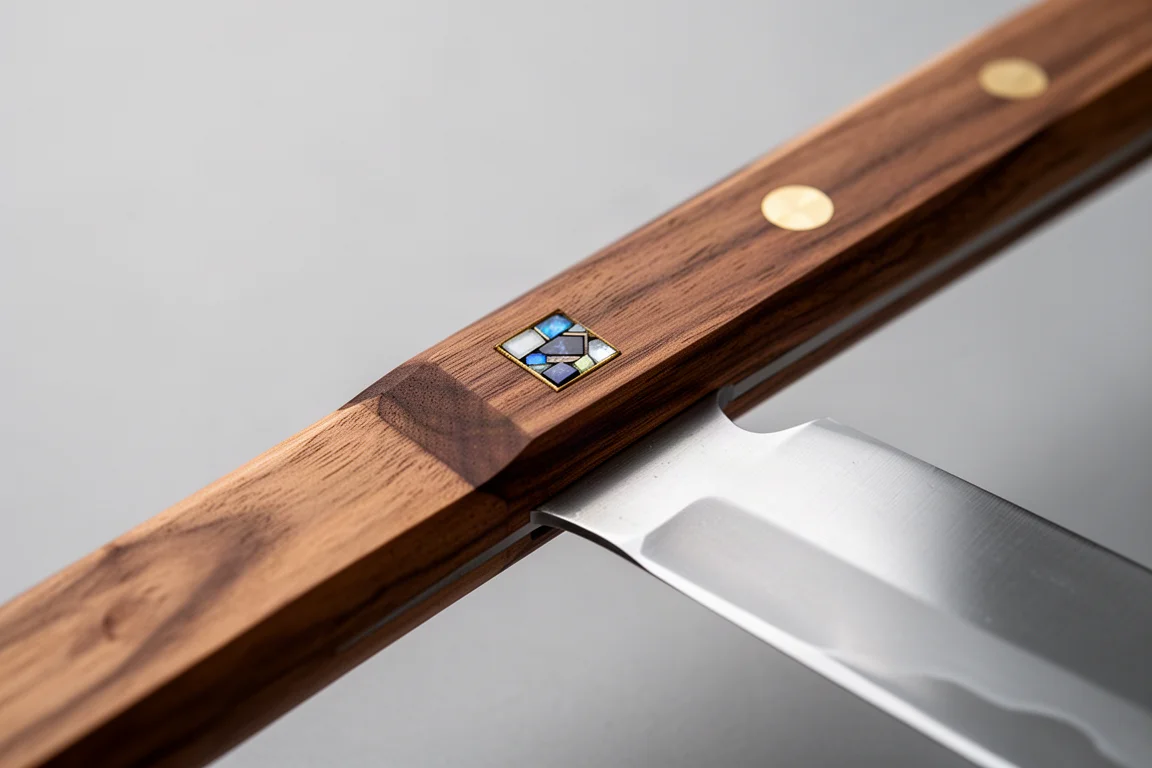
The brand also makes killer value steak knife sets, but the Pro Series bunka is the flashier pick with its polished blade and premium handle details.
9. Wakui 180mm Senku
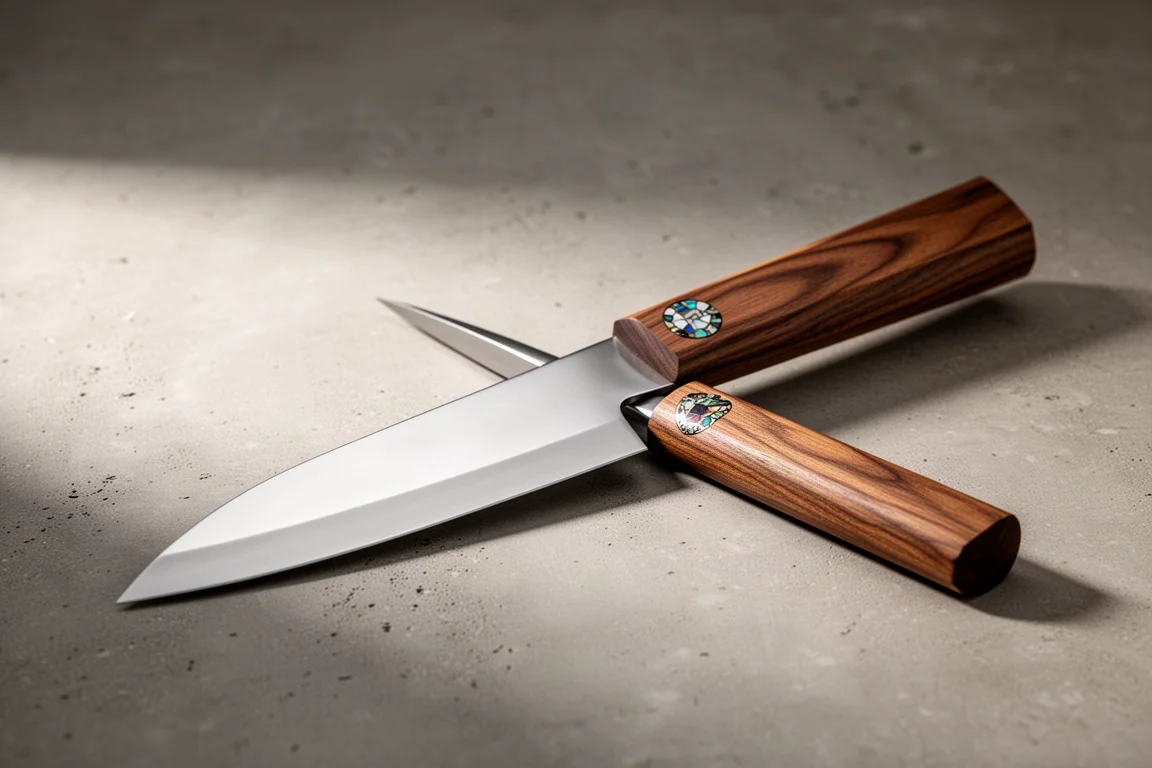
Woo Wakui did not start as a kitchen knife maker. He grew up in a crowbar-making family and spent years making crowbars full time, a trade that has quietly faded in Japan as construction demands changed. So he spent his evenings learning knife making at a school in Sanjo while working crowbars by day, and a few years ago switched to kitchen knives full time. The 180mm Senku shows that transition beautifully: the blade is shiny, really smooth, and glides through food with an elegance you would never guess came from a crowbar forge.
8. Nisaku Bread Knife
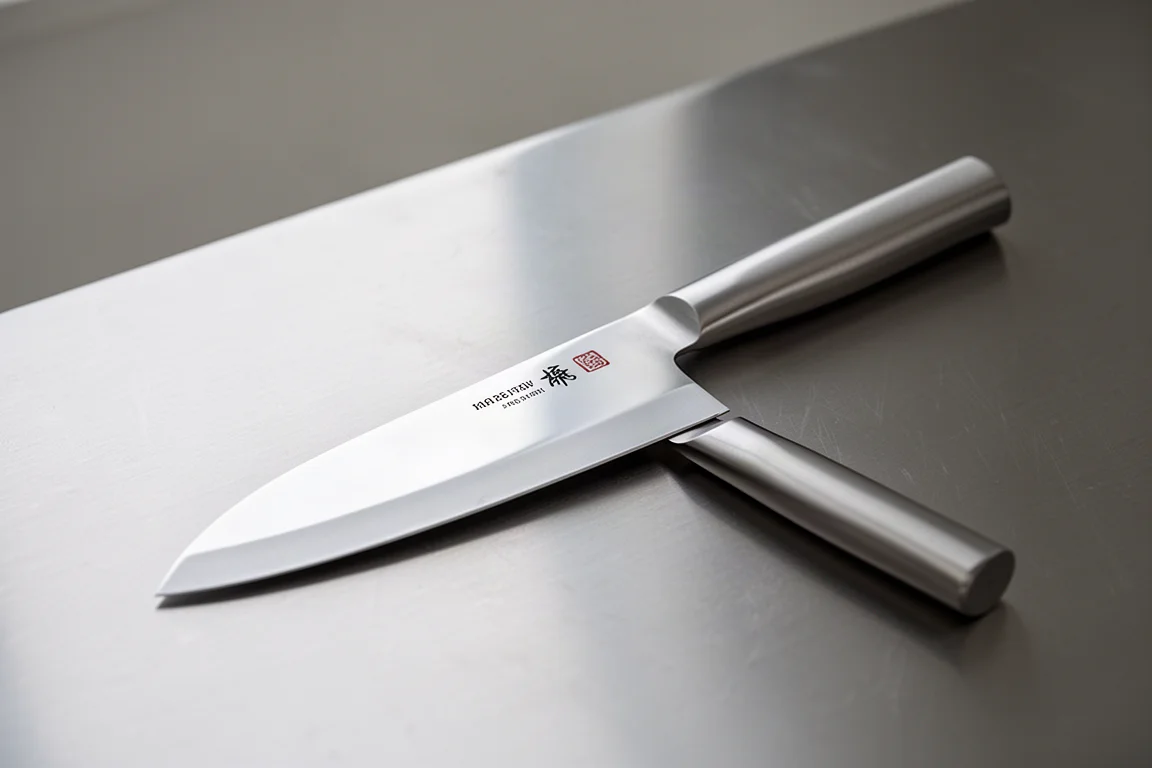
Nisaku is best known for hori hori gardening tools, which makes it all the more surprising that they also produce one of the prettiest bread knives around. It is super long, crazy sharp, and unexpectedly affordable. The wooden handle has lovely grain, and the whole knife looks far more refined than most bread knives ever bother to be.
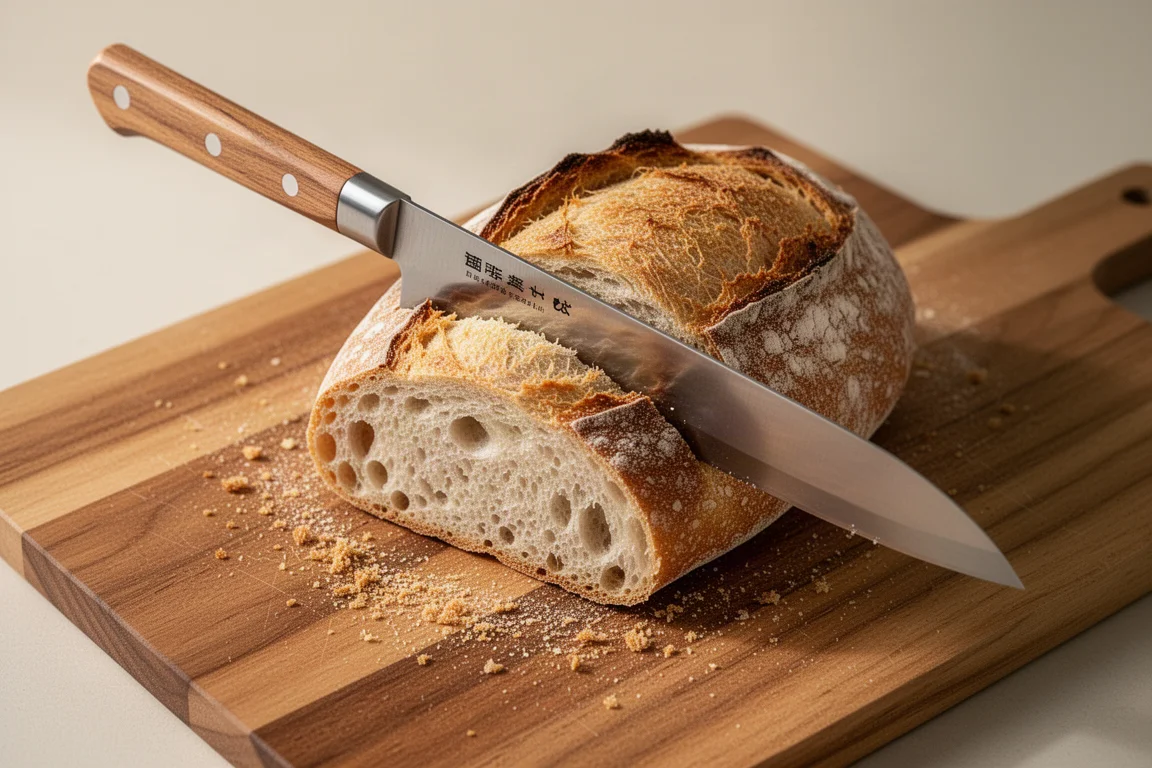
For anyone who wants a long, good-looking bread knife that does not cost a fortune, this was a favorite knife of the past year for good reason.
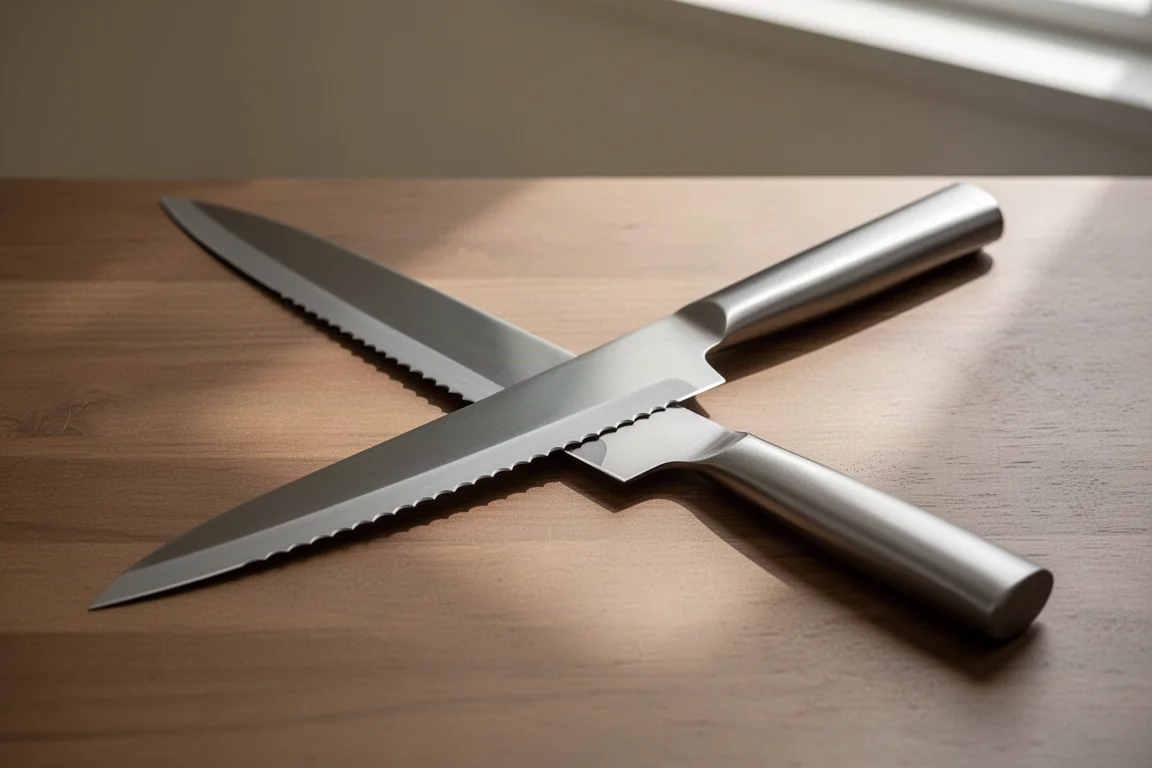
7. Fujiwoto Nishiji Santoku
The Fujiwoto Nishiji line is one of the best-selling knife lines around, and the santoku regularly lands near the top of sales charts. This version gets a new scorched maple handle in a single piece of wood, replacing the old plastic collar, and it smells as good as it looks. The knives are made by Tadafusa, one of the best knife factories in Japan, where much of the work is still done by hand.
The blade has a high-carbon steel core, but because only the very edge is exposed carbon, maintenance is simple: just give it a wipe after use and let a patina develop. A little extra care returns serious cutting performance, and the line is deep enough to build an entire knife set or to grab just one great knife.
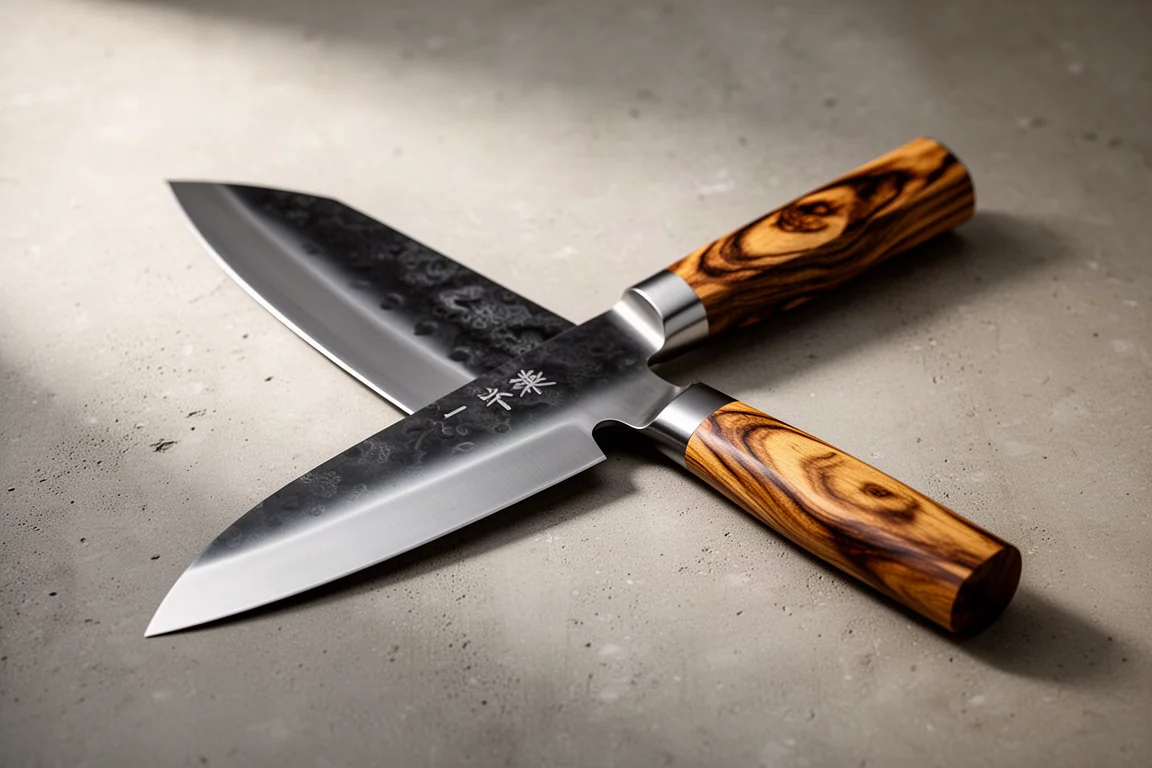
6. Hariosai Bunka
Hariosai, a name that evokes both the sound of waves and the city of Sakai, does something unusual: they do not forge knives at all. Other smiths do the forging, and Hariosai focuses entirely on sharpening, grinding a beautiful thin bevel onto every blade. The result is a knife that is thicker up at the spine than many ultra-thin knives but tapers down to a genuinely thin, sharp edge.
The polished spine and heel mean you can grip the knife firmly, pinch-chef style, without wearing a rough callus into your finger during a long shift. Everything this company makes is elegant and high performing, and with a new head recently taking over, it felt like the right year to spotlight them.
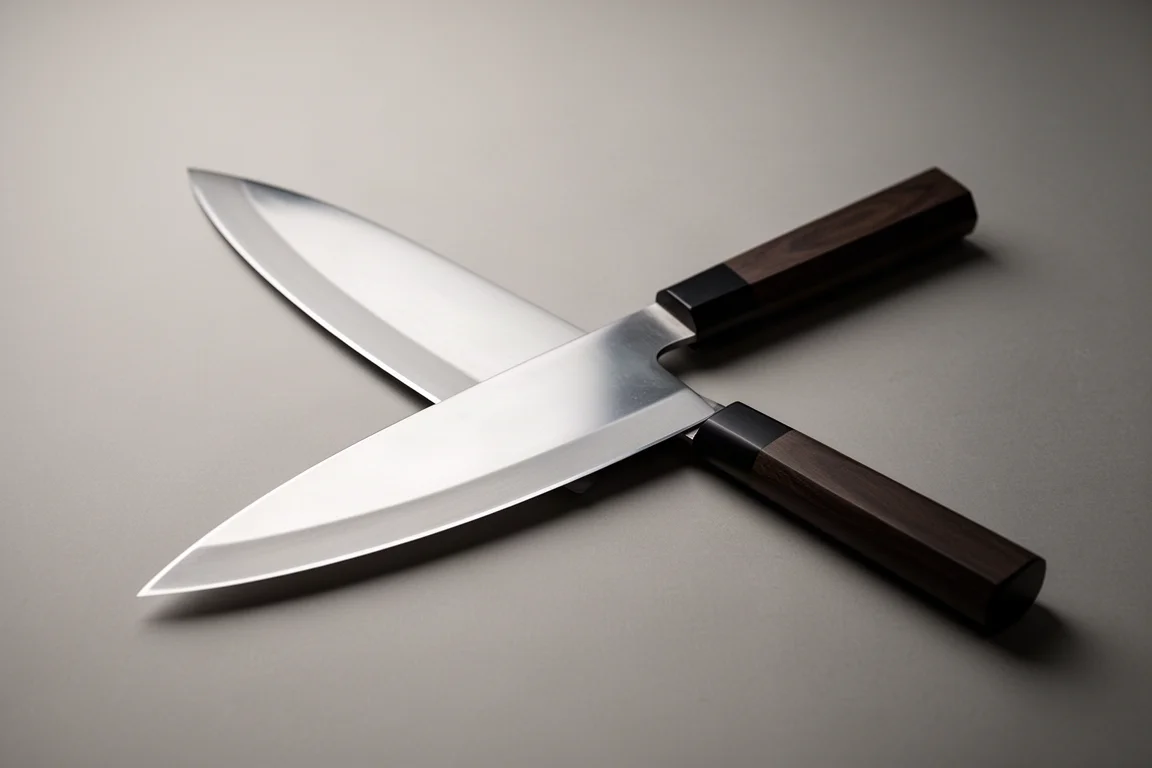
5. Ichimonji SLD Migaki Petty
The SLD Migaki petty is a gorgeous knife with good height at the heel, which matters more than people think. Many cooks use their petty knives almost like bunka, and the extra blade height keeps big knuckles clear of the cutting board while still handling delicate tasks like cutting chives.
The migaki polish looks simple at first glance but still carries a bit of texture that keeps it from feeling plain. In practice it performs beautifully on butchery-adjacent work, from breaking down chicken to getting in between fat and silver skin on sub-primals. It is the kind of knife that quietly converts people who claim they do not need a petty.
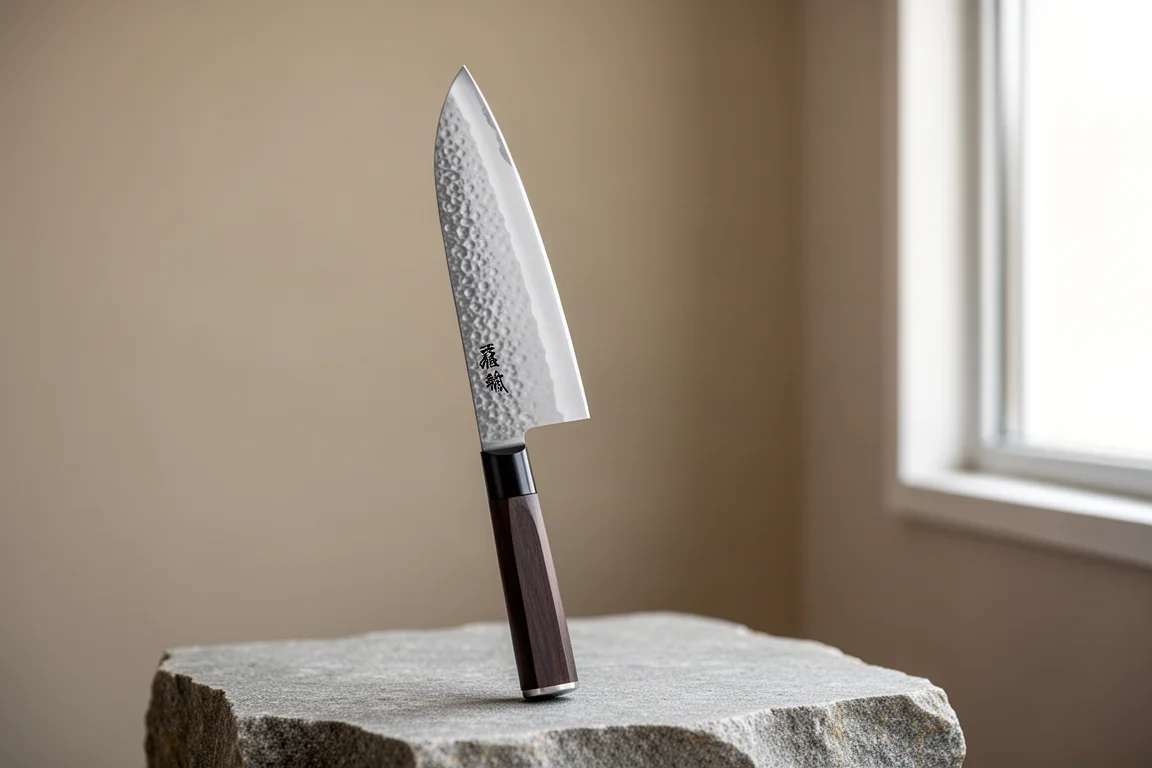
4. Masamoto 240mm Sujihiki
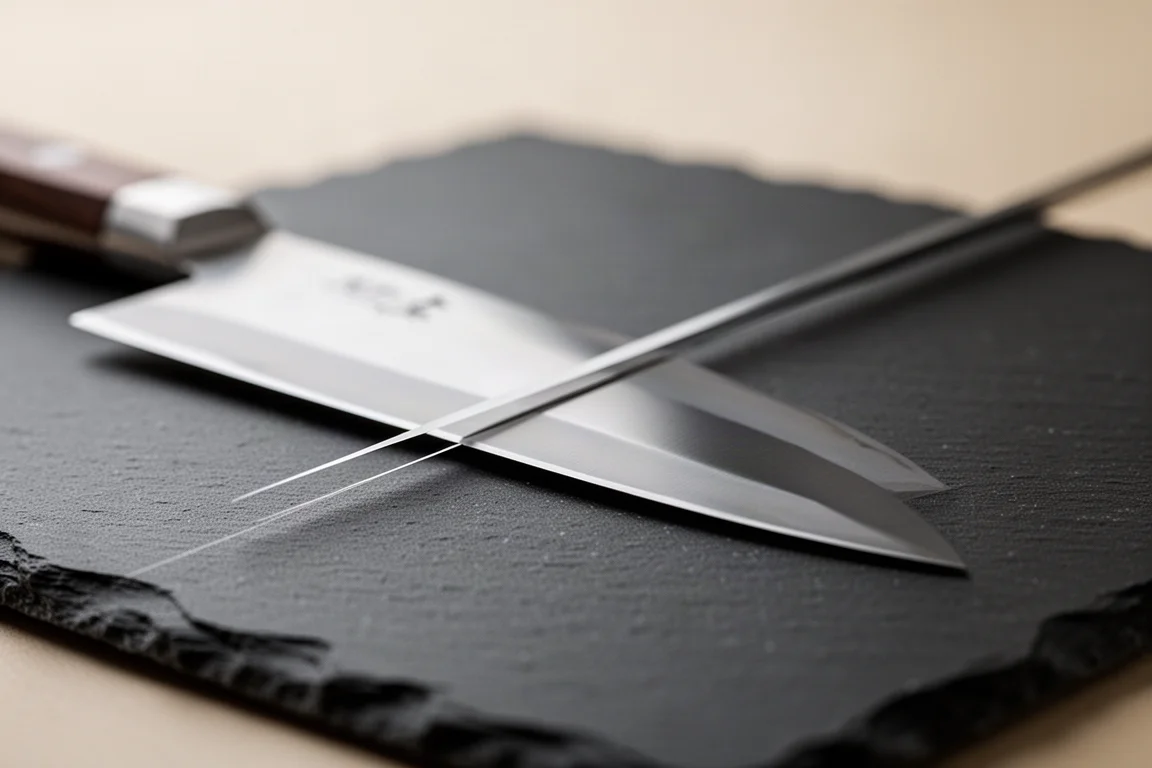
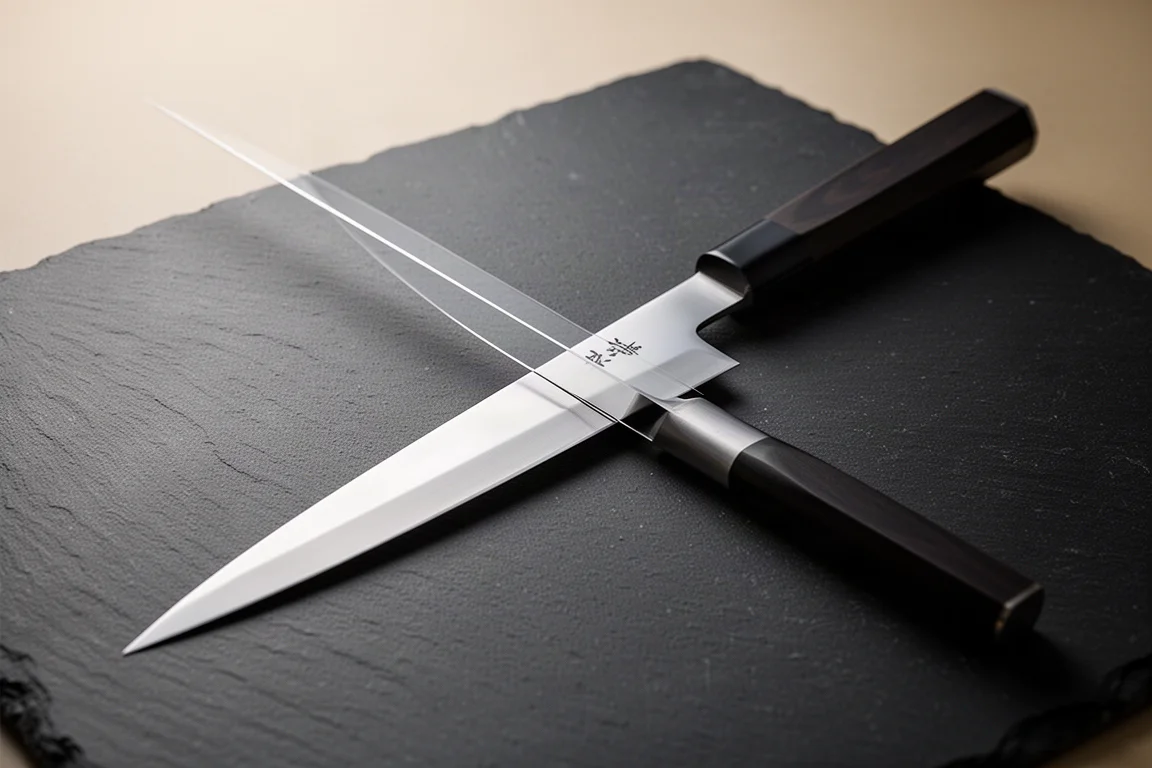
Masamoto was one of the first big Japanese knife names known in the West, back when there was nowhere to walk in and buy a handmade Japanese kitchen knife. Enthusiasts on old forums knew the name, and for good reason: few makers get their blades as thin as Masamoto does. The measurements on this 240mm sujihiki were thin enough that the calipers seemed wrong.
Despite that extreme thinness, the knife feels sturdy, and it is astonishingly light for its size. A 270mm version feels nothing like you would expect from a blade that long. Small details like the stamp on the back of the handle round out an attention to detail that makes these knives feel special decades into their reputation.
3. Shokunitsu Hakata
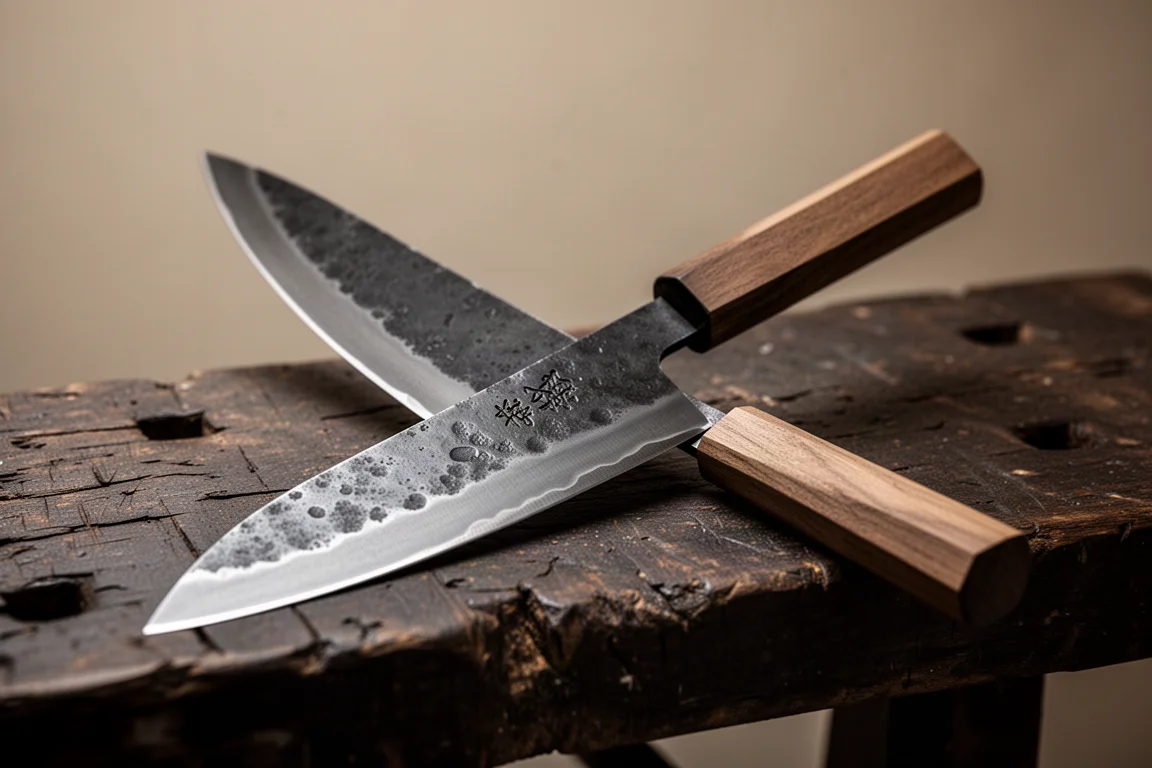
Shokunitsu comes from a blacksmithing family with a lineage stretching back over 200 years, to the late 1700s, with the name passed down through generations. The family still forges highly awarded traditional samurai swords, and like other sword-making families, they channel that craft into kitchen knives now that sword demand has cooled.
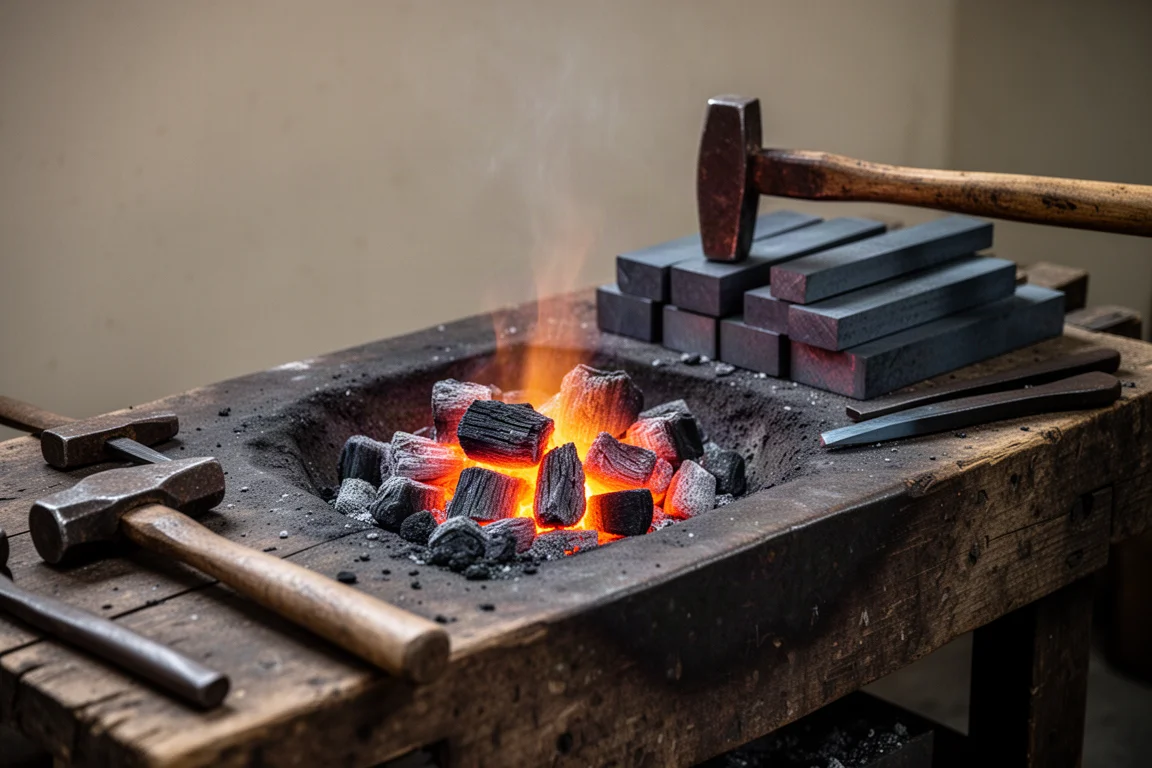
The results are beautiful, super rustic knives with cool, unique shapes. This hakata-style blade sweeps up toward the spine, and the family also does warikomi construction, forge welding the steel together in house. If you love the rustic character of knives like the Moritaka line, this is squarely up your alley, and it is rugged enough that heavy-handed cutters do not need to baby it. The workshop itself, full of coal, old steel, and generations of sharpening history, makes it clear how much they care about the process.
2. Tojiro SG2 Repu
Tojiro is not a sword-making house with romantic branding. It is a factory operation with deeply experienced staff who consistently knock it out of the park, and the online knife world has a phrase for it: just get a Tojiro. The new Repu line is made with SG2 powder steel, hard enough to deliver crazy edge retention while staying easy to sharpen and maintain.
Because the blade is thin, getting a fresh edge back is quick, which makes this a perfect upgrade for a line cook a couple of years into the job. Thin, sharp knives excel at garnish work, like paper-thin tomato slices, and nothing beats this combination of performance and value for the money.
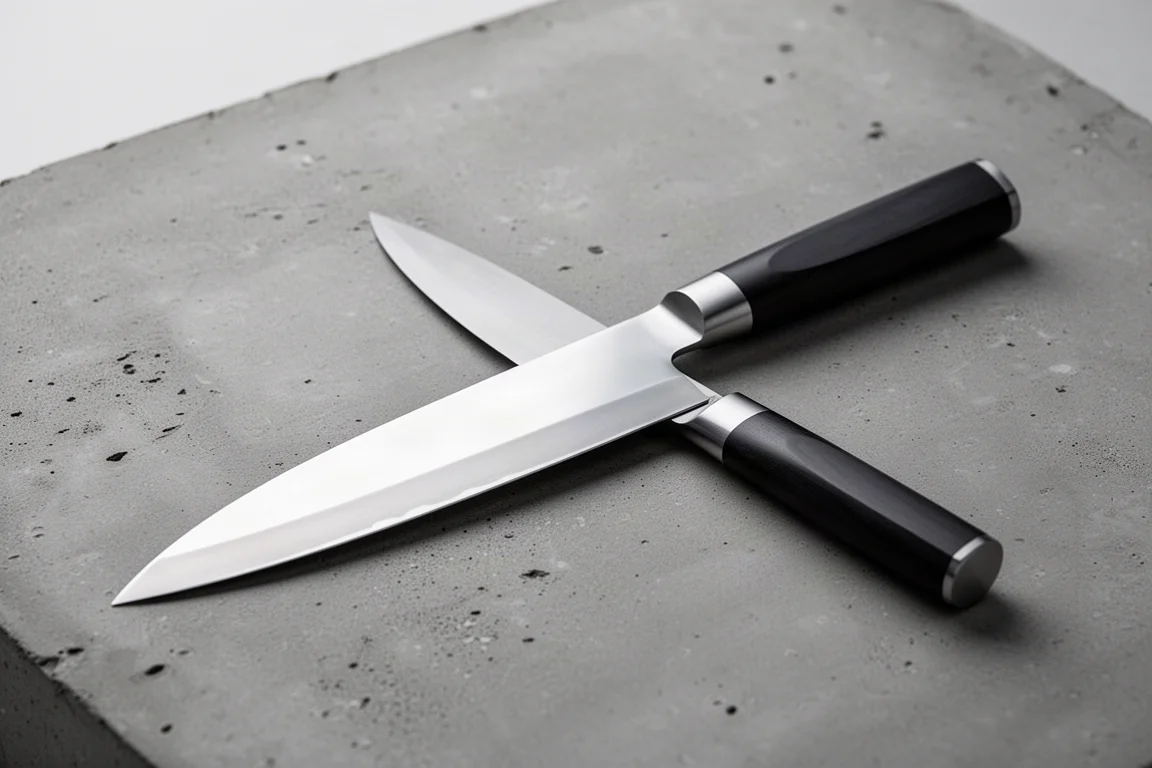
1. Kishike Manakaan Hakata
Kishike Manakaan is one of the best newer blacksmiths working today. He recently relocated to Sanjo because he always wanted to live in a city full of knife makers, and he wanted to keep learning and developing his craft alongside makers he counts as friends.
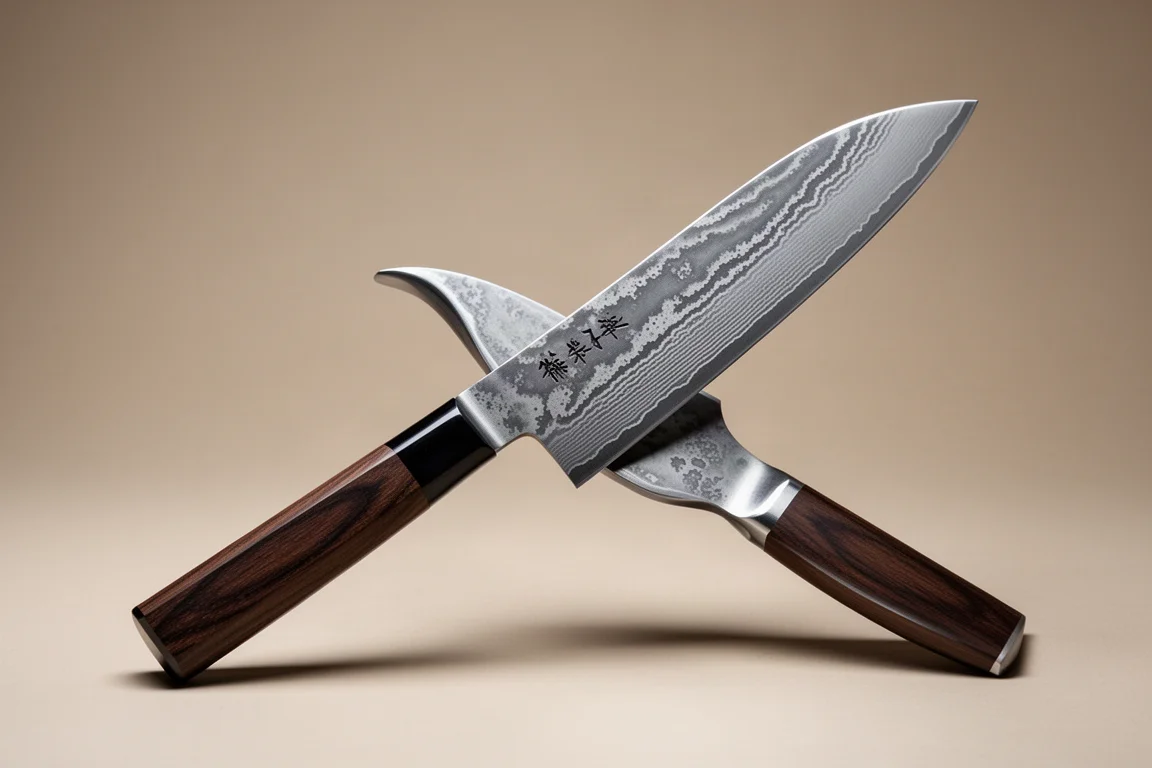
The hakata shape itself is a regional style from the Hakata area that is starting to gain popularity, with a more pronounced curve than a standard bunka, and seeing more makers take it on is exciting. This one is thin at the edge, nice and tall, and the acid-etched finish shows off the beautiful layers of steel the smith can produce. It is a genuine work of functional art, and the balance between function and aesthetics is close to perfect. Manakaan is also young for a knife maker, in his 40s, which makes what he is producing now all the more impressive, and he has been leaning into his artistic side with some genuinely wild designs.
Overall Buying Advice
If this list proves anything, it is that there is no single “best” Japanese knife, only the right knife for how you cook. Rustic, hand-forged blades like the Shokunitsu hakata reward cooks who want character and can tolerate a little care in return. Precision grinders like Hariosai and Masamoto favor cooks who value thinness above all. And for anyone stepping up to their first serious work knife, the Tojiro SG2 Repu remains almost unbeatable value. Match the knife to your cutting style and maintenance appetite, and any of these ten will serve you well.
Conclusion
From a Canadian company with Japanese blades to a crowbar maker turned knife smith, this year’s favorites tell great stories as well as cut great food. Whichever one speaks to you, each of these knives is backed by a maker who clearly cares about the craft, and that is the best reason to buy any blade.
Further reading
Related Reviews
Japanese Kitchen Knives
Isamitsu 230mm Kitsuke Review: A New Favorite Japanese Kitchen Knife
A 230mm kitsuke with kurouchi tsuchime finish, stainless cladding, and a two-tone yamamomo handle that pairs striking looks with outstanding cutting performance.
Japanese Kitchen Knives
Kyohei Shindo Funayuki Review: A Lightweight Tosa Traditional Japanese Knife
A light, thin-bladed funayuki from an up-and-coming Tosa blacksmith, available with a custom handle and a hand-refined edge from Tokushu Knife.
Japanese Kitchen Knives
Teryasu Fujiwara Denka Knife Series: A Rustic Icon Worth the Quirks
The Denka series pairs stainless-clad Aogami Super steel with remarkable edge geometry, but expect handcrafted imperfections along the way.