Japanese Kitchen Knives
Teryasu Fujiwara Denka Knife Series: A Rustic Icon Worth the Quirks
The Denka series pairs stainless-clad Aogami Super steel with remarkable edge geometry, but expect handcrafted imperfections along the way.
Introduction
If you have spent any time researching Japanese knives, chances are you have come across Teryasu Fujiwara and his most famous line, the Denka series. These knives are among the most iconic Japanese knives available today, and for good reason. Fujiwara was among the first Japanese blacksmiths to laminate stainless steel to carbon steel through forge welding, a process that made carbon steel knives far easier to maintain and helped fuel the global popularity of Japanese blades. His Denka series carries that pioneering spirit forward, and it is hard to deny just how special these knives are.
Why the Denka Series Stands Out
Fujiwara is a master of heat treatment. The Denka series uses Aogami Super steel, an excellent steel in its own right, but heat treated to around 64-65 HRC it becomes something remarkable, with incredible edge retention. Combined with top-notch edge geometry, these knives perform at a genuinely high level.
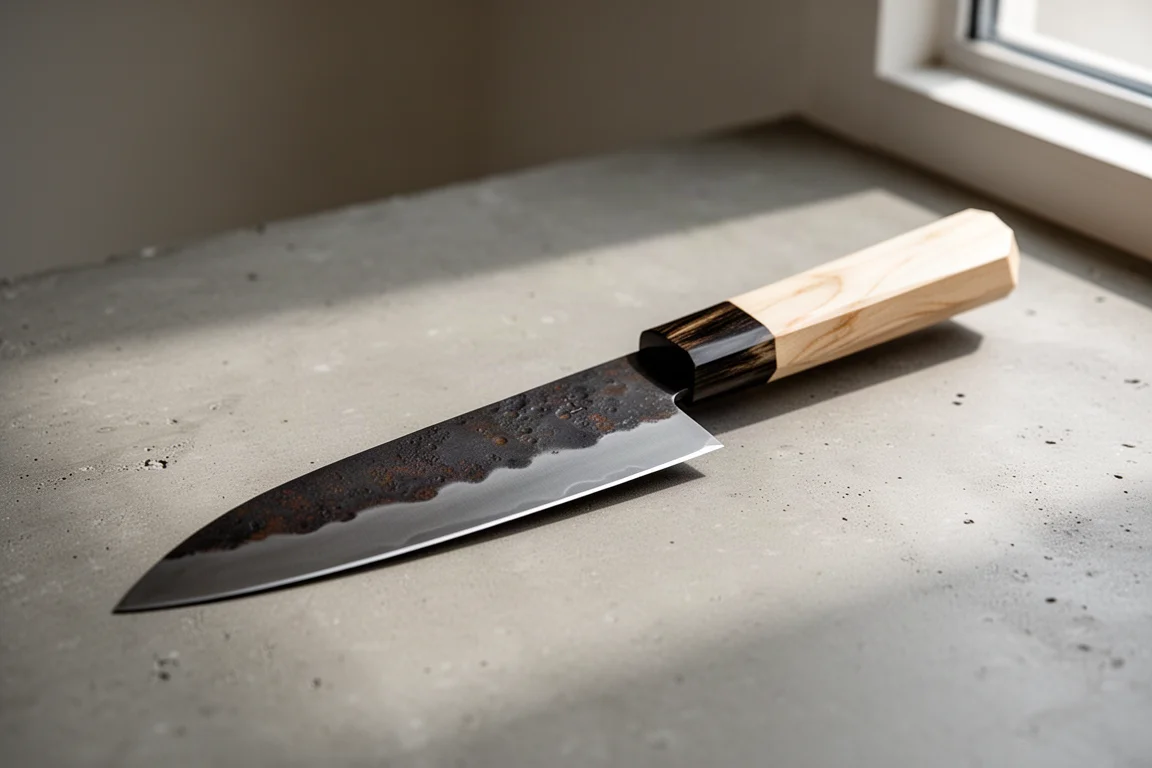
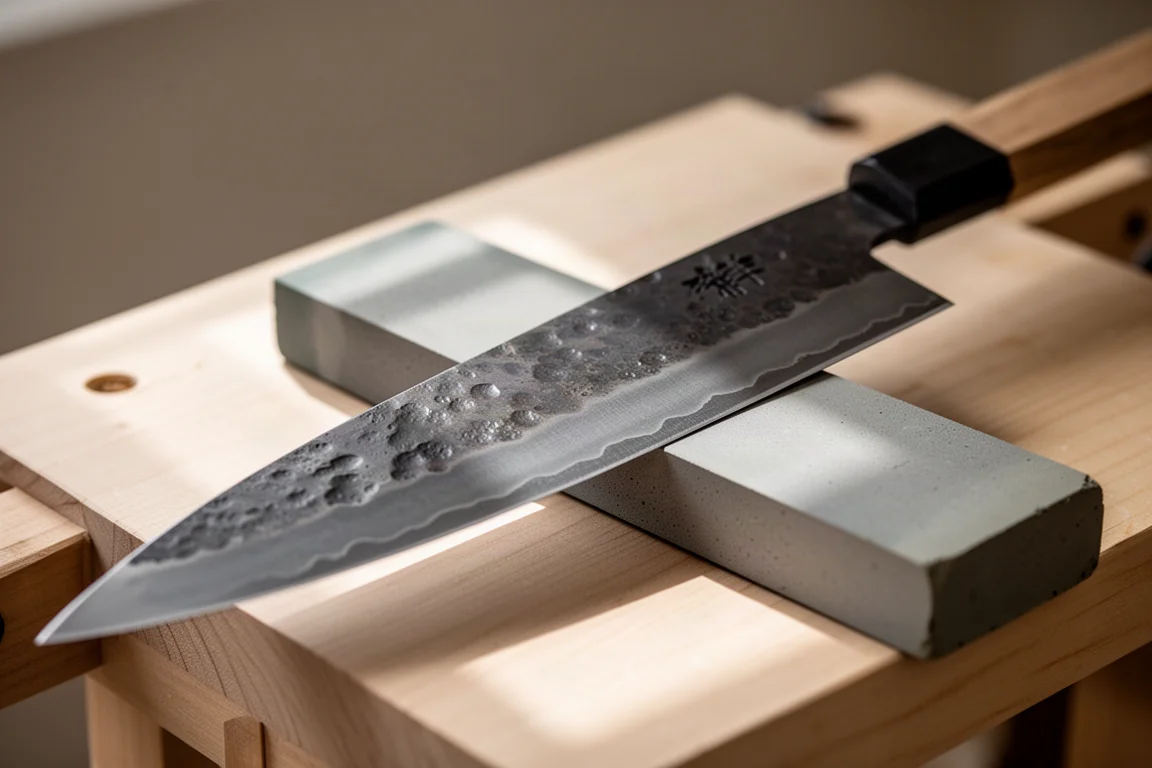
The aesthetic is a big part of the appeal too. The combination of the rustic kurouchi finish with a tsuchime finish gives the blades a distinctive, handcrafted character that many collectors find irresistible.
Handle, Balance, and the Finger Rest
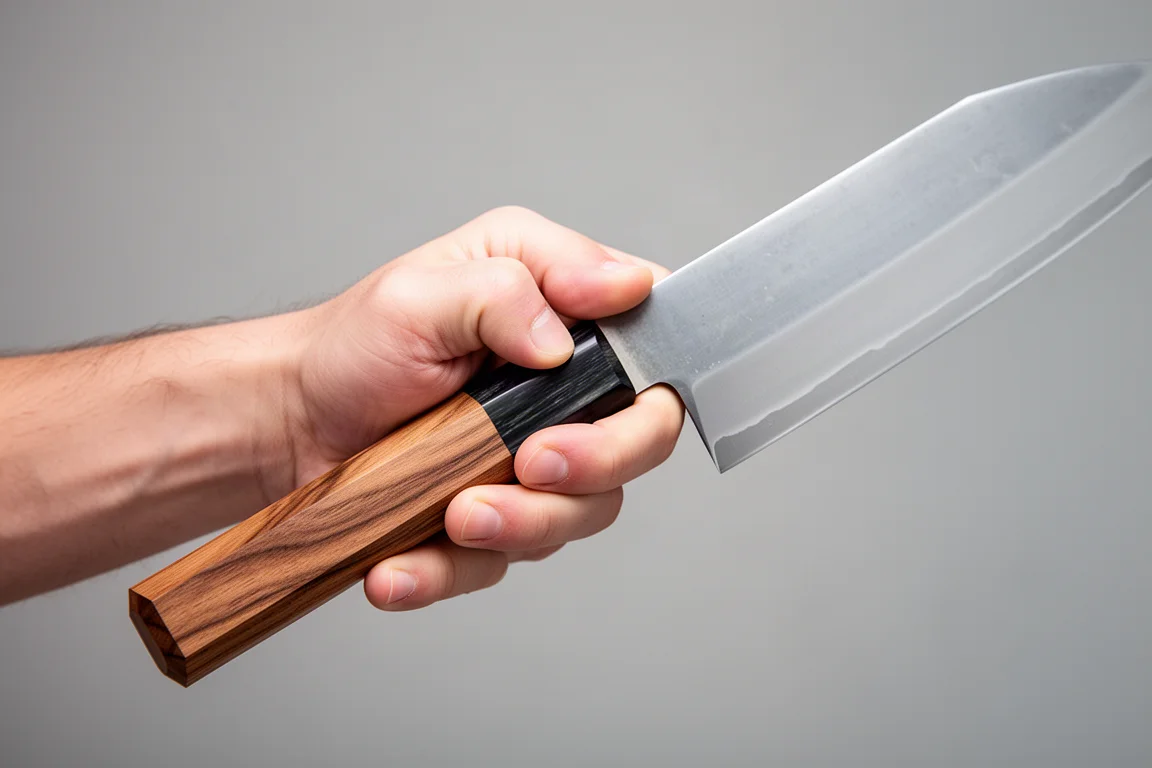
The little finger rest where the blade meets the handle may not look like much, but it makes the knife feel exceptional in a pinch grip. Japanese knives already tend to feel like an extension of the hand, and the finger rest takes that feeling even further.
The knives are balanced slightly forward toward the blade, and the octagonal magnolia handles with buffalo horn ferrules are neatly fitted, with no gaps or spaces and clean sealing where the tang meets the handle. These are beautiful knives in both hand and eye.
Things to Consider Before Buying
Here is the honest part: the fit and finish on Denka knives can be inconsistent. The handle will likely not be perfectly straight, and the cutting edge may show small inconsistencies or scratch marks from the sharpening process. The kurouchi finish can carry light scratches too. This is normal for these knives, and it is rare to find one without such imperfections.
There are reasons behind this. These are handcrafted knives, and Fujiwara does all of his own forge welding, whereas most blacksmiths buy pre-laminated steel and forge it into a knife. That extra step, combined with high demand, means Denka knives are often sold out and can be difficult to find.
It is also worth noting that the heat treat is excellent: despite the high hardness, these knives are quite robust and not especially prone to chipping. Still, if you are new to Japanese knives and not an experienced sharpener, the Denka series may not be the easiest starting point. Some touch-up work on an inconsistent bevel or edge may be needed, though once you have put in that effort, it will likely become one of your favorite knives.
Which Denka Shape Should You Choose
The lineup covers a wide range of tasks. Available shapes include a 120mm petty, a 150mm guto, a 210mm gyuto, 210mm nashiji Chinese cleavers, and yanagiba in three sizes: 210mm (which actually measures 190mm), 240mm (measuring 230mm), and 300mm (measuring 280mm). Also available are a 195mm nikiri and a 180mm bunka, both worth a close look.
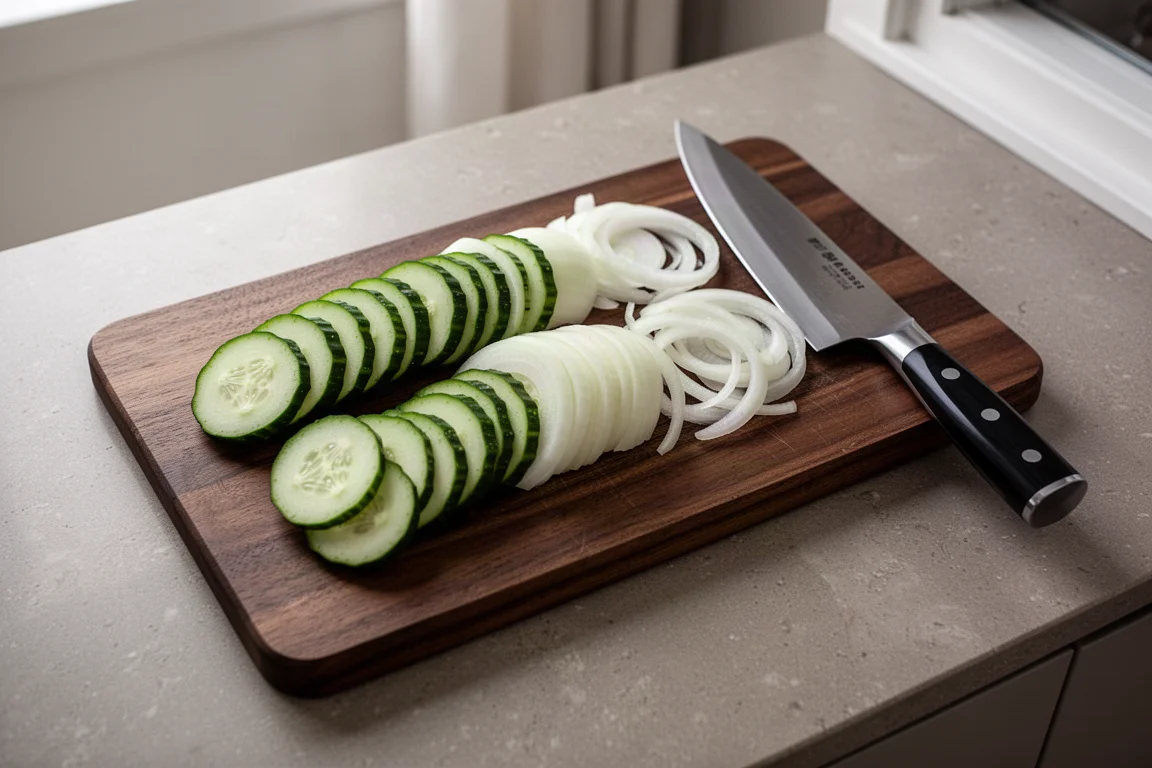
For many enthusiasts with large collections of custom knives from blacksmiths around the world, the Denka somehow ends up as the go-to knife. There is an intangible magic to the series, which is exactly why it remains so highly regarded.
Conclusion
The Teryasu Fujiwara Denka series is a little rustic, sometimes imperfect, and frequently hard to find, yet it remains one of the most loved lines of Japanese knives available. If you can accept minor aesthetic quirks that do not affect performance, you get outstanding steel, superb heat treatment, and a knife that many enthusiasts consider their favorite. For anyone willing to overlook a few scratches in exchange for genuine craftsmanship, the Denka is absolutely worth it.
Product link
View more details for Teryasu Fujiwara Denka Knife Series
This product is mentioned in the review. Check the specifications, options, and compatibility before buying.
View more details for Teryasu Fujiwara Denka Knife SeriesFurther reading
Related Reviews
Japanese Kitchen Knives
Isamitsu 230mm Kitsuke Review: A New Favorite Japanese Kitchen Knife
A 230mm kitsuke with kurouchi tsuchime finish, stainless cladding, and a two-tone yamamomo handle that pairs striking looks with outstanding cutting performance.
Japanese Kitchen Knives
Kyohei Shindo Funayuki Review: A Lightweight Tosa Traditional Japanese Knife
A light, thin-bladed funayuki from an up-and-coming Tosa blacksmith, available with a custom handle and a hand-refined edge from Tokushu Knife.
Japanese Kitchen Knives
Top 10 Japanese Kitchen Knives for 2026: Our Favorite Picks
Ten Japanese kitchen knives with great stories, standout craftsmanship, and real performance for 2026, from a Canadian-made bunka to a razor-thin sujihiki.