Backpacking Gear
Toddler Backpacking Gear: Four Items for a First Overnight Trip
A framed child carrier, a wearable kids sleeping bag, a closed-cell foam pad, and a squeeze water filter, plus the weight math and warmth decisions behind them.
Introduction
A first overnight with a toddler is less about covering miles than about proving the setup works. The trip that shaped this list was deliberately small: one mile up Springer Mountain, one night camped in temperatures in the lower 50s, and one mile back to the trailhead the next morning. The point was to see how the child handled a night outside and how the gear handled being carried, before committing to anything longer or more exposed.
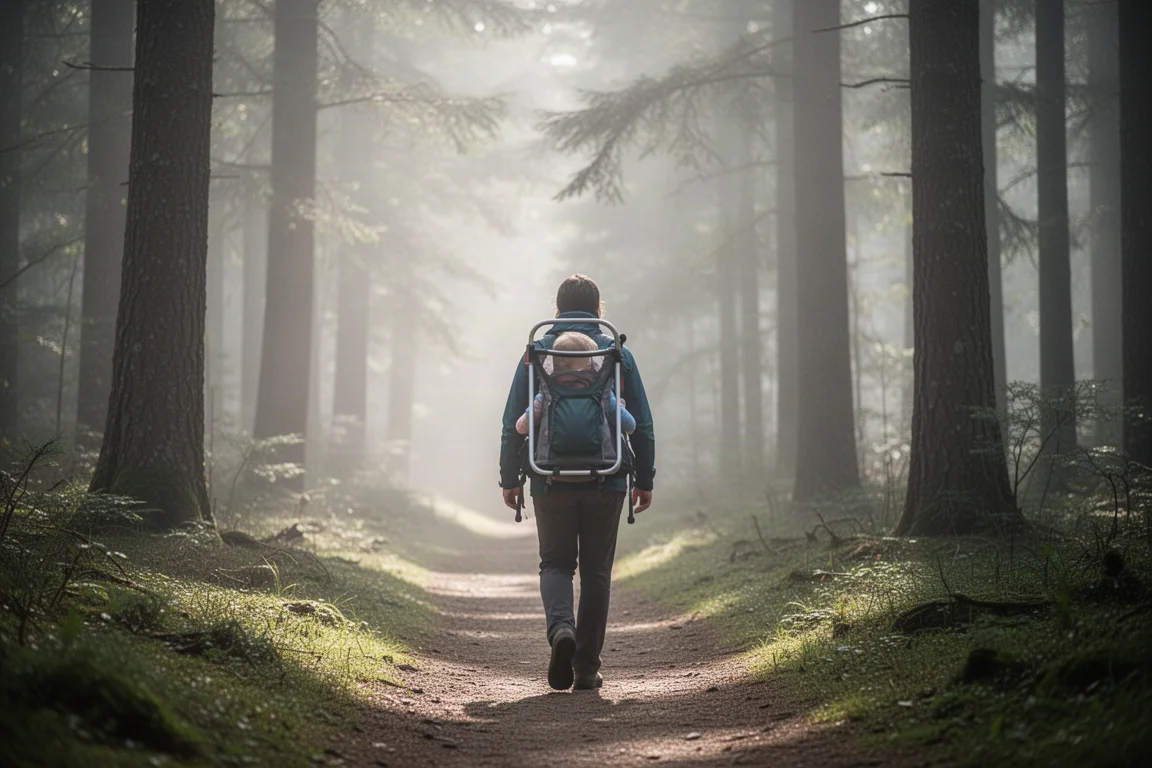
The weight math is the part most parents underestimate. The child’s clothing and sleep kit came to roughly 15.5 pounds, and the child weighed about 23 pounds. Together with the carrier itself, that put the load at around 38.5 pounds before food, water, and pumping supplies were added, leaving roughly 5 pounds of headroom under the carrier’s 48.5-pound limit. On a longer trip that margin would need to stretch further, which is why each piece below was chosen with weight and warmth in mind rather than comfort alone.
What Mattered Most on a First Trip
Three priorities shaped every choice. First, protection: a carrier with real structure, because a fall with a soft-sided carrier is the scenario every parent wants to rule out. Second, warmth without bulk, since a small child cannot be trusted to keep insulation dry or to stay on a sleeping pad overnight. Third, a low-risk trial: a short distance from the car, mild overnight temperatures, and gear that could be evaluated honestly before a bigger commitment.
Synthetic insulation was a deliberate decision for a child. Down loses its loft once it gets wet, and a leaky diaper or a spilled bottle is a realistic possibility on any trip with a toddler. A wet synthetic bag is still a functional bag, which is the whole argument.
The Carrier: Osprey Poco Premium
The Osprey Poco Premium carries 36 liters of storage, which is the detail that makes it a family pack rather than just a kid carrier. On this trip that volume held the child’s clothing, sleep system, food, and toiletries, and it was just enough. Without the bottles and pumping supplies that consumed a large share of the space, there would have been room to spare for more food on a longer route.
The internal aluminum frame is the other reason this model stands out. A soft carrier offers less structure around a child in a fall, and the frame also gives the pack enough rigidity to transfer weight onto the wearer’s hips instead of the shoulders.
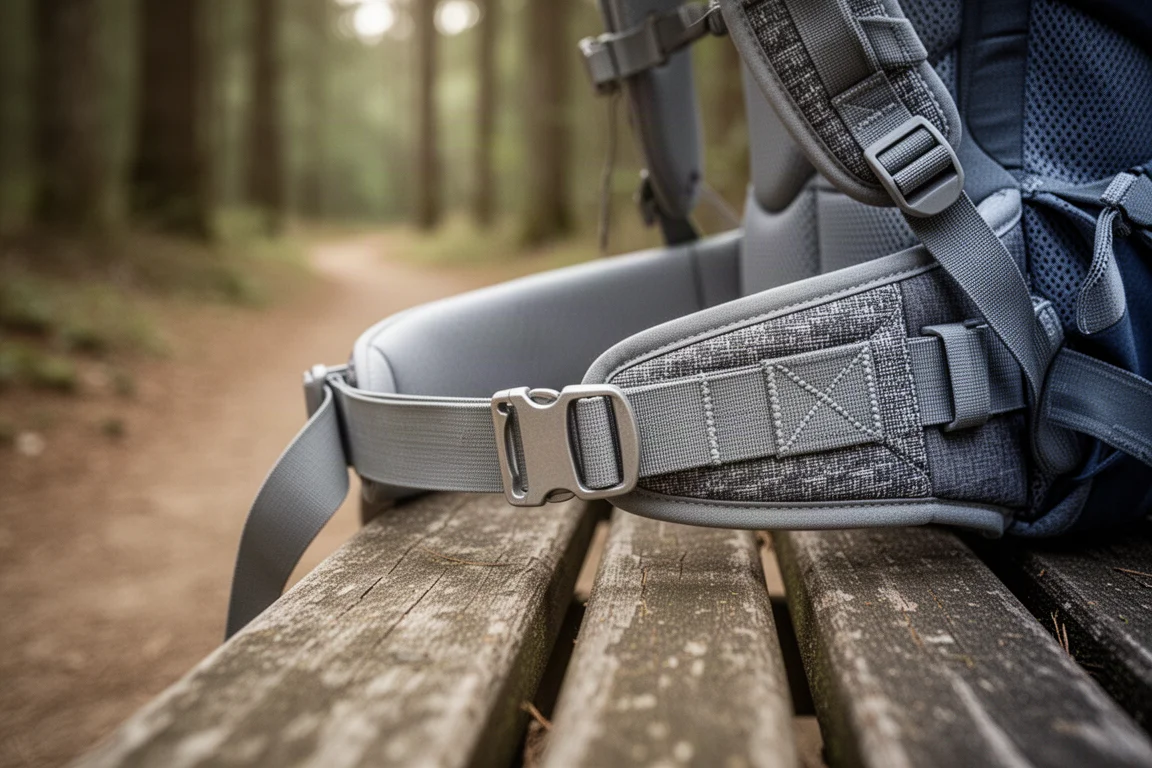
Fit and comfort held up over the mileage. The harness adjusted well to the wearer’s body, the hips were sore at the end of a first day back on trail but showed no bruising, and the child stayed secure in the seat and buckle arrangement and slept through the descent. The included sun shade is ventilated and water resistant enough to keep light rain off for a mile, but it is a shade rather than a rain cover, and a dedicated rain cover is available separately for wetter or longer trips.
The one recurring annoyance is the bottle storage at the top of the pack. Those pockets are shallow, so a top-heavy bottle flops out unless it is wedged tightly against something else. It is a small design complaint on an otherwise well-sorted carrier, and the 48.5-pound capacity limit, which counts the child, the pack, and everything you add, is generous enough to grow with a toddler for a good while.
The Sleep Setup: Little Mo 40
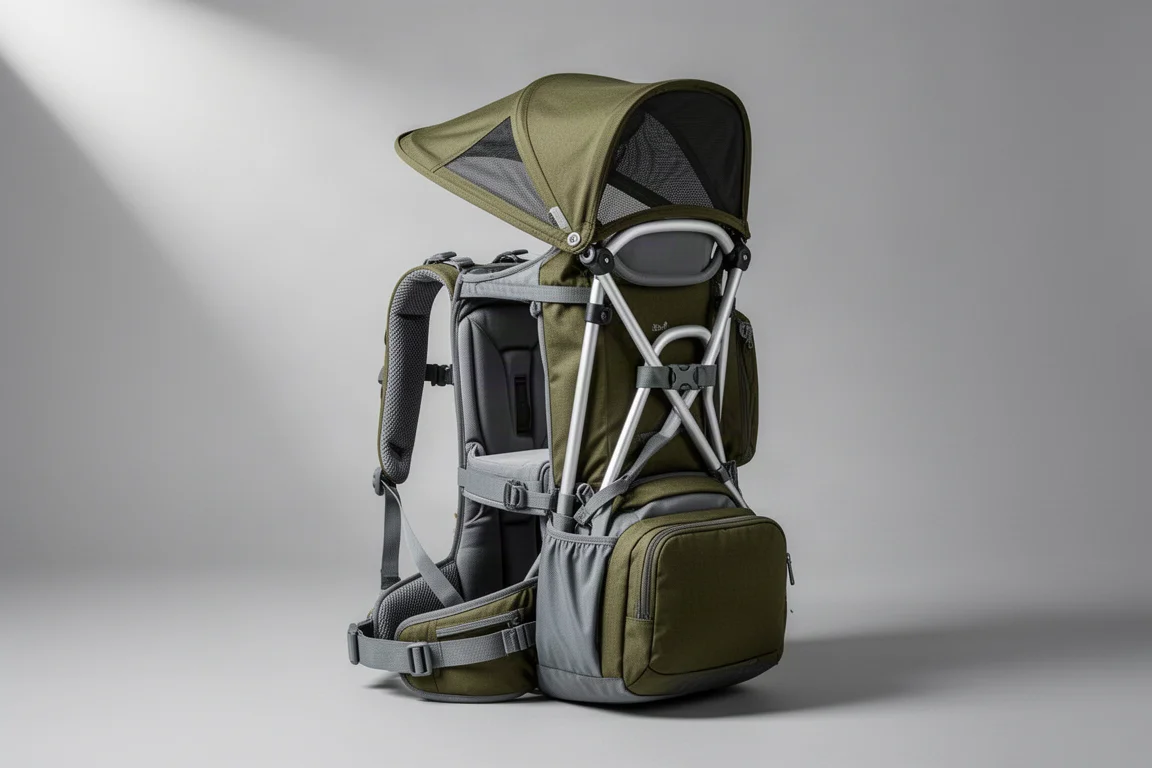
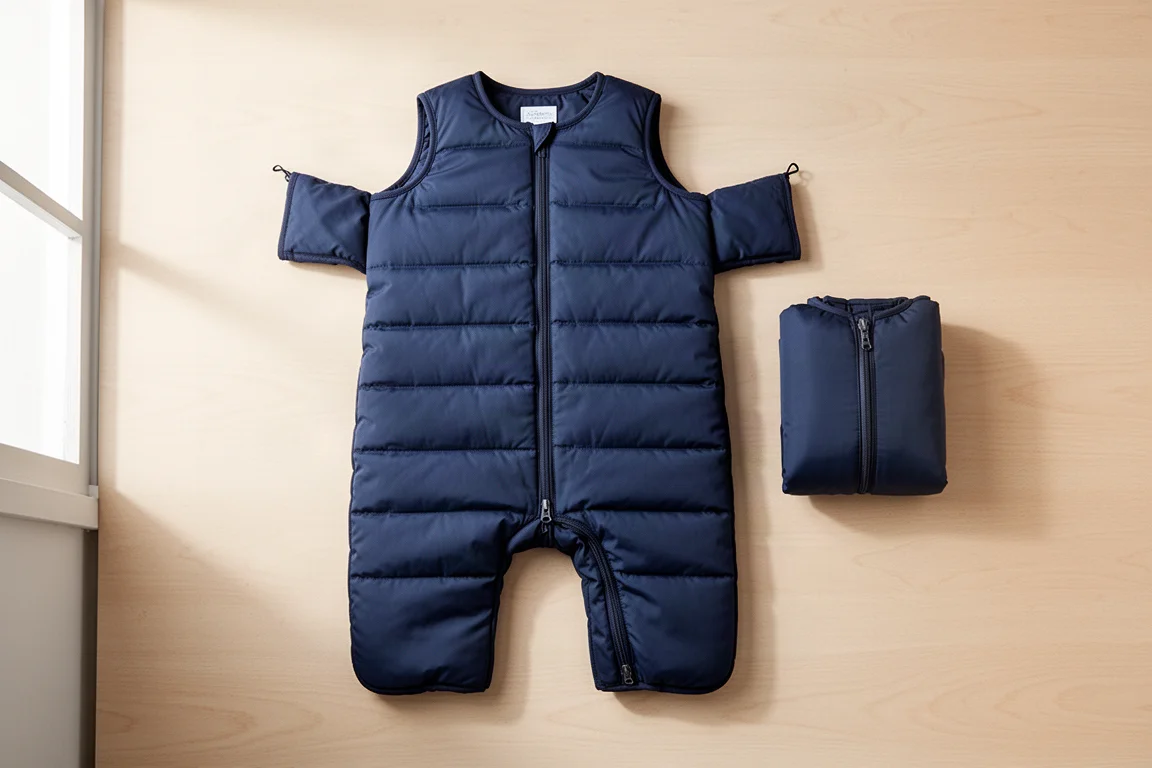
Keeping a quilt on a sleeping toddler is a losing battle, which is why a wearable sleeping bag makes so much sense for small children. The Little Mo 40 is rated down to 40 degrees Fahrenheit and built with a nylon shell and synthetic insulation, so a damp night does not turn the bag into dead weight.
For a night in the lower 50s, the rating left a comfortable margin, and the child slept well in it. The bag was paired with synthetic long johns, which is the layering approach that makes sense for a small sleeper: thin, quick-drying base layers under a wearable bag rather than a bulky fleece inside it.
The Sleeping Pad: Therm-a-Rest Z Lite Sol
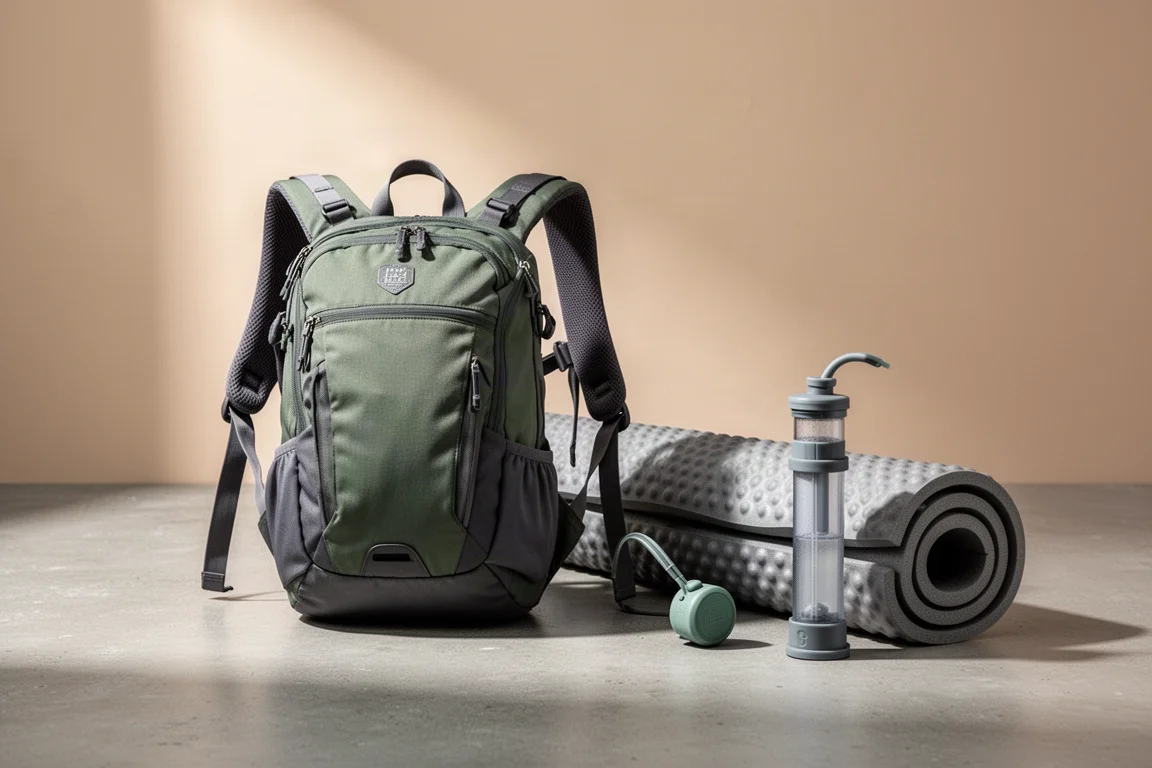
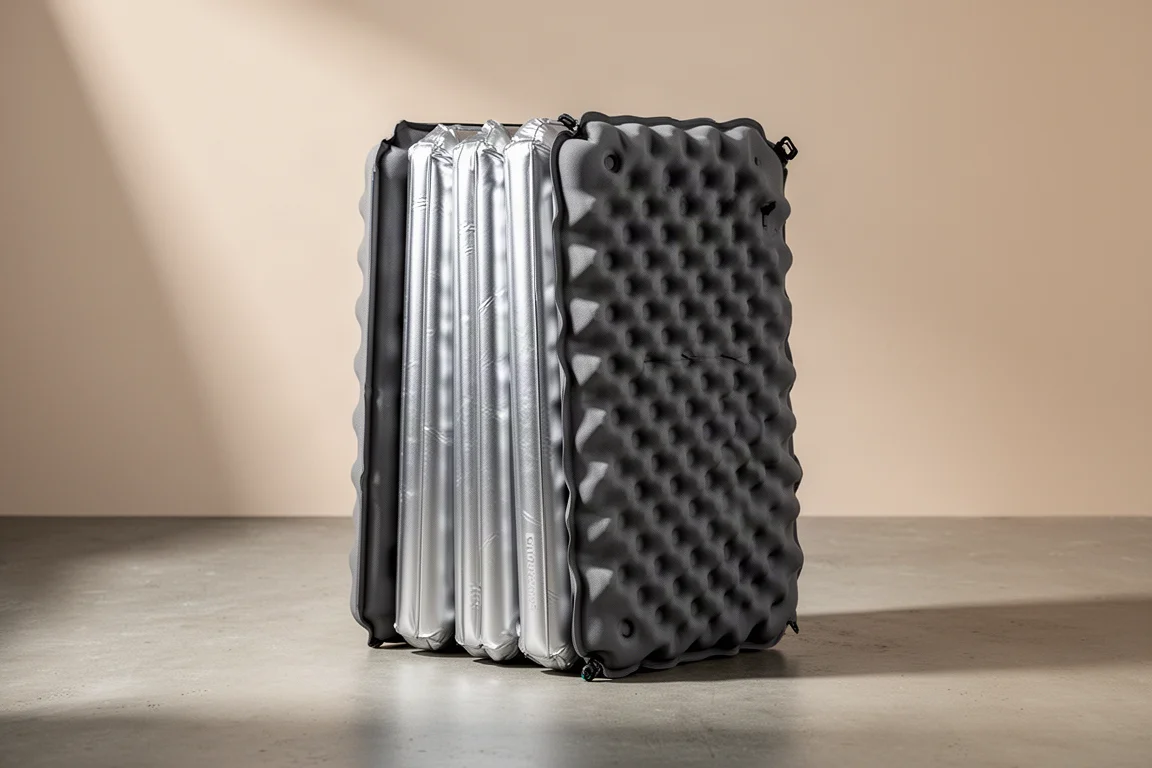
An inflatable pad is the more comfortable choice for an adult, but comfort was not the deciding factor here. A child who rolls off an inflatable pad ends up directly on cold ground with no insulation at all, so a closed-cell foam pad was the safer pick. The Therm-a-Rest Z Lite Sol has an R-value of about 2 on its own, and folding it double raised that to roughly 4, adding a useful margin for a small body that loses heat quickly.
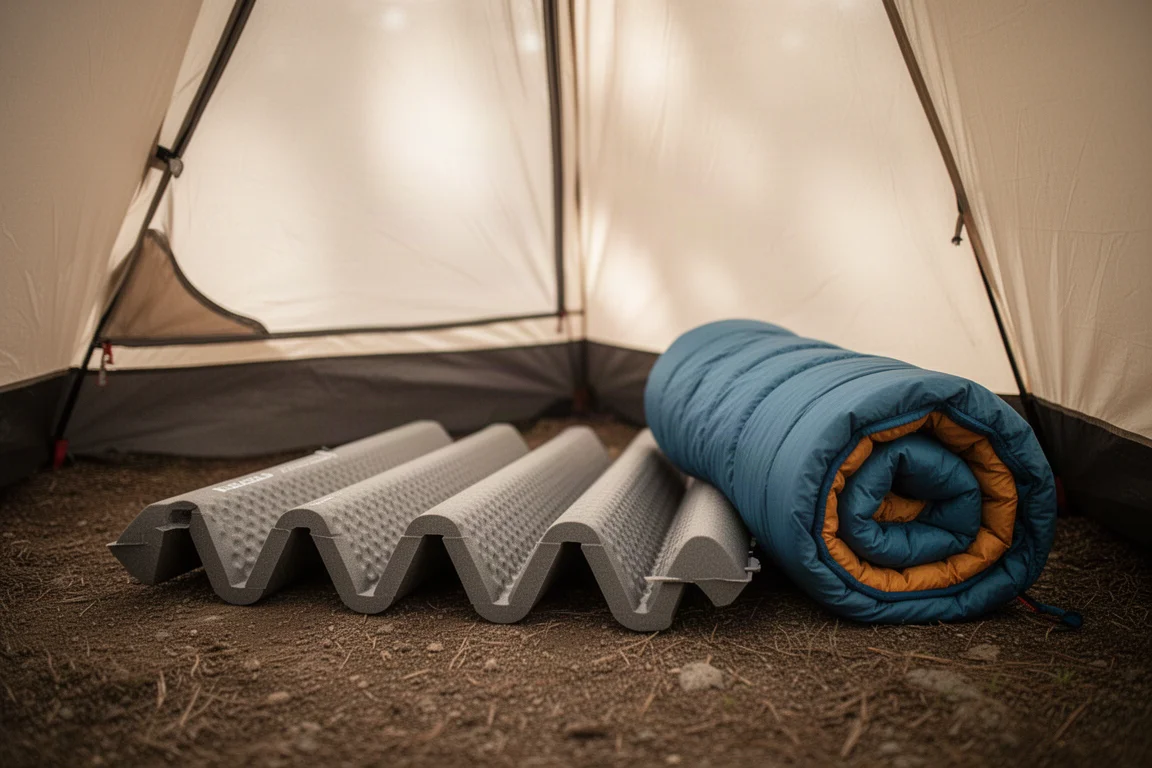
Trimming the pad to save weight was considered and then abandoned, which turned out to be the right call, because the full length is what allowed it to be doubled up. Placed between two adult pads in the tent, the lower height of the foam pad did not cause problems, and there was a fallback plan of moving the child onto a wider adult pad if the pads had compressed together. On a steeper campsite that height difference would be more of a concern, and a sensible future setup is an inflatable pad for the child with the foam pad underneath as insurance.
Water Filtration: Sawyer Squeeze
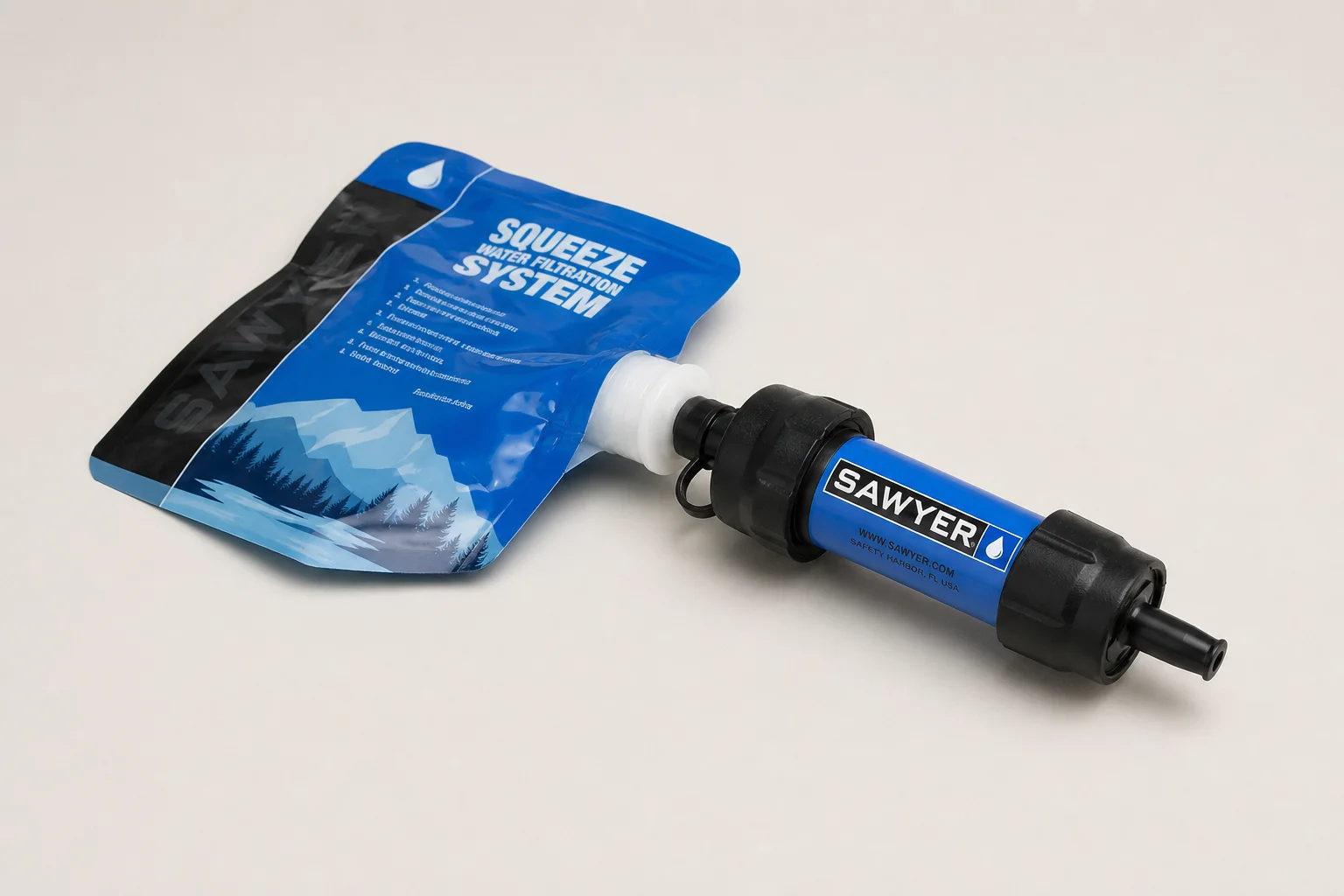
Treating water for a child is no different from treating it for an adult, and the Sawyer Squeeze handled the whole family’s water on this trip, including what went into the child’s cup. It is a compact, straightforward piece of kit that removes any need to carry separate treated water for a toddler.
One detail worth copying: the child used a spill-proof straw cup rather than a bottle that needs two hands, and it survived being thrown at rocks without leaking. Carrying three bottles in rotation was a deliberate choice to reduce washing pressure, and while they take up real space, the convenience was worth the volume on a short trip.
Overall Buying Advice
Start with the weight limit of the carrier and work backward from there. The 48.5-pound figure on the Poco Premium includes the child, the pack, food, water, and everything else you add, and it is easy to approach that ceiling faster than expected. Knowing how much headroom remains tells you whether you can bring a full food bag, extra layers, or a bulkier sleep setup.
For the sleep system, prioritize warmth over plushness for a small child. A closed-cell pad that cannot deflate is a better foundation than a comfortable inflatable one, and a wearable sleeping bag solves the problem of covers being kicked off in the middle of the night. Synthetic insulation is the practical choice for anyone who might not keep their gear dry.
Fit matters as much for kids’ rain gear as it does for adult gear. A too-large emergency poncho can be tied up at home and still slide upward the moment a child is placed into a carrier harness, which is exactly what happened on this trip. Proper child-sized rain gear is the better investment for anything beyond a short overnight with a dry forecast.
Finally, choose conditions that set you up to succeed. Mild overnight temperatures, a route close to the car, and a forecast without rain all reduce risk while you learn how your child responds to sleeping outside. A first trip is a test rather than a proving ground, and it is far easier to extend the distance once the basics are working.
Conclusion
None of these four items is complicated on its own, but together they answered the questions that matter most on a first family overnight: whether the child can be carried comfortably and safely, whether they will stay warm through the night, and whether the whole load can stay within a sensible limit. The carrier does the heavy lifting, the wearable bag and the foam pad handle the night, and the filter keeps everyone’s water sorted.
The encouraging part is how much room there is to grow. As bottles and pumping supplies drop out of the load, the space and weight they occupied become available for food and longer routes. A one-mile overnight is a modest start, and that is exactly the point.
Further reading
Related Reviews

Backpacking Gear
Building a 10 lb Base Weight: An Ultralight Backpacking Gear List
A practical walkthrough of the ultralight pieces behind a 10 lb base weight, from a 765 g pack and a roomy one-person tent to a full camp chair and a dependable water filter.

Backpacking Gear
A 15-Pound Lightweight Backpacking Gear List for Solo Trips
A beginner-friendly 15-pound backpacking setup built from easy-to-find gear, with notes on what each piece does, how it packs, and where to spend your attention.

Backpacking Gear
8 Ultralight Backpacking Gear Upgrades Worth Carrying
Eight small, affordable backpacking upgrades that solve real trail annoyances, from a pillow that stays put to a fuel valve that rescues leftover canister gas.