Backpacking Gear
Three Tiny Ultralight Backpacking Upgrades Worth Packing
A three-gram pot lifter, a six-gram charging cable, and a four-gram stake sack: small ultralight accessories that each solve one specific camp problem.
Introduction
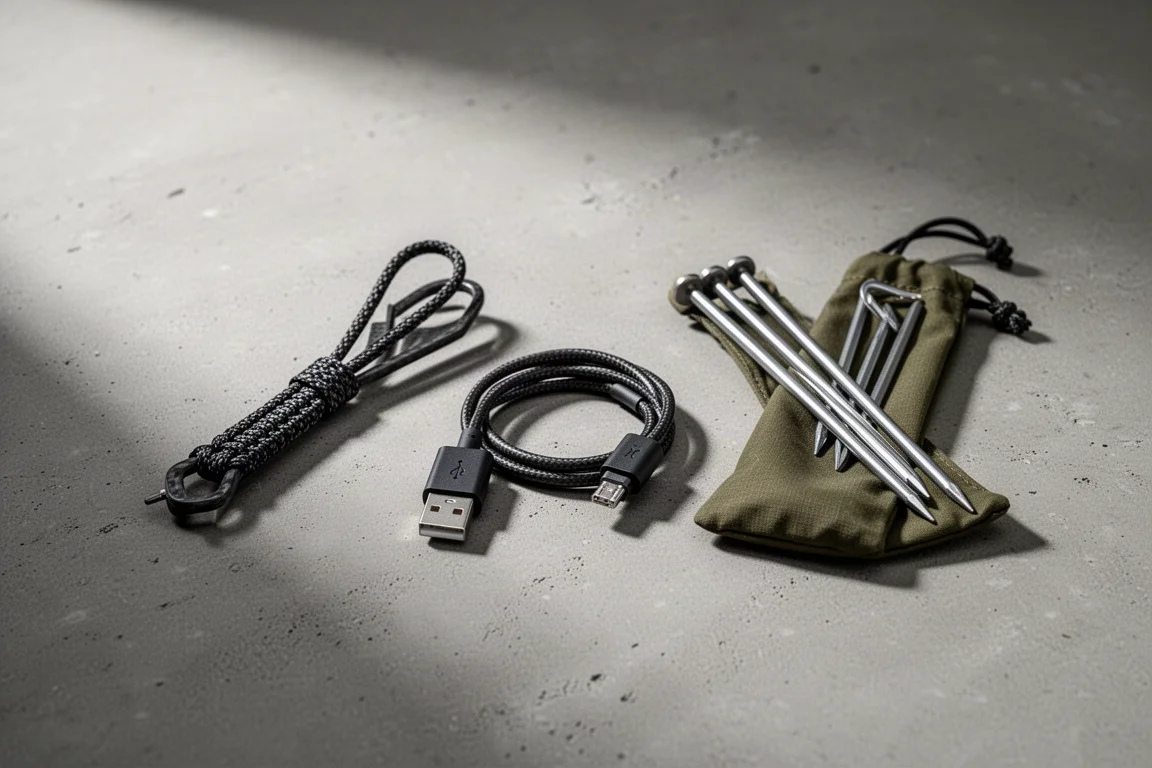
Ultralight backpacking coverage usually starts with the big three: shelter, sleep system, and pack. The smaller items rarely get the same attention, even though they are often where the most practical problem solving happens. A three-gram pot lifter, a six-gram charging cable, and a four-gram stake sack each remove a small, recurring annoyance from camp life.
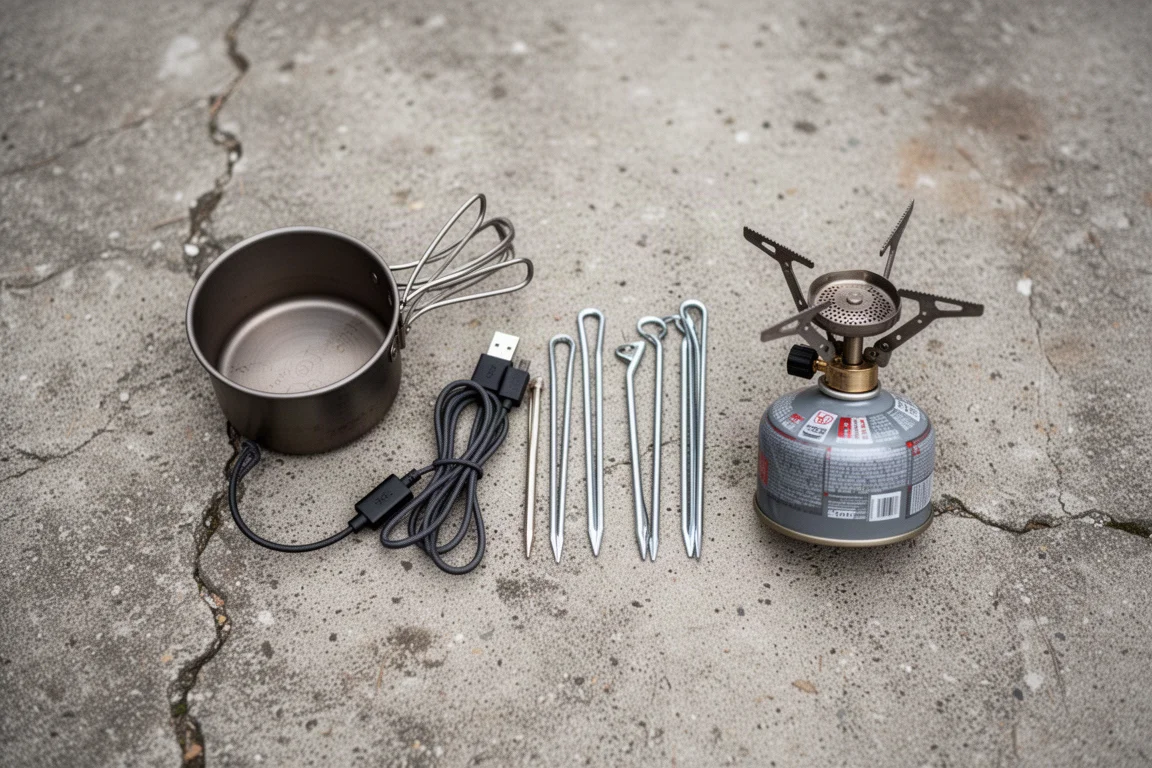
What these three have in common is a narrow, well-defined job and a weight that is close to negligible. None of them requires setup or a learning curve, which is exactly why they tend to stay in a kit once they earn a place there.
How to Judge Tiny Ultralight Upgrades
Small gear earns its place differently from big gear. Four questions are worth asking before adding anything to a pack:
- Does it replace something heavier, such as pot handles or a bundle of adapters?
- Does it remove a problem you actually run into, rather than a problem you might run into?
- Does it do one job without fiddling, adjustments, or extra parts?
- Is it simple enough that there is nothing to break, lose, or maintain?
The three items below answer those questions in the same way: a few grams, one clear purpose, and no complexity.
Suluk 46 Pot Lifter: A Three-Gram Fix for Hot Handles
Boiling water is where a lot of camp friction shows up. The water reaches a boil, you are hungry, and the pot handles are still hot. Wrapping the handles in electrical tape is one workaround. A pot lifter is a cleaner one.
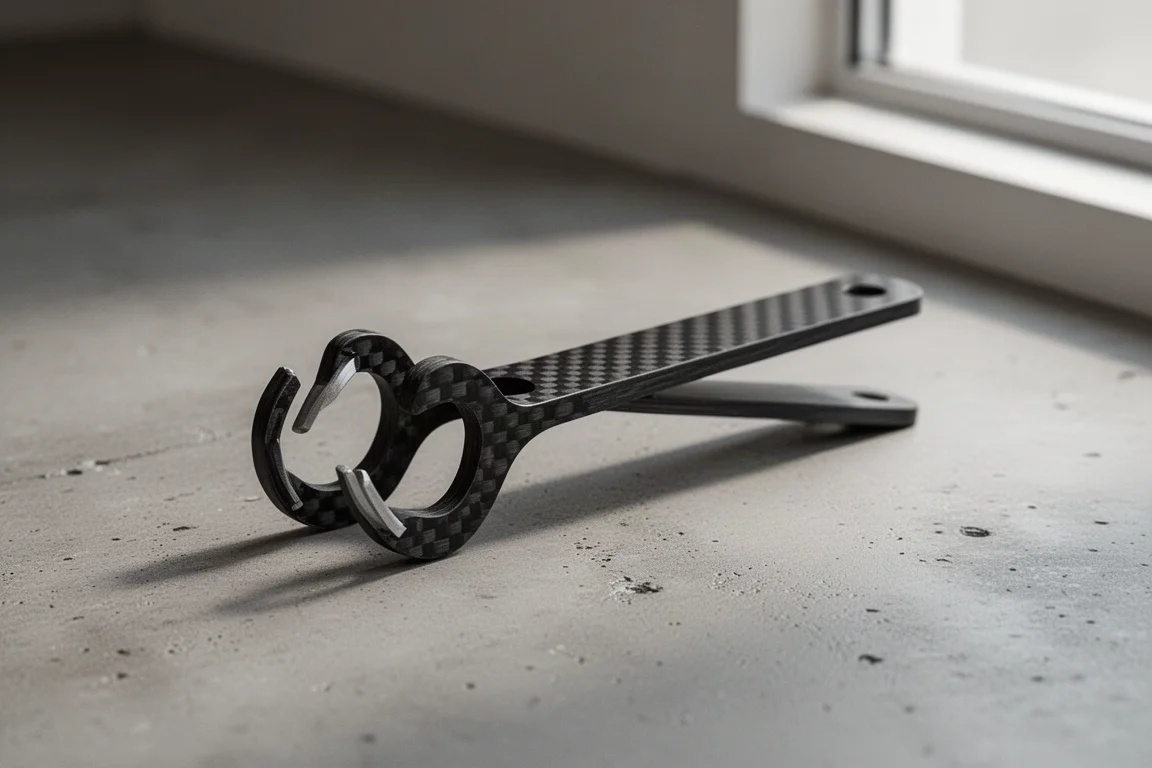
The Suluk 46 Pot Lifter weighs three grams and is built from carbon fiber. It suits ultralight pots of 650 ml or less, including handle-free titanium pots such as a 550 ml model. Gripping the pot with a lifter and pouring water into a freeze-dried meal is easier than juggling hot handles, and the tool weighs less than the handles it replaces, which often add 10 grams or more.
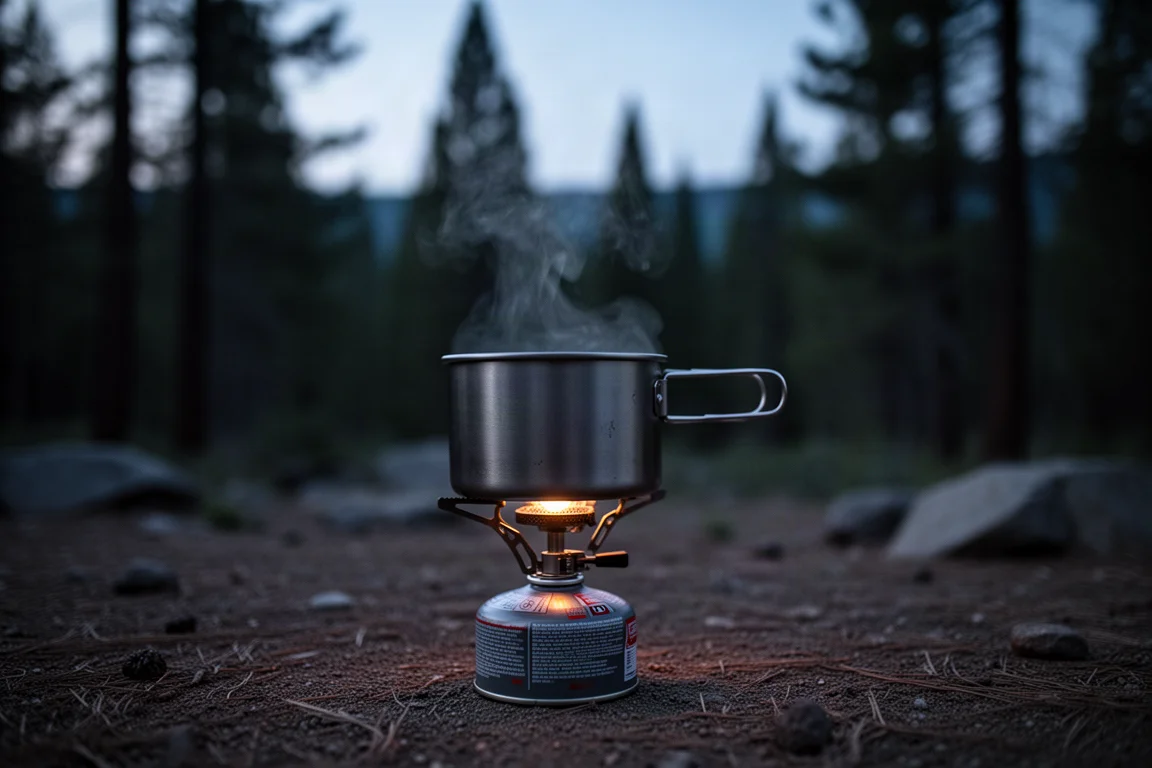
It also nests neatly. Combined with a BRS 3000 stove and a 500 ml pot, the lifter, the stove, and a mini lighter all fit inside the pot, which turns a full cooking setup into one small, contained package.
InCharge 3-in-1 Cable: One Cable for Every Port
Charging gets messy when devices use different connectors. USB-C has become the default, but micro-USB and Lightning gear still turns up in most kits, and carrying an adapter for each one adds bulk and confusion.
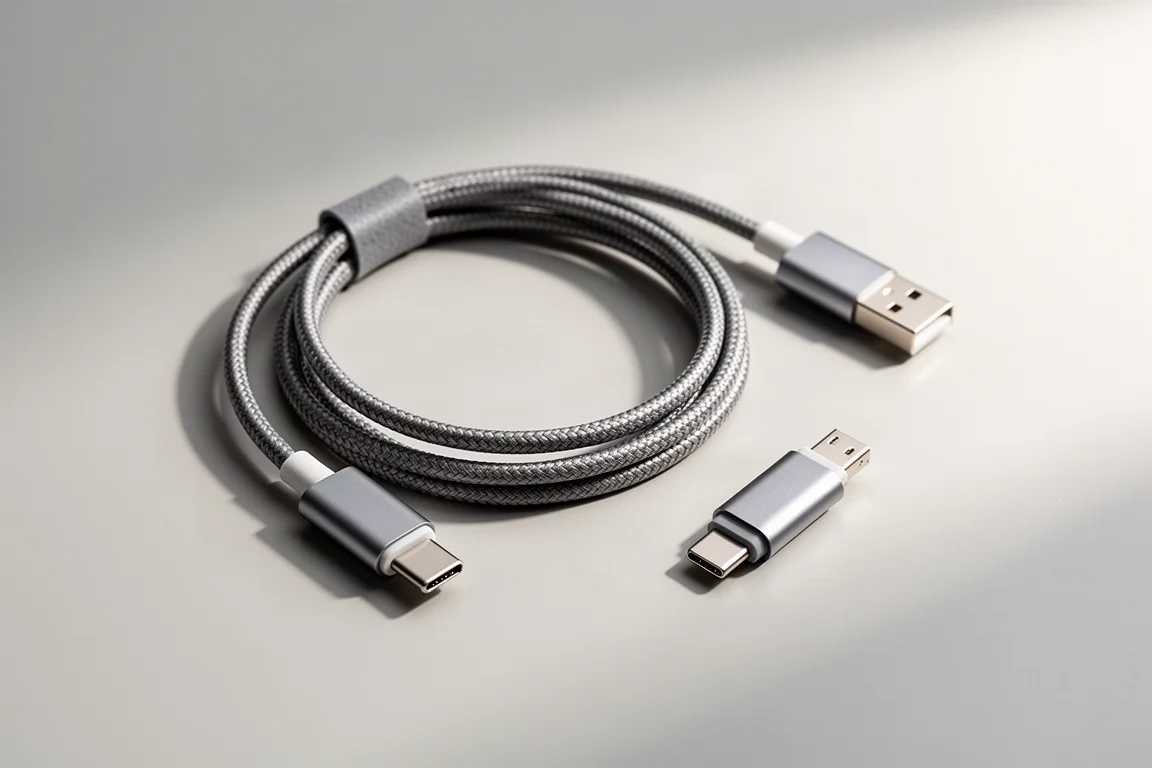
The InCharge 3-in-1 Cable weighs about six grams. One end is a USB-A connector for a power bank. The other end is USB-C for a phone, a satellite communicator, or anything else that charges over USB-C. The top section of that connector lifts off to reveal micro-USB and Lightning, and it stays attached to the cable rather than becoming a loose part that can disappear into a pack.
The one thing to learn is orientation. The convertible tip has to be lined up correctly before it will charge, which is a small habit rather than a real drawback. In exchange, a single cable covers the ports that most backpacking electronics use, so a pouch full of adapters and spare cords can stay at home.
Allmansright Holster Sack: Stake Storage Without the Mess
Loose tent stakes are one of the quieter annoyances of packing up. They scatter through a pack, tangle with cords, and turn up in the wrong place when the weather is bad and you want the shelter up quickly.
The Allmansright Holster Sack weighs four grams and is sized to hold a handful of full-length MSR Groundhog stakes. The opening is wide enough to reach in and pull out ten stakes, including shorter mini versions, and to drop them back in when camp comes down.
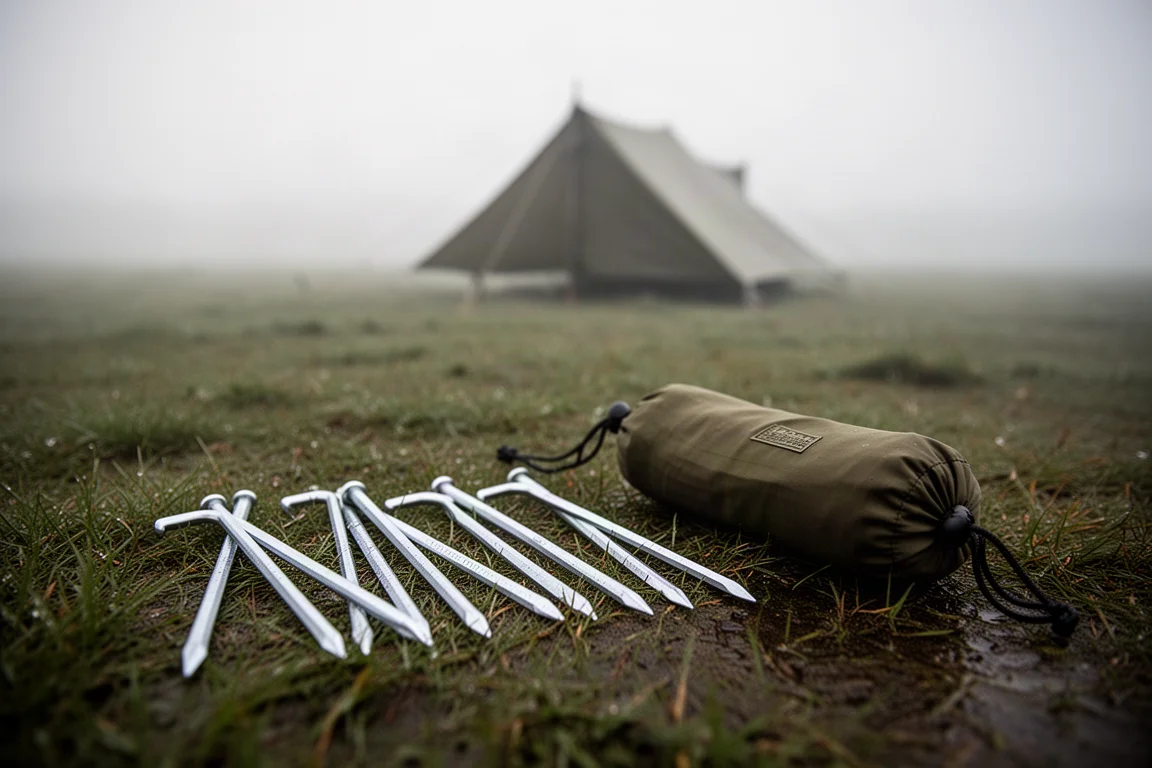
It is a simple fabric sleeve with no hardware to fail, which is the point: four grams buys order in a part of the pack that otherwise turns into a tangle of metal and cord.

Packing the Three Together
Combined, the three items add roughly 13 grams, and they cover different moments of a trip. The pot lifter handles cooking and pouring. The cable handles charging. The stake sack handles packing up and keeping the shelter organised.
Because each one is small, they slot into gaps in an existing kit rather than competing for space. The pot lifter lives inside the cook pot. The cable travels with the rest of the electronics. The stake sack stays with the shelter. None of them changes how the rest of the pack works, which is a useful quality in small gear.
Buying Advice
Choosing between these three comes down to which annoyance shows up most often on your own trips. Each one is small enough to add on its own, so there is no need to take all three at once.
If you boil water on most trips and your pot has no handles, the Suluk 46 Pot Lifter addresses the most frequent problem of the three. It pays off every evening, provided your pot is 650 ml or smaller.
If your kit includes several devices with different charging ports, the InCharge 3-in-1 Cable removes the most clutter. It is worth learning the orientation of the convertible tip at home rather than on the first night out.
If you carry loose stakes and dislike digging them out of a pack, the Allmansright Holster Sack is the easiest addition of the three. It suits full-length stakes and holds enough of them for a normal pitch.
Before buying, check the small compatibility details: pot size for the lifter, connector types for the cable, and stake length for the sack. Those are the only things that decide whether these items become permanent parts of a kit or stay behind on the shelf.
Conclusion
Tiny gear rarely gets the attention that shelters and sleeping bags do, but it is often where the most useful fixes live. A three-gram pot lifter, a six-gram cable, and a four-gram stake sack each solve a specific, repeatable problem, and each one is light enough that it never becomes part of the weight conversation.
If one of those problems sounds familiar, the fix takes up very little space in a pack and very little thought once it is in there.
Further reading
Related Reviews

Backpacking Gear
Building a 10 lb Base Weight: An Ultralight Backpacking Gear List
A practical walkthrough of the ultralight pieces behind a 10 lb base weight, from a 765 g pack and a roomy one-person tent to a full camp chair and a dependable water filter.
Backpacking Gear
A 15-Pound Lightweight Backpacking Gear List for Solo Trips
A beginner-friendly 15-pound backpacking setup built from easy-to-find gear, with notes on what each piece does, how it packs, and where to spend your attention.
Backpacking Gear
8 Ultralight Backpacking Gear Upgrades Worth Carrying
Eight small, affordable backpacking upgrades that solve real trail annoyances, from a pillow that stays put to a fuel valve that rescues leftover canister gas.