Backpacking Gear
Thru-Hiking Gear That Held Up: Nine Picks From 1,100 Kilometres on the Great Divide Trail
Nine backpacking pieces tested over 1,100 kilometres and 37 days, from a hip-belt-free pack to a footwear system that kept feet blister free.
Introduction
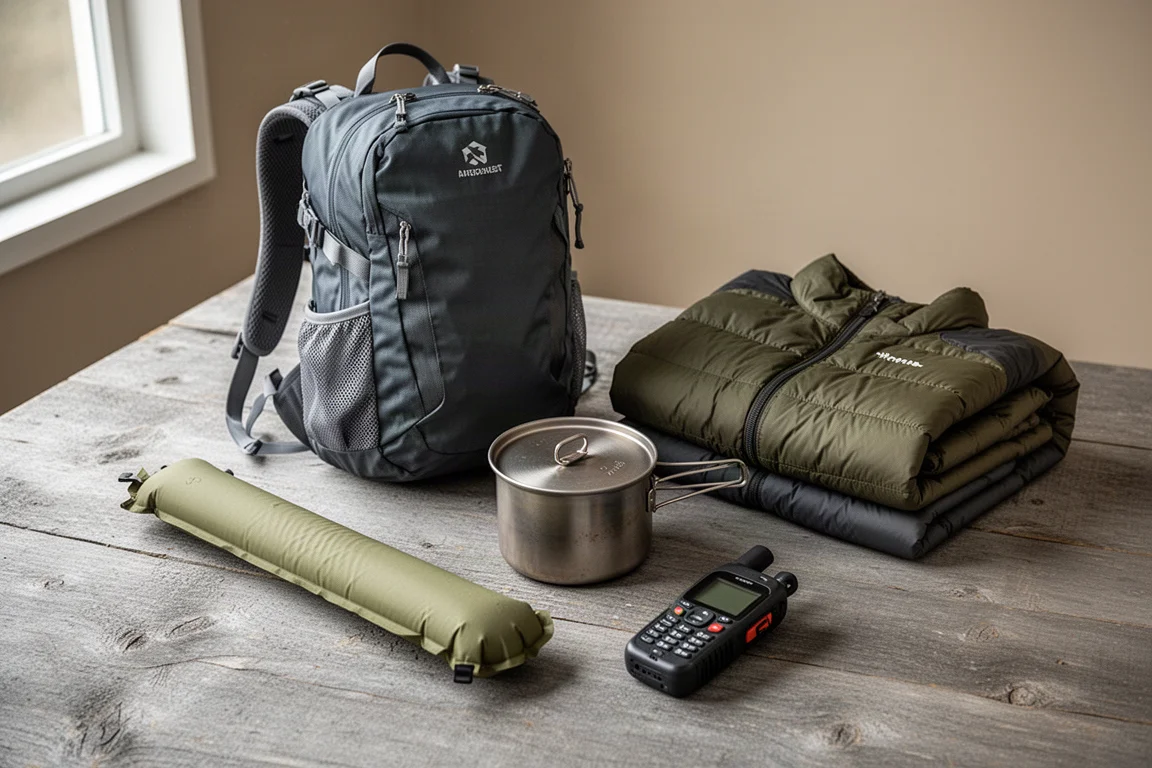
Some gear only proves itself once a trip stops being convenient. Over 1,100 kilometres and 37 days on the Great Divide Trail, this kit went through extreme cold, extreme heat, rain, snow, exposed scrambles, and one grizzly bear charge that ended with bear spray at very close range. The nine items below either solved a specific problem, survived weeks of continuous abuse, or made daily routines faster and more comfortable. One of them, treated as a complete system rather than a single product, turned out to be the most valuable part of the entire setup.
How These Picks Were Chosen
Every item here was judged on four things: whether it survived weeks of continuous use, how much it weighed, how it behaved when wet or cold, and whether it removed a real problem instead of creating a new one. The route included long road walks, cross-country route finding, willow whacking and bushwhacking, and multi-day food carries, so the durability bar was high. Anything that needed a mid-route replacement either comes with a caveat or stayed off the list.
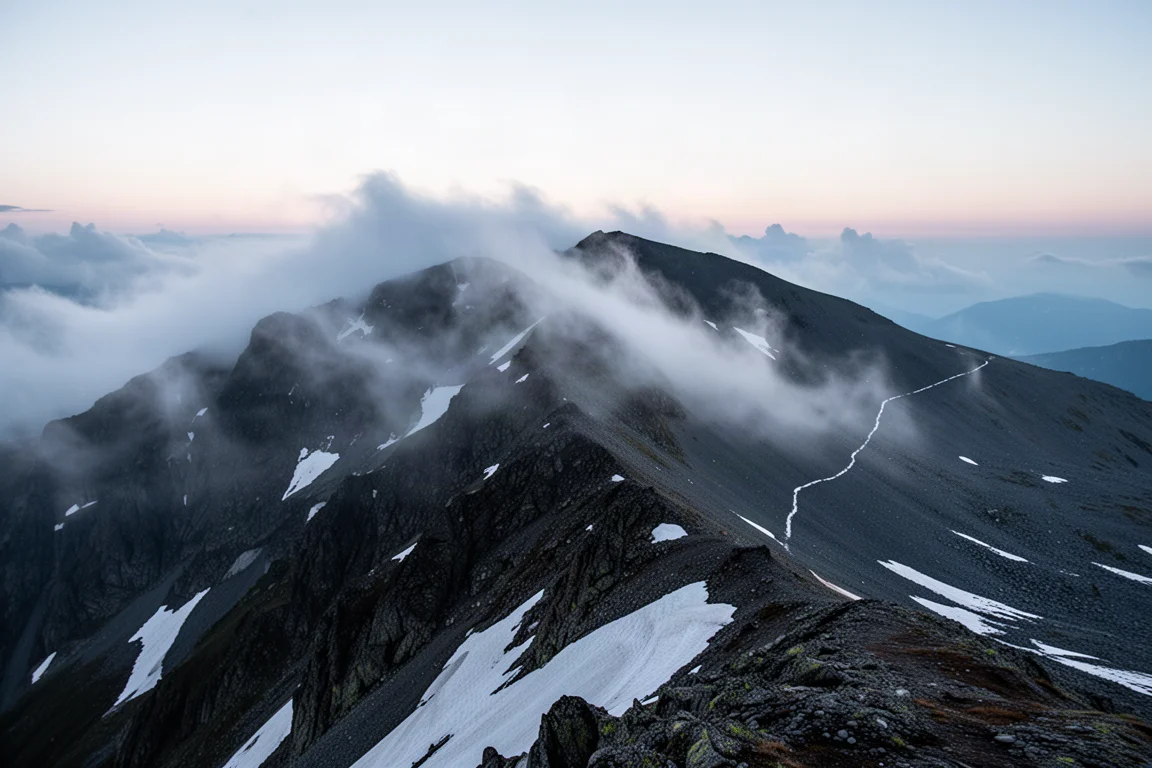
Conditions changed fast on this trail. Snow, sun, rain and cold all arrived within the same week, so gear had to be dependable across the full range rather than tuned for one climate. Weight mattered, but not at the cost of reliability, which is the balance every pick below had to strike.
Mountainsmith Zerk 40: A Pack That Frees Your Hips
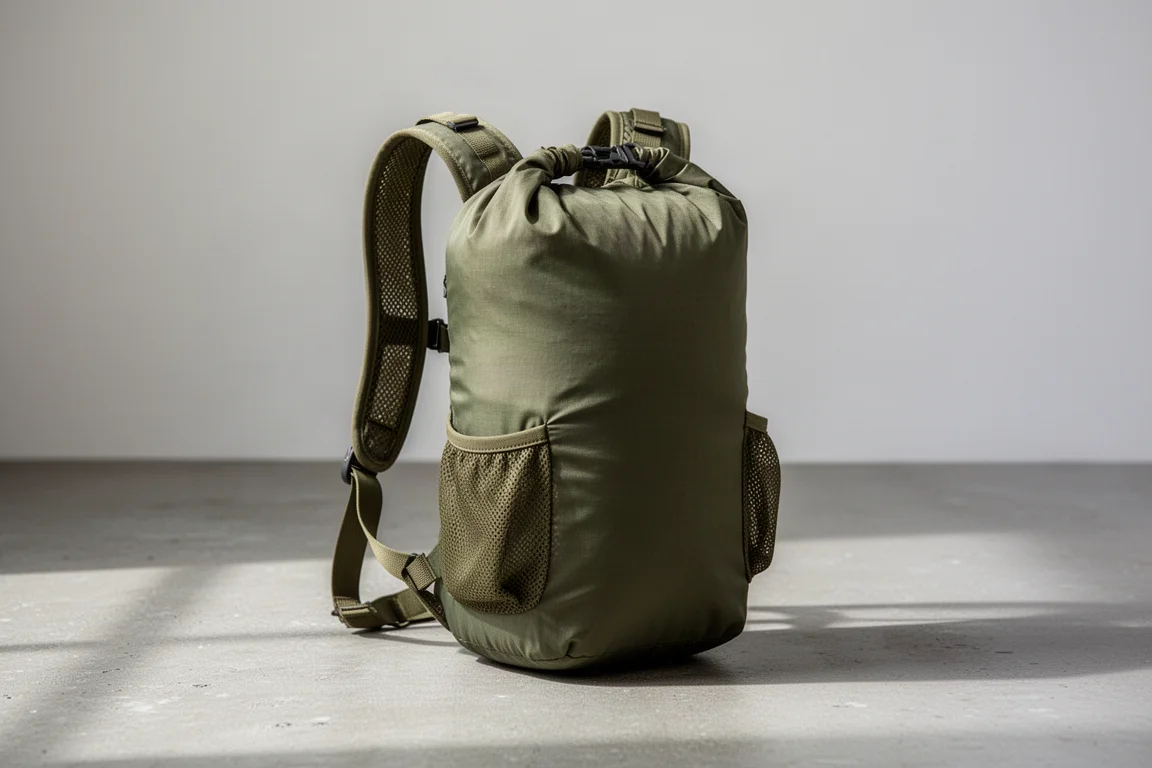
The Zerk 40 drops the traditional wrap-around hip belt, and that single decision shaped the whole carry. Hips stayed free for a longer, more natural stride, and on technical scrambles the absence of hip belt pockets meant nothing caught on rock while moving through tight, exposed terrain. Load transfer comes from running vest style shoulder straps, which spread weight across the chest instead of concentrating it on the traps. Even with more than 30 pounds loaded for an eight-day food carry, it stayed comfortable.
Organization is where this pack quietly wins. Water bottles ride in the side pockets, snacks live in the stretchy outer pockets, and each shoulder strap carries two mesh pockets for anything you want without stopping. A water filter, a spoon, sunscreen, lip balm and toothpaste tabs all stayed within reach, which made breakfast on the move and quick water stops much simpler.
Platypus QuickDraw: Filtration That Kept Flowing
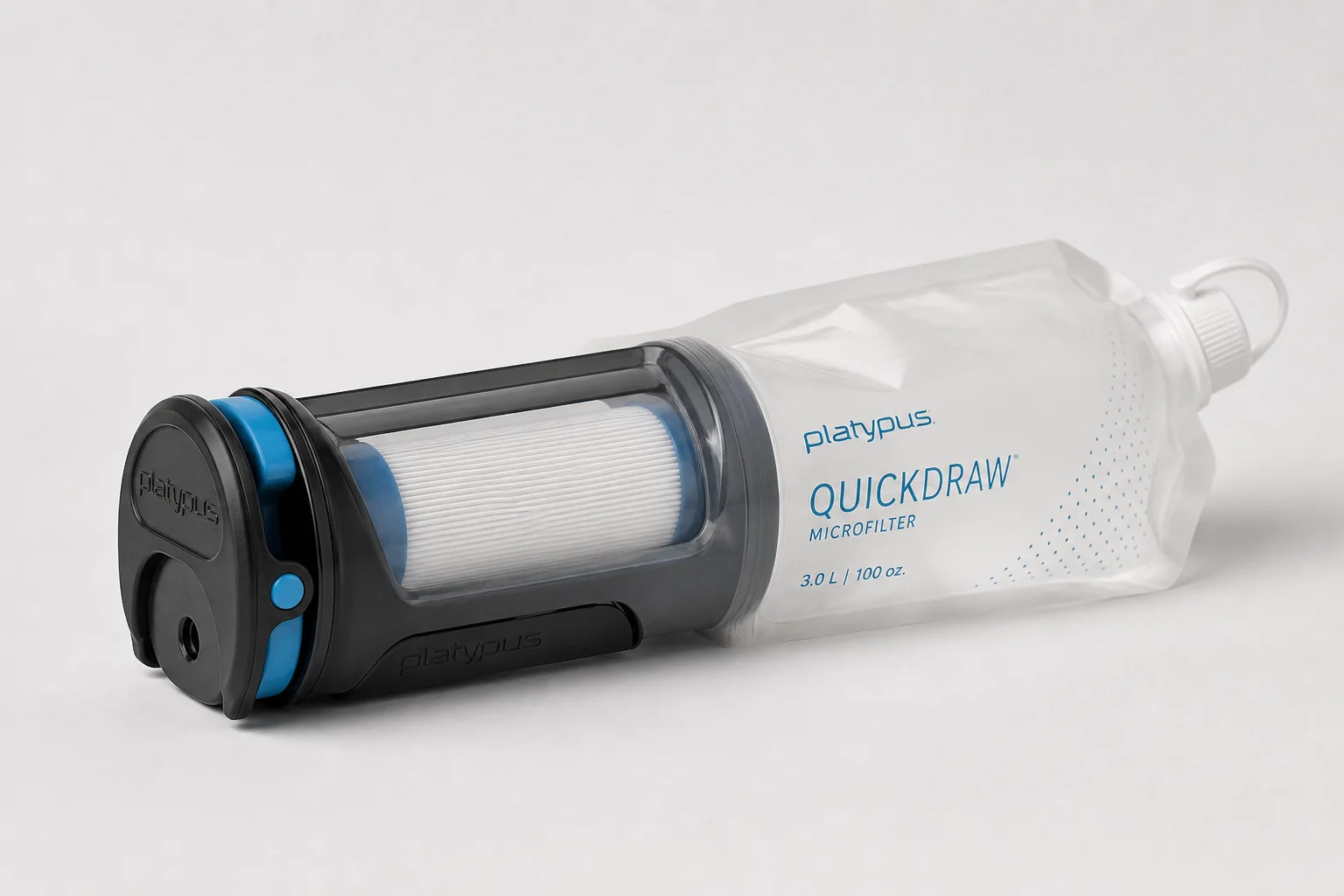
A water filter that fails mid-route is more than an annoyance. After the first filter on this trip died during the opening week, the QuickDraw took over and never gave a reason to worry. It had already processed roughly 200 litres before the trip began, then another 100 to 200 litres on the trail, without clogging and with consistently strong flow.
On a long route, that kind of reliability matters more than any spec sheet number. Water sources in remote terrain are often silty or shallow, and a filter that keeps flowing means fewer stops spent fiddling with gear and more time walking.
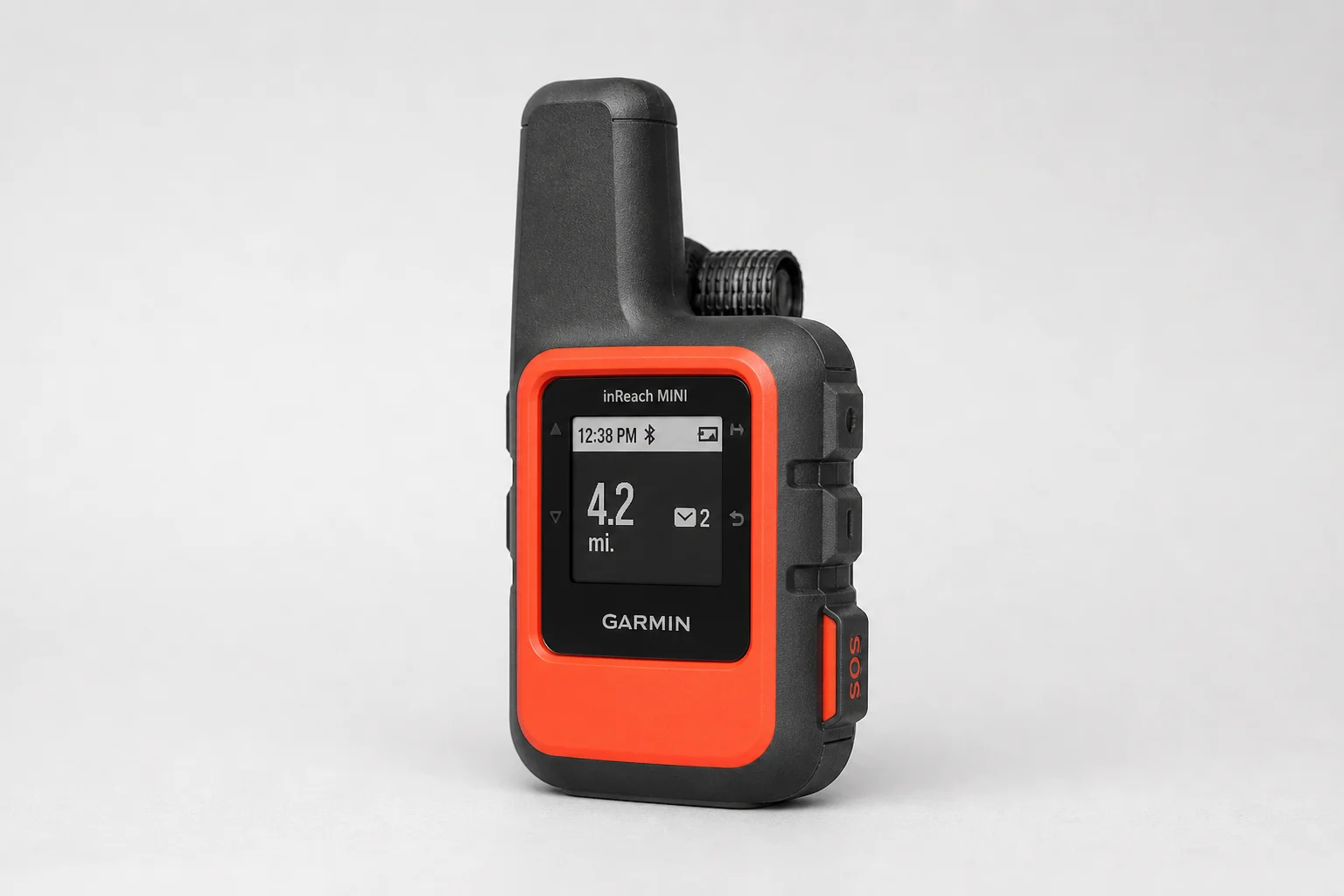
Garmin inReach Mini: A Lightweight Safety Link
The inReach Mini earns its place by being small and light enough to forget about, while still allowing regular check-ins and messages from genuinely remote terrain. It runs for about two days under very heavy use, and because the battery is small it recharges quickly and places very little demand on a battery bank. That combination is what makes it practical on a long carry where every bit of power capacity has to be accounted for.
Ursack Bear Bag: Food Storage Without Tree Hangs
The bear bag was tied to a limb away from camp rather than hung over a branch. Bears have been known to chew through trees up to six inches thick, so the tie-off point was deliberately chosen to be thicker than that. This keeps food secured without the nightly hunt for a perfect hanging branch, which is often impossible in the kind of terrain a route like this crosses.
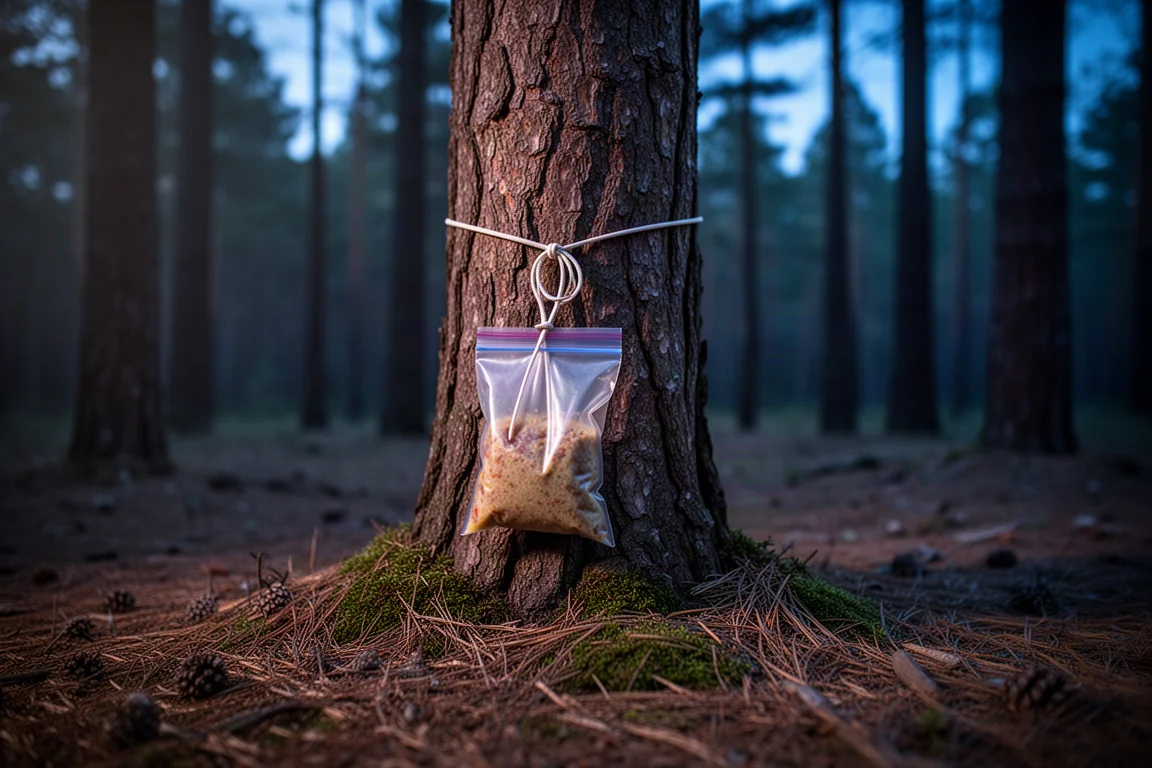
After a long day, a food routine that takes two minutes instead of twenty is worth a great deal. Tying off and walking back to camp is quick, and it does not depend on finding an ideal branch at the end of an exhausting day.
Toaks 650ml Titanium Pot: A Simple Cook System
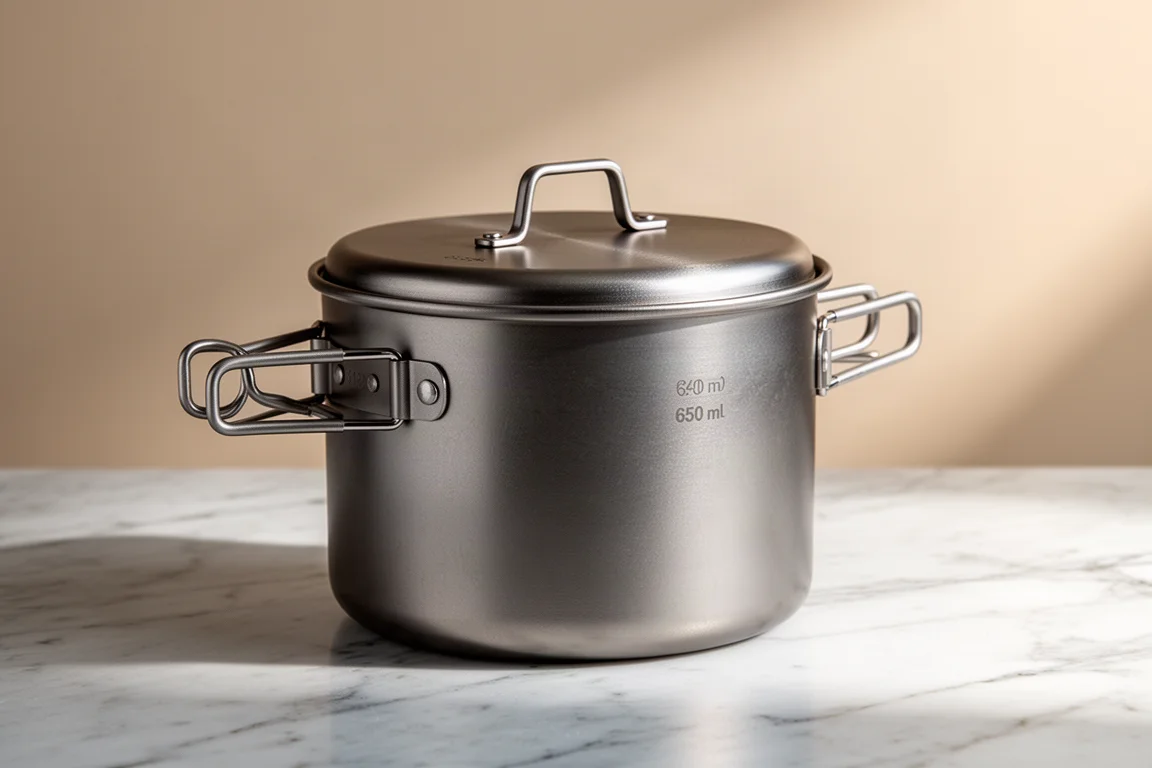
The 650 ml titanium pot, in its ultralight version, handled every meal on the route. The routine stayed simple: boil water, pour it into a freeze-dried meal, eat. A small canister stove, a mini lighter and a fuel canister all nest inside the pot, so the whole cook kit packs as one compact unit with no loose pieces to track down in the dark.
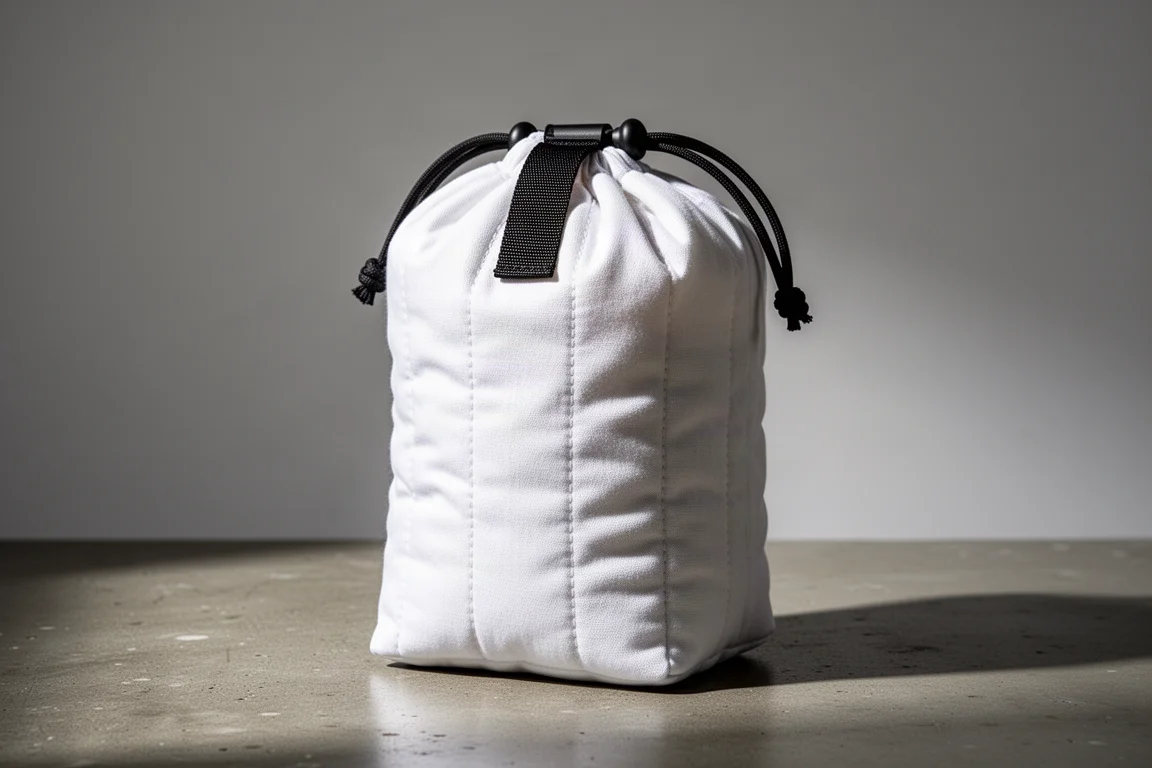
Enlightened Equipment Torrid Apex: Warmth That Handles Wet
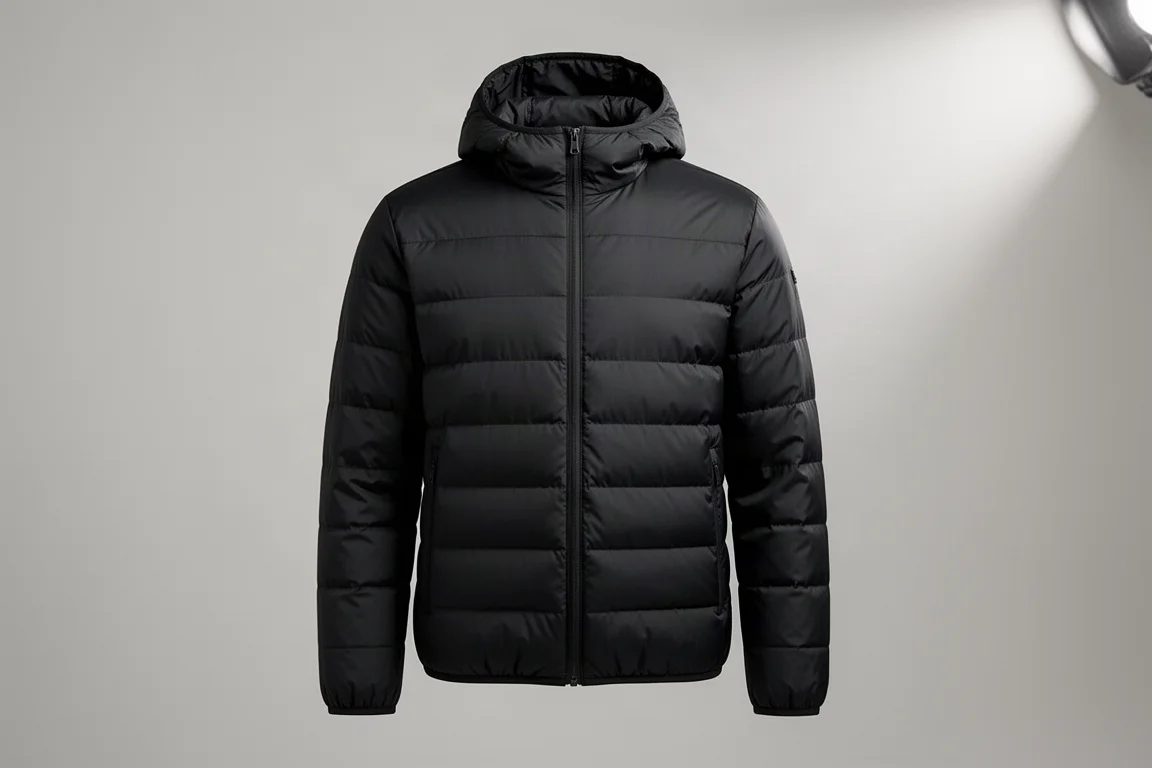
A puffy layer is essential on a cold, wet route, and the Torrid Apex uses synthetic insulation, which does not lose as much performance in damp conditions as down does. It is very warm for its weight and works well around camp, particularly with a windproof layer over the top. On a trail that mixes rain, snow and heavy condensation, that moisture tolerance is the difference between a warm evening and a long, cold one.
Thermarest X-Lite: Light and Warm, With One Trade-Off
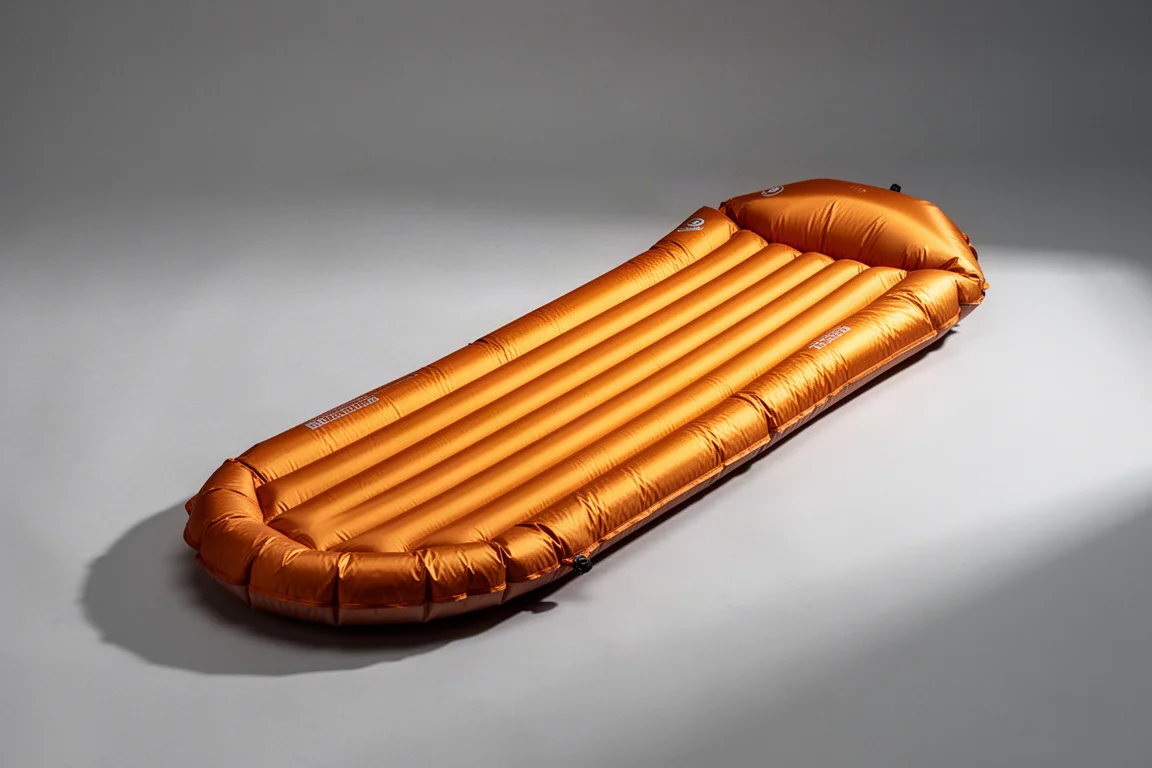
The X-Lite was chosen for two reasons: it is very warm and very light. Comfort is the compromise, since it is not the plushest pad available, and that was a deliberate trade. On cold nights, warmth and pack weight mattered more than a soft surface, and the pad delivered on both counts. A thin closed-cell foam pad placed underneath added a surprising amount of warmth on the coldest nights, and doubled as a sit pad during the day.
Hoka Speedgoat: Cushion for Big Mileage Days
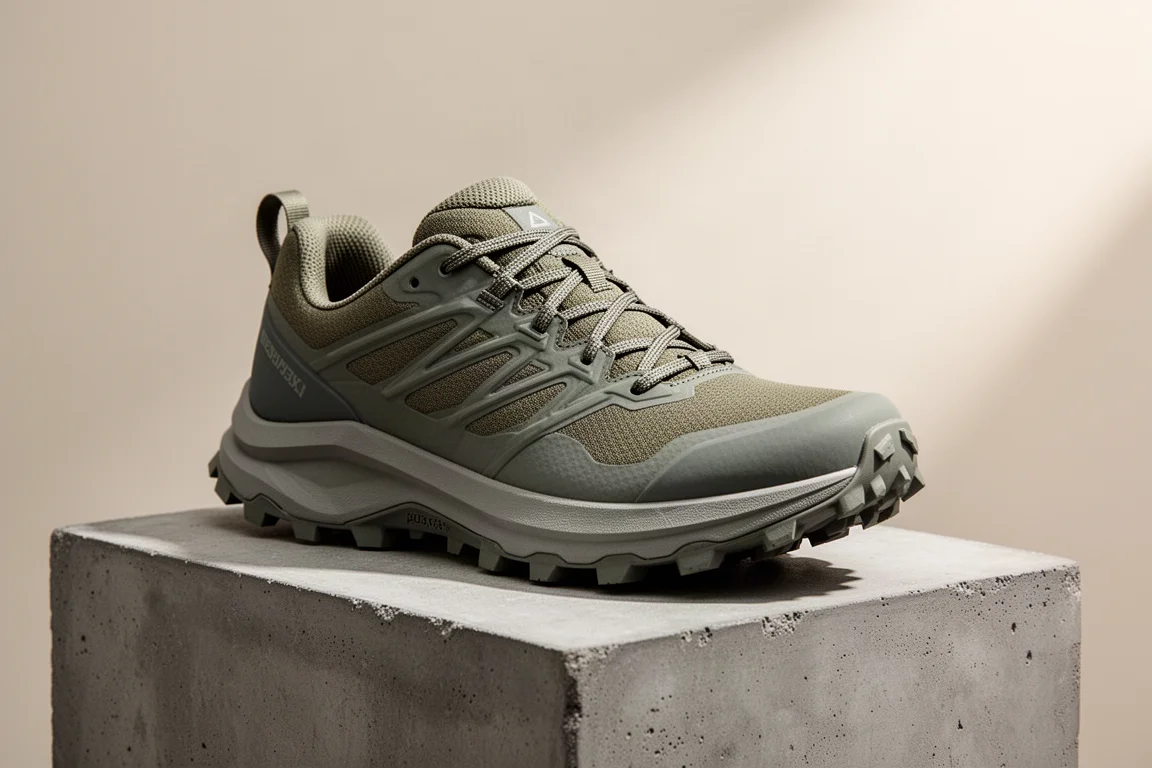
Average daily distance on this route was 37 kilometres over rough ground, so footwear had to absorb a lot of punishment. The Speedgoat brings generous cushioning, which kept feet moving through long days without plantar pain, plus a slightly wider toe box than most traditional trail shoes. Grip on wet, slippery rock was strong. Durability has held up too: more than 1,000 miles across three pairs, with the pair used for the second half of this route carrying roughly 600 to 700 kilometres and still going. A few pairs developed slight heel lift, which a small amount of super glue fixed.
The system around the shoe mattered just as much. Lightweight synthetic toe socks wicked moisture and dried quickly, and even after repeated stream crossings and days of rain, there were no blisters. Thin carbon insoles added the small amount of arch support needed on the biggest days.
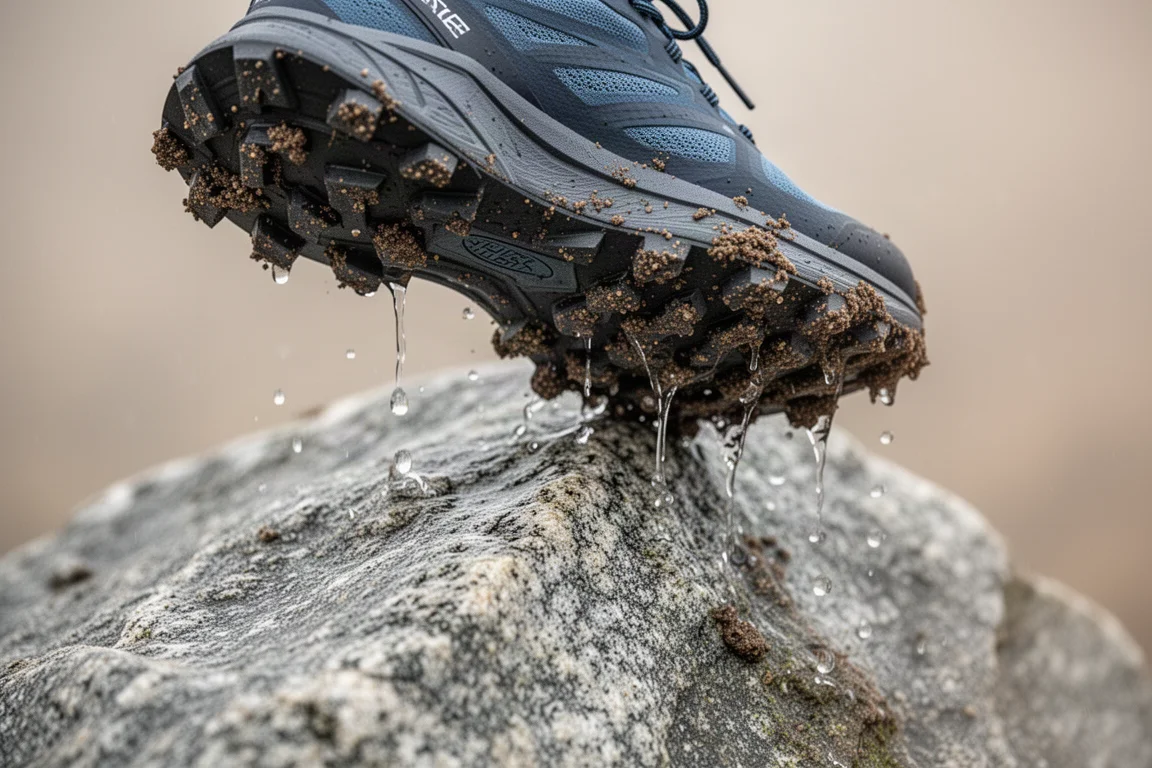
For anyone planning a long route, treat footwear as a system: shoe, sock and insole together. That combination was the most valuable part of the entire kit, and it is the area where cutting corners shows up fastest.
Nitecore NU25 Headlamp: Light for Night Hiking
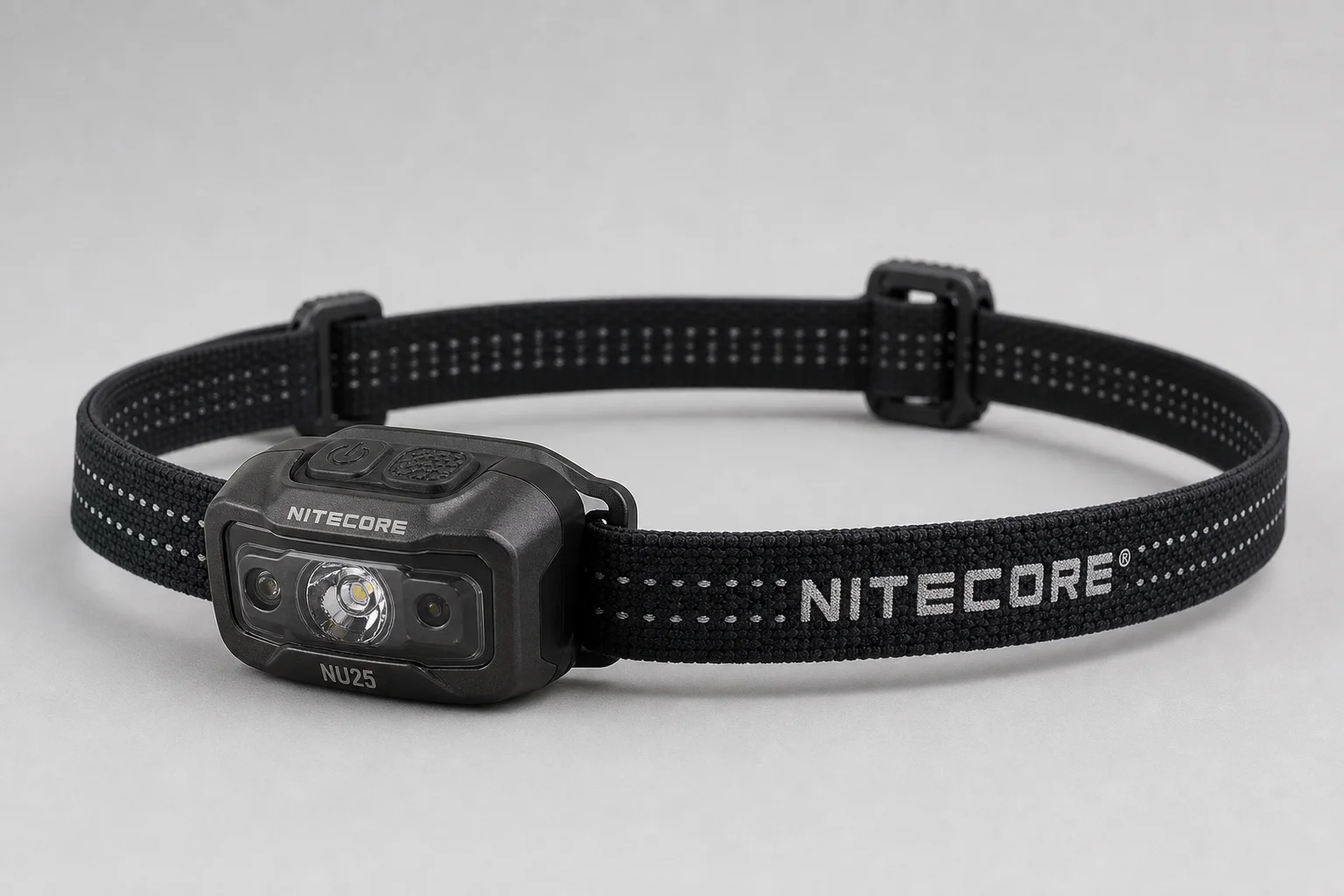
Night hiking happened often enough that the headlamp earned a permanent spot in the front pouch. The NU25 is light, charges over USB, and performed without issues when a day stretched past sunset. Once you have relied on a USB rechargeable headlamp on a long trail, going back to disposable batteries is hard to justify.
How to Prioritize Your Own Kit
If you are building a kit for a long route, start with the items that protect you and are hardest to fix in the field: footwear, sleep system, and safety communication. Footwear in particular deserves the most attention, because a shoe, sock and insole combination that keeps feet comfortable over 30-plus kilometre days will do more for morale than any lighter accessory.
From there, think about moisture. Synthetic insulation and fabrics that do not absorb water keep working when conditions turn wet, and materials that shed moisture rather than holding it make camp routines quicker. Weight savings are worth chasing, but only after reliability is settled, since a replacement item bought mid-route costs far more than the grams it saves.
Conclusion
The pattern across this kit is that the best performers were the ones that removed friction: a pack that carried well without a hip belt, a filter that never clogged, a food system that needed no tree hangs, and a footwear system that produced zero blisters across 37 days. Those are the upgrades worth prioritizing. Everything else can be lighter, cheaper or simpler, as long as the core pieces keep doing their job when the weather turns and the days get long.
Further reading
Related Reviews

Backpacking Gear
Building a 10 lb Base Weight: An Ultralight Backpacking Gear List
A practical walkthrough of the ultralight pieces behind a 10 lb base weight, from a 765 g pack and a roomy one-person tent to a full camp chair and a dependable water filter.

Backpacking Gear
A 15-Pound Lightweight Backpacking Gear List for Solo Trips
A beginner-friendly 15-pound backpacking setup built from easy-to-find gear, with notes on what each piece does, how it packs, and where to spend your attention.
Backpacking Gear
8 Ultralight Backpacking Gear Upgrades Worth Carrying
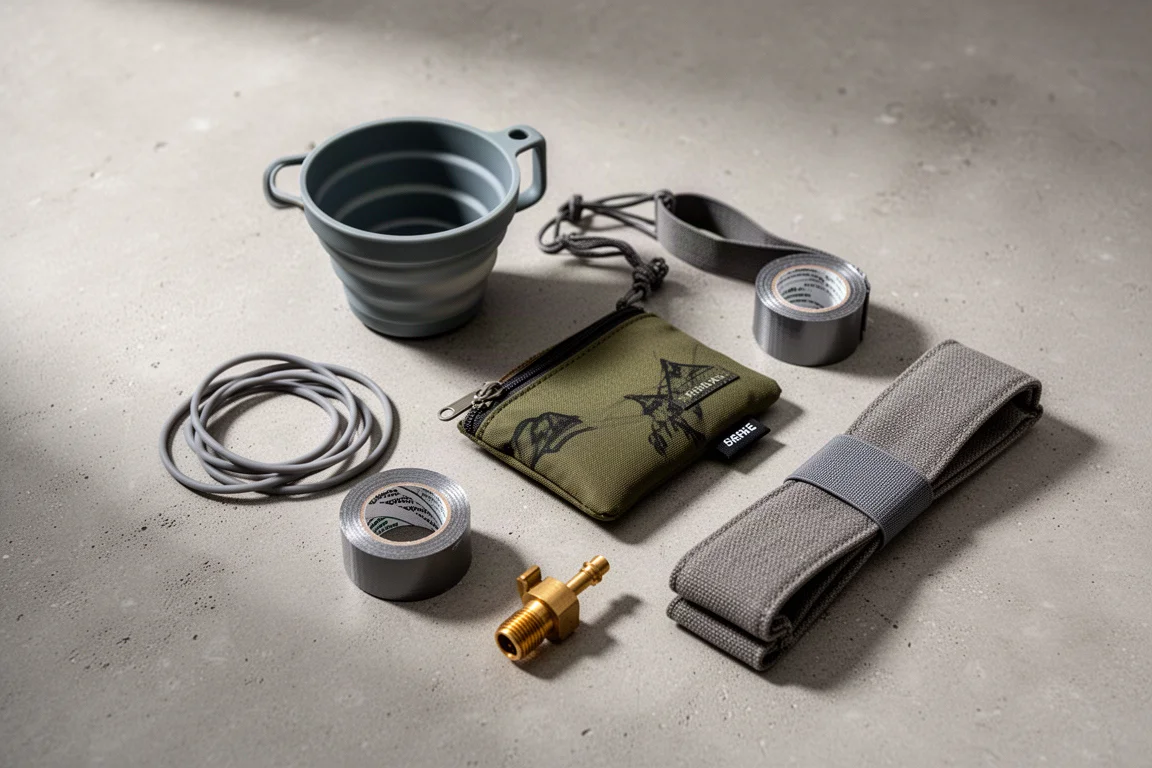
Eight small, affordable backpacking upgrades that solve real trail annoyances, from a pillow that stays put to a fuel valve that rescues leftover canister gas.