Backpacking Gear
Three Ultralight Backpacking Upgrades That Solve Small Trail Problems
A practical look at three tiny, low-weight accessories for backpacking: a three-gram pot lifter, a six-gram charging cable, and a four-gram stake sack.
Introduction
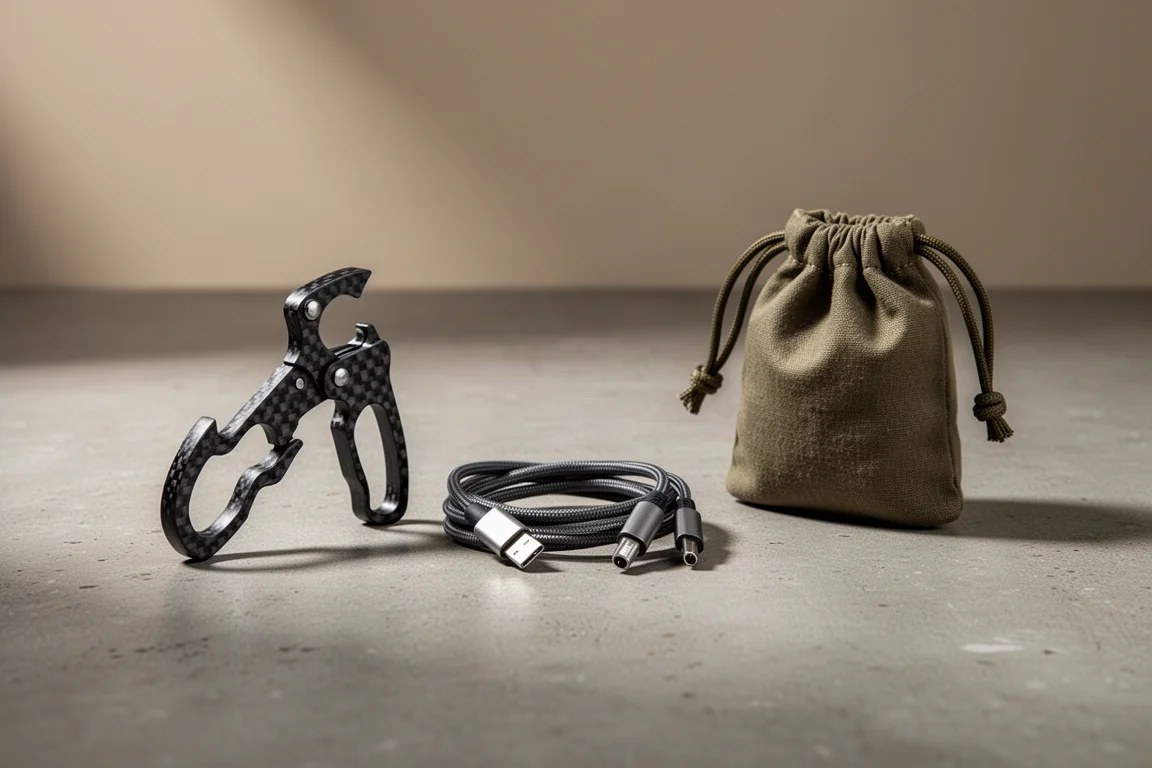
Most of the attention and most of the budget in backpacking goes to the headline items: the tent, the sleeping bag, the pack. The interesting part, though, is often the small stuff. A pot handle that stays too hot to touch, a nest of cables and adapters for devices that refuse to share a port, a bundle of loose stakes rattling around at the bottom of a pack. None of these are dramatic problems, but each one has a fix that weighs almost nothing.
This roundup covers three small accessories that earn their place by solving one narrow problem each. A three-gram pot lifter, a six-gram charging cable with swappable connectors, and a four-gram sack built specifically for tent stakes.
Why Small Gear Upgrades Are Worth the Space
Weight is the obvious argument. Handles on a cook pot often add ten grams or more, and a single cable with the right connectors can replace a small bag of adapters. When three separate items together weigh less than a typical pot handle, the weight case makes itself.
The second argument is convenience, and it matters more than it sounds. Gear that is awkward to use tends to get used badly. If grabbing a boiling pot means burning your fingers, you improvise with electrical tape or you wait and lose time. If charging a phone means digging through a tangle of cables, you carry more than you need.
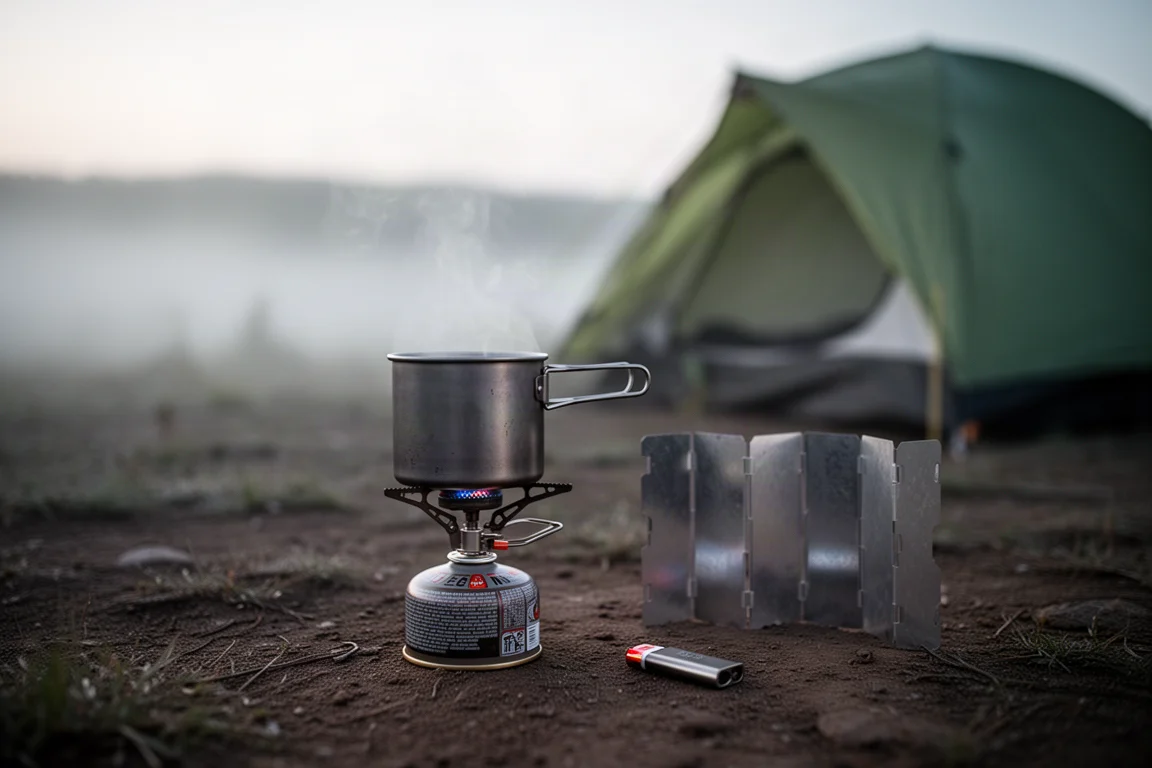
Small upgrades also tend to be the ones that stay in the pack. A gripper that folds into the pot, a cable that coils into a hip pocket, a sack that keeps sharp stake tips contained: each one removes a small friction point from the routine of camp. Over a multi-day trip, those small frictions add up.
Suluk 46 Pot Lifter: Handle-Free Cooking Without the Burn
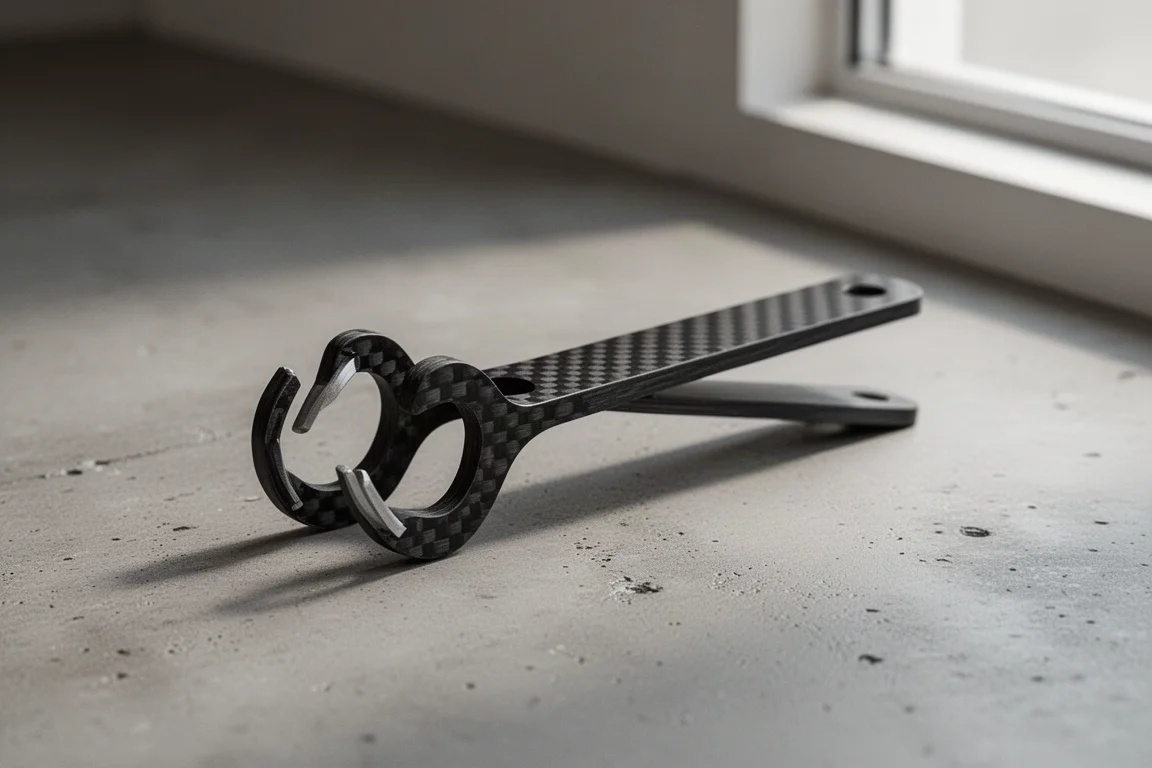
The Suluk 46 Pot Lifter weighs three grams and is built for ultralight pots of 650 milliliters or less, including handle-free options such as a 550-milliliter pot. Rather than reaching for a hot handle the moment the water boils, you use the lifter to grip the pot and pour water into a freeze-dried meal.
It is a lighter alternative to pot handles, which commonly weigh ten grams or more, and it is easier to work with than wrapping tape around a handle. It also nests neatly: paired with a BRS 3000 stove and a 500-milliliter pot, the whole cooking setup, including a mini Bic lighter, fits inside the pot as one compact system.
InCharge 3-in-1 Cable: One Cable for Every Port
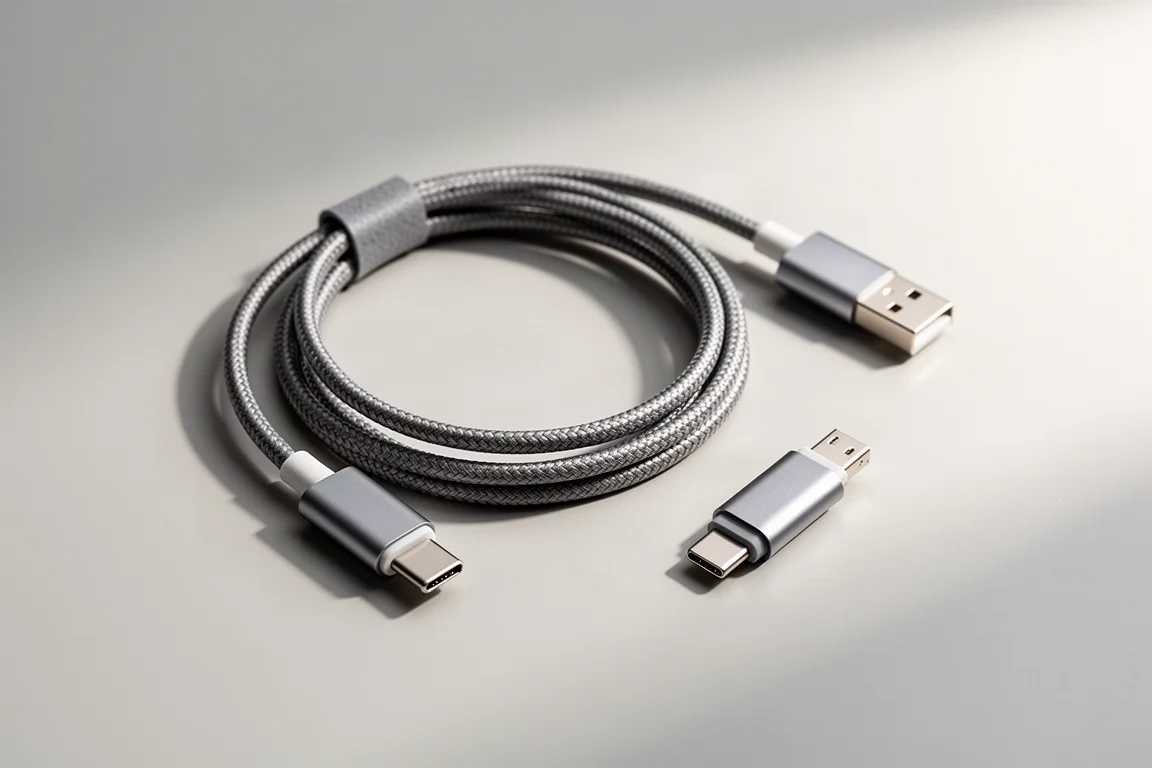
The InCharge 3-in-1 Cable weighs six grams and covers most charging needs from a single cable. One end carries a USB-A connector for a battery bank, and the other end offers USB-C for a phone, a satellite communicator, or anything else that charges over USB-C.
For devices that use older or different ports, the top section comes away while staying attached, exposing a micro-USB connector alongside a Lightning connector in a two-in-one arrangement. The one thing to remember is orientation: the swappable end has to be lined up correctly before it will charge.
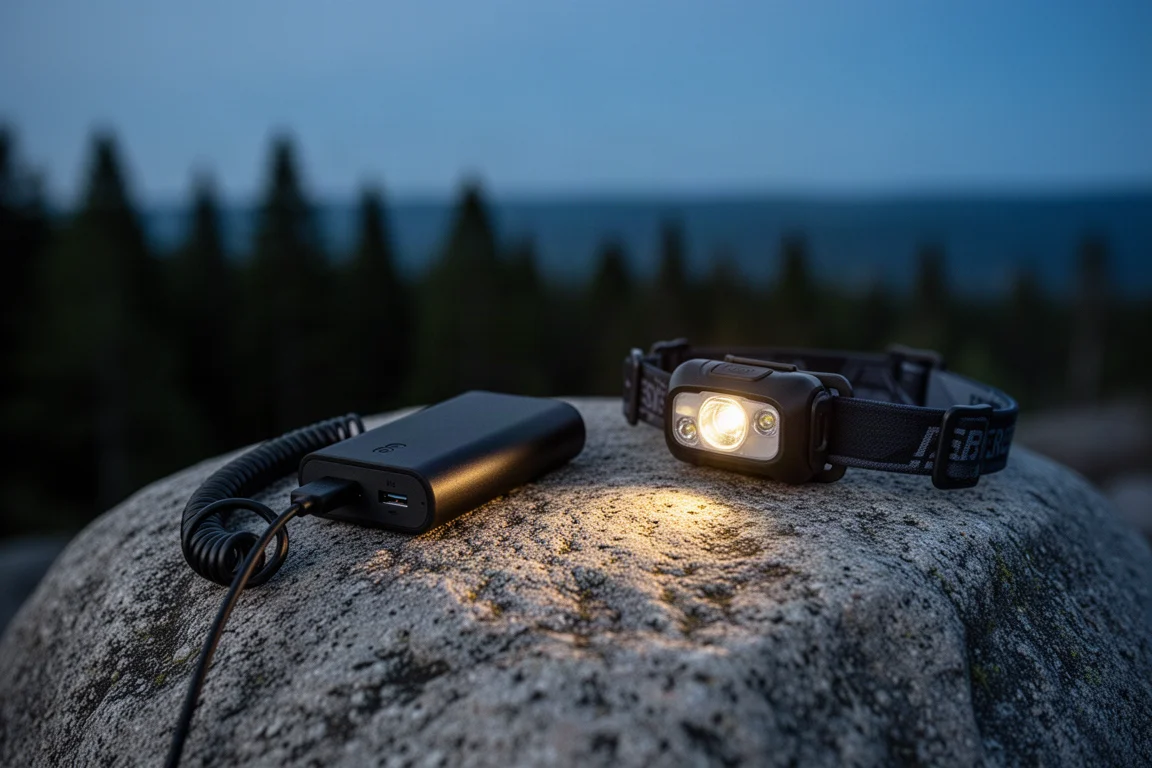
Carrying one six-gram cable instead of a pouch of adapters makes the most difference on longer trips, where every port type in your kit has to be accounted for before you leave.
Allmansright Holster Sack: Stake Storage That Actually Works
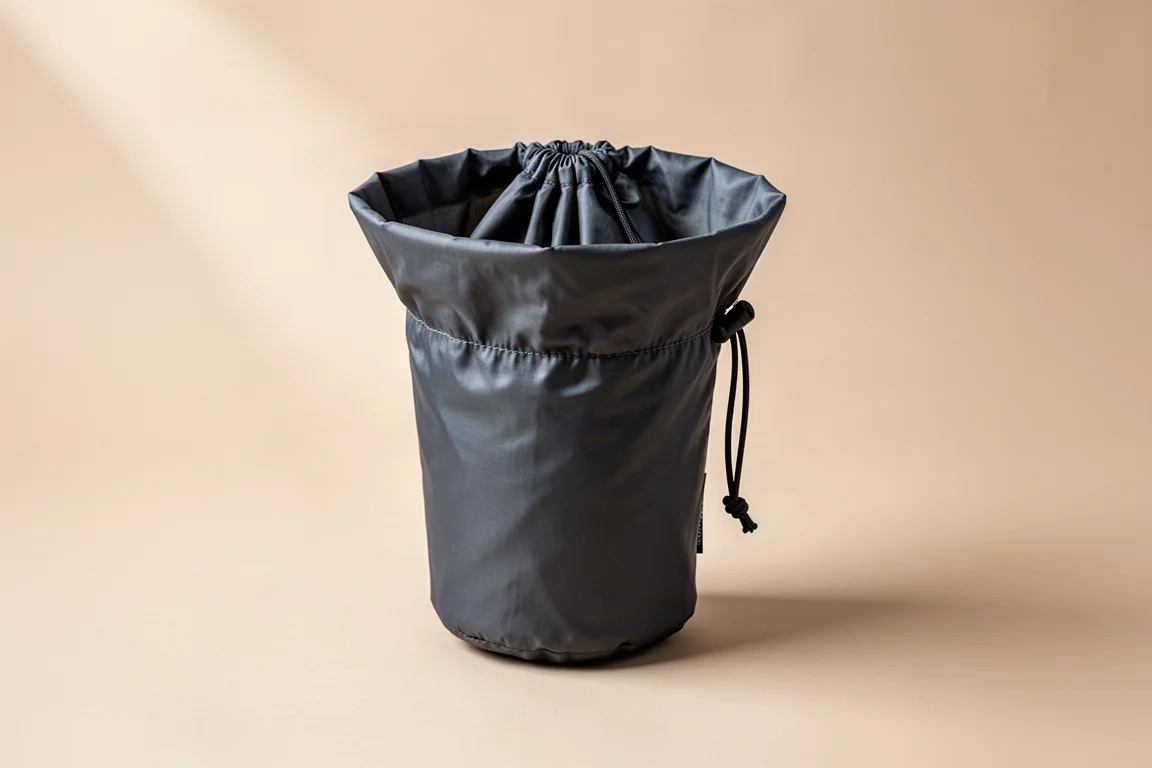
The Allmansright Holster Sack weighs four grams and is cut to the right length for a handful of full-size MSR Groundhog stakes. The opening is wide, so it is easy to reach in and pull out a set of stakes, including smaller models such as the Mini Groundhog, and just as easy to drop them back in when the tent comes down.
It has held up through more than three years of regular use, which says something for a very simple design. The real benefit is containment: stakes stay together in one place instead of loose in a pack, where sharp tips catch on fabric and cords.
Packing the Three as a Single Kit
Individually, these items barely register on a gear list. Together, they change how a small cook and shelter setup packs. The pot lifter sits inside the pot with the stove and lighter. The cable coils down into a hip-belt pocket or a ditty bag. The stake sack keeps the sharp end of the shelter kit separated from everything else.
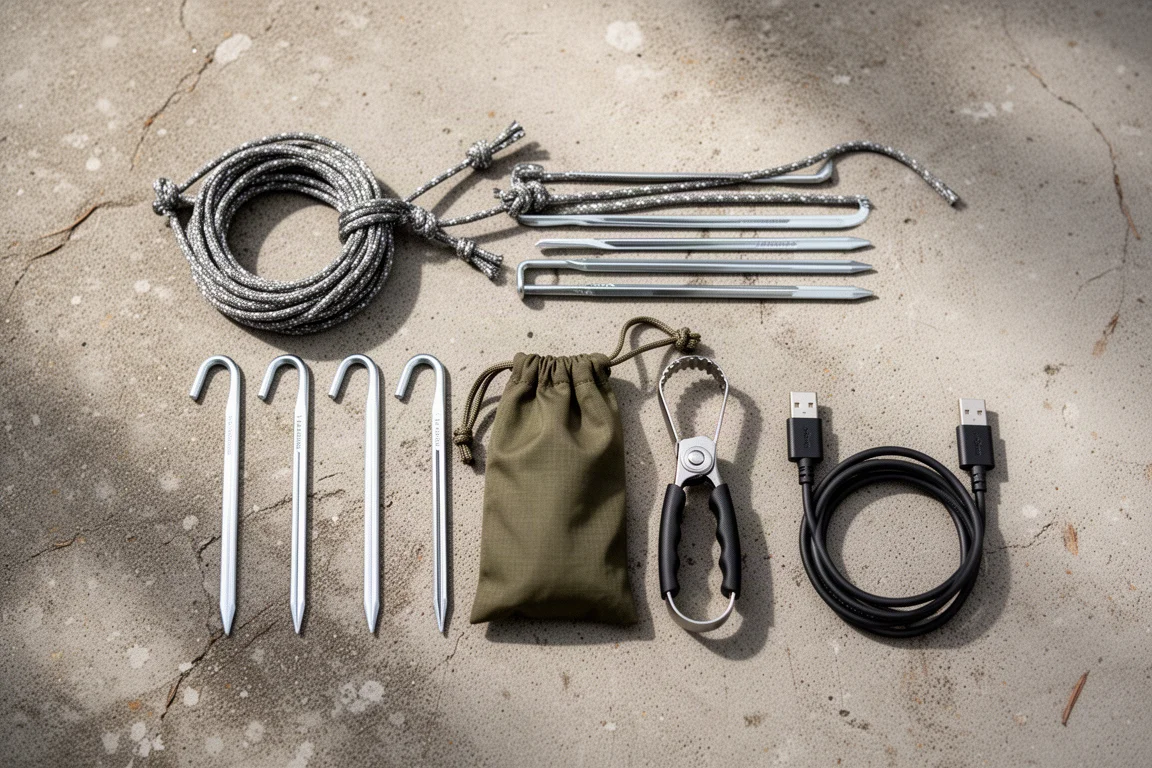
That combination is the point. Each item is a single-purpose tool, and a single-purpose tool only works if it is easy to carry and easy to find when you need it. These three are small enough that there is no real reason to leave them at home.
Trade-Offs to Weigh Before You Buy
The pot lifter is sized for small pots, 650 milliliters or less, so anyone cooking in larger cookware will want to check compatibility first. It is a deliberate tool rather than a universal one.
The cable is similarly specific. It handles USB-C, micro-USB, and Lightning, but the removable end has to be oriented correctly, which is a small habit to learn rather than a flaw.
The stake sack is designed around tent stakes. It is not a general-purpose pouch, and it is at its best when it is holding exactly the kind of hardware it was made for. None of these are compromises so much as reminders that each item does one job well.
Buying Advice
Start with the annoyance you actually experience. If you have ever grabbed a hot pot handle or wrapped tape around one, the pot lifter is the natural first addition, and it doubles as a weight saving over built-in handles. If your pack is carrying three cables and two adapters for devices with different ports, the cable is the cleaner fix. If your stakes live loose in a stuff sack and you spend time untangling them, the stake sack solves that in four grams.
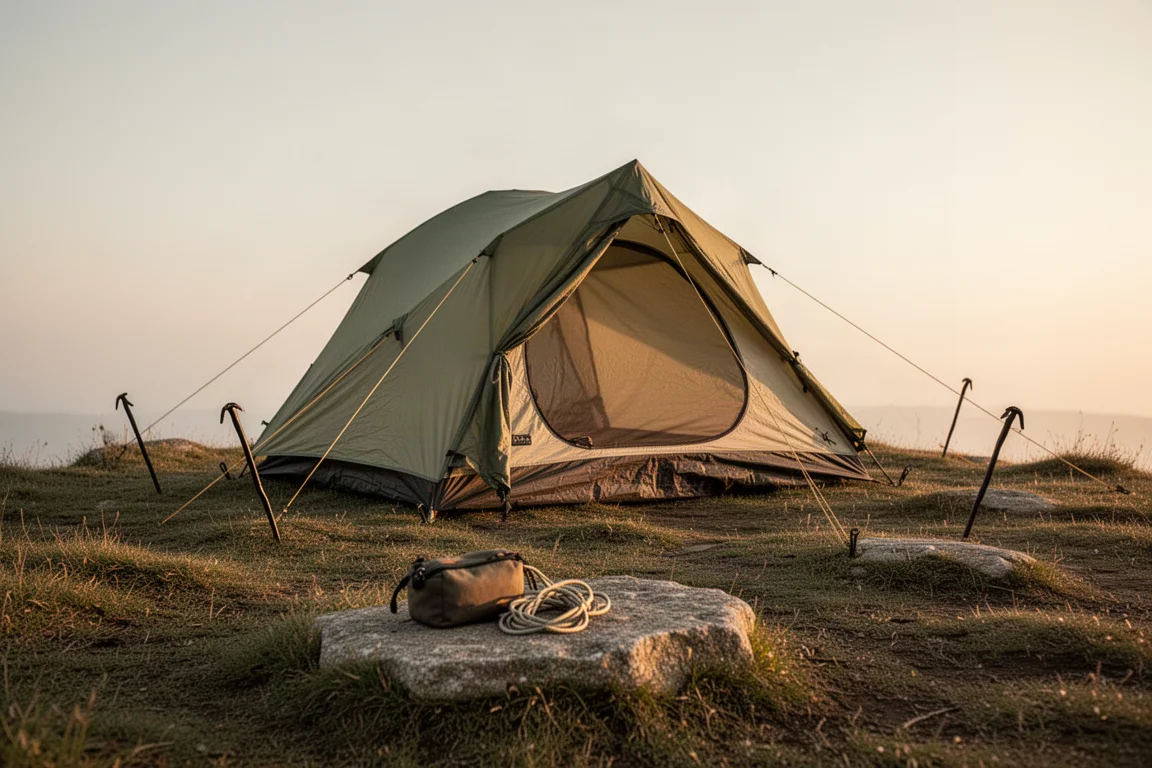
There is no need to buy all three at once. Each is a small, self-contained upgrade, and each one is easy to justify on its own merits once you know which problem it removes from your routine.
Conclusion
The biggest gains in backpacking gear are not always the biggest items. A three-gram pot lifter, a six-gram cable, and a four-gram stake sack each solve a specific, recurring irritation, and each one does it without adding meaningful weight. If any of those irritations sound familiar, one of these is a straightforward place to start.
Further reading
Related Reviews

Backpacking Gear
Building a 10 lb Base Weight: An Ultralight Backpacking Gear List
A practical walkthrough of the ultralight pieces behind a 10 lb base weight, from a 765 g pack and a roomy one-person tent to a full camp chair and a dependable water filter.

Backpacking Gear
A 15-Pound Lightweight Backpacking Gear List for Solo Trips
A beginner-friendly 15-pound backpacking setup built from easy-to-find gear, with notes on what each piece does, how it packs, and where to spend your attention.
Backpacking Gear
8 Ultralight Backpacking Gear Upgrades Worth Carrying
Eight small, affordable backpacking upgrades that solve real trail annoyances, from a pillow that stays put to a fuel valve that rescues leftover canister gas.