Backpacking Gear
Three Ultralight Backpacking Loadouts: Big Three Gear Compared
Three complete ultralight setups for shelter, pack, and sleep system, from a 6.3 lb kit under $1,000 to a 3.8 lb kit over $1,500.
Introduction
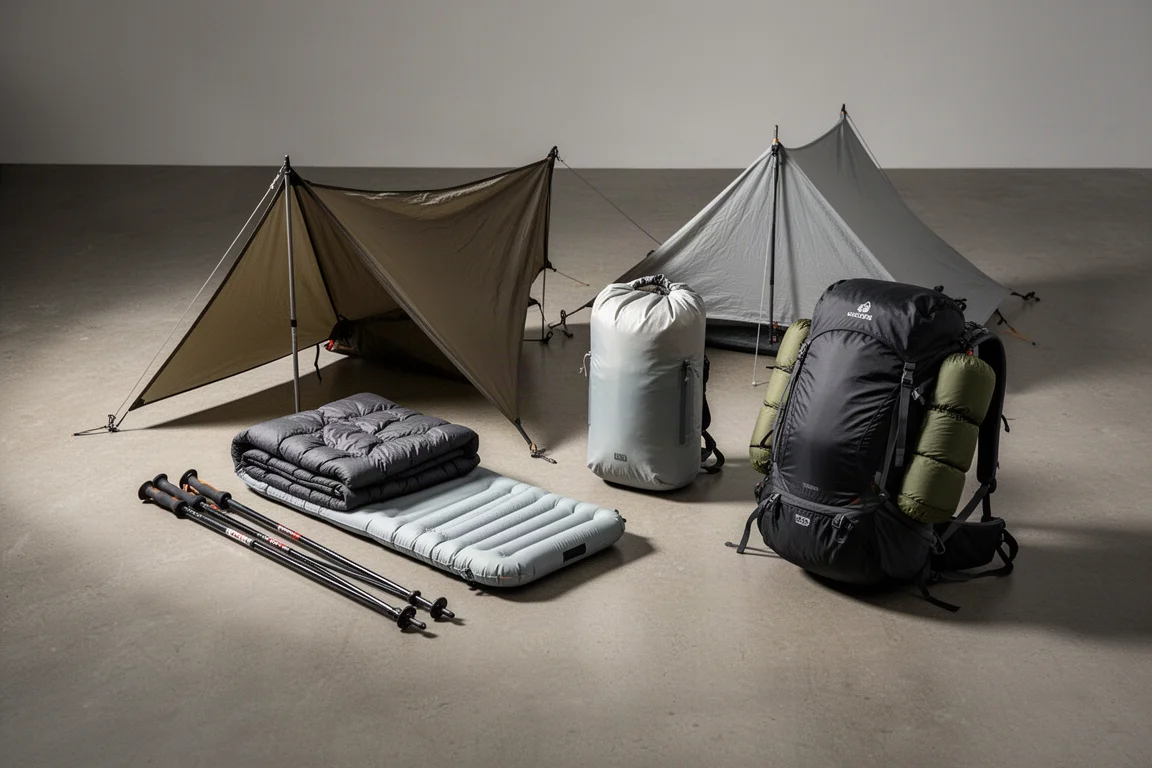
The heaviest items in a backpack are almost always the same three: your shelter, your pack, and your sleep system. Depending on how you build that combination, the so-called big three can add 10 to 15 lb to your base weight before you have packed a single meal. That is a lot of weight to move with every step, and it is the first place to look if you want to walk further and faster with less strain on your body.
Ultralight, in practical terms, means a base weight under 10 lb. Base weight is everything in your pack except food, fuel, and water. The big three make up most of that number, so changing them changes everything else.
The three loadouts below get progressively lighter and progressively more expensive. The first comes in at 6.3 lb and under $1,000. The second weighs 4.8 lb and costs under $1,300. The third weighs 3.8 lb and costs over $1,500. None of them are extreme. Every pack here has a frame, and every shelter is fully enclosed, so there are no tarps and no cowboy camping involved.
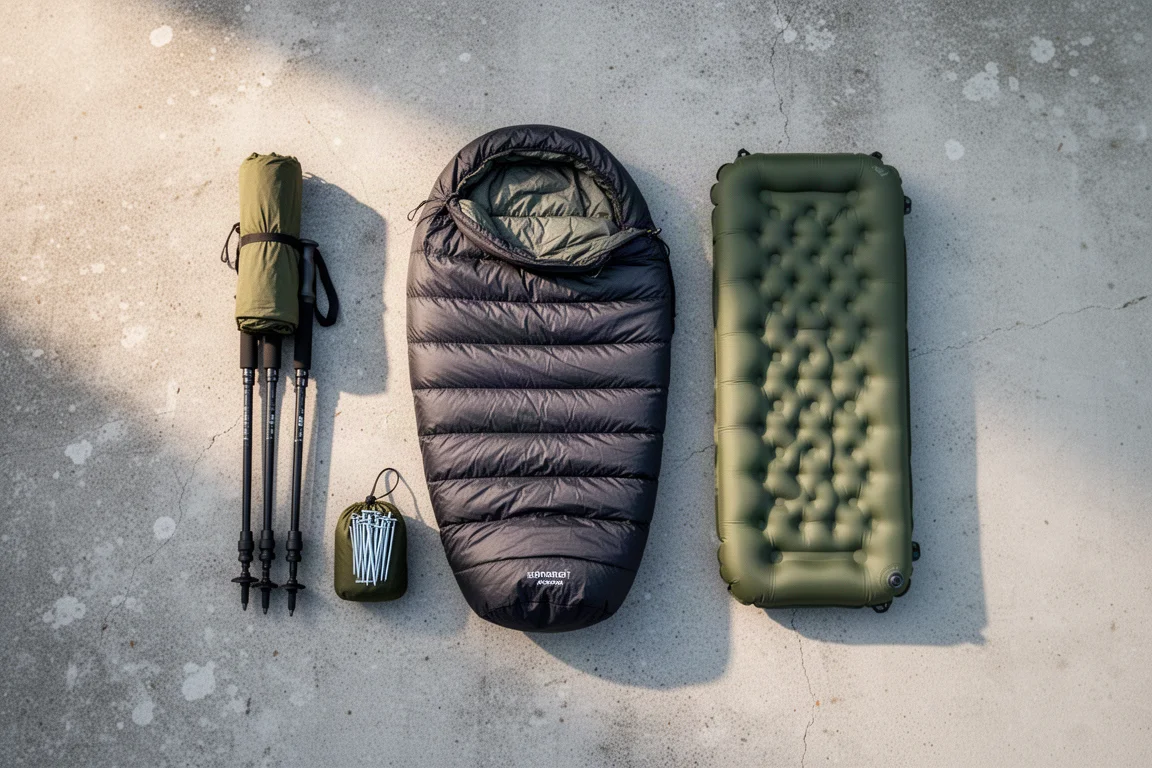
If you have never carried an ultralight setup before, this is a useful place to start. The gear itself is familiar in form, just considerably lighter than the conventional versions of the same items. Every piece is also interchangeable, so you can take a shelter from one loadout and a pack from another.
What to Know Before You Choose a Loadout
Three things are worth keeping in mind before you pick a setup.
First, weight savings cost money. The lightest loadout here is the most expensive by a wide margin, and the price climbs faster than the weight drops. The first setup costs less than $1,000 and weighs 6.3 lb; the third costs more than $1,500 and weighs 3.8 lb.
Second, the totals are realistic trail weights rather than stripped-down marketing numbers. Quoted shelter weights include stakes where those are part of the setup, and one shelter arrives without factory seam sealing, which is either an evening of work or a small extra charge.
Third, all three setups keep the comforts that matter. Frames, fully enclosed shelters, and proper sleeping pads are all present, so the transition from a conventional kit is not as jarring as the ultralight label suggests.
Setup 1: 6.3 lb for Under $1,000
This is the most approachable of the three. It totals 6.3 lb and $934, and it is built around gear that is comfortable and durable rather than absolutely minimal.
Waymark Light Pack
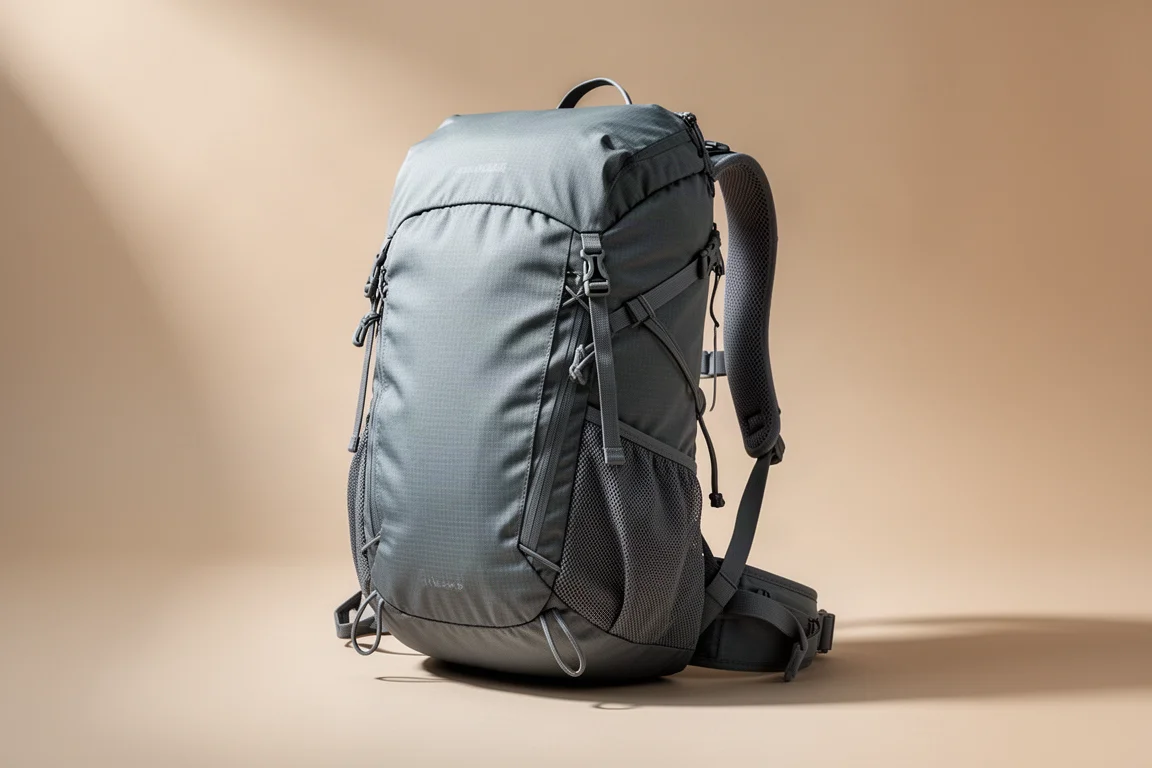
At 2.5 lb and $280, the Waymark Light Pack is the least expensive pack in this roundup and a well-rounded option for an ultralight loadout. It is not the lightest pack on the market, and it is not even the lightest model the brand makes, but it is tough, comfortable, and easy to live with on a long trip.
Six Moon Designs Lunar Solo
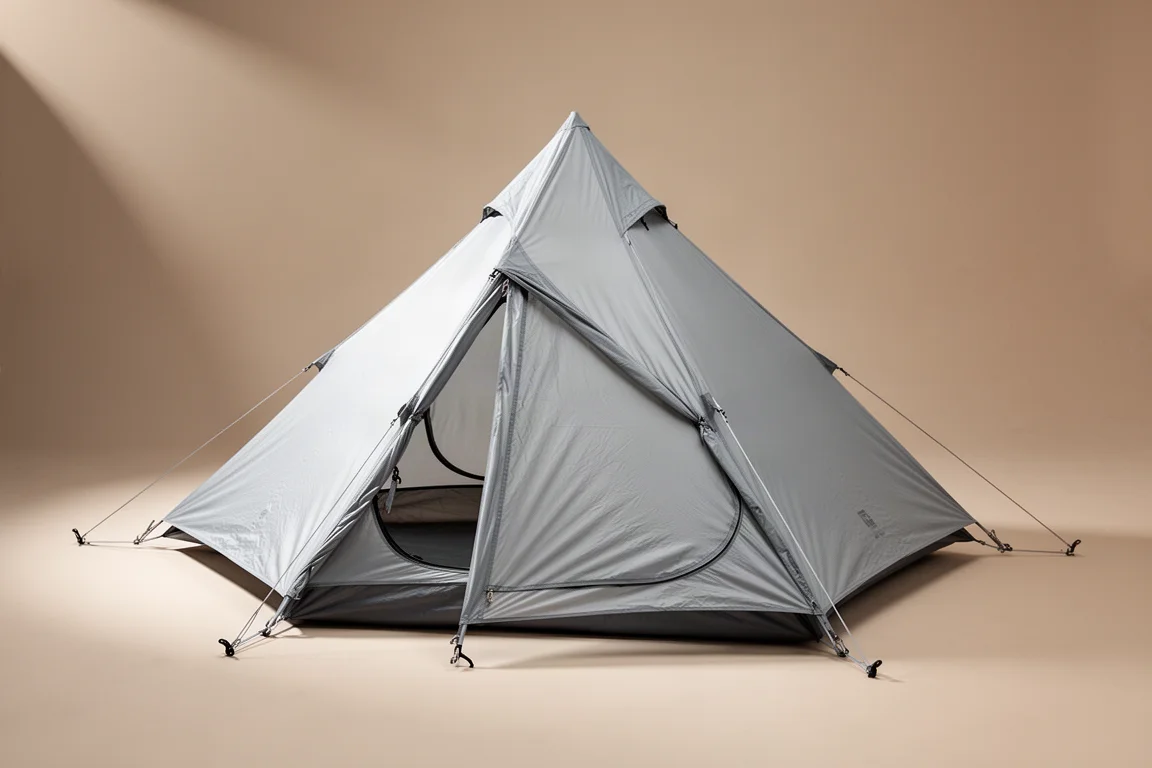
The Lunar Solo is a one-person, single-wall trekking pole shelter that weighs 1 lb 10 oz including stakes. It is $265 with stakes, which are sold separately. The one caveat is sealing: the tent is not seam sealed at the factory, so you either seal it yourself or pay around $35 to have it done before shipping.
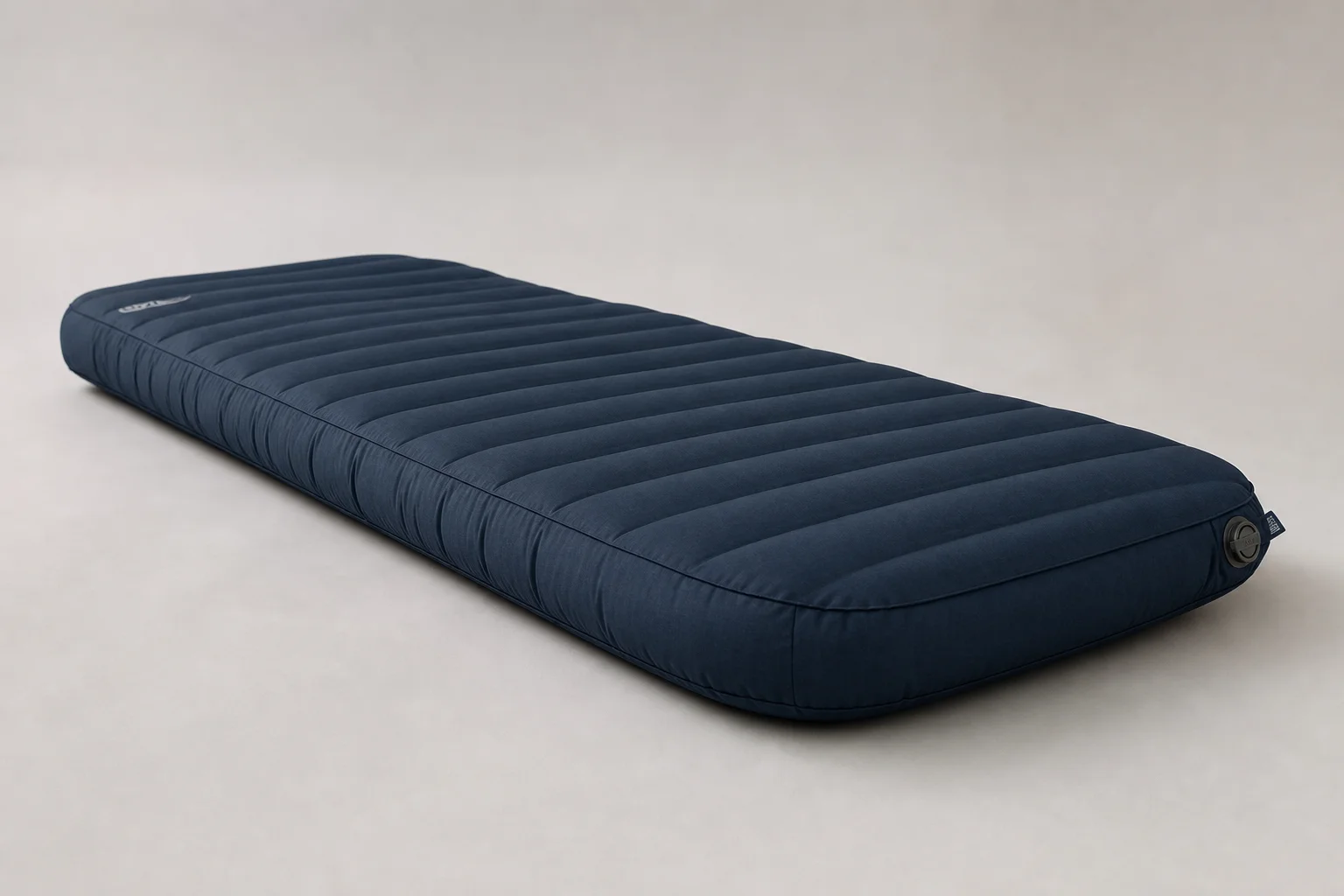
Therm-a-Rest NeoAir XLite
A long-standing three-season pad that weighs 12 oz and costs $200. It has been a dependable part of three-season kits for years, and it balances weight, warmth, and packed size without demanding the lightest construction available.
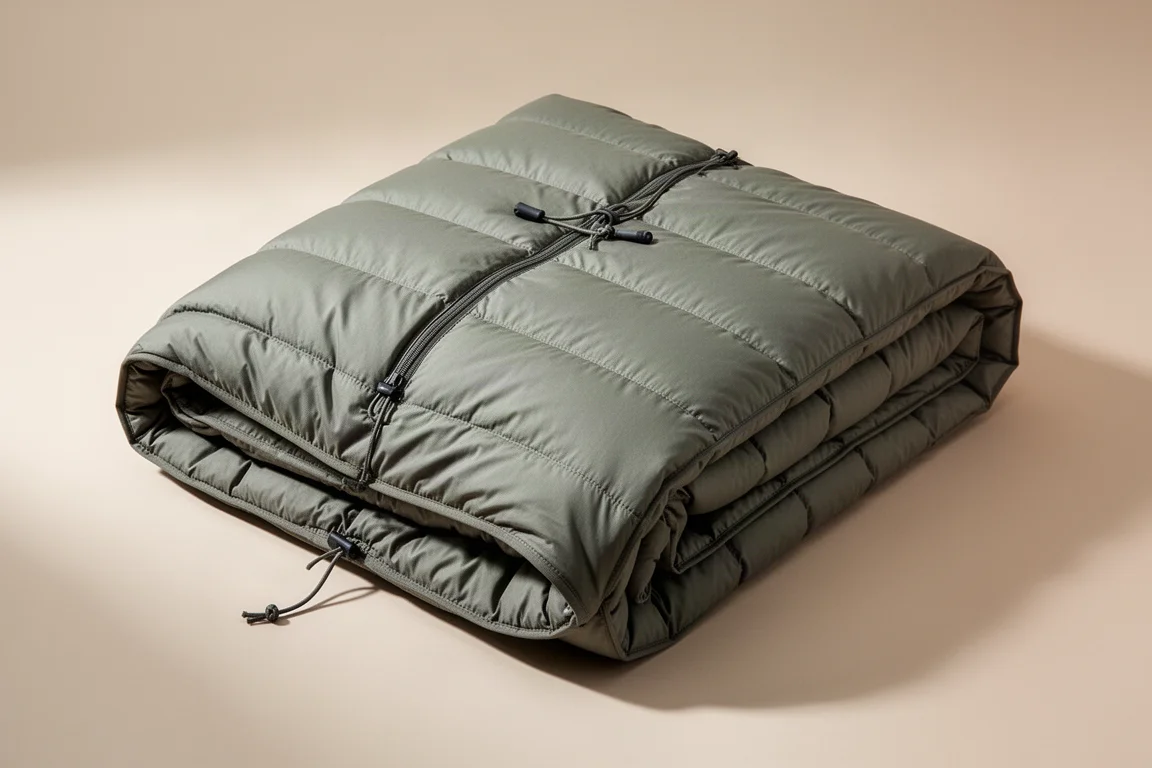
Moondance 25 Top Quilt
The Moondance 25 is the value pick of the sleep systems here. It is comfort rated to 36 degrees, ISO certified, and filled with DownTek treated down. At 23 oz and $189, its design and build quality sit close to considerably more expensive quilts.
Setup 2: 4.8 lb for Under $1,300
The second loadout drops to 4.8 lb and $1,284. The savings come from a tougher and lighter pack, a simpler shelter, and a lighter pad and quilt pairing.
The pack in this setup is the most rugged option in the roundup, which matters if you spend time on rough ground. The shelter trades floor area for headroom, and the pad and quilt together shave well over a pound compared with the first setup.
Taken together, this is the middle ground of the three: meaningfully lighter than the entry setup, and considerably less expensive than the lightest one.
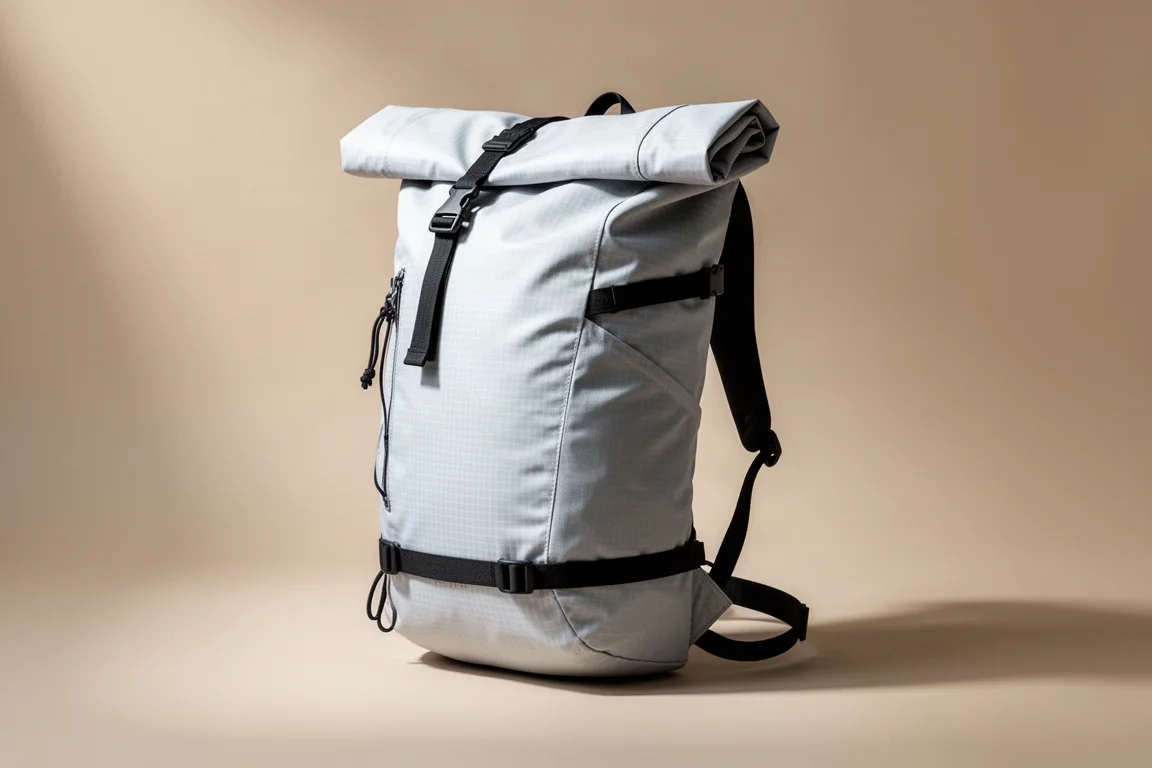
Hyperlite Mountain Gear Southwest 3400
Built from Dyneema DCH50 and weighing just under 2 lb, this is the most rugged pack the brand makes, and it is priced at $355. It is designed to take abuse, which makes it a sensible choice for rocky, overgrown, or long-distance routes.
Gossamer Gear The One
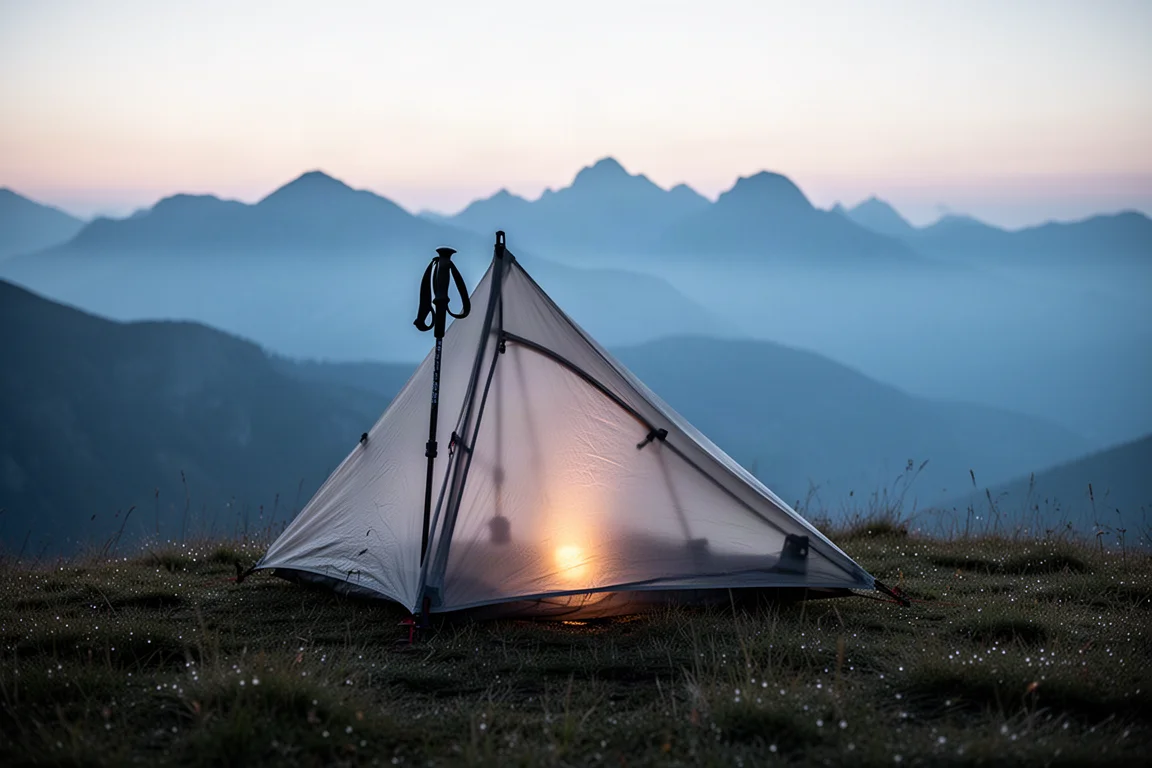
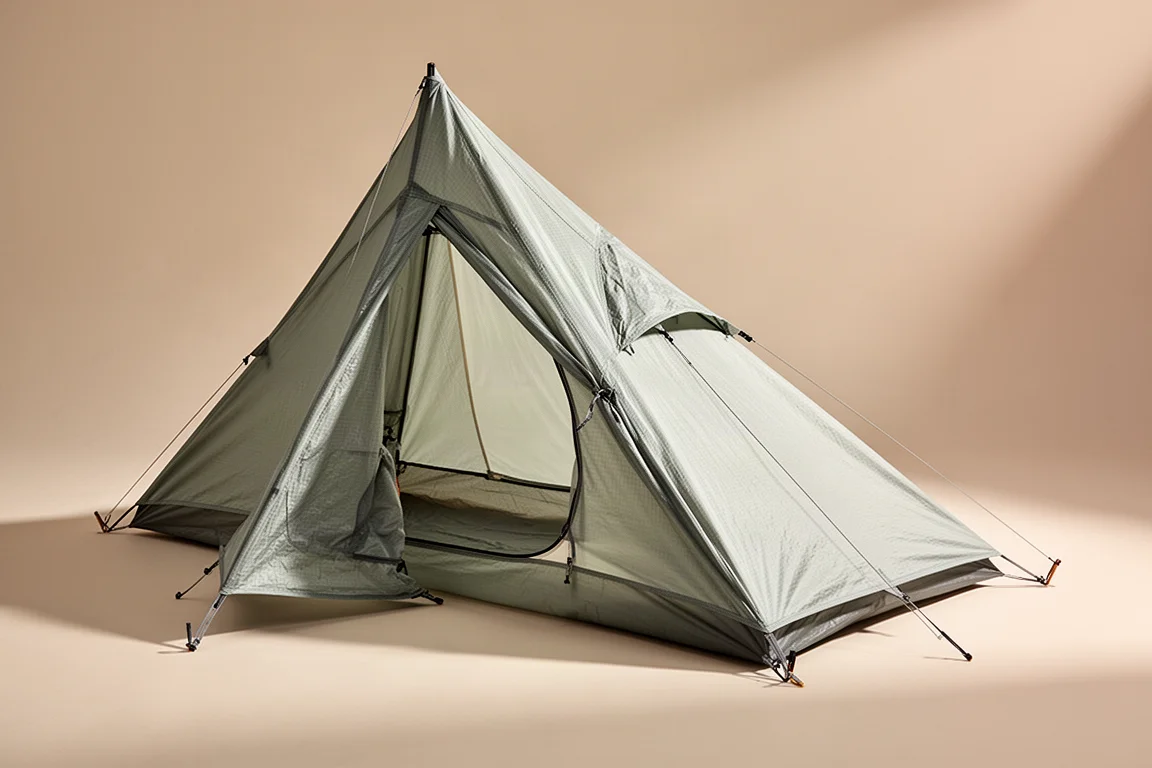
The One has the most headroom of any shelter in this roundup and, a little surprisingly, the least floor space. It is a trekking pole tent that requires two poles, and it is the simplest of the group to pitch. Its steep walls shed rain and snow well and add usable interior volume. It weighs 1 lb 4 oz with stakes, arrives factory seam sealed, and costs $300.
Therm-a-Rest NeoAir UberLite
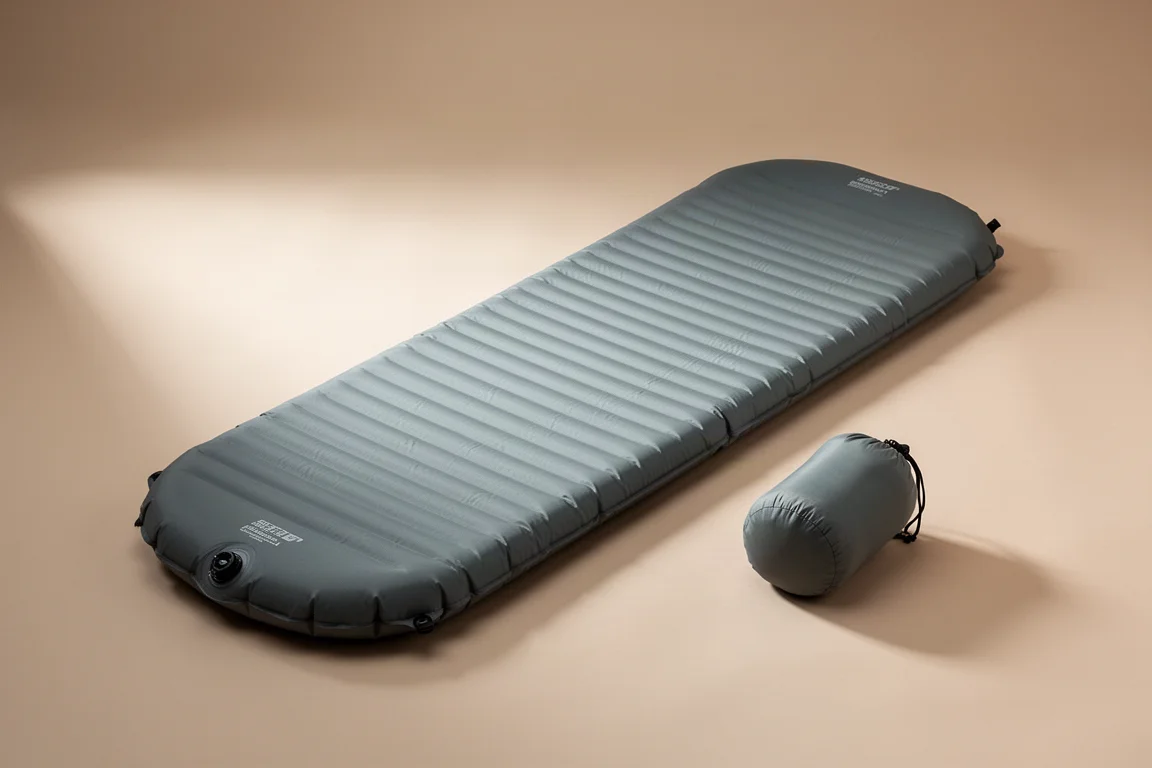
At 8.8 oz in a regular size, this is the lightest sleeping pad on the market, and it costs $219. Moving from the XLite to the UberLite is one of the easiest ways to trim a few ounces without changing anything else about your routine.
Katabatic Gear Palisade 30
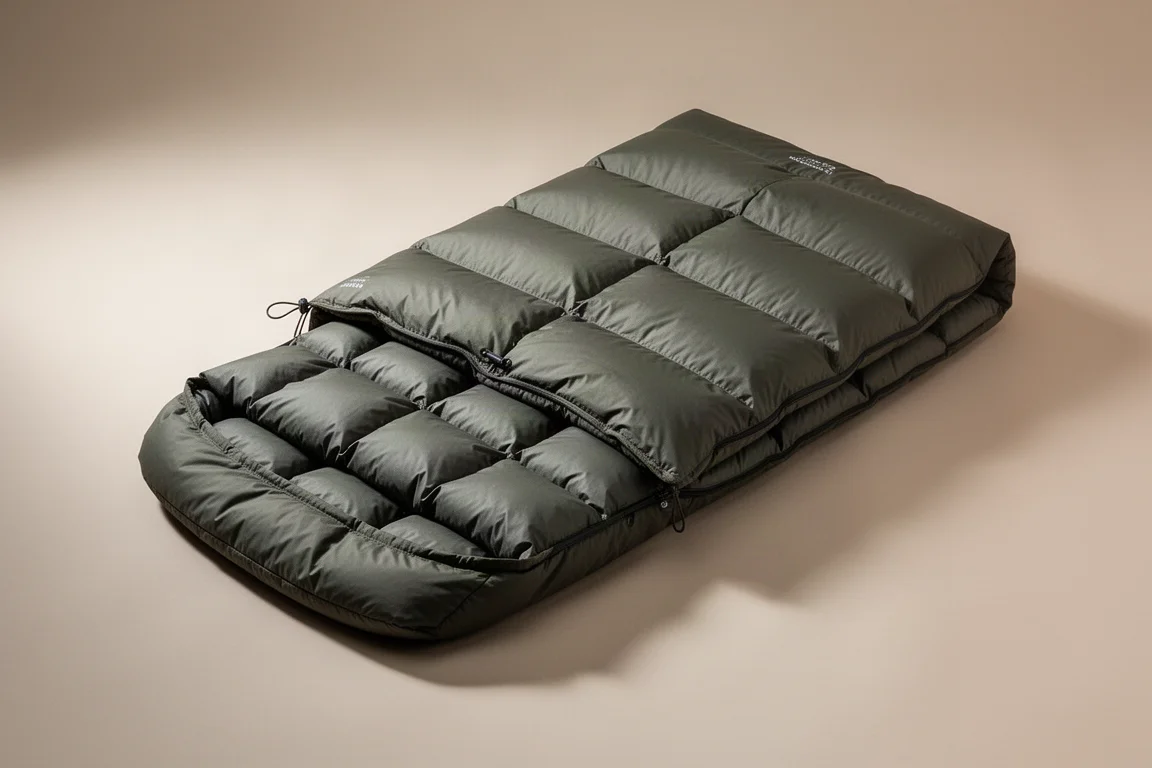
The Palisade 30 is made in Salida, Colorado, and uses a closed toe box rather than the drawstring foot box found on the Moondance. It is filled with 900 fill power hydrophobic down. The regular weighs 18 oz, while the wide version weighs 22 oz and adds interior room. Either version costs $410.
Setup 3: 3.8 lb for Over $1,500
The lightest loadout here totals 3.8 lb and $1,534. It pairs one of the lightest framed packs available with the lightest shelter in the roundup, and it reuses the NeoAir UberLite pad from the second setup.
This is where the cost curve gets steep. Lightweight materials and low production volumes push prices up quickly, and the shelter alone accounts for $600 of the total.
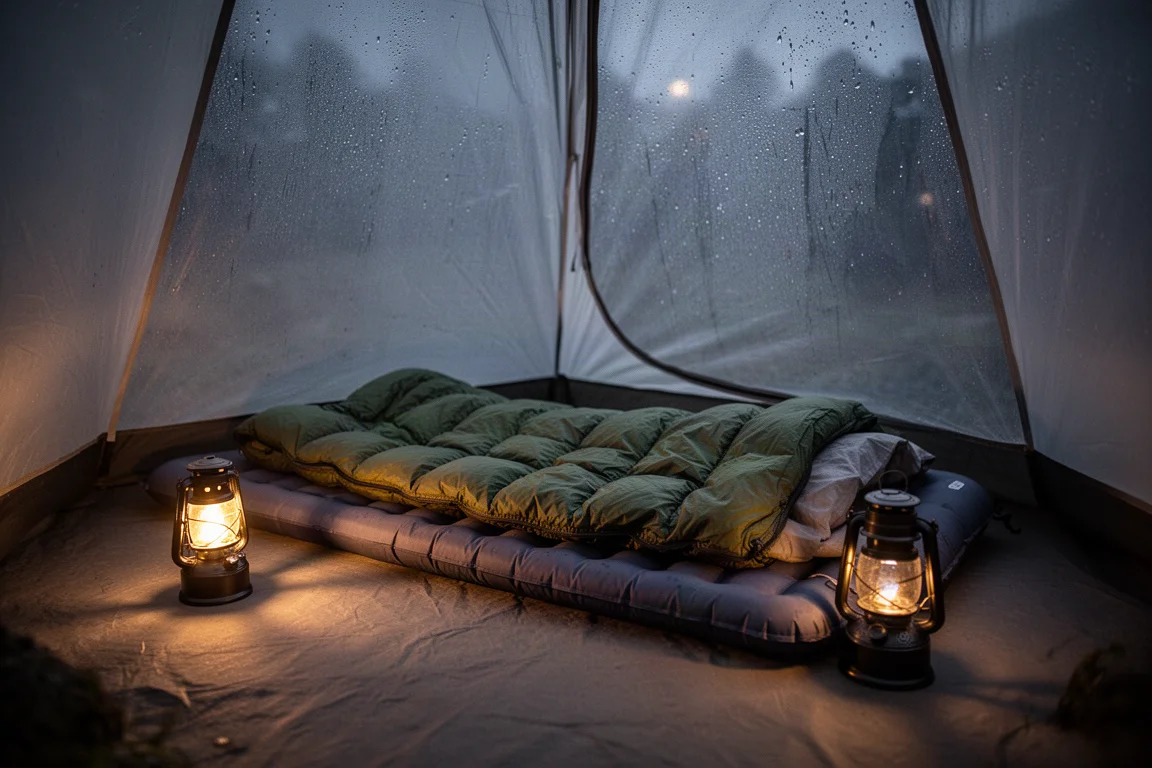
The payoff is a base weight that makes long days feel shorter. If you already own a suitable sleeping pad, this setup is easier to reach than the total price suggests.
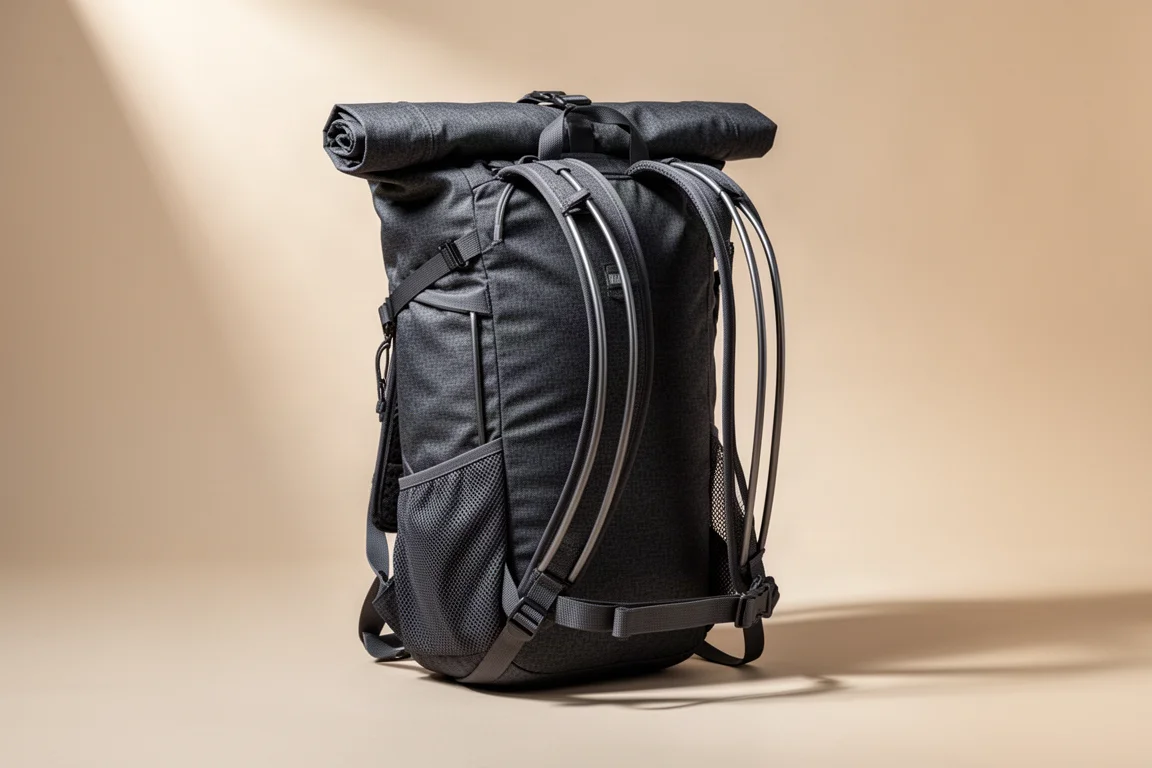
Zpacks Arc Blast 55 L Pack
At 20 oz, the Arc Blast 55 L is one of the lightest framed packs on the market, and it is one of the few ultralight packs with decent back ventilation. It uses the brand’s newer ultra fabric and costs $375.
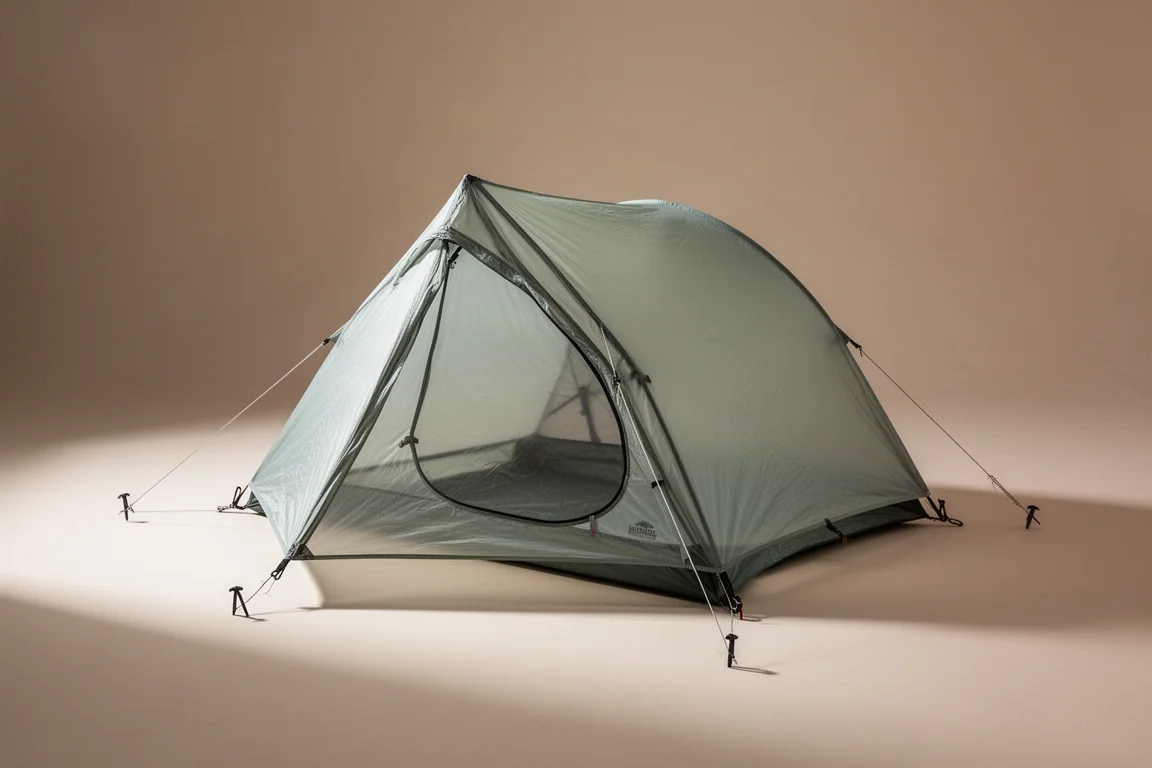
Zpacks Plex Solo
The Plex Solo is a Dyneema shelter that weighs 13.7 oz, or 16 oz with stakes. It is by far the most expensive item in this roundup at $600, which is the clearest illustration of the relationship between weight and price in backpacking gear.
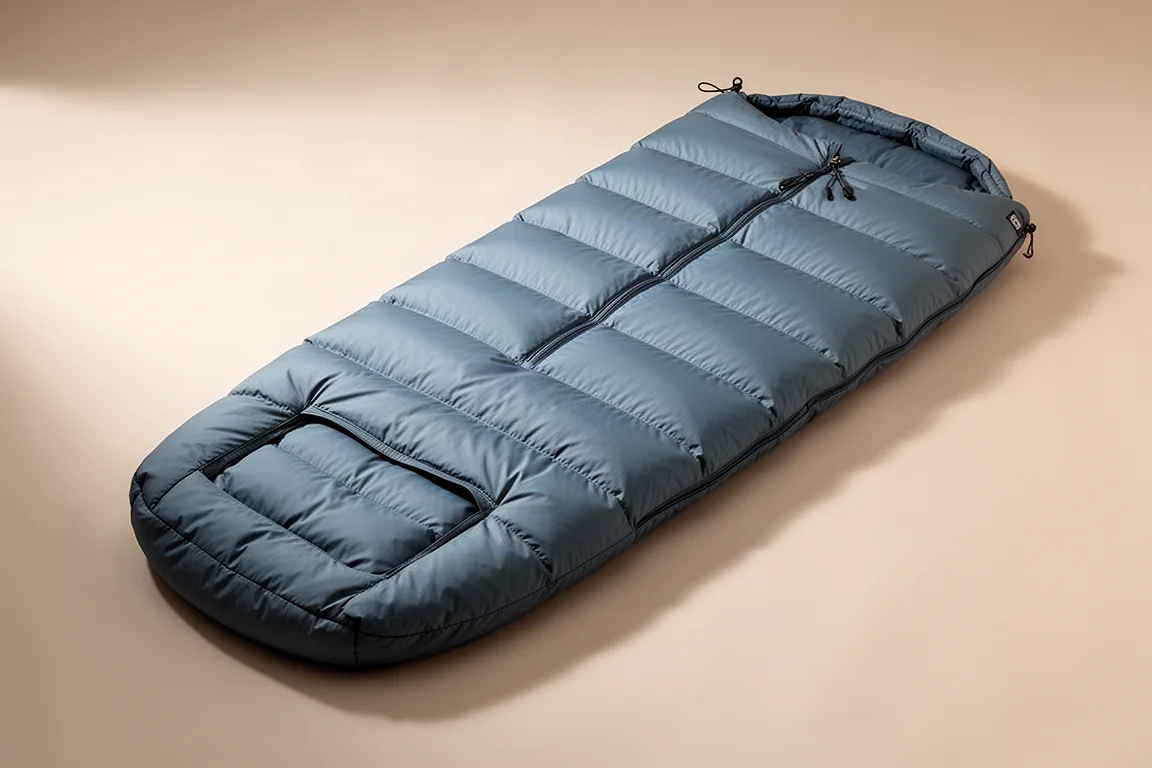
Enlightened Equipment Enigma 30 Quilt
Filled with 950 fill power down, the Enigma 30 is the lightest quilt in this roundup. In a regular size it weighs just 17 oz and costs $340.
Buying Advice: Mix and Match
Nothing here is a package deal. All of the gear is interchangeable, so a shelter from one loadout can sit happily next to a pack from another. If one tent appeals but a different pack suits your body and your routes better, combine them.
If the totals look high, that is a fair reaction. This is top-tier gear from specialist makers, and the prices reflect that. The first setup is the least expensive way into a genuinely light kit, and it is still a 6.3 lb big three.
For most people, the sensible order of upgrades is the sleep system first, then the shelter, then the pack. Pads and quilts are the cheapest place to save weight, shelters change both weight and packed size, and packs are the most personal choice of the three because fit matters more than a few ounces.
Conclusion
The big three are the heaviest things you carry and the most effective place to spend money if you want a lighter pack. A 6.3 lb setup under $1,000, a 4.8 lb setup under $1,300, and a 3.8 lb setup over $1,500 all deliver a framed pack and a fully enclosed shelter, so the choice comes down to how much weight you want to remove and how much you are willing to spend to remove it.
Further reading
Related Reviews

Backpacking Gear
Building a 10 lb Base Weight: An Ultralight Backpacking Gear List
A practical walkthrough of the ultralight pieces behind a 10 lb base weight, from a 765 g pack and a roomy one-person tent to a full camp chair and a dependable water filter.

Backpacking Gear
A 15-Pound Lightweight Backpacking Gear List for Solo Trips
A beginner-friendly 15-pound backpacking setup built from easy-to-find gear, with notes on what each piece does, how it packs, and where to spend your attention.

Backpacking Gear
8 Ultralight Backpacking Gear Upgrades Worth Carrying
Eight small, affordable backpacking upgrades that solve real trail annoyances, from a pillow that stays put to a fuel valve that rescues leftover canister gas.