Audio and Tech
Three Standout Audio and Tech Picks for 2026: Galaxy Z Fold 7, FiiO FT7, Dali KUBIK
A foldable phone that turns into a music library browser, open-back planar headphones with real transparency, and compact standmount speakers with surprising punch.
Introduction
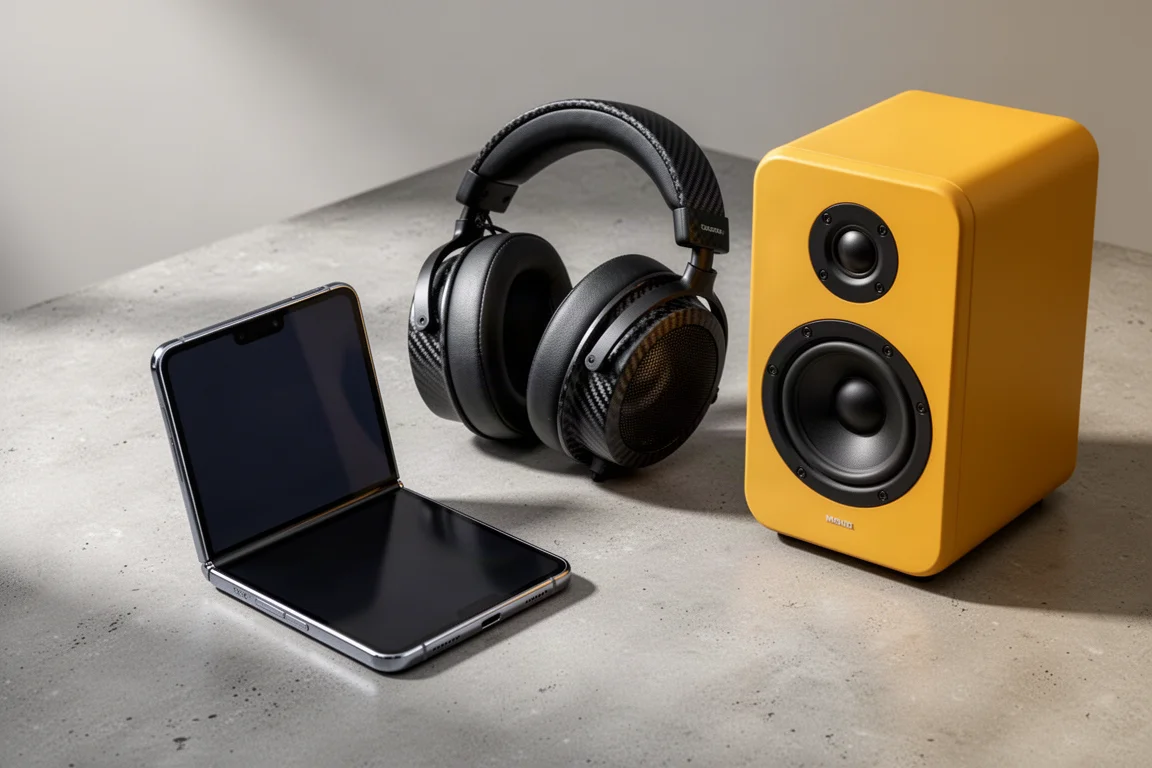
The three products below arrived at very different price points, but they share one thing: each of them outperformed what its price and positioning would normally suggest. A foldable smartphone at around 1,300 euros that doubles as a music library browser, a pair of open-back planar headphones at 790 euros that competes with far pricier flagships, and a compact pair of standmount speakers at around 340 euros that redefines what a small budget can buy.
They are listed here in descending price order.
What These Three Picks Have in Common
None of these products is the cheapest option in its category, and none of them sits at the very top of the market either. What they have in common is a sense of surprise: each one asks a reasonable amount of money and then delivers more performance, or more usefulness, than that figure implies.
That matters in a market where much of the most impressive gear sits in the five-figure range. These three keep the cost contained without feeling like compromises.
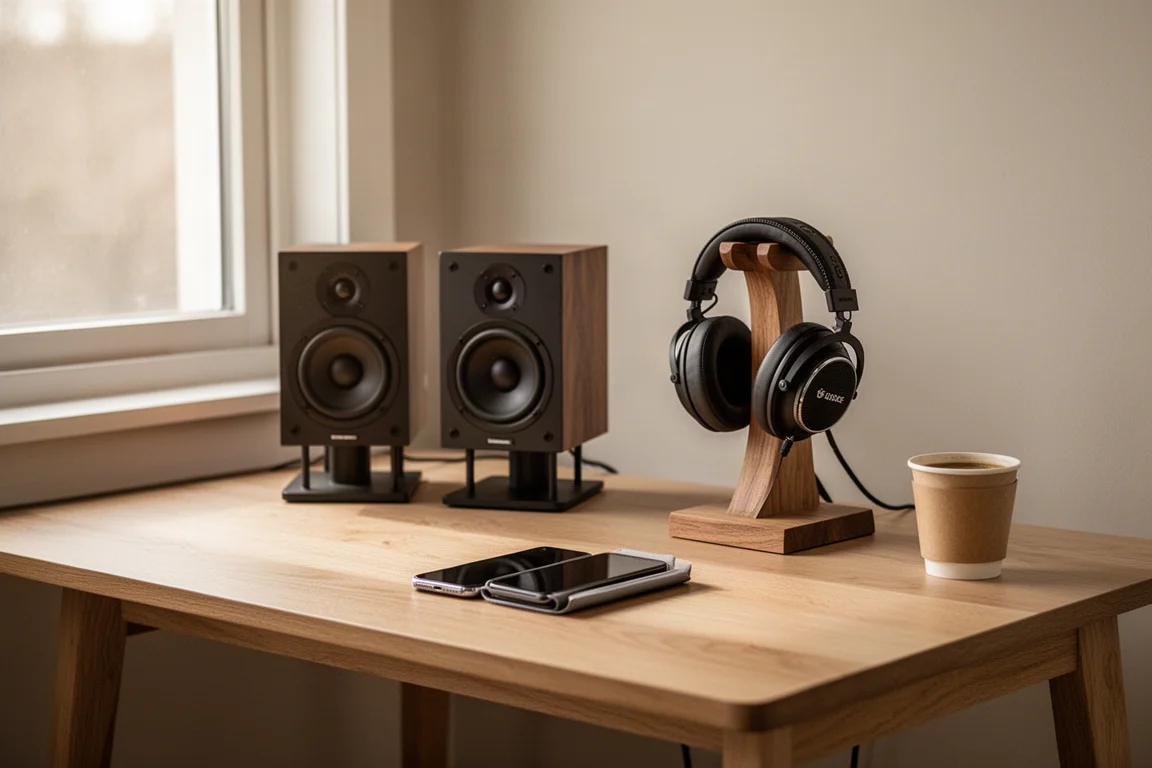
The other shared trait is that all three reward a little setup care. The phone works best when it is paired with a streaming app that takes advantage of a wide screen. The headphones want a decent source. The speakers want an amplifier with real current delivery. Give each one that, and the value proposition sharpens considerably.
Samsung Galaxy Z Fold 7: A Foldable That Doubles as a Music Library
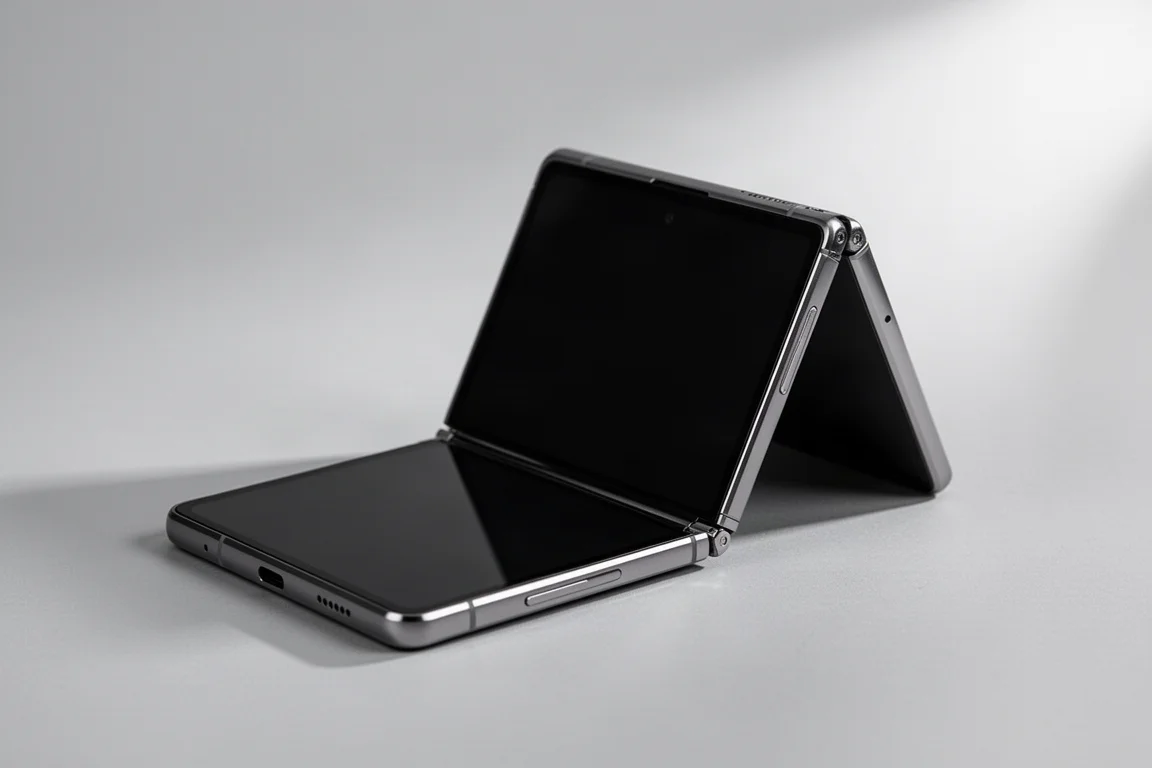
The Galaxy Z Fold 7 is a foldable smartphone that costs around 1,300 euros, which puts it in the same financial territory as a serious streaming DAC. Closed, it is a normal phone with a 6.5 inch cover display. Opened, it becomes an 8 inch tablet.
For widescreen movies the difference is modest. A film is only slightly larger on the inner screen than it is on a standard smartphone. For music, the change is much more dramatic. Browsing a library in grid view on the inner display shows roughly twice as many albums as a standard phone screen, so where a smaller phone might display six covers, the Fold 7 shows twelve.
That extra width also makes parametric EQ interfaces easier to live with. Adjusting a curve in an in-app equalizer no longer requires pinching and zooming to move up and down the frequency range.
Browsing Tidal and Roon ARC on the Inner Display
Streaming apps benefit in obvious ways, but the most interesting case is Roon ARC, which turns a Roon server into a private streaming service. Any song stored on that server can be streamed or downloaded to the ARC app from anywhere, and ARC can also pull in Tidal and Qobuz for checking out new releases. It adds headphone correction and crossfeed as well. The server software runs on any Mac or PC, so dedicated hardware is not required.

On a wide inner display, Roon ARC finally has room to breathe. The one caveat is that ARC’s now playing cover art does not scale to fill the available space the way the standard Roon remote app does, which leaves part of that screen unused.
Away from home, the wider view makes browsing a library feel far less effortful. It is a small difference in isolation, but it changes how a streaming app feels in daily use.
There is also a pricing argument in the Fold 7’s favour. A forthcoming three-panel foldable is expected to push the concept further, with predictions pointing to a price around $2,500, which leaves the current two-panel design in a comparatively sensible spot. In Germany, the Z Fold 7 costs about the same as an iPhone 17 Pro.
FiiO FT7: Open-Back Planars With Serious Transparency
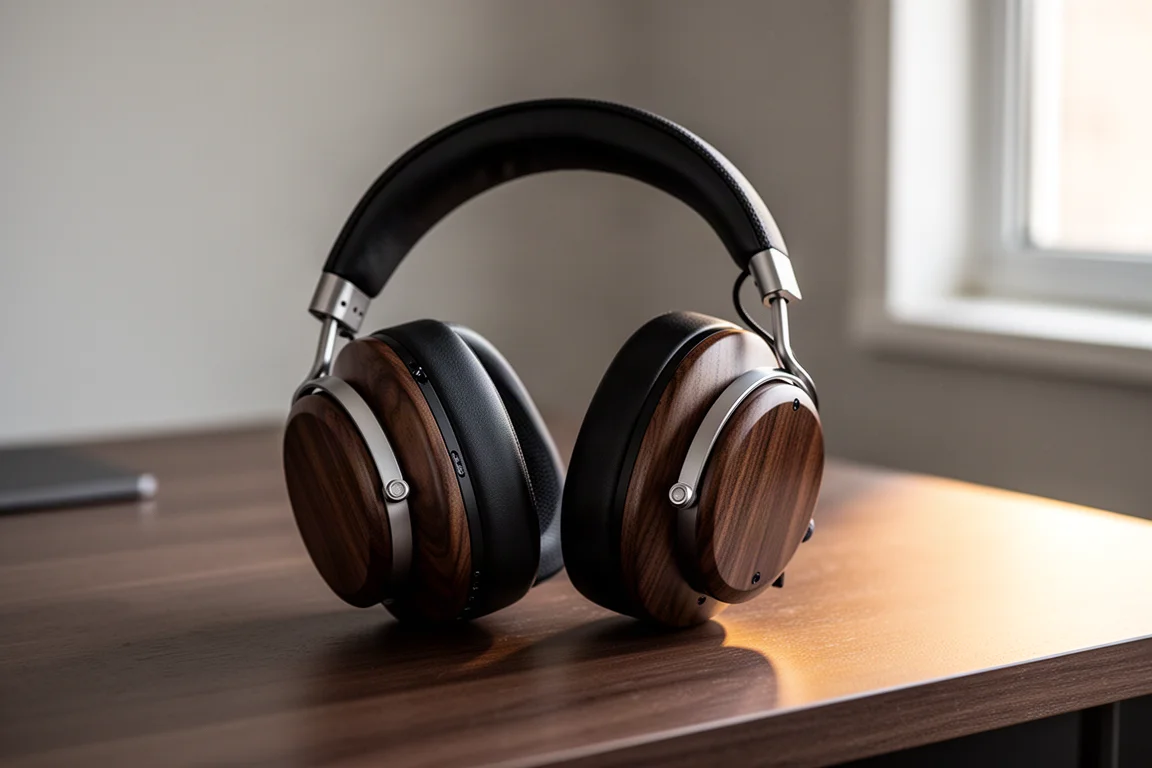
At 790 euros, the FiiO FT7 open-back planar magnetic headphones sit right next to established rivals at the same price. The design starts with a 10 cm planar driver whose diaphragm measures just one micrometer thick, with traces made from gold and silver. Nine magnets per side would normally mean a heavy, uncomfortable headphone, but a carbon fiber frame keeps the total mass just under 430 grams. That is light enough to wear for hours without discomfort.
Ear Pads, Comfort, and Long Listening Sessions
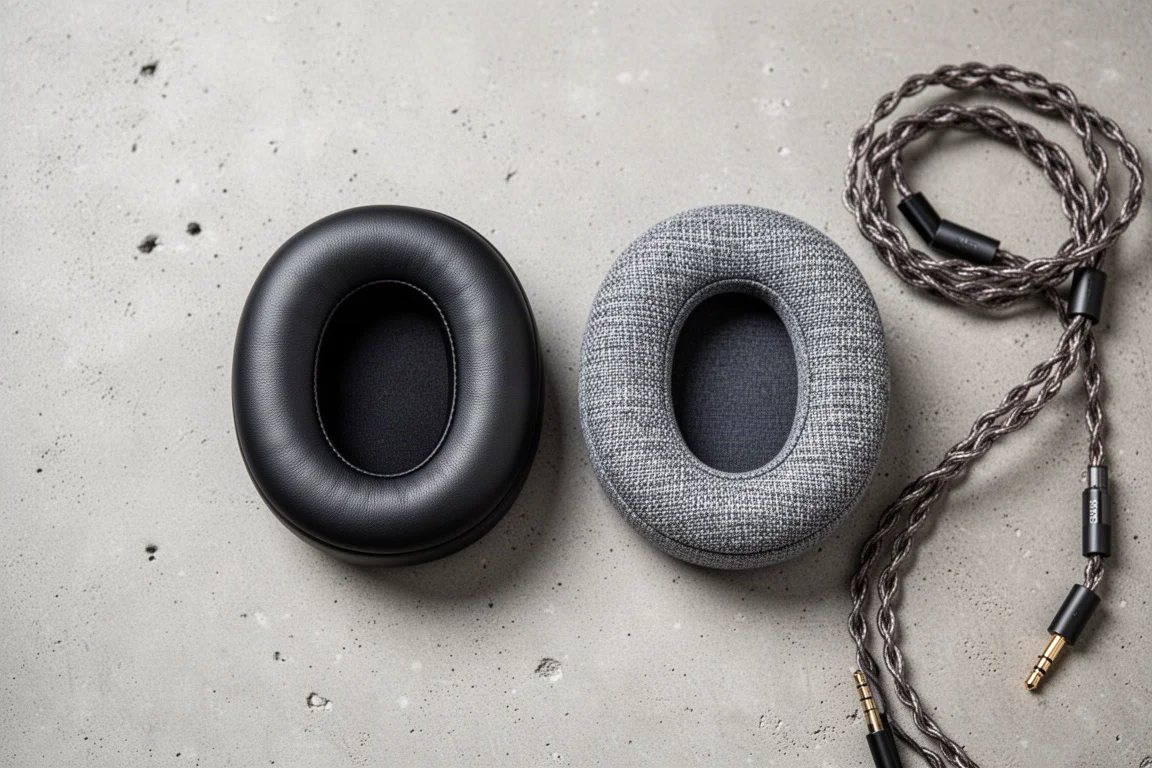
Two sets of swappable ear pads ship in the box, and the audible difference between them is subtle but real. The lambskin pads give a keener, slightly leaner presentation with a touch of upper mid glare that can bother on brighter recordings. The fabric pads shift the tonal balance toward a little extra mid-bass thickness while taming that presence region glint. It is not a dramatic transformation, but the flexibility pays off across very different material, from bass-heavy dub to dreamy indie pop to dark, moody electronic dub.
Detail retrieval is where the FT7 makes its strongest case. Deep frequencies pressurize convincingly, and individual dubbed-out snare hits remain easy to follow as they dissolve into the mix. Dense dub techno sets surrender their transitions, with tracks fading in and out in the middle of the next track, in a way that more opaque headphones do not reveal. The transparency is clean rather than clinical, direct without ever turning harsh.
Against a similarly priced open-back rival, the FT7 trades some mid-bass propulsion for superior clarity and speed. The competing model sounds fuller and warmer, while the FiiO sounds more truthful and more immediate. Both approaches have their place, but the FT7’s transparency makes it the stronger choice for close, critical listening. It also leaves more affordable planar options well behind.
Dali KUBIK: Compact Standmounts With Surprising Punch
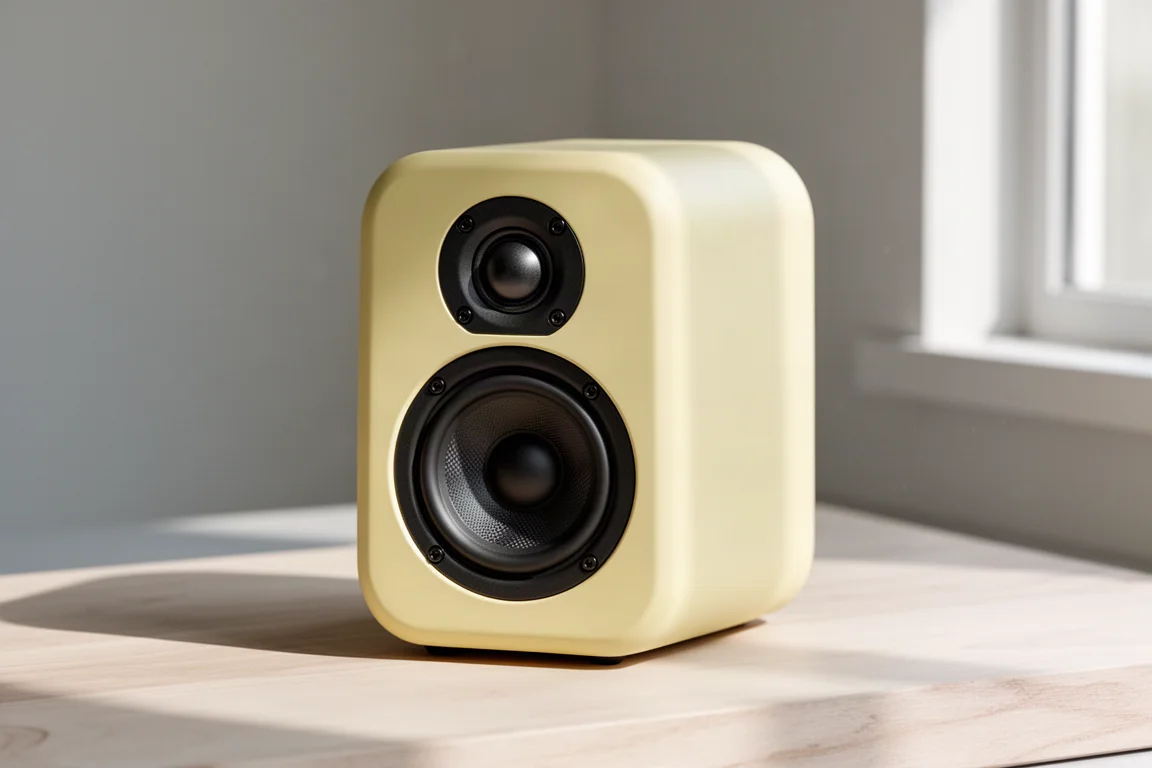
At around 340 euros, the Dali KUBIK standmount speakers look like an afterthought, but they behave like a serious pair of two-way speakers. Their proportions suit desktop duty, and when they are paired with an HDMI ARC equipped amplifier they become a proper alternative to a soundbar for a TV sideboard. Unlike a soundbar, they deliver genuine stereo separation and a sound stage that extends beyond the cabinets.
The 1 inch soft dome tweeter offers good extension without being insistent. There is no crystalline shimmer in the top octave, but neither does the treble sound closed in or muffled. It walks a middle line between polite and explicit: never harsh, never boring. The 4.5 inch mid-bass driver is made from paper and wood fiber, a material choice that gives male vocals a hint of richness, helped along by a rigid cabinet.
The trade-off for such compact dimensions is sensitivity. Dali’s own specification lists the KUBIK at 83 dB, so these speakers need a punchy amplifier with decent current delivery rather than an anemic lifestyle product. Fed properly, they are less likely to leave you craving a subwoofer. Their reported minus 3 dB point sits at 63 Hz, so the bottom octave is missing, but the bass that is present carries surprising weight and punch, and kick drums keep their rhythmic drive.
Dynamics may be the KUBIK’s greatest strength. They track a groove well and communicate the rhythmic interplay between instruments, sitting in a sweet middle ground that is neither analytical nor relaxed. Imaging is precise, with everything in the sound stage locking into place, which makes it easy to point to each element in a dense mix. Finishes include yellow, blue, off-white, black and walnut, so they can also work as conversation starters in a minimally furnished room.
Buying Advice: Matching Each Product to Your Setup
Each of the three makes sense for a different listener.
The Galaxy Z Fold 7 suits anyone who browses and controls a music library on the move and wants a large screen that still folds into a pocket. Its value depends on how much time you spend in streaming and remote apps, and on whether you already run a Roon server or a similar setup.
The FiiO FT7 is the pick for close, critical listening at a desk. It rewards a decent source and offers tuning flexibility through its two sets of ear pads, so it works across a wide range of genres. Buyers who prefer a fuller, warmer presentation may lean toward a rival at the same price.
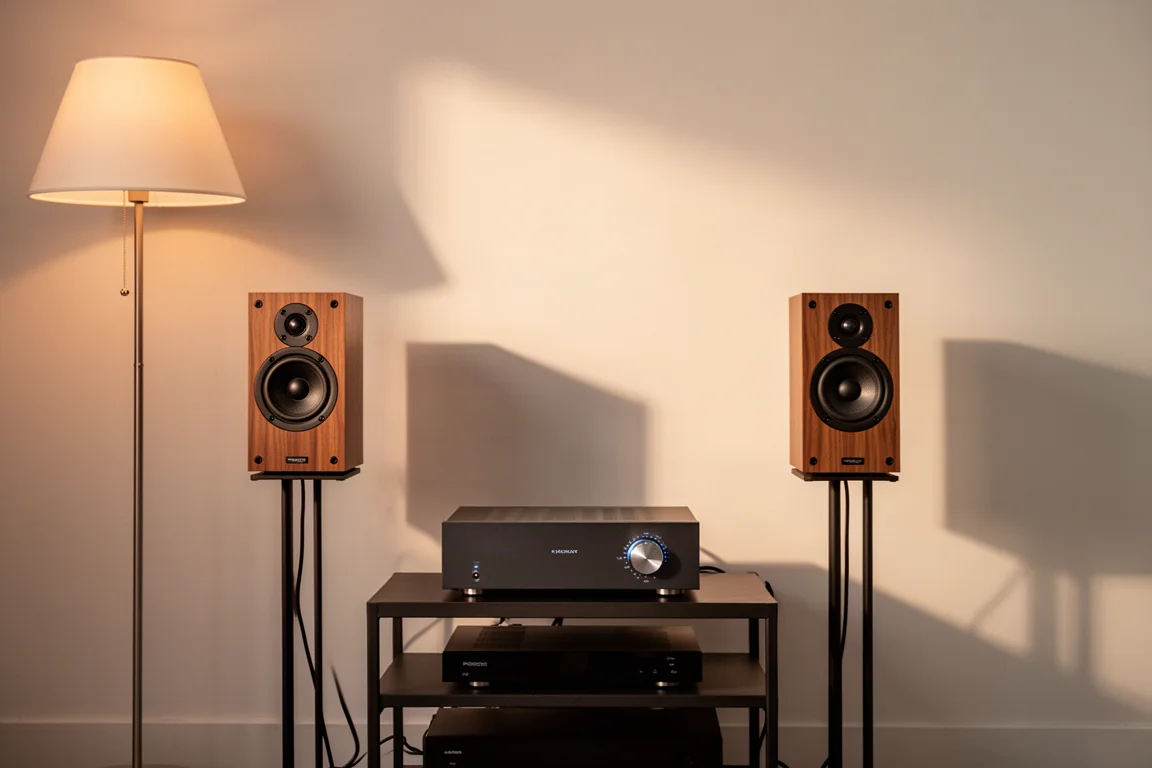
The Dali KUBIK is the smallest financial commitment of the three, but it comes with a condition: budget for a capable amplifier. Desktop systems and TV setups with an HDMI ARC amplifier are its natural homes, and a quality 60 watts per channel will outperform a mediocre 100 watts per channel.
None of these three needs to be a stopgap purchase. Each one is capable enough to stay in a system for years, which is the real argument for choosing them over something cheaper that will be replaced sooner.
Conclusion
Three products, three different jobs. The Galaxy Z Fold 7 makes a large screen pocketable and turns music browsing into something closer to using a tablet. The FiiO FT7 delivers the clarity and speed of a much more expensive planar headphone while staying comfortable for long sessions. The Dali KUBIK proves that a compact, affordable standmount can still image precisely and swing with real dynamics when it is fed properly.
Match each one to the job you actually need done, and the money goes further than the price tags suggest.
Further reading
Related Reviews

Backpacking Gear
Building a 10 lb Base Weight: An Ultralight Backpacking Gear List
A practical walkthrough of the ultralight pieces behind a 10 lb base weight, from a 765 g pack and a roomy one-person tent to a full camp chair and a dependable water filter.

Road Bikes
10 New Road Bikes Worth Watching: Aero, Titanium, Steel and Endurance Standouts
A practical roundup of 10 new road bikes, from aero flagships chasing single-watt gains to titanium, steel and endurance platforms built for real roads.

Bikepacking Gear
11 Bikepacking Essentials for Long-Distance Cycling
Eleven bikepacking essentials for long-distance cycling, from a steel gravel frame and a two-person tent to helmet lights, packable gloves, and a frame bag that puts weight in the right place.