Backpacking Gear
Three-Season Backpacking Gear List: The Core Kit Worth Building Around
A practical three-season backpacking loadout built around core items that stay versatile across terrain, trip length, and shoulder-season nights.
Introduction
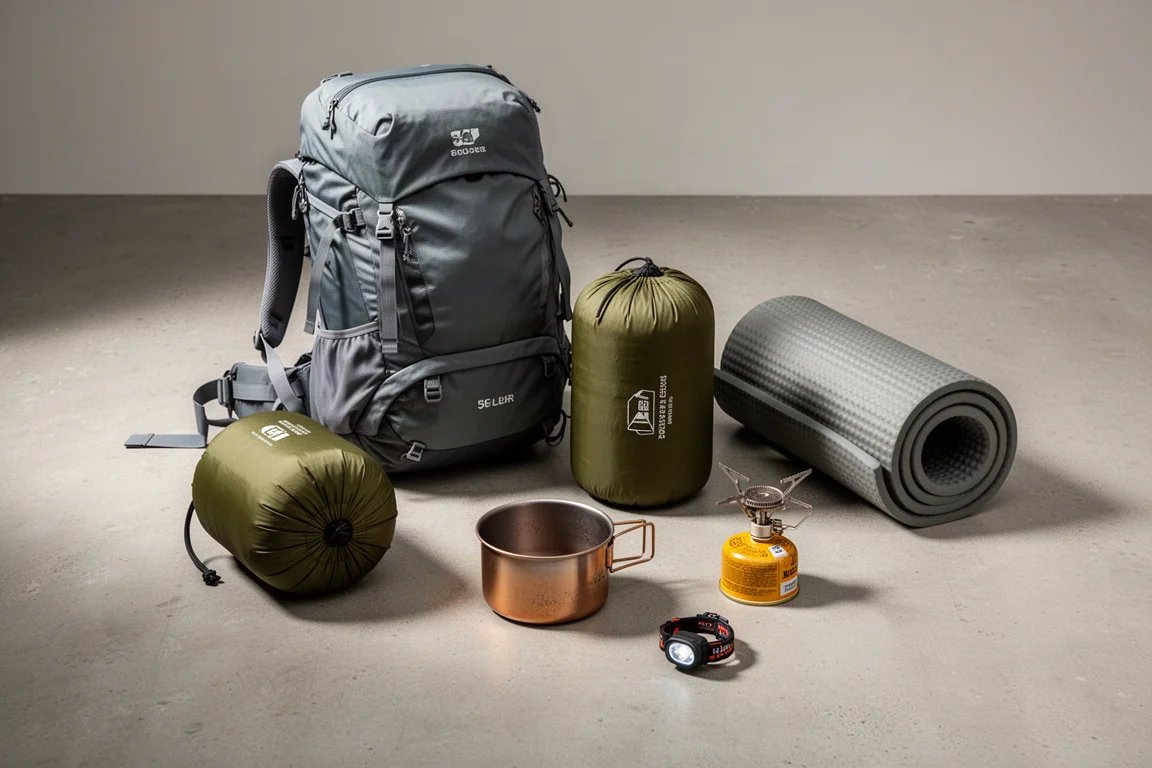
A three-season backpacking kit only earns its place if every item works across a wide range of trips: mild summer weekends, shoulder-season nights that dip close to freezing, and terrain that switches from soft forest floor to hard rock in a single day.
This list is built around that idea. Instead of chasing the lowest possible base weight, it prioritizes a 50-liter pack that can swallow a week of food, a freestanding shelter that pitches almost anywhere, and a sleep system that stays comfortable when the temperature drops. Everything else is chosen for simplicity and reliability rather than numbers on a spreadsheet.
The result is a single system you could reasonably take on any three-season trip without spending the evening wishing you had packed something else.
How This Three-Season Loadout Was Chosen
Three criteria shaped the choices here.
The first is terrain versatility. A shelter that only pitches with trekking poles is a problem on rock, hard-packed ground, and sand. A freestanding tent solves that, and it also means one trekking pole is enough for the whole trip.
The second is capacity. A 35 or 40 liter pack is lighter on paper, but it leaves very little room for a week of food. Moving up to 50 liters keeps longer trips open without turning the kit into a heavy expedition setup.
The third is comfort. A thin foam mat and a stripped-down pillow save weight and cost you sleep. This loadout keeps a comfortable inflatable pad, a pillow, and a camp chair, because a kit you enjoy using is a kit you will actually take out the door.
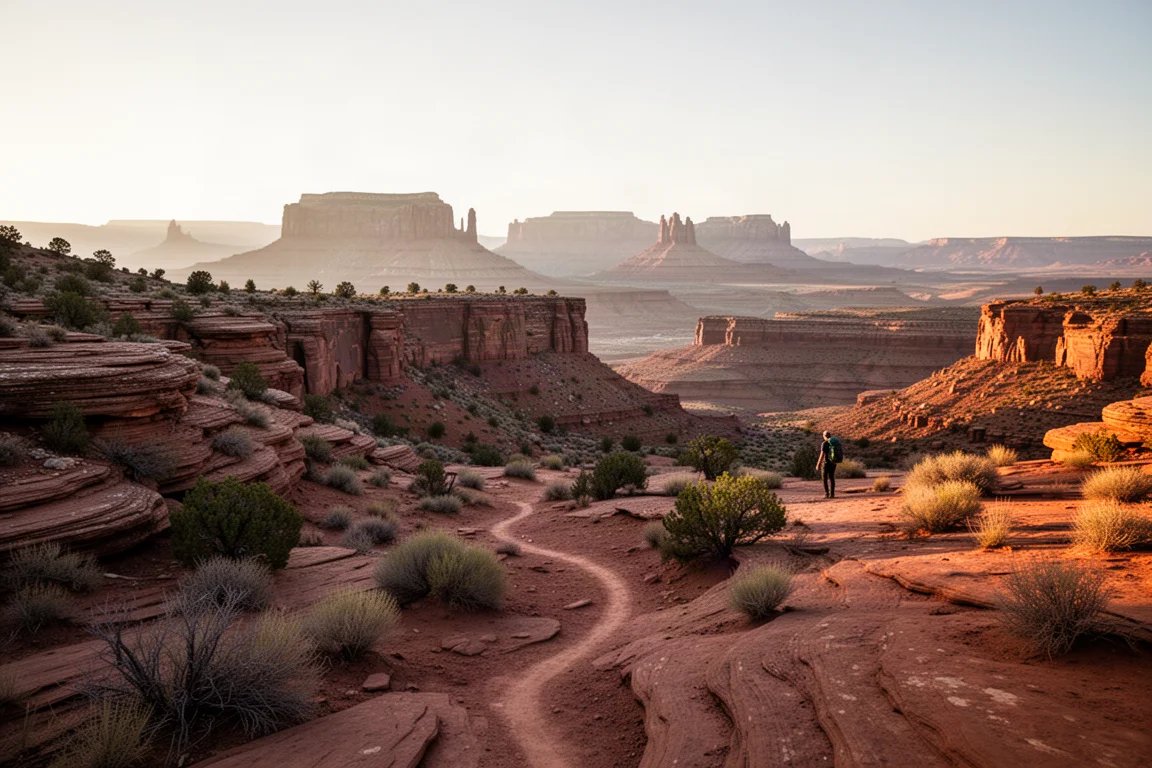
That does not make this an ultralight list in the strictest sense. It is a practical one. The items below are the pieces that would survive a hard cut, and the extras that remain earn their place on almost every trip.
The Backpack: Waymark Light 50L
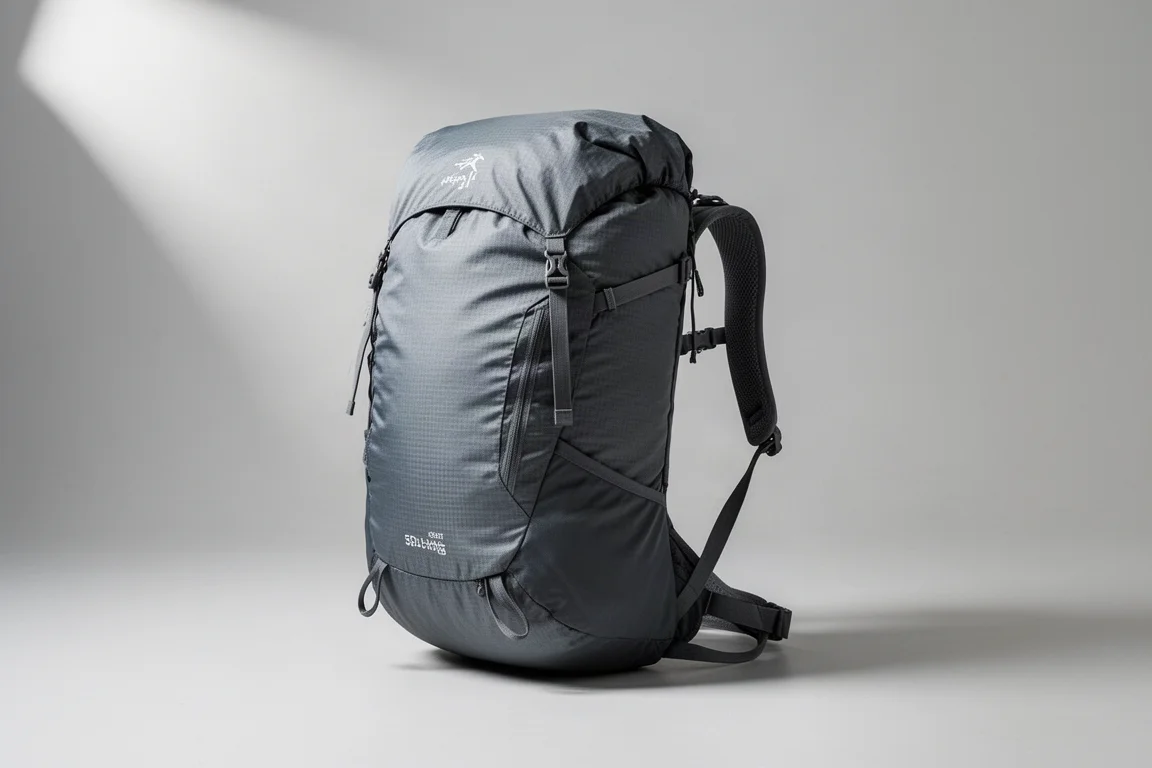
Fifty liters is the sweet spot for a general three-season setup. Packs of 35 or 40 liters are lighter, but they leave almost no margin once food for a week goes in. The Waymark Light 50L keeps that versatility without pushing into heavy expedition territory, and it is the reason this loadout can flex from a single overnight to a full week out.
It is not a stripped-down ultralight pack, and that is deliberate. The extra volume is what lets one pack cover different trip lengths instead of owning two.
The Shelter: Big Agnes Copper Spur HV UL2
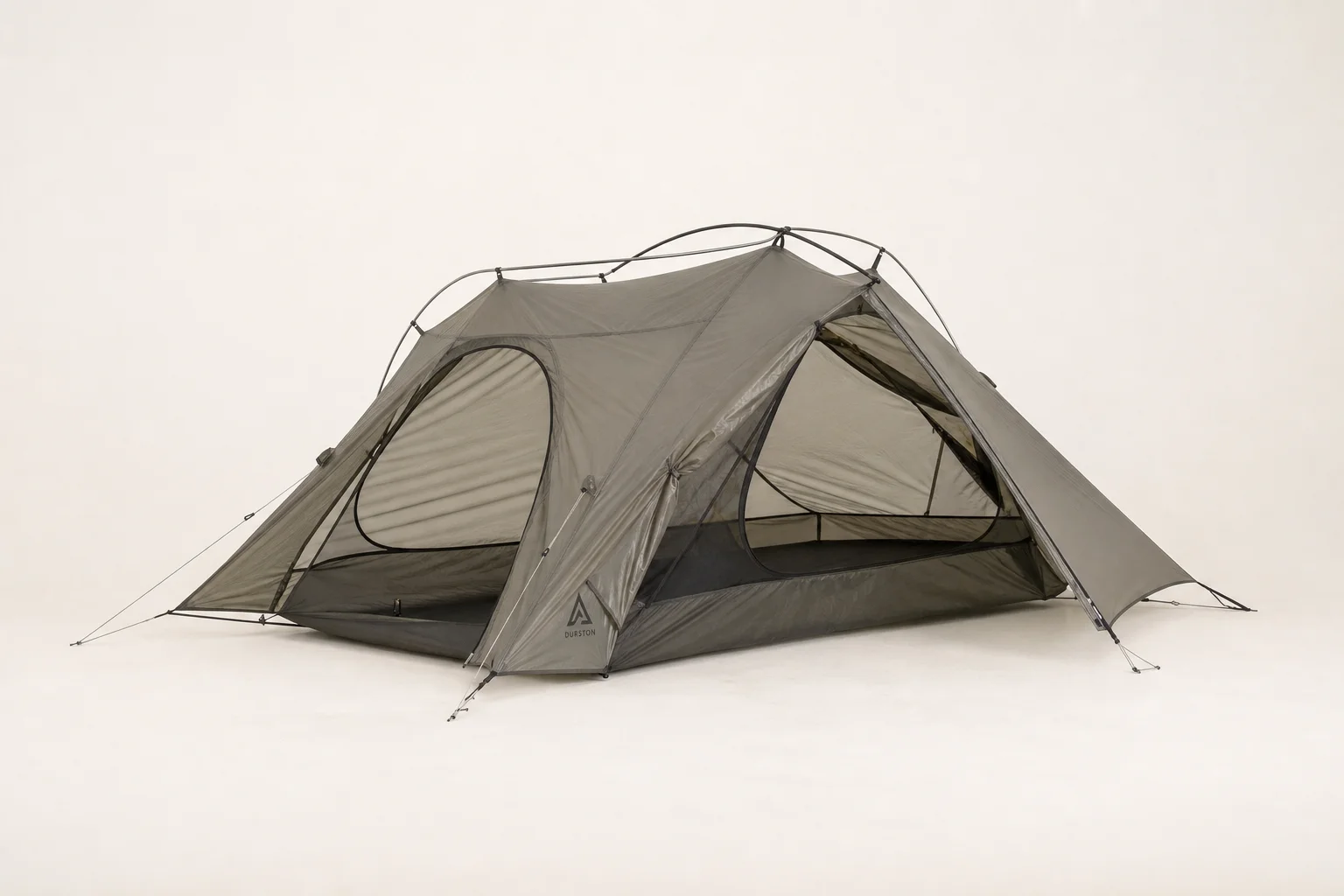
The hardest call in a kit like this is freestanding versus non-freestanding. In terrain that includes slickrock, hard-packed ground, and sand, a freestanding tent is the more forgiving choice, because it does not depend on stakes or trekking poles to hold its shape.
The Copper Spur HV UL2, in its 2020 version, balances that versatility with a low weight, generous interior space, and genuinely useful internal storage. It also packs down considerably smaller than its supplied stuff sack, which makes it easier to fit alongside a week of food. For a shelter that has to work everywhere, that combination is difficult to beat.
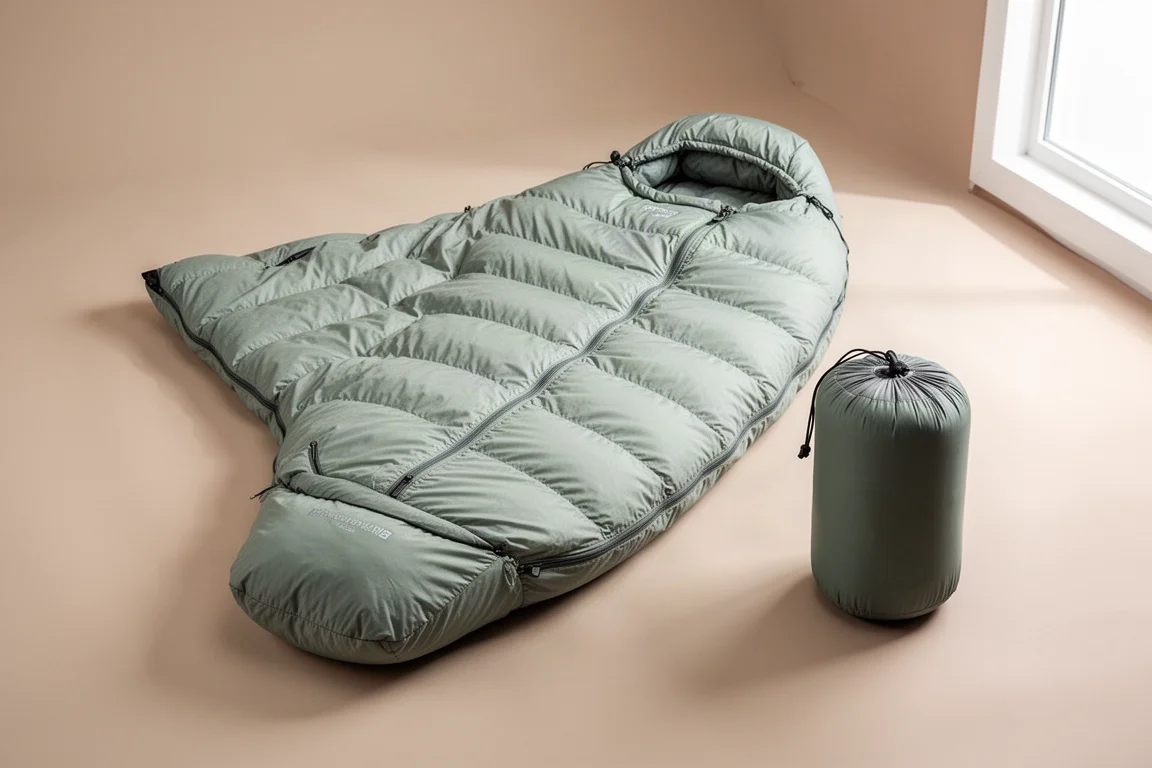
The Sleeping Bag: Therm-a-Rest Hyperion 20
A 20-degree bag is the backbone of a three-season sleep system, and the Hyperion 20 is light enough to carry without resenting it. When nights slide toward the colder end of the three-season range, a bag tends to be the more forgiving option, and this one handles shoulder-season trips without much fuss.
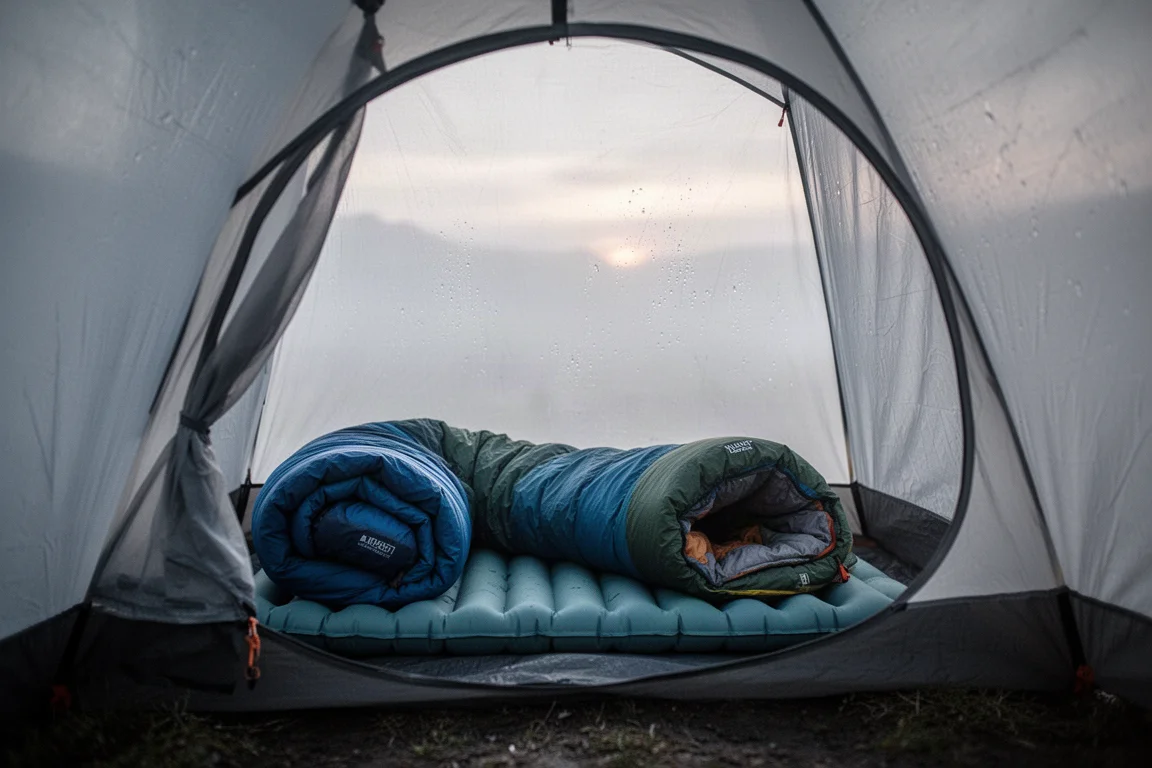
For milder trips, a quilt is the more flexible choice and easier to vent, which is why this loadout keeps both options available rather than committing to one. The bag covers the cold end of the season; the quilt handles everything warmer.
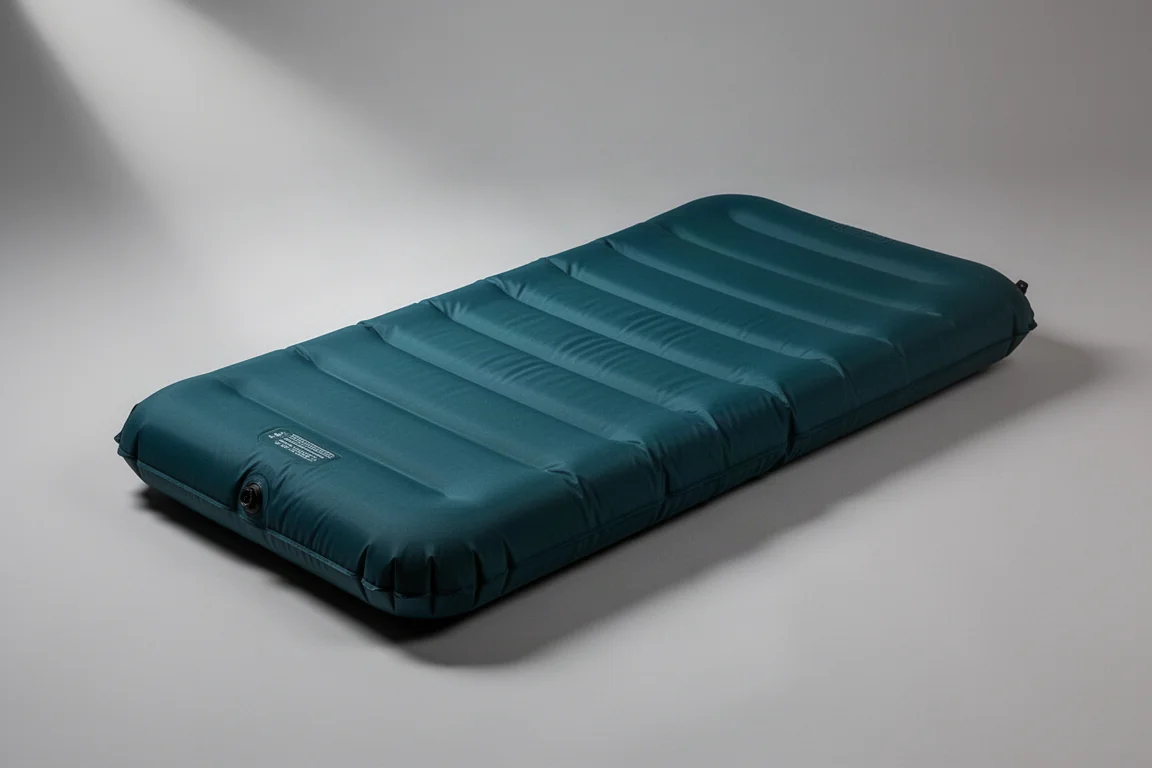
The Sleeping Pad: Nemo Tensor Insulated
The Tensor Insulated in the regular size is the pad to beat for all-round comfort. It is not the lightest option available, and that is the trade: better sleep on every trip in exchange for a few grams.
Underneath it, a thin closed-cell foam pad adds warmth and protects the inflatable from punctures, and it doubles as a pack back panel during the day. Together they cover the range of ground and temperatures this kit is built for.
Footwear: La Sportiva Lycan GTX
Desert and mixed terrain are hard on shoes and feet. The Lycan GTX uses a waterproof membrane that keeps sand, grit, and small rocks out of the shoe, which matters on long days in dry country, and it takes creek crossings in stride rather than soaking through.
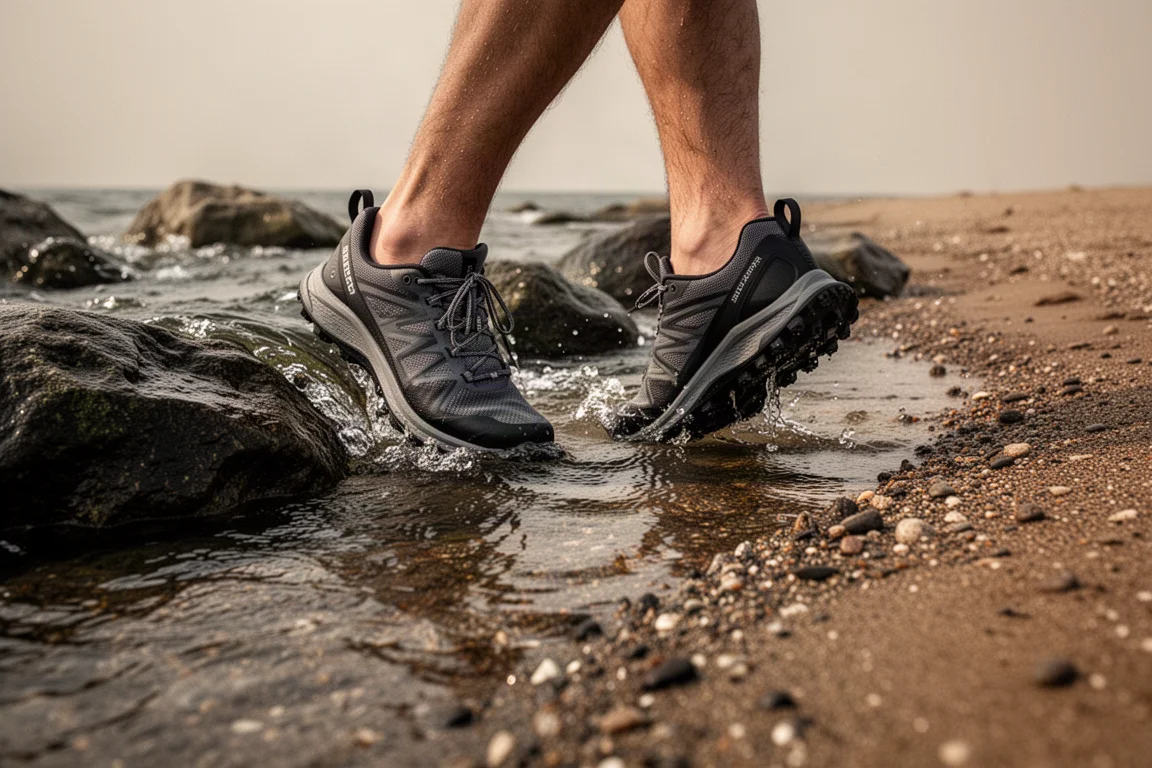
After a lot of miles in this shoe, it remains the first choice for a one-shoe kit. That protection comes with a clear purpose: this is a shoe chosen for dry, sandy, and rocky routes rather than a do-everything compromise.
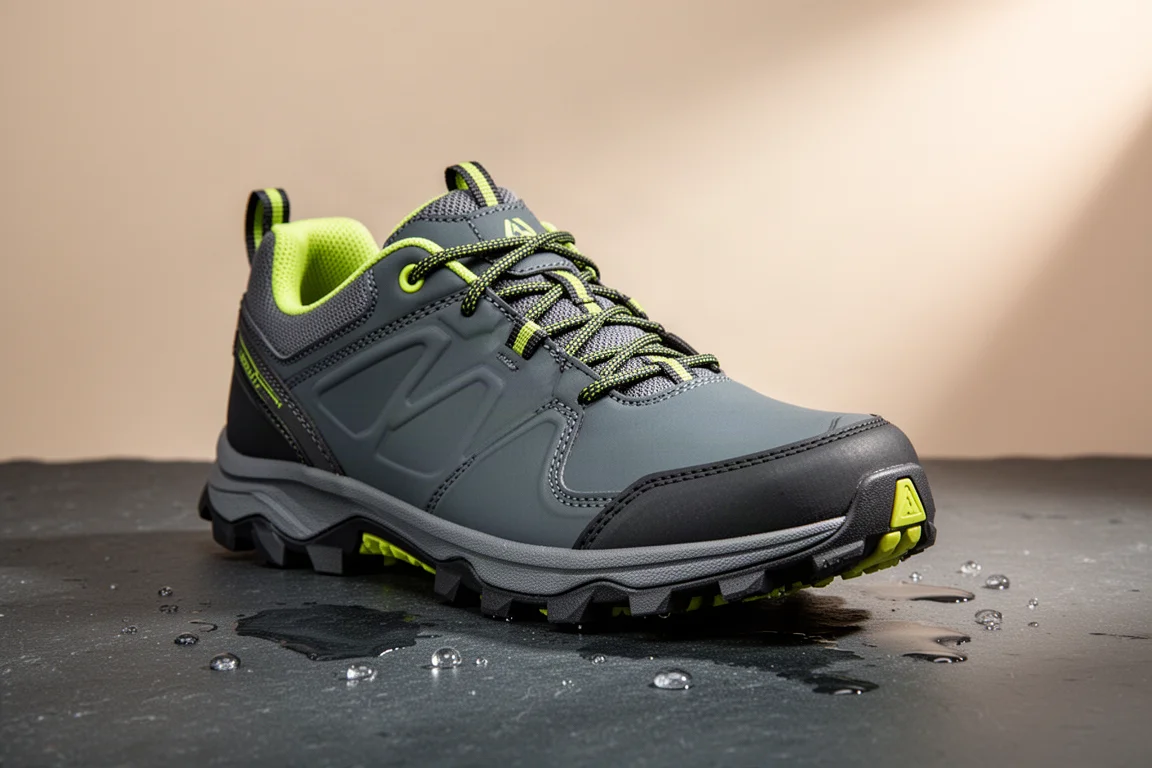
Layering: Outdoor Research Helium Down Hoodie
A hooded down jacket is the layer you reach for at camp, on cold mornings, and during long breaks. The Helium Down Hoodie has become a favorite in that role, warm for its weight and easy to compress into whatever space is left in the pack at the end of the day.
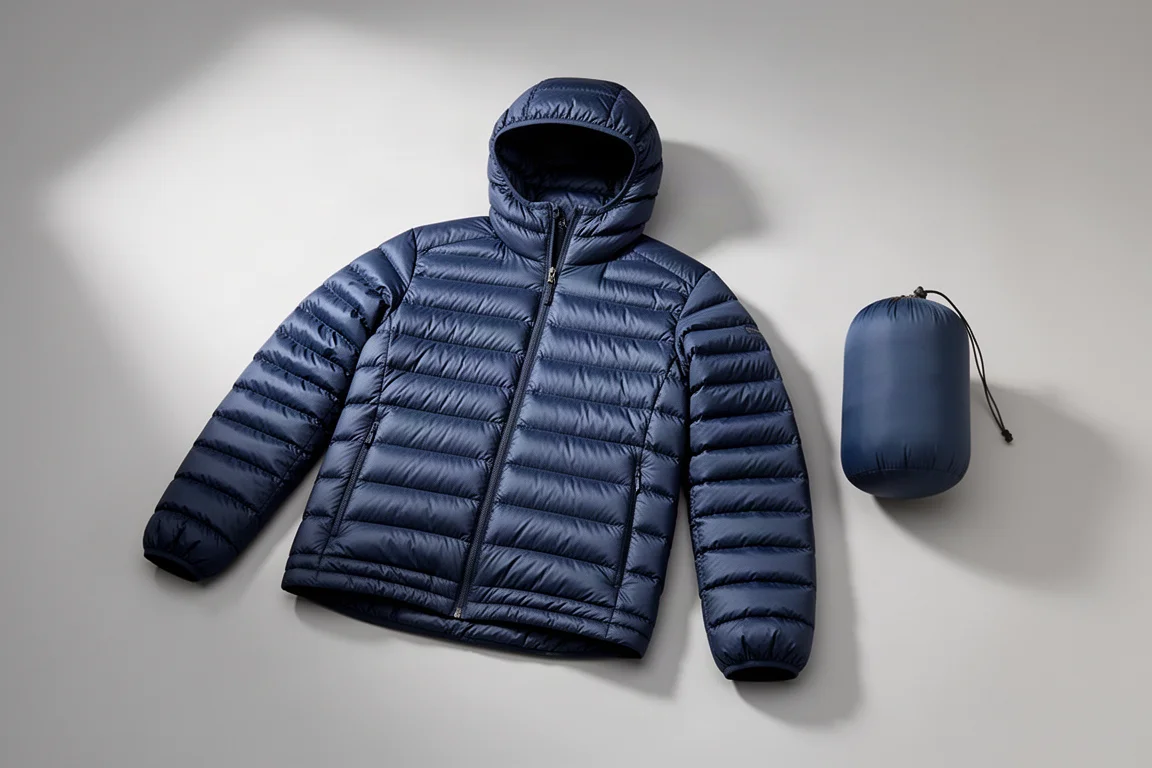
Rain Protection: Outdoor Research Helium Rain Jacket
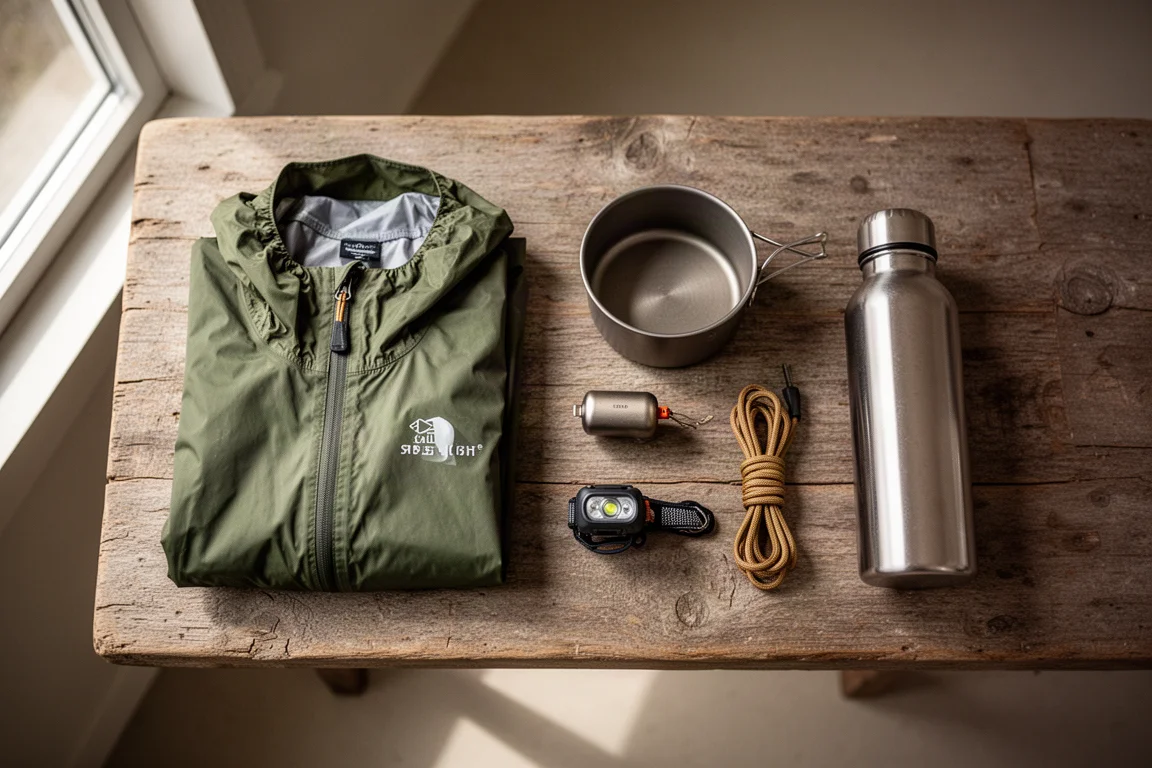
The newest Helium rain jacket is the shell in this kit. It is light, packs small, and does the one job a three-season shell needs to do: keep wind and rain off the insulation underneath so the rest of the system keeps working.
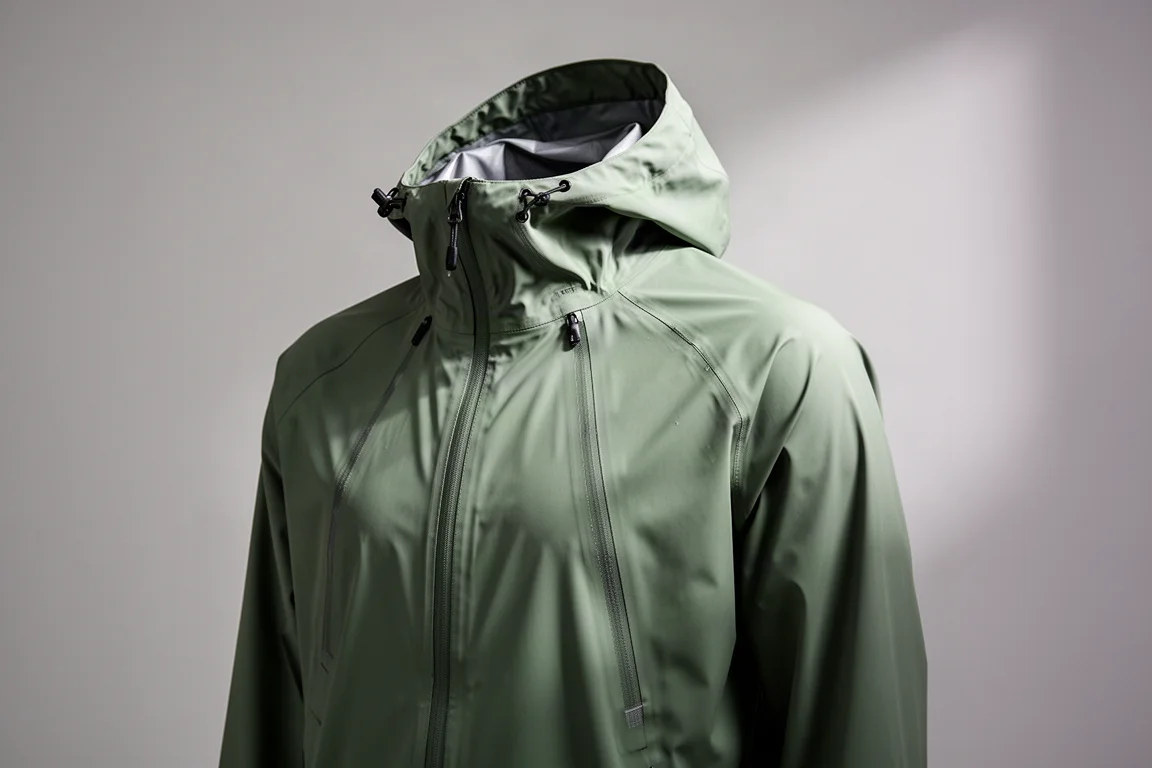
Cook Kit: Soto Amicus Stove
Canister stoves win on simplicity, and the Amicus has become the go-to here for cooking and boiling. It sets up quickly and handles everything from a quick hot drink to a full rehydrated dinner without extra parts to lose.
The rest of the kit stays minimal: a 550 ml titanium pot, a long-handle titanium spoon, a folding cup, a mini lighter, and a small pot sack to keep soot off everything else in the pack.
Water Treatment: Sawyer Micro Squeeze
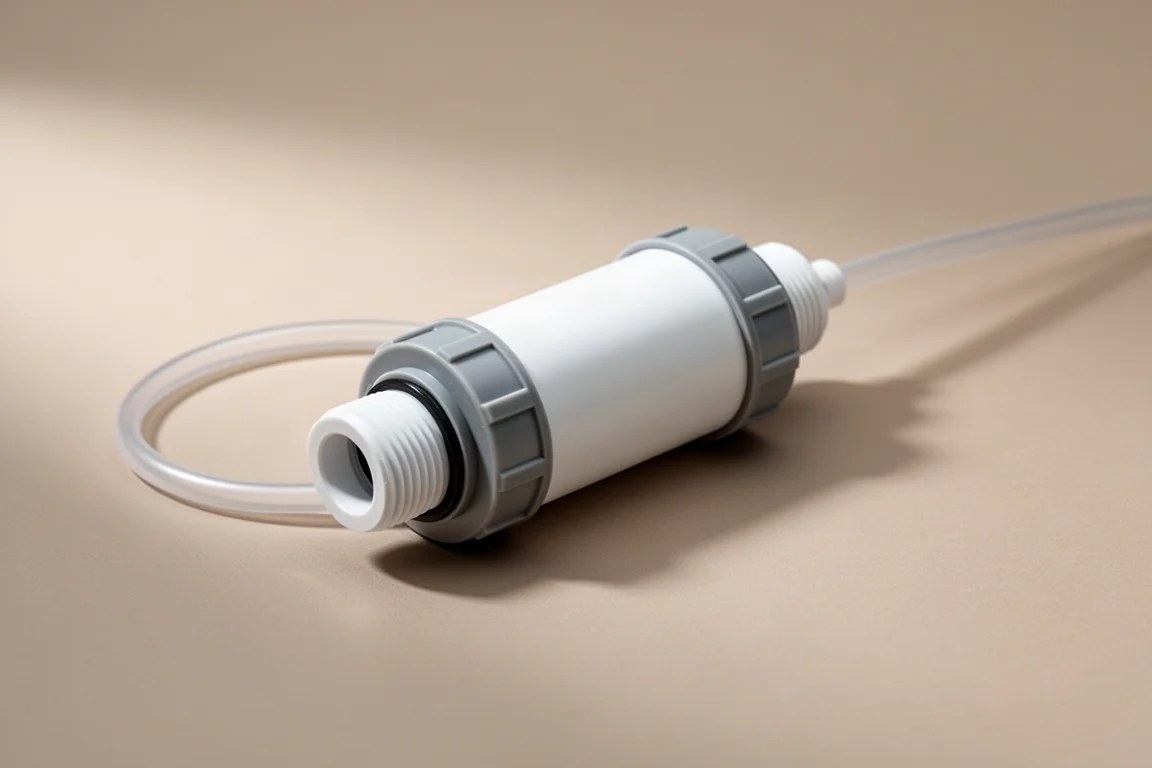
The Micro Squeeze is the primary filter in this system, paired with a CNOC Vecto 2L bag that makes filling and squeezing far less fiddly than a standard bottle. Chemical drops travel as a backup for sources where a filter is not practical, and two lightweight bottles handle drinking on the move.
Safety and Communication: Zoleo Satellite Communicator
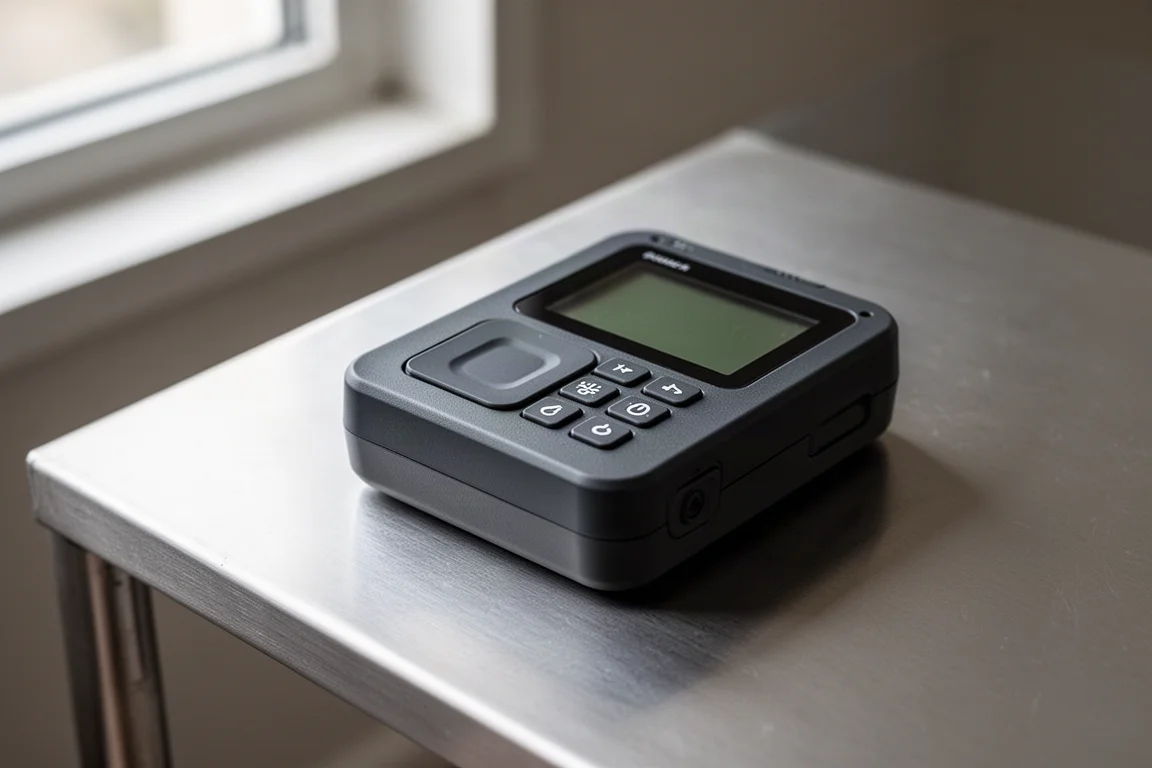
Beyond cell coverage, a satellite communicator is the item that turns a remote route into a manageable risk. The Zoleo is small enough to live in a hip belt pocket and keeps you reachable when there is no signal at all, which is the entire point of carrying it.
Lighting: Petzl Bindi
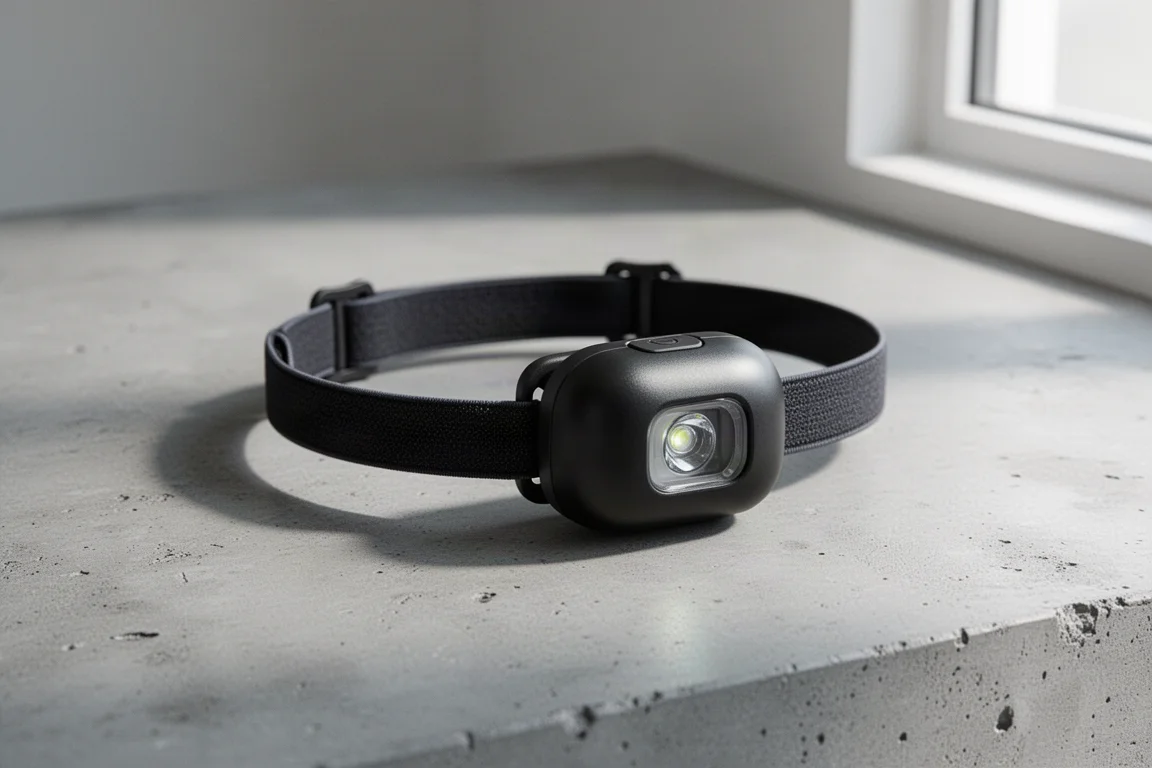
The Bindi is about as light as a genuinely usable headlamp gets. It puts out plenty of light for its size, which is enough for camp chores, cooking after dark, and an occasional early start on the trail.
Other Items in the Loadout
Not everything needs a full write-up, but several smaller pieces round out this system.
A 20-degree top quilt covers milder trips when a full bag is more insulation than the forecast calls for, and an inflatable pillow makes the difference between a decent night and a good one. A 1/8 inch closed-cell foam pad, wrapped in Tyvek, doubles as the pack back panel and as extra warmth and puncture protection under the inflatable pad.
For clothing, a lightweight hooded base layer handles most hiking days, a down beanie covers cold mornings, and wool socks and long underwear round out the worn layers.
The small essentials are deliberately boring: a lightweight folding knife, a GPS watch with long battery life, a 10,000 mAh battery bank and charging cable, a microfiber towel, a pack liner for wet weather, a first aid kit, a bear hang kit with a rock sack, cord, and carabiner, insect repellent, and a compact hygiene kit with a trowel and wipes.
Two comfort items stay. A lightweight camp chair earns its place on almost every trip, and a single carbon trekking pole with an EVA foam grip covers water crossings and steep descents. Because the shelter is freestanding, one pole is all this kit needs.
Buying Advice
Building a kit like this is less about picking the single best item in each category and more about making sure the pieces work together.
Start with trip length, because that decides pack volume. If a week of food is realistic, 50 liters is a sensible target. If you only ever go out for a night or two, a smaller pack will save weight without much penalty.
Then match the shelter to the ground you actually camp on. If your trips involve rock, sand, or hard-packed sites, a freestanding tent removes a whole category of frustration, and it also lets you carry a single trekking pole instead of two.
Insulation is the next decision. A 20-degree bag plus a quilt covers a wide band of three-season conditions, and the two options together are more useful than one very expensive do-everything bag. Add a comfortable pad rather than the lightest one, because sleep quality affects everything else on the trip.
Finally, resist the urge to shave weight out of the safety and water systems. A reliable filter, a chemical backup, and a satellite communicator are the items you hope never to need, and they are worth the grams every time.
Conclusion
This loadout is not the lightest possible three-season kit, and it is not trying to be. Every item here was chosen because it works across a wide range of trips without demanding special conditions: a pack with enough room for a week of food, a freestanding shelter for hard ground, a sleep system that stays comfortable when the temperature drops, and simple, reliable tools for water, cooking, and communication.
If you are building or rebuilding a three-season kit, start with those core decisions. Get the pack volume, the shelter type, and the sleep system right, and the small items tend to sort themselves out from there.
Further reading
Related Reviews

Backpacking Gear
Building a 10 lb Base Weight: An Ultralight Backpacking Gear List
A practical walkthrough of the ultralight pieces behind a 10 lb base weight, from a 765 g pack and a roomy one-person tent to a full camp chair and a dependable water filter.
Backpacking Gear
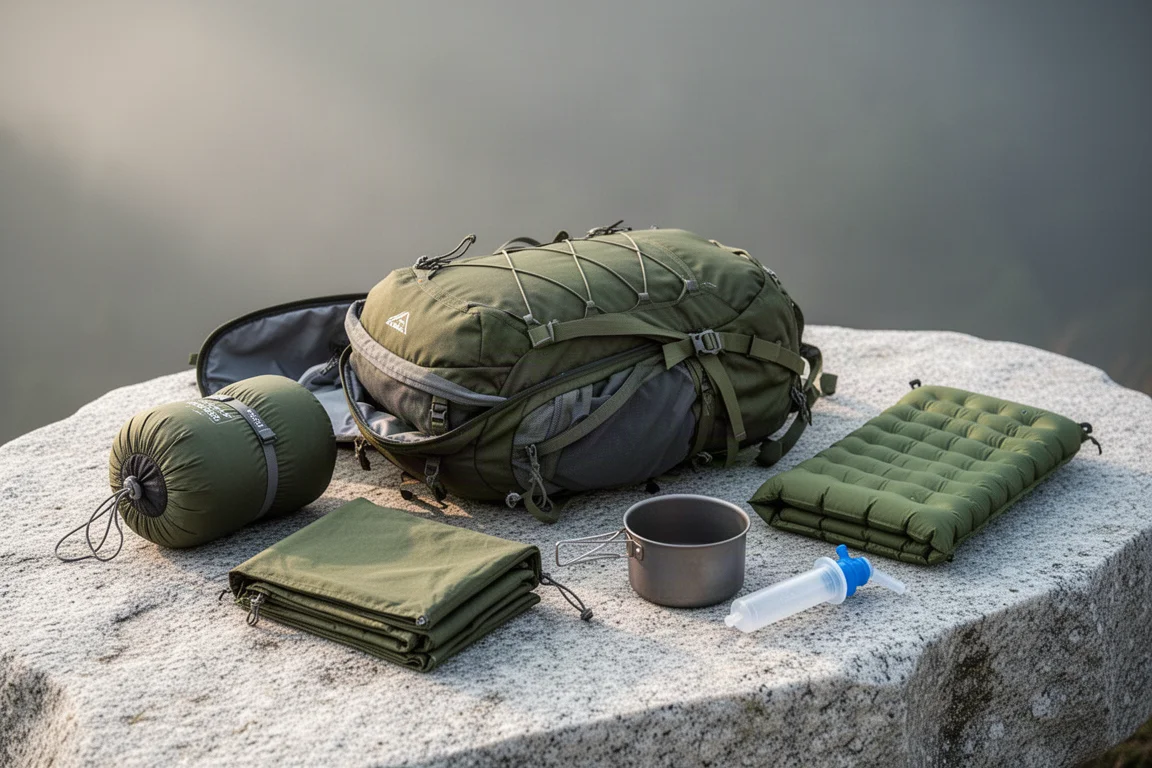
A 15-Pound Lightweight Backpacking Gear List for Solo Trips
A beginner-friendly 15-pound backpacking setup built from easy-to-find gear, with notes on what each piece does, how it packs, and where to spend your attention.
Backpacking Gear
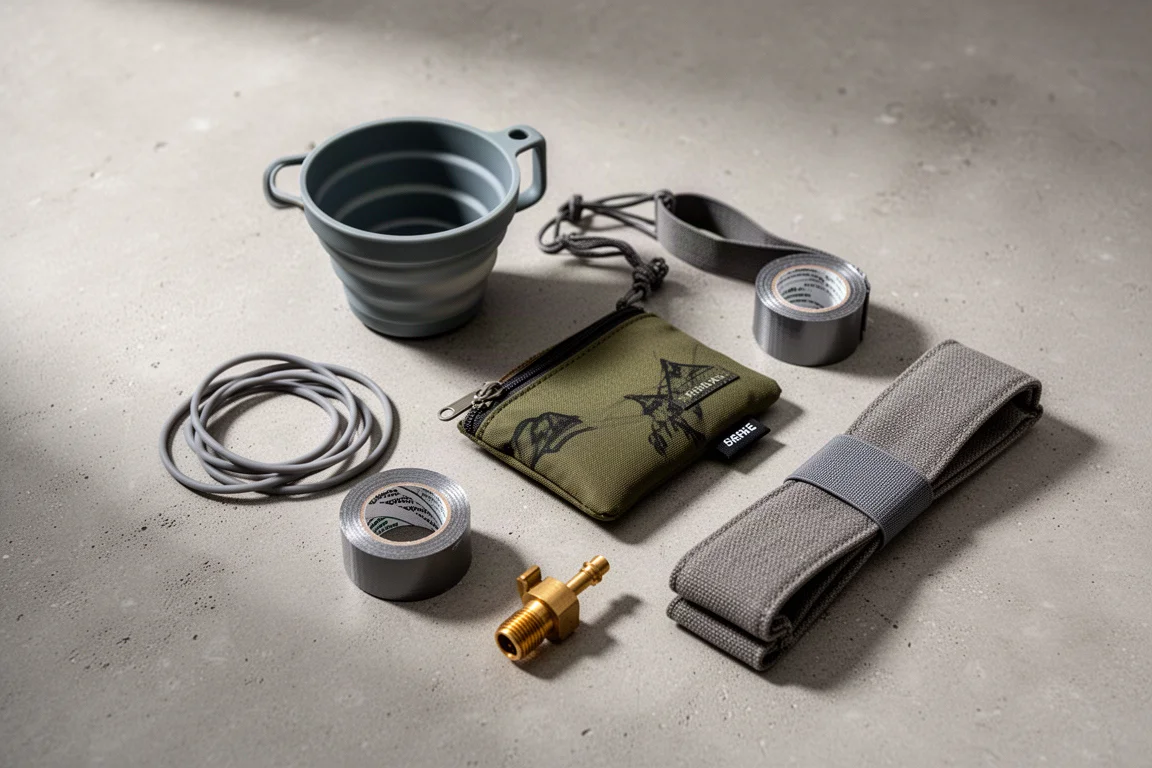
8 Ultralight Backpacking Gear Upgrades Worth Carrying
Eight small, affordable backpacking upgrades that solve real trail annoyances, from a pillow that stays put to a fuel valve that rescues leftover canister gas.