Hi-Fi Amplifiers
Three Integrated Amplifiers Compared: Electrocompaniet ECI 80d, Hegel H95, and Bel Canto C6i
A practical comparison of three integrated amplifiers at different price points, led by the Electrocompaniet ECI 80d and how it stacks up against the Hegel H95 and Bel Canto C6i.
Introduction
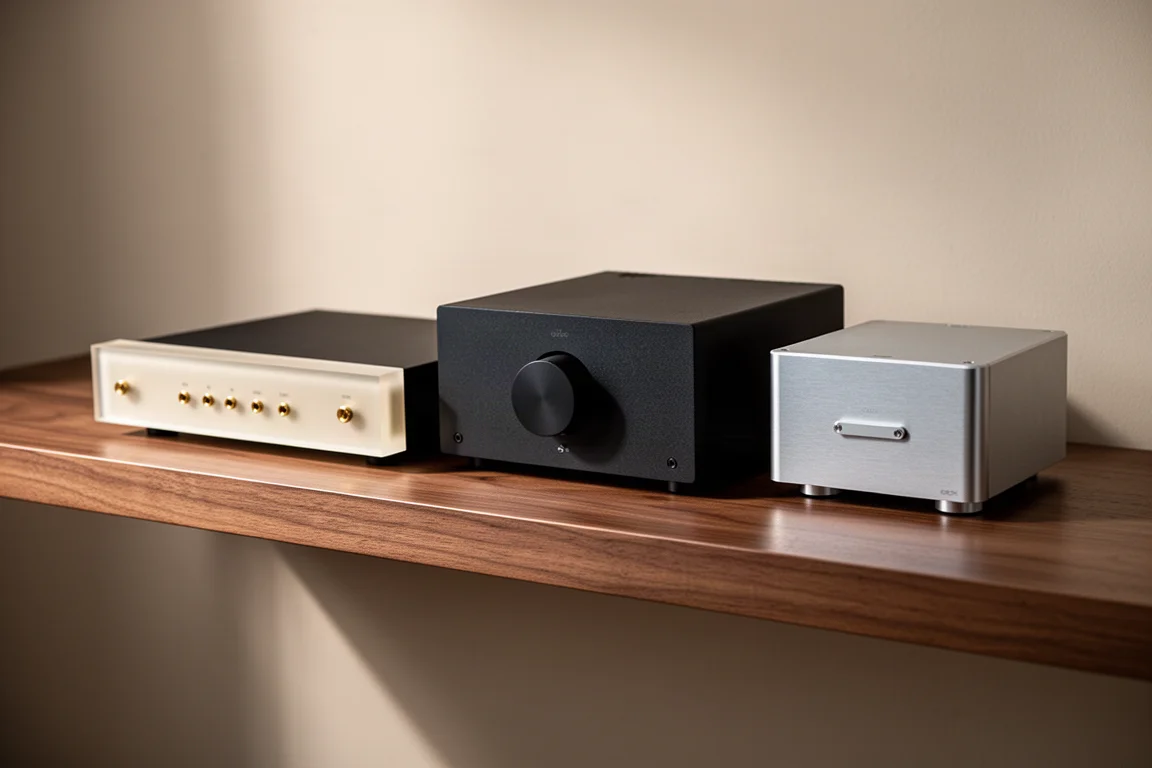
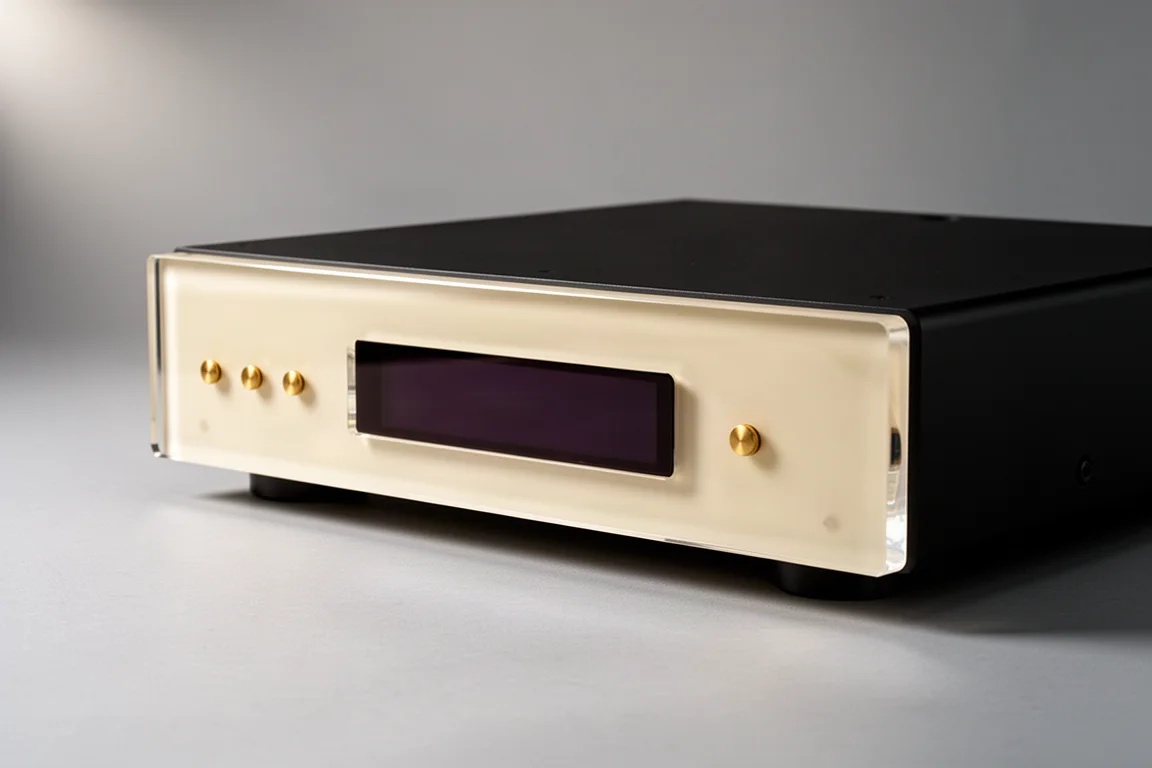
The Electrocompaniet ECI 80d makes a strong first impression before a single note plays. It is a Norwegian integrated amplifier with a restrained acrylic front panel, a small row of brass buttons, and a price of $3,900. It also turned out to be the most transparent amplifier in this three-way comparison, and by a clear margin.
Two other integrated amplifiers are worth placing beside it. The Hegel H95 costs $2,200 and covers much of the same ground with a different tonal character. The Bel Canto C6i takes another route entirely, trading some transparency for a bigger, more forceful presentation. All three are legitimate options, but they suit different systems and different listeners.
What Matters in an Integrated Amplifier at This Level
Above roughly $2,000, an integrated amplifier is expected to do more than amplify. Buyers at this level tend to care about four things: how the amplifier handles a range of speaker loads, how flexible the input section is, whether the onboard digital and phono stages are worth using, and how pleasant the unit is to live with day to day.
Power figures deserve context rather than blind trust. An amplifier rated at 80 watts per channel into 8 ohms can still sound authoritative if its power supply and output stage are well designed, particularly with speakers that present an easy load. Equally, a cheaper amplifier with a similar feature set can be the smarter purchase when the extra transparency of a costlier model is not the priority.
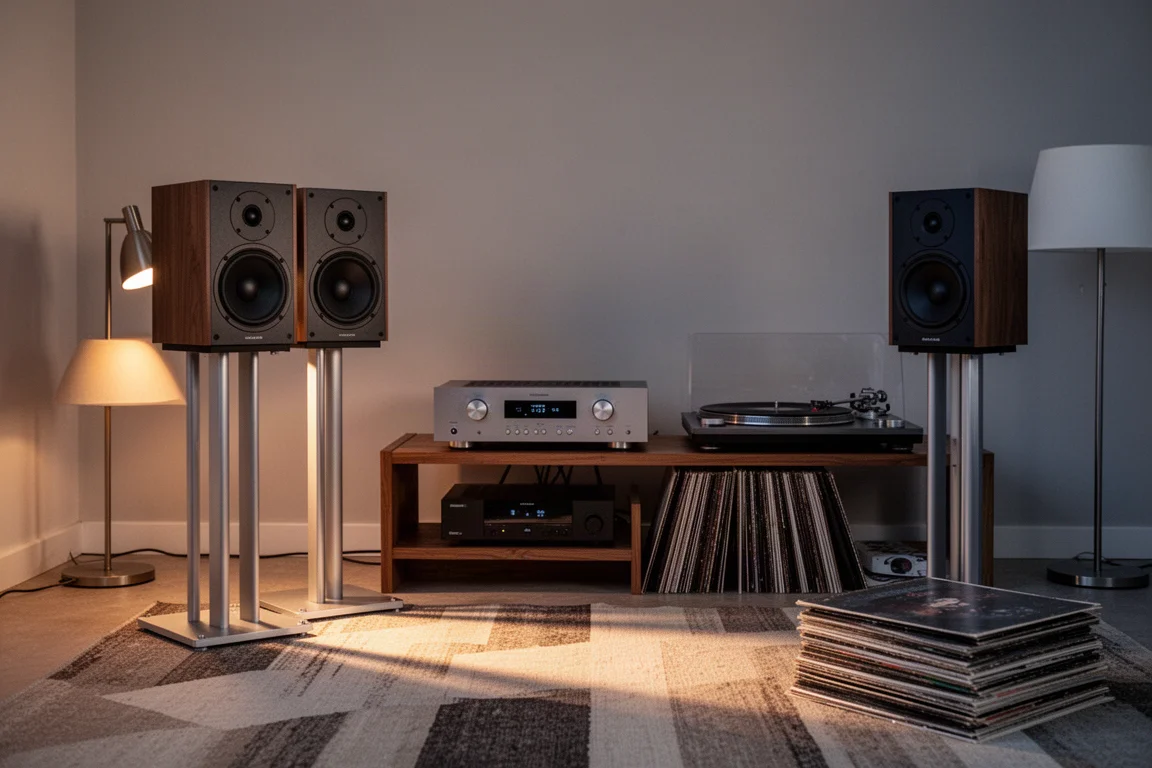
Input flexibility matters as much as raw output. Modern systems often combine a turntable, a streaming transport, a television, and a disc player, so a generous mix of analog, coaxial, optical, and wireless inputs can remove the need for an outboard switch box. Headphone handling deserves a closer look too, because an output that stays live all the time is inconvenient if headphones are left plugged in permanently.
Electrocompaniet ECI 80d: The Most Transparent of the Three
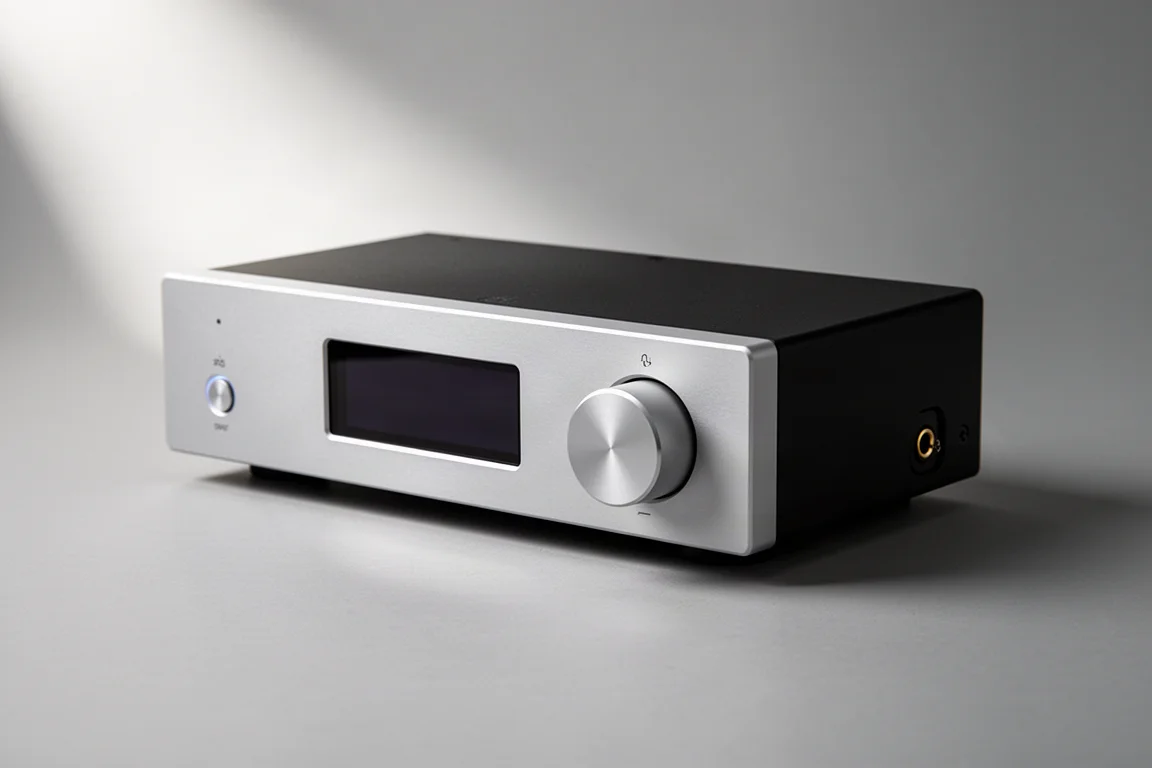
Electrocompaniet has been building amplifiers since 1973, although the brand has kept a low profile in the United States. The ECI 80d is a Class AB design rated at 80 watts per channel into 8 ohms and 150 watts per channel into 4 ohms, and it sells for $3,900 in black or white.
The front panel is the most distinctive part of the package: an acrylic surface with five brass buttons covering volume up, volume down, two input selectors, and standby. Everything else lives on the remote control, which is plastic and functional rather than luxurious. A large display keeps settings readable from across the room.
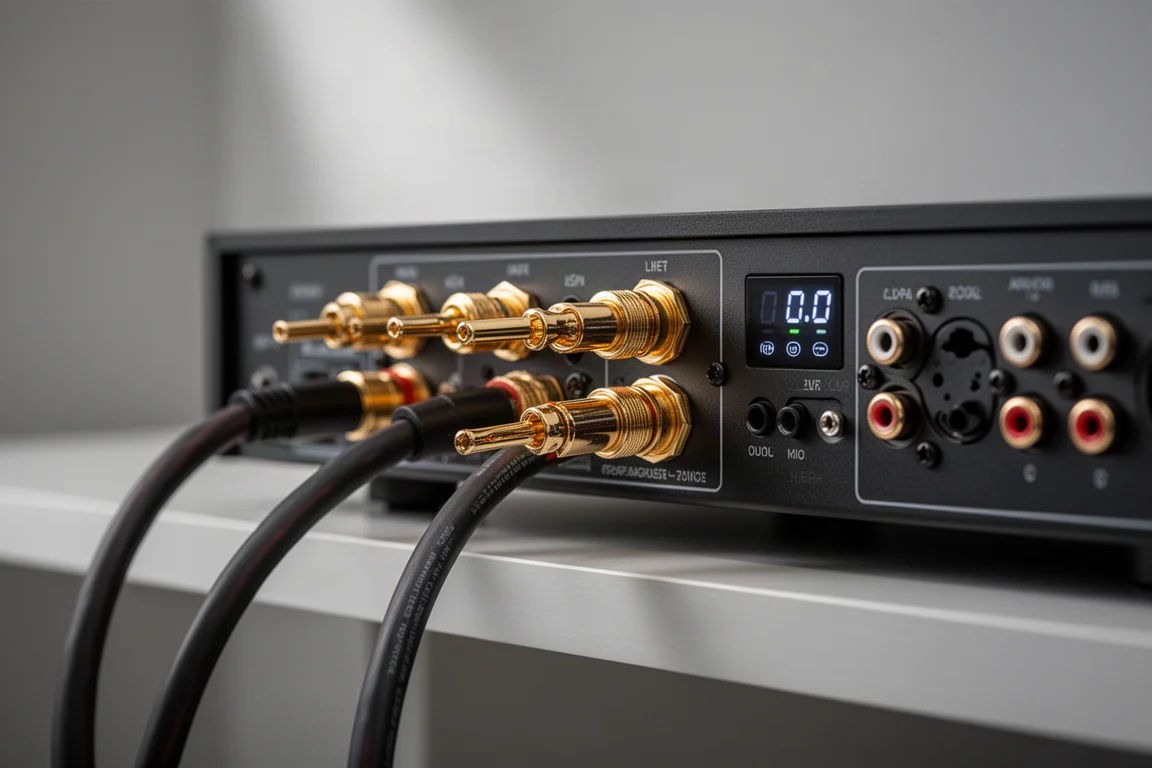
The rear panel covers more ground than the minimalist face suggests. There are preamplifier outputs, two RCA inputs, two coaxial digital inputs, and three optical inputs, plus two-way Bluetooth for wireless sources. Two headphone jacks, 6.3mm and 3.5mm, sit on the back rather than the front. They are not live all the time. They are switched on with the remote, and doing so mutes the speaker outputs, which means headphones can stay permanently connected and be activated only when needed.
Digital conversion is handled internally by a PCM DAC supporting up to 192kHz at 24-bit. There is no MQA and no DSD support, so listeners who need those formats should plan on an external converter. The moving magnet phono input is serviceable for occasional record playing, but a dedicated outboard phono stage in the $150 to $350 range is a worthwhile step up for anyone serious about vinyl. The speaker binding posts are understated for an amplifier at this price.
Sound quality is where the ECI 80d separates itself. High-resolution streaming of Neil Young’s Harvest came across as layered and natural, with the acoustic material sounding sweet and unforced while the electric tracks kept a satisfying bite. Tom Petty’s Live at the Fillmore 1997 conveyed the groove and the obvious enjoyment of the band. With David Chesky’s Hi-Fi Collective, the low end through a pair of high-sensitivity Zu Dirty Weekend 6 speakers was deep, textured, and detailed rather than merely thick.
On the Buchardt S400 MkII, a stand-mounted design with a rear passive radiator, the amplifier stayed transparent and tangible on Dead Combo’s more acoustic material. With Pure Audio Project Duet 15 open baffle speakers, the ECI 80d scaled convincingly at high volume and kept control of the music, which is more than 80 watts into 8 ohms might suggest on paper.
Hegel H95: The More Affordable Alternative
The Hegel H95 comes from a company also based in Norway, though its amplifiers are built in China. At $2,200 it costs considerably less than the ECI 80d and offers a broadly similar feature set, which makes it the obvious first stop for buyers who like the concept but not the price.
In a direct comparison using Hi-Fi Collective, the differences were clear. The ECI 80d was the more transparent amplifier, with more detail, more dynamics, and a little more life to the sound. The Hegel H95 dialed things back, delivering a softer, richer tonality that is genuinely appealing in its own right, but with bass that was not as well controlled.
The H95 ships with a plastic remote, although an optional metal remote is available for buyers who care about that detail. For listeners who prefer a warm, relaxed presentation and want to spend less, it remains a sensible alternative rather than a compromise.
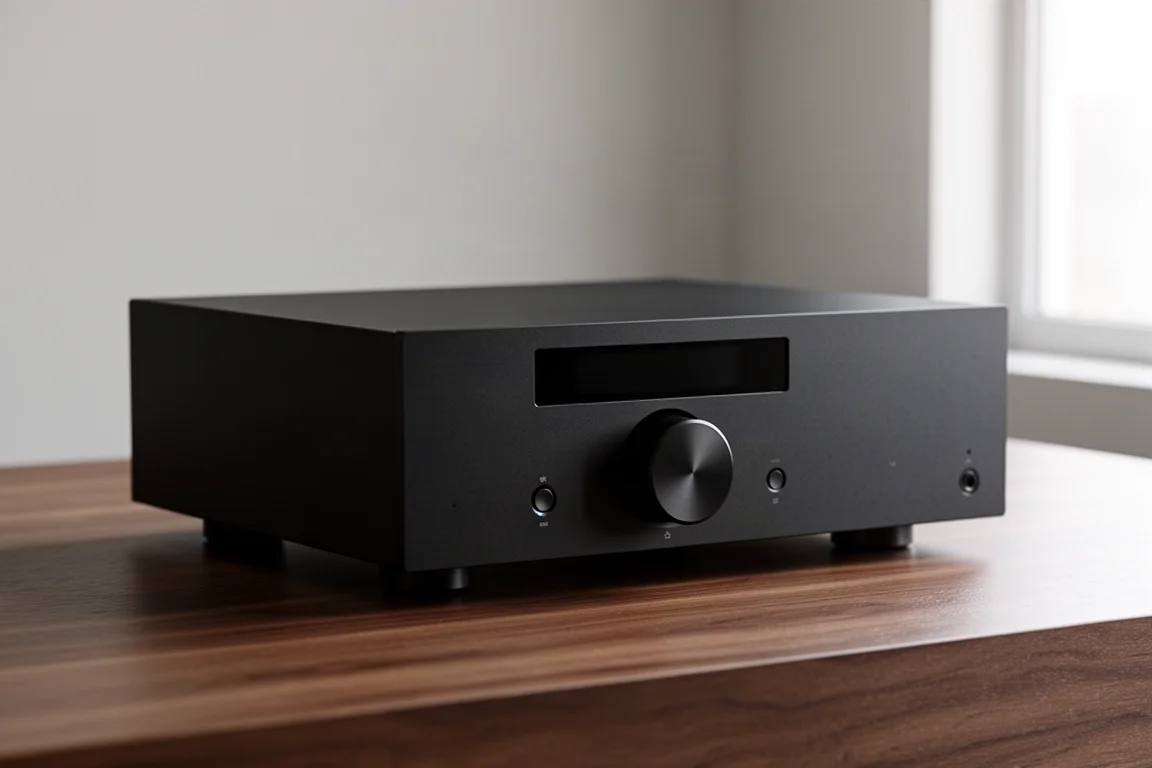
Bel Canto C6i: More Punch, Different Priorities
The Bel Canto C6i approaches the job from a different angle. It was not nearly as transparent as the Electrocompaniet, but it brought a level of drive the other two do not match: more bottom-end push, a bigger sense of scale, and a presentation that grabs the speakers and pushes them harder. That character makes it enjoyable at high volume and can add weight to a smaller speaker.
Like the other two amplifiers here, it arrives with a plastic remote. The Bel Canto is the choice for listeners who want the system to sound bigger and more powerful rather than more transparent, and who value that extra punch more than fine detail.
Matching These Amplifiers to Speakers and Rooms
The ECI 80d was run with three quite different speakers: the high-sensitivity Zu Dirty Weekend 6, the stand-mounted Buchardt S400 MkII with its rear passive radiator, and the open baffle Pure Audio Project Duet 15 with 15-inch woofers. It handled all three without sounding strained, which is a useful indicator of how much headroom a modest power rating can deliver when the design is sound.
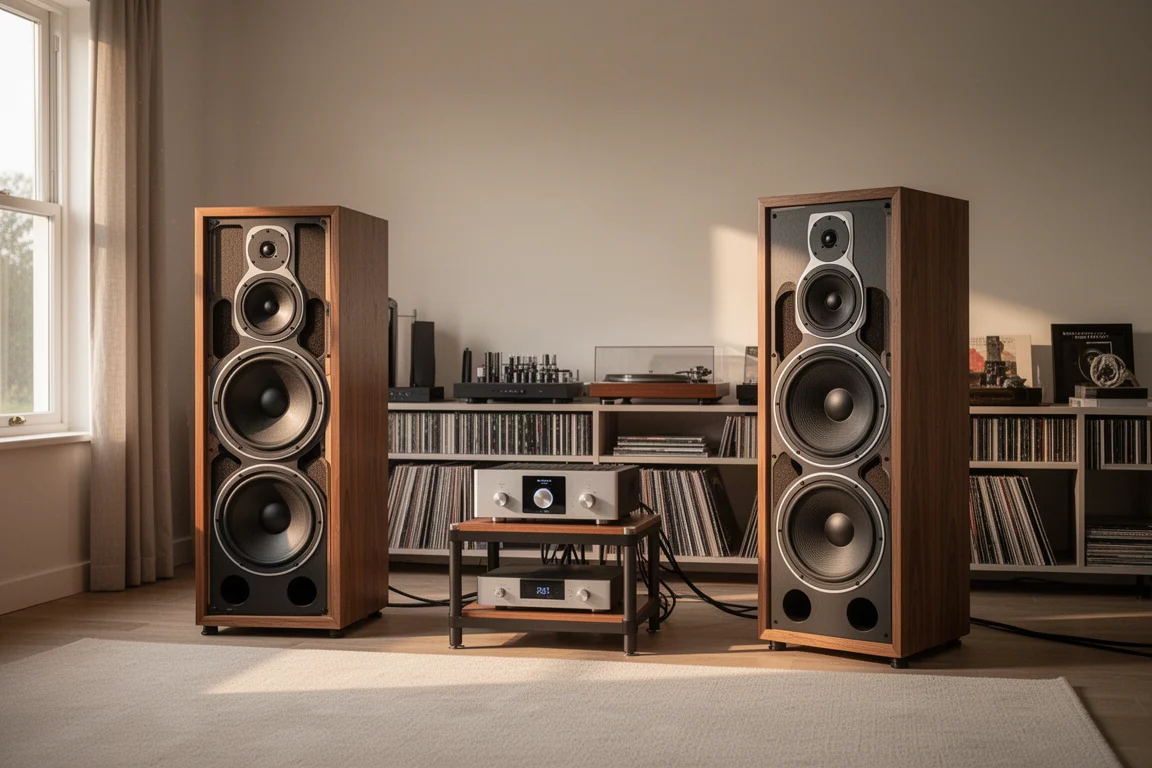
The practical lesson is that speaker matching matters as much as wattage. A high-sensitivity design will flatter almost any competent amplifier, while a smaller stand-mount with a passive radiator benefits from an amplifier that can push bass with authority. That is where the Bel Canto C6i has an advantage, and where the Electrocompaniet leans on transparency and control instead.
Practical Notes: Phono, DAC, and Remotes
Three practical details are worth weighing before buying. First, the moving magnet phono stage inside the ECI 80d is adequate rather than excellent, and a dedicated outboard phono stage in the $150 to $350 range is a better use of money for anyone with a serious vinyl setup. Second, the internal DAC tops out at 192kHz PCM, so MQA and DSD listeners will need an external converter. Third, all three amplifiers ship with plastic remotes, with Hegel offering an optional metal remote for the H95.
The headphone arrangement on the ECI 80d is the other detail worth noting. Because the rear jacks are switched on remotely and mute the speakers when active, the amplifier suits anyone who keeps headphones permanently connected. It is an unusual approach, and a practical one.
Buying Advice
If transparency, detail, and a distinctive design top your list and the $3,900 price is manageable, the Electrocompaniet ECI 80d is the strongest performer of the three. It is the amplifier to choose when you want to hear into a recording and your speakers are capable of showing the difference.
If budget matters more, the Hegel H95 at $2,200 delivers a similar feature set with a warmer, softer character, and it remains an easy recommendation for anyone who finds the Electrocompaniet too expensive or too revealing. The Bel Canto C6i is the right answer for a different listener: someone who wants more weight and drive from a smaller speaker and is happy to trade a little transparency for it.
One practical way to decide is to start with the speakers you already own. Efficient speakers make any of the three viable, while harder-to-drive designs will reward the amplifier with the strongest bass grip and the most control.
Conclusion
The Electrocompaniet ECI 80d is the standout of this group. It pairs an elegant, understated design with a broad input set and a level of transparency that neither the Hegel H95 nor the Bel Canto C6i matches. Its weaknesses are minor and specific: a plastic remote, a basic phono stage, and no MQA or DSD support. Buyers who need those formats or a stronger bass push have two clear alternatives, and both are worth auditioning before committing.
Further reading
Related Reviews
Hi-Fi Amplifiers
Accuphase E-280 Review: Entry-Level Accuphase With Flagship Attention to Detail
A close look at the Accuphase E-280 integrated amplifier, covering its champagne build, AAVA volume control, sound quality, and the speakers and sources that suit it best.
Hi-Fi Amplifiers
Advance Paris A10 Classic vs Yamaha A-S301: Two Integrated Amplifiers Compared
A practical comparison of a $350 integrated amplifier and a $2,500 reference model, covering the differences that matter and the ones that do not.
Hi-Fi Amplifiers
Affordable Chinese Amplifiers Worth Buying: Five Budget Hi-Fi Amps Compared
A practical look at five affordable amplifiers, what each one does well, and the trade-offs to weigh before you buy.