Sleeping Bags
Three-in-One Sleeping Systems Compared: The North Face One Bag vs Big Agnes Lone Ranger Ultralight
A practical comparison of two modular sleep systems that cover summer, three-season, and cold-weather nights with a single purchase, including weight, price, and certification trade-offs.
Introduction
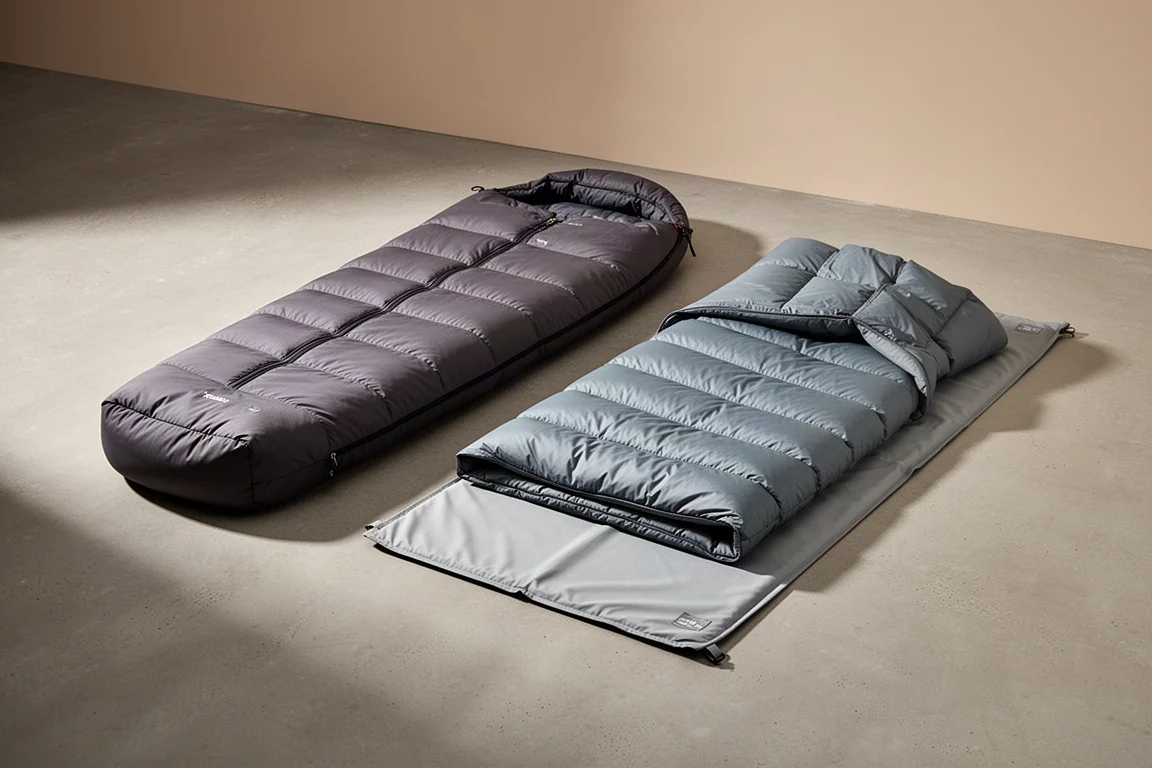
A three-in-one sleeping system is designed to replace several bags with one modular purchase. Instead of choosing a single temperature rating and stretching it as far as it will go, you buy one kit and add or remove insulation as conditions change. Two designs define this approach: The North Face One Bag and the Big Agnes Lone Ranger Ultralight 3-in-1. Both take their cue from the military’s modular sleep system, and both make clear trade-offs in weight, cost, and certification.
This comparison covers how each system is built, what you actually carry in each configuration, and which one fits different kinds of trips.
How Three-in-One Sleeping Systems Work
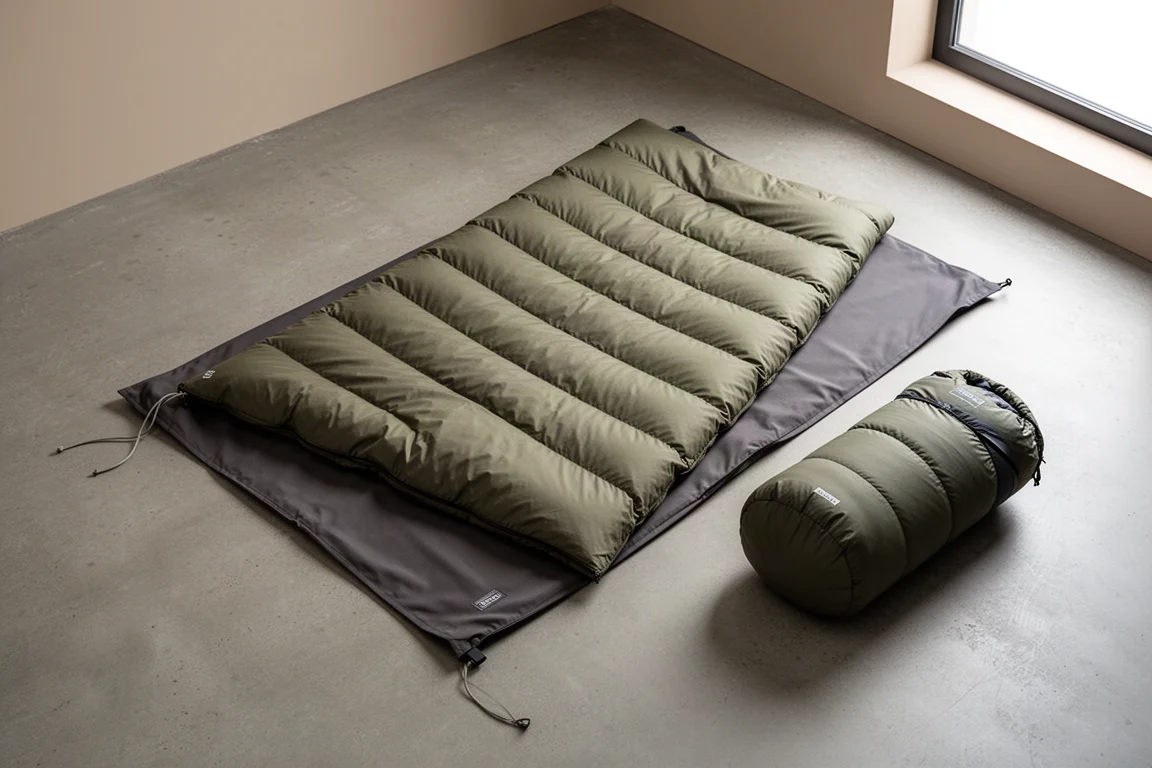
The North Face approach pairs a common thin synthetic base with switchable insulating layers, producing a 40°F bag, a 20°F bag, and a combined 5°F bag from the same kit. Big Agnes keeps the layering idea but changes the architecture. A sheet-like attachment fits over the sleeping pad, similar in concept to a Zen Bivy sheet, and adjusts to either a 25-inch or a 20-inch pad by tightening a drawstring. A quilt-like down blanket rated to 45°F is sewn onto the top of that sheet.
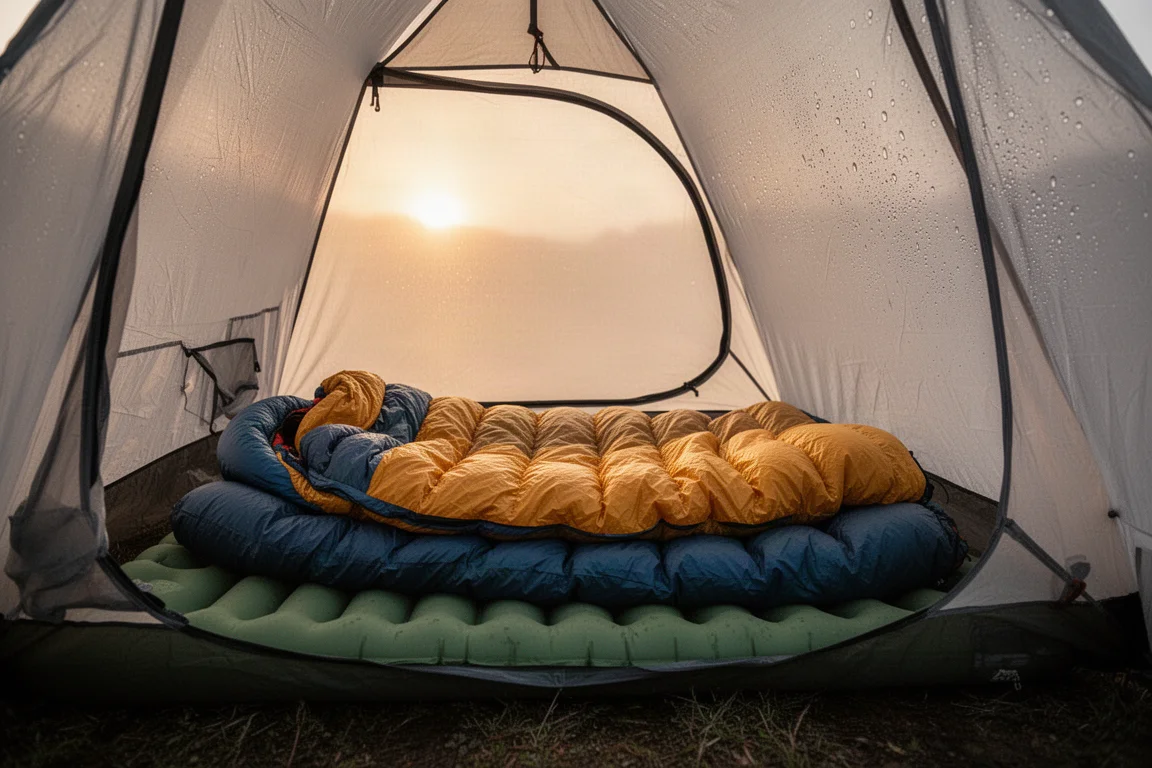
The rest of the Big Agnes system is a completely separate 20°F sleeping bag. It works on its own, or it nests inside the 45°F layer to build a 0°F setup. That flexibility is the entire point of the category. Before modular designs like these, campers either bought three separate bags or quilts, or picked one rating and made it work across every season. Layered systems put a wider range of temperatures within reach of a single purchase, and more brands are likely to follow with their own versions.
The North Face One Bag: Modular Layering at a Lower Cost
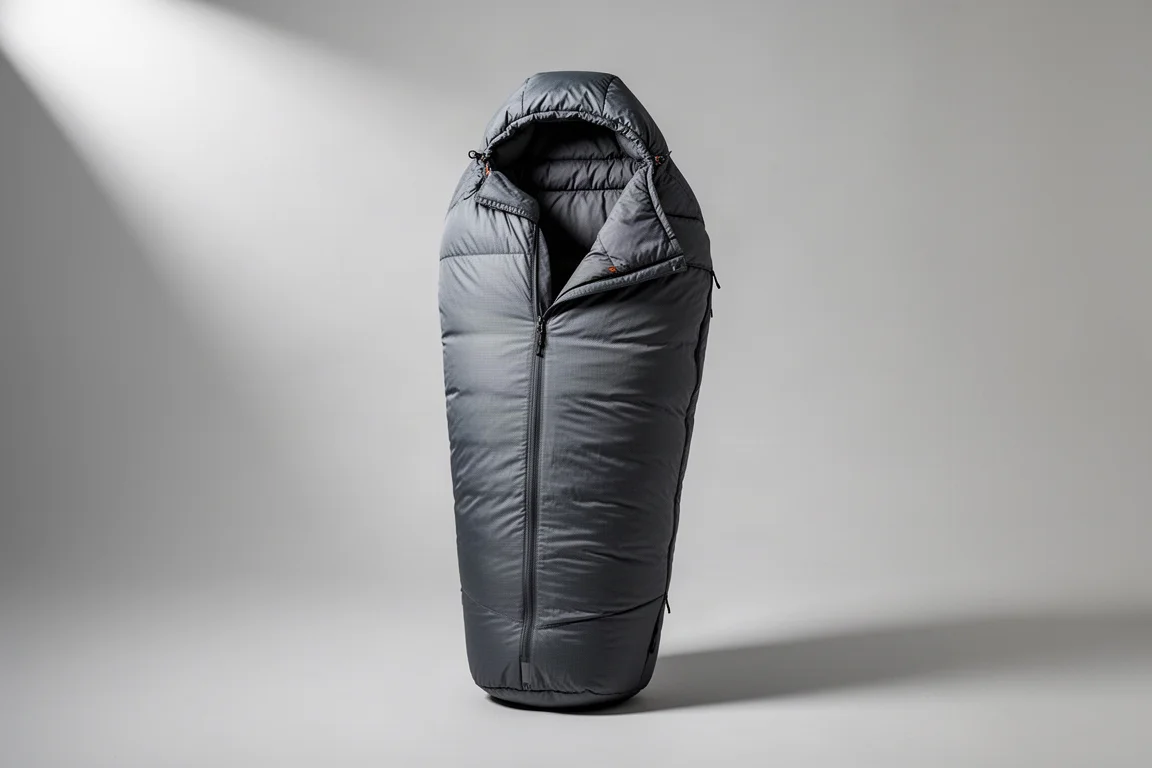
The One Bag covers 40°F, 20°F, and combined 5°F configurations, and it is ISO certified in all three. That means you can be reasonably confident about how the bag will behave in each setup, which is not something every modular system offers.
The trade-off is weight. Because the design relies on synthetic insulation, which is heavier than down, and because the heaviest components stay with you in every configuration, the bag exceeds 2 lb even in its lightest 40°F setup. That is heavy for a 40°F bag. The zippers for the 20°F layer are carried whether or not that layer is in use, and the system can only be used one layer at a time.
In 20°F mode the bag weighs a little over 2.5 lb, and in its warmest 5°F configuration it comes in a little over 3.5 lb in the regular size. Those numbers are the main reason to think carefully before committing to this design.
Big Agnes Lone Ranger Ultralight 3-in-1: Lighter Layers, Higher Price
Big Agnes uses lightweight down in every layer and removes the back insulation in the warm-weather configuration, on the reasoning that insulation flattened under your body cannot keep you warm anyway. The result is a 45°F layer that carries at roughly 1.25 lb, against more than 2 lb for the One Bag in its lightest setup. The included 20°F bag weighs under 2 lb on its own, and the full 0°F combination comes in around 3.25 lb. Those figures are for the long version, which is naturally heavier than the standard size.
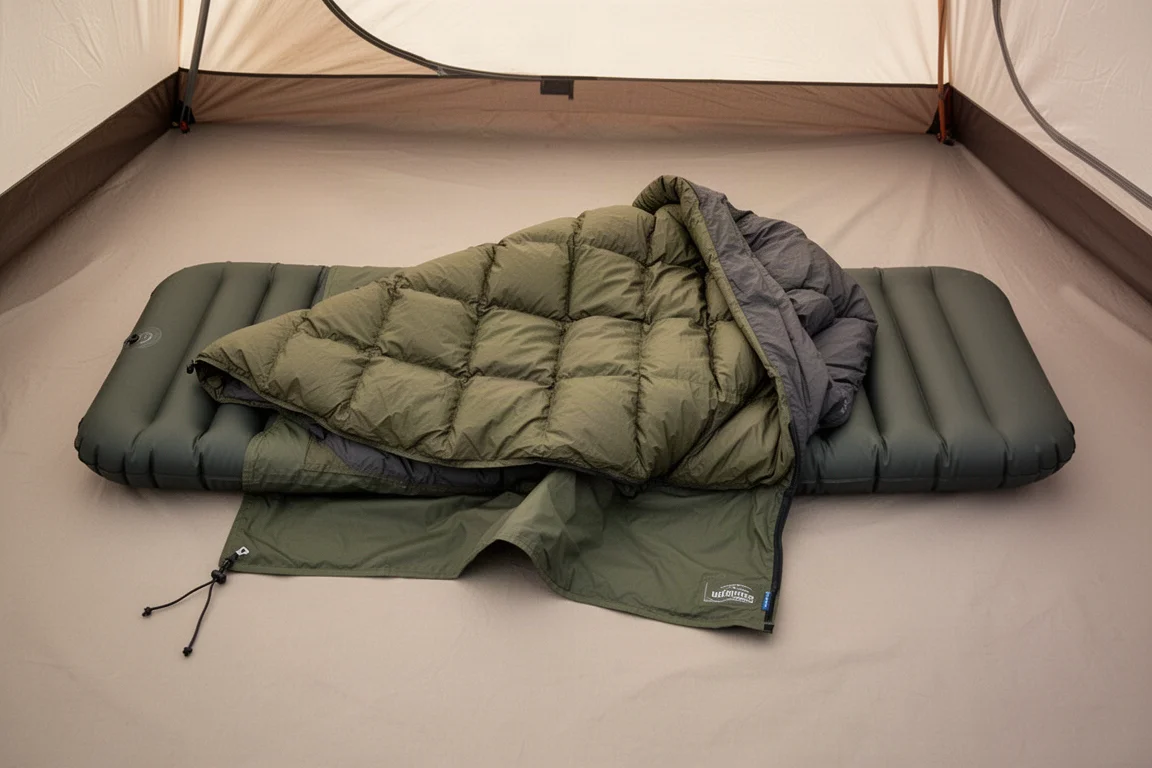
Both layers also work as standalone sleeping bags, so the top layer can be loaned to a friend while the bottom layer stays completely functional. The North Face system does not allow that, since only one layer can be used at a time.
Cost is the sticking point. The long ultralight 0°F system runs close to $650, more than twice the price of the One Bag. For the same money you could buy two or more separate bags with very little compromise. Big Agnes also offers a 15°F ultralight system, a non-ultralight three-in-one, and a women’s-specific three-in-one at different prices, so the $650 figure applies to this specific configuration rather than to the whole line.
Weight and Packability Compared
The main promise of a modular system is that shedding a layer should shed real weight. The North Face design only partly delivers on that. Even in its lightest 40°F configuration you are still carrying more than 2 lb, because the synthetic insulation is heavier than down and the hardware for the unused 20°F layer travels with you regardless.
Big Agnes handles this better. Down in every layer keeps the individual pieces light, and dropping the back insulation in the warm-weather configuration removes weight and bulk that would otherwise be compressed under your body and doing nothing useful. The gap is widest at the warm end, where the Big Agnes 45°F layer is close to a pound lighter than the One Bag’s lightest setup.
One fair caveat on the numbers: the Big Agnes weights quoted here come from the long version, which is heavier than the standard size, while the One Bag figures are for the regular size. Compared at matching sizes, the difference would be even greater.
Temperature Ratings and Certification
The North Face has ISO certified its ratings in all three configurations, so you can plan around the 40°F, 20°F, and 5°F setups with reasonable confidence. Big Agnes certified only the coldest configuration, which means the 20°F bag used alone and the 45°F layer used alone rely on the brand’s own judgment rather than an independent standard.
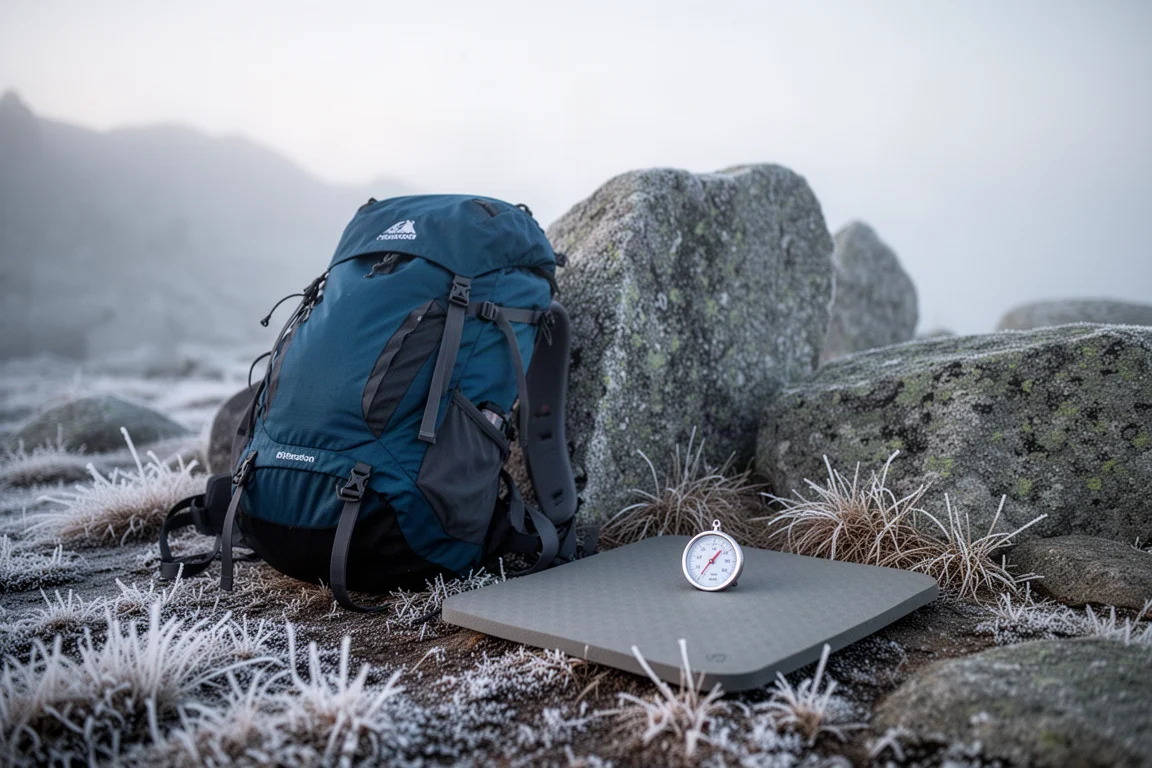
Both systems state headline ratings that look optimistic against their own published certification data. Big Agnes presents a 0°F system while its certificate indicates the bag will feel cold at 4°F, and The North Face presents a 5°F configuration while its certificate indicates cold at 8°F. The gap matters most in the coldest setup, where the distance between a stated number and real comfort decides whether you sleep well or not at all.
Construction deserves a look too. The top layer of the Big Agnes system is sewn-through, which can create cold spots even when there is enough insulation overall. For a summer layer rated at 45°F that is usually not a problem, but without a proper ISO rating on that layer it is hard to be certain.
Layering Two Quilts as an Alternative
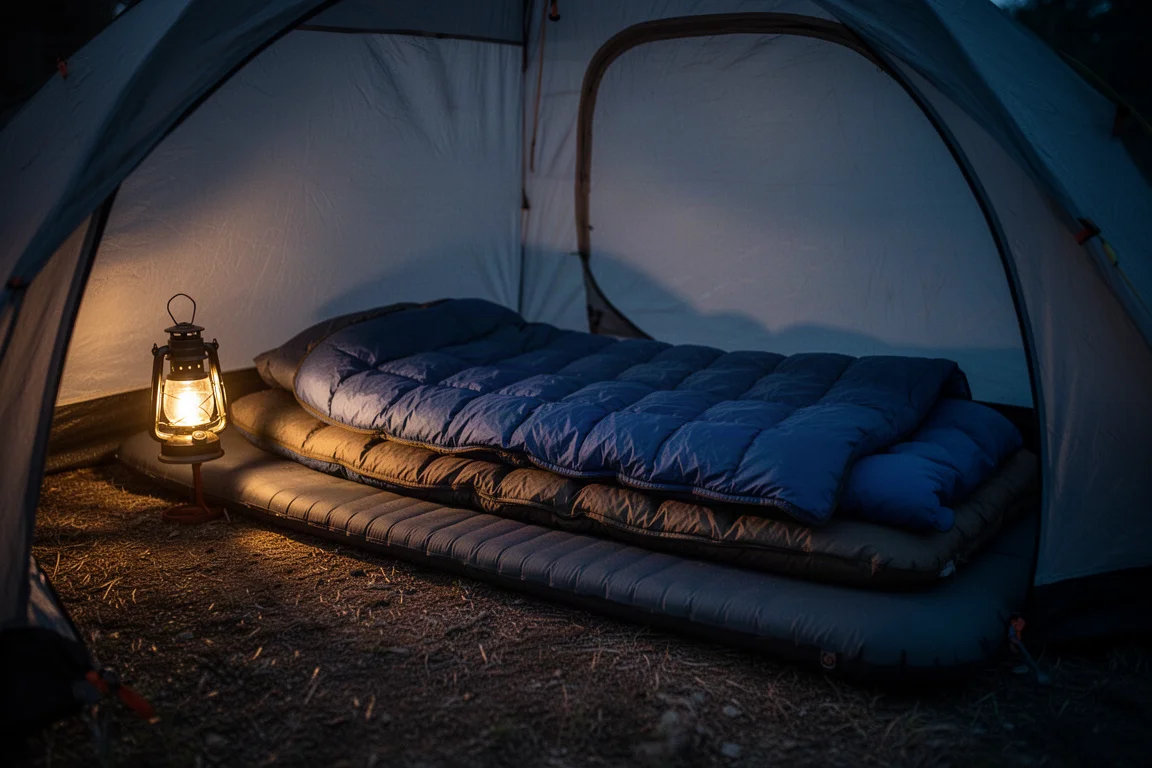
You do not need a purpose-built system to get much of the same benefit. Layering quilts has been common practice for years, and a 20°F quilt paired with a 40°F quilt insulates to roughly -10°F when stacked. Two 20°F quilts layered together reach about -20°F. Two quilts can often be bought for roughly the cost of the Big Agnes system, and each one still performs well on its own.
Three practical notes apply. Do not try this with sleeping bags, because the narrow interior crushes the insulation of the inner bag and reduces its warmth. Make sure your sleeping pad can handle the same cold as the combined quilts. And order the quilt intended for the top layer slightly wider, so it covers all the way to the edges of the quilt underneath.
Overall Buying Advice
Both systems solve the same problem in different ways, and the right answer depends on how you weigh cost against carried weight.
Choose The North Face One Bag if certified ratings across all three configurations and a lower price matter more than pack weight. It is a sensible first modular system, and its certification makes trip planning more predictable.
Choose the Big Agnes Lone Ranger Ultralight 3-in-1 if low weight and flexibility matter more than cost. The down layers, the pad-attached sheet, and the two standalone components make it the more versatile kit, and the weight savings in warm weather are genuine. Just budget for the price and respect the certification limits in deep cold.
If neither price feels comfortable, layering two quilts delivers much of the same temperature range for less money, provided you accept the extra pieces and the caveats above.
Conclusion
Both designs show where modular sleeping gear is heading: one purchase, several temperature ranges, and fewer compromises on the trips you actually take. The North Face One Bag wins on cost and certified ratings in every configuration. The Big Agnes Lone Ranger Ultralight 3-in-1 wins on weight, down insulation, and the ability to split the layers between two people. Match the choice to the conditions you camp in most often, and either system can replace a shelf full of single-rating bags.
Further reading
Related Reviews
Sleeping Bags
Best Down Sleeping Bags Under $300: Four Backpacking Options Worth a Look
Four down sleeping bags that stay under $300, compared on fill power, baffle design, hood comfort, and packed size.
Sleeping Bags
Best Sleeping Bags and Sleep Systems: Five Premium Down Picks Compared
Five premium down sleeping bags and sleep systems compared on warmth, weight, construction, and value.
Sleeping Bags
Big Agnes Lost Ranger UL 3-in-1 Sleeping Bag System Review: One Bag, Three Setups
A practical look at the Big Agnes Lost Ranger UL 3-in-1 Sleeping Bag System, covering how the three configurations work, where it shines, and the details worth weighing before buying.