Hi-Fi Systems
Three High-End Hi-Fi Systems Around $10,000: Speakers, Amps, and Sources Worth Building Around
Three complete two-channel system builds around $10,000, pairing standmount and tower speakers with integrated amplifiers, streaming, and turntables.
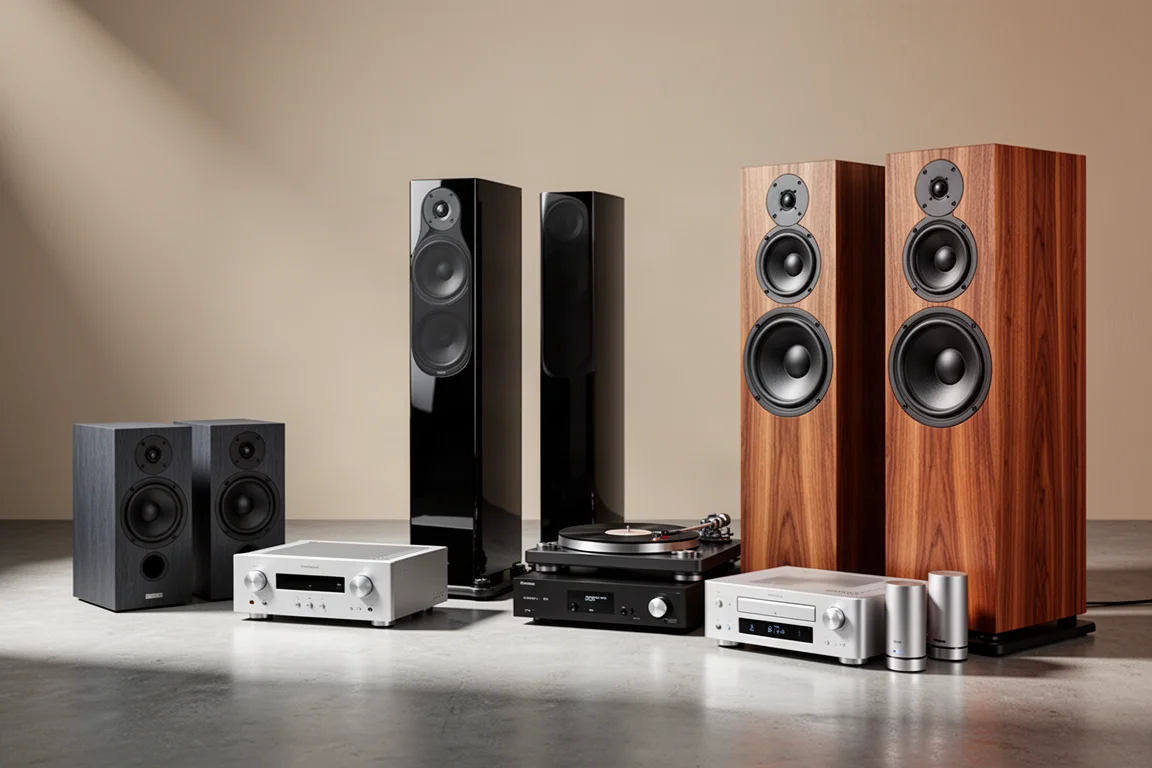
Introduction
Some brands sit at the very top of high-end audio, and their components are priced accordingly. A single pair of flagship speakers can cost more than an entire system for most listeners. The good news is that a carefully chosen combination of speakers, amplification, and sources can deliver a similar sense of scale, detail, and musical engagement for a fraction of that outlay.
The three builds below each centre on a pair of speakers, an amplifier or integrated amplifier, and two sources. Every system lands around the $10,000 mark, and each one takes a slightly different route to get there: one leans on standmount speakers for smaller rooms, one pairs tower speakers with a compact streaming amplifier, and one combines a wide-baffle tower with a streaming integrated and a CD player.
What These Three Systems Have in Common
All three builds follow the same logic. Roughly half the budget goes to the speakers, because that is where the largest differences in character tend to appear. The rest is split between an amplifier that can drive those speakers comfortably and two sources, which in these builds means a mix of streaming, vinyl, and physical disc playback.
Each system is also designed to be livable. Every amplifier here includes a built-in DAC, a streaming platform, or HDMI connectivity, so the system can grow into a television setup later without a wholesale rebuild.
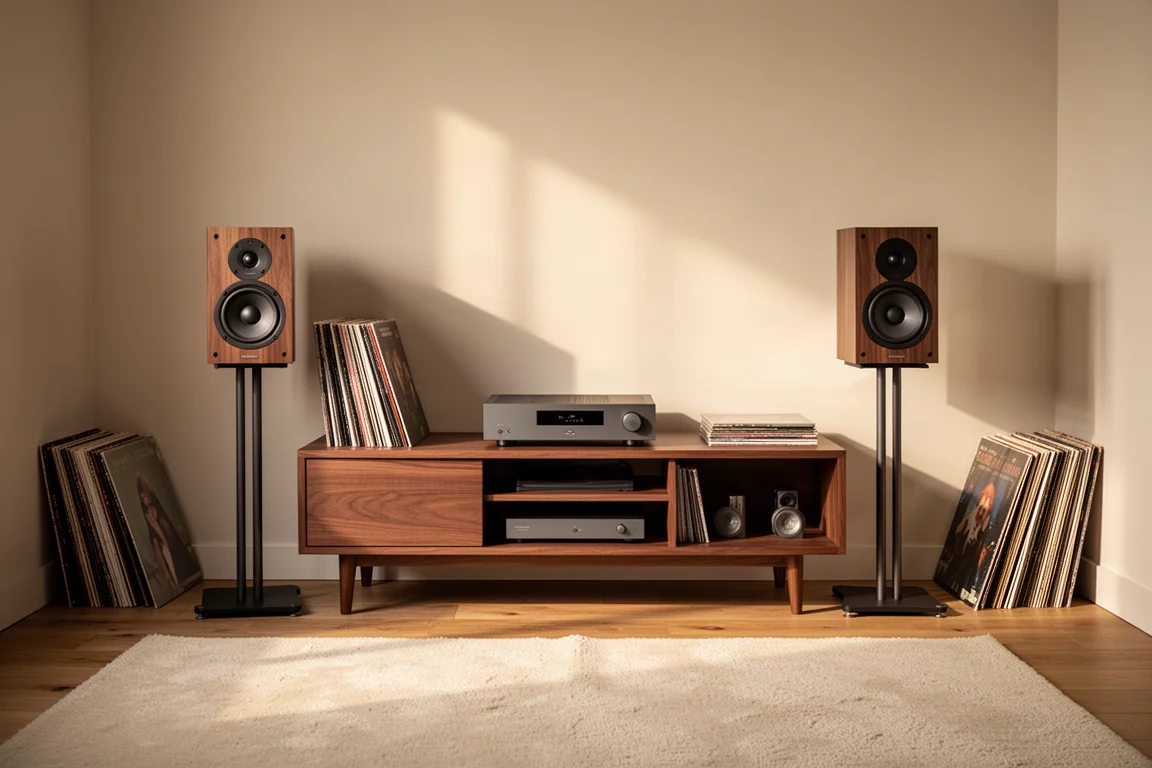
The other shared trait is value discipline. Where a component costs more than it returns in sound quality, it has been left out, and where an inexpensive component performs at a much higher level than its price suggests, it has been included without apology.
System 1: Standmount Speakers With an All-Cambridge Front End
This build suits listeners who want a compact system that still sounds substantial. Speakers and electronics come in just under $9,500, which leaves room for stands and cables.
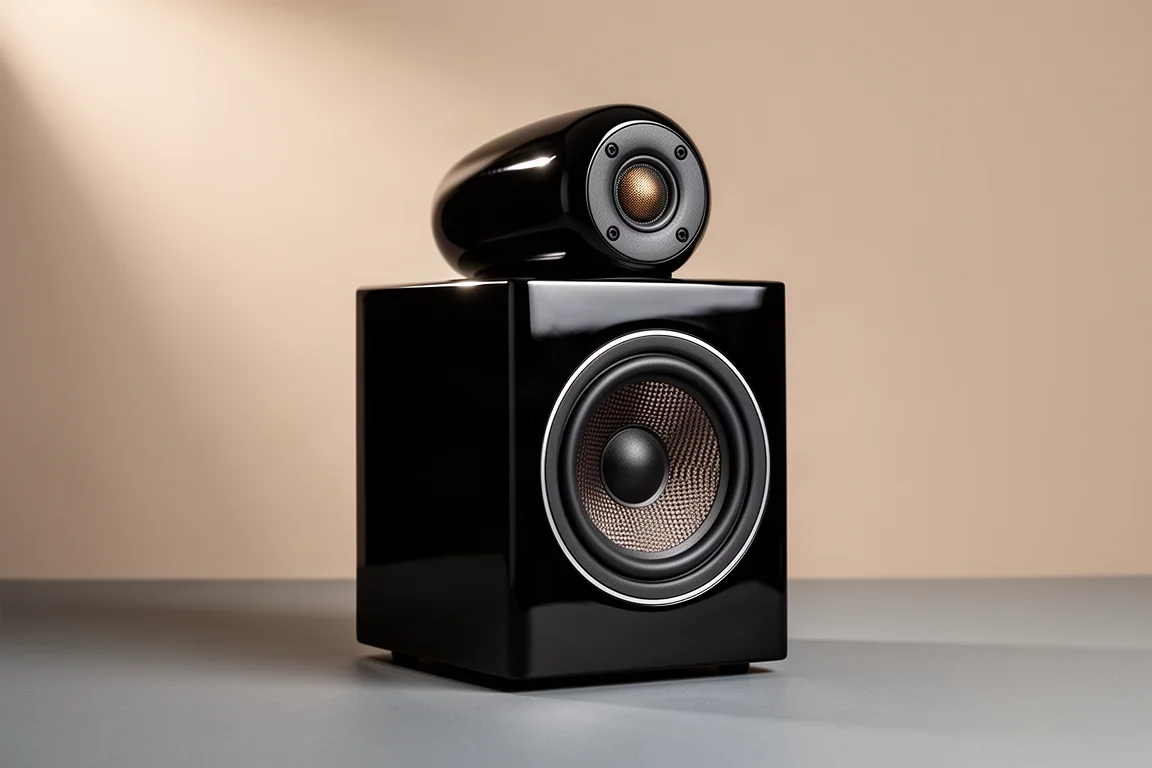
Bowers & Wilkins 705 S3
At $3,800 for the pair, the 705 S3 standmount sits close to its larger sibling, which costs around $10,000. The difference comes down to a little less bass extension and a touch less top-end refinement, both of which can be addressed in other ways.
The 705 S3 sounds larger than its cabinet suggests and plays solidly down to roughly the mid-40 Hz range. In small to medium rooms, that is low enough for most music and films that you may not need a subwoofer at all. Adding one will still elevate overall performance, but in tight quarters it is worth trying the speakers on their own first.
The real strength is voicing. These speakers stay detailed and engaging at low listening volumes, which matters for anyone who listens late in the evening. If you want more bass, more top-end refinement, and have space for a slightly larger standmount, a step up to the Monitor Audio Gold 100G raises the system cost by about $800 and can be balanced elsewhere in the budget.
Cambridge Audio EXA100
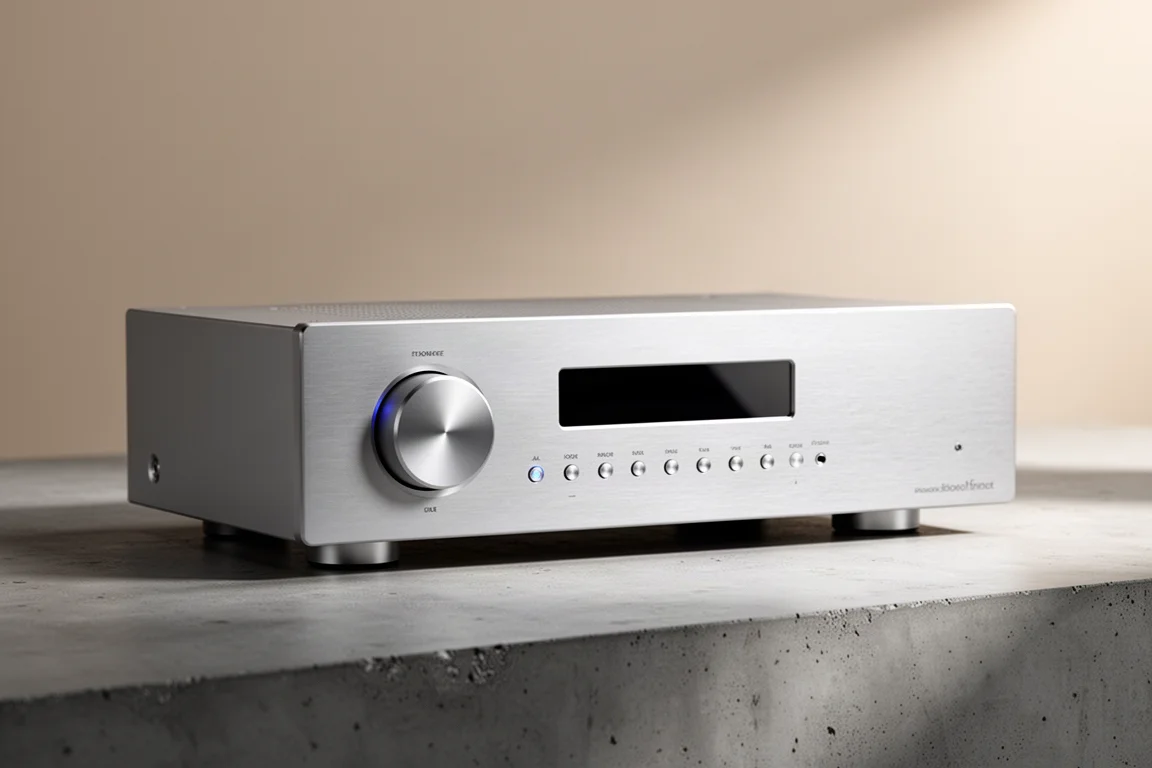
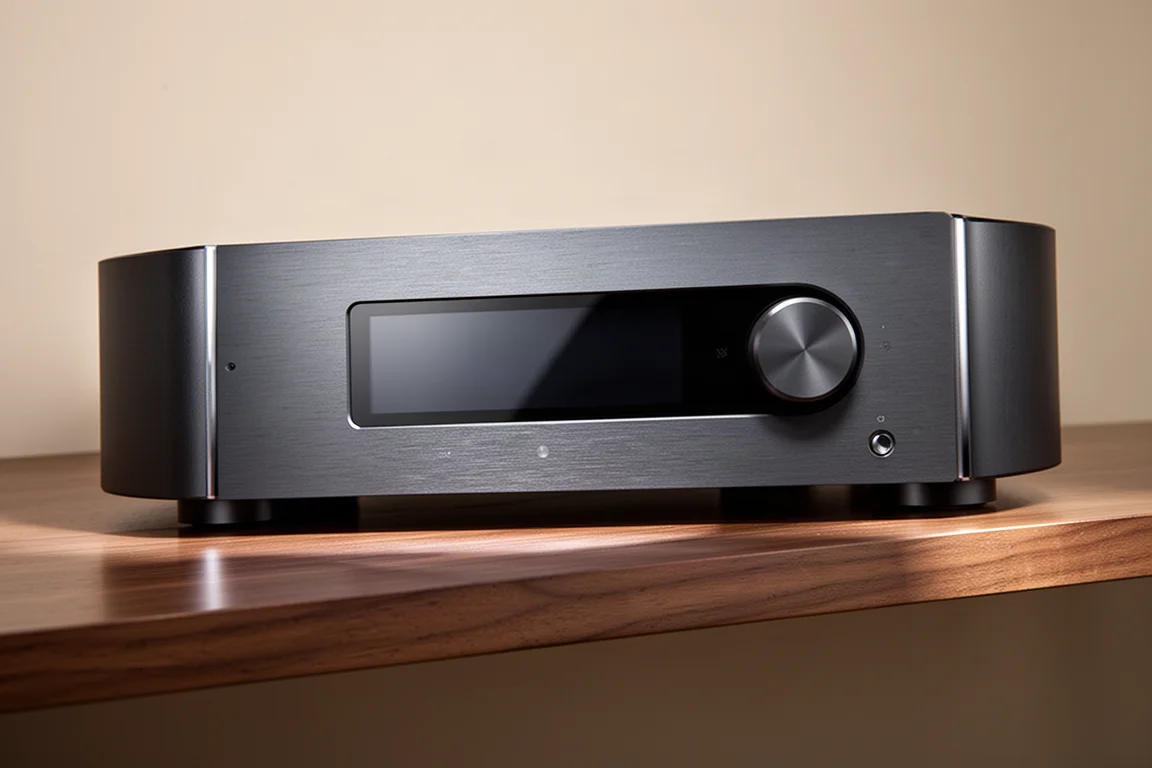
The EXA100 integrated amplifier is priced at $2,400 and delivers 100 watts of Class AB power. Its character is full-bodied and refined, with a slightly smooth, breathy quality around the edges, which pairs well with speakers that already have an extended top end.
It also brings practical flexibility. A built-in DAC and HDMI with ARC let you connect a television, so the system can shift from a strict two-channel setup to a hybrid 2.0 or 2.1 channel arrangement later on.
Cambridge Audio EXN100
The EXN100 streamer is the visual and functional partner to the EXA100. It adds streaming and wireless capability, and the two components are designed to sit together as a matched pair. There are cheaper streaming options on the market, but the EXN100 keeps the front end consistent in both appearance and performance.
Cambridge Audio Alva TT V2
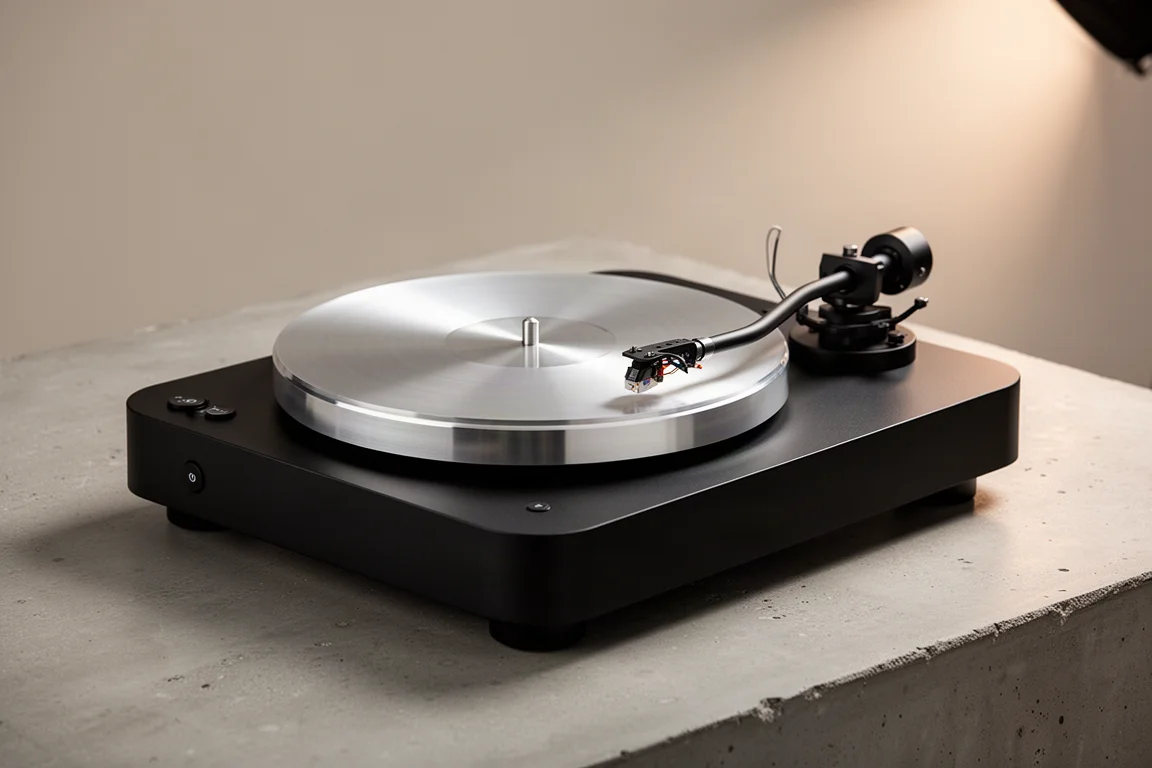
The Alva TT V2 completes the system as the vinyl source, and it arrives with a cartridge already fitted. It also supports Bluetooth playback, which adds flexibility for listeners who want to send audio elsewhere in the house. That kind of flexibility is a genuine benefit rather than a compromise.
System 2: Tower Speakers With Streaming and Vinyl
This build starts with a pair of tower speakers and a compact integrated amplifier that already includes a streaming platform, so only one additional source is needed. The base configuration comes to $7,872 including a Dirac room correction licence. An alternative route keeps the standard 2M Black cartridge and puts the savings toward the SVS SB17 subwoofer instead, which takes the build to $10,071, a modest $71 over the $10,000 target.
SVS Ultra Evolution Titan
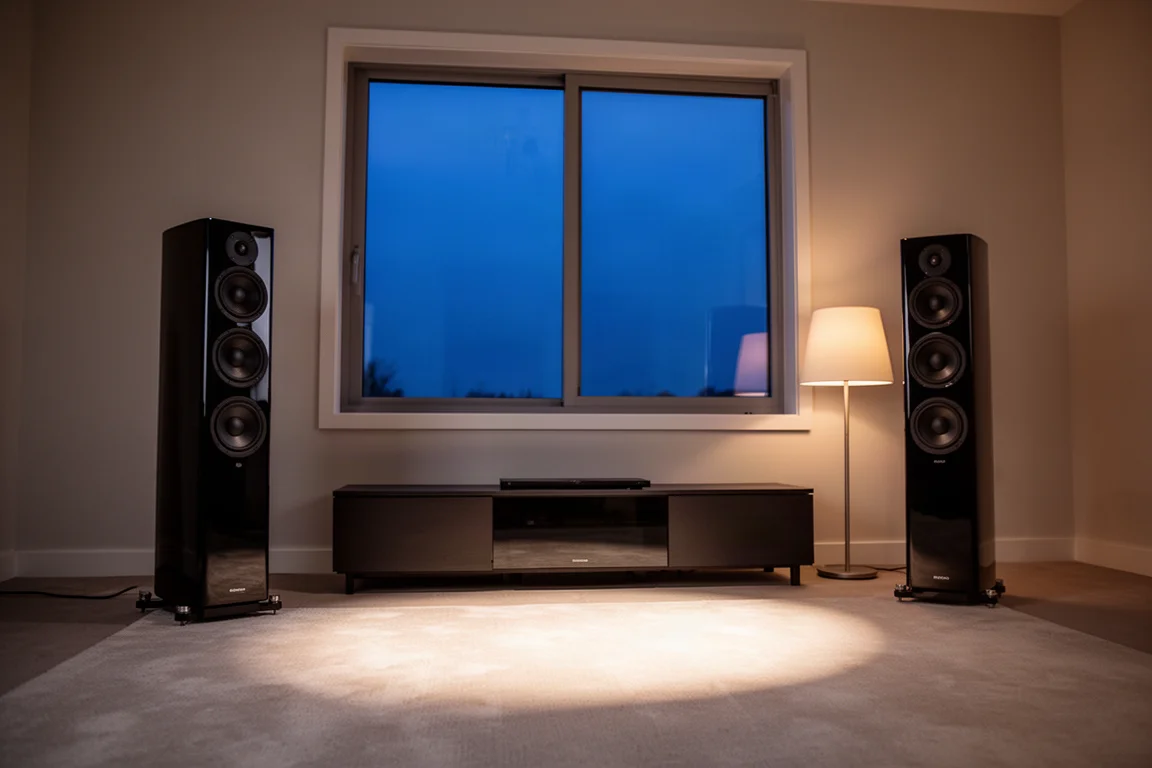
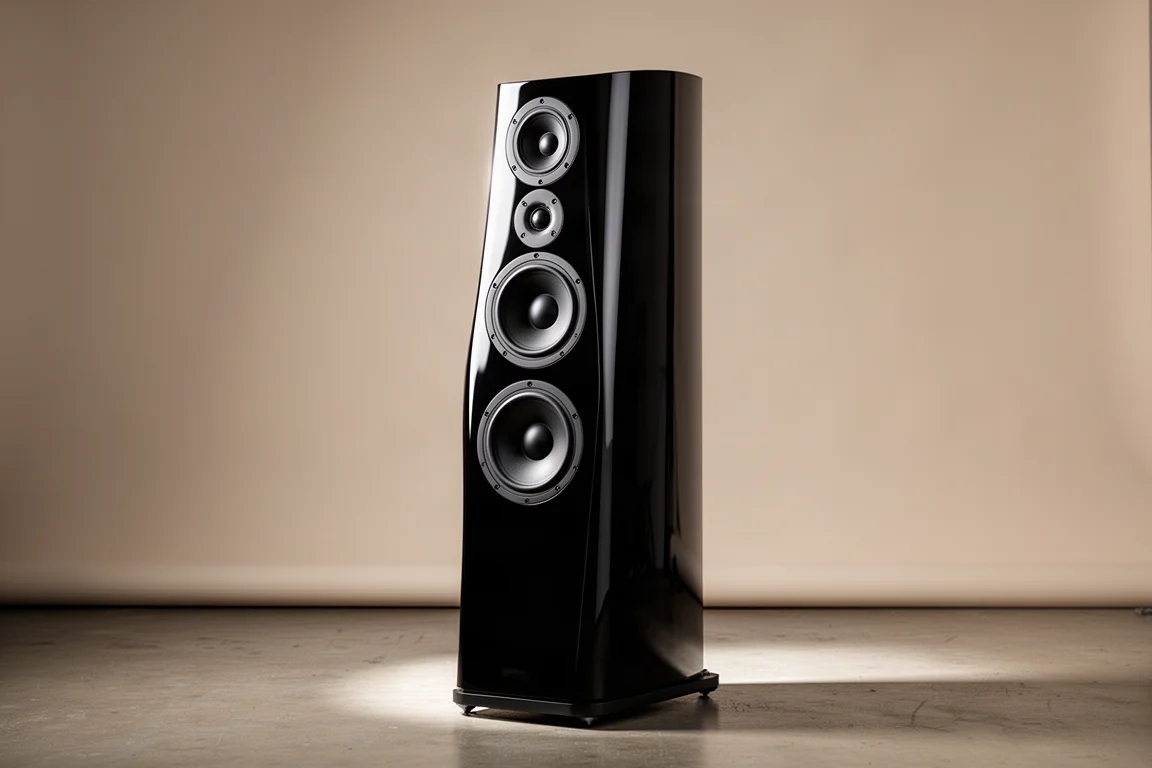
At $4,000 a pair, the Ultra Evolution Titan offers near full-range bass and a large, coherent, three-dimensional presentation. The cabinet shape and proportions are more sculptural than a typical three-way tower, even if the gloss black and gloss white finishes are conventional.
The sound is the reason to buy them. They deliver a sense of scale that is unusual at this price, and the bass capability means most listeners will not need a subwoofer for music.
Where they leave a little on the table is cabinet damping. More bracing and weight would give them the last few percent of grounding that the very best towers have. Even so, they remain an exceptional value for the money.
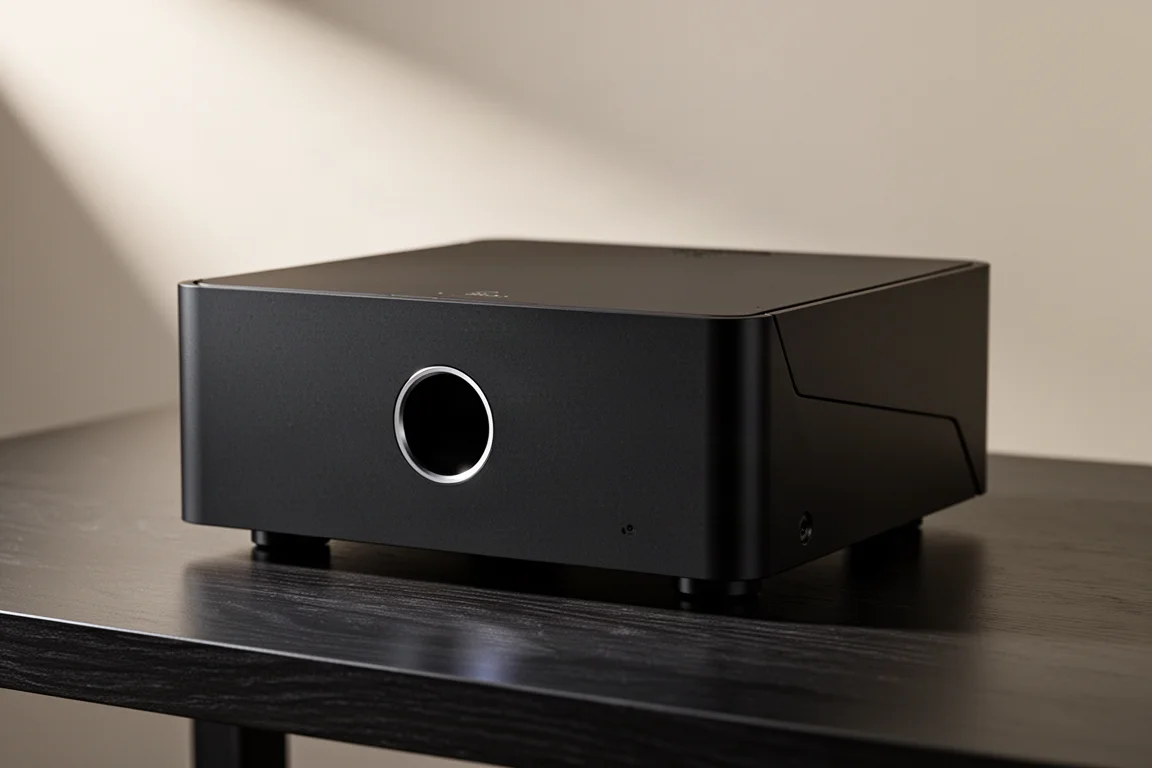
Marantz Model M1
The Model M1 costs $1,000 and has become a reliable reference point for testing speakers, because it manages to sound good with a wide range of designs. It includes HEOS, a fully functional streaming platform, which removes the need for a separate streamer.
It now supports Dirac room correction as well. That costs extra, but it lets you dial in a pair of tower speakers to suit the room, which is often the difference between good and excellent bass behaviour. The one thing it lacks is a built-in phono preamp, which is why the turntable in this build includes one.
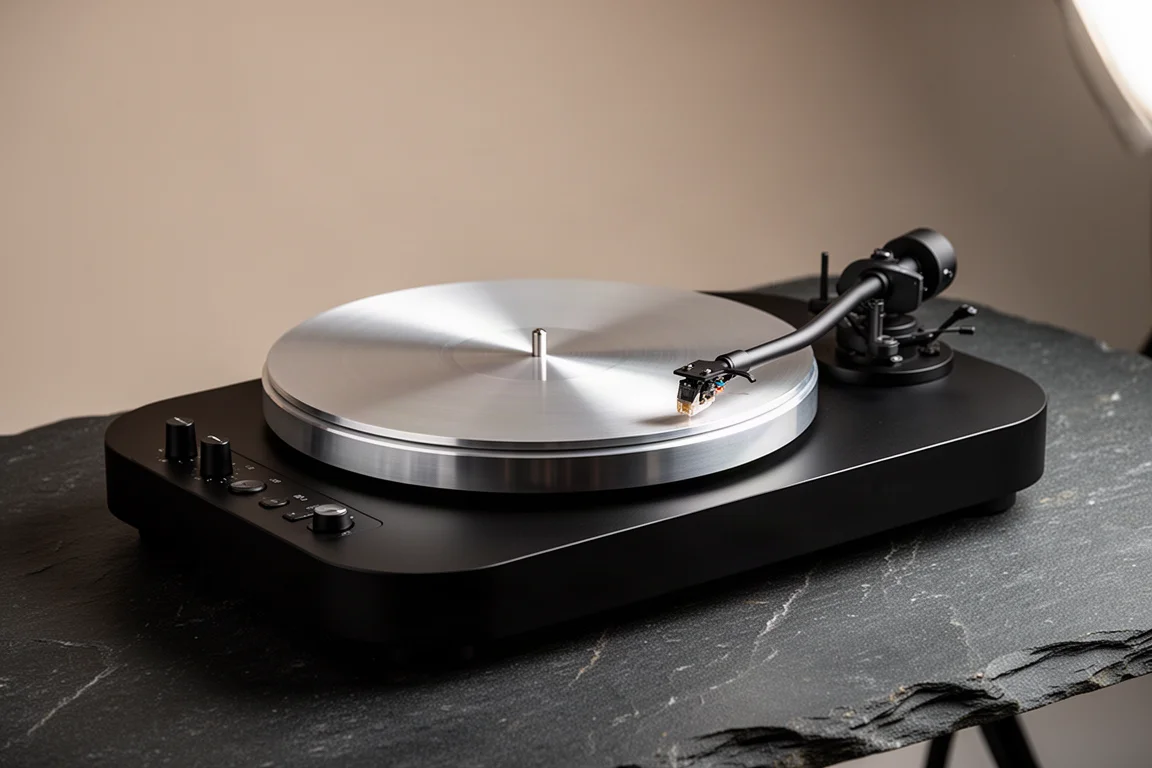
Technics SL-1500C
The SL-1500C is priced at $1,500 and comes with an Ortofon Red cartridge fitted, along with a built-in phono preamp. That combination makes it the simplest way to add vinyl to a system that has no phono stage of its own.
The supplied cartridge is the obvious upgrade path. At this price there is enough room in the budget to fit something more capable, and the turntable itself is more than good enough to justify it.
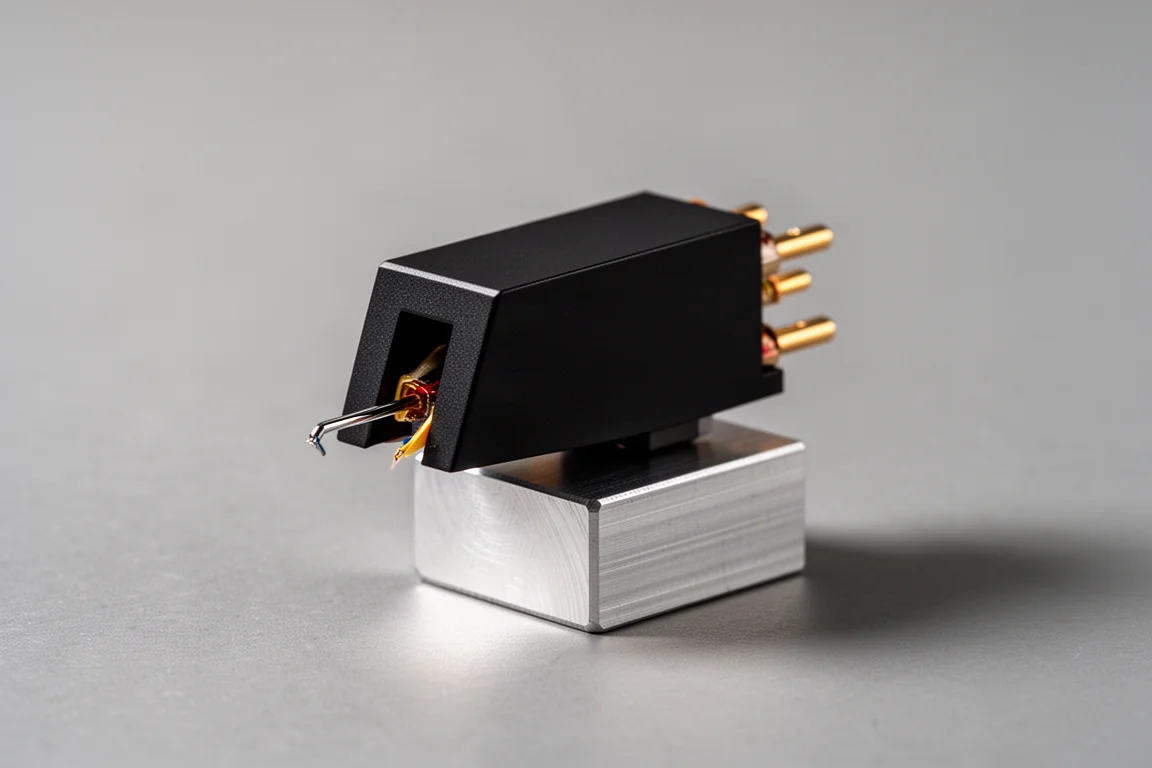
Ortofon 2M Black LVB 250
The 2M Black LVB 250 is the most capable moving magnet cartridge in the Ortofon range. Fitting it to the SL-1500C is the single most effective upgrade in this system, and it brings the total to $7,872 once the Dirac licence is included.
If you are newer to vinyl, the standard 2M Black saves roughly $500 and remains an excellent cartridge and an even better value. Either way, the cartridge is where a modest spend returns an outsized improvement in tracking and detail.
System 3: Wide-Baffle Towers With a Streaming Integrated and a CD Player
This build swaps vinyl for disc playback and pairs a wide-baffle tower speaker with a streaming integrated amplifier. The total comes to $9,165.
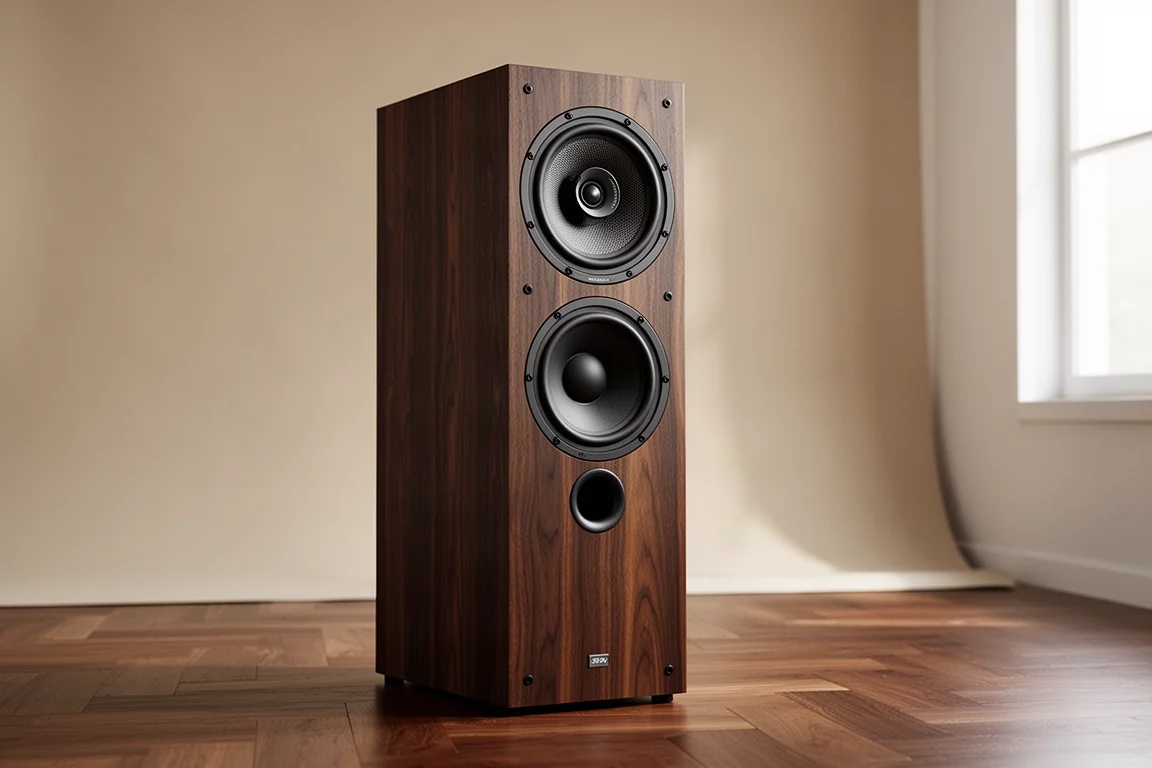
MoFi SourcePoint 888
The SourcePoint 888 costs $5,500 a pair and is strong across the board. It has a more traditional, old-school look than the glossier towers in the previous build, and some listeners will prefer it for that reason alone.
Sonically, it is dynamic and near full range, and when positioned well it sounds far larger than its footprint suggests. With a nominal impedance of 6 ohms, it does not demand enormous power, but it does reward an amplifier with genuine capability.
Rotel RA-5000
The RA-5000 is a streaming integrated amplifier priced at $3,000. It adds built-in streaming, wireless connectivity, and HDMI, and it proved essentially indistinguishable from the more expensive Rotel model above it in the range.
There is a higher-end streaming integrated that also pairs well with these speakers, but at $3,400 plus the cost of a streamer and additional sources, it pushes the build past the budget. The RA-5000 keeps the system on target without giving up much.
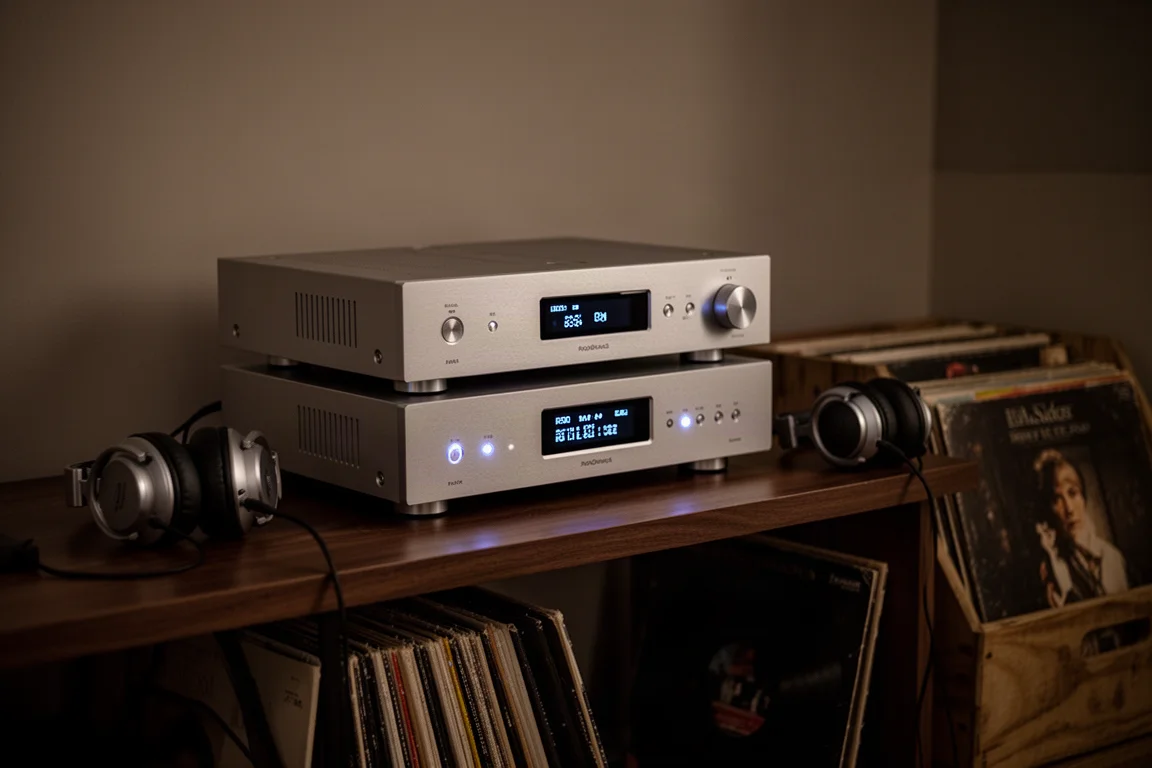
Note that the RA-5000 does not include a phono preamp, so a turntable would need one of its own. That is part of why this build uses a CD player as the second source instead.
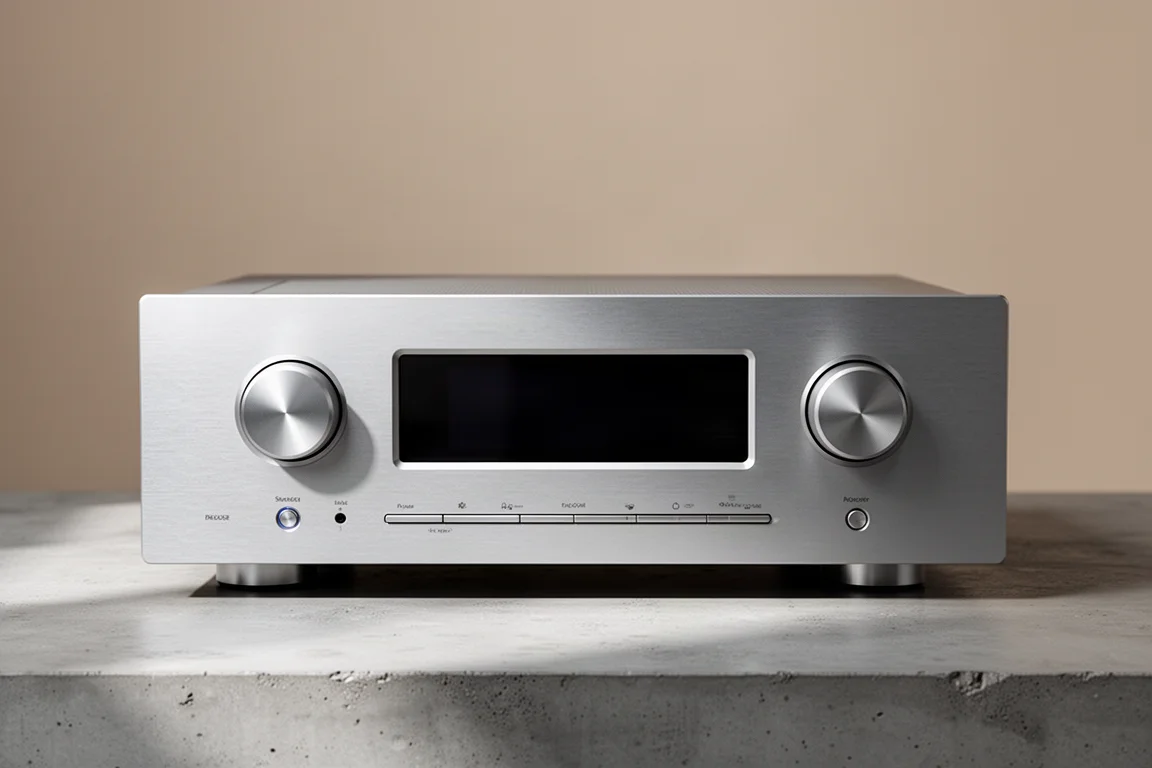
Rotel CD11 Mark II
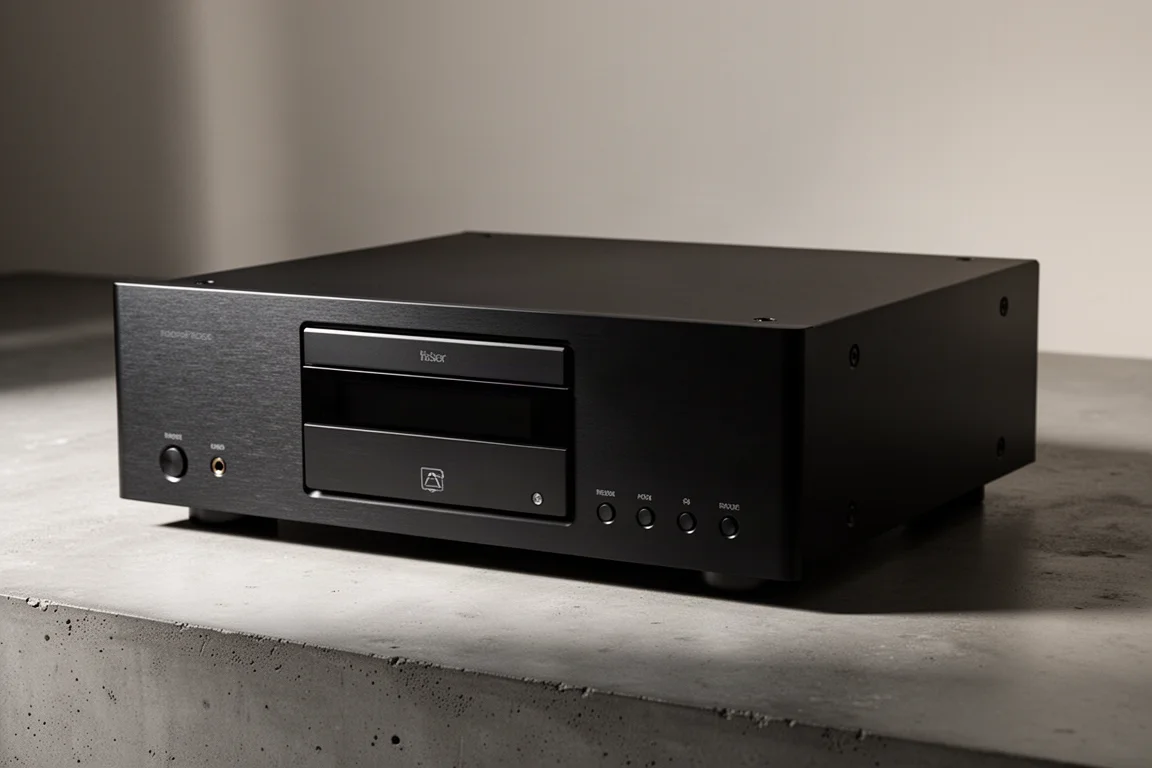
The CD11 Mark II costs $665 and keeps disc playback in the same family as the amplifier. It does not offer balanced outputs, which the step-up Rotel single-disc player does, but that player would push the system $100 over the $10,000 target.
For a system at this level, that extra $100 is unlikely to be the deciding factor, and both players are credible options. Either way, the total for this build lands at $9,165.
Expanding Any of These Systems for Home Theater
If multichannel is the goal, the tower-based build scales most naturally. Adding a matching centre channel and a pair of Ultra Evolution Nano surround speakers creates a five-channel speaker package for $5,700. Definitive Technology offers an alternative route: the DM80 towers include 12-inch powered subwoofers and cost $3,800 a pair, and a package with the DM30 centre and a pair of DM40 towers comes to $5,559 for a 5.3 arrangement. The SVS route is the more refined of the two, while the Definitive Technology option is hard to argue with on value, particularly for listeners who want maximum bass.
A stereo amplifier will not drive a surround system, so this path needs an AV receiver. The Marantz Cinema 50 costs $2,800, offers a little more power for the tower speakers, and can be upgraded with Dirac for an additional $350. Adding a $425 Blu-ray player and the $600 SVS SB-1000 Pro subwoofer brings a 5.1 system to $9,875. If the television is also due for an upgrade, an 85-inch TCL QM7K is currently on sale for just under $1,700, which takes the total to $11,575.
Buying Advice: Matching the System to Your Room and Habits
Choosing between these builds comes down to room size, listening habits, and which sources you actually use.
If space is limited, System 1 is the most sensible starting point. The 705 S3 reaches into the mid-40 Hz range, which is enough for most music in a small or medium room, and the Cambridge components add streaming, vinyl, and television connectivity in two compact boxes.
If you want full-range bass without adding a subwoofer, System 2 is the strongest option. The Ultra Evolution Titan towers go low on their own, the Model M1 covers streaming and room correction, and the Technics turntable brings vinyl in without a separate phono stage.
System 3 suits listeners with a larger room and a disc collection. The SourcePoint 888 rewards careful positioning, and the Rotel pairing keeps streaming, HDMI, and CD playback in a single, tidy stack.
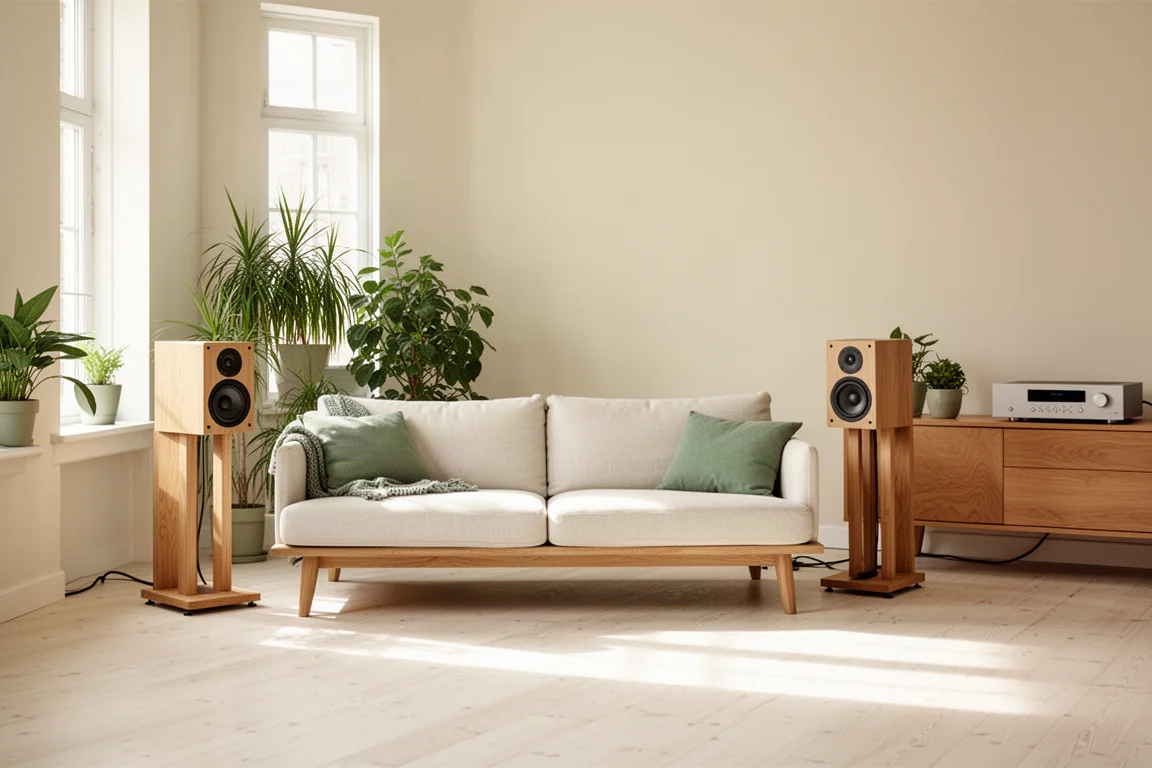
Across all three, the sensible order of spending is speakers first, then amplification, then sources. Accessories such as stands, cables, and room treatment come last, and a modest amount spent on positioning and room acoustics often returns more than an equivalent amount spent on components.
Conclusion
None of these systems needs flagship pricing to deliver a convincing, engaging result. Each one pairs speakers that punch above their price with electronics that add streaming, vinyl, or disc playback, and each lands close to the $10,000 mark with room left for the accessories that finish the job.
The right choice depends less on specifications than on the room and the listening habit. A compact standmount system can be the more satisfying answer in a small space, a tower-based build delivers scale and bass without a subwoofer, and a wide-baffle tower with a CD player is a natural home for a large collection of physical media.
Further reading
Related Reviews
Hi-Fi Systems
Building an All-White Streaming Hi-Fi System for Around $1,500
A practical two-channel streaming system built around the KEF Q150 and a Bluesound streaming amplifier, with alternative amplifiers, speaker stands, and a subwoofer worth considering.
Hi-Fi Systems
Audio Note Zero System Review: Matching DAC, CD Player, Amplifier and Speakers
A component-by-component look at the Audio Note Zero system, covering the 0.1x DAC, the CD0 player, the IZero amplifier and the AX1-D2 speakers, with pairing notes and buying advice.
Hi-Fi Systems
A Complete Hi-Fi System Under €1,000: Dali Spektor 2, Rotel A11 Tribute and Topping E30
Three brand new components, one modest budget, and a stereo system that is warm, forgiving and genuinely easy to live with.