Hi-Fi Systems
Audio Note Zero System Review: Matching DAC, CD Player, Amplifier and Speakers
A component-by-component look at the Audio Note Zero system, covering the 0.1x DAC, the CD0 player, the IZero amplifier and the AX1-D2 speakers, with pairing notes and buying advice.
Introduction
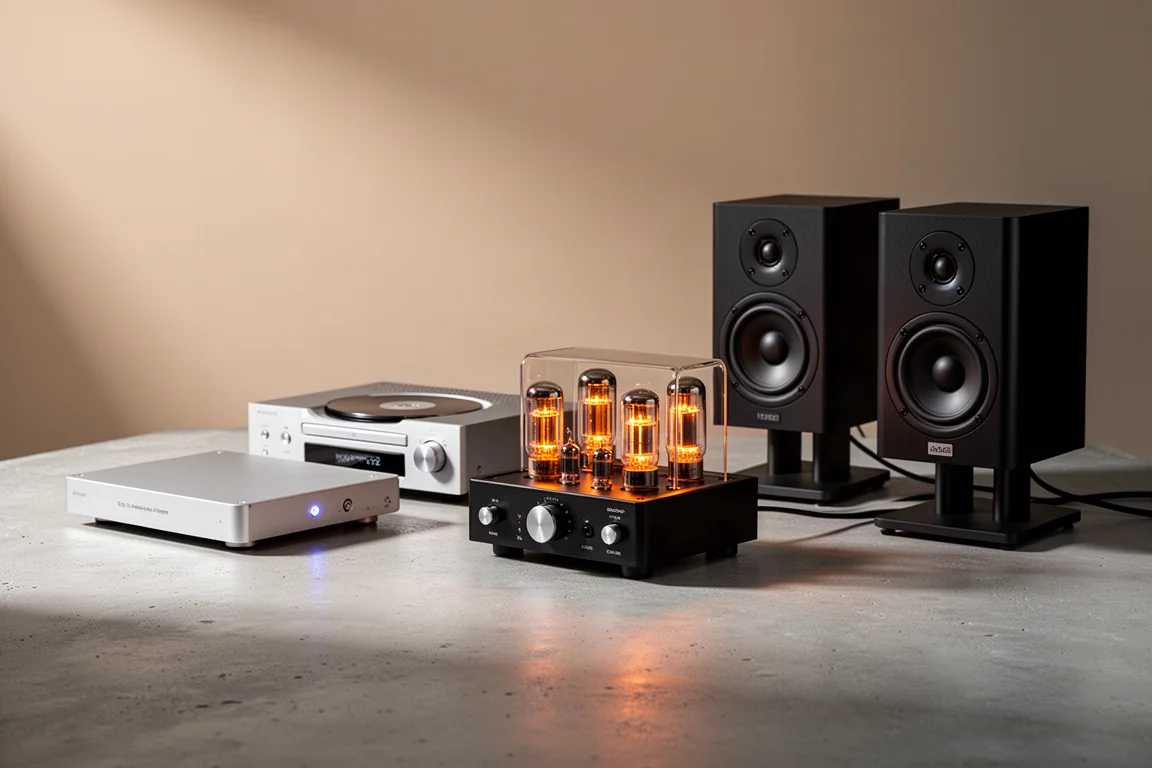
Buying an entire system from one manufacturer is an old argument in hi-fi, and it still has a practical core: components designed and voiced together tend to sound coherent together. The Audio Note Zero series is a compact expression of that idea, built around a shared set of engineering choices rather than a single flagship product. It can be assembled piece by piece or as a complete chain.
This guide covers the four main components: the 0.1x DAC, the CD0 CD player, the IZero integrated amplifier and the AX1-D2 speakers. Each is available separately, and each has a clear role in the system.
What the Audio Note Zero System Includes
The Zero range spans digital and analogue in four pieces. The 0.1x DAC retails for £1,562 in the UK and handles conversion for external digital sources. The CD0 is a one-box player at £2,169. The IZero amplifier costs £2,155 and delivers eight watts per channel from a tube output stage. The AX1-D2 speakers are the smallest and least expensive models in the wider Audio Note range at £1,950.
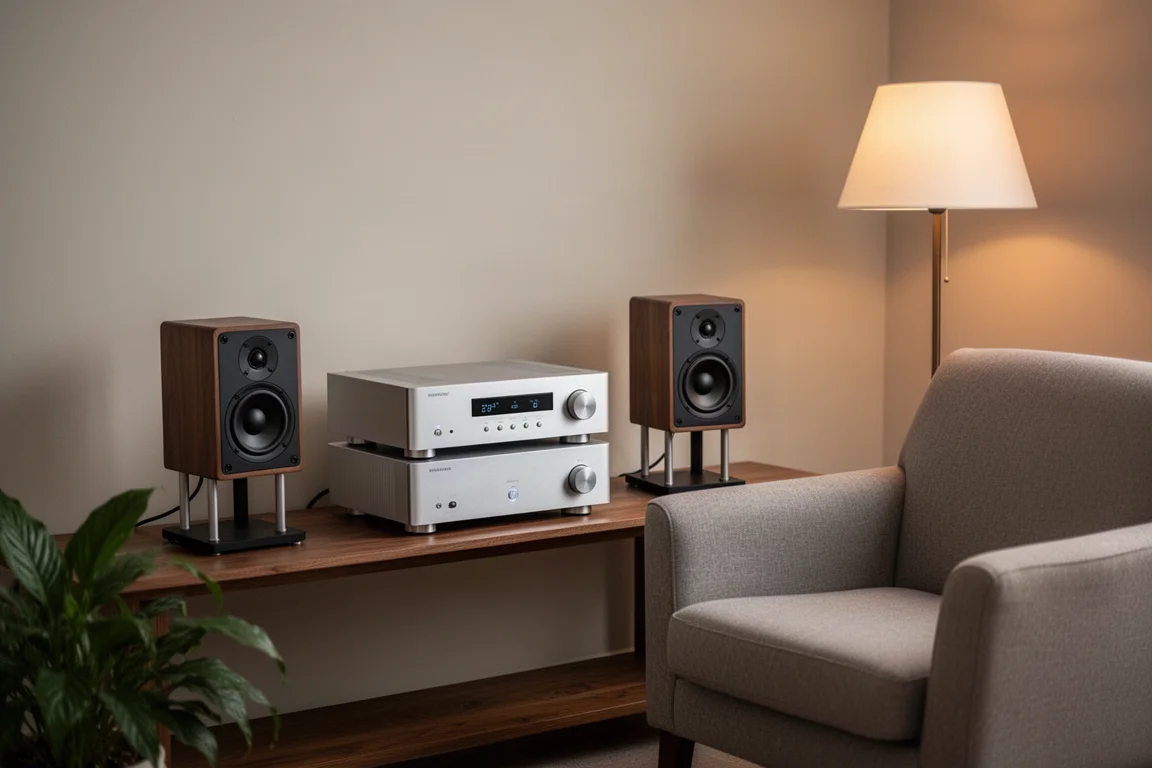
What ties the four together is a consistent design language. The digital components are non-oversampling designs with no filtering and no feedback, built around the Philips TDA 1543 R-2R ladder chip. The amplifier is a class AB push-pull tube design with output transformers made in house. The speakers are front-ported mini monitors that appear to have been tuned alongside Audio Note amplification.
That consistency is the main reason to consider the system as a whole rather than as four unrelated purchases. The pieces share a tonal signature, and the speakers in particular seem designed to take advantage of it.
Audio Note 0.1x DAC: A Natural, Detailed Source
The 0.1x DAC is a non-oversampling converter with no digital filtering, and its conversion stage is built around the Philips TDA 1543 R-2R ladder chip. Inside the chassis are Audio Note’s own capacitors, a detail that carries weight in a component at this price.
Its character is one of restraint. Tone is natural and uncoloured, detail retrieval is high, and the spatial presentation has qualities usually associated with considerably more expensive discrete R-2R designs. It does not add flavour to recordings; it presents them.
USB and Coaxial Inputs Compared
Two digital inputs are available: USB and coaxial S/PDIF. Both perform well. The USB input is easy to live with, but the coaxial input can sound better when it is fed by a transport of sufficient quality, because a good transport minimises the transfer of noise and jitter into the converter.
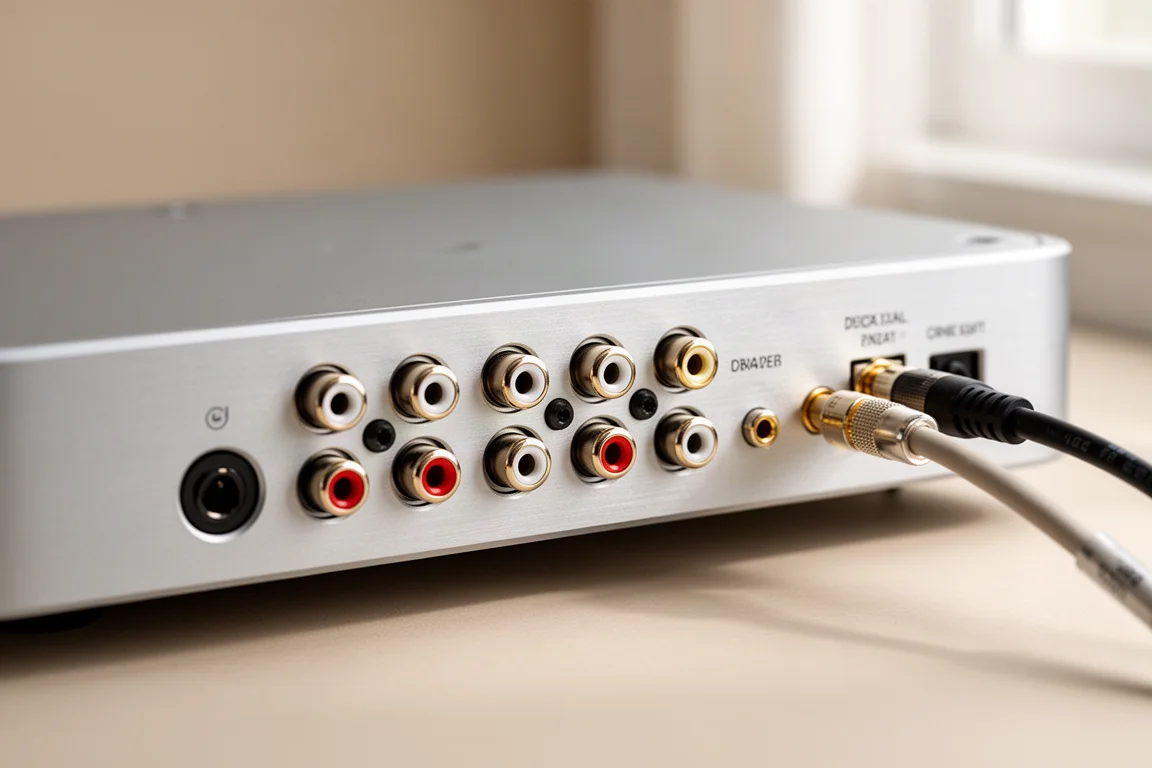
In practice this means the 0.1x DAC rewards a little care upstream. A clean, well-built transport or streamer gets the most from the converter, and the difference is audible rather than theoretical. For anyone building a digital front end below £2,000, this is the component to shortlist first.
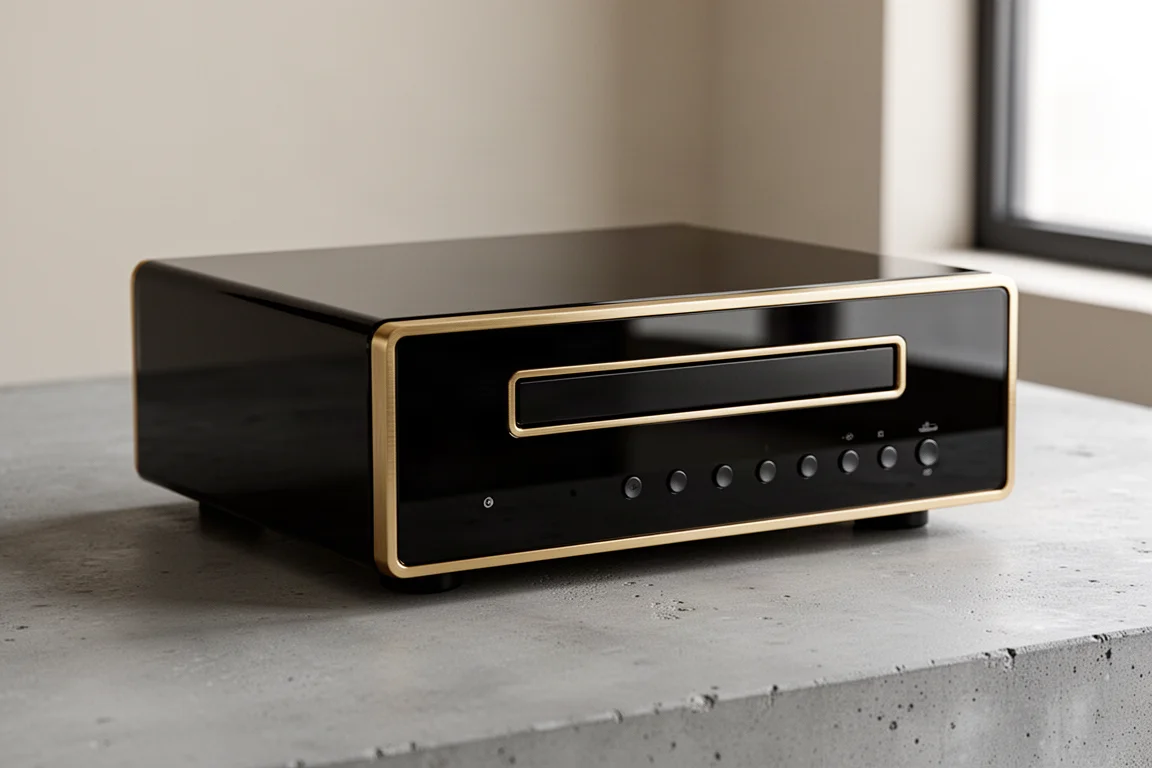
Audio Note CD0: A One-Box Digital Option
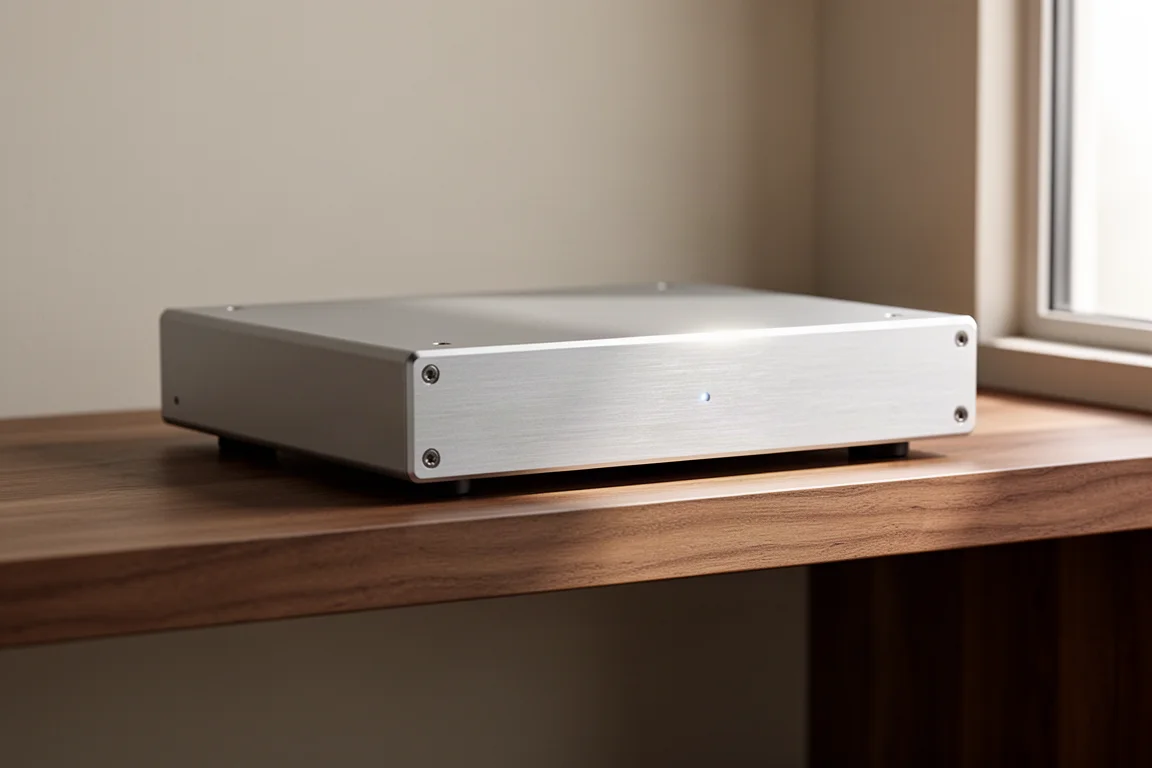
The CD0 is aimed at listeners who want a single digital source rather than a separate transport and converter. It uses a well-regarded Philips transport mechanism and the same Philips TDA 1543 conversion chip as the 0.1x DAC, with the same non-oversampling, no-filtering, no-feedback topology.
Its presentation differs from the standalone DAC. The CD0 does not match the 0.1x for clarity or timing, but it adds a slightly warmer tone that can suit systems leaning bright, and it remains a competent digital source in its own right at this price. For a one-box solution with a touch of warmth, it makes sense.
Audio Note IZero Amplifier: Eight Watts of Character
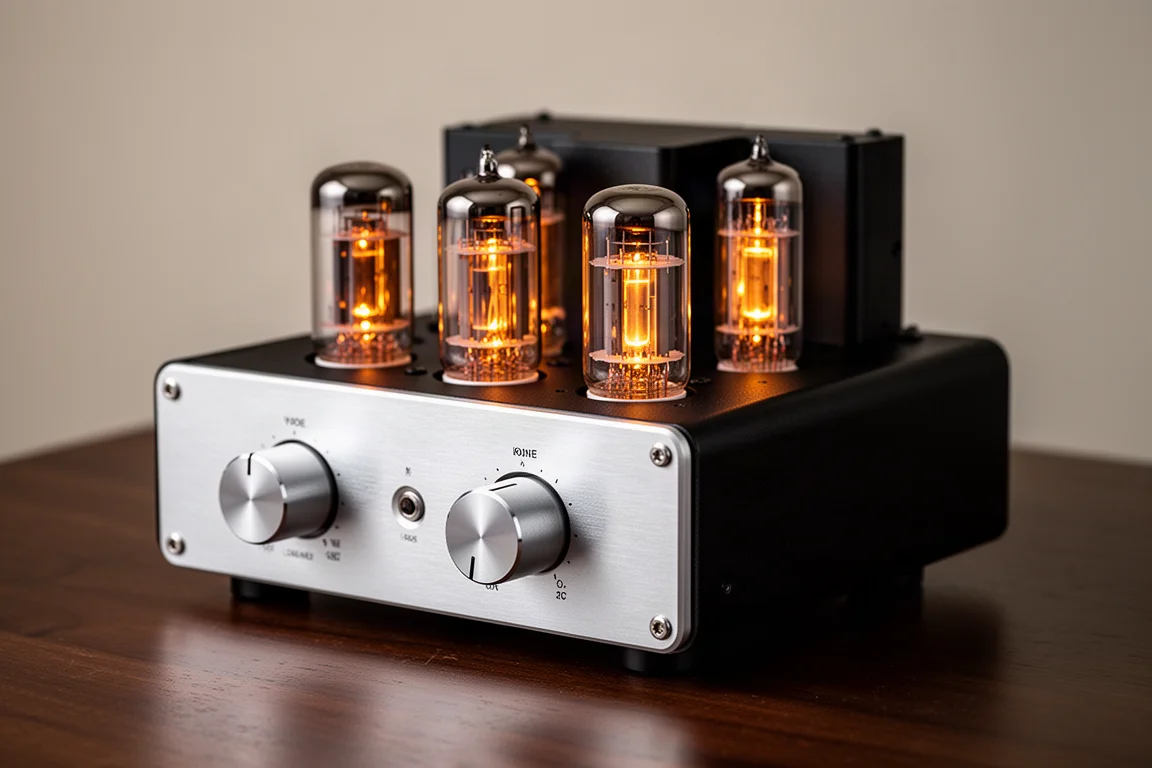
The IZero is the entry point to Audio Note amplification, and it is deliberately simple. Two dials on the front handle input selection and volume, and neither is motorised. On the rear are four single-ended RCA inputs, a set of speaker binding posts, and the power switch. A remote control is supplied with the CD0, but its buttons do not operate this amplifier.
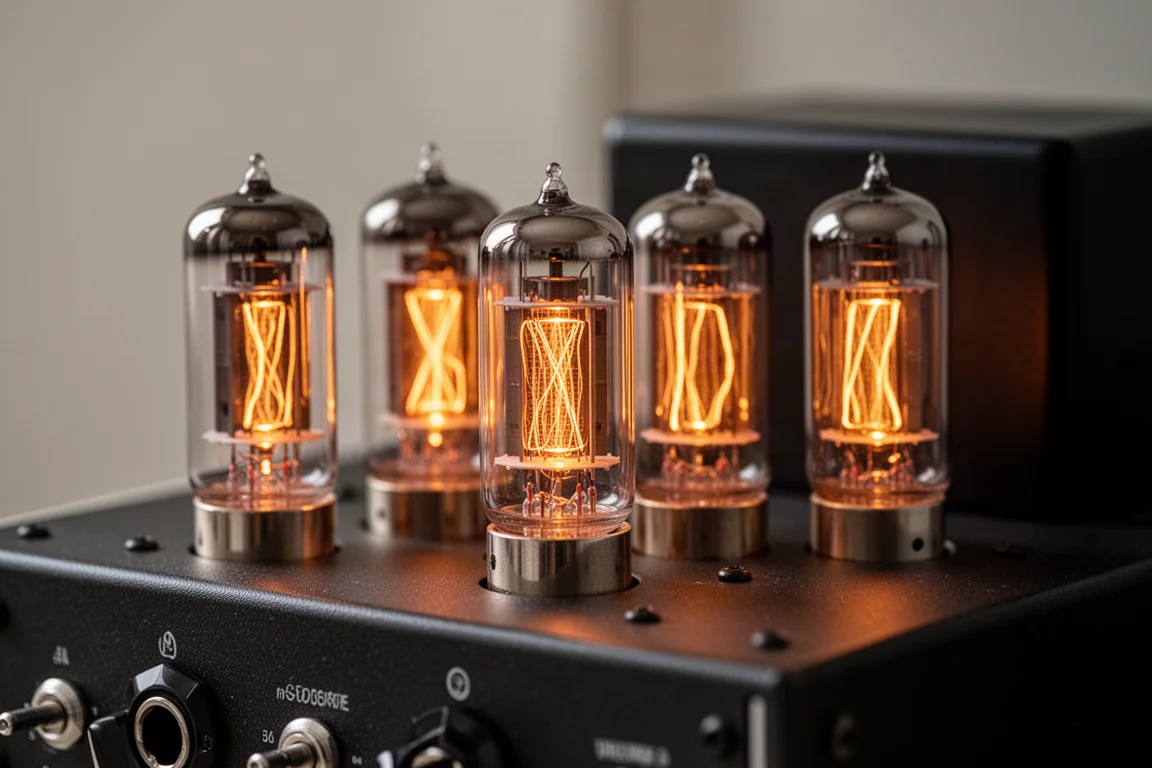
The circuit is a class AB push-pull design using four dual-triode pentode tubes. Each tube covers both stages of voltage gain, with the triode section handling the preamplifier stage and the pentode section driving the output stage. The output transformers are custom built in house, and the power supply uses a 75V EI transformer with four Rubicon capacitors.
Output is eight watts into a six ohm load. That figure invites scepticism, but power requirements depend on room size, listening distance and speaker sensitivity. Listening at night at averages around 60 dB, and between 70 and 80 dB during the day at roughly 2.5 m (about 10 ft) from the speakers, eight watts proved sufficient with speakers rated between 85 and 87 dB. Speakers that present a more demanding load are a different story, and some lose control of the midwoofer at even moderate levels.
Tonally the IZero sits on the warm side of neutral. Bass and lower midrange are full, the upper midrange has presence, and the top end is open without sounding bright. It also has a strong sense of drive and timing, which keeps the warmth from tipping into sluggishness.
Speaker Pairing and Power in Practice
Speaker choice is the single most important decision with this amplifier. Low-powered tube designs interact with a speaker’s impedance curve far more than high-power solid-state designs do, and the gap between a good and a poor match is larger than the gap between many amplifiers.
Matching is not about price. A speaker that sounds controlled and open on the end of a high-power transistor amplifier can sound thick and slow here, while a modest, sensitive design can sound far more engaging than expected. Sensitivity in the mid to high 80s and a friendly impedance curve are useful starting points, and the difference is obvious within minutes of listening.
Audio Note AX1-D2 Speakers: Mini Monitors Tuned for Tubes
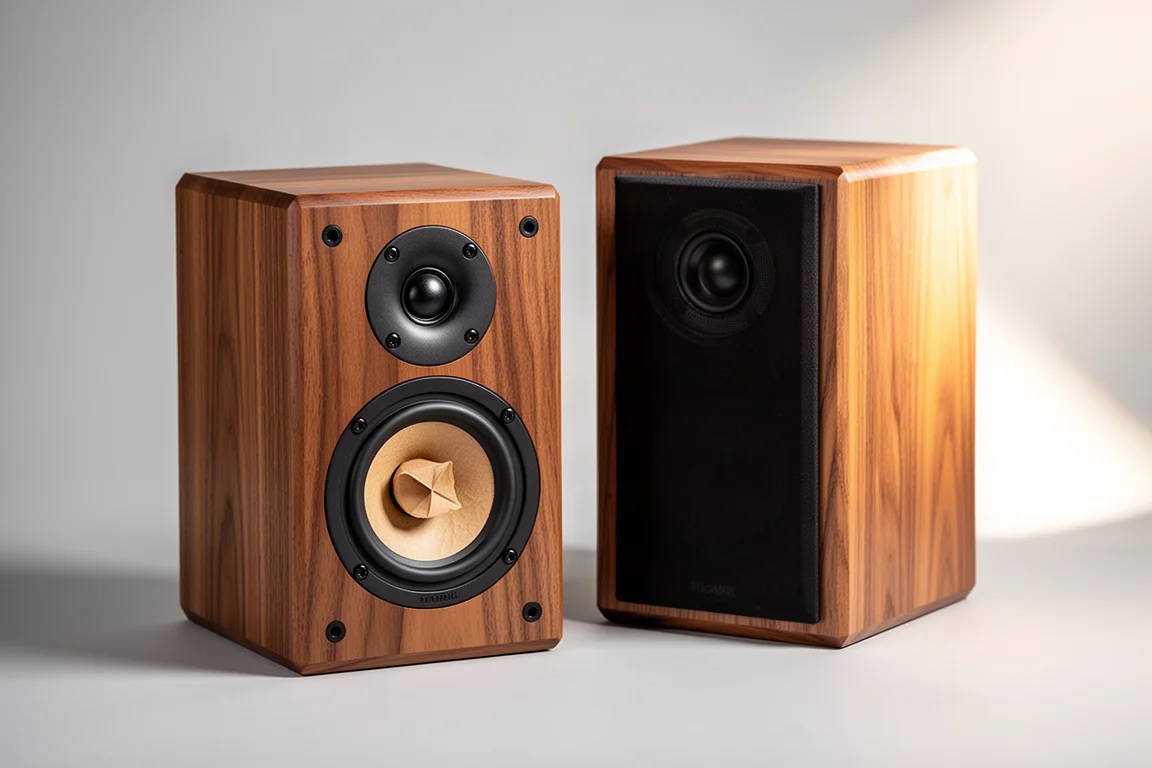
The AX1-D2 is the smallest and least expensive speaker in the Audio Note range. It is a front-ported mini monitor with roughly the proportions of the classic LS3/5a, though the port makes it a different design from that sealed BBC monitor. Cabinets measure 376 x 230 x 220 mm and weigh 5 kg each (about 14.8 x 9.1 x 8.7 in and 11 lb). They retail for £1,950 in the UK and are built in the same Austrian facility as the rest of the range, with black ash and walnut real wood finishes available.
Drivers are customised Scan-Speak units: a 125 mm (5 in) paper cone midwoofer and an 18 mm (3/4 in) silk polyimide dome tweeter. Rated sensitivity is 87 dB into a six ohm load. On the rear are two sets of speaker binding posts of average quality; if you use a single run of cable, replacing the supplied brass links with proper jumpers is worthwhile.
Placement matters. Audio Note demonstrations typically show these speakers in a room corner, heavily toed in toward the listening position, which reinforces the bass. In a room where corners are not available, positioning just over 1 m (about 3.5 ft) from the front baffle into the room gave better clarity, at the cost of some of that corner reinforcement.
The more interesting point is amplification. Driven by solid-state amplifiers the AX1-D2 sounds flat: competent, but unremarkable for the money. Paired with a low-power tube amplifier it becomes considerably more expressive, with subtle midrange detail and cleaner dynamic transitions. The likely explanation is damping factor. Solid-state designs typically present a much higher damping factor than tube designs, and these speakers seem happier with the softer, more relaxed control that tubes provide.
Buying Advice: Matching Components and Priorities
Taken as a set, the Zero system has a clear character. The 0.1x DAC stays out of the way and presents recordings as faithfully as it can, while the CD0 and the IZero add the richness and warmth associated with the Audio Note sound, and the AX1-D2 speakers bring those qualities forward. The midrange is where the system makes its strongest case.
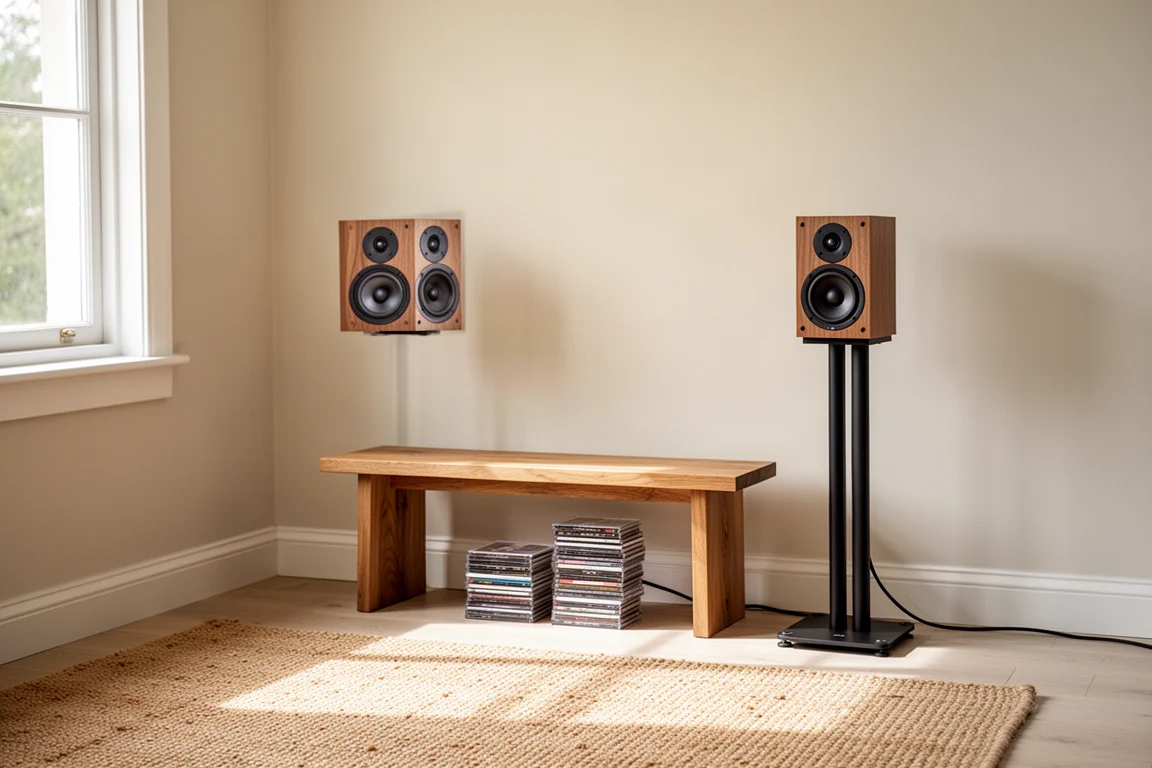
A few decisions are worth making before you commit. If you plan to use the 0.1x DAC, its conversion is better than the converter inside the CD0, so buying the CD0 for its digital section makes little sense; a dedicated CD transport is the more logical partner. The IZero’s eight watts make speaker matching the critical variable, and the AX1-D2 only shows what it can do with the right amplifier. At a comparable system budget it is possible to assemble a setup with more scale, more dynamics and more detail, but few combinations place their strengths so squarely where so much of the music lives.
Audio Note also offers matching interconnects and speaker cables for the Zero series, which keeps the cabling consistent with the rest of the chain. Budget for them if you want the whole system to come from one place.
Conclusion
The Zero system is a coherent argument for buying within one family. It is not the last word in scale or absolute detail, and it demands care over speaker pairing and placement, but as a complete chain it is easy to listen to for long periods. Buy it as a set, match the speakers carefully, and the character that defines the range comes through clearly.
Further reading
Related Reviews
Hi-Fi Systems
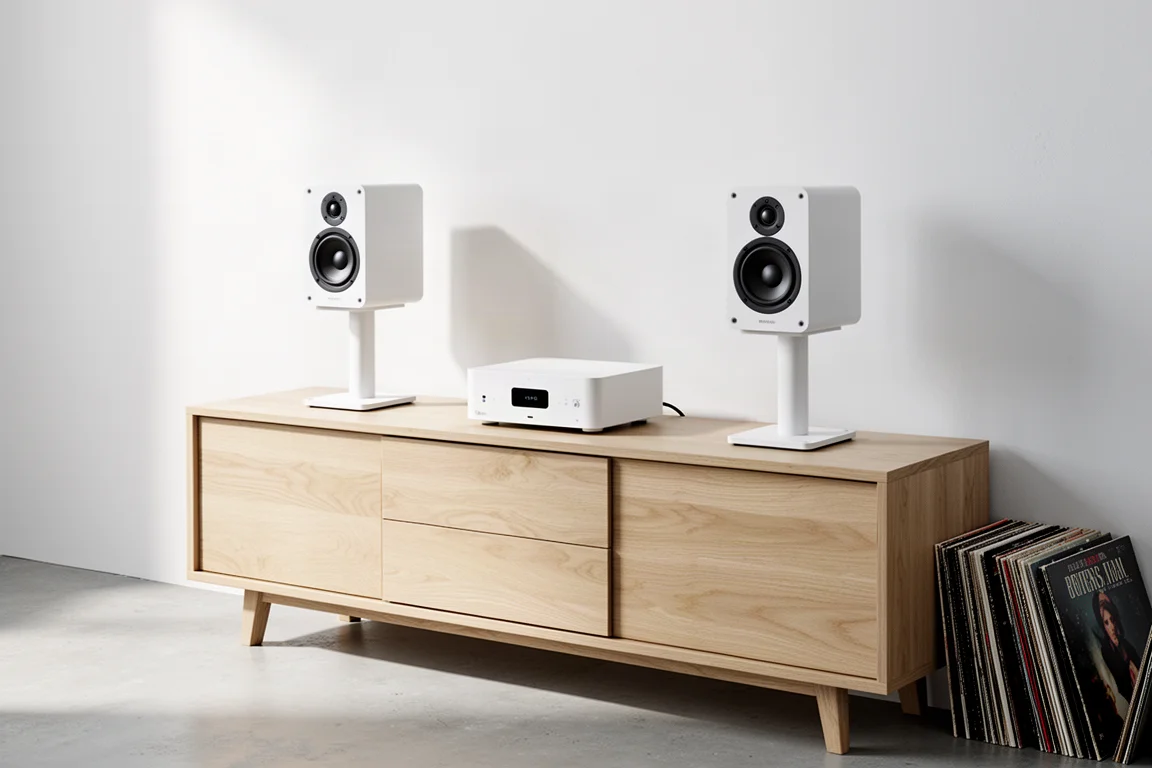
Building an All-White Streaming Hi-Fi System for Around $1,500
A practical two-channel streaming system built around the KEF Q150 and a Bluesound streaming amplifier, with alternative amplifiers, speaker stands, and a subwoofer worth considering.
Hi-Fi Systems
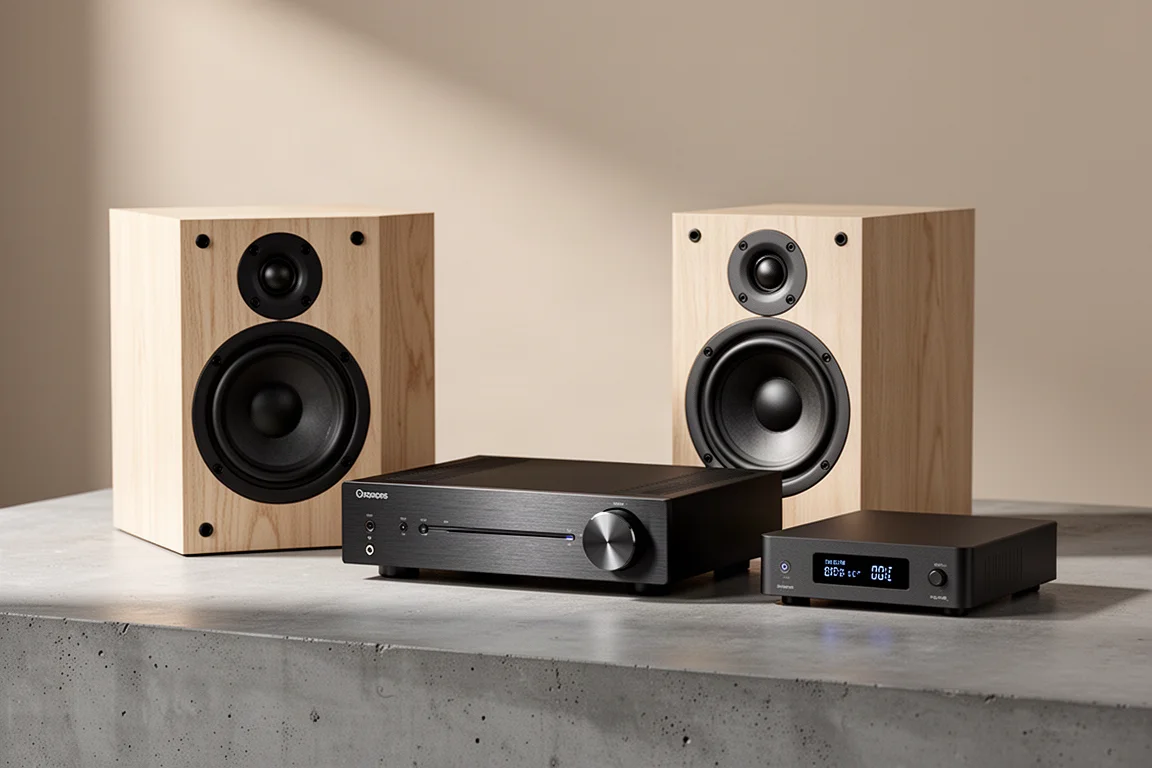
A Complete Hi-Fi System Under €1,000: Dali Spektor 2, Rotel A11 Tribute and Topping E30
Three brand new components, one modest budget, and a stereo system that is warm, forgiving and genuinely easy to live with.
Hi-Fi Systems
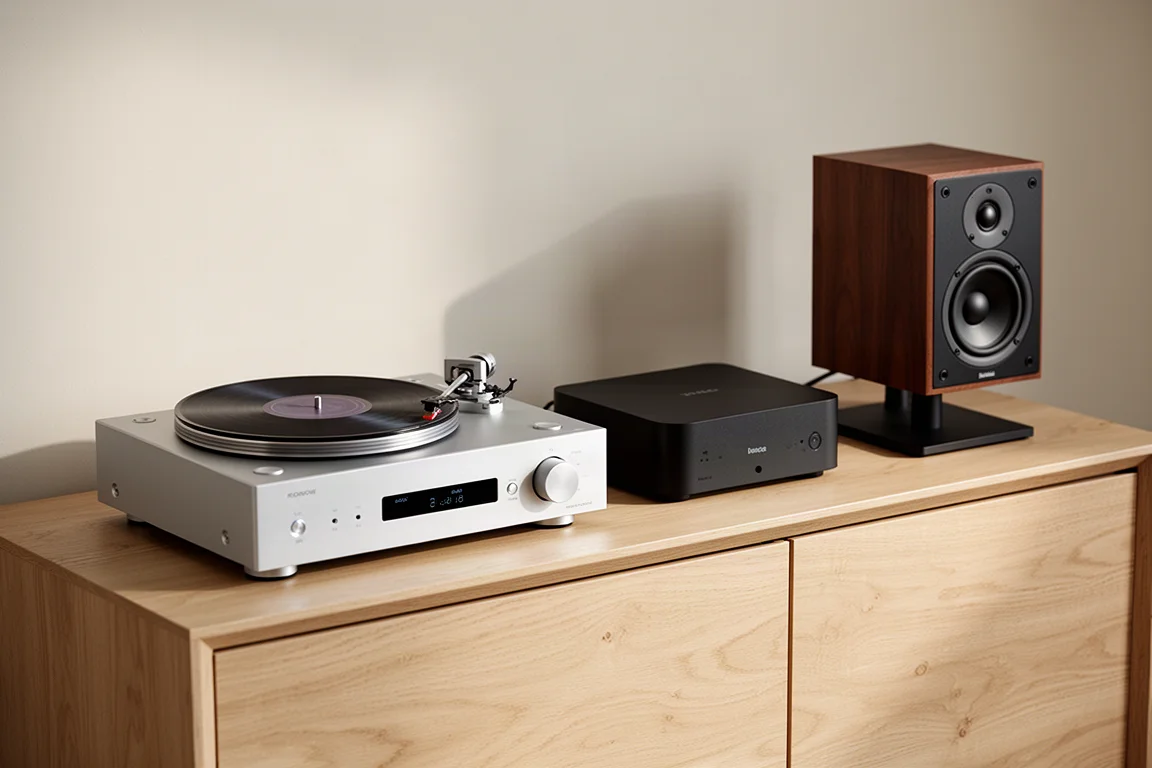
Five Hi-Fi Systems Under $1,000: Complete Setups for Every Listener
Five complete hi-fi systems under $1,000, each built around a different priority: generalist, tube, power, digital, and bass.