Backpacking Gear
Three-Day Backpacking Gear Loadout: Six Pieces Worth Carrying
A 24 pound three-day loadout for an off-trail desert route, with notes on what worked, what did not, and what to check before buying.
Introduction
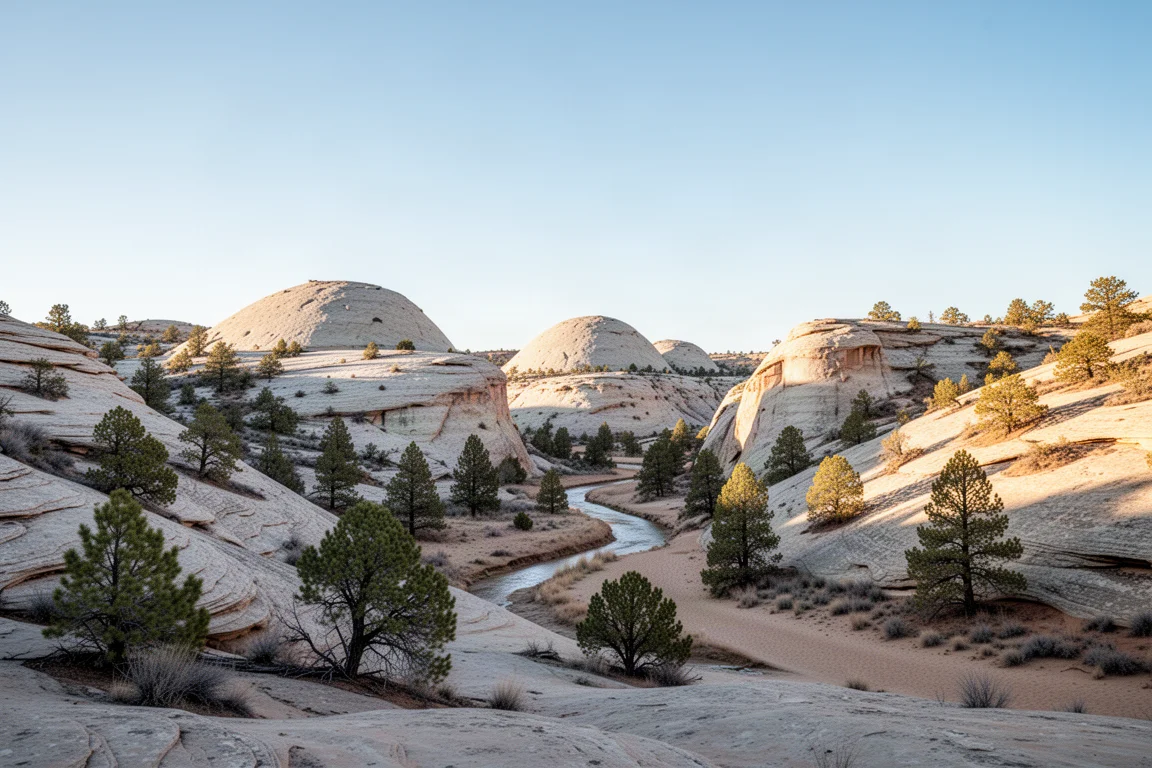
A three-day off-trail route through the Escalante area is a useful test of any gear list, especially when the weather is kind. Daytime highs sat in the high 60s under clear blue skies, and overnight lows stayed in the high 30s, with the coldest night bottoming out at 36°F. Mild conditions like these expose overbuilt choices quickly, because nothing is hidden behind extreme cold or heavy rain.
The pack started the trip at 24 pounds, counting gear, food, and water. What follows is a look at the pieces that did the most work in that loadout, along with the trade-offs worth understanding before you spend money on them.
How This Loadout Came Together
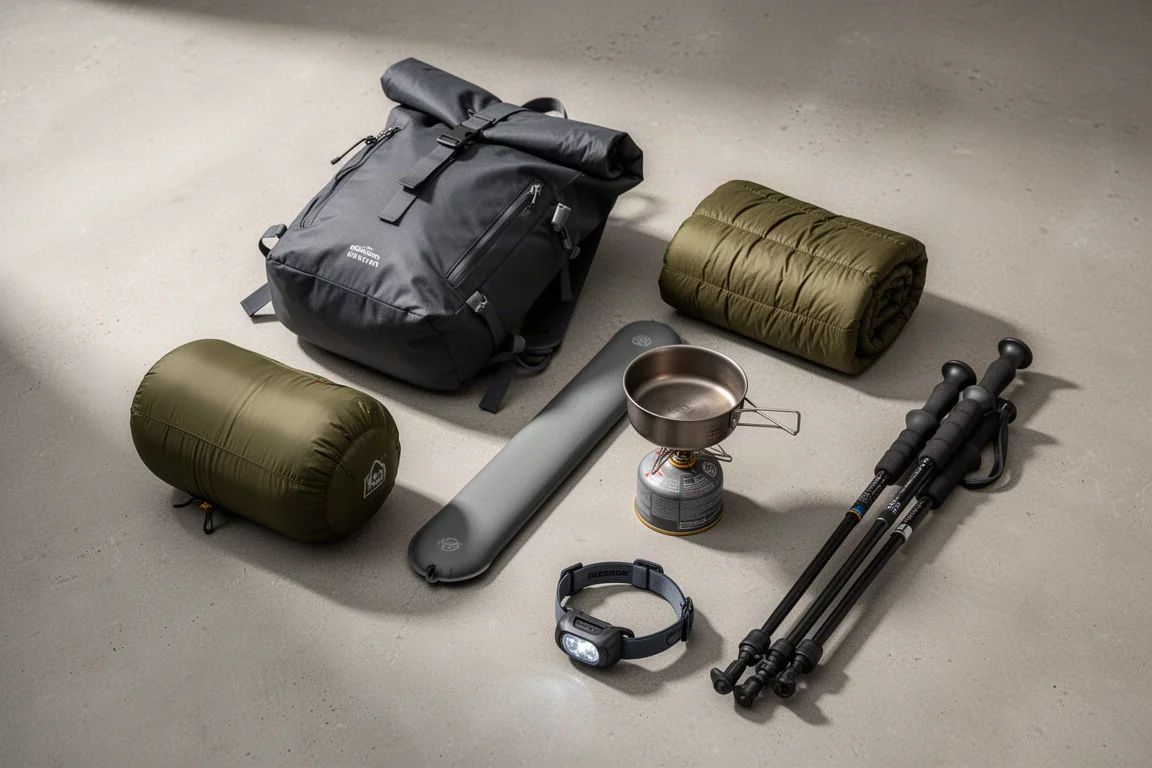
The route was off-trail, and that single fact shaped most of the packing decisions. Shelter anchoring had to work on rock as well as sand, so extra cordage came along for wrapping stakes and weighting them with rocks. A thin closed-cell foam pad doubled as a camp seat and as extra insulation under the sleeping pad, which turned out to matter after a river crossing left feet soaked and the ground cold. The cook kit was kept small enough that a 100 g canister fit inside the pot.
The rest of the loadout followed the same principle of one clear job per item: a water filter paired with a soft reservoir for treating water on the move, a compact headlamp, a satellite communicator for an area without cell coverage, two 10,000 mAh battery banks for charging a camera and phone, a lightweight backpacking chair for camp, an 8 L roll-top food bag, an insulated food rehydration pouch, and a small pot with a canister stove. Clothing covered a sun hoodie, hiking pants, thermal bottoms, and two pairs of socks.
The only clear surplus was leftover food, which added weight and volume across three days that did not need to be carried. Everything else in the pack had a purpose and got used.
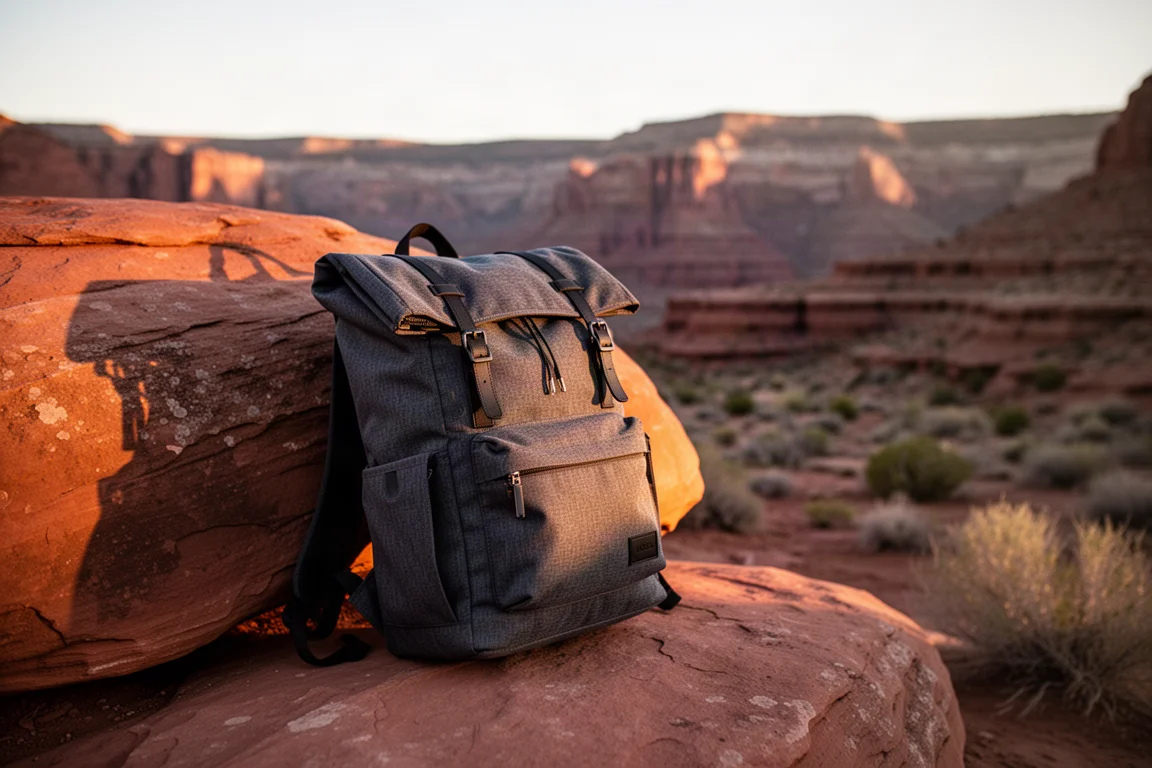
Hyperlite Mountain Gear Waypoint 35
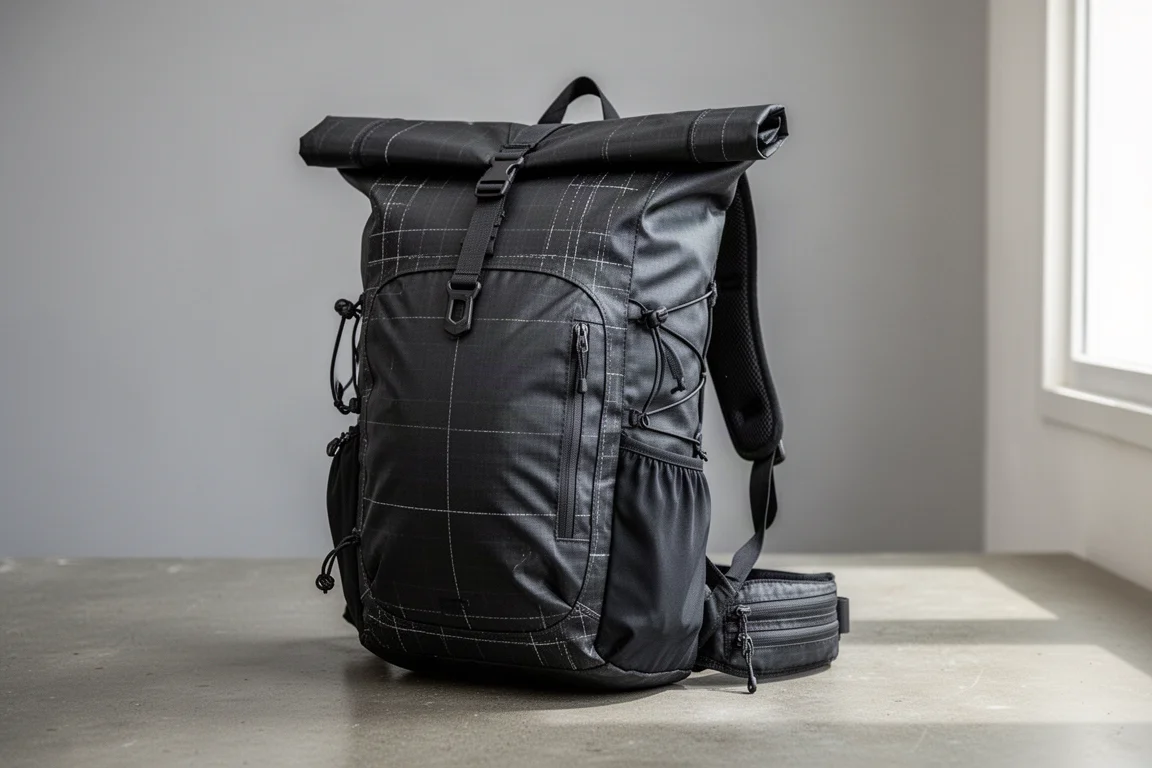
The Waypoint 35 carried the entire load and handled 24 pounds without complaint. The design is deliberately minimal: a roll-top main compartment, two side pockets that each held a one-liter water bottle, and a front pocket for items needed constantly, such as a water filter, a soft reservoir, and a first aid kit. Shoulder strap pockets kept a satellite communicator, sunglasses, and a battery bank within reach, while the hip belt pockets took snacks, lip balm, and a phone.
What stands out across a full trip is how the pack carries. A 24 pound load sits close to the back, and the pack still compresses neatly once the day’s food is gone. For a three-day trip with a modest kit, the 35 liter capacity is well matched, and the minimal layout rewards hikers who already know what they want to reach for.
Tarptent Rainbow Lithium
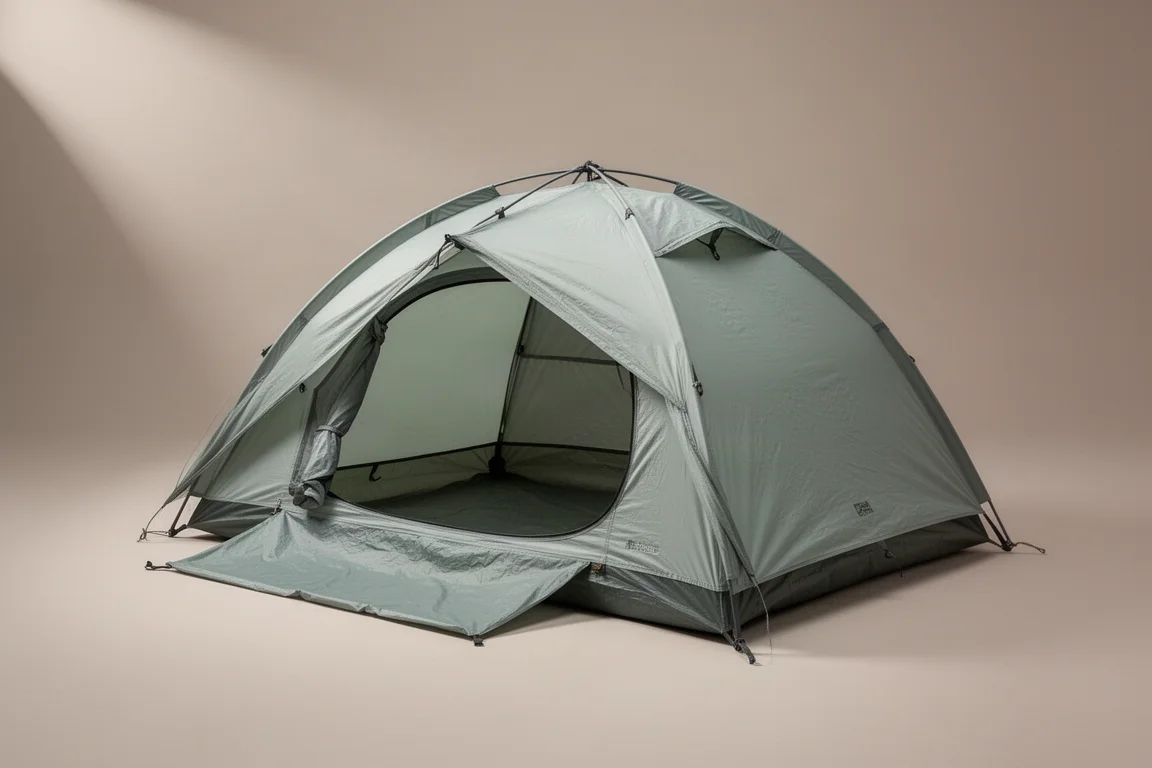
The Rainbow Lithium is a one-person, single-wall shelter with a semi-freestanding design. The original plan assumed slickrock campsites, so a carbon fiber telescoping pole came along to make at least one end fully freestanding. In practice, the terrain offered plenty of heavy rock, and the shelter went up with dead-man anchors instead: extra cordage at every stakeout point, a clove hitch around each stake, and a rock placed on top to hold tension.
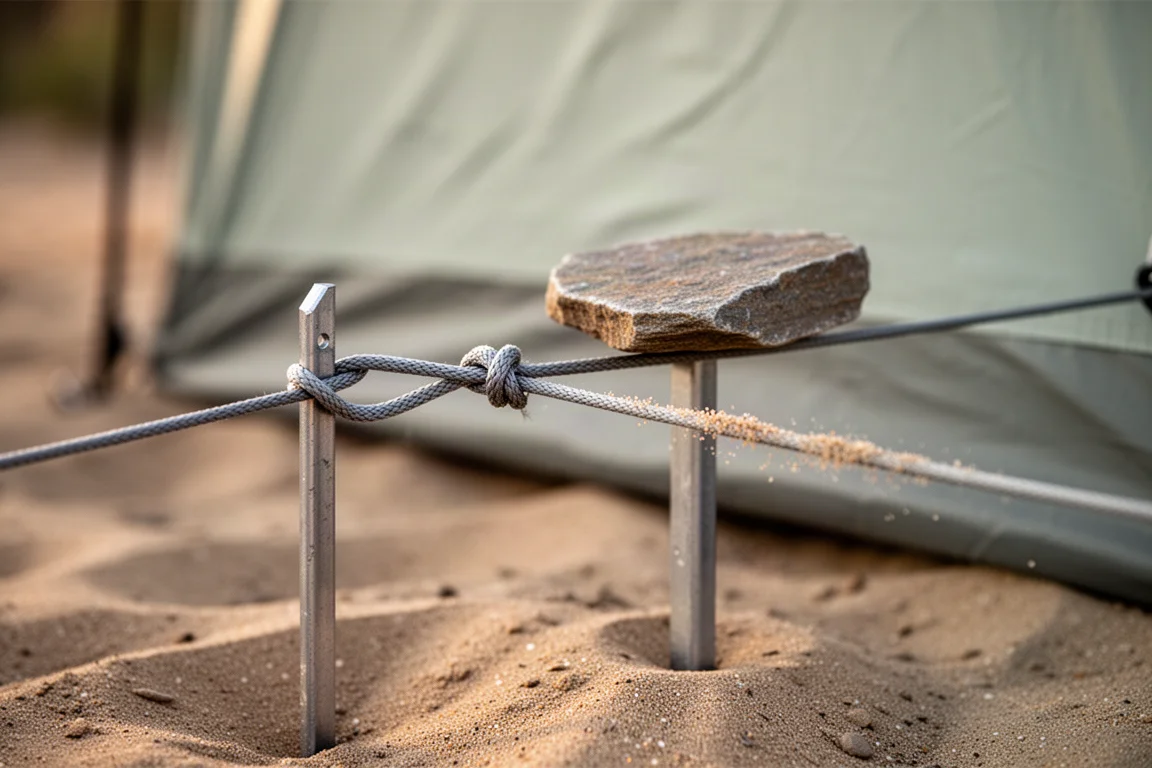
That flexibility is the real argument for this shelter. A semi-freestanding design paired with cordage covers rocky ground, sand, and everything between, and the packed size is small enough to disappear into a 35 liter pack. The extra pole becomes optional weight whenever good natural anchors are available, which is worth knowing before you decide what to bring.
ZenBivy Flex Air Sleeping Pad
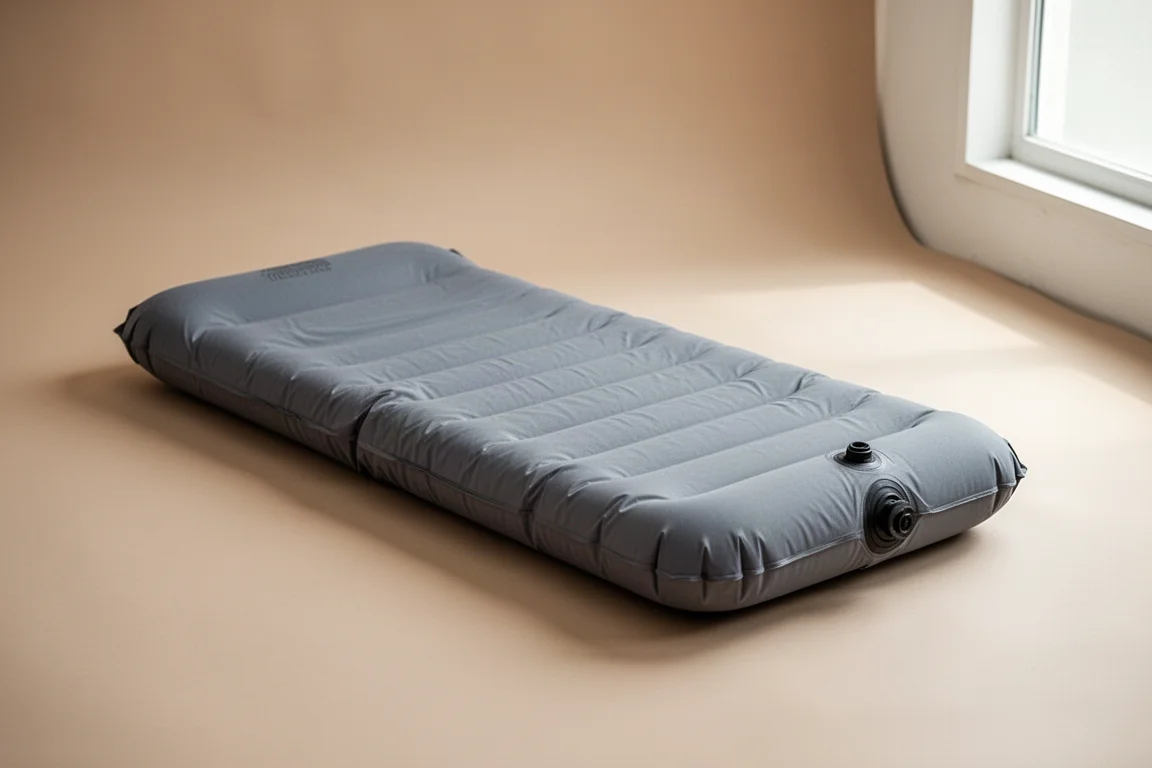
The Flex Air shares its basic construction with the brand’s Ultralight pad, with one meaningful difference: a stretchy top surface. That adds a few ounces, and in this case the trade is worth it. The 25 by 72 inch size was comfortable enough to change how the whole sleep system felt, and the pad has never allowed a cold night, including on snow with a closed-cell foam pad underneath. The R-value sits around 5.
Comfort is the reason to consider it, and price is the reason to think it over. At about $220, this is a serious purchase for a sleeping pad. The return is better sleep on every trip, which for many backpackers is the single most valuable thing a loadout can deliver.
Katabatic Sawatch 15 Quilt
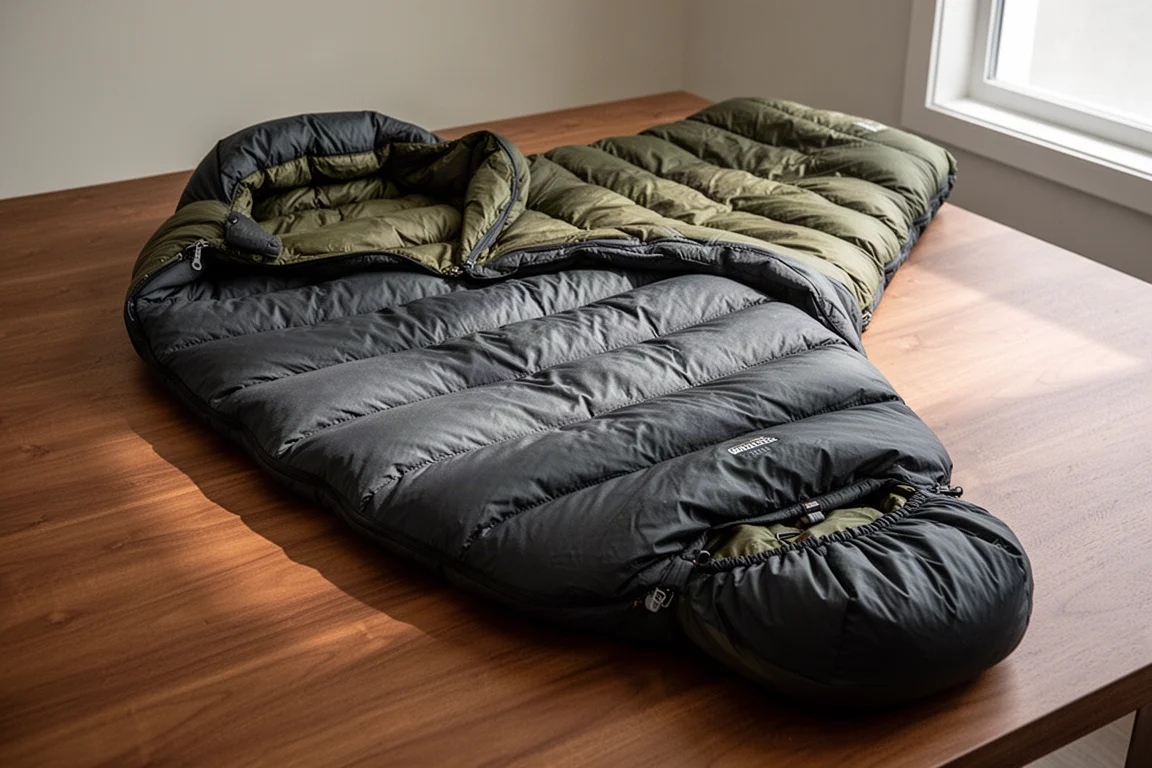
The Sawatch 15 is a seriously warm quilt, and on this trip it was too warm. With a 36°F overnight low and a layered sleep setup, the 15°F rating pushed past comfortable and into borderline hot. Construction, comfort, and draft control are all excellent, and the quilt packs down narrow enough to settle into the bottom of a small pack without fighting for space.
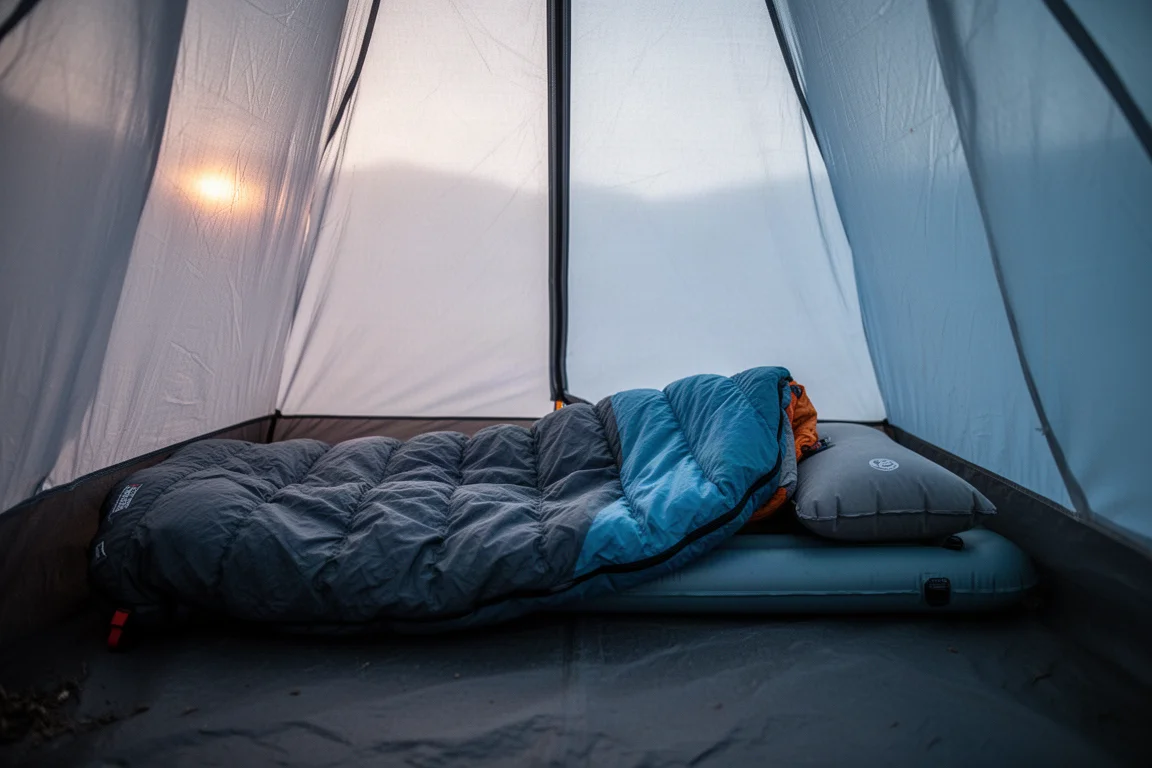
The practical takeaway here is about rating selection rather than quality. For three-season backpacking, the 22°F option in the same series is the more flexible choice, while a 15°F quilt makes more sense for late fall through early spring trips. Buying more warmth than a route requires adds weight and reduces how often the quilt actually gets used.
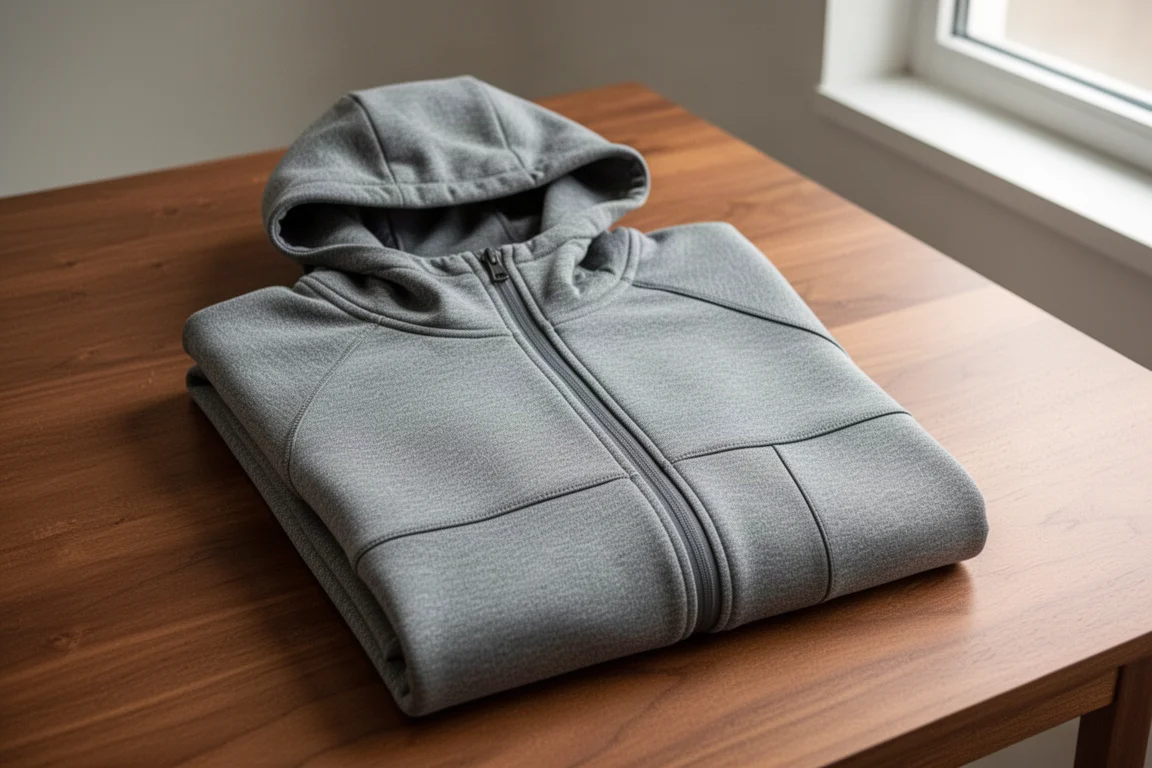
Outdoor Vitals Pursuit Hybrid Hoodie
The Pursuit Hybrid Hoodie served as the mid layer for the trip, and it is the kind of piece that works across a wide range of conditions. It is warm enough to wear in camp on a cool evening, breathable enough to hike in without overheating, and it packs down small. The detailing is thorough, and the production version reflects more than a year of refinement.
The honest caveat is price. This is a more expensive layer than many alternatives, and the value depends on how much you will use a hybrid mid layer. For hikers who wear a single layer for both moving and resting, the cost is easier to justify.
Danner Trail 2650 Mid GTX
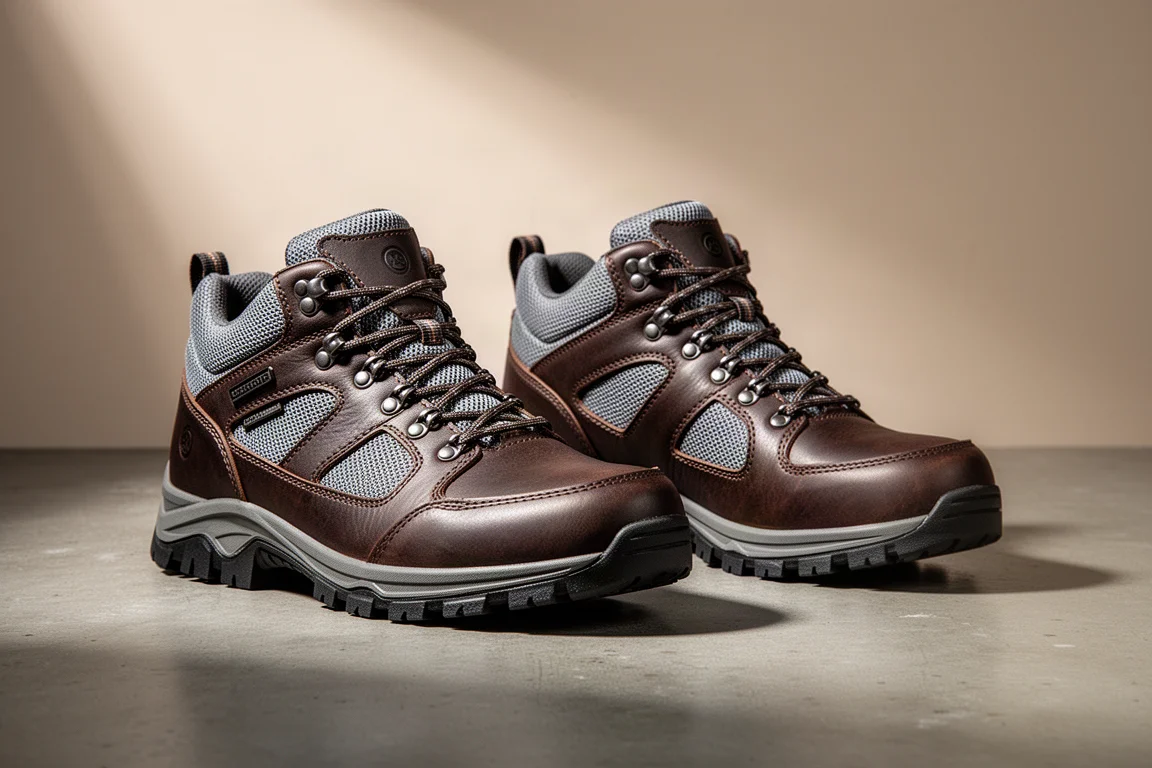
The Trail 2650 Mid GTX is a waterproof, Gore-Tex lined hiking boot, chosen here for warmth in case temperatures dropped inside the canyons. Then the route crossed a river with sections up to knee depth, and everything changed. Waterproof boots hold water in as effectively as they keep it out, so the boots stayed wet long after the crossing, and camp arrived around 5 p.m. with the sun already down.
The boots themselves are excellent, and the lesson is about matching footwear to terrain. On a route with unavoidable water crossings, the mesh version of the same boot would have dried far faster and been the better call. Waterproofing is a benefit on wet, cold trails and a liability on routes where your feet will get soaked regardless.
Buying Advice
Building a loadout for a three-day trip is mostly about matching each item to the conditions you actually expect. On this trip, mild weather made the sleep system and the footwear the easiest places to overshoot: a 15°F quilt and a waterproof boot were both chosen for colder, wetter conditions than the route delivered.
A few habits keep a pack honest. Weigh the full load before you leave, including food and water, and treat anything that goes unused as a candidate for the next trip’s leave-at-home list. Choose shelter anchoring based on terrain rather than habit. Choose quilt ratings based on the coldest night you expect, not the coldest night possible. And choose footwear based on whether your feet will get wet, because waterproofing is a decision with real consequences once water finds its way in.
Conclusion
Six pieces carried this trip: a 35 liter pack, a semi-freestanding one-person shelter, a stretchy-topped sleeping pad, a warm quilt, a hybrid mid layer, and a waterproof boot. Most of them performed exactly as intended. The quilt was warmer than the conditions required, and the waterproof boot was the wrong choice for a route with a river crossing. Both are easy fixes next time, and both are useful reminders that a good loadout is about matching gear to conditions rather than collecting the most capable version of everything.
Further reading
Related Reviews

Backpacking Gear
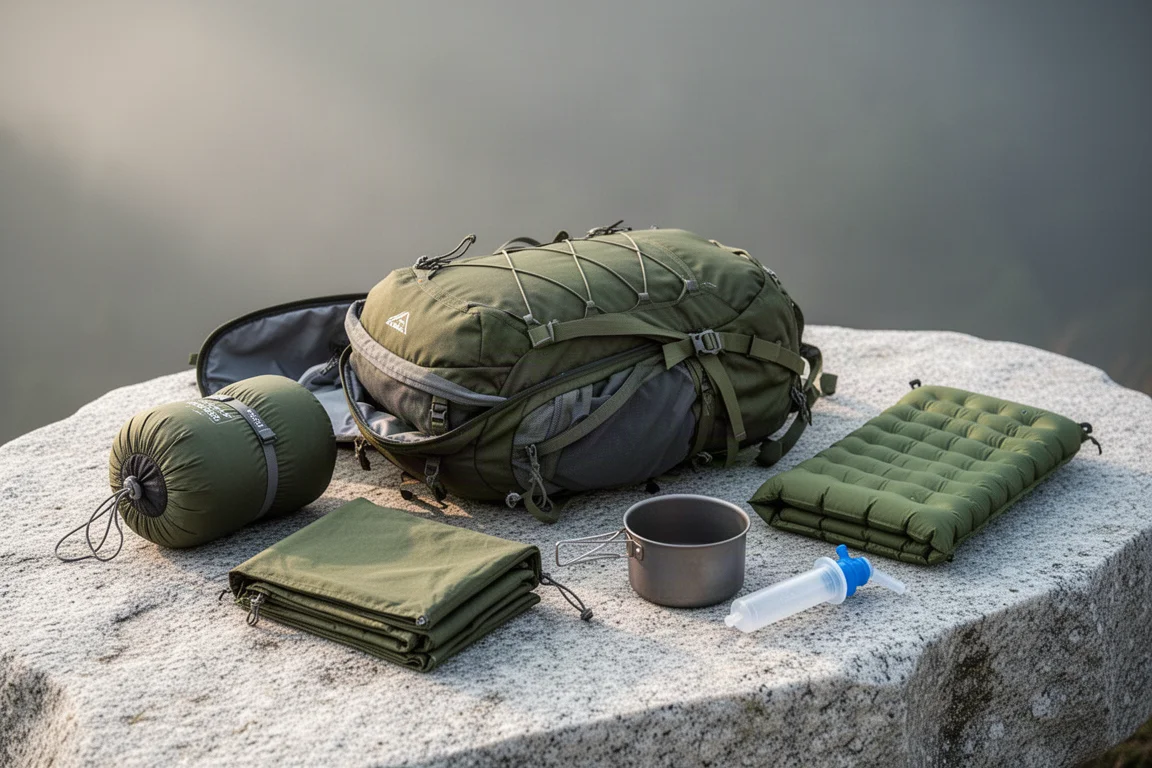
Building a 10 lb Base Weight: An Ultralight Backpacking Gear List
A practical walkthrough of the ultralight pieces behind a 10 lb base weight, from a 765 g pack and a roomy one-person tent to a full camp chair and a dependable water filter.
Backpacking Gear
A 15-Pound Lightweight Backpacking Gear List for Solo Trips
A beginner-friendly 15-pound backpacking setup built from easy-to-find gear, with notes on what each piece does, how it packs, and where to spend your attention.
Backpacking Gear
8 Ultralight Backpacking Gear Upgrades Worth Carrying
Eight small, affordable backpacking upgrades that solve real trail annoyances, from a pillow that stays put to a fuel valve that rescues leftover canister gas.