Cycling Components
Three Cycling Components to Think Twice About: Marathon Plus, Gatorskin and the 3T Ionic Seatpost
Two famously puncture-resistant tires and a ratcheted seatpost, examined for the strengths that made them popular and the trade-offs you should know before buying.
Introduction
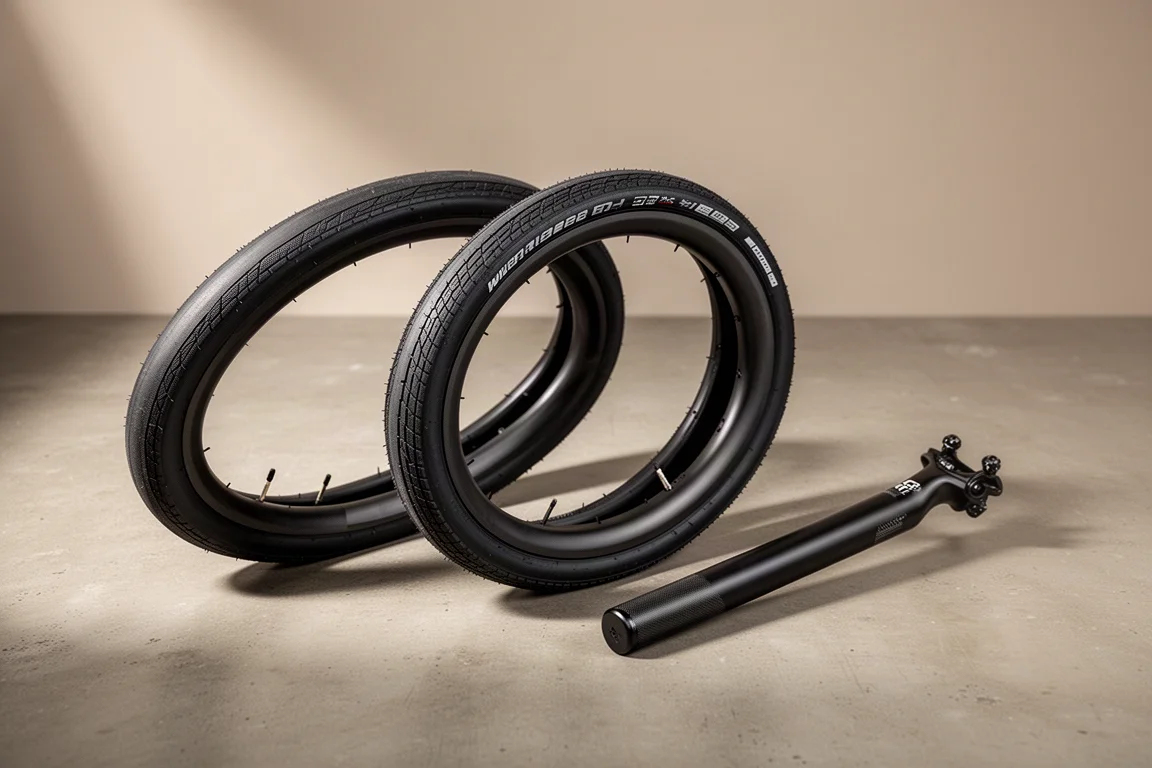
Not every popular component suits every rider. The three products below each have a clear reason for existing, and each one is genuinely good at something. They also each ask for a trade-off, and those trade-offs are worth understanding before you spend money. Two are among the most puncture-resistant tires you can fit to a commuting or training bike, and the third is a lightweight seatpost with an adjustment system that has frustrated mechanics for years.

What follows is a plain look at what each component does well, where it falls short, and who is most likely to be happy with it. None of these are bad products. They are simply products with a strong personality, and knowing that in advance is the difference between a purchase you enjoy and one you regret.
What These Three Components Have in Common
All three are widely used and widely recommended, and all three were designed around a single priority that pushed everything else to one side.
The tires chase puncture protection at the expense of ride quality. The seatpost chases a lightweight, low-profile clamp design at the expense of easy adjustment. In each case the core promise is real: the tires genuinely resist punctures, and the seatpost genuinely holds a saddle securely once it is set up.
The friction shows up later, when you have to live with the component. Mounting a tire at the roadside, levelling a saddle at home, or chasing a creak on a long ride are the moments where these designs reveal their cost.
Schwalbe Marathon Plus: Puncture Resistance Above All
The Marathon Plus is built for one job, and it does that job extremely well. Puncture resistance is outstanding, and grip is better than the tire’s reputation sometimes suggests. For anyone who commutes daily and cannot afford to be late, that combination is genuinely valuable.
The trade-off is comfort. The ride is harsh, and that harshness travels straight through the frame to the rider. If you value a compliant, cushioned feel from your tires, this is not the model to choose. It is a tire that prioritises surviving the road over smoothing it out.
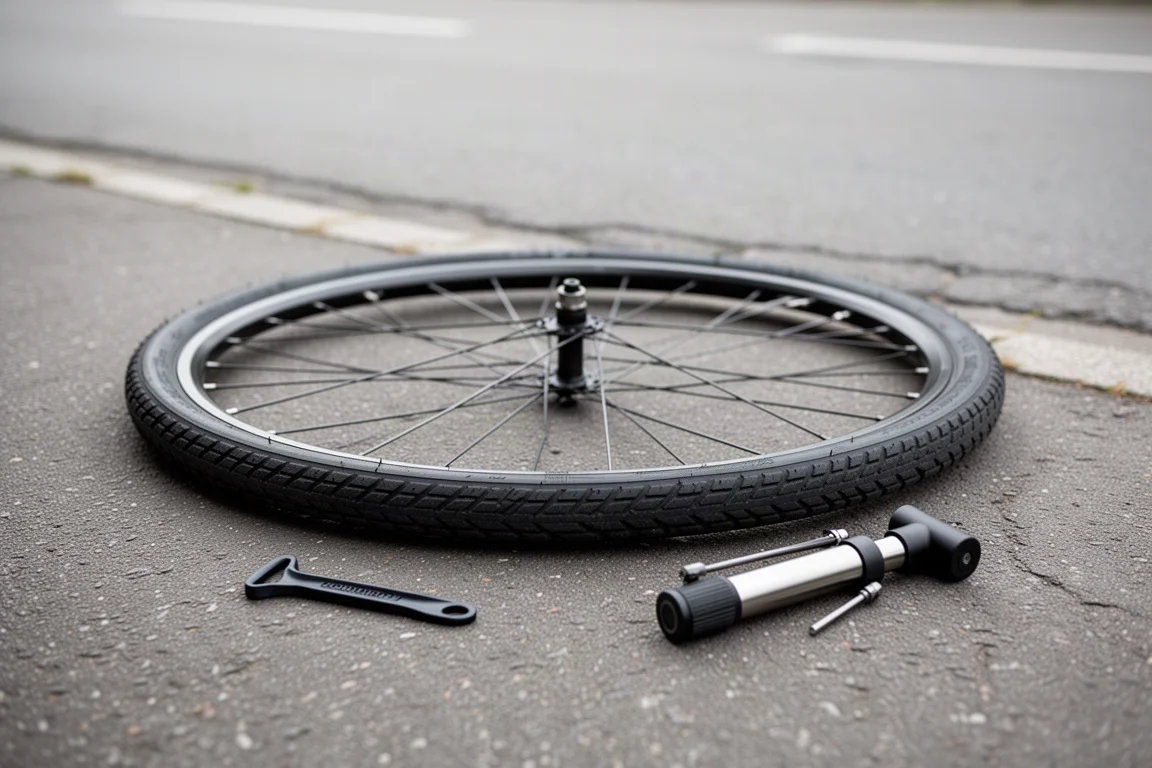
Fitting and removing these tires is also harder than average. The consolation is that you will rarely need to do it, because the casing and the protection layer hold up over a very long service life. Riders who would rather fix a puncture quickly at the roadside should weigh that up carefully.
Continental Gatorskin: A Tough Tire With a Firm Feel
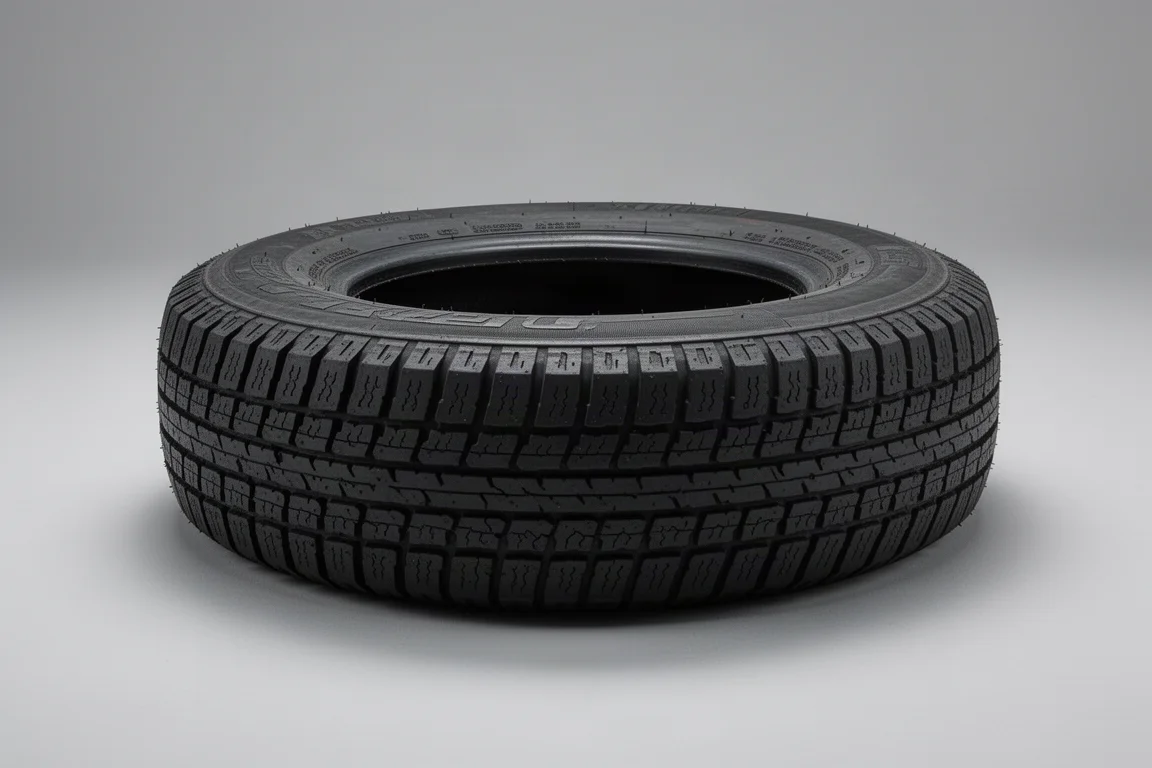
The Gatorskin earns its following the same way: it is very hard to puncture. For high-mileage riders on rough surfaces it removes a lot of the anxiety that comes with thinner, faster tires, and it keeps doing so over a long service life.
It shares the same drawback as the Marathon Plus. The ride is firm and unforgiving, and the casing is tight enough that fitting and removal take more effort than most tires. Riders who have moved to a tubeless setup would rather let sealant deal with punctures than accept the harsher feel.
3T Ionic Seatpost: Two Ratchets and a Lot of Patience
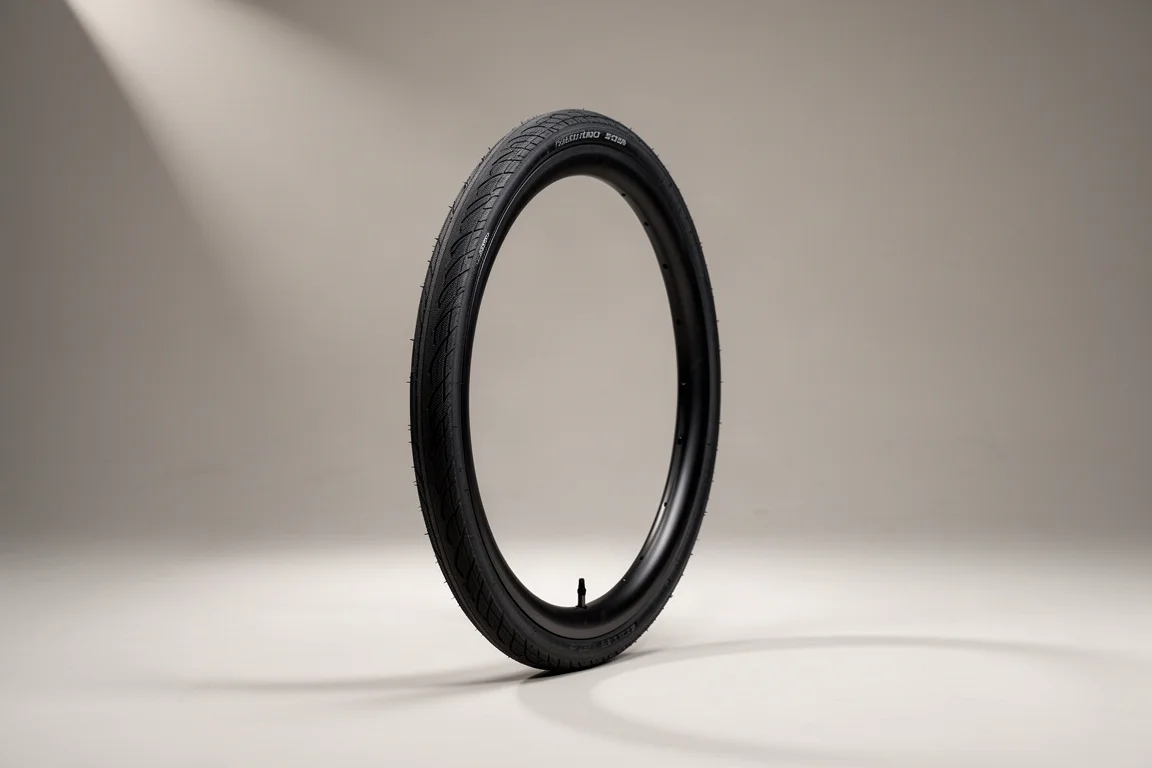
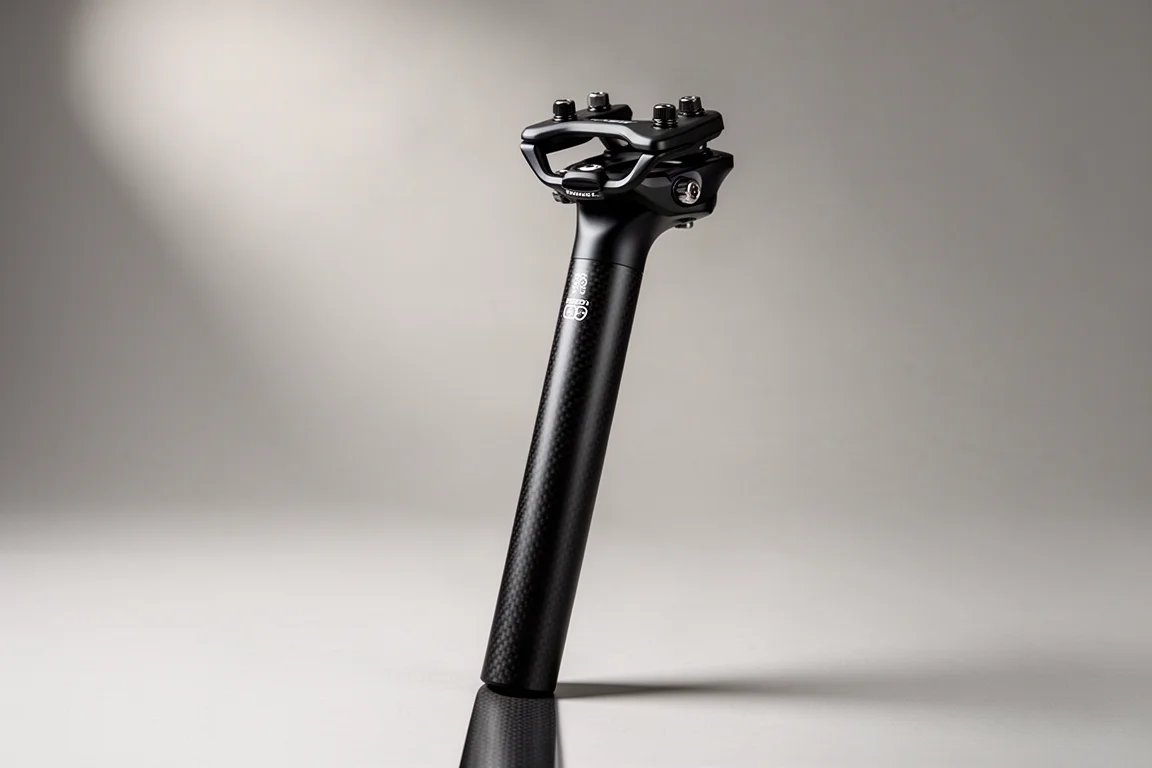
The Ionic uses a clamping system built around two small ratchets that set the saddle angle. In theory this allows fine adjustment. In practice the mechanism is counterintuitive, and levelling a saddle becomes a slow job that can take far longer than it should.
Moving the angle up or down is not a matter of taking one ratchet out and refitting it. You have to take one back a step and push the other forward, or the reverse, and the correct combination is not obvious. If the two ratchets get mixed up during the process, you start again from the beginning.
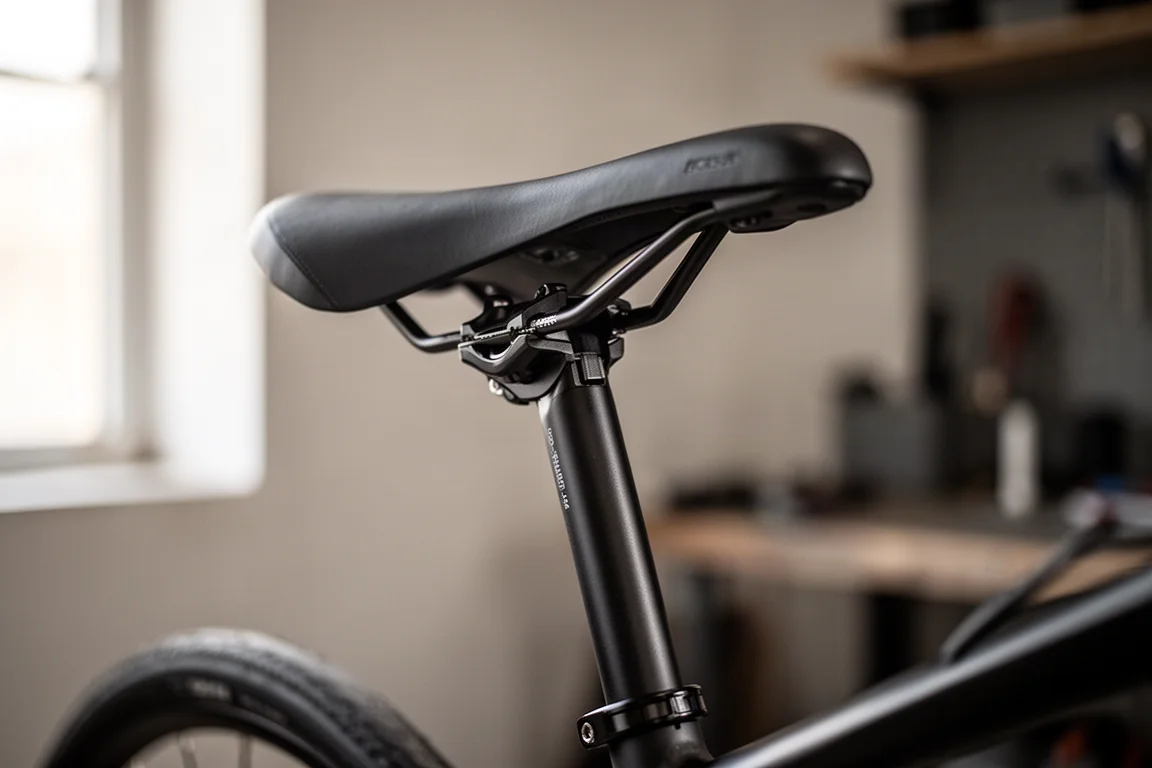
There is a second issue once the saddle is level. The post creaks if the interface is not greased, and greasing it means removing the ratchets and rebuilding the assembly in exactly the right orientation. A traditional two-bolt seatpost avoids all of this and simply works, which is why that design remains the default on most bikes.
Alternatives Worth Knowing About
If the appeal of a puncture-resistant tire is mostly about avoiding roadside repairs, a tubeless setup is worth considering. Sealant closes many punctures as you ride, which removes the need to fit a spare tube for every small cut in the tread. That approach suits riders who are comfortable with the setup work it involves.
If the appeal of a lightweight seatpost is simply the low weight, a conventional two-bolt design gets you most of the way there with far less fuss. It is a well-established layout, it is quick to adjust, and it does not depend on a specific sequence of steps to get right.
Overall Buying Advice
The right choice here depends entirely on which problem you are trying to solve.
If punctures are your main concern and you ride the same route every day, a highly protected tire such as the Marathon Plus or the Gatorskin makes a lot of sense. Accept the firmer ride as the price of not stopping, and budget for a little extra effort when the tire eventually needs replacing.
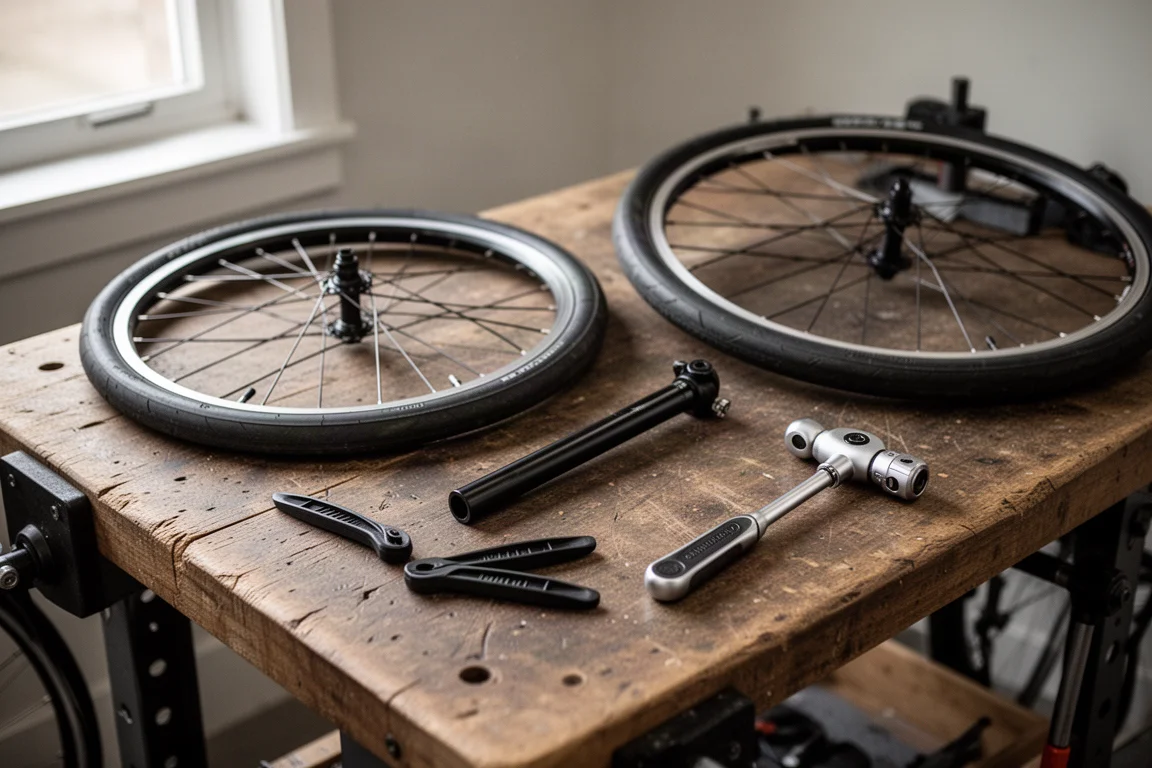
If comfort matters as much as reliability, look at ride quality first and treat puncture protection as one factor among several rather than the only one. A tire that feels good under you is one you will actually enjoy riding, and that matters over thousands of kilometres.
For the seatpost, be honest about how often you touch your saddle angle. A post with a fiddly adjustment system is a poor match for anyone who experiments with position, and a fine match for someone who sets it once and leaves it alone. If you already own one, keep the interface greased and take your time on reassembly.
Conclusion
None of these three components is a bad purchase. The Marathon Plus and the Gatorskin are among the most puncture-resistant tires you can fit, and both reward riders who value that above all else. The 3T Ionic holds a saddle securely once it is set, provided you are patient with the ratchets and diligent about grease. Buy any of them with your eyes open about the trade-off, and you will get exactly what you paid for.
Further reading
Related Reviews
Cycling Components
A 20,000-Mile Budget Race Bike Build: Five Parts Worth Knowing
A rim brake race bike assembled from low-cost components and ridden for 20,000 miles. Here is what delivered real speed, what caused problems, and what to weigh before copying the formula.
Cycling Components
7 Bike Fit Products Fitters Avoid: What to Check Before You Buy
Seven bike components that regularly cause knee, foot and saddle problems, with the specific concerns behind each one and what to look for instead.
Cycling Components
Four Affordable Bike Upgrades That Improve Ride Feel
Four low-cost cycling products that make a real difference to ride feel, plus the free setup changes worth trying first.