Hi-Fi Audio
Three Cost-No-Object Hi-Fi Systems: Minimalist, Traditional, and Throwback Builds
Three complete high-end two-channel systems, from a one-box minimalist build to a solid-state McIntosh stack and a horn-loaded heritage setup.
Introduction
Building a cost-no-object two-channel system is a thought experiment worth taking seriously. The goal is not to spend the most money, but to assemble something that will not need upgrading later, apart from the occasional new source component as formats change. Timeless design matters just as much as sound, because pieces like these tend to stay in a living room for decades.
The three systems below take very different routes to that destination. One is deliberately minimalist, one follows the traditional separates path, and one leans into the golden age of hi-fi. Approximate system totals are included for context, and they exclude cables, furniture, taxes and similar extras.
What Defines a Cost-No-Object System
A cost-no-object system does not have to be complicated. The three builds here share a single aim: a two-channel setup that can be lived with for years without the itch to upgrade. What separates them is how much equipment sits in the room, how much maintenance is involved, and how far down the frequency range each speaker can reach on its own.
A few practical criteria are worth weighing before choosing a direction. Simplicity is the first: an all-in-one integrated amplifier keeps the rack small, while a separates stack offers more flexibility and more boxes. Longevity is the second: tube designs wear out and need replacing, and they are not always easy to live with or maintain if certain tubes become unavailable, which is why one of these builds goes solid state throughout. Low-frequency capability is the third: a speaker that reaches the mid-20 Hz region can usually skip a subwoofer, while one that stops near 40 Hz will need help. Aesthetics round out the list, since these are pieces meant to be looked at every day.
Integration is the final consideration. A well-matched system is more than a list of good components: the amplifier needs enough current delivery for the speakers, the source chain has to fit the inputs available, and any subwoofer should blend with the main speakers rather than sit alongside them.
System 1: The Minimalist Dream Build
Cost-no-object does not have to mean staring at a rack of gear and a half mile of cables. This build keeps the equipment count low: one integrated amplifier, one pair of floorstanding speakers and one turntable, with an optional pair of powered speakers for whole-home audio. As specified, the total comes in at just under $81,000 US, including a pair of Devialet Phantom powered speakers and excluding cables, furniture and taxes.
Devialet Astra: The All-In-One Centerpiece
The Astra is an all-inclusive integrated amplifier built around a class D power stage, with no asterisk or fine print attached to its power rating or capability. Its character is easygoing and full-bodied while remaining dynamic and agile, and its ability to extract the very best low end from any speaker connected to it is genuinely noteworthy.
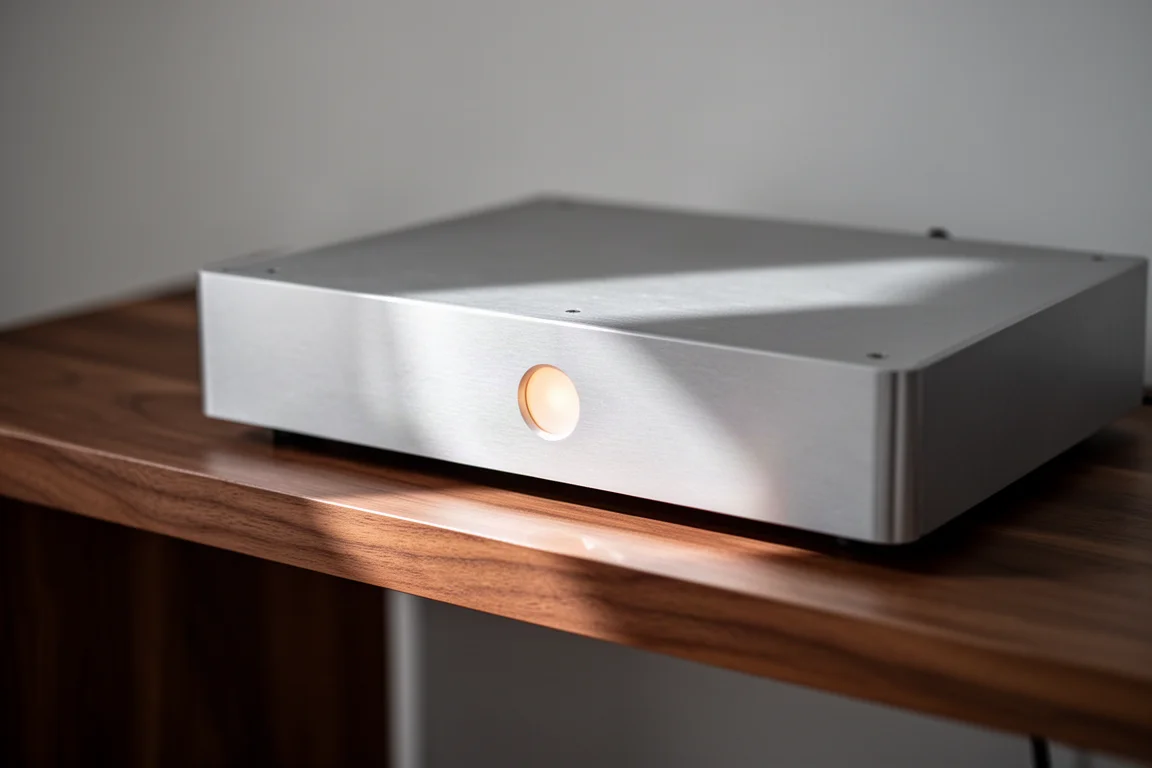
Around that core, the Astra adds an excellent configurable phono stage, a built-in DAC with enough spare inputs to accommodate multiple sources without becoming cluttered, and built-in music streaming with app control that rivals the best in the business. For listeners who are happy with streaming alone, it is a just-add-speakers system and nothing more is required. Adding a pair of Devialet Phantom powered speakers extends the same ecosystem into other rooms.
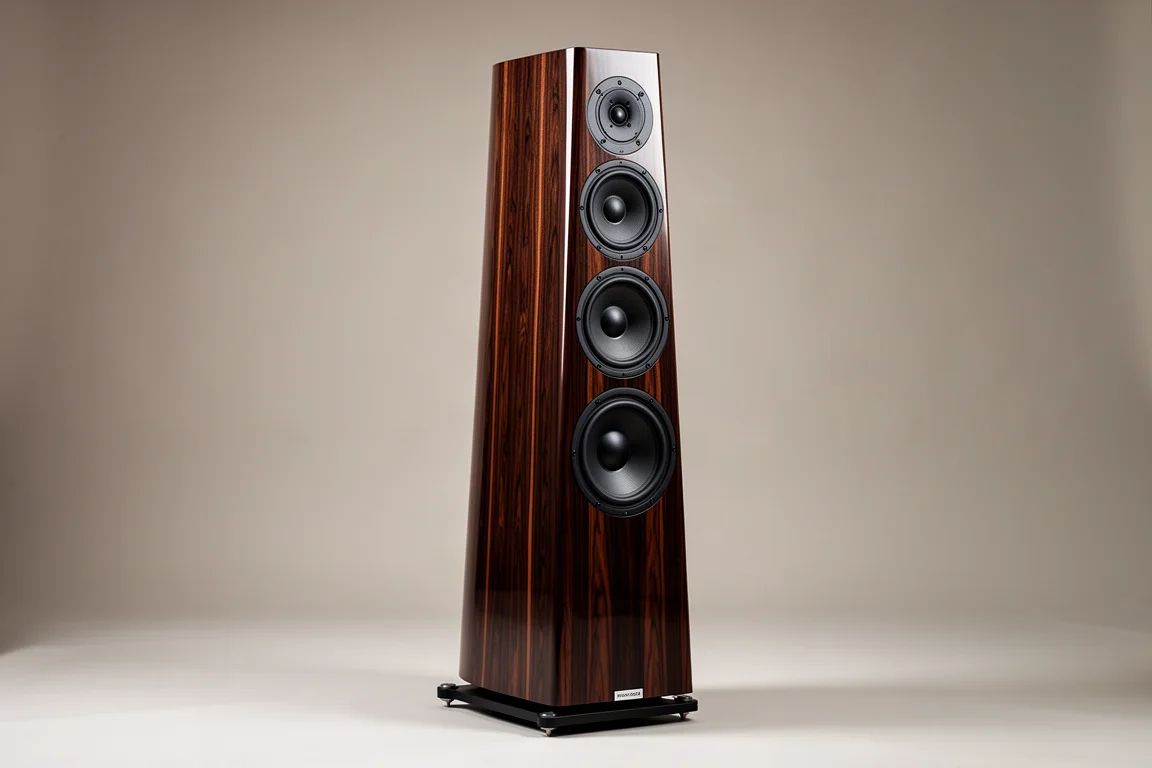
Focal Utopia III Evo: Full-Range Without a Subwoofer
A pair of Focal Diablo Utopia Color Evo bookshelf speakers would be a tempting choice here, but plenty of listeners still believe a small speaker can never deliver enough bass. The Utopia III Evo settles the argument. Its 11-inch woofer plays down to the mid-20 Hz region, so for most listeners and most genres a subwoofer can be skipped entirely, which keeps the system simple. It retains the iconic Utopia shape and looks, and at just over 4 feet (125 cm) tall it is manageable enough to suit rooms of many sizes without giving away too much performance.
Linn Selekt LP12: The Analog Source
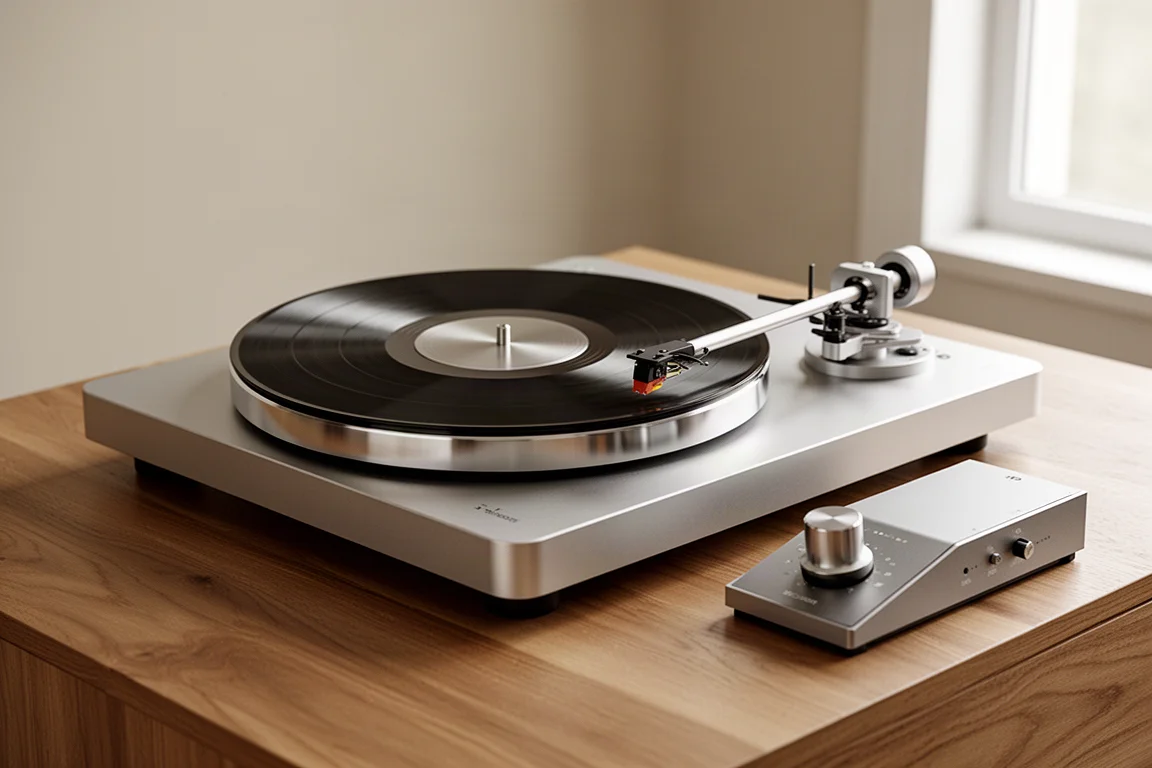
The analog side of this build comes from Linn, and the Selekt LP12 is the deliberate pick over the flagship Klimax LP12. The reasoning is aesthetics and ease of use. The look, feel and finish of the Selekt are perfect for a minimalist setup, and only a very small percentage of listeners are likely to hear and appreciate what the Klimax adds. For everyone else, the Selekt is more than enough.
System 2: The Traditional McIntosh Build
For listeners who want something more traditional but still chic, this build leans on McIntosh electronics from top to bottom. You do not get to 76 years in business by doing things the wrong way, and the familiar black and blue retro look settles comfortably into ultra-modern, contemporary and classic traditional interiors alike.
This system goes solid state throughout, and the reason is practical rather than ideological. Tubes are traditional and appealing, but they wear out, need replacing, and are not always the easiest to live with or maintain if certain tubes become unavailable. The chain starts with the C-55 preamplifier and the MC312 stereo amplifier, and because the C-55 has no built-in streamer, a compact streamer joins the system. The Cambridge Audio MXN10 is the choice here for its user experience and overall design, connected to the C-55’s DAC by optical or coaxial cable, while a Naim NSS 333 would be overkill given how capable that DAC already is. A McIntosh MT5 turntable keeps the source chain in the family. As specified with the Wilson Audio speakers, the total lands at $67,500; swapping in the Bowers & Wilkins 800 Signature raises it to roughly $88,000.
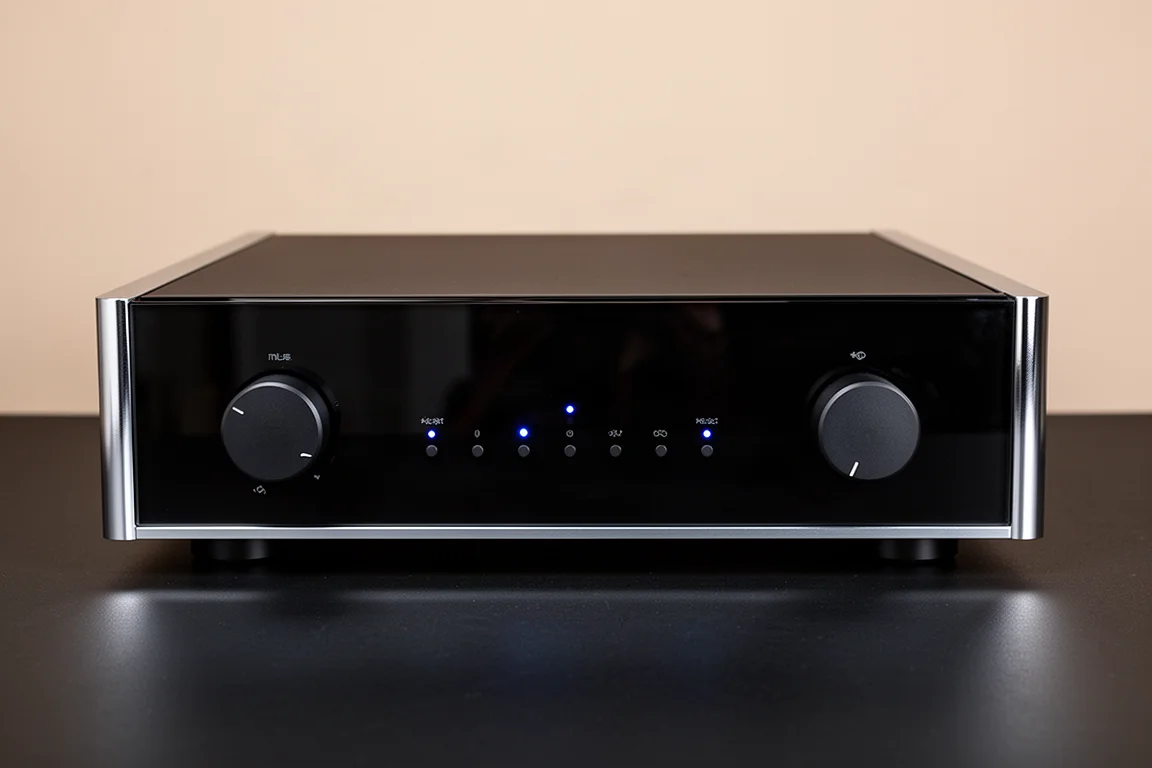
McIntosh C-55 Preamplifier
The C-55 is an exceptional solid-state stereo preamplifier. It offers all the inputs a modern system needs, including HDMI, a terrific built-in DAC and a configurable phono preamp that ranks among the best available. Just as importantly, it brings the control, flexibility and future-proofing that a long-term system deserves.
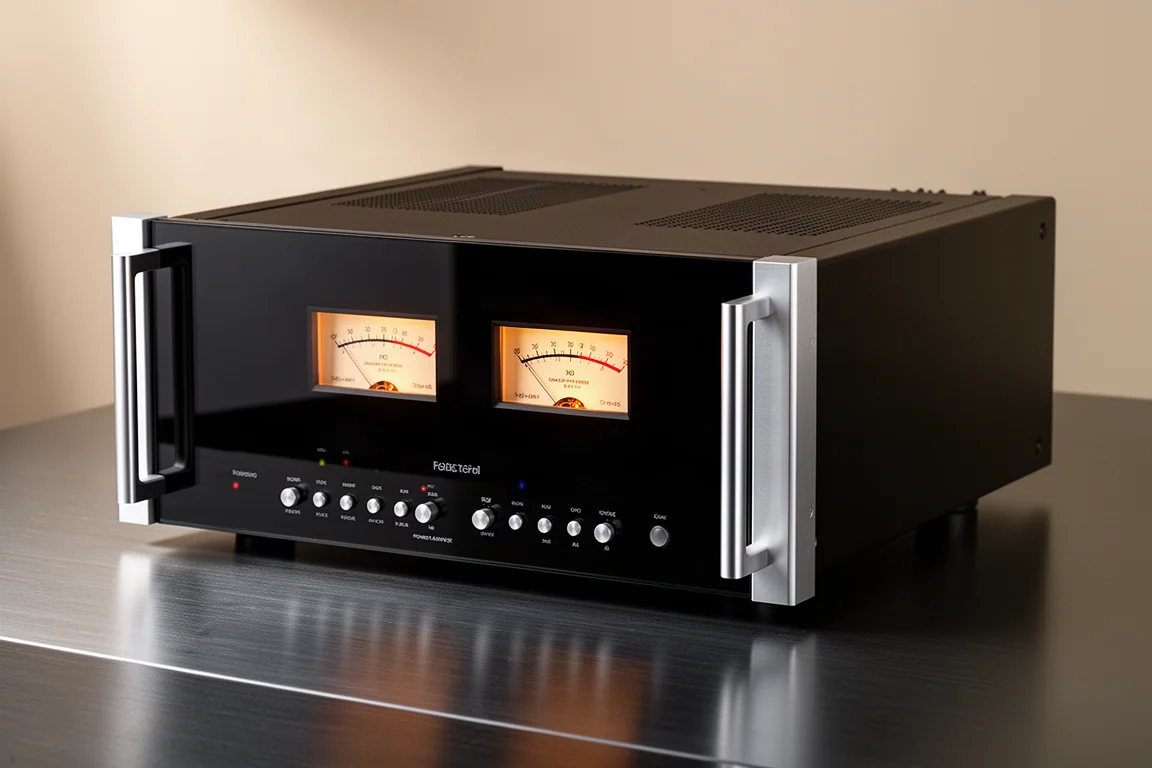
McIntosh MC312 Stereo Amplifier
Power comes from the MC312, a solid-state stereo amplifier rated at 300 watts into all impedances. That figure may sound pedestrian next to the MC462 or a pair of MC1.25KW mono amplifiers, but it has proven more than enough to drive even the most demanding speakers.
The MC312 is also the more restrained design in the range, trading bulging rack handles for slim chrome accents that sit well with the tailored look of the C-55. There is nothing negative to say about it, and it has long been considered a reference amplifier regardless of price. Among cost-no-object stereo amplifiers, it can even be called a bargain.
Wilson Audio Watt/Puppy: The Reference Speaker
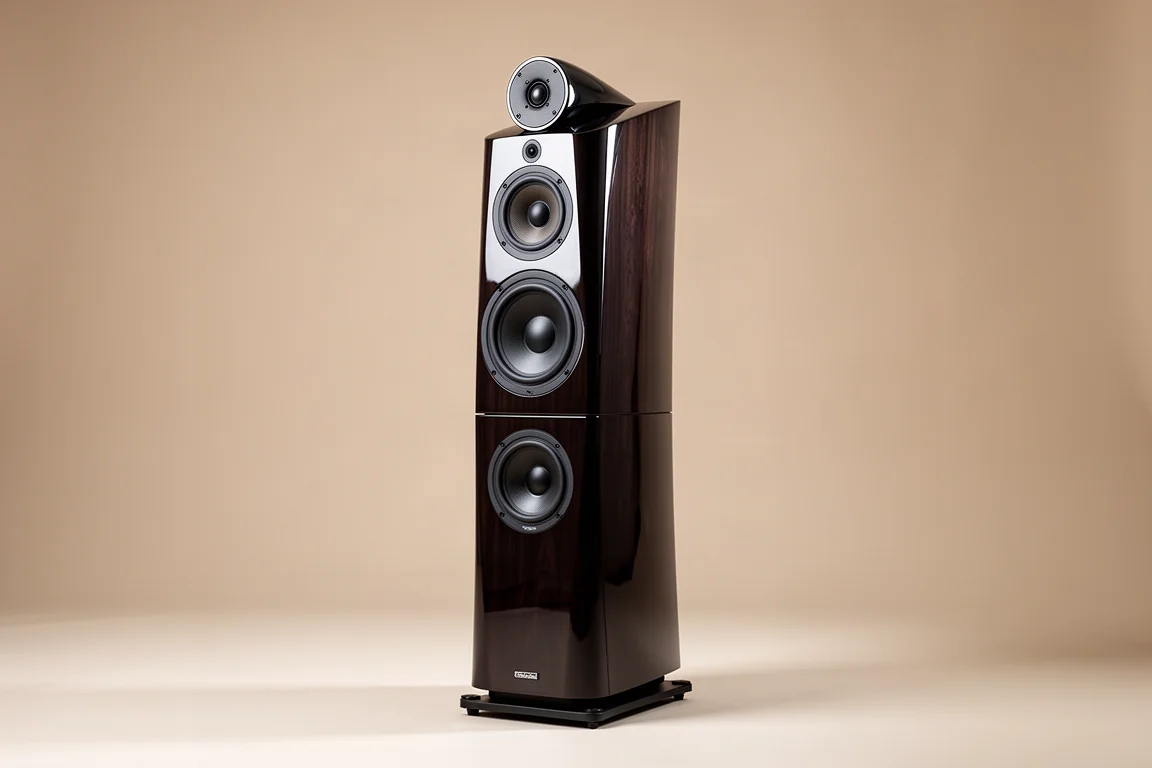
Both the Wilson Audio Watt/Puppy and the Bowers & Wilkins 800 Signature would make even the most critical listener happy, and both pair very well with McIntosh electronics. The Watt/Puppy takes a slight win here on overall sound, and it is also the less expensive of the two while offering far more finish options. It is a reference investment speaker that has stood the test of time and can be passed down like a good watch or a vintage automobile. No subwoofer is required, although Wilson Audio will happily build a matching one for anyone who wants it.
System 3: The Throwback Horn Build
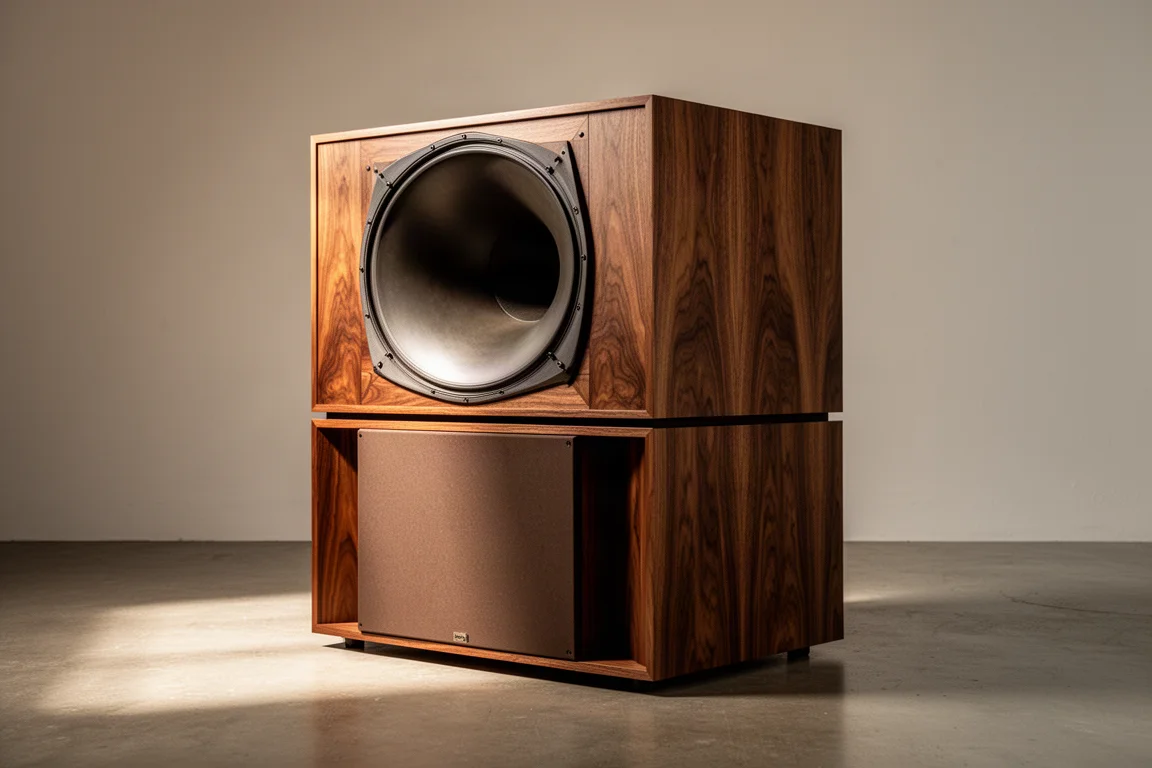
This last build is for listeners who pine for the golden age of hi-fi, and it is organised around a pair of Klipsch La Scala speakers. The newer AL6 model was delayed, so the older AL5 is the known quantity here. Sources are the Technics SL-G700 Mark II SACD/CD player and streamer and the iconic, trouble-free Technics SL-1200G Grand Class turntable, which together make a complete high-end solution. All in, the system comes to a little over $34,000.
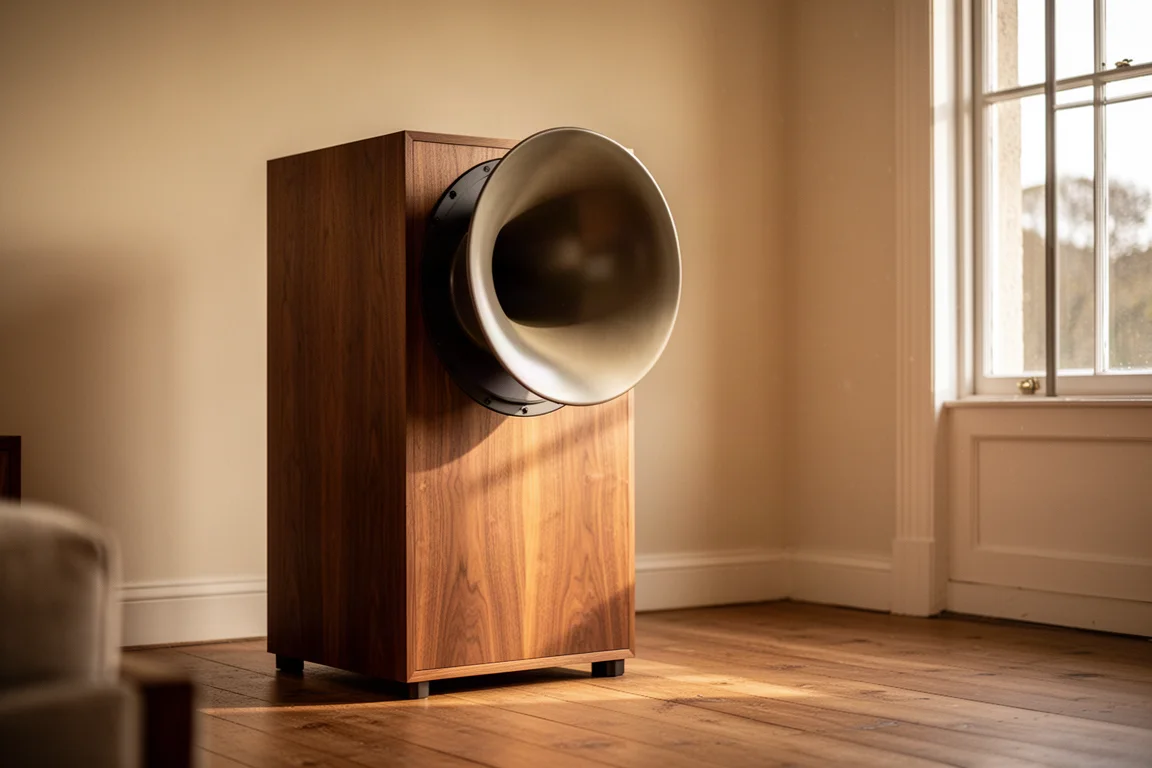
Klipsch La Scala AL5: The Horn-Loaded Statement
The La Scala is a special speaker. Whether it is the book-matched walnut finish or the old-school boxy design, it is a statement in more ways than one. It is not perfect, though. It plays down to around 40 Hz, which is fine for a small jazz ensemble but not enough for rock and roll or electronica, so it needs the help of a subwoofer or two.
KEF KC92: The Subwoofer That Fits the Room
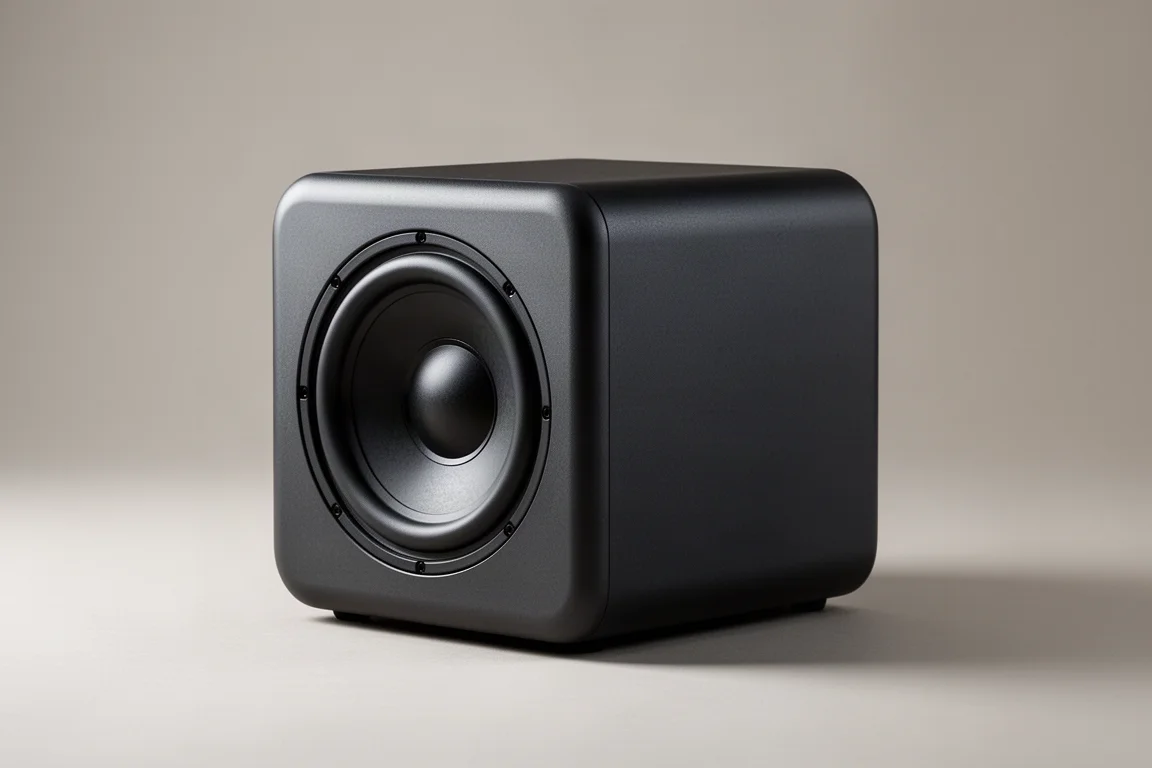
The obvious candidate for low-frequency support is the SVS SB17, which is one of the best subwoofers on the market. It is also huge, and it does not complement the La Scala’s aesthetics, so it is out. The KEF KC92 is far smaller, which makes it much easier to place and even hide without distracting from the more vintage look of the Klipsch speakers.
Technics SU-R1000: The Amplifier for Horns
The La Scalas do not need much to reach their full potential, especially once a subwoofer joins the mix. A flea-watt tube amplifier is a wonderful match in principle, but a lead time of more than three years makes the Decware Zen hard to recommend in practice. The Technics SU-R1000 is the alternative, and it powers the La Scalas brilliantly.
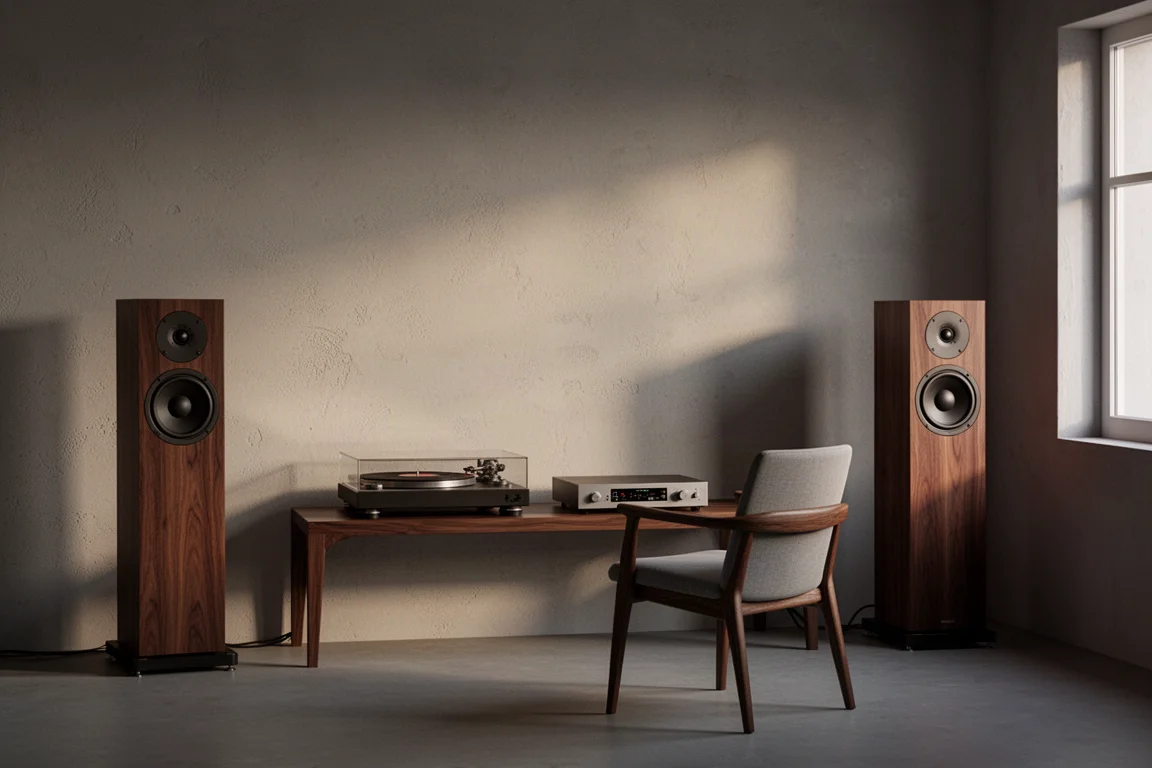
This amplifier is sublime: smooth, clean and colorless, so the La Scala’s true timbre comes through with no editorializing. It also has one of the best phono preamps out there and preamp outputs, which allow a miniDSP device to sit between the amplifier and the KEF sub to finesse the integration. Set up correctly, the result is an effortless, full-range, large-scale horn-loaded sound that can sound positively live.
Overall Buying Advice
Each of these three systems is an endgame proposition, and any one of them could be lived with happily for years. The right choice comes down to how you listen and how you want the room to look. The minimalist build suits anyone who wants maximum performance with minimum clutter and cabling. The McIntosh build suits listeners who enjoy a traditional separates stack and want the flexibility to change sources over time. The throwback build suits anyone drawn to the sound and presence of a large horn-loaded speaker and willing to integrate a subwoofer properly.
On cost, the throwback system is the most accessible of the three at a little over $34,000. The McIntosh build sits at $67,500 with the Wilson Audio speakers, rising to roughly $88,000 with the Bowers & Wilkins 800 Signature. The minimalist build is the most expensive on paper at just under $81,000, largely because it includes a pair of Devialet Phantom powered speakers for whole-home audio. All three totals exclude cables, furniture, taxes and similar extras. The most important filter is simple: the only person who has to like the sound of the system is the person who owns it.
Conclusion
Three philosophies, three very different rooms, and three systems that should not need replacing. If simplicity and a small footprint matter most, the Devialet Astra and Focal Utopia III Evo pairing is hard to argue with. If a traditional separates stack appeals, the McIntosh chain with the Wilson Audio Watt/Puppy delivers reference performance with a familiar face. If heritage design and horn-loaded dynamics are the draw, the Klipsch La Scala AL5 with the Technics SU-R1000 and a KEF KC92 subwoofer is the most characterful of the three. Choose the one that matches the room and the way you listen, and it will keep earning its place for years.
Further reading
Related Reviews
Hi-Fi Audio
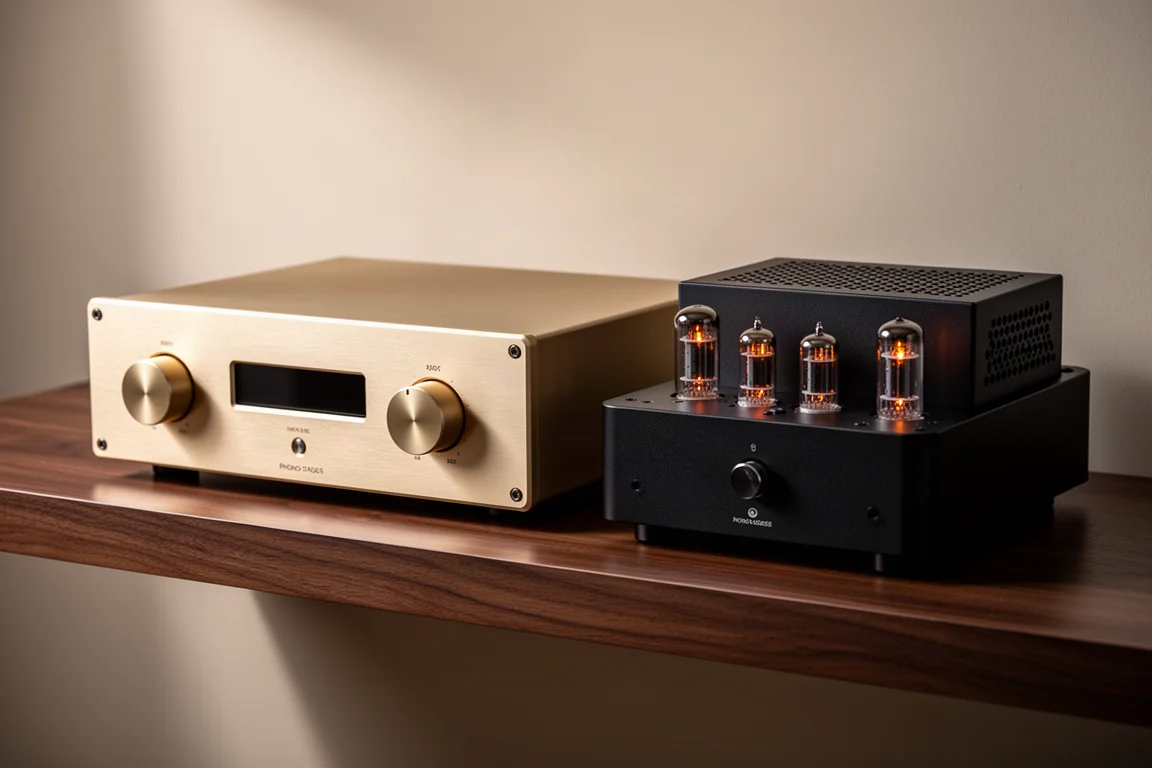
Accuphase C-57 vs Allnic H-7000V: Two High-End Phono Stages Compared
A fully balanced solid-state phono stage with a pitch-black noise floor meets a tube design built for well-loved records. Here is how to choose between them.
Hi-Fi Audio
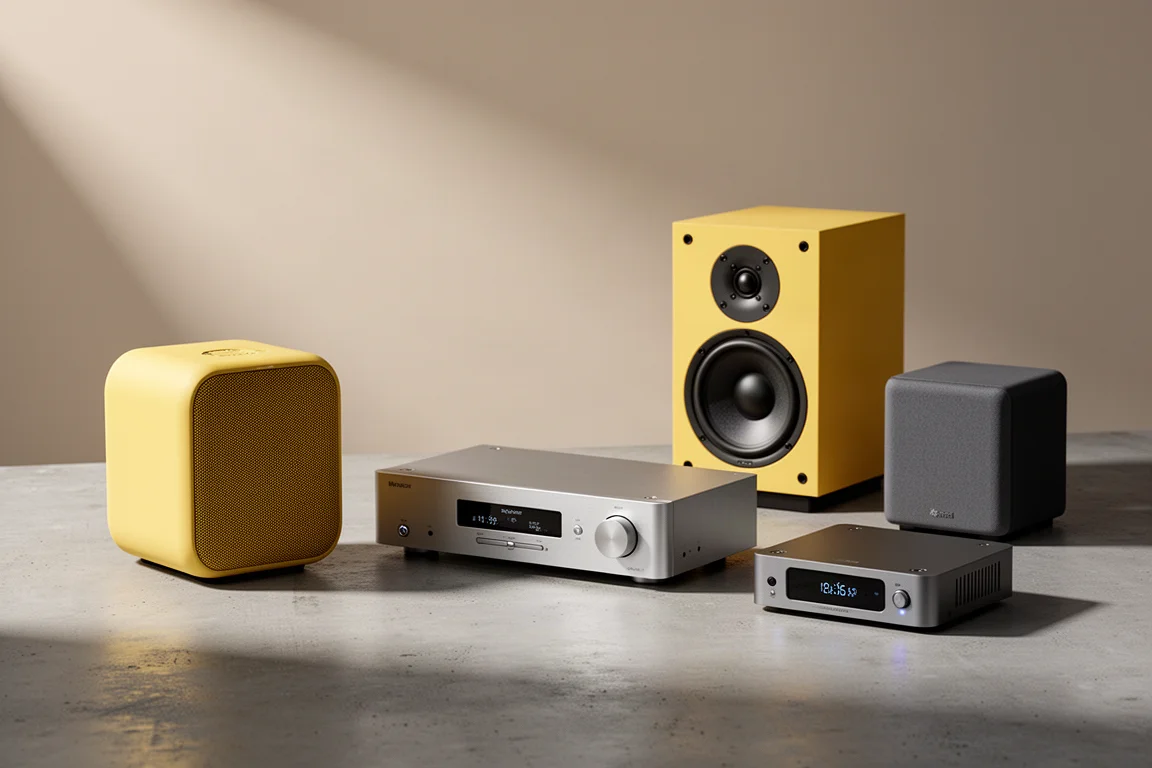
Active vs Passive Hi-Fi: Five Components for a Modern System
Five components that define modern active and passive hi-fi systems, with the strengths, trade-offs and setup details worth weighing before you buy.
Hi-Fi Audio
Advance Paris A10 Apex Review: A Hybrid Integrated Amplifier That Covers a Lot of Ground
A French hybrid integrated amplifier with a class A tube preamp stage, analogue power meters, and an internal DAC and phono stage good enough to make extra boxes unnecessary.