Budget Hi-Fi Systems
Three Budget Hi-Fi Systems Built Around the WiiM Amp
Three complete budget speaker systems built around one compact amplifier, with EQ guidance, subwoofer advice, and realistic expectations for each price tier.
Introduction
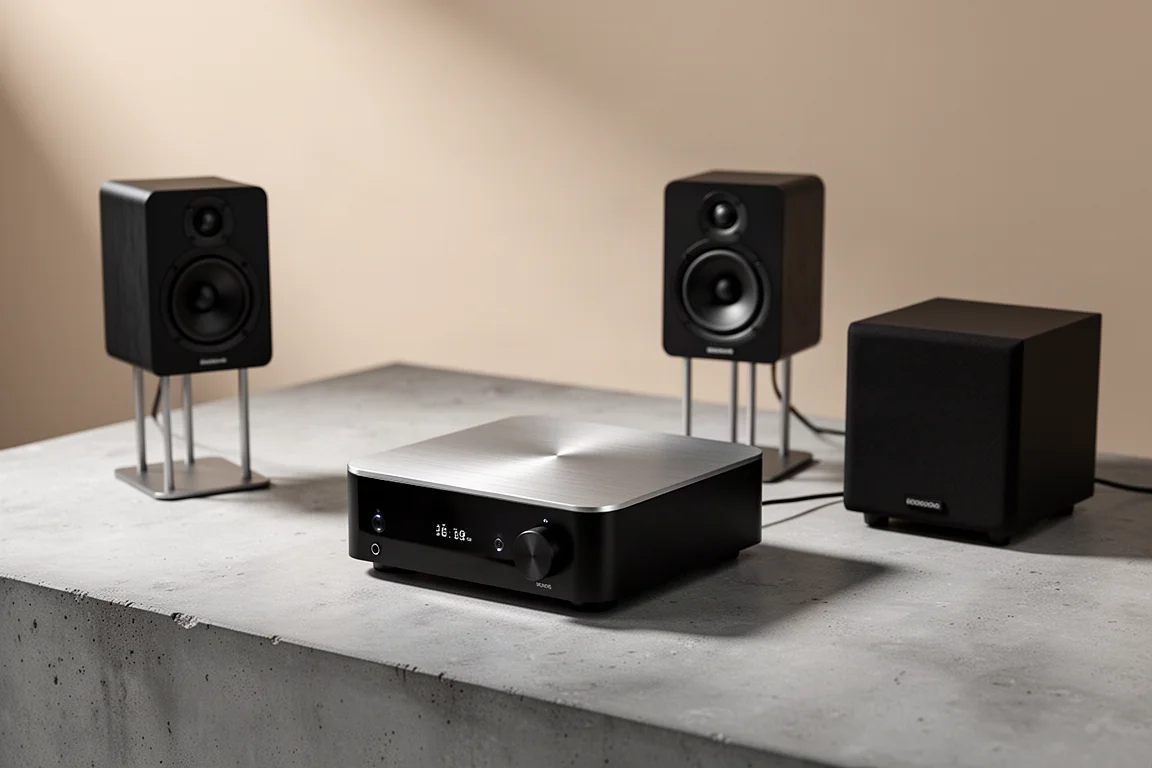
A compact amplifier with a subwoofer output and built-in parametric EQ changes what a starter hi-fi system can be. Instead of accepting a speaker exactly as it leaves the factory, you can correct the parts of its response that need help and hand the low bass to a dedicated subwoofer.
This guide lays out three complete, budget-minded systems built around one amplifier, each with a speaker pair from a different price tier, plus one affordable subwoofer that makes the whole approach work. Every option includes the amplifier, stands, cables, and the subwoofer where one is included, with totals running from roughly $530 without a subwoofer up to about $1,120 with one.
How These Budget Systems Fit Together
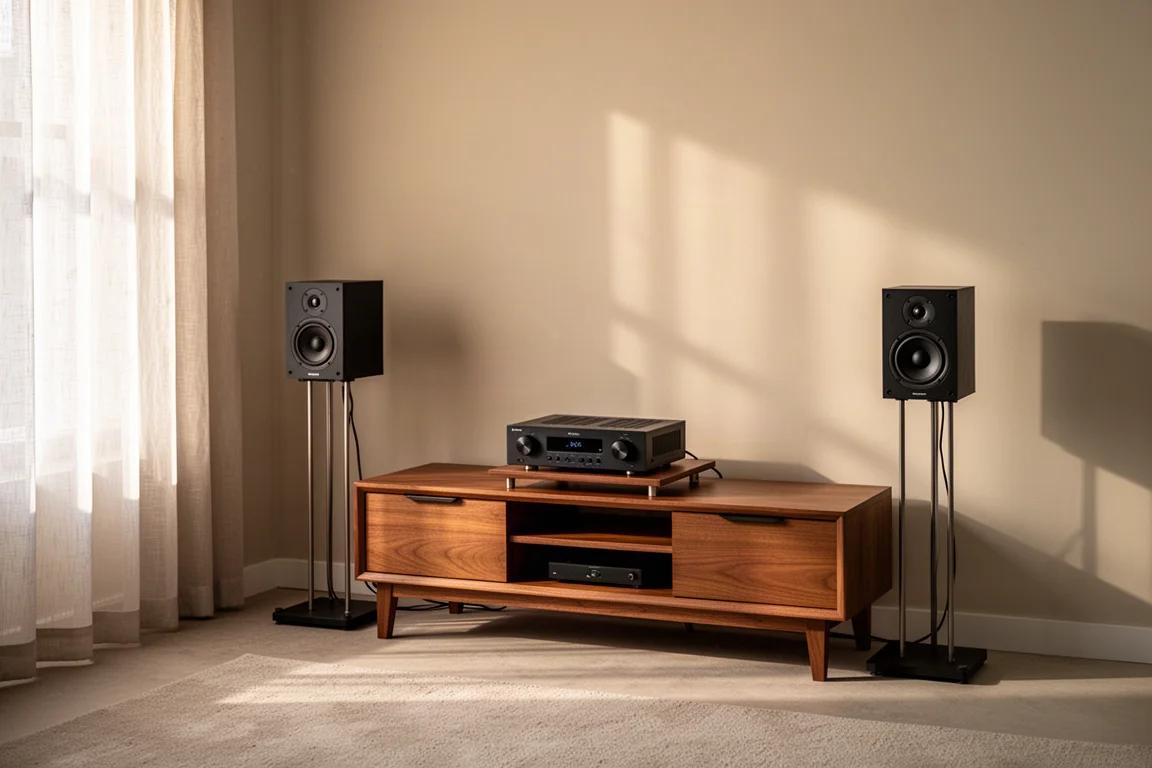
Each system follows the same recipe: the amplifier, a pair of bookshelf speakers, a set of stands budgeted at about $75, and cables. The optional fourth piece is the subwoofer, and it is optional only in the sense that you can live without it. The amplifier has a subwoofer preout that is simple to activate, and adding a sub takes the load off the main speakers while giving you lower frequency content and more dynamic range. There is really nothing like a solid 40 to 50 Hz thump.
Sensitivity matters here. The amplifier could not drive a pair of speakers rated around 86 dB sensitivity to the volume level desired at about 10 feet away in a room measuring 14 by 18 by 9 feet. In a smaller room, at a closer listening distance, or at moderate levels, it is fine. This guide is aimed at listeners starting out who want something budget friendly and easy to use rather than very loud playback.
Speaker sensitivity is listed alongside each option so you can judge whether the amplifier’s output will suit your room before you buy. These are not high-output systems, and setting expectations accordingly is part of getting a result you will be happy with.
The Foundation: WiiM Amp
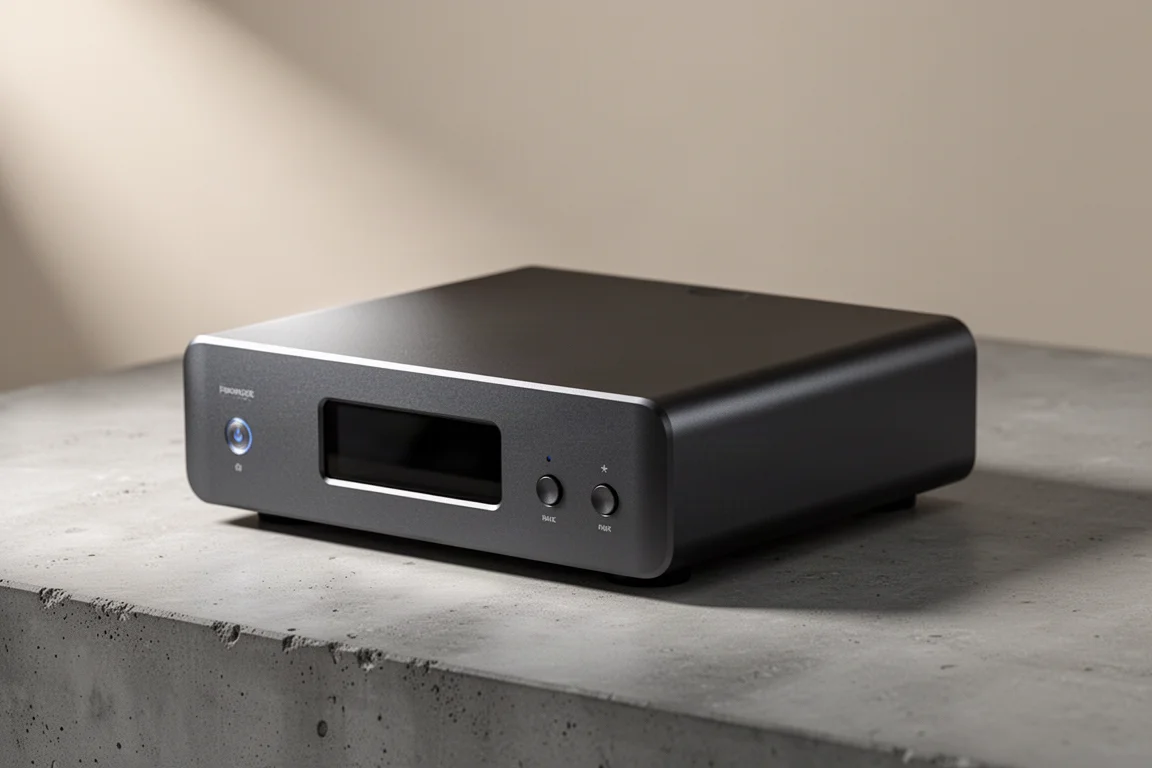
The amplifier is the piece that makes the rest of this possible. It combines four bands of parametric EQ with a subwoofer preout in a single compact unit, with the possibility of additional EQ bands in a future update. That combination is what allows a modest speaker to be corrected into something that sounds considerably better than its price suggests.
Crossover control lives in the companion app, which means you can sit in your listening position and move the subwoofer crossover back and forth until the blend sounds right in your particular room. That flexibility is central to every recommendation that follows.
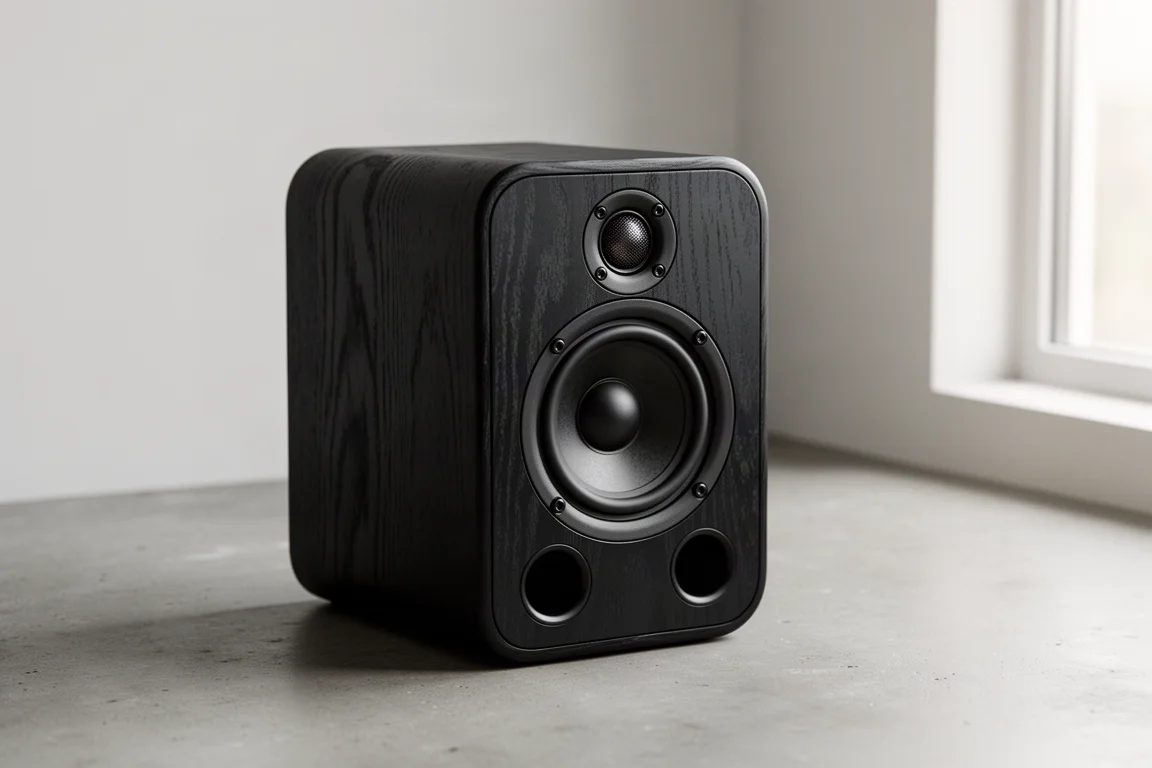
Best Budget Option: Neumi BS5
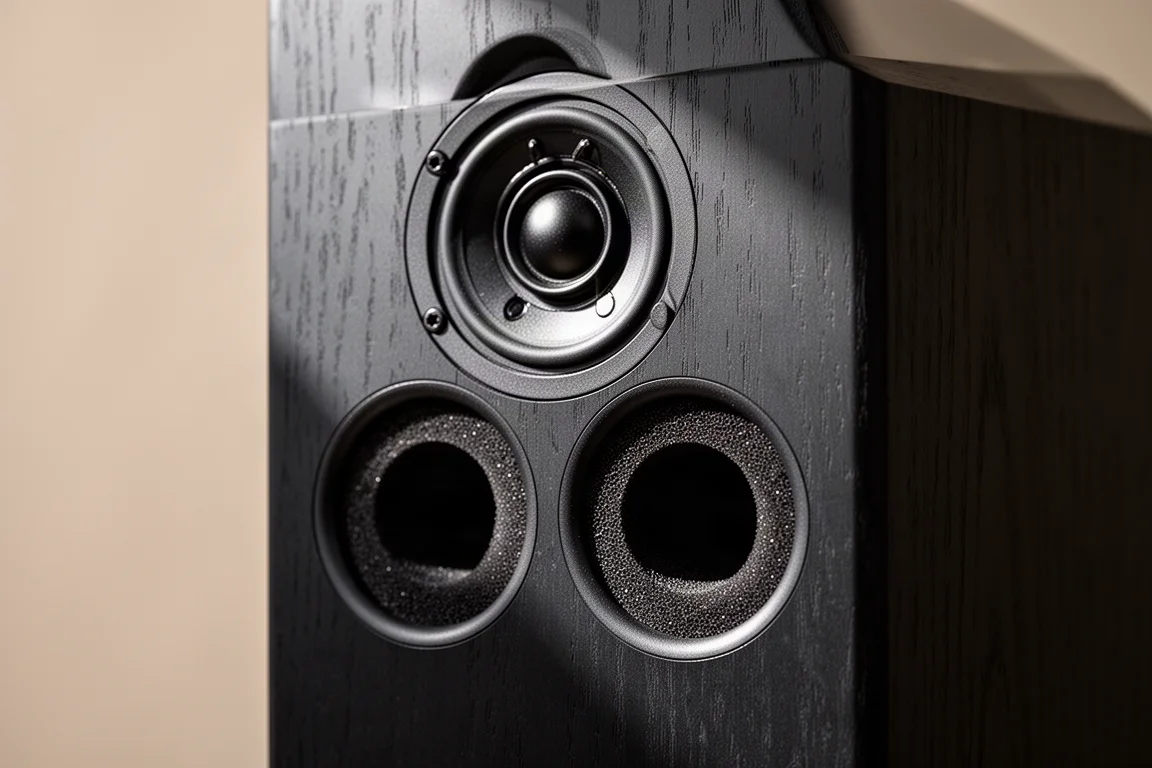
At about $110 per pair, the Neumi BS5 is the entry point, with a complete system total of roughly $530 without a subwoofer or about $730 with one.
One setup note matters more than any EQ setting: the ports sit on the front of the cabinet, and stuffing them removes resonance that leaks from the enclosure and cancels some midrange output. With the ports stuffed, the speaker measures fairly linear apart from a baffle step of about 3 dB that needs to be compensated for, rolling off at an F3 of 92 Hz and an F10 of 57 Hz.
That rolloff is why a subwoofer is close to mandatory here. If you want bass at all, plan for the sub. Three bands of EQ tidy up the speaker, leaving the fourth band free for the subwoofer or the room, and a crossover around 100 Hz works well because the speaker contributes very little below that point.
For a first system in a small room at moderate volumes, this pairing delivers far more than the price suggests, provided you stuff the ports and set the crossover as described. Budget for the subwoofer from the start rather than treating it as an afterthought.
Best Balanced Option: Polk XT20
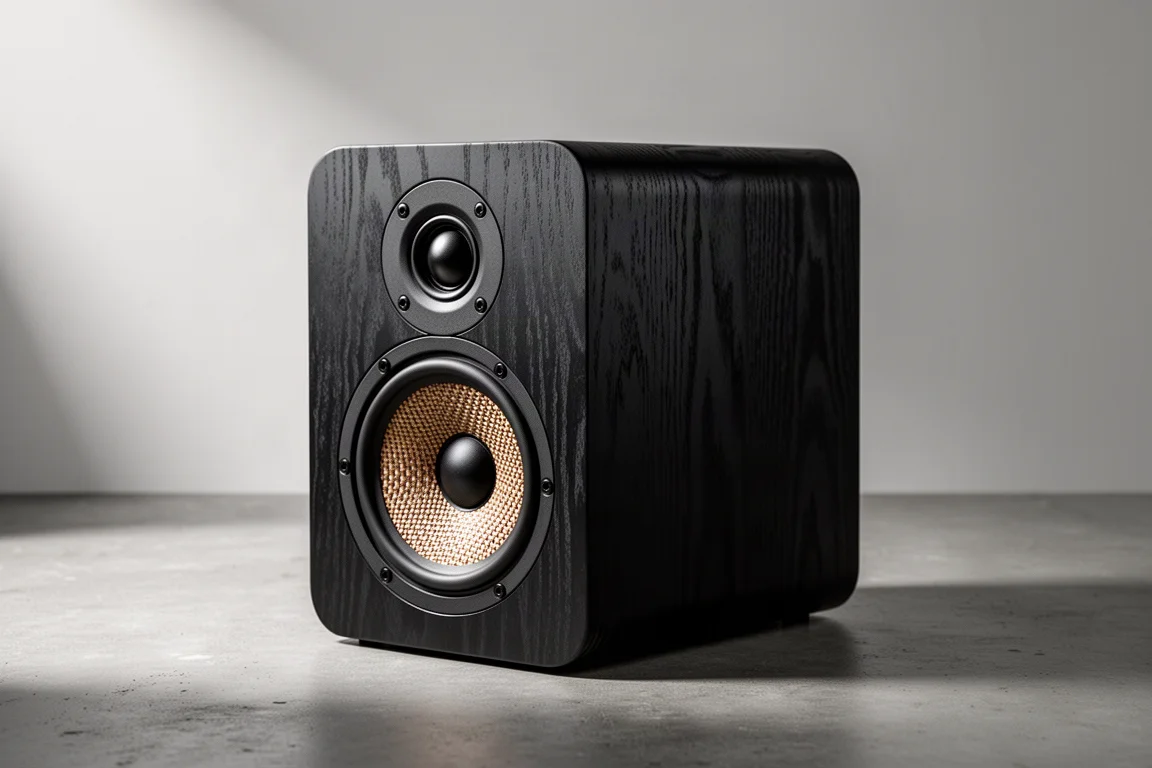
At about $300 per pair, the Polk XT20 sits in the middle of the range, with a full system cost of roughly $720 to $920 depending on whether a subwoofer is included.
The measurements show a genuinely capable speaker for the money. It reaches an F3 of 63 Hz and an F10 of 42 Hz, so you get some bass extension in the room and a hint of kick drum, though not enough to satisfy anyone who wants real low-end weight. A subwoofer remains the recommendation.
This is also the easiest of the three to correct. About three bands of EQ are enough to tidy up the response, and the subwoofer crossover can sit anywhere from roughly 60 Hz to 80 Hz. That range is useful because 80 Hz works in some rooms and not in others, and the app makes it easy to experiment from your seat.
Best Overall Option: KEF Q150
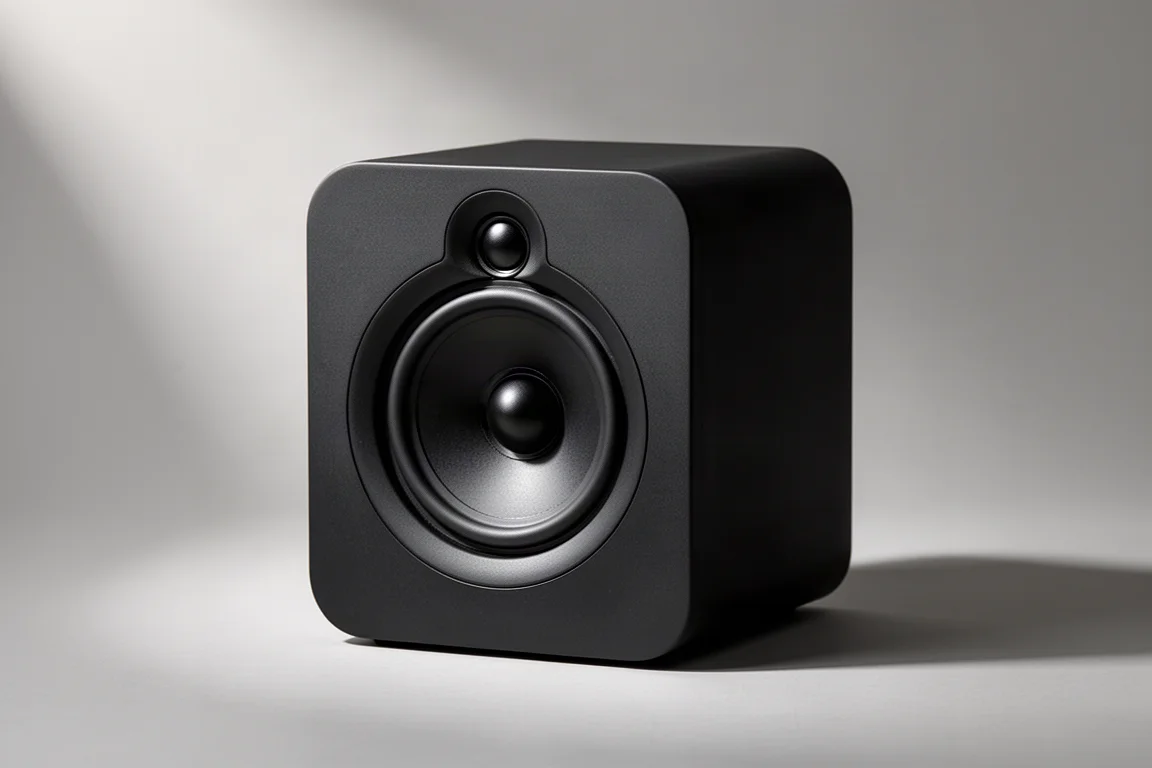
The KEF Q150 retails around $500, but it is frequently discounted to roughly $349 to $359, and at that price it is the clear pick of the three. At full retail, a complete system lands between about $900 and $1,100 depending on the subwoofer.
Measurements show a strong speaker with a couple of resonances and a treble region that is too bright when the speaker is aimed directly at the listener. The EQ suggestions assume on-axis placement, so if you prefer to aim the speakers slightly outward into the room instead, expect the treble to roll off and adjust to taste.
Bass extension reaches an F3 of 51 Hz and an F10 of 44 Hz, which gives a good amount of mid-bass thump. It still benefits from a subwoofer, with a crossover anywhere from 50 Hz to 80 Hz leaving useful room to fine-tune. Three bands of EQ are enough to smooth the response, leaving one band for the subwoofer or the room.
The Subwoofer That Ties It Together: ELAC Sub 1010
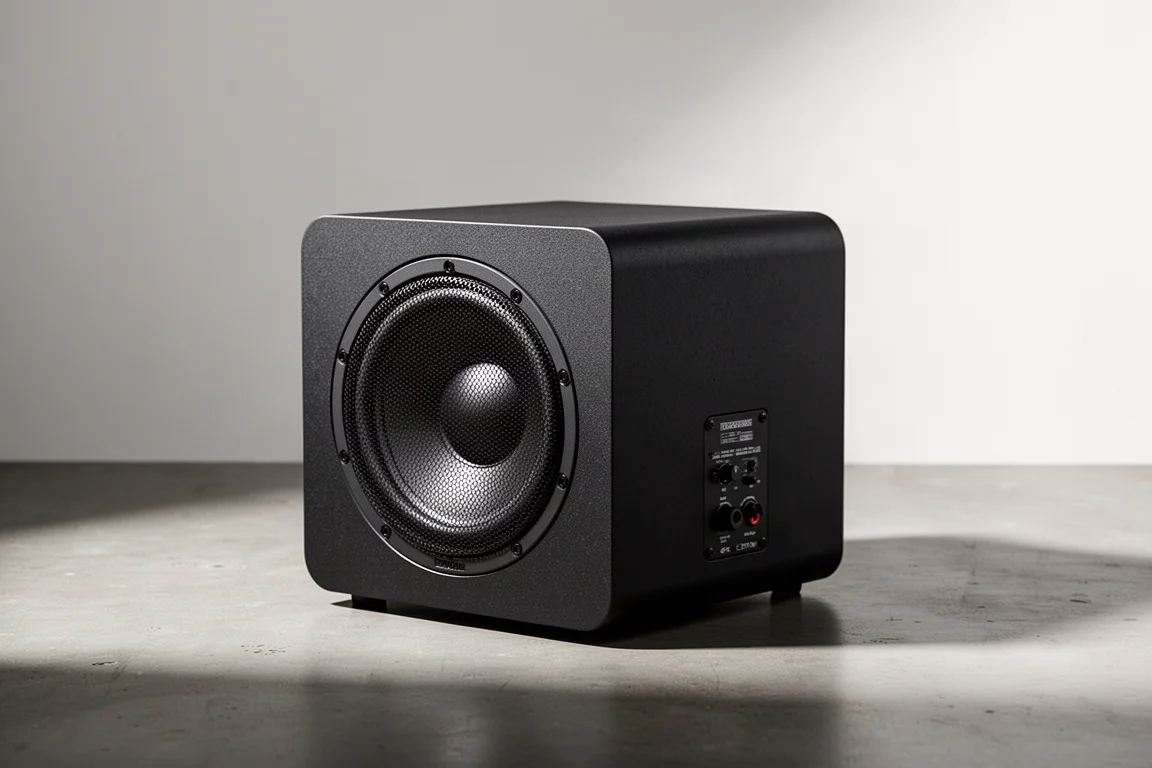
At about $200, the ELAC Sub 1010 does not dig much below 40 Hz, but it stands out as one of the best subwoofer values available today. It handles the job of lifting low-frequency content away from the main speakers, which is where the extra dynamic range comes from.
That matters most with the smaller speakers in this guide. The Neumi BS5 contributes almost nothing below 100 Hz, and even the Polk XT20 and KEF Q150 benefit from being relieved of the deepest notes. This is the most affordable way to get there.
Taming Your Room’s Bass
Once the speakers and subwoofer are in the room, you will likely find a resonant mode somewhere in the low end. The fourth EQ band is your tool for that.
You do not need expensive measurement gear to find it. A phone and a measurement app are enough for bass frequencies. Play pseudo pink noise, sit in your listening position, hold the phone in front of your face, and watch the response. In one measured desktop setup a strong mode showed up around 125 Hz, which produced chestiness in male vocals. Bringing that peak down a few decibels smoothed the response noticeably.

Look for the single strongest peak and bring it down. Do not chase the dips, since EQ cannot fill them. Keep this work below roughly 300 to 400 Hz, where a phone is adequate. Above that range you need a better measurement setup.
Stands, Cables, and the Small Stuff
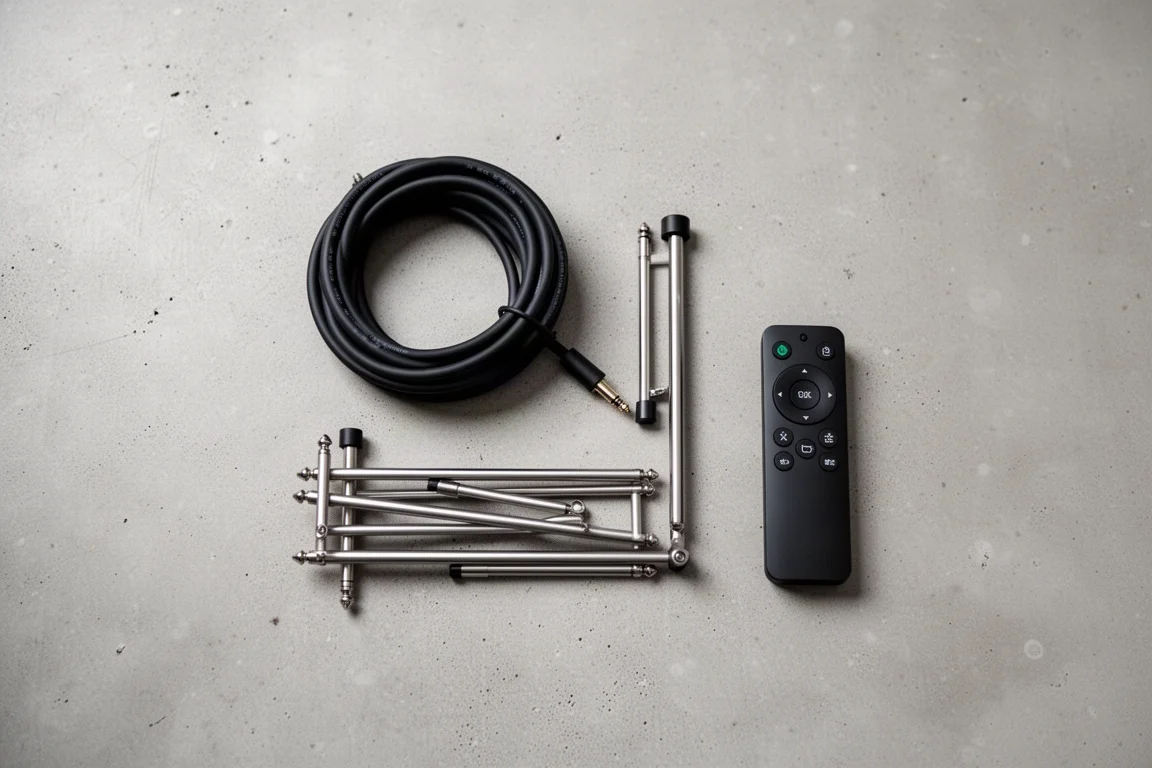
The totals in this guide assume a set of speaker stands at about $75 and a basic set of cables. Neither needs to be exotic. Getting the speakers up to ear height and positioned sensibly will do more for the sound than spending more on wire.
What to Buy First
If you are building this system in stages, start with the amplifier and a speaker pair, then add the subwoofer when budget allows. The Neumi BS5 path gets you running for the least money, the Polk XT20 sits in the middle with the easiest EQ job, and the KEF Q150 is the strongest performer when it is discounted.
Whichever tier you choose, the amplifier is the piece worth committing to first, because its EQ and subwoofer output are what let every speaker here perform above its price.
Conclusion
There is no single answer here, because each tier solves a different problem. The Neumi BS5 keeps the entry cost low and rewards careful setup. The Polk XT20 splits the difference with the least fiddling required. The KEF Q150 delivers the best measured performance of the three, especially when it is discounted. Pair any of them with the ELAC Sub 1010, set the crossover in the app, use the leftover EQ band to tame the strongest room mode, and you have a starter system that punches well above what the price list suggests.
Further reading
Related Reviews

Backpacking Gear
Building a 10 lb Base Weight: An Ultralight Backpacking Gear List
A practical walkthrough of the ultralight pieces behind a 10 lb base weight, from a 765 g pack and a roomy one-person tent to a full camp chair and a dependable water filter.

Road Bikes
10 New Road Bikes Worth Watching: Aero, Titanium, Steel and Endurance Standouts
A practical roundup of 10 new road bikes, from aero flagships chasing single-watt gains to titanium, steel and endurance platforms built for real roads.
Bikepacking Gear
11 Bikepacking Essentials for Long-Distance Cycling
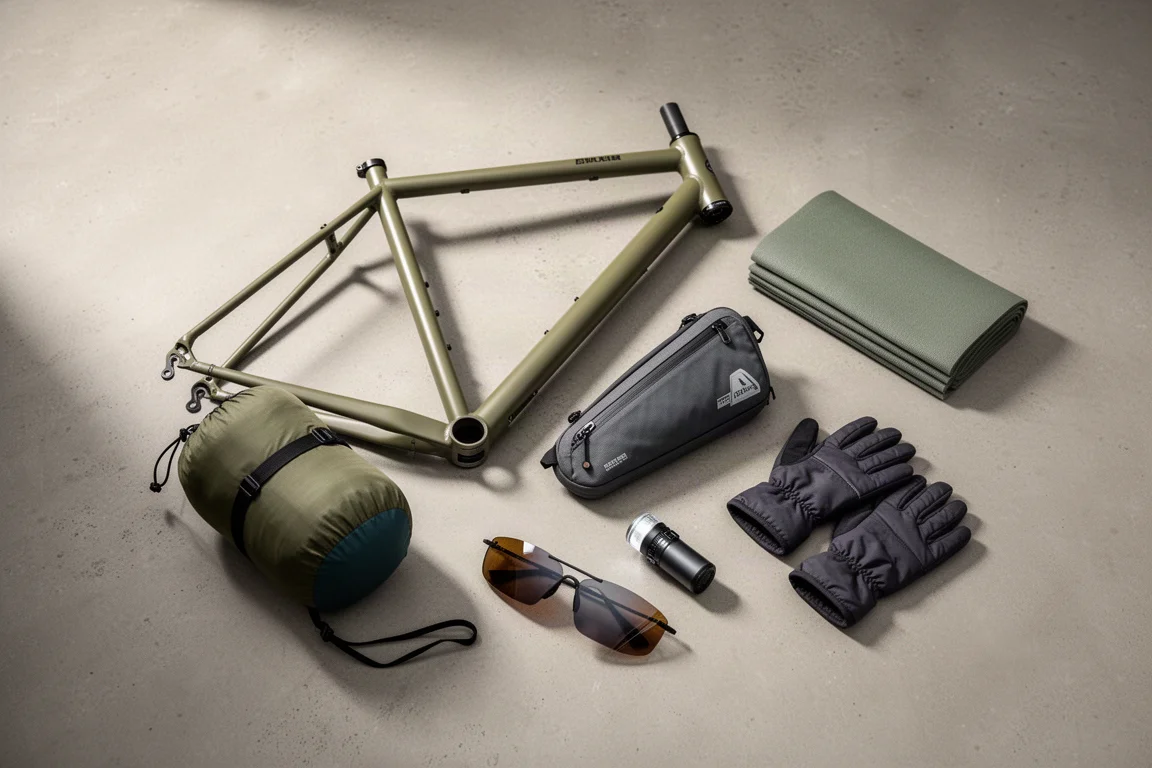
Eleven bikepacking essentials for long-distance cycling, from a steel gravel frame and a two-person tent to helmet lights, packable gloves, and a frame bag that puts weight in the right place.