Sleeping Pads
Three Backpacking Sleeping Pads Compared: Comfort, Warmth, and All-Around Value
A practical comparison of three regular wide sleeping pads: one built for comfort, one for cold-weather warmth, and one that covers nearly every trip.
Introduction
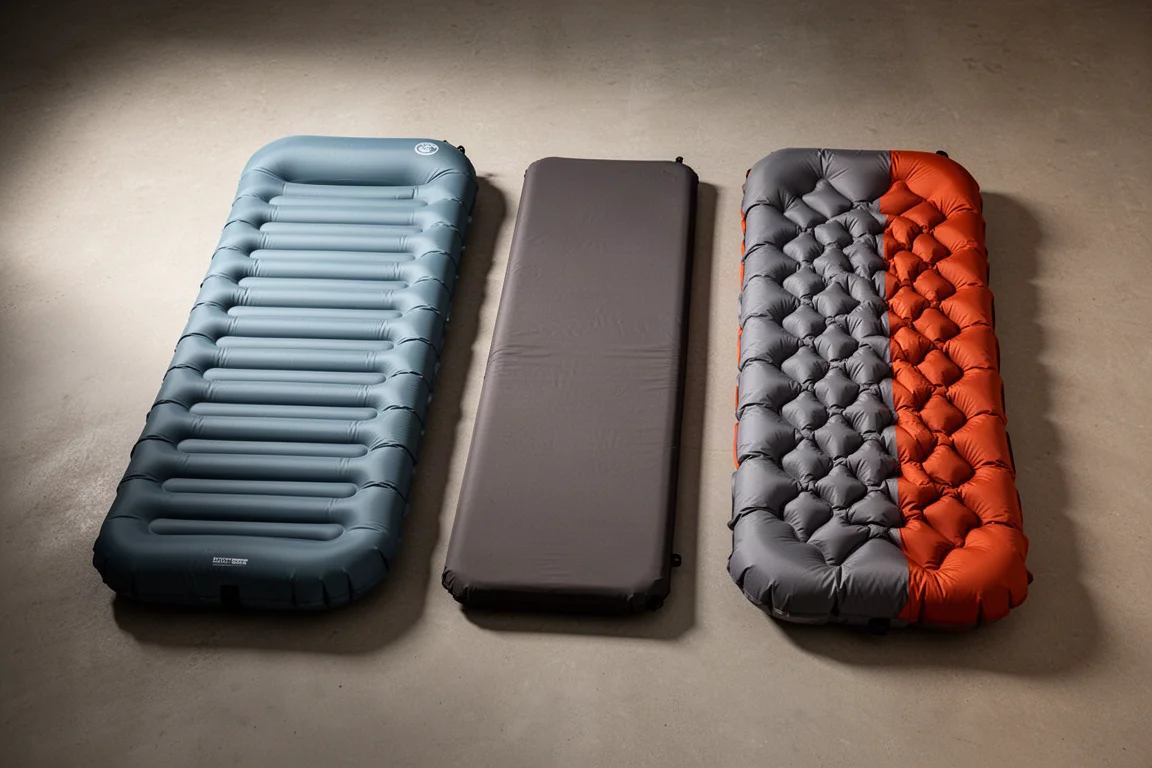
Choosing a sleeping pad usually comes down to a trade-off between comfort and weight, and the three pads below sit at different points along that line. All three are regular wide, which means 25 inches wide and 72 inches long, so they take up the same footprint inside a tent. What changes is thickness, warmth, packed weight, and price.
This comparison covers one pad built around comfort, one built around cold-weather warmth, and one that lands in the middle as an all-around option for three-season backpacking.
How These Pads Compare
Thickness ranges from 2.5 inches on the warmest pad up to 3.5 inches on the two comfort-focused options, and the Big Agnes Rapide SL adds 4.25-inch outer baffles on top of that. Warmth, expressed as R value, runs from 3.3 up to 6.9. Weight moves in the opposite direction: the warmest pad is the lightest of the three, and the most comfortable pad is the heaviest by a wide margin.
That pattern is not a coincidence. Thicker, softer pads use more fabric and more air volume, while the pads designed for winter trips trim material to keep pack weight down. Price does not follow either trend cleanly either: the two most expensive pads here are the slimmest option and the mid-weight option.
Most Comfortable: Nemo Quasar 3D
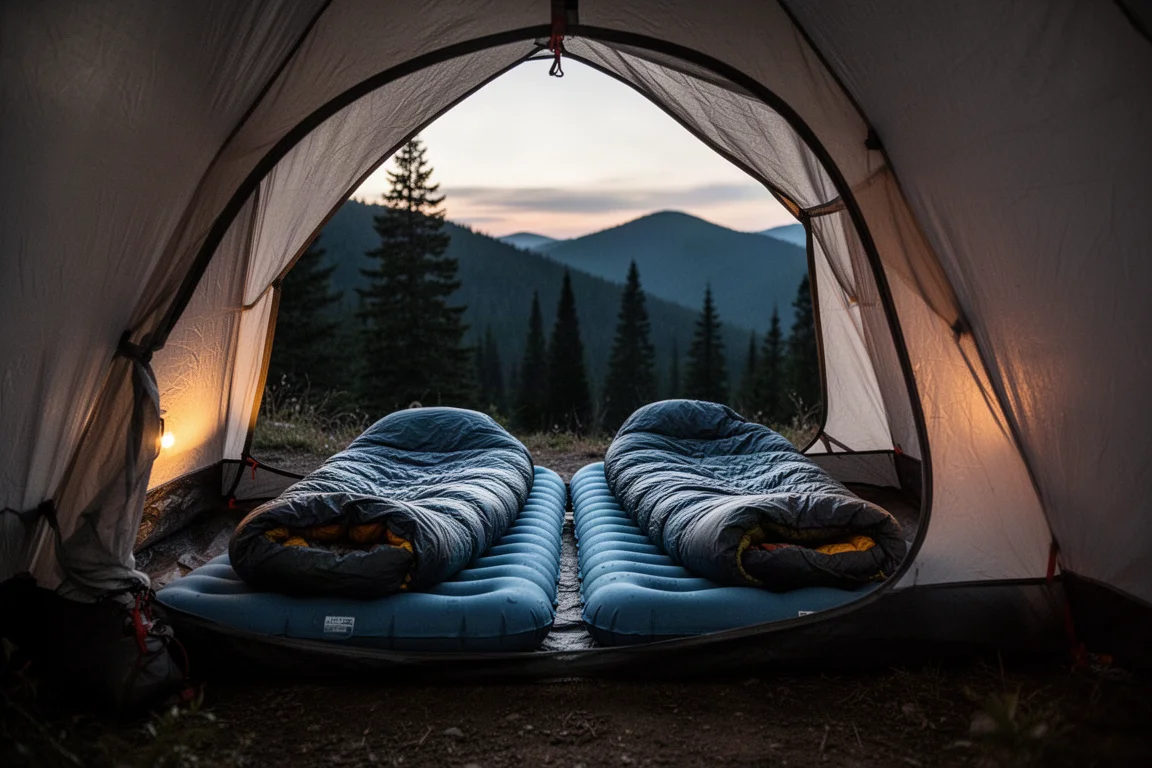
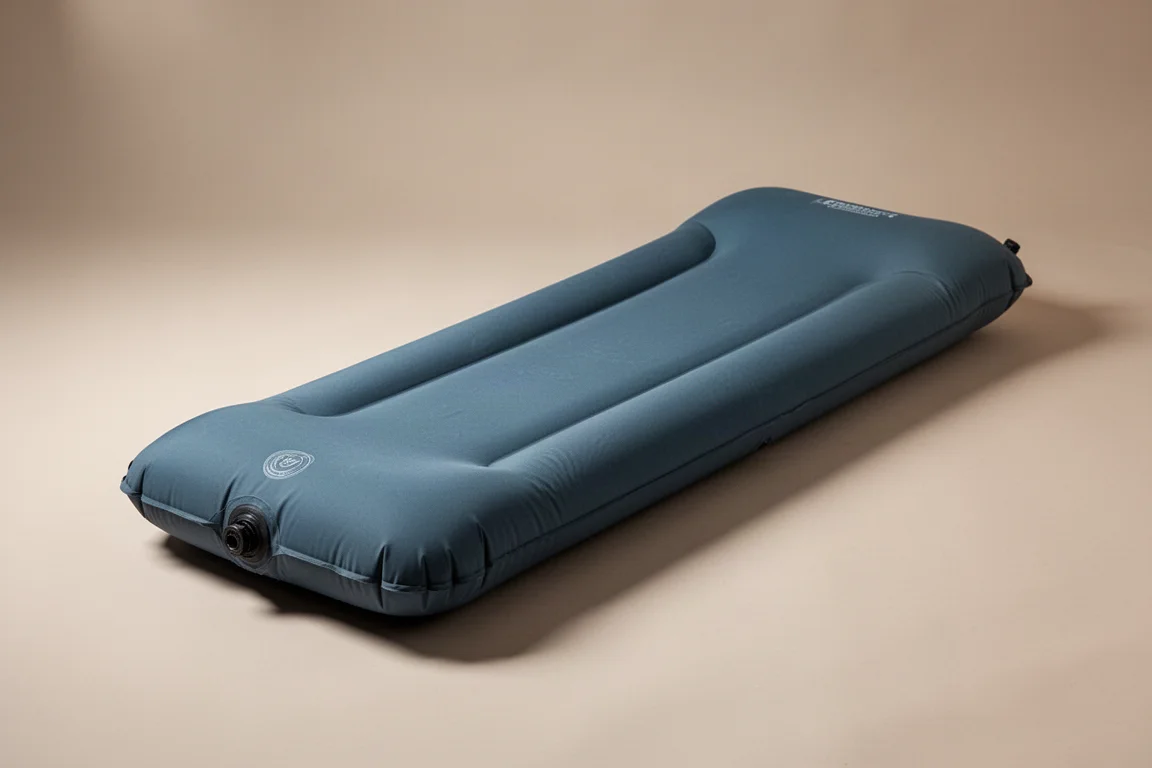
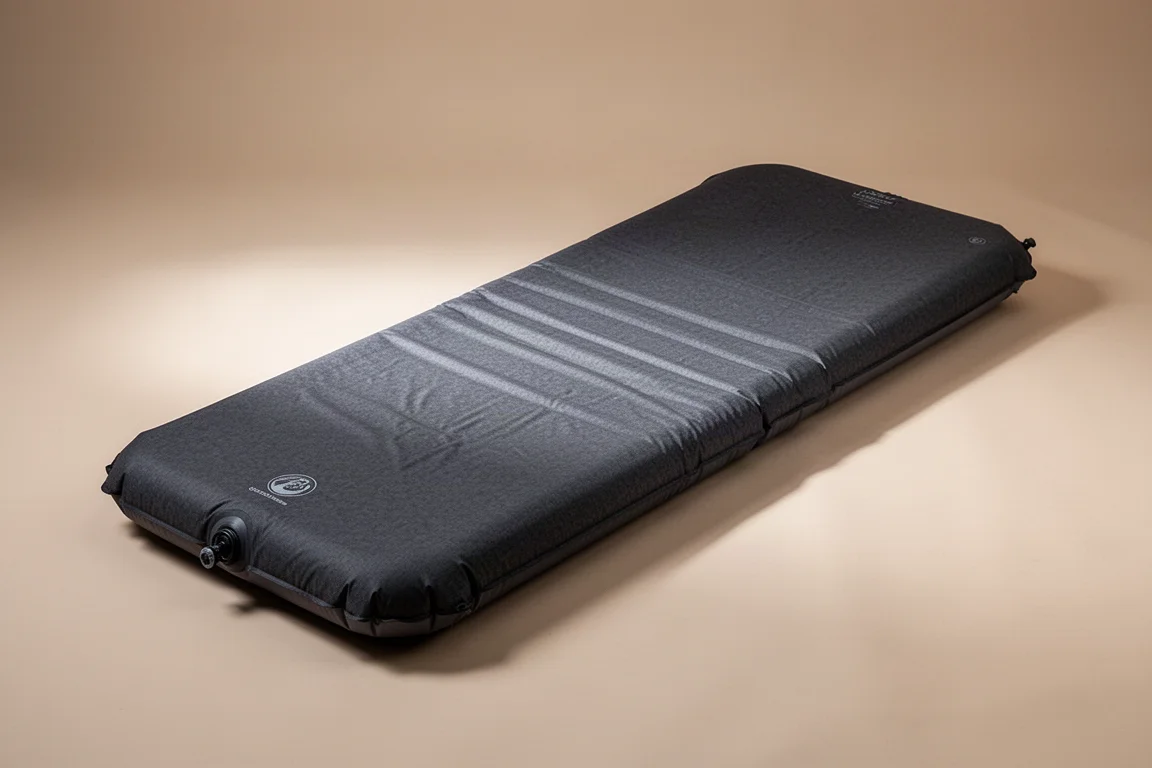
The Quasar 3D is the pad to choose when sleep quality matters more than pack weight. At 3.5 inches thick it lifts hips, shoulders, and elbows clear of the ground, which makes a genuine difference for side sleeping on pads that would otherwise let pressure points bottom out. The head end sits slightly higher than the rest of the pad, which helps hold a pillow in place and gives the head a small natural lift.
Nemo builds the pad from 30-denier bluesign certified recycled polyester, so the fabric carries a sustainability credential and has proven durable in real use, with no punctures or leaks reported. The body-mapped 3D horizontal baffles are scooped rather than flat, which cradles the body instead of feeling like a set of ridges. The valve system is a standout: quick to inflate, quick to dump air, and easy to fine-tune.
The trade-off is weight. With the stuff sack, velcro strap, and pump sack included, the regular wide version comes in at 2 pounds 1 ounce, which is heavy by backpacking pad standards. An R value of 3.3 makes it a true three-season pad that handles freezing nights. At $180 it is also the least expensive pad in this comparison.
Warmest in Cold Weather: Therm-a-Rest NeoAir XTherm Max
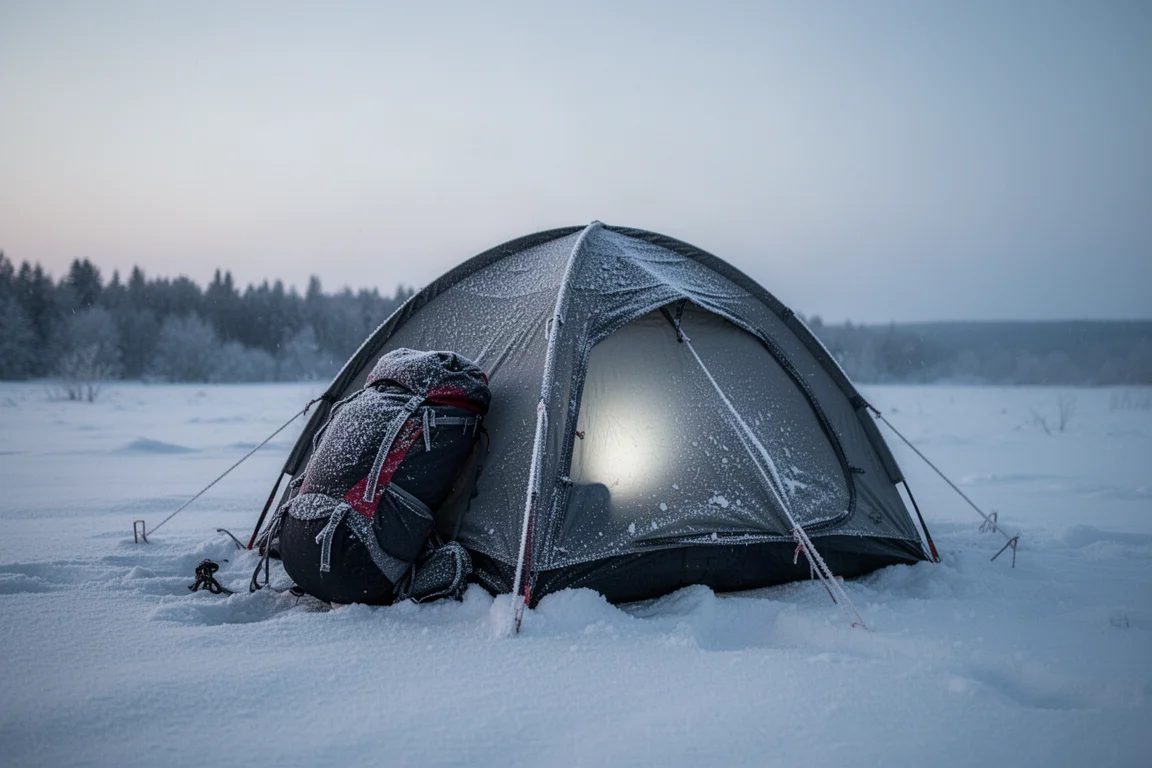
When the priority is staying warm on shoulder-season and winter overnights, the NeoAir XTherm Max makes the strongest case of the three. Its R value of 6.9 is roughly double that of the Quasar and well above the Rapide SL, and it delivers that warmth at 1 pound 7 ounces in the regular wide size. For warmth per ounce, nothing else in this group comes close, and the packed size is small enough to disappear into a pack.
The Max version uses a full rectangular shape rather than a tapered outline, so the whole body stays covered and nothing touches cold ground at the edges. The fabrics are reinforced, with 70-denier on the bottom and 30-denier on the top.
Comfort is where it gives ground. At 2.5 inches it is the thinnest pad of the three, and side sleepers are likely to feel pressure through the shoulder and hip. The horizontal baffles provide reasonable support once the pad is fully inflated, but the surface is stiffer than the scooped or quilted designs. It is also loud: the interior reflective layer produces a pronounced crinkle that quiets down once movement stops. The wing valve is a clear improvement over older Therm-a-Rest valves, and at over $200 this is the most expensive pad in the group.
Best All-Around: Big Agnes Rapide SL
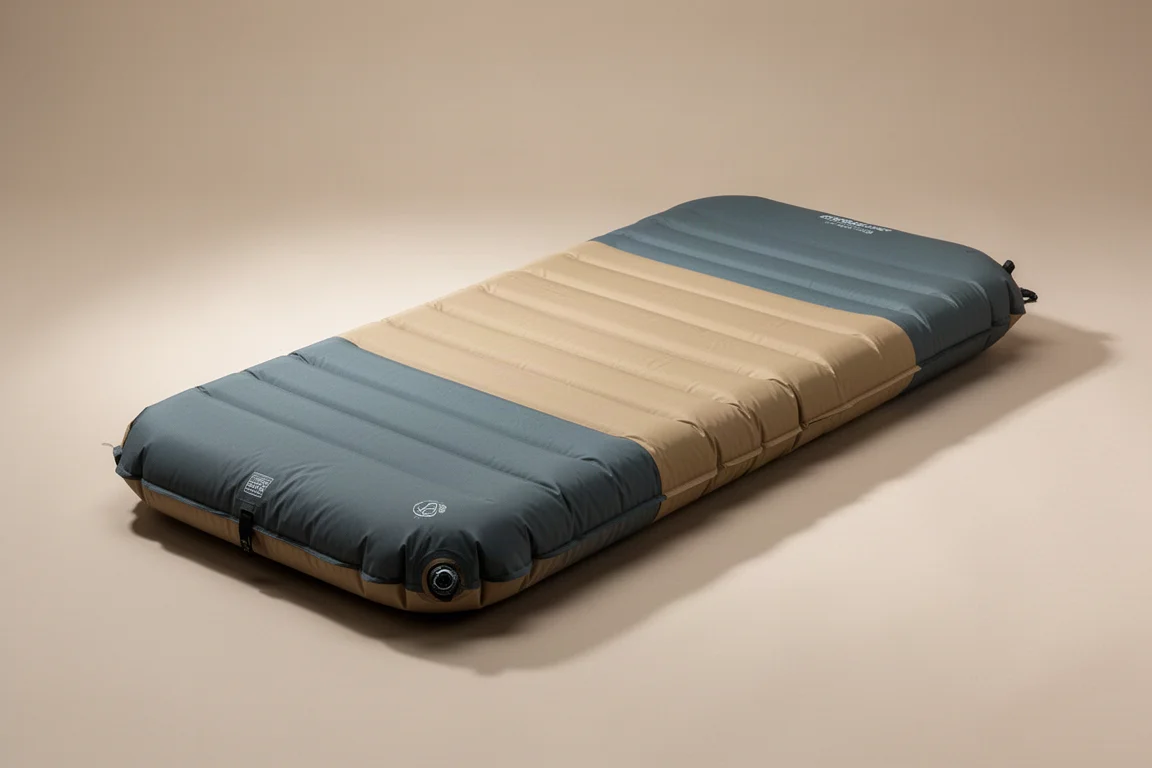
The Rapide SL is the pad to buy if a single pad has to cover most trips. At 24 ounces in the regular wide size it lands between the two extremes, light enough to carry without a second thought but substantial enough to sleep well on night after night.
Its baffle layout is the reason it works. The center of the pad is 3.5 inches thick while the outer baffles rise to 4.25 inches, so the pad cradles the body toward the middle and keeps elbows and shoulders supported across its 25-inch width. The quilted baffle pattern sleeps well on the back and on the side. With an R value of 4.2 it covers three seasons comfortably and can be pushed further by adding a closed-cell foam pad underneath, which can take it down into the teens and high 20s.
The valve system is the weak point. It works, but it is not as pleasant to use as the Nemo design. At $200 it costs more than the Quasar and slightly less than the XTherm Max.
Matching a Pad to the Trip You Are Planning
Three-season backpacking with an emphasis on sleep quality points to the Quasar 3D. Winter and shoulder-season trips, where warmth and pack size decide the outcome, point to the XTherm Max. A single pad for everything from summer weekends to cold-weather overnights points to the Rapide SL.
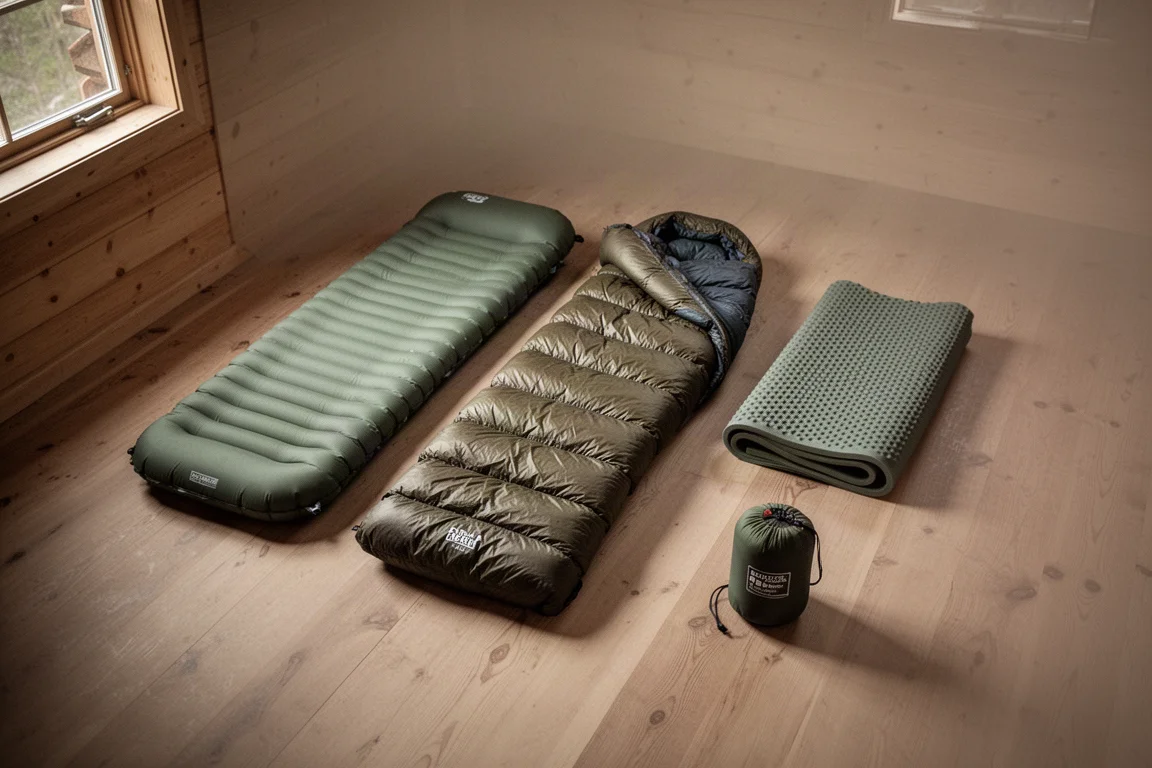
Weight is the clearest dividing line. The XTherm Max saves well over half a pound against the Quasar and roughly nine ounces against the Rapide SL, and that gap matters on long carries. Thickness is the other factor: 3.5 inches and up is where side sleeping stops feeling like a compromise, while 2.5 inches rewards you with a lighter pack and a higher R value.
Buying Advice
Buy the pad that matches the coldest trip you realistically take. A 3.3 R value pad is fine for three-season use, but if winter overnights are on the calendar, the warmth of a 6.9 R value pad is worth the comfort penalty. If the honest answer is a bit of everything, the Rapide SL and its 4.2 R value at 24 ounces is the most flexible combination in this group.
Price is worth weighing last. The $180 Quasar delivers the best sleep of the three, the Rapide SL adds warmth and saves weight for $200, and the XTherm Max charges a premium for the best warmth-to-weight ratio here. Any of the three will serve you well as long as the choice follows the trips you actually plan to take.
Conclusion
These three pads solve three different problems. The Nemo Quasar 3D prioritizes comfort and value, the Therm-a-Rest NeoAir XTherm Max prioritizes warmth and low weight for cold conditions, and the Big Agnes Rapide SL sits in the middle as the most versatile single-pad purchase of the group. Match the pad to your coldest realistic trip and your tolerance for pack weight, and the decision becomes straightforward.
Further reading
Related Reviews
Sleeping Pads
Best Backpacking Sleeping Pads 2026: Nine Pads Rated on Price, Comfort, Warmth, and Weight
Nine backpacking sleeping pads compared on price, comfort, warmth, and weight, from a $65 summer pad to a year-round option rated at R-7.3.
Sleeping Pads
Best Backpacking Sleeping Pads: Comfort, Warmth, and Weight Compared
A practical comparison of the Nemo Quasar 3D, Therm-a-Rest NeoAir XTherm Max, and Big Agnes Rapide SL for backpackers choosing between comfort, warmth, and packed weight.
Sleeping Pads
Best Backpacking Sleeping Pads: Ultralight, Winter, Comfort and Budget Picks
A practical roundup of the sleeping pads that stand out for ultralight weight, winter warmth, pressure relief and value, plus three popular pads that fell short.