Backpacking Gear
Three Backpacking Gadgets Worth the Extra Weight
A navigation app with land ownership data, a canister lantern for camp ambience, and a reusable pour-over coffee pouch that weighs almost nothing.
Introduction
Backpacking gear advice usually points in one direction: lighter, smaller, less. That instinct is mostly right, but a small number of items earn their place in a pack precisely because they make camp feel less like an endurance test. The three products below are not ultralight essentials. They are the additions you pack when the trip is short enough, or the payoff is large enough, that a few extra grams are worth carrying.
Each one solves a specific problem: knowing where you are and whose land you are standing on, having warm light at camp when a fire is not an option, and drinking real coffee in the morning instead of settling for something worse.
What Makes a Backpacking Gadget Worth the Weight
Every item in a pack is a trade. Grams go in, and comfort or convenience comes out. The three products here passed a simple test. Each one replaces something you would otherwise carry or do without, each has a clear use case rather than a hypothetical one, and each works alongside gear you are likely already bringing, such as a phone or a gas canister.
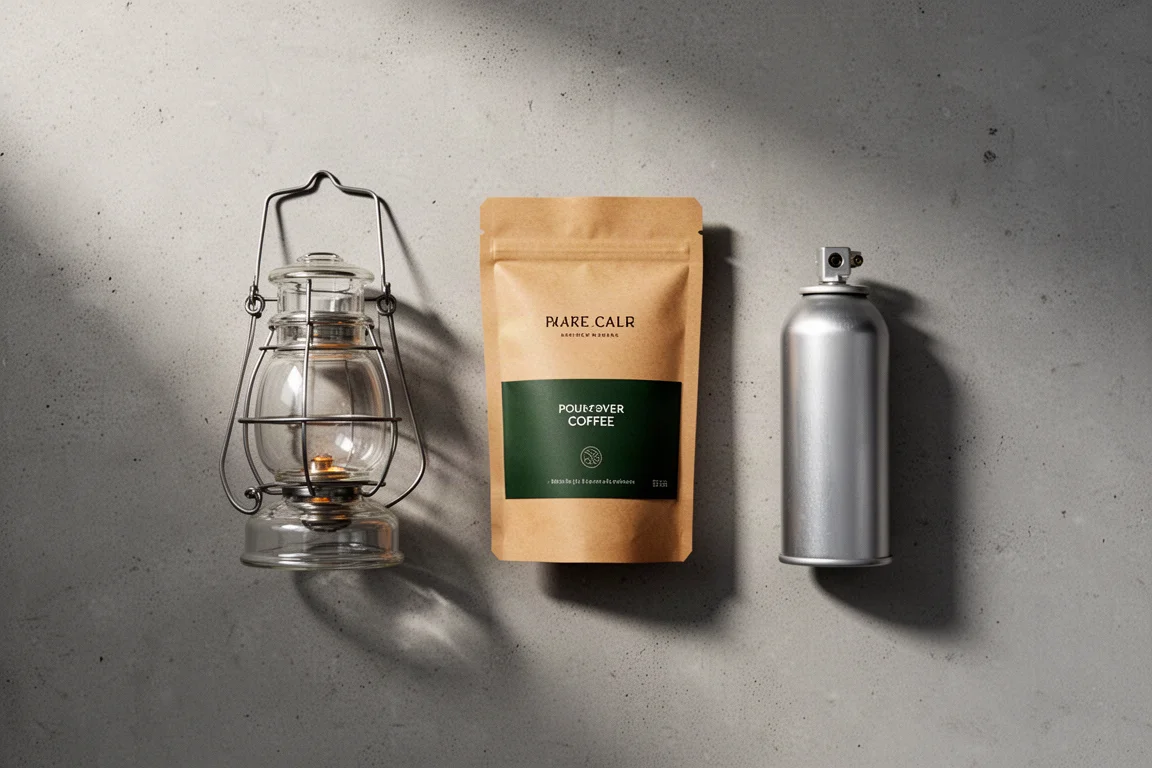
Weight is worth stating plainly. The lantern is around 122 g on its own, and roughly 6.5 oz once the protective case is included. The pour-over coffee pouch is 35 g with the coffee already inside it. The navigation app adds no pack weight at all, only an annual subscription.
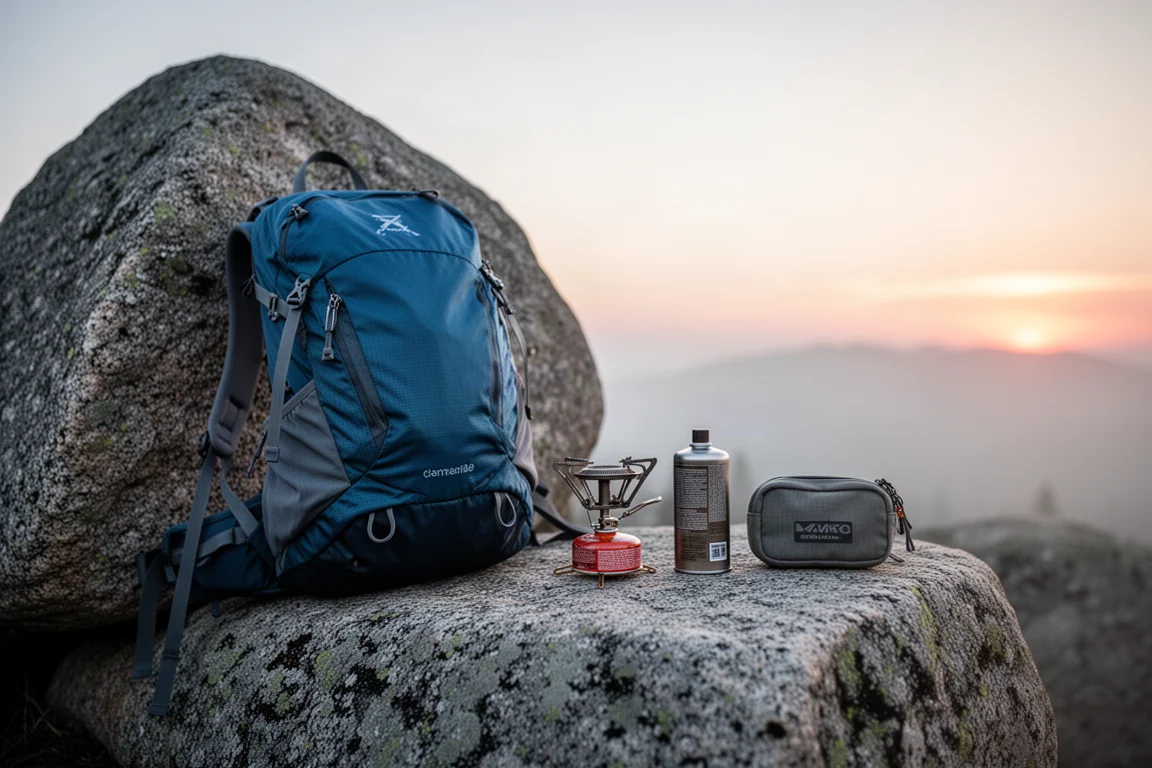
None of these belong on every trip. They belong on the trips whose shape suits them.
onX Backcountry Premium for Backcountry Navigation
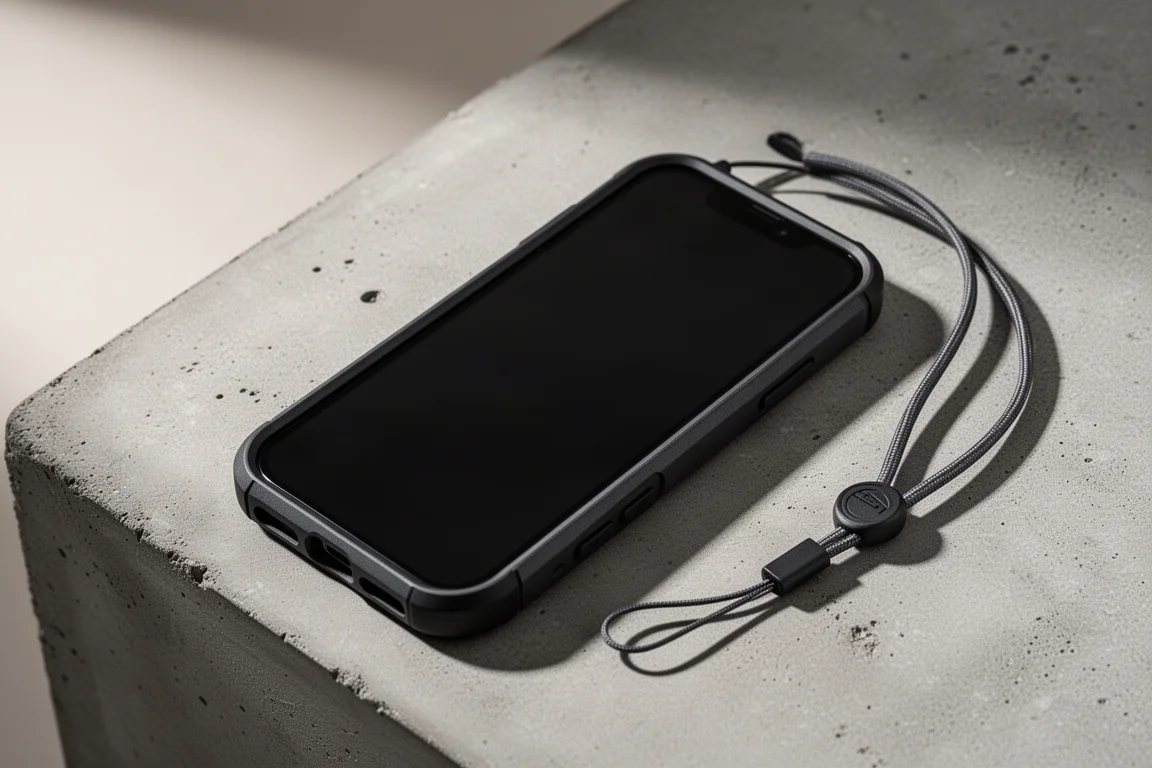
onX Backcountry is a navigation app built for the backcountry. It provides GPS-style directional guidance, so you can see where you are, point the phone toward the direction you want to travel, and follow it. It also helps you find campsites and trails.
The premium tier has just received a substantial update. Zoom in on the map and land ownership information begins to appear. The app draws on public tax records to show who owns a given house or plot of land, and it separates private land from public land across the backcountry. That is useful if you hunt, backpack, or simply want to know whether you have wandered onto someone else’s property.
It is also relevant to commercial filming rules on federal land, which now require permits. If you plan to film yourself while you are out there, the premium tier makes it much easier to know exactly where you are standing while you shoot.
The premium version costs $100 per year. That is a recurring commitment rather than a one-time purchase, and it is the main thing to weigh before subscribing. For anyone who spends serious time on public land, or who wants confidence about property boundaries, the land ownership layer is what justifies the cost.
Fire-Maple Lantern for Camp Ambience
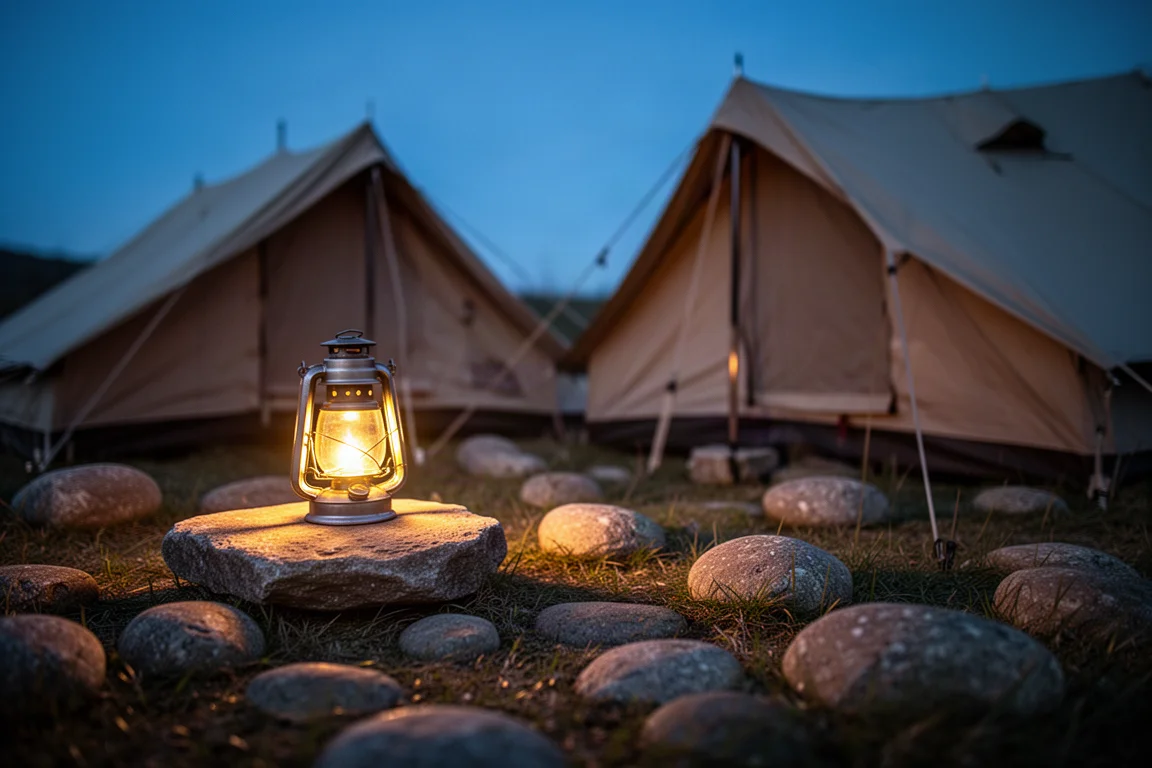
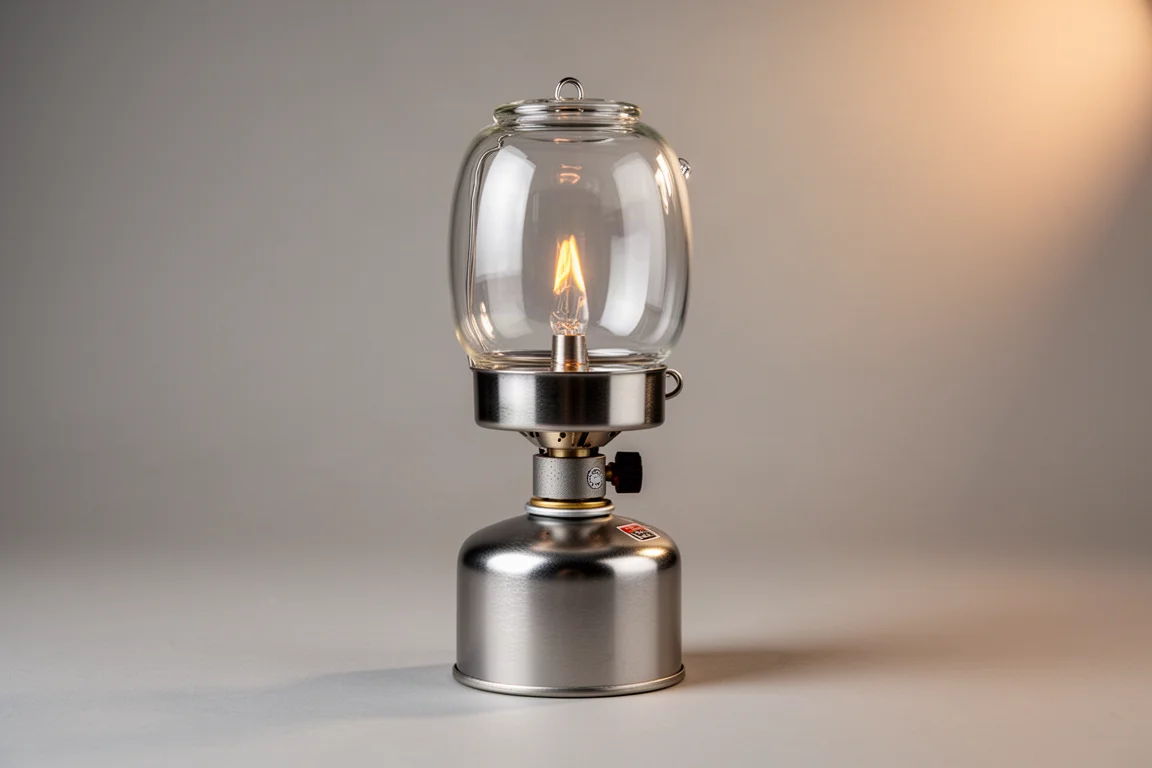
The Fire-Maple lantern is a small glass lantern that runs on the same gas canister you already carry for cooking. You light it, adjust the brightness with the control, and it keeps burning for as long as there is fuel in the canister. Bring the larger canister for a couple of nights and you can cook with it and still have fuel left for light in the evening.
The appeal is atmosphere. Where campfires are not allowed, or where you simply do not want to build one, a warm flame makes a campsite feel like a campsite. It is a far more pleasant light to sit around than a headlamp pointed at everyone’s eyes.
Light it with a lighter or a book of matches, since you need to reach inside the glass to ignite it. The lantern alone weighs about 122 g, and with its plastic protective case the whole setup comes to roughly 6.5 oz. A leather-style cover is available as an optional accessory. It adds weight without adding function, so it is easy to leave at home.
Fuel planning is the one thing to think through, since the lantern and your stove draw from the same canister. On a short trip, a single larger canister covers both.
The Brew Company Pour-Over Coffee for Trail Mornings
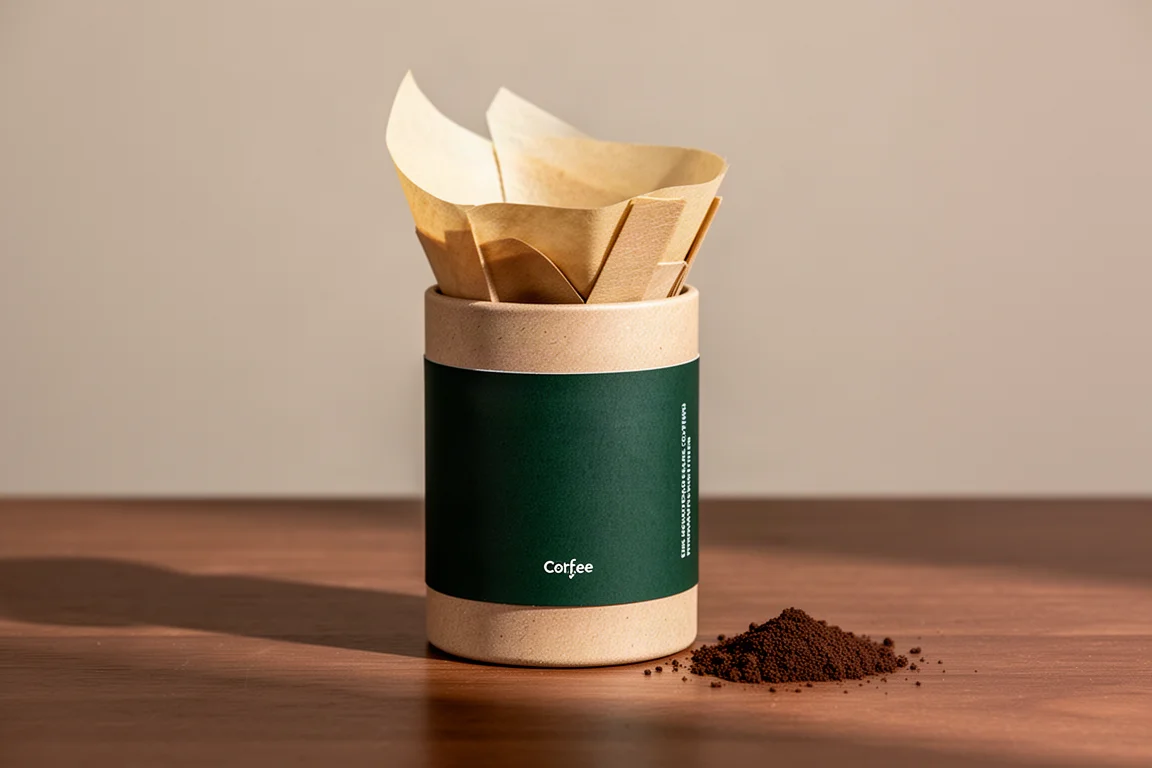
The Brew Company makes a self-contained pour-over coffee pouch. The coffee arrives pre-packed in a filter that hangs inside the bag. You open the top, pour water over the grounds, and the coffee drips into the lower compartment. Snap off the small cap and pour it into your cup.
The coffee is specialty grade, with roasts, strengths, and origins to choose from, and it is manufactured in Denmark. Brewing takes about four minutes for a mild cup and about eight minutes for a strong one. Pour-over teas are available as well.
The pouch is reusable. If you prefer your own grounds, you can fill the internal filter with them, cap it, seal it in a zip bag, and use it as a pour-over brewer on later trips. It weighs 35 g with the coffee already inside, which is about as close to weightless as a proper cup of coffee gets, and it takes up almost no room in a pack.
Pack Weight and Fuel Trade-Offs
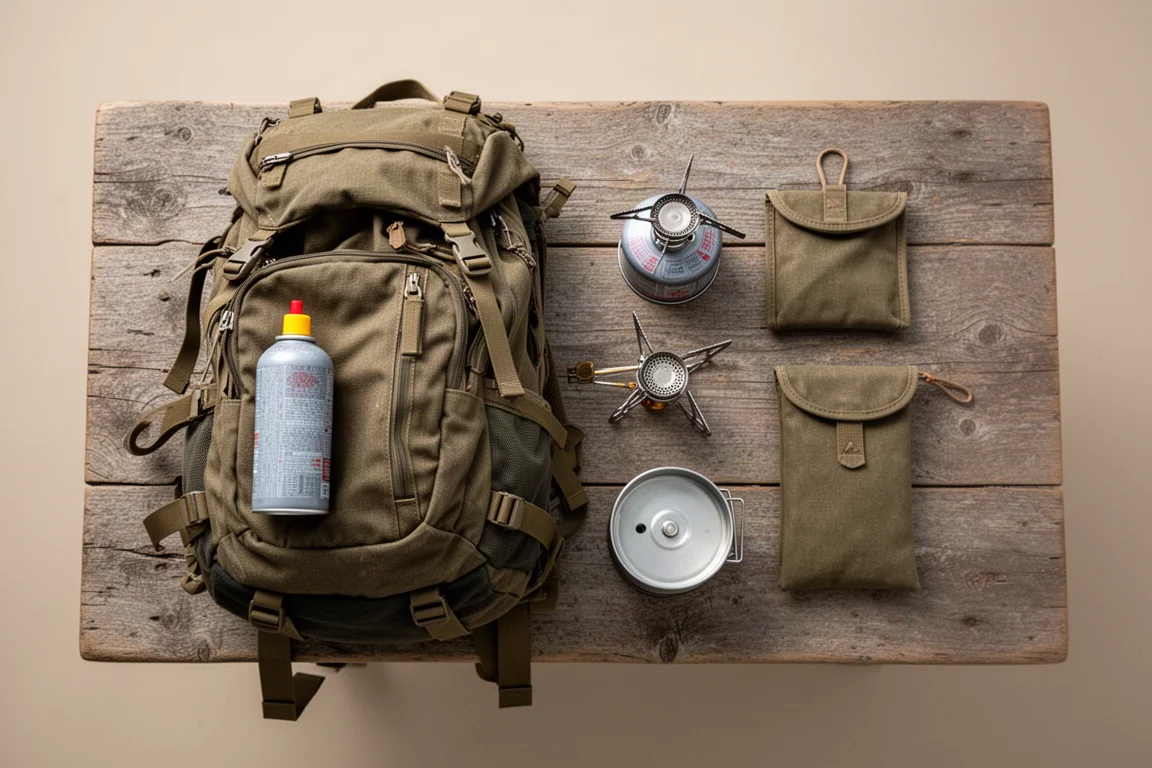
Add the hardware together and the two physical items come to a little over 150 g before fuel, with the lantern accounting for most of it. The app adds nothing to your pack but carries a yearly cost instead. That split is the honest way to look at this group: two small weight penalties and one recurring subscription.
Fuel is the other consideration. The lantern shares a canister with your stove, so the practical approach on a two-night trip is one larger canister rather than two small ones. The coffee pouch needs only hot water, which you are already boiling.
If you are counting every gram for a long-distance hike, the lantern is the first item to leave behind, since its value depends on spending a relaxed evening at camp. The coffee pouch is light enough that it rarely needs to be justified.
How the Three Work Together on a Short Trip
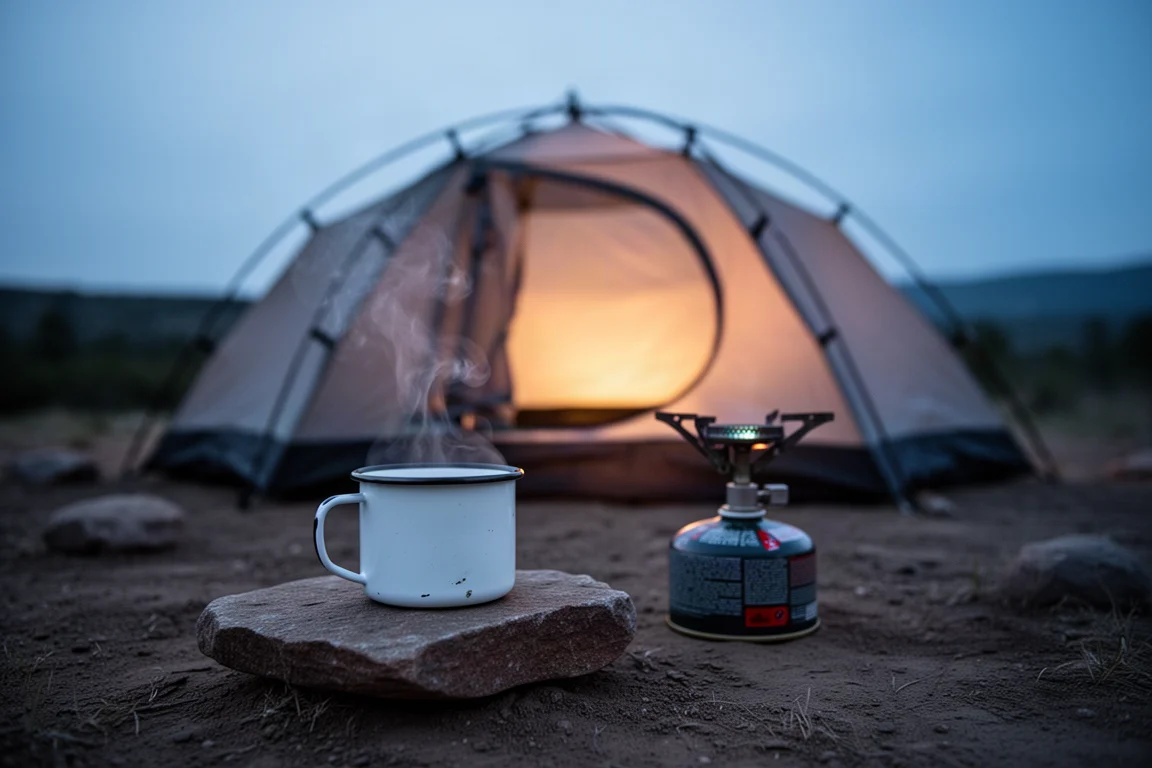
On a weekend trip the three fit together naturally. The navigation app is the planning layer: it helps you find a campsite or a trail and confirms whether the ground you are standing on is public or private. The lantern comes out after dinner, when the stove has done its job and the canister still has fuel in it. The coffee pouch is the morning ritual, brewed while you are packing up.
There is a packing detail worth remembering. The lantern’s plastic case exists to protect glass in a pack that gets set down on rocks, so it earns its place on the trip even though it adds weight. The leather-style cover does not.
Buying Advice for Backpacking Gadgets
Start with the problem you actually have. If your worry is route finding, campsite discovery, or whether you have crossed a property line, the navigation app is the one to add, and the $100 annual cost is the trade you accept for land ownership data and directional guidance. If your trips end with a quiet evening at camp and fires are not allowed where you go, the lantern changes the mood of the whole night for about 122 g, or roughly 6.5 oz with its case. If mornings are the part of backpacking you care about most, the coffee pouch costs you 35 g and a few minutes of waiting.
None of the three is essential, and that is the point. They are small upgrades that make a short trip more enjoyable, and each one is easy to leave behind when the itinerary calls for a lighter pack. Buy one at a time, see how it fits your own routine, and you will end up with a kit that matches how you actually camp rather than how a gear list says you should.
Conclusion
Three additions, three different jobs: navigation and land boundaries from the app, warm light from a canister lantern, and real coffee from a reusable pour-over pouch. Weighed against a lighter pack, each one is a deliberate trade. Weighed against a better evening and a better morning at camp, the trade usually looks worthwhile.
Further reading
Related Reviews

Backpacking Gear
Building a 10 lb Base Weight: An Ultralight Backpacking Gear List
A practical walkthrough of the ultralight pieces behind a 10 lb base weight, from a 765 g pack and a roomy one-person tent to a full camp chair and a dependable water filter.

Backpacking Gear
A 15-Pound Lightweight Backpacking Gear List for Solo Trips
A beginner-friendly 15-pound backpacking setup built from easy-to-find gear, with notes on what each piece does, how it packs, and where to spend your attention.

Backpacking Gear
8 Ultralight Backpacking Gear Upgrades Worth Carrying
Eight small, affordable backpacking upgrades that solve real trail annoyances, from a pillow that stays put to a fuel valve that rescues leftover canister gas.