Cycling Components
Three Aero Upgrades Explained: Are They Worth It for You?
Three aero upgrades with real engineering behind them, the riding conditions where they pay off, and the honest limits of what they deliver.
Introduction
Speed is one of the most expensive things you can buy in cycling. Aero components are sold on the promise of free watts, and while some of those watts are real, they rarely arrive where most riders expect them.
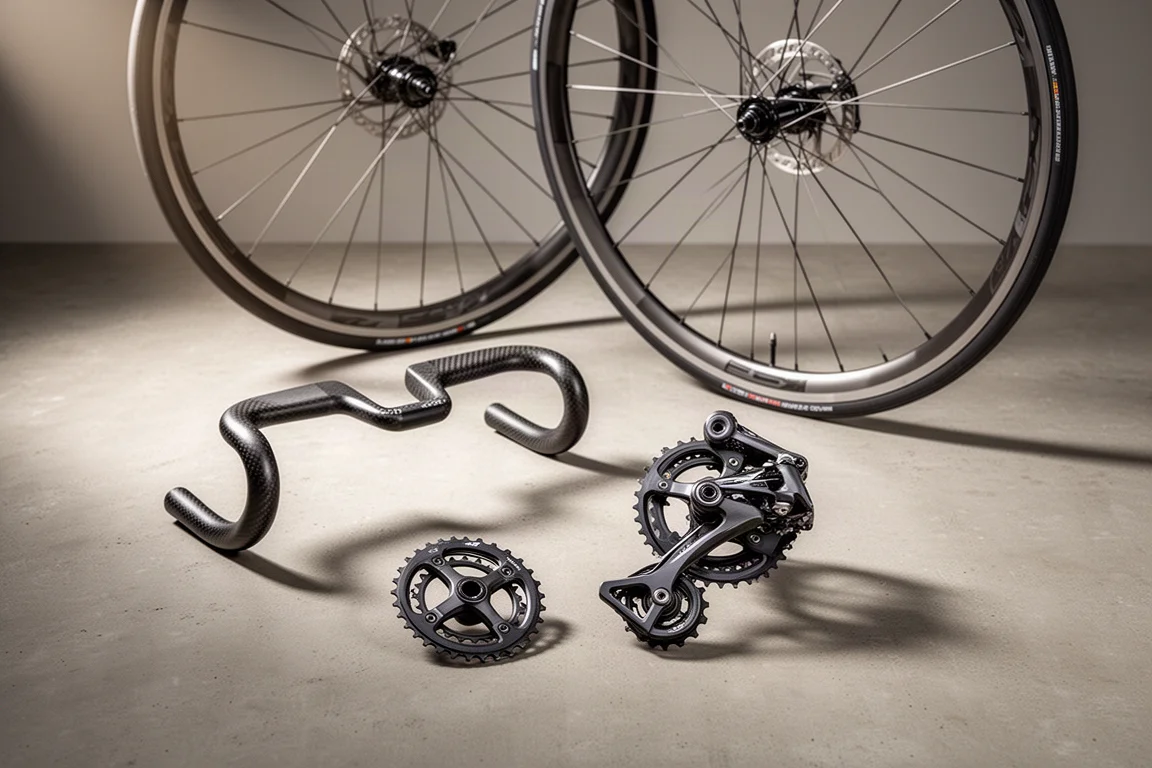
This guide looks at three upgrades that regularly appear on wish lists: an oversized pulley derailleur cage, a carbon aero handlebar, and an alloy wheelset that works well as a reference point. Each one has a genuine engineering case behind it. The question is whether that case applies to the riding you actually do.
What These Aero Upgrades Have in Common
All three sit in the same category of marginal gains. They are developed and tested around drag numbers, and those numbers are usually measured at race speed with a rider already holding an aerodynamic position.
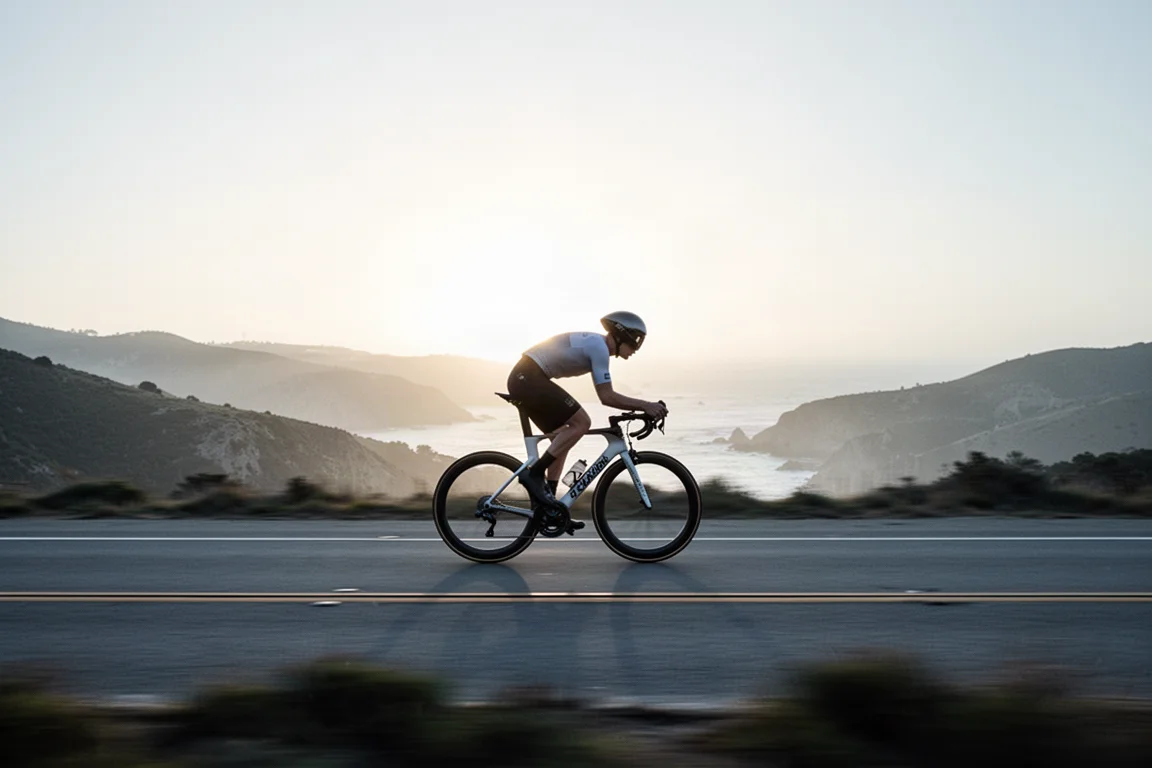
That context matters when you read a claim. A 40 percent reduction in drag sounds enormous until you notice it applies to one component rather than the whole rider and bike system. Component-level savings stack up for a professional chasing a time trial result, and they disappear into the noise on a weekend ride where position, clothing, and traffic do most of the deciding.
Price is the other shared trait. Aero hardware carries design and testing costs, and those costs land in the retail price. Paying them makes sense when the component solves a problem you actually have. It makes much less sense when the gain is smaller than the natural variation in your own body position from one ride to the next.
CeramicSpeed OSPW Aero: Race-Day Drag Reduction
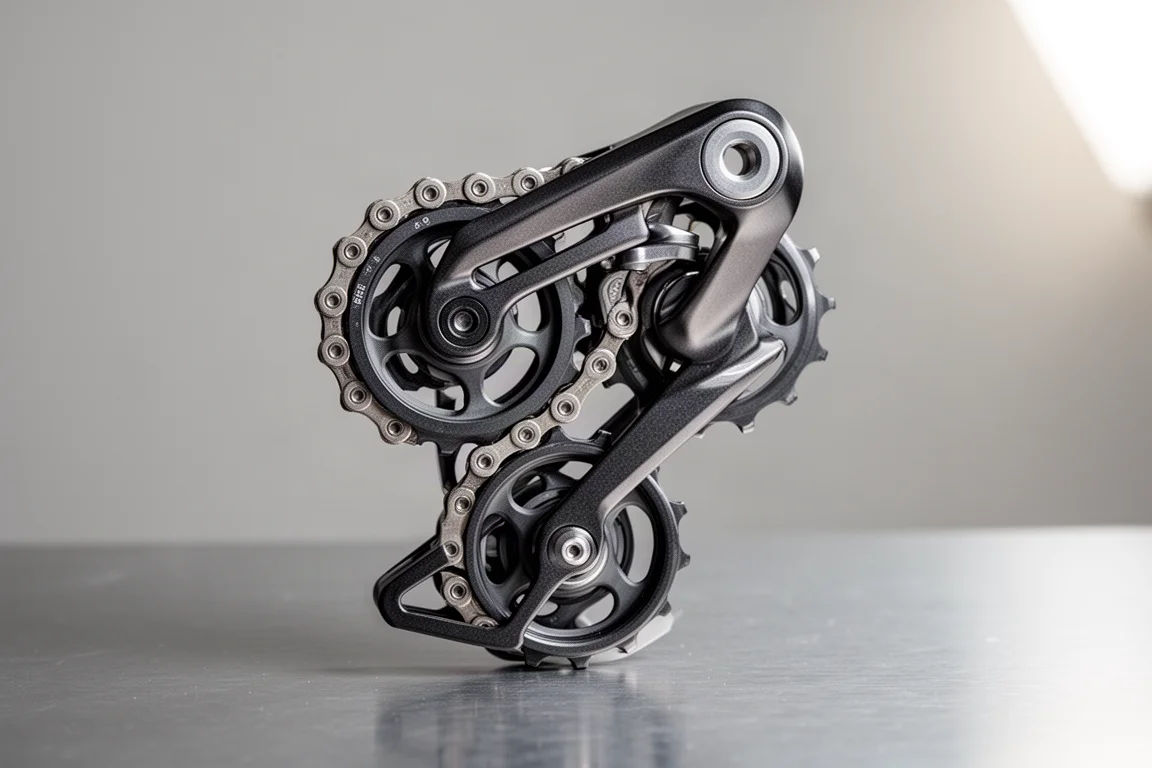
The OSPW Aero is an aerodynamically optimized derailleur cage built around an oversized pulley wheel system. It is a striking piece of hardware, and it is priced accordingly at $800.
The manufacturer’s claims are specific. Average drag reduction of 40 percent compared with a stock derailleur, rising to as much as 60 percent at some points. CeramicSpeed’s own figure for the payoff is a saving of 2.5 seconds for a professional cyclist over a 25 km time trial ridden at 50 km/h.
That is a real number for a rider whose results are decided by seconds. It is also a number that will not register on a lap of your local park or a group ride where the pace is set by whoever is strongest on the day. Read the claim carefully and the context is right there: professional, time trial, 50 km/h. Outside those conditions the return shrinks quickly.
ENVE SES Aero Bar: Shape, Flare, and Cost
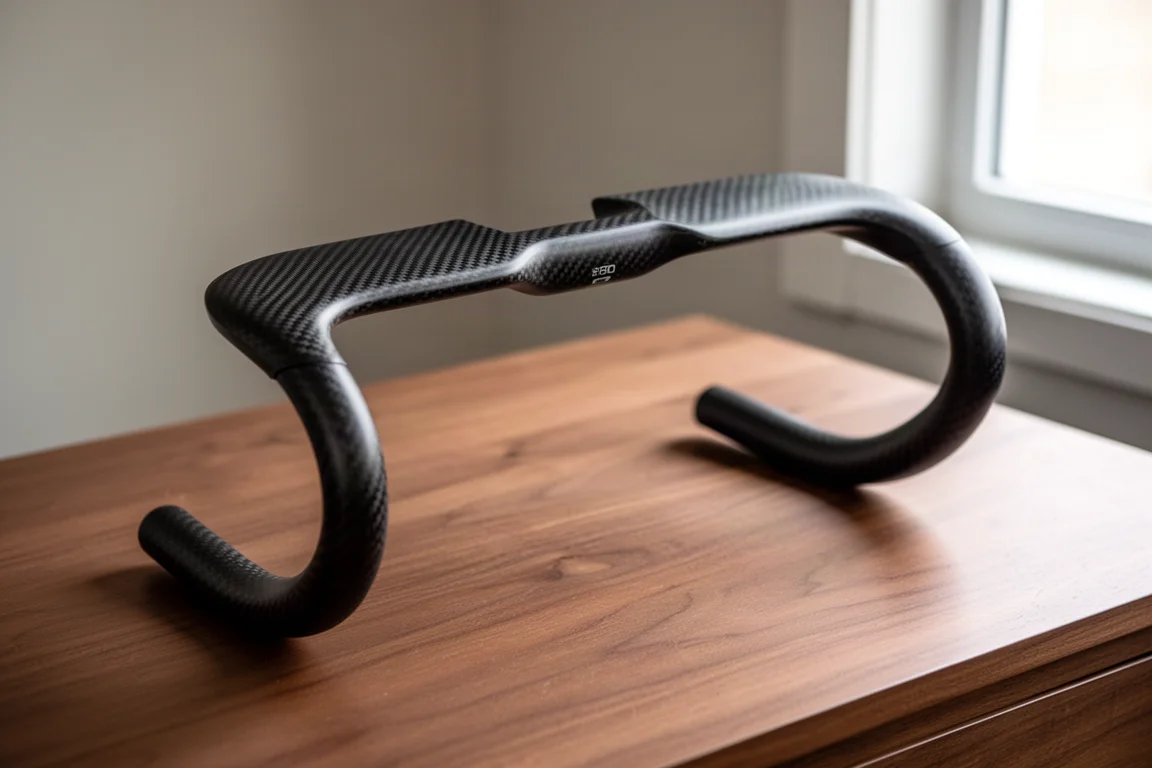
Carbon aero handlebars are among the more visually obvious upgrades you can fit, and the ENVE SES Aero Bar shows why. Two design features define this category. The tops are flattened out with a deeper profile, shaped to reduce drag compared with a round tube. The second is flare: the shifter clamp area is noticeably narrower than the drops, so you can stay stable in the drops before getting compact on the tops.
Both features are functional, and both come with a cost. This bar sits around $400, which is a large amount to spend in pursuit of aerodynamic gains.
It is worth setting expectations before you buy. Going from a round bar to an aero bar does not deliver a significant saving on its own. The shape helps, the flare helps, and neither will transform your average speed.
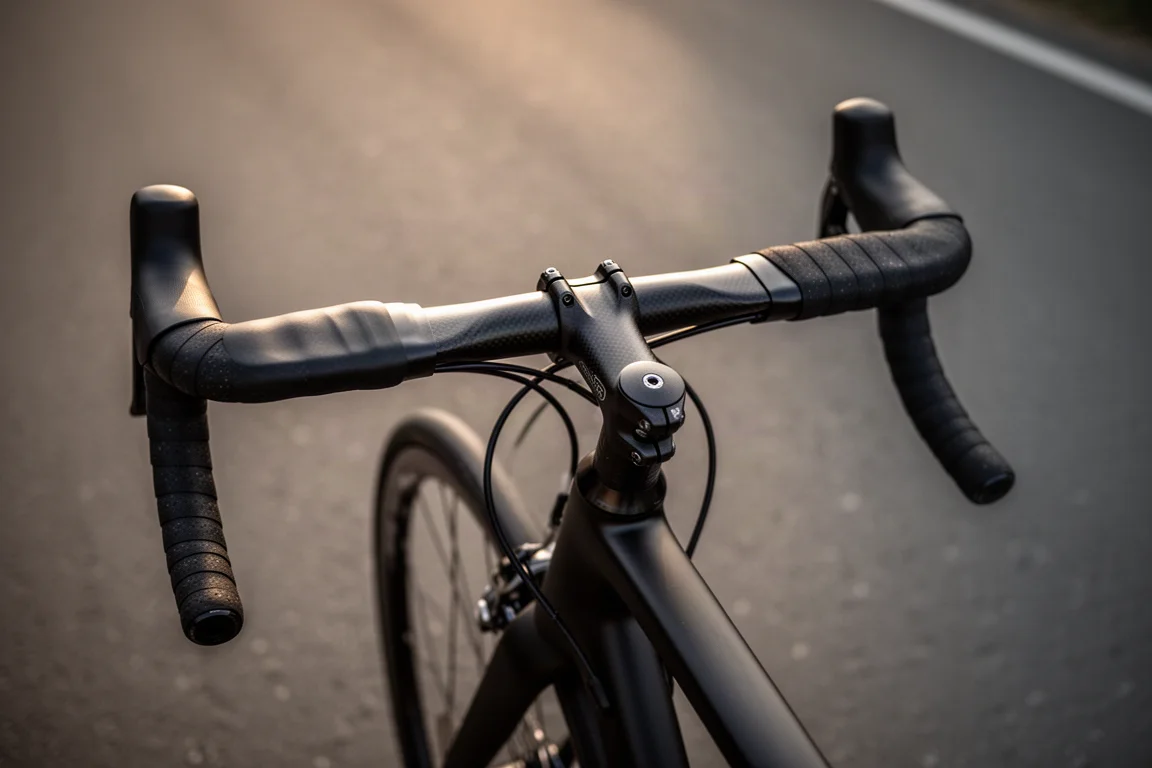
Where the bar earns its place is fit and control. A narrower clamp area and flared drops change how the front end feels and how you hold position on longer efforts, and that can matter more to your riding than the drag figure on the box.
Mavic Aksium Wheelset: The Alloy Baseline
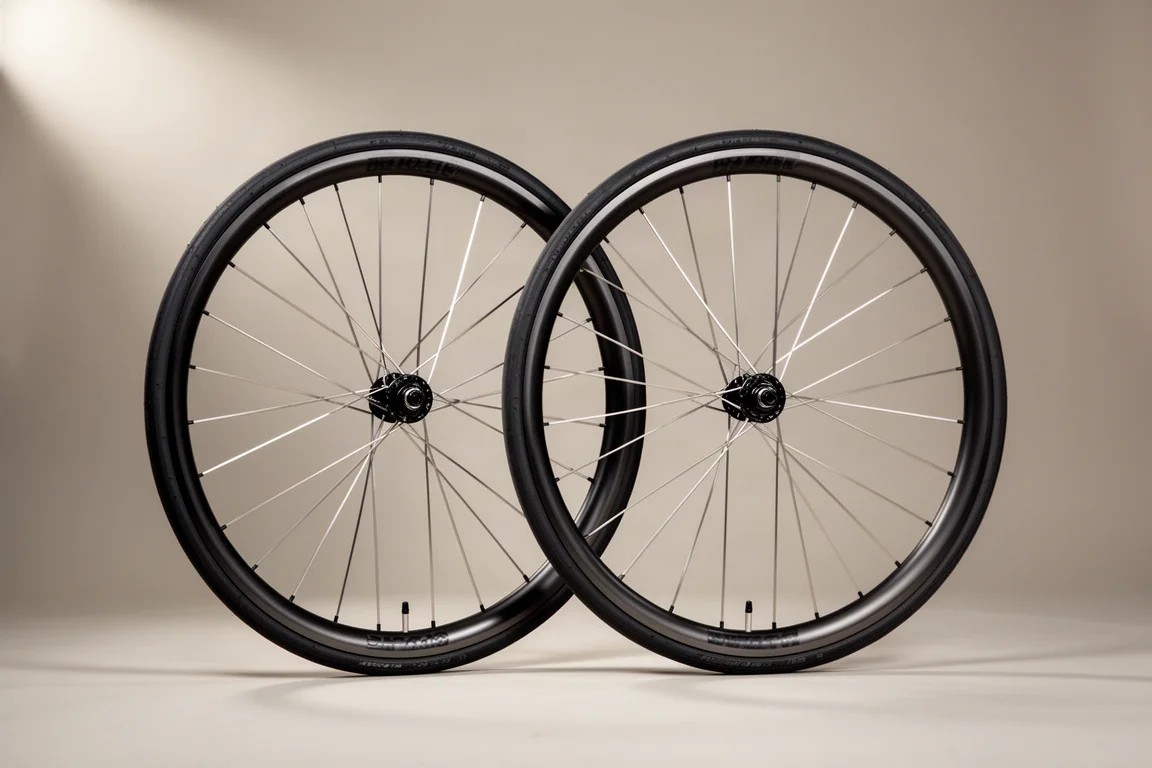
The Aksium is an alloy wheelset that turns up constantly in wind tunnel comparisons, usually as the reference point. That role is more useful than it sounds.
In wind tunnel testing, a carbon aero wheelset saved just over 10 watts compared with a Mavic Aksium wheelset. Ten watts is a meaningful gap at speed, and it is the number that justifies stepping up from a basic alloy set to a carbon one.
What it does not justify is spending several thousand on the most expensive aero wheels available. Basic carbon wheelsets from brands such as Hunt and Prime deliver most of the aerodynamic gain for a fraction of the cost of the top tier. Aero wheels also save a little weight, which adds a second benefit beyond drag.
The Aksium itself remains a dependable choice for riders who want alloy durability and predictable handling, and a sensible yardstick for judging whether a more expensive wheelset is worth the step up.
Where Aero Spending Pays Off Most
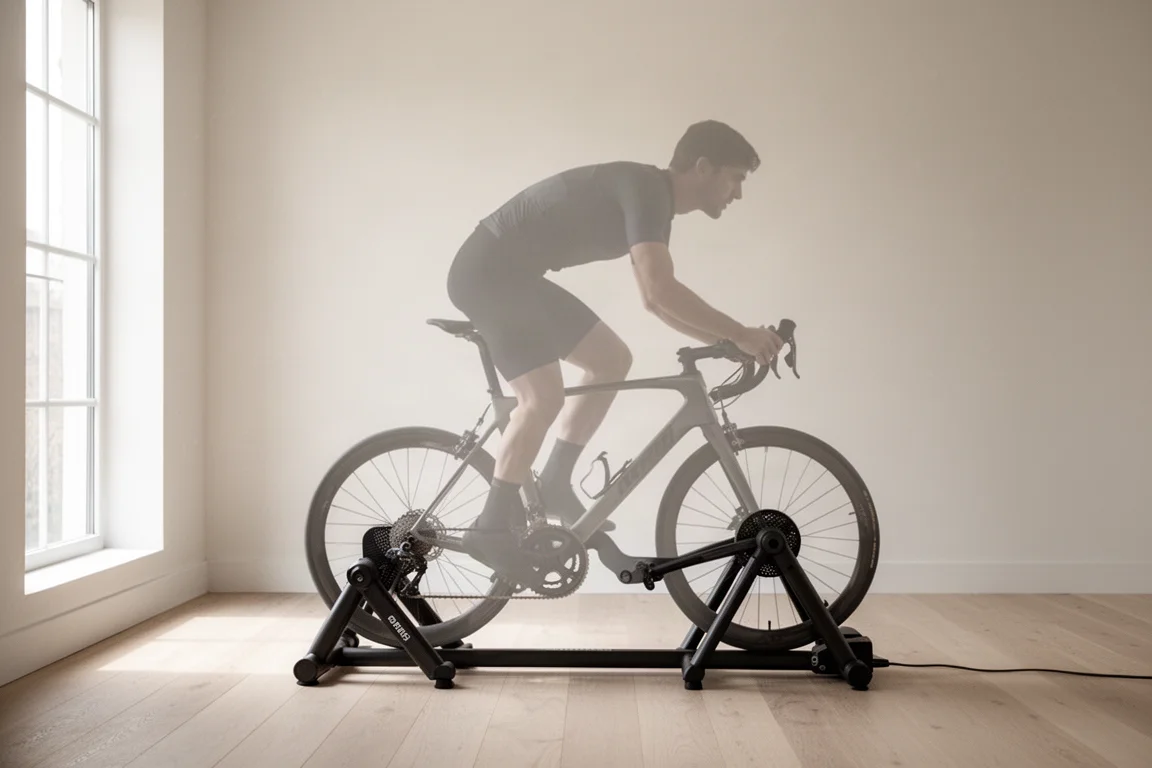
Nothing beats working on your position. It is not something you can buy, and it takes time and effort to hold a more aerodynamic position on the bike, but it is by far the most influential change available.
In wind tunnel measurement, position accounted for roughly 30 watts. That is a larger gain than any component in this guide, and it costs nothing.
Getting there takes preparation. Stretching and core stability work make the position sustainable, and dedicated portions of training rides, including easy ones, are the place to practise holding it.
There are risks worth respecting. Changing your position can cause problems elsewhere, and a saddle height adjustment after a wind tunnel session has been known to trigger knee pain that took months to settle. If you are planning a significant change, consulting a bike fitter first is the sensible move.
A practical order of operations follows from that. Sort out your position, then your clothing, then your wheels, and only then consider the small component-level gains.
Matching Upgrades to Your Riding
The same logic applies across the aero catalogue. A skin suit saves around 3.6 watts over a jersey and shorts combination and costs roughly £350, which is a poor trade for a rider whose weekend pace is decided by fitness rather than fractions of a second. Aerodynamically optimized computer mounts are another example: most computers already ship with a mount their maker describes as aero optimized, and there is little evidence that a dedicated aero mount changes anything measurable. Aero-labeled tires follow the same pattern, with rim and tire interfaces offering savings that are minuscule outside track racing.
The riders who genuinely benefit from component-level aero are the ones competing in timed events, where seconds decide placings and every part of the system is already optimized. Everyone else gets a better return from position, consistency, and fitness.
Buying Advice: Matching Upgrades to Your Riding
Start with the free gains. Position work, core stability, and time spent holding an aero position are the highest-value changes available, and they make every component purchase afterwards more effective.
If you race against the clock, the OSPW Aero has a defensible case at $800, provided you accept that the 2.5 second figure applies to a professional over 25 km at 50 km/h. If you are chasing comfort and control at the front end, the SES Aero Bar at around $400 delivers shape and flare rather than a dramatic speed increase.
For wheels, the sensible step is from an alloy set like the Aksium to a basic carbon aero wheelset, which captures just over 10 watts of the available gain without the cost of the top tier. Spending several thousand on premium aero wheels is hard to justify unless everything else on the bike and in your position is already dialled in.
Whatever you choose, buy for the riding you do most. A component that helps you hold a better position for longer is worth more than one that shaves a fraction of a second you will never measure.
Conclusion
Aero upgrades are not worthless, they are conditional. The OSPW Aero, the SES Aero Bar, and carbon wheelsets all do what their makers claim within a narrow set of conditions: high speed, an already efficient position, and a rider whose results depend on seconds.
For most riders, the fastest money is not spent at all. Position work is worth around 30 watts and costs nothing but time. Everything after that is a question of whether the gain matches your riding, and honest answers there will save you more than any component will.
Further reading
Related Reviews
Cycling Components
A 20,000-Mile Budget Race Bike Build: Five Parts Worth Knowing
A rim brake race bike assembled from low-cost components and ridden for 20,000 miles. Here is what delivered real speed, what caused problems, and what to weigh before copying the formula.
Cycling Components
7 Bike Fit Products Fitters Avoid: What to Check Before You Buy
Seven bike components that regularly cause knee, foot and saddle problems, with the specific concerns behind each one and what to look for instead.
Cycling Components
Four Affordable Bike Upgrades That Improve Ride Feel
Four low-cost cycling products that make a real difference to ride feel, plus the free setup changes worth trying first.