Camping Insect Repellent
Thermacell Backpacker Review: Isobutane Insect Protection That Actually Works
A compact isobutane-powered repellent device that clears gnats, blackflies, and mosquitoes without spraying anything on your skin, with a few real limitations worth knowing.
Introduction
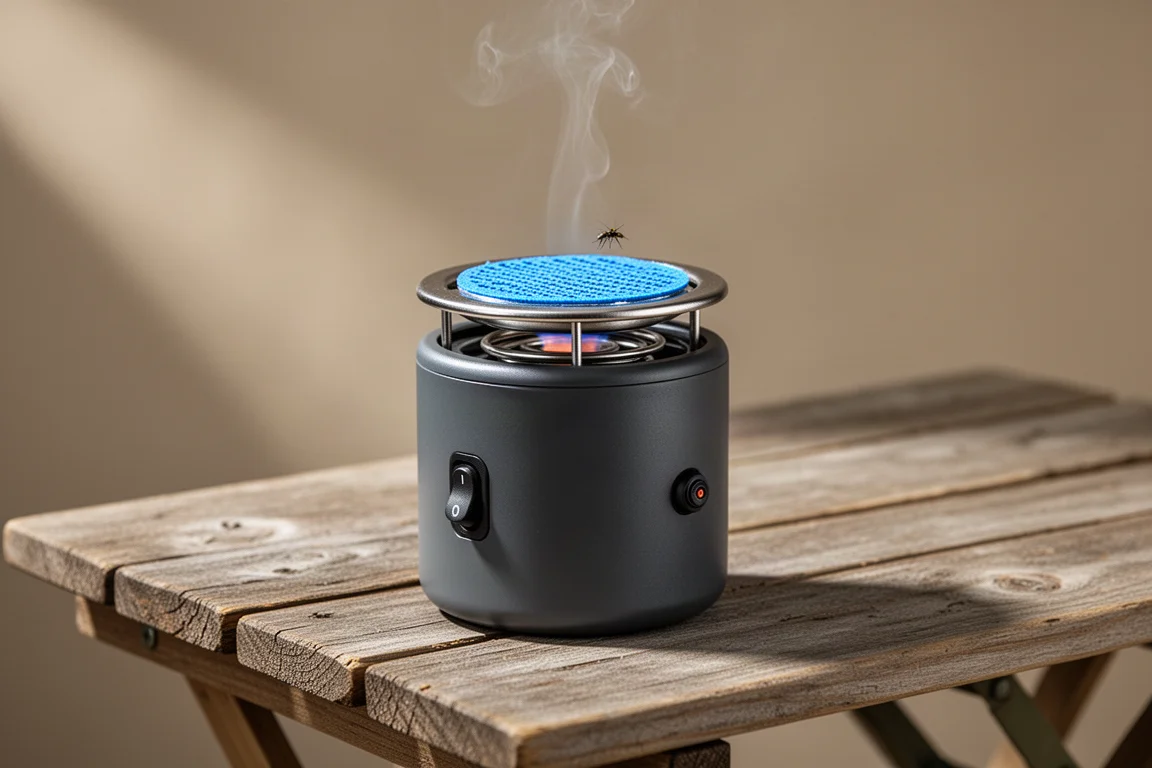
The Thermacell Backpacker is a compact insect repellent device that runs on isobutane fuel instead of a battery. That single design decision separates it from most of the repellent hardware the brand makes, and it is the main reason this unit deserves a closer look. The device stands roughly 4.5 inches tall and about 3 inches wide, and it weighs around 4 ounces on its own, or about 5 ounces with the storage bag and the four repellent mats that come in the box.

Getting it running takes only a moment. You unscrew the bottom cap, thread the device onto an isobutane canister, slide a repellent mat over the metal plate at the top, flip the switch to on, and press the igniter. A small pilot light window above the igniter, which also serves as a vent, lets you confirm the flame is lit, and one or two clicks is normally enough to get it going. From there the pilot light heats the metal plate, and the plate heats the repellent mat.
That warm-up is the one part of the experience you have to plan around. The device takes roughly 15 minutes before it starts producing visible smoke from the mat, and that matches the manufacturer’s own estimate closely. Once it reaches temperature, the unit is quiet apart from a faint sound of gas escaping, and it can be picked up and moved from one spot to another without any fuss.
Who This Product Is For
This device suits campers, overlanders, and anyone who spends long stretches outdoors in bug-heavy conditions and would rather not coat their skin in spray. Because the repellent is released into the air around you rather than applied to your body, it is a good fit for people who react badly to topical repellents or simply dislike the feel of them. Clothing treatment remains a sensible complement, but skin application is not part of the routine here.
It is also a practical choice for anyone who has been burned by battery-powered repellent devices before. Electronics that include a heating element have more parts that can fail, and the failure reports that surround this category tend to cluster around those more complicated designs. The Backpacker strips the concept down to a gas canister, a pilot light, and a metal plate, which is a much shorter list of things that can go wrong. The trade-off is that you need isobutane fuel on hand, which is a fuel type most campers already carry for their stoves.
Main Strengths
The core question is whether it works, and the answer is yes. Testing across several months in mosquito, blackfly, and gnat country showed that the device clears flying insects from the immediate area, and the gnats in particular stopped bothering within about 5 to 10 minutes of ignition. That is a meaningful result for anyone who has tried sprays and lotions that never quite solved the problem, and it held up across repeated outings at lower elevations as well as on higher ground.

Not needing to put chemicals on your skin is a genuine advantage, and so is the simplicity of the whole system. There is nothing to configure, nothing to charge, and no settings to learn. Fuel efficiency is another quiet strength. The manufacturer rates a 4 ounce canister at around 90 hours of run time and a larger canister at roughly 360 hours, and after months of regular use the canister used for testing still felt essentially full, which lines up with those numbers.
The repellent mats themselves have been independently tested and carry EPA approval for safety and effectiveness, and they are described as people and pet friendly. The manufacturer does specify outdoor use only. The device also carries a 100 percent money back guarantee, which matters in a category where opinions are genuinely divided, and the low cost of both the device and the refill mats makes it an easy one to try.
Field Performance and Real-World Results
The manufacturer claims an effective coverage area of about 15 feet by 15 feet, which works out to roughly 7.5 feet of protection in every direction from the device. In practice that claim holds up, but with an important caveat that governs everything about how you use it. The repellent is carried outward by air movement, so on a calm day you get the full radius, and on a breezy or windy day the repellent is pushed away and the protected zone shrinks considerably.
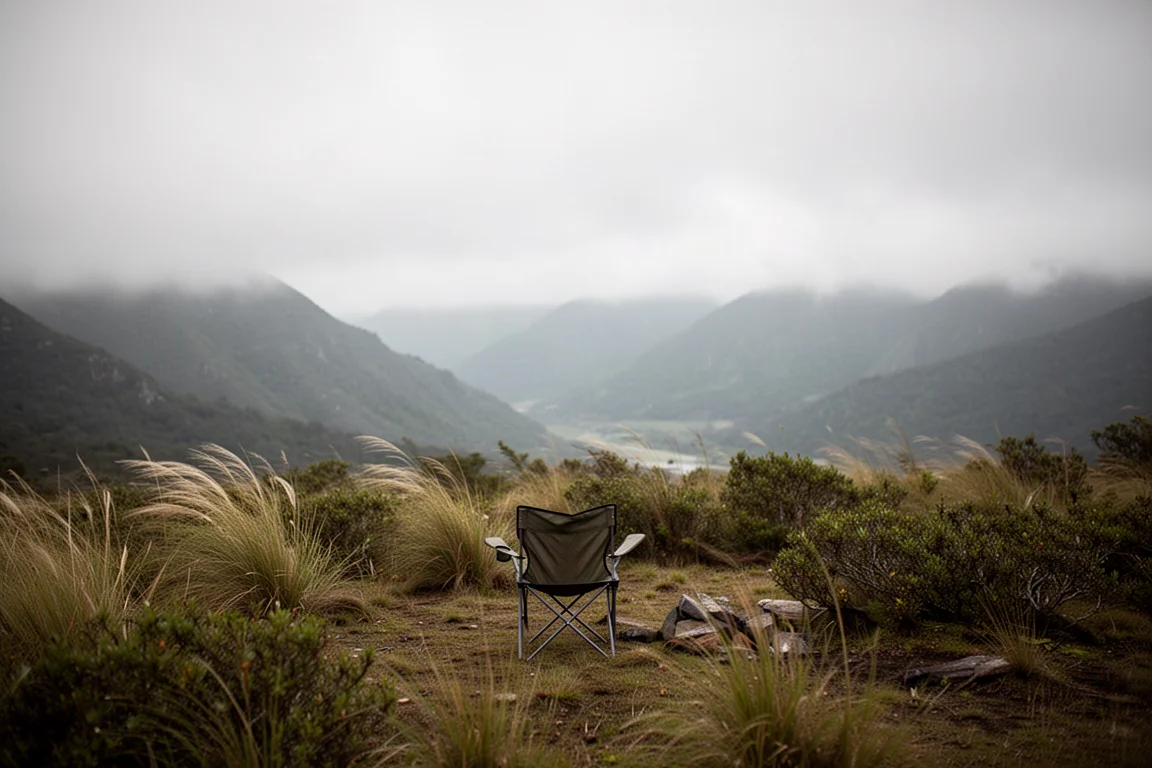
That makes placement the single most useful skill with this product. In windy conditions you want the device as close to you as possible, tucked under a camp chair if necessary, so you stay inside whatever pocket of repellent remains. It also means larger camps need more than one unit. For a group of several people spread around a site, two or three devices placed among the group will cover far better than a single unit at the centre.
Pad longevity is the other area where real use diverges from the spec sheet. The manufacturer rates each mat at about 4 hours, while testing here produced closer to 8 hours of solid protection before a mat needed replacing. That result should be treated as conditional rather than universal, because insect pressure and local species vary widely from region to region. A used mat is easy to identify: it starts blue and turns white once spent. There are roughly 3,700 mosquito species worldwide, so no single device can be assumed to perform identically everywhere.
Two manufacturer claims do not survive contact with reality. The mats are described as odorless, and they are not. There is a light, citronella-like smell when a fresh mat is opened, pleasant rather than harsh, and it fades over time, but it is definitely present. The claim of no smoke is also inaccurate, since a thin plume is visible once the unit reaches operating temperature. Neither issue undermines the device, but both are worth knowing before you buy.
Things to Consider Before Buying
The storage bag is the most irritating detail of the package. It is long enough for the device but very tight, which makes getting the unit in and out more of a wrestle than it should be. It is a small annoyance rather than a functional problem, and it does not affect how the device performs in the field.
The more serious consideration is altitude. The Backpacker is not effective above 7,000 feet, and the reason appears to relate to the heating element rather than anything you can adjust. If your trips regularly take you above that elevation, this is not the right tool, and no amount of repositioning will change that.
Wind is the other limiting factor, and it deserves repeating because it shapes expectations. The protection radius is modest to begin with, and it narrows further whenever there is a breeze. Buyers who picture a single device covering an entire campsite in gusty conditions will be disappointed. Buyers who understand it as a personal or small-group protection zone that needs to be positioned thoughtfully will get far more out of it.
Fuel Use, Pads, and Running Costs
Running costs are genuinely low. The device itself is inexpensive, and the refill kit is inexpensive as well. The standard refill kit includes 12 mats, and each one delivers at least several hours of protection in practice, so a single kit covers a substantial number of evenings. The four mats included with the device are enough to get started, but most regular users will want a refill kit on hand fairly quickly.
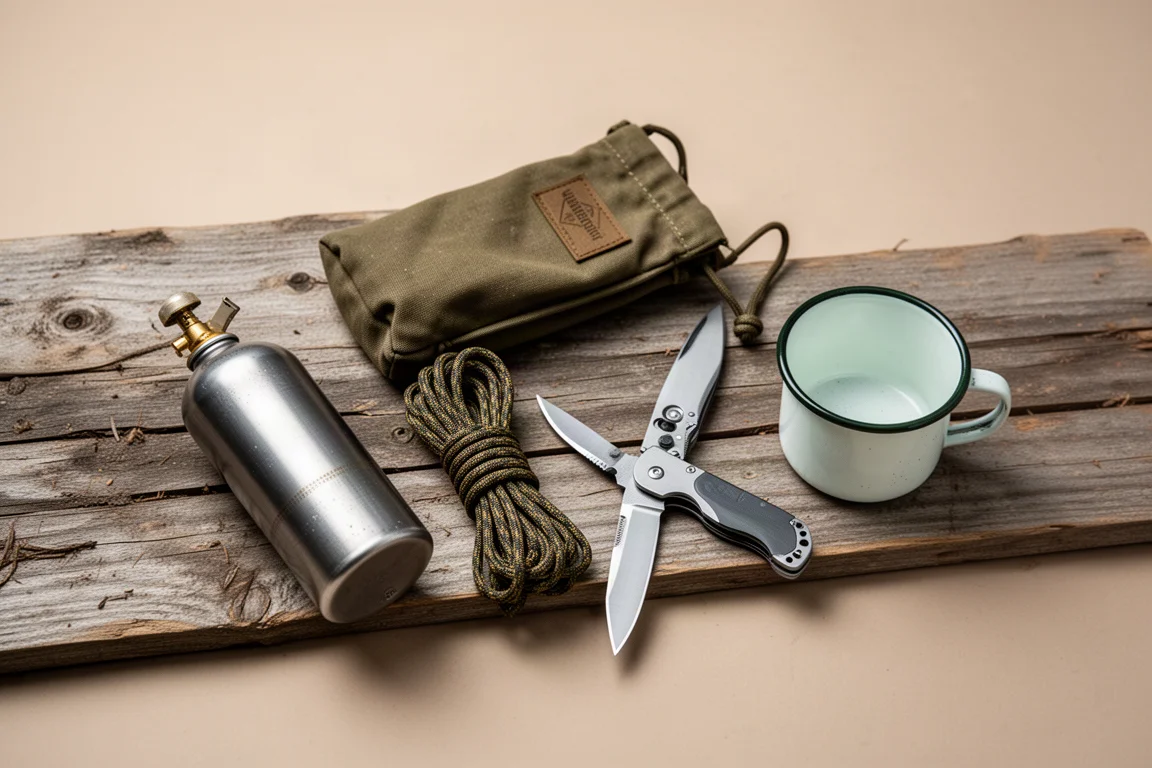
Fuel is where the economics get even better. Because isobutane consumption is so low that a canister can feel untouched after months of use, the ongoing fuel cost is negligible compared with the mats. If you already carry isobutane canisters for a camping stove, you are effectively set. The device runs on isobutane only, with no other fuel type supported, so there is no ambiguity about what to buy.
Buying Advice
The Thermacell Backpacker makes sense for anyone who wants reliable insect protection without topical repellent, especially campers and overlanders who already carry isobutane fuel and who stay below 7,000 feet. Its strongest case is simplicity: a pilot light, a metal plate, and a mat, with no battery to charge or electronics to fail.
Before ordering, think honestly about how you camp. If you travel in a group and spread out around a site, plan for two or three units rather than one, and accept that a breezy evening will require you to keep the device close. If your trips routinely climb above 7,000 feet, look elsewhere. And if the smell of a citronella-like mat or a thin wisp of smoke would bother you, set expectations accordingly.
For everyone else, the combination of low purchase price, inexpensive refills, minimal fuel consumption, and a 100 percent money back guarantee makes this a low-risk purchase. It is a device that either works for your conditions or gets returned, and the cost of finding out is small.
Conclusion
After months of use in mosquito, blackfly, and gnat territory, the Thermacell Backpacker delivers on the thing that matters most: it keeps biting insects away. It does so without requiring anything on your skin, it runs on fuel you probably already carry, and it costs very little to buy and very little to run.
Its limitations are specific rather than general. The protection radius is modest and shrinks in wind, it stops working above 7,000 feet, the storage bag is tighter than it should be, and the manufacturer’s odorless and smoke-free claims do not hold. None of those change the fact that the device works, and the money back guarantee covers the case where your local mosquito population disagrees.
Product link
View more details for Thermacell Backpacker
This product is mentioned in the review. Check the specifications, options, and compatibility before buying.
View more details for Thermacell BackpackerFurther reading
Related Reviews
Backpacking Gear
Building a 10 lb Base Weight: An Ultralight Backpacking Gear List
A practical walkthrough of the ultralight pieces behind a 10 lb base weight, from a 765 g pack and a roomy one-person tent to a full camp chair and a dependable water filter.

Road Bikes
10 New Road Bikes Worth Watching: Aero, Titanium, Steel and Endurance Standouts
A practical roundup of 10 new road bikes, from aero flagships chasing single-watt gains to titanium, steel and endurance platforms built for real roads.
Bikepacking Gear
11 Bikepacking Essentials for Long-Distance Cycling
Eleven bikepacking essentials for long-distance cycling, from a steel gravel frame and a two-person tent to helmet lights, packable gloves, and a frame bag that puts weight in the right place.