Sleeping Pads
Therm-a-Rest XTherm vs Nemo Tensor Alpine: Which Winter Sleeping Pad Fits Your Trip?
A side-by-side look at two winter sleeping pads: the 6.9 R-value Therm-a-Rest XTherm and the 4.6 R-value Nemo Tensor Alpine, with field impressions from a cold-weather comparison.
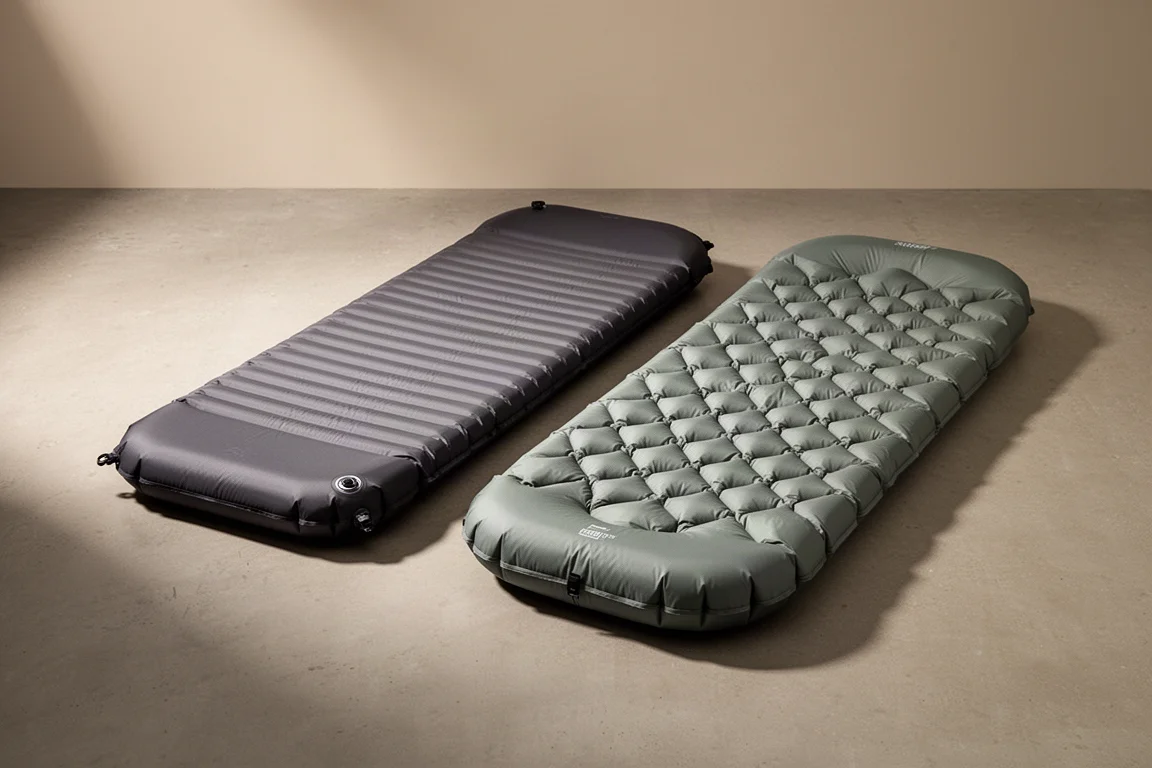
Introduction
Winter camping asks a lot from a sleeping pad. It has to hold heat under a body that lies still for hours, and it has to do that without turning a pack into a burden. Two pads come up again and again in that conversation: the Therm-a-Rest XTherm, with a claimed 6.9 R-value, and the Nemo Tensor Alpine, a winter-oriented pad rated at 4.6 R-value.
Both went onto snow in roughly 30 degrees Fahrenheit conditions under a 30-degree quilt, and the difference in how quickly each pad pushed warmth back into the body was easy to feel. This is a first-impressions comparison rather than a long-term verdict, but it covers the specifications that matter, the handling differences, and who each pad is genuinely for.
What Sets These Two Winter Pads Apart
On paper the two pads take different routes to the same goal.
The XTherm in the regular size weighs 15 ounces, measures 2.5 inches thick, and carries a 6.9 R-value. Therm-a-Rest builds it with a horizontal baffle system and a triangular baffle construction, and the pad uses the newer WingLock valve, a meaningful improvement over the valves the brand used for many years. The regular size is 20 inches wide.
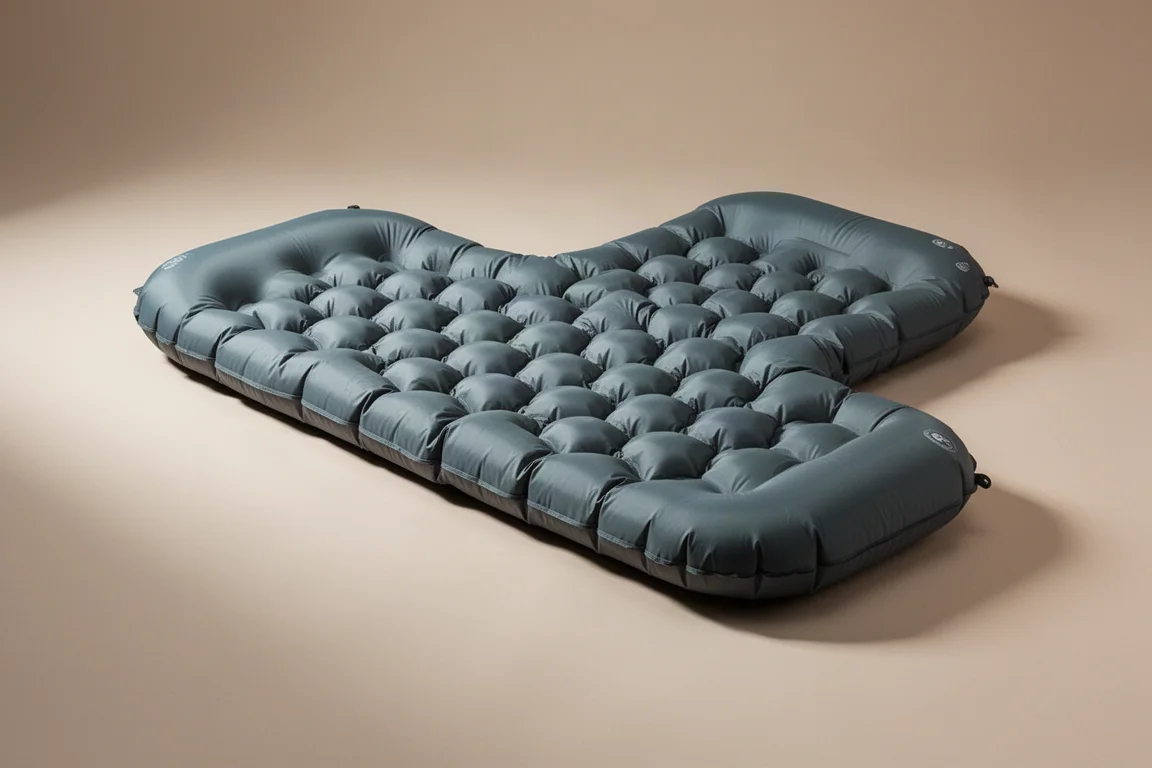
The Tensor Alpine in this comparison is the long wide size, which weighs 1 pound 11 ounces and measures 3 inches thick. Nemo uses a quilted surface and a space frame baffle construction that suspends three layers of film insulation inside the pad. The valve is a two-way design with a one-way inflate side and a dump side for fast deflation. Its R-value is 4.6. When the pad launched, Nemo advertised a negative 20 degree Fahrenheit temperature rating; that rating was later replaced by the 4.6 R-value once standardized sleeping pad testing arrived.
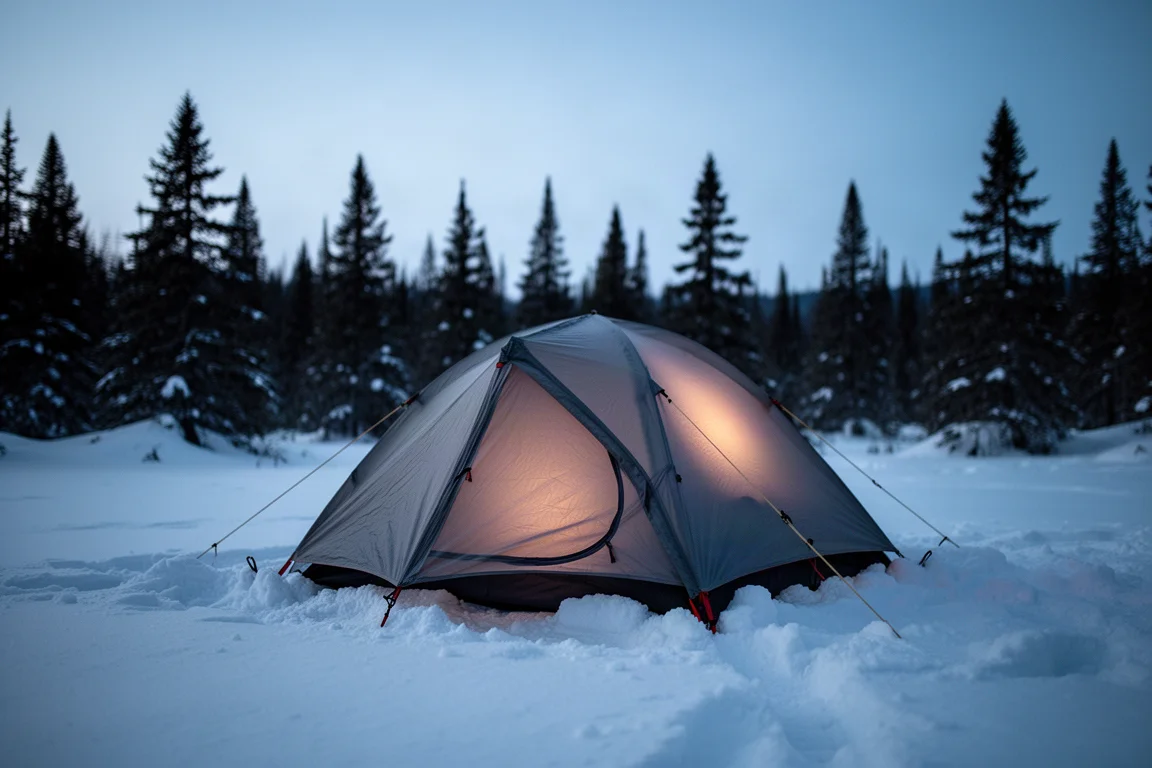
So the trade is straightforward. The XTherm buys warmth per ounce, while the Alpine buys cushion, surface area, and a plusher sleep surface.
Therm-a-Rest XTherm: Warmth Per Ounce
The headline number is the 6.9 R-value against a 15 ounce regular-size weight. That ratio is unusual, and it is the main reason the XTherm carries the reputation it does among cold-weather backpackers.
Two handling notes are worth knowing before buying. The horizontal baffles do not feel as comfortable for side sleepers as a quilted surface, and the pad still has a chip-bag crinkle when you move on it. Neither is a dealbreaker, but both are real parts of living with the pad. The WingLock valve has been a welcome change and has worked well in the short time it has been in use.
Nemo Tensor Alpine: Comfort and Stability
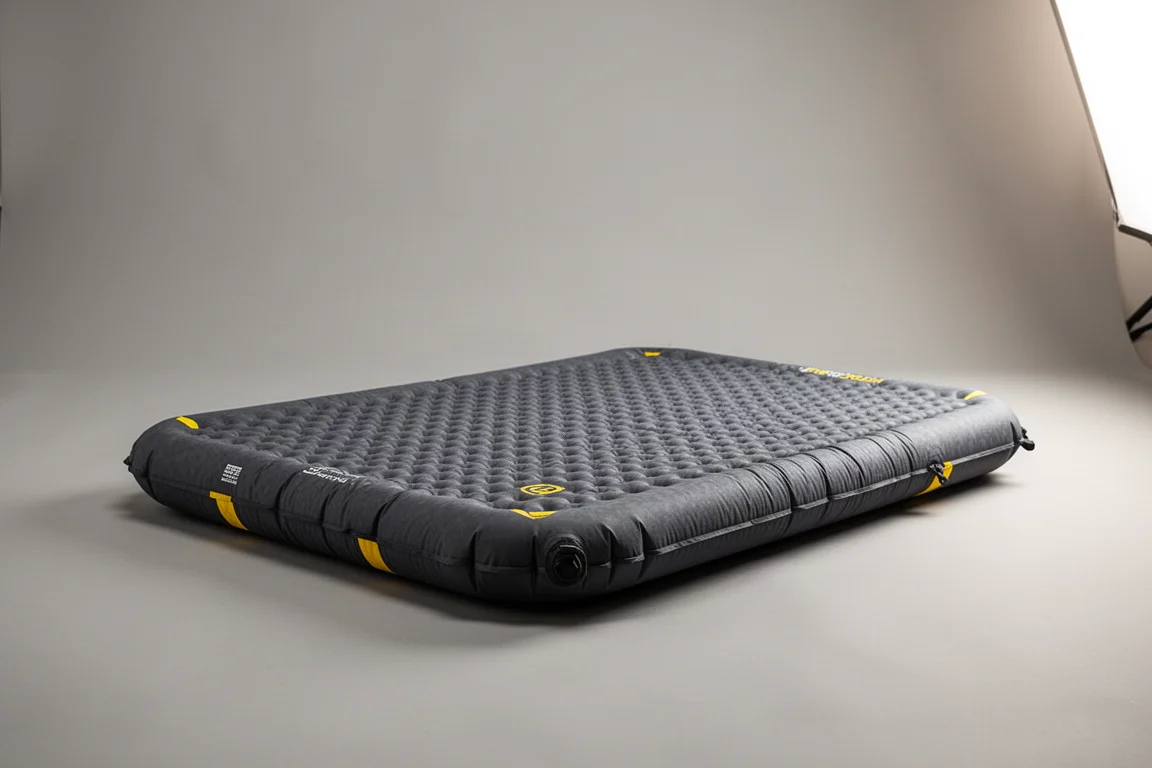
The Alpine goes the other way. Three inches of thickness, a quilted top, and a wider long wide footprint add up to a pad that feels stable and genuinely comfortable, and it wins on sleep surface quality. It has been in regular use for two years, including nights in the single digits below freezing, and it has handled them well.
The cost is weight: 1 pound 11 ounces for the long wide version, which is substantially heavier than the XTherm. The two-way valve is practical, with a quick dump side that speeds up packing. The 4.6 R-value is lower, but it still qualifies as a genuine winter-capable pad rather than a three-season pad stretched past its limits.
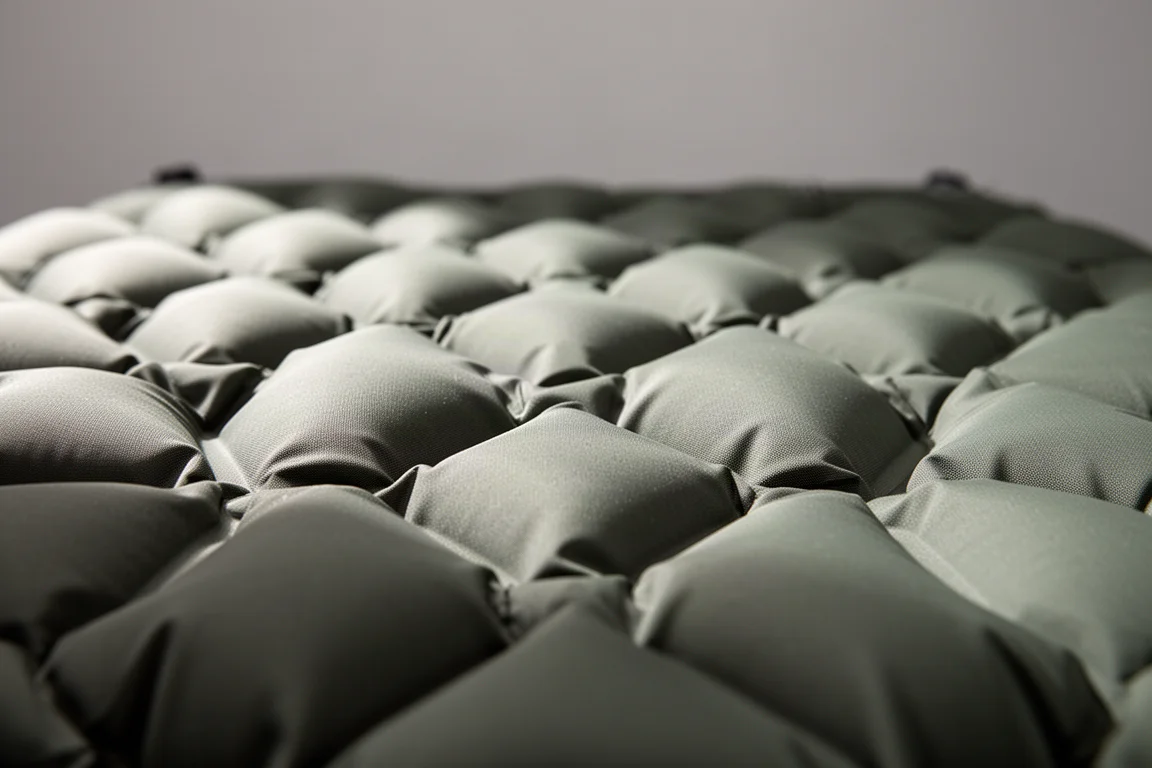
Sleepers who roll from side to side during the night will notice the stability difference immediately, and the extra thickness keeps hips and shoulders further from the ground.
Cold-Weather Field Impressions
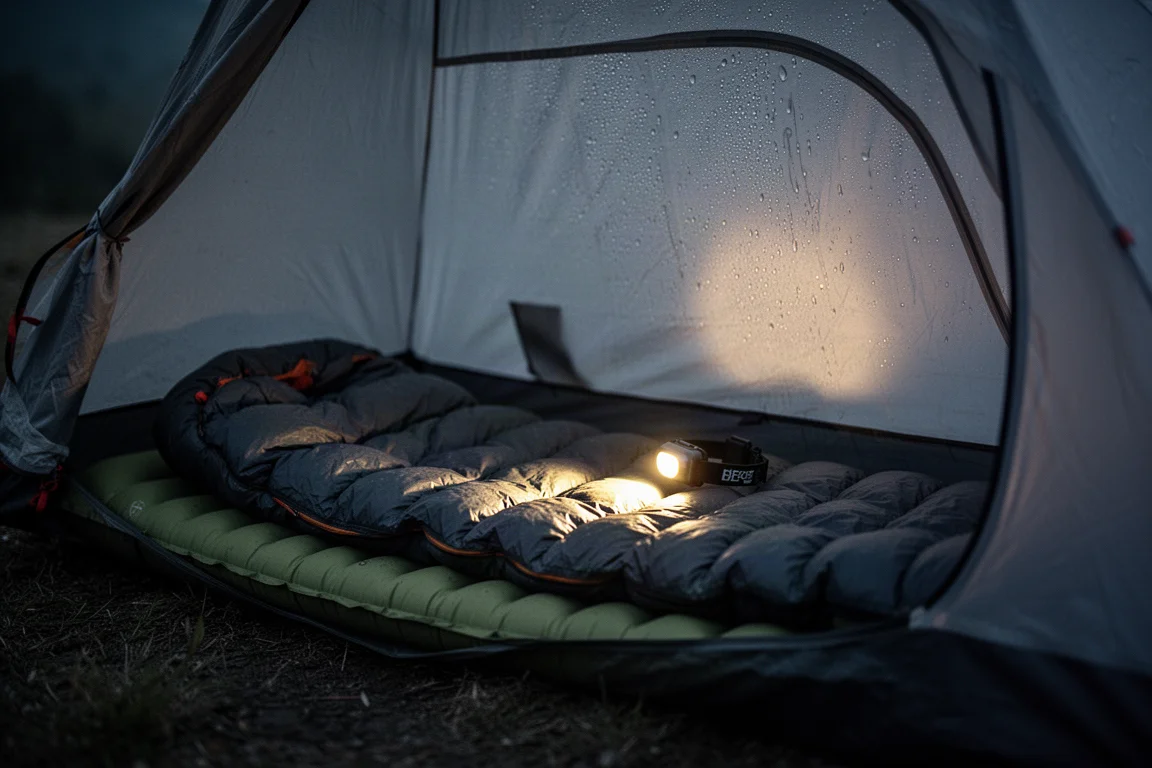
The comparison ran at about 30 degrees Fahrenheit with a 30-degree quilt, which puts the quilt right at its limit. Base layers only, no jacket.
On the XTherm, warmth came back from the pad within minutes. Even with a draft slipping in over the shoulders, the back stayed warm and there was no urge to curl up. After five minutes it was the warmest pad experience to date, and the surface was still noticeably warm to the hand on sitting up.
On the Alpine, the same setup produced warmth, but less of it and more slowly. Part of that comes down to the wider pad extending past the quilt, which allows more cold air around the edges. Even allowing for that variable, the gap between the two was clear. A cold sleeper will feel that difference more than most, and it is the sort of thing that decides whether a winter night is comfortable or merely survivable.
Matching the Pad to the Trip
The XTherm makes the most sense when warmth and pack weight are the priorities and the trip is squarely a winter one. Backpackers counting ounces on snow camping trips get the biggest return from it, and the comfort trade-offs are easier to accept when the alternative is being cold.
The Tensor Alpine fits trips where comfort carries more weight in the decision. Late three-season camping that pushes into cold nights, winter car camping, and anyone who values a wide, stable, thick sleeping surface will be happier on it. It has already proven itself on genuinely cold nights, just not with the same margin of warmth.
A useful way to frame it: choose the XTherm for the coldest trips on the calendar, and choose the Alpine when the best possible night of sleep across a broader range of conditions matters more.
Buying Advice: Which Winter Pad Makes Sense
If the goal is maximum warmth for the least carried weight in real winter conditions, the XTherm is the stronger pick, and the roughly 215 dollar price for the regular size is the premium paid for that combination. Its 6.9 R-value sits well above the Alpine’s 4.6, and the first impressions on snow backed up the numbers.
If comfort, stability, and a wider sleeping surface matter more, the Tensor Alpine is the better everyday companion. It remains a capable winter pad at 4.6 R-value, and it is the pad most people will find easier to sleep on night after night.
Buyers who sleep cold should weight warmth heavily. Buyers who move around a lot at night, or who camp in shoulder-season cold as often as in deep winter, will get more value from the Alpine’s surface and dimensions.
Conclusion
The XTherm earns its reputation on warmth per ounce, and the short cold-weather comparison made that clear. The Tensor Alpine answers a different question, trading some warmth for comfort, stability, and space. Neither choice is wrong. The right pad is the one that matches the coldest nights you actually camp in.
Further reading
Related Reviews
Sleeping Pads
Best Backpacking Sleeping Pads 2026: Nine Pads Rated on Price, Comfort, Warmth, and Weight
Nine backpacking sleeping pads compared on price, comfort, warmth, and weight, from a $65 summer pad to a year-round option rated at R-7.3.
Sleeping Pads
Best Backpacking Sleeping Pads: Comfort, Warmth, and Weight Compared
A practical comparison of the Nemo Quasar 3D, Therm-a-Rest NeoAir XTherm Max, and Big Agnes Rapide SL for backpackers choosing between comfort, warmth, and packed weight.
Sleeping Pads
Best Backpacking Sleeping Pads: Ultralight, Winter, Comfort and Budget Picks
A practical roundup of the sleeping pads that stand out for ultralight weight, winter warmth, pressure relief and value, plus three popular pads that fell short.