Sleeping Pads
Therm-a-Rest XTherm NXT vs NEMO Tensor Extreme Conditions: Choosing a Cold-Weather Sleeping Pad
A practical comparison of two premium winter sleeping pads covering warmth, durability, comfort, weight, price, and the temperatures each one handles best.
Introduction
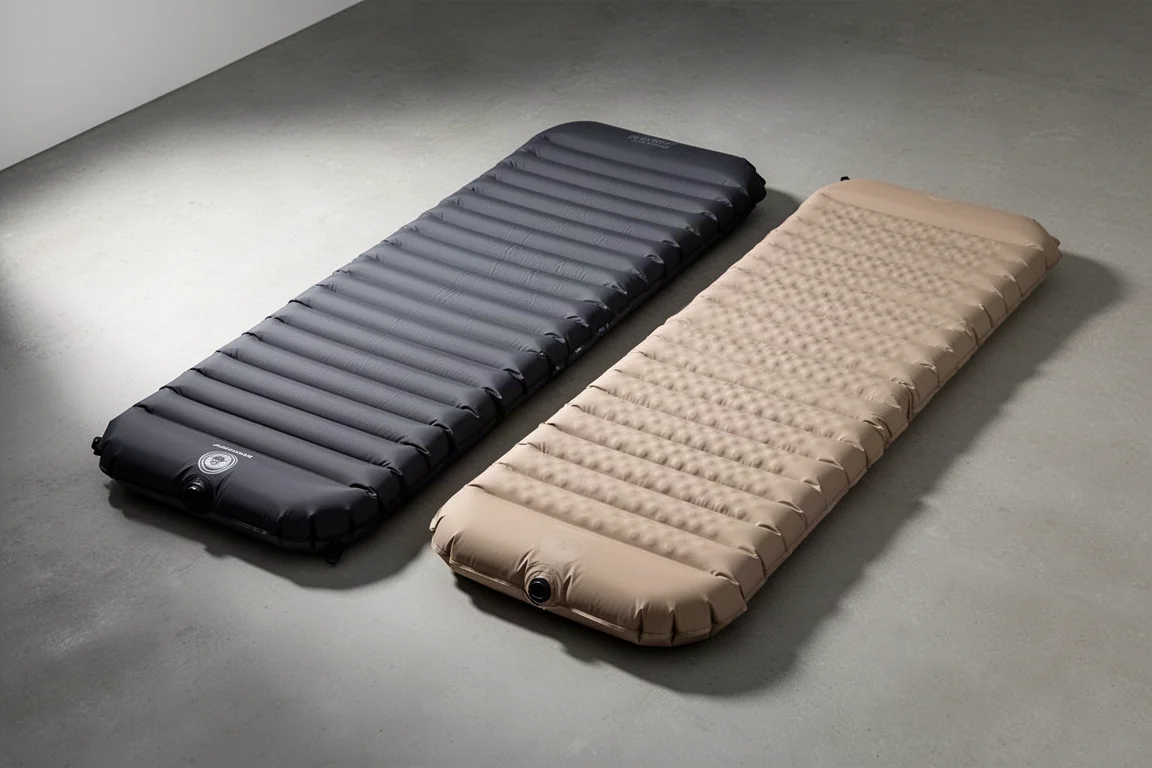
Sleeping warm in extreme cold comes down to a handful of unglamorous details, and the sleeping pad is one of the most important. Two inflatable pads sit at the top of the winter category: the Therm-a-Rest XTherm NXT and the NEMO Tensor Extreme Conditions. They cost the same, weigh within about 20 grams of each other, and both carry lifetime warranties, yet they take noticeably different approaches to insulation, baffling, and construction. The better choice depends less on a spec sheet and more on the temperatures you actually camp in.
Both pads have seen dozens of nights in deep winter conditions, from roughly -20°C down to -50°C, including a night on a glacier. This comparison works through durability, comfort, warmth, and ease of use, then ends with a straightforward recommendation for each kind of winter camper.
What Matters Most in a Cold-Weather Sleeping Pad
Warmth, durability, and comfort matter most, while price, weight, and ease of use are close enough between these two that they rarely decide the purchase. The XTherm NXT costs $270 and weighs 680 g in the large rectangular version. The Tensor Extreme Conditions costs $270 and weighs 662 g. Both are inflatable pads that rely on trapped air for structure, so the insulation technology inside and the baffle design determine how they feel and how warm they sleep.
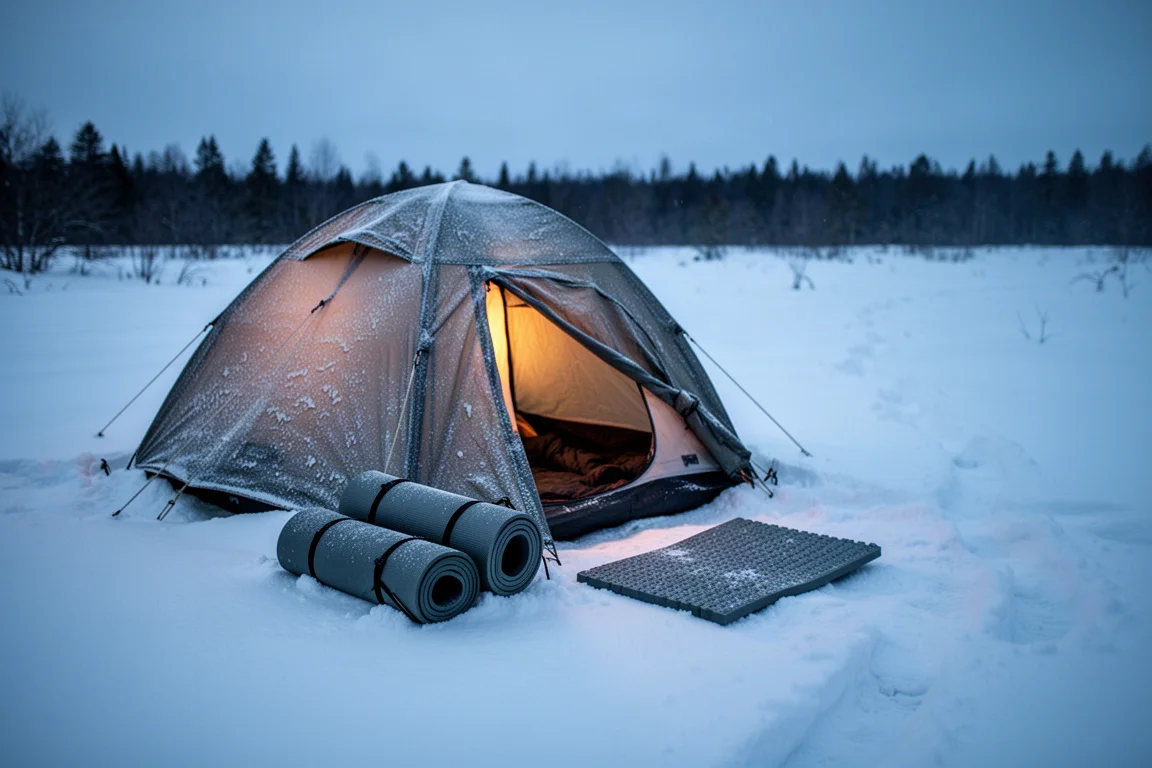
R-value is the standard laboratory measure of a pad’s warmth. The XTherm NXT is rated at 7.3 and the Tensor Extreme Conditions at 8.5. Those numbers are a useful starting point, but they do not describe how a pad behaves once temperatures fall well below freezing, which is exactly where these two diverge in the field.
Therm-a-Rest XTherm NXT: Warmth and Reliability
Therm-a-Rest builds the XTherm NXT around two insulation technologies. ThermaCapture is a reflective film that limits radiative heat loss, and the Triangular Core Matrix is the baffling system that reduces convective heat loss by restricting how much air can move around inside the pad. Together they produce an R-value of 7.3 in a pad that measures 3 inches thick.
The fabric specification leans durable: 30D nylon on top with a heavier fabric on the underside. The valve is durable and user replaceable, so a valve failure does not end the pad’s working life.
Comfort is where the XTherm NXT gives ground. The 3-inch thickness sits close to the minimum for a comfortable inflatable pad, and horizontal baffles are the least forgiving pattern for side sleepers, who may find an arm going numb and need to shift position several times through the night. Sleeping inside a thick, lofty bag offsets some of that. The Mylar insulation also gives the pad a slightly crinkly sound, though not enough to disturb sleep.
In the cold, this is the pad that keeps its composure. It has been used on its own down to -40°C and with a foam pad underneath down to -50°C, staying warm at both extremes.
NEMO Tensor Extreme Conditions: Comfort-First Design
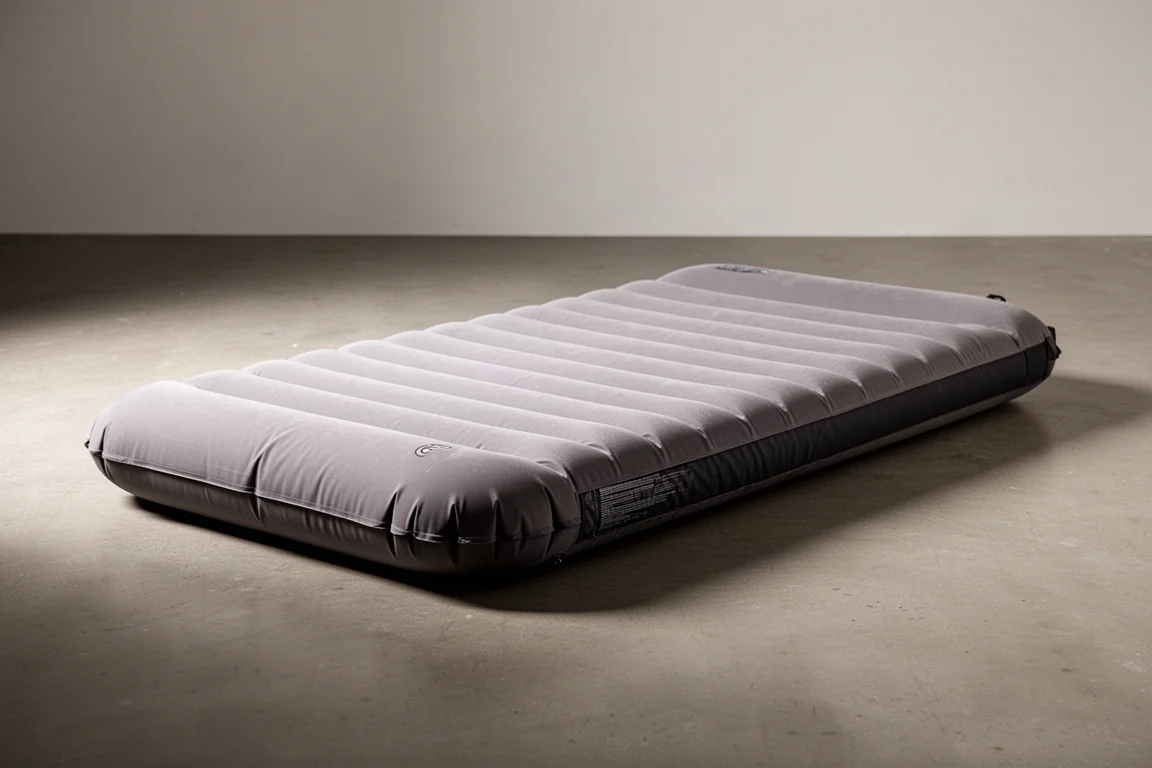
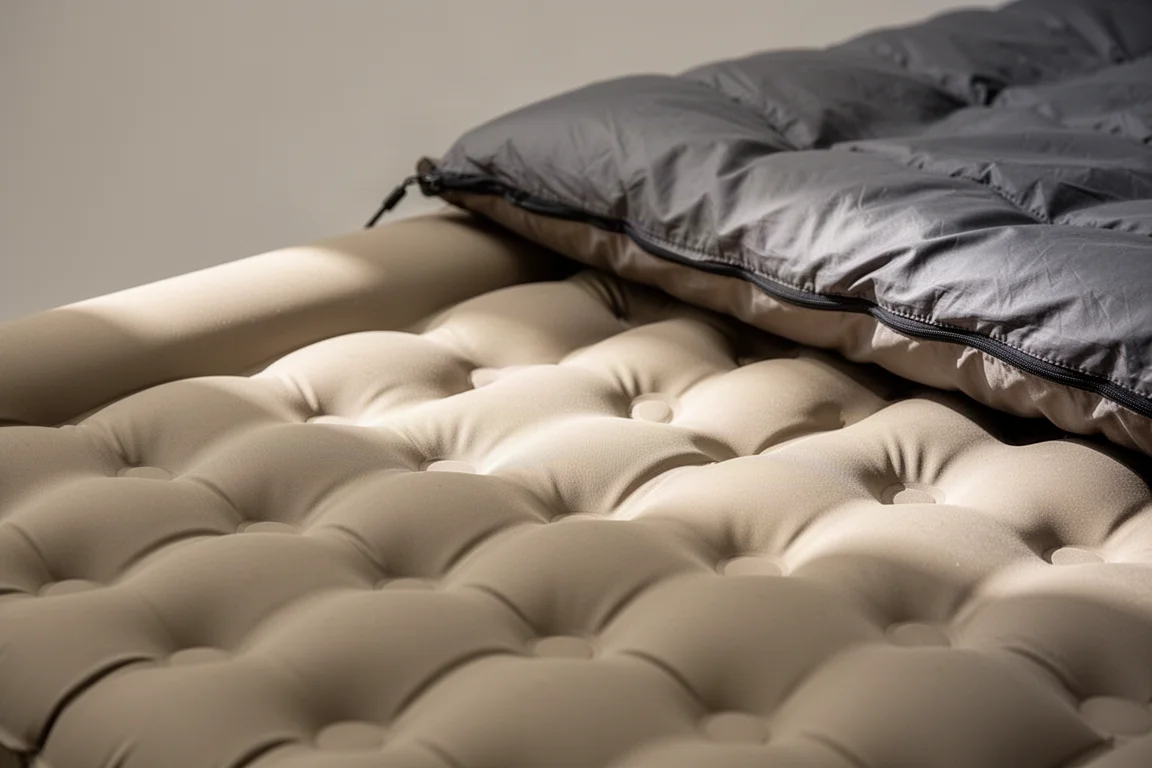
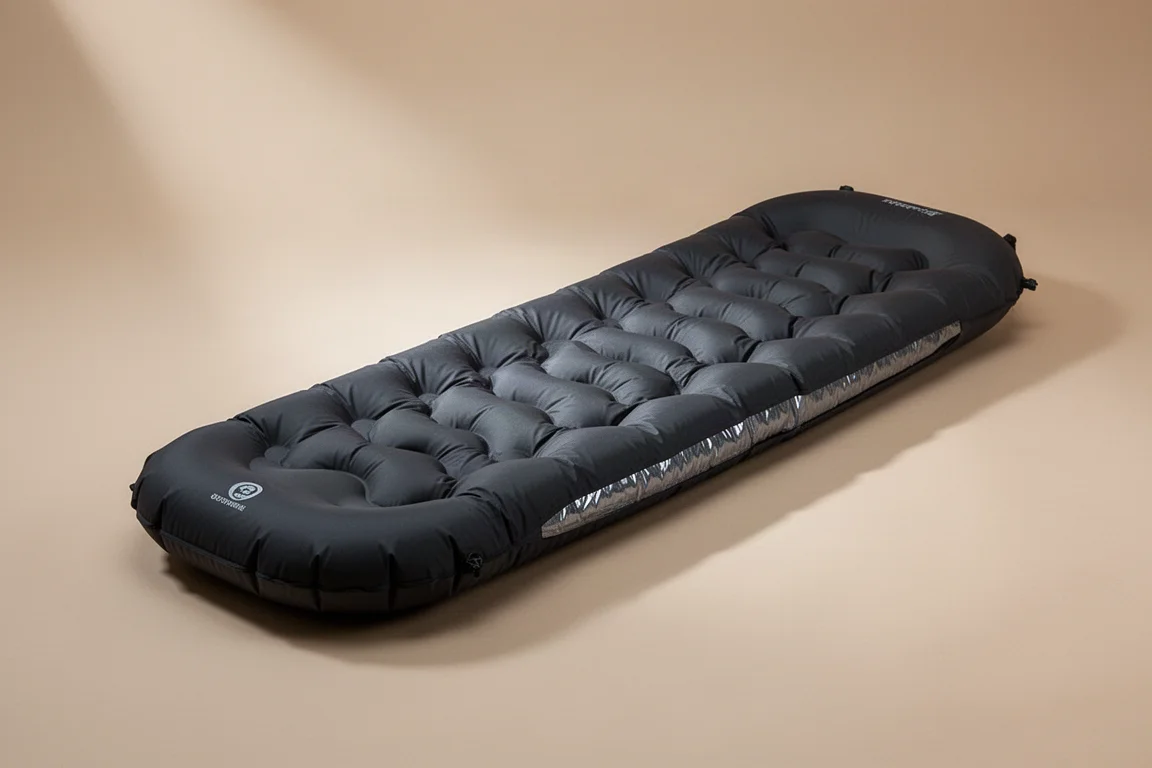
The Tensor Extreme Conditions takes the opposite priority. At 3.5 inches thick it is the plusher of the two, and its modified horizontal baffle system uses welds between the top and bottom of the pad that create small dimples. Those dimples relieve pressure points, which makes a real difference for side sleepers. The pad is also quieter than the XTherm NXT, and it comes with an inflation bag plus a valve system that gives it a slight edge when filling the pad.
Insulation comes from four layers of Mylar film suspended inside the pad on a truss structure developed for this model, producing an R-value of 8.5. Unlike the XTherm NXT, the Tensor Extreme Conditions has no dedicated mechanism for limiting convective heat loss. Its top fabric is 20D nylon with a 40D fabric underneath, which is lighter but less resistant to abrasion and punctures than the XTherm NXT’s build.
At 662 g it is marginally the lighter pad of the two. Its valve is not designed for user replacement, so a valve failure means sending the pad in for service rather than fixing it on the trail.
Durability: Fabrics, Baffles, and Valves
Both manufacturers back these pads with lifetime warranties, which is reassuring at home but does not help when a pad fails at -40°C in the middle of a trip. Construction is the more useful thing to compare.
Fabric weights favor the XTherm NXT: 30D nylon on top and a heavier denier underneath, against 20D on top and 40D underneath for the Tensor Extreme Conditions. On abrasion and puncture resistance, the higher denier build has the advantage.
Baffling is the second durability question. The Triangular Core Matrix in the XTherm NXT is a long-established design that has proven reliable over many seasons. The Tensor Extreme Conditions uses welds that connect the top of the pad to the bottom. Earlier NEMO Tensor pads have developed slow leaks at weld points, and a leak of that kind can leave a pad nearly flat by the middle of the night. The welds on the Tensor Extreme Conditions look different from those on earlier models, and no issues have appeared in extended use so far, but the design is an evolution of the same approach rather than a clean break from it.
Valves differ as well. The Therm-a-Rest valve is durable and replaceable, while the NEMO valve would most likely need to go back to the manufacturer for service.
Field Experience: How These Pads Perform in Deep Cold
The XTherm NXT has been used alone down to -40°C and with a foam pad underneath down to -50°C, and it stayed warm at those temperatures. The Tensor Extreme Conditions was brought into cold weather gradually, starting around -20°C and progressing through -25°C and -30°C, where it remained comfortable. Below -30°C it stopped keeping up, which is unexpected given its higher R-value.
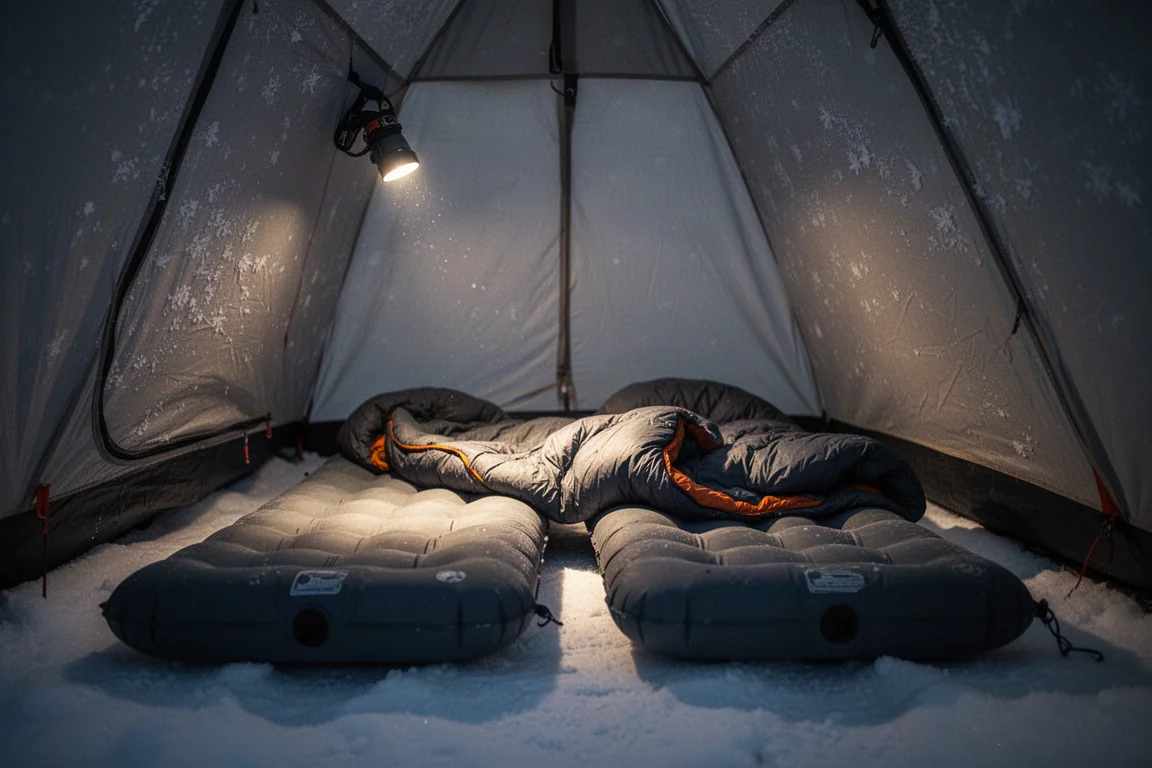
Two explanations seem plausible. The first is convective heat loss. The Tensor Extreme Conditions is a large pad with a thin layer of air sitting above the top layer of Mylar film, and if that air comes into contact with the cold air around the sleeper it can carry warmth away. The Triangular Core Matrix in the XTherm NXT isolates air more thoroughly, leaving fewer pathways for warm air to escape. The second is that the suspended Mylar layers may stick together, reducing their effectiveness at blocking radiative heat loss. Shaking the pad before bed appeared to improve how warm it slept, and the pad felt cold on some nights around -20°C when it was not shaken.
A smaller, mummy-shaped version of the Tensor Extreme Conditions could behave differently. With less surface area there is less of that upper air layer to be affected by the surrounding cold, so a narrower version might sleep warmer. That is a hypothesis rather than a confirmed result, but it is worth keeping in mind if this pad appeals to you.
What R-Value Testing Does Not Capture
R-value remains the best starting point for comparing sleeping pads, and the gap between 7.3 and 8.5 is real on paper. In the field, though, the rating does not describe how a pad manages convective heat loss, how its insulation layers behave after being packed and rolled repeatedly, or how much difference pad size makes to warmth. Those are precisely the variables that separate these two pads once temperatures fall below -30°C. Treat the R-value as a baseline, then let construction details and your intended temperature range guide the final decision.
Buying Advice: Which Pad Fits Your Winter Trips
Choose the Therm-a-Rest XTherm NXT if you regularly camp in serious cold, particularly below -30°C. It is the more reliable pad at the temperature extremes, it uses a proven baffle design, and its higher denier fabric and replaceable valve make it the better long-term bet for hard winter use. The trade-offs are a firmer, thinner feel, horizontal baffles that are less kind to side sleepers, and a slightly crinkly sound.
Choose the NEMO Tensor Extreme Conditions if most of your winter camping happens between roughly -10°C and -25°C. In that range it is warm, noticeably more comfortable, quieter, marginally lighter, and easier to inflate, and it carries the higher R-value on paper. It also costs the same $270 as the XTherm NXT. The caveat is that it stops being the warmer pad once temperatures drop below -30°C, despite what the rating suggests.
Conclusion
Both pads are strong options at $270 each, so the decision comes down to the temperatures you camp in and how much you value comfort. The XTherm NXT is the pad for extreme cold and long-term durability. The Tensor Extreme Conditions is the pad for moderate winter and shoulder-season use, where comfort, quiet, and easy inflation matter more. Match the pad to your coldest realistic night, and either one will serve you well.
Further reading
Related Reviews
Sleeping Pads
Best Backpacking Sleeping Pads 2026: Nine Pads Rated on Price, Comfort, Warmth, and Weight
Nine backpacking sleeping pads compared on price, comfort, warmth, and weight, from a $65 summer pad to a year-round option rated at R-7.3.
Sleeping Pads
Best Backpacking Sleeping Pads: Comfort, Warmth, and Weight Compared
A practical comparison of the Nemo Quasar 3D, Therm-a-Rest NeoAir XTherm Max, and Big Agnes Rapide SL for backpackers choosing between comfort, warmth, and packed weight.
Sleeping Pads
Best Backpacking Sleeping Pads: Ultralight, Winter, Comfort and Budget Picks
A practical roundup of the sleeping pads that stand out for ultralight weight, winter warmth, pressure relief and value, plus three popular pads that fell short.