Sleeping Bags
Therm-a-Rest Parsec Sleeping Bag Review: Light, Warm, and Responsibly Built
A close look at the Therm-a-Rest Parsec down sleeping bag, from its recycled ripstop shell and 800 fill power goose down to packability, baffle design, and who it suits best.
Introduction
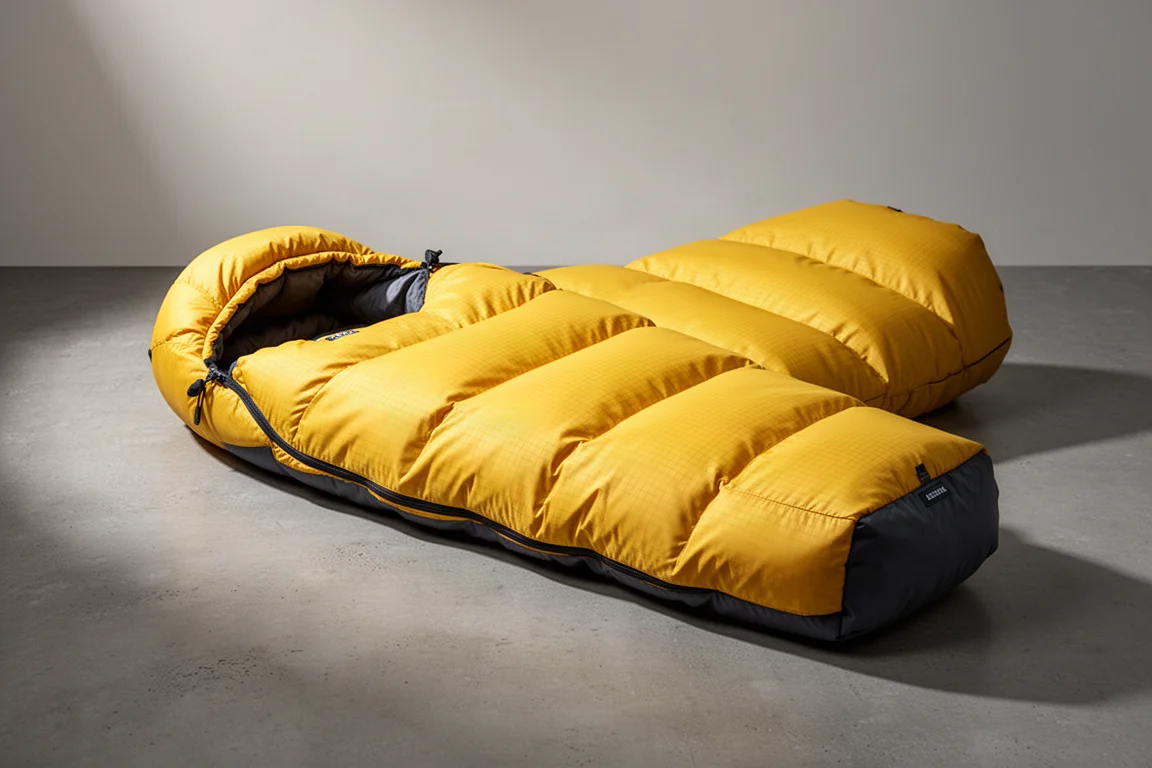
The Therm-a-Rest Parsec is a down sleeping bag built for backpackers who want genuine warmth without a bulky pack. Therm-a-Rest is best known for its sleeping mats, and the Parsec carries the same engineering mindset into a bag: recycled fabrics, responsibly sourced down, and a shape that compresses down small enough to disappear into the base of a rucksack.
That packability matters more than it might first appear. A sleeping bag is often one of the bulkiest items carried on a multi-day trip, which makes it one of the most effective places to save weight and volume. Shaving a few hundred grams there frees up room for the things that genuinely need to come along, whether that is camera gear, batteries, climbing hardware, or extra food.
The Parsec line covers three different temperature ratings and is available in short, regular, and long lengths, so the same design can be matched to different seasons and different body sizes.
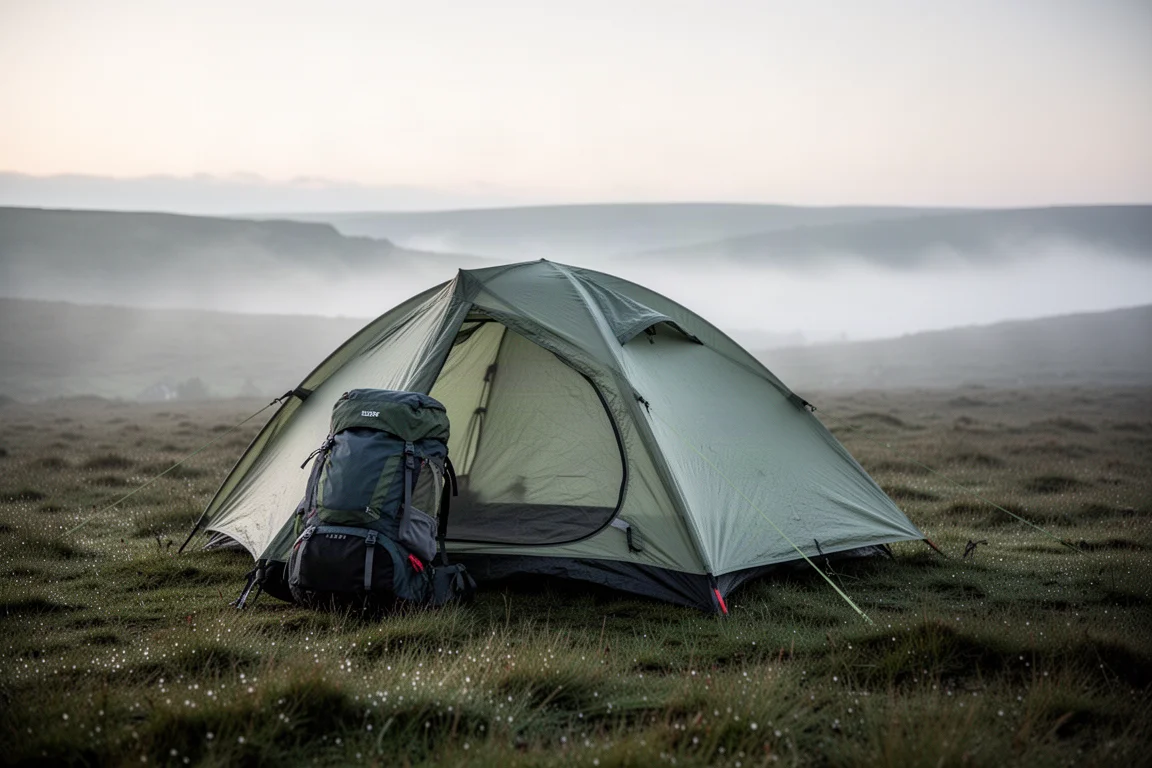
At full retail the bag sits around £300, although it is frequently found for considerably less through discounts and seasonal schemes. For anyone who wants the same performance with a lighter footprint, the second-hand market is a genuinely sensible route.
Who This Sleeping Bag Suits
This is a bag for people who spend consecutive nights outdoors and want a consistent, comfortable sleep system rather than a compromise. It suits three-season backpackers, bikepackers, and campers who move camp regularly and feel every gram in the pack.
It also suits anyone who cares about how their gear is made. The shell and lining are both 100 percent recycled nylon, and the down is certified, which makes the Parsec a reasonable choice for buyers who weigh environmental standards alongside performance.
It is less obviously aimed at occasional car campers who rarely carry their kit far, or at anyone who wants the simplest possible bag with no extra features. The Parsec has a fair amount of considered detail built in, and much of its value sits in that design work.
Design and Materials
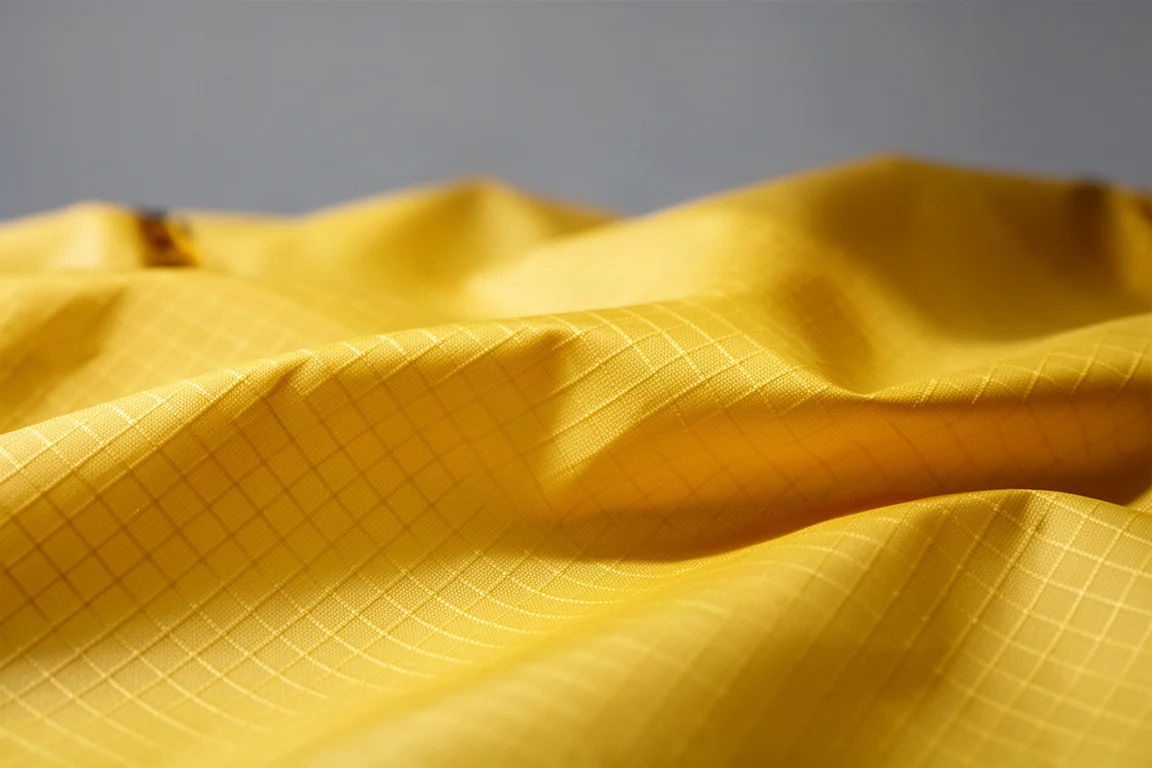
The shell and lining are made from 100 percent recycled nylon, and the fabric meets the Global Recycled Standard, a voluntary certification that covers recycled content as well as fair working conditions for the people handling the material. The outer uses a 20 denier ripstop weave.
Denier describes the density of the weave, and 20 denier is deliberately light. Waterproof jackets typically sit around 70 to 100 denier, and tent floors are heavier still because they are pressed against rocks and roots. A sleeping bag rarely meets abrasive ground, particularly when used inside a bivvy bag or a tent, so a lighter weave keeps the bag breathable and reduces weight. The ripstop structure helps limit any snags that do occur.
Inside, the Parsec uses 800 fill power goose down. The down is RDS certified, which verifies that it is sourced as a by-product of the meat industry and that the animals are treated humanely throughout the process. The down has also been treated to be hydrophobic: it absorbs around 90 percent less water than untreated down, dries roughly three times faster, remains PFC free, and holds its loft about 60 percent longer than untreated down used in sleeping bags. For anyone weighing up down products generally, RDS certification is one of the clearest signals to look for.
Warmth, Loft, and Down Distribution
Therm-a-Rest has put real thought into how the down is held in place. The bag uses box baffled construction, which keeps the down distributed across the bag instead of migrating toward the feet or the hood overnight. That is what preserves the loft, and loft is what traps warmth.
The distribution itself is deliberately uneven. Roughly 60 percent of the down sits on top of the sleeper and 40 percent underneath, on the basis that most people sleep on a mat that already provides insulation and compression protection from below. The result is more warmth where it is needed and less down wasted where it is not.
The foot area uses a dedicated construction that spreads down around the toes to keep extremities protected, and down continues all the way over the top of the hood so the head and shoulders are fully covered. A baffle runs around the shoulders as well, which closes off the gap that cold air usually finds. Combined with the hood drawcord, it is genuinely difficult for drafts to get inside the bag.
That combination matters beyond deep winter use. Even in milder conditions, consecutive days on a trail leave most people chilled and unwashed by evening, and a bag that seals properly and feels snug makes a real difference to how well the night goes.
Living With It: Comfort and Practical Features
The zip is a YKK anti-snag design, which addresses one of the most common frustrations with sleeping bags: fabric catching in the teeth. It runs roughly three-quarters of the way down the bag, and a separate bottom zip allows the foot of the bag to be opened independently for ventilation. A small clasp at the top lets the bag be locked closed around the shoulders.
On the right-hand side there is an external pocket. It is roomy enough for a phone and would comfortably take a compact bridge camera. Its practical value depends on how you sleep, since many backpackers prefer to keep the items that must stay warm, such as camera batteries, close to the body inside the bag rather than in an outer pocket.
Flip the bag over and the Therm-a-Rest specific design work becomes clear. Synergy connectors are straps designed to thread over a Therm-a-Rest sleeping mat and stop the bag sliding off during the night. Riders and campers who never had a problem with slipping may simply remove them, but they are a tidy solution for anyone who does. Along the back there are seven small loops, which are compatible with Therm-a-Rest quilts and blankets for adding warmth beyond the bag’s own rating. They are tiny, so they add almost nothing to the overall weight.
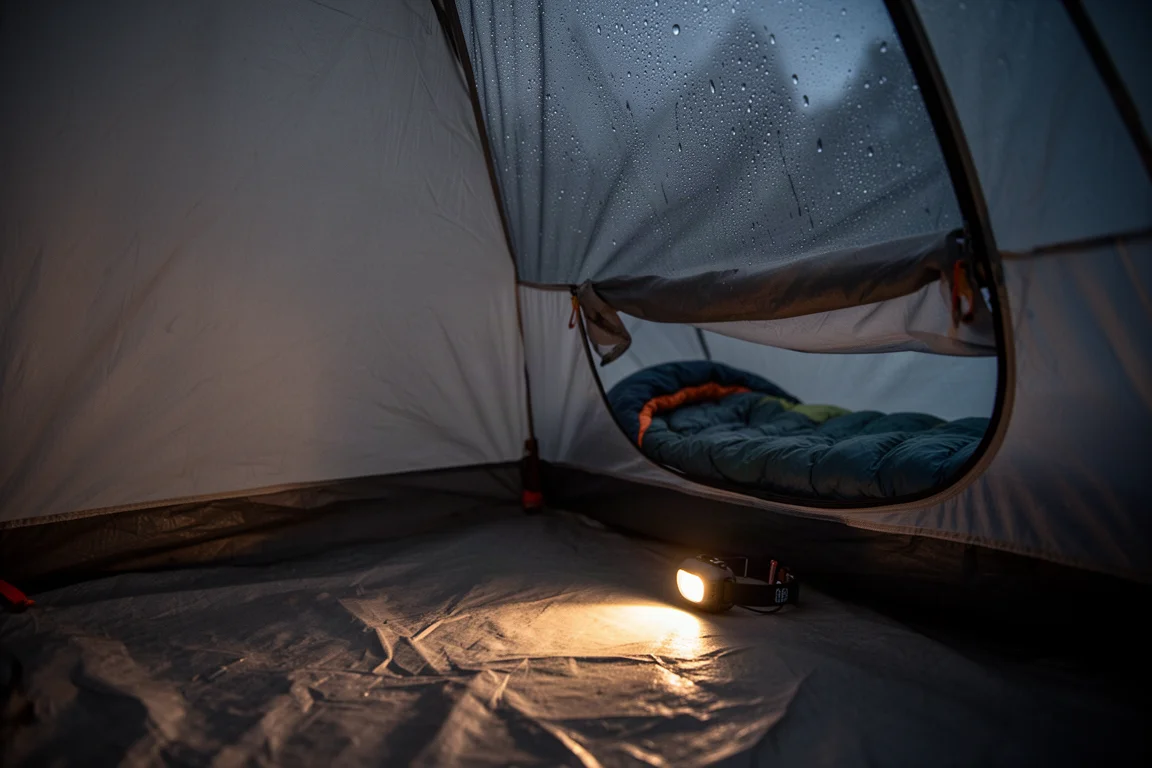
In extended use the bag has been straightforward and comfortable. It packs down small enough to sit at the bottom of a rucksack, the zip has not snagged, the down has stayed evenly distributed, and the shell does not absorb moisture even in a tent heavy with condensation. It has become a default choice for most of the season. The hood is particularly useful for tucking a pillow into place and sealing the bag into a cocoon. On warmer nights the bag can feel too warm, though the zips vent it quickly enough that this is rarely an issue.
Things to Consider Before Buying
Fit comes first. The Parsec is available in short, regular, and long, and the right length matters more than most buyers expect, since a bag that is too long has extra space to heat and a bag that is too short compresses the down at the feet. Trying one before buying, or at least measuring carefully against the size chart, is worthwhile.
Season matching is the second consideration. The range covers three temperature ratings, and choosing the middle option makes sense for most three-season use, while the warmest version will be excessive for summer trips and the lightest will not carry a winter night. Buy for the conditions actually planned, not the coldest trip imaginable.
The bright yellow finish is bold and highly visible. It is a cheerful thing to climb into at the end of a long day, but it is not a subtle look, and it will show marks more readily than a darker shell.
Price is the final factor. At around £300 new, the Parsec sits at the upper end of what many people budget for a sleeping bag, and that figure reflects the recycled fabrics, the certified down, the baffle construction, and the hardware. Second-hand is a legitimate alternative. Groups such as Outdoor Gear Exchange and the shelter exchange, along with local listings and mainstream marketplaces, regularly carry good-condition bags at lower prices. Several sleeping bag manufacturers also run washing services, so a used bag can be sent away, cleaned professionally, and returned ready to use.
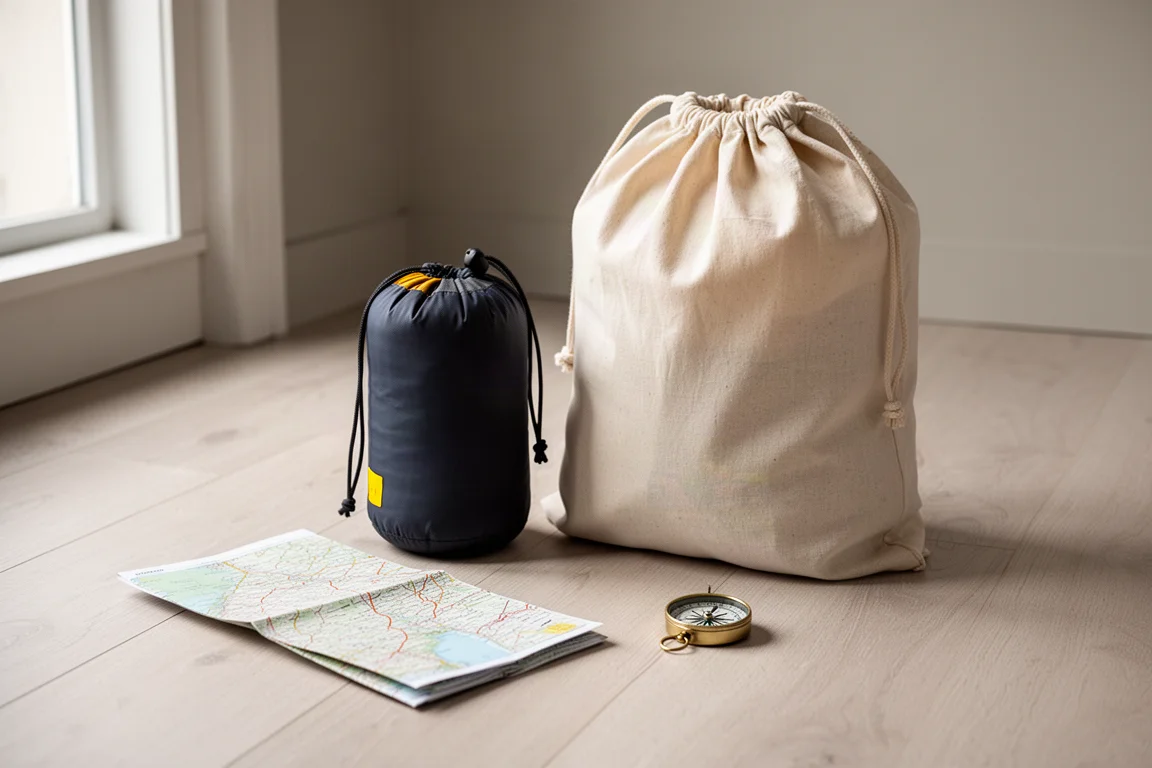
One care habit is worth adopting regardless of where the bag comes from. Sleeping bags should not be stored compressed. Keep the bag in a dry bag on the trail, and at home move it into the large loose storage bag most bags are supplied with, which is usually cotton. Long periods of compression damage the down and reduce loft over time.
Buying Advice
The Parsec makes the most sense for anyone who wants a light, compact down bag that will handle most of the season without fuss. It rewards buyers who value recycled materials, certified down, and small details like anti-snag zips and quilt compatibility, and it performs in the areas that matter most night after night: warmth, loft retention, moisture resistance, and pack size.
The practical advice is to try before buying where possible, confirm the length is right, and match the temperature rating to the seasons and places you actually camp in rather than the extremes you might imagine. Buyers who want the environmental credentials without the full retail price should look at second-hand listings first, then budget for a professional wash if the bag has seen heavy use.
Conclusion
The Therm-a-Rest Parsec is a well-considered down sleeping bag rather than a generic one. Recycled ripstop fabrics, RDS certified 800 fill power goose down with a hydrophobic treatment, box baffled construction, and a 60/40 down distribution all point to a design that was thought through properly, and the Synergy connectors and quilt loops show the same attention applied to how the bag works with the rest of a sleep system.
It is comfortable, packs down small, resists moisture, and does what it claims to do. For three-season backpackers who want a dependable bag and prefer to buy from a brand with clear environmental standards, it is an easy recommendation to shortlist, provided the size and temperature rating are chosen to match real trips rather than optimistic ones.
Product link
View more details for Therm-a-Rest Parsec
This product is mentioned in the review. Check the specifications, options, and compatibility before buying.
View more details for Therm-a-Rest ParsecFurther reading
Related Reviews
Sleeping Bags
Best Down Sleeping Bags Under $300: Four Backpacking Options Worth a Look
Four down sleeping bags that stay under $300, compared on fill power, baffle design, hood comfort, and packed size.
Sleeping Bags
Best Sleeping Bags and Sleep Systems: Five Premium Down Picks Compared
Five premium down sleeping bags and sleep systems compared on warmth, weight, construction, and value.
Sleeping Bags
Big Agnes Lost Ranger UL 3-in-1 Sleeping Bag System Review: One Bag, Three Setups
A practical look at the Big Agnes Lost Ranger UL 3-in-1 Sleeping Bag System, covering how the three configurations work, where it shines, and the details worth weighing before buying.