Sleeping Pads
Therm-a-Rest NeoLoft vs Naturehike 8.8: Which Thick Sleeping Pad Is Worth It?
A side-by-side look at the Therm-a-Rest NeoLoft and the Naturehike 8.8, covering warmth, pressure relief, stability, ease of use, and value.
Introduction
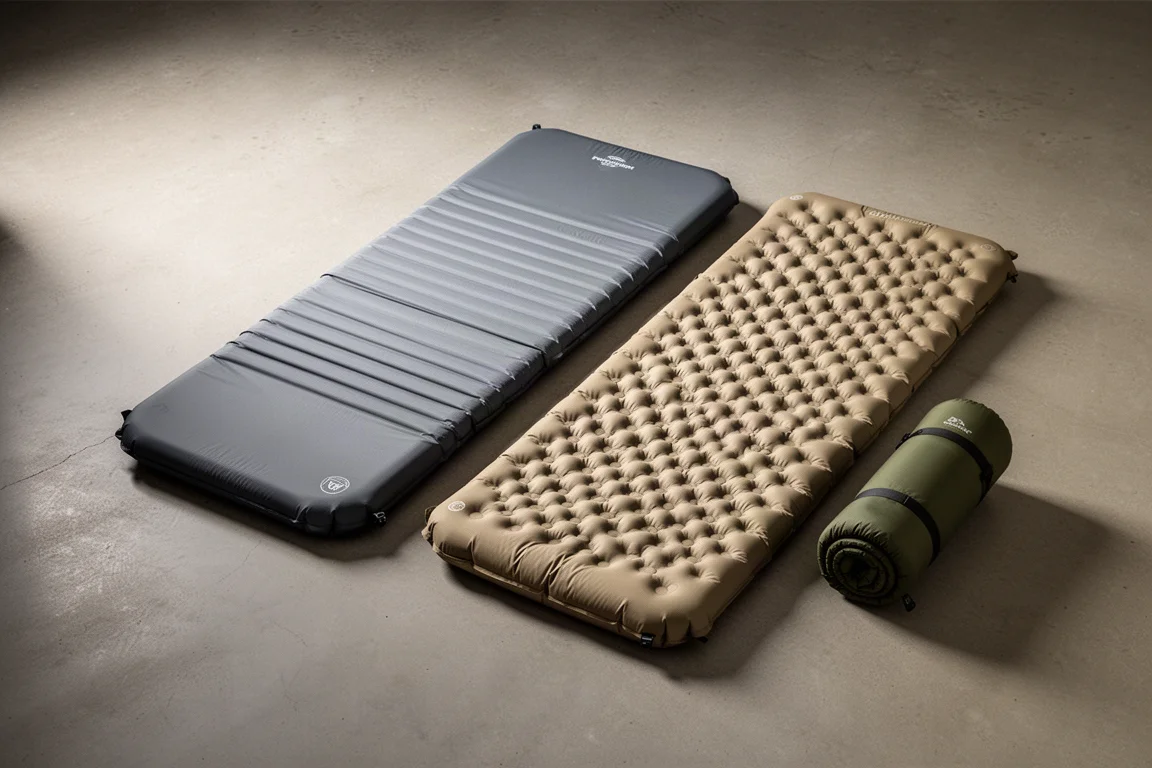
Two of the thickest sleeping pads on the market take very different routes to the same goal. The Therm-a-Rest NeoLoft sits at the premium end at $250, while the Naturehike 8.8 costs $115 and claims an even higher warmth rating on paper. Read the specifications alone and the cheaper pad looks like the obvious pick.
In practice, the decision comes down to how each pad handles the things that actually determine whether you sleep well: warmth, pressure relief, stability, and ease of use. Put side by side, the two pads trade wins across all four.
How These Two Pads Compare
The NeoLoft weighs 833 g, carries an R value of 4.7, and measures 4.6 in thick and 26 in wide, matching its stated figures. The Naturehike 8.8 weighs 657 g and lists an R value of 8.8, but its advertised 4.7 in thickness measures closer to 4.3 in, while its 25 in width is accurate.
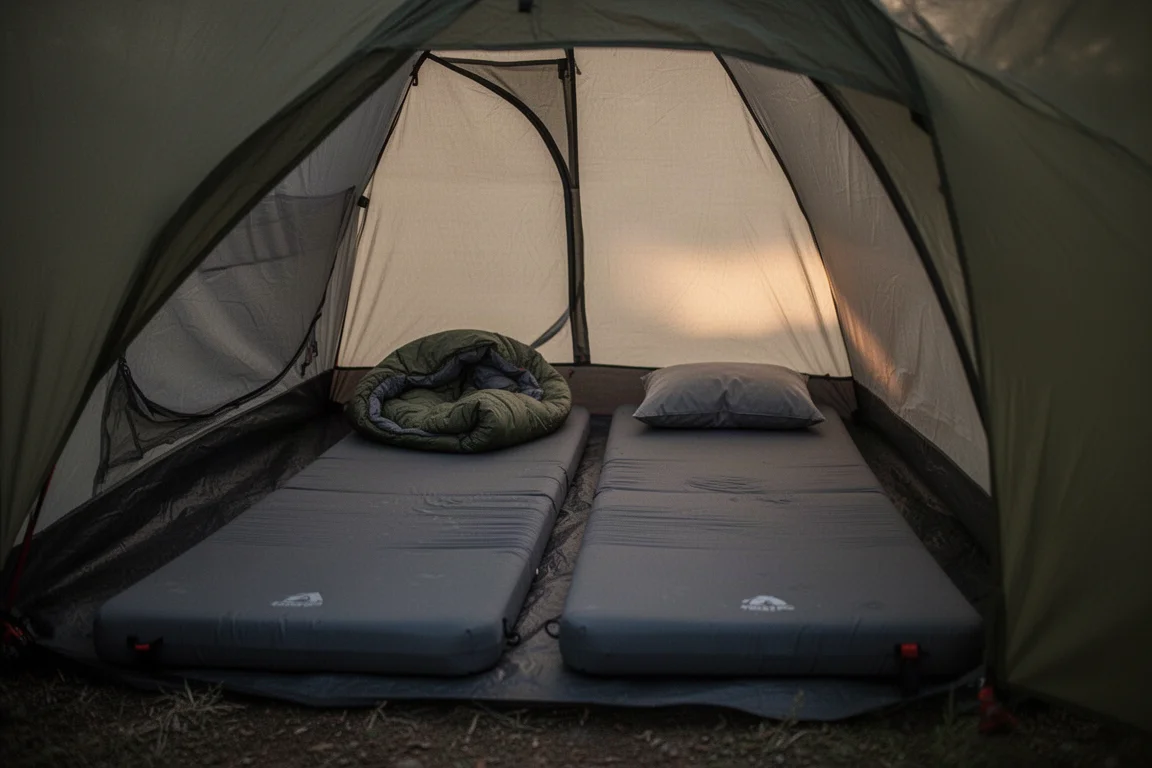
The two pads also insulate differently. The NeoLoft pairs horizontal baffles with a stretch fabric shell and ThermaCapture insulation inside. The Naturehike relies on a dimpled baffling pattern and a patented thermal design. Both approaches target the same outcome, which is trapping warmth without adding unnecessary bulk to your pack.
Therm-a-Rest NeoLoft: Stretch Fabric and Reliable Warmth
Horizontal baffles are not usually a recipe for pressure relief, but the NeoLoft compensates with a noticeably stretchy top fabric that gives under hips and shoulders rather than pushing back. The pad also rewards a softer setup: the sweet spot sits around 60 percent inflation, where the stretch surface does its best work without letting you bottom out. Support is strong in both back and side sleeping positions, with slightly more support on the back.
Warmth is where the NeoLoft is most convincing. On a night that dropped to 1°C, no cold spots appeared even at the lowest temperature, and heat radiated back rather than draining away. Its 4.7 R value holds up as a dependable figure.
Naturehike 8.8: Pressure Relief and Packability
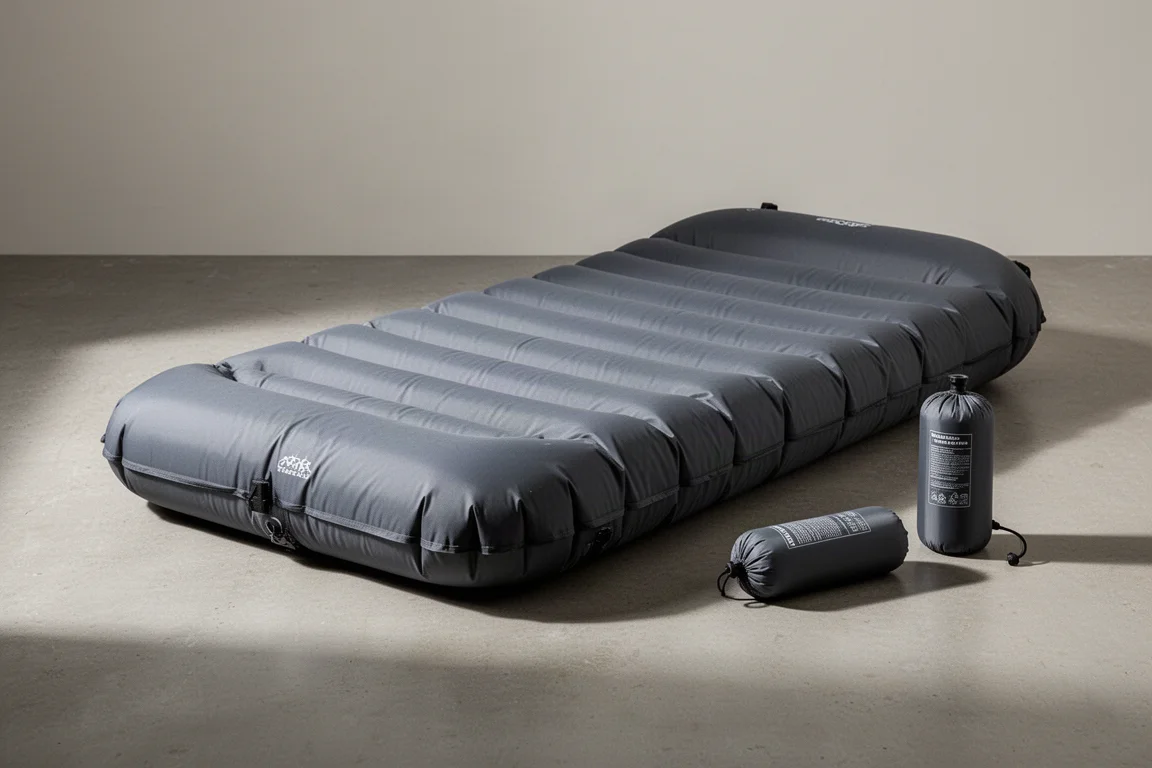
The Naturehike takes the opposite approach. Its shell has almost no stretch, but the dimpled baffling works well because each raised cell acts like an individual spring, isolating pressure at the hips and shoulders. In practice that makes it the stronger of the two for raw pressure relief. It also tolerates a softer setup, staying comfortable when deflated to roughly 70 percent inflation.
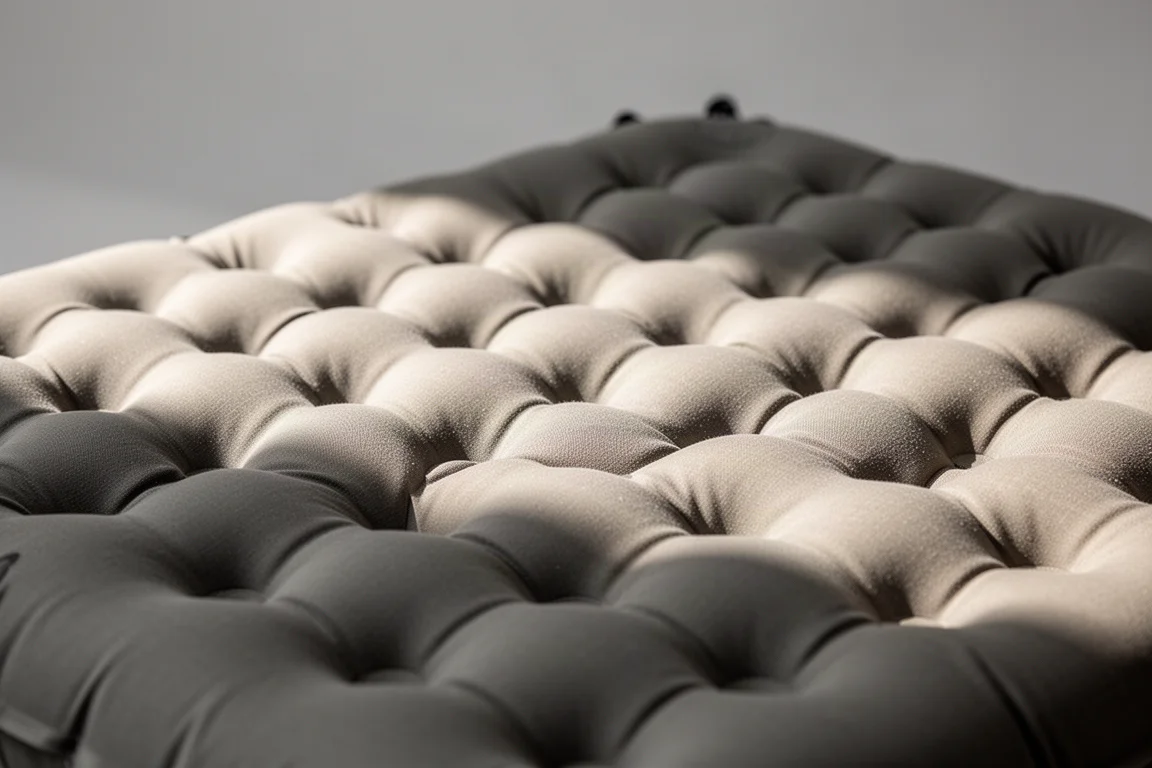
Packability is another clear advantage. The Naturehike rolls down into a much more compact package, which matters if space inside your pack is tight.
The advertised R value of 8.8 is the one claim that does not survive direct comparison. Measured against the NeoLoft and its 4.7 rating, the Naturehike performs closer to the mid fours. Treat the warmth figure with that context in mind rather than as a like-for-like number.
Warmth in Near-Freezing Conditions
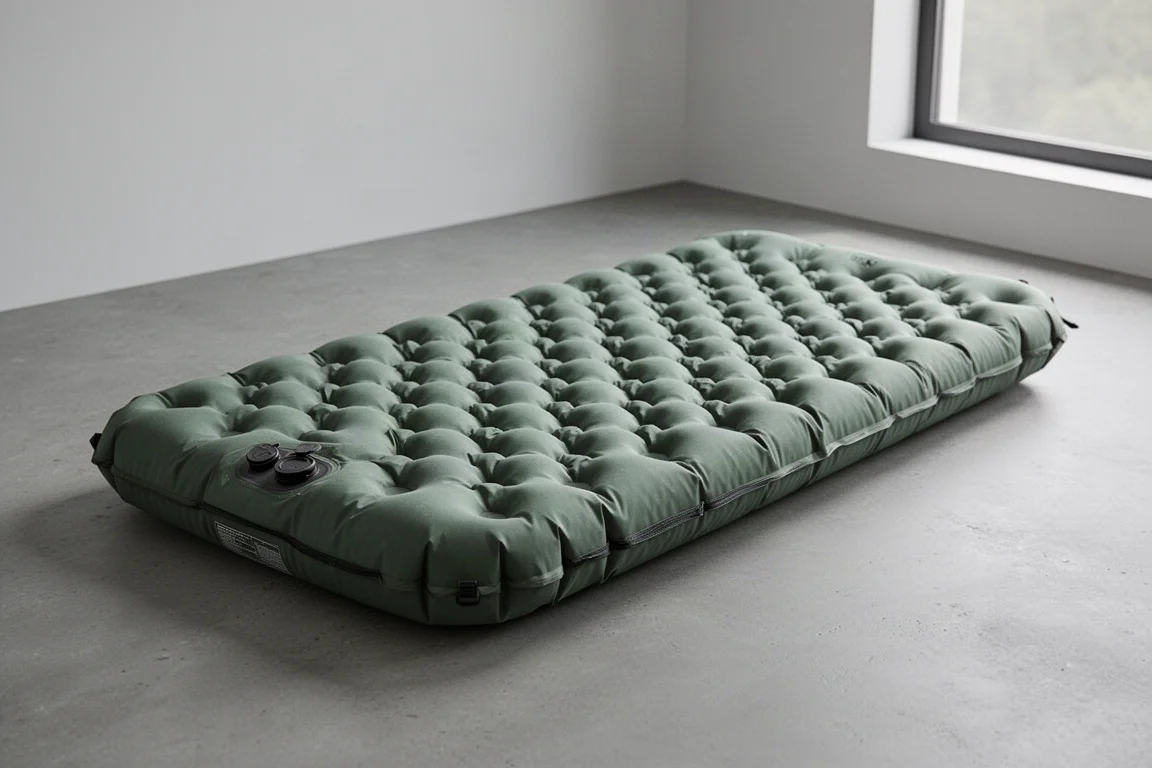
Both pads performed well at an overnight low of 1°C, and both reflected body heat back to the sleeper. The difference showed up at the coldest point of the night. The NeoLoft stayed free of cold spots throughout, while the Naturehike produced one cold spot near the hip, precisely where body weight compresses the pad most.
For trips that stay at or above freezing, either pad will keep you warm. Once temperatures drop below freezing, the NeoLoft is the safer choice.
Stability and Edge Support
This is where the Naturehike pulls ahead clearly. It feels planted rather than bouncy when you shift from your side to your back, and that support carries all the way to the edges, so you never feel at risk of rolling off.
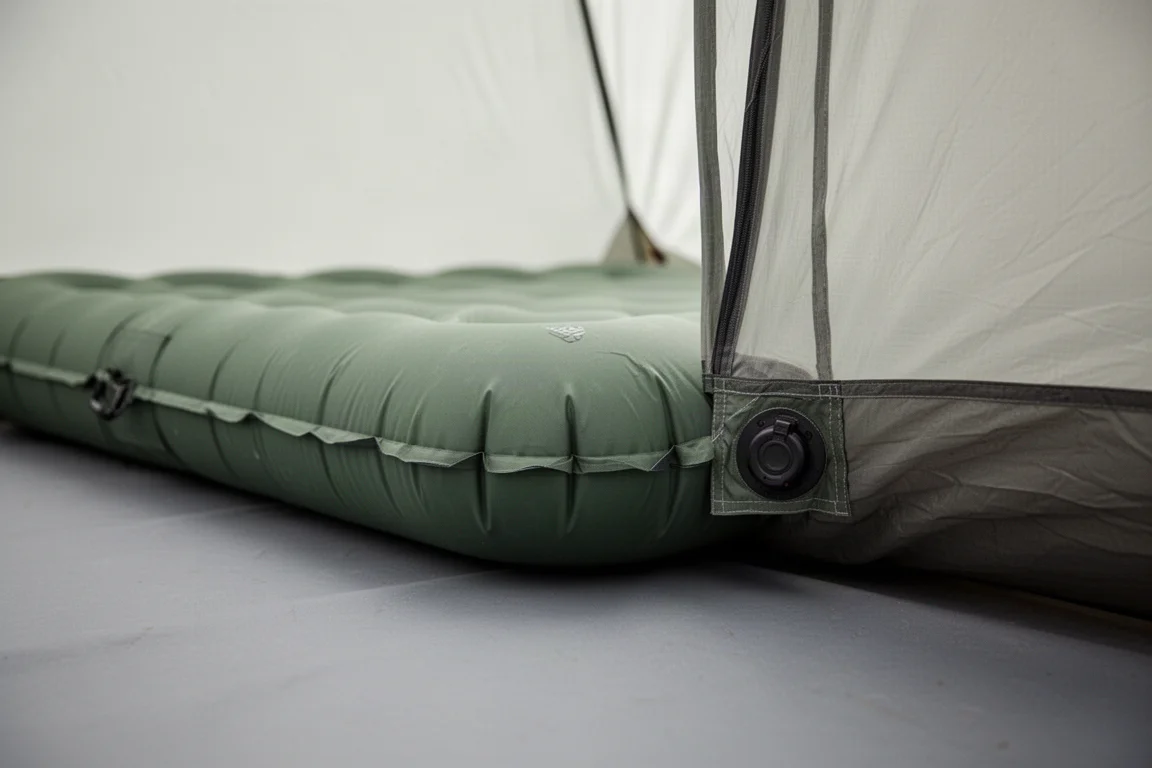
The NeoLoft feels more like lying on a balloon, particularly at its comfortable 60 percent inflation level. Edge support fades as you move toward the sides of the pad, which is worth knowing if you tend to spread out during the night.
Stability is one of the quieter factors in sleeping pad comfort. A pad that shifts under you can undo otherwise excellent pressure relief, especially for sleepers who change position often.
Ease of Use: Inflation, Deflation, and Pack Size
Neither pad is a joy to handle, largely because both hold so much air and material. The NeoLoft uses two valves: a WingLock inflation valve on one side and a large dump valve on the other. Inflation is straightforward and most pumps on the market have a compatible attachment, which matters on a pad this size. Deflation is the awkward part. Because there is so much fill inside, the pad has to be rolled once and unrolled again before it can be folded and packed away. Packed size is bulky, though slightly smaller than the pad’s dimensions would suggest.
The Naturehike uses a single valve with two flaps, one for inflation and one for dumping air. Deflating is a little easier thanks to the smaller amount of internal material, and inflation is similarly pump-friendly. The payoff is a much more compact packed size.
Who Each Pad Suits Best
The NeoLoft suits backpackers who expect cold nights and want a warm, forgiving surface that stays comfortable without fuss. Its stretch fabric is the detail most people will notice first, and its verified warmth makes it the more dependable option below freezing.
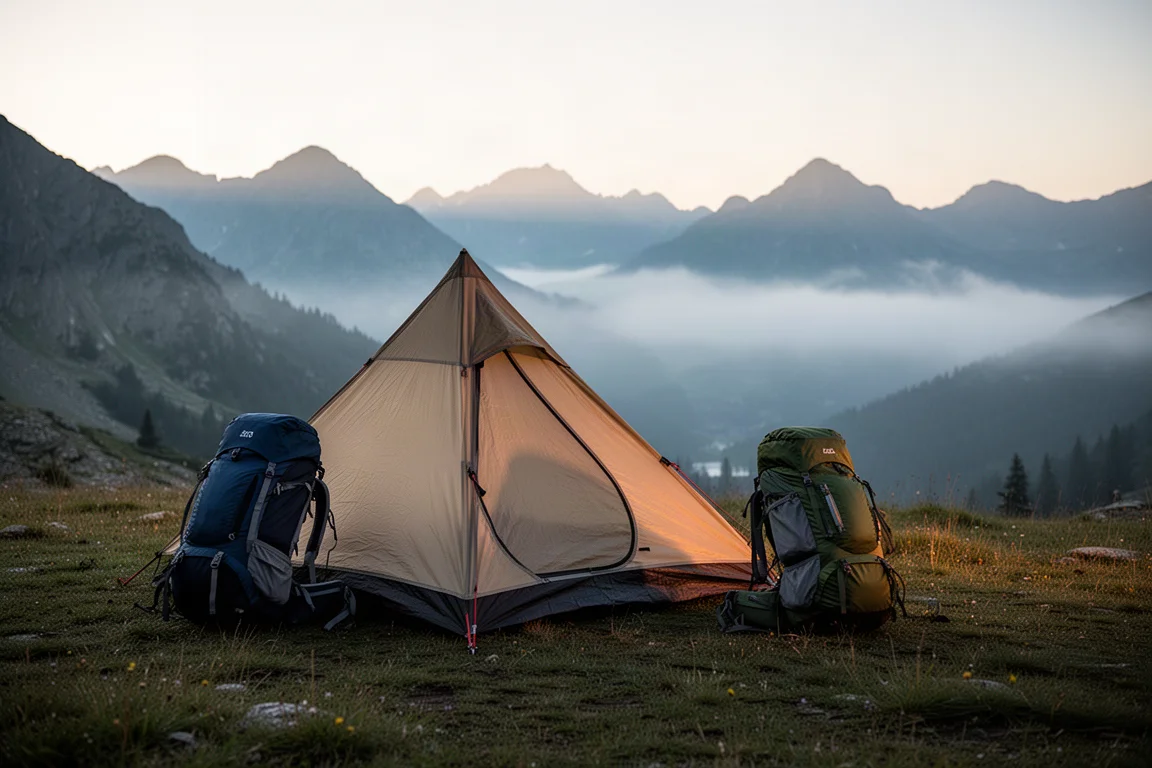
The Naturehike suits anyone who wants most of the thickness and comfort for roughly half the price, and who values a stable, non-ballooning surface with genuine edge support. It also packs smaller, which helps on trips where every litre of pack space counts. If you sleep at or above freezing and want the firmer, more planted feel, the 8.8 is a genuinely competitive choice rather than a compromise.
Conclusion
Both pads are comfortable, and both earn their place. The NeoLoft wins on verified warmth and a plush stretch surface, which makes it the better pick for colder trips and for sleepers who like a soft feel under them. The Naturehike 8.8 wins on pressure relief, stability, packed size, and price, and it holds up far better than its price suggests.
Choose the NeoLoft if warmth below freezing is non-negotiable. Choose the Naturehike 8.8 if you sleep in milder conditions, want a stable surface, and would rather spend the difference on the rest of your kit.
Further reading
Related Reviews
Sleeping Pads
Best Backpacking Sleeping Pads 2026: Nine Pads Rated on Price, Comfort, Warmth, and Weight
Nine backpacking sleeping pads compared on price, comfort, warmth, and weight, from a $65 summer pad to a year-round option rated at R-7.3.
Sleeping Pads
Best Backpacking Sleeping Pads: Comfort, Warmth, and Weight Compared
A practical comparison of the Nemo Quasar 3D, Therm-a-Rest NeoAir XTherm Max, and Big Agnes Rapide SL for backpackers choosing between comfort, warmth, and packed weight.
Sleeping Pads
Best Backpacking Sleeping Pads: Ultralight, Winter, Comfort and Budget Picks
A practical roundup of the sleeping pads that stand out for ultralight weight, winter warmth, pressure relief and value, plus three popular pads that fell short.