Sleeping Pads
Therm-a-Rest NeoLoft vs Exped MegaMat Ultra: Which Sleeping Pad Is More Comfortable?
A side-by-side comparison of two thick, stretchy-top sleeping pads covering fabric stretch, true thickness, baffle comfort, and edge support.
Introduction
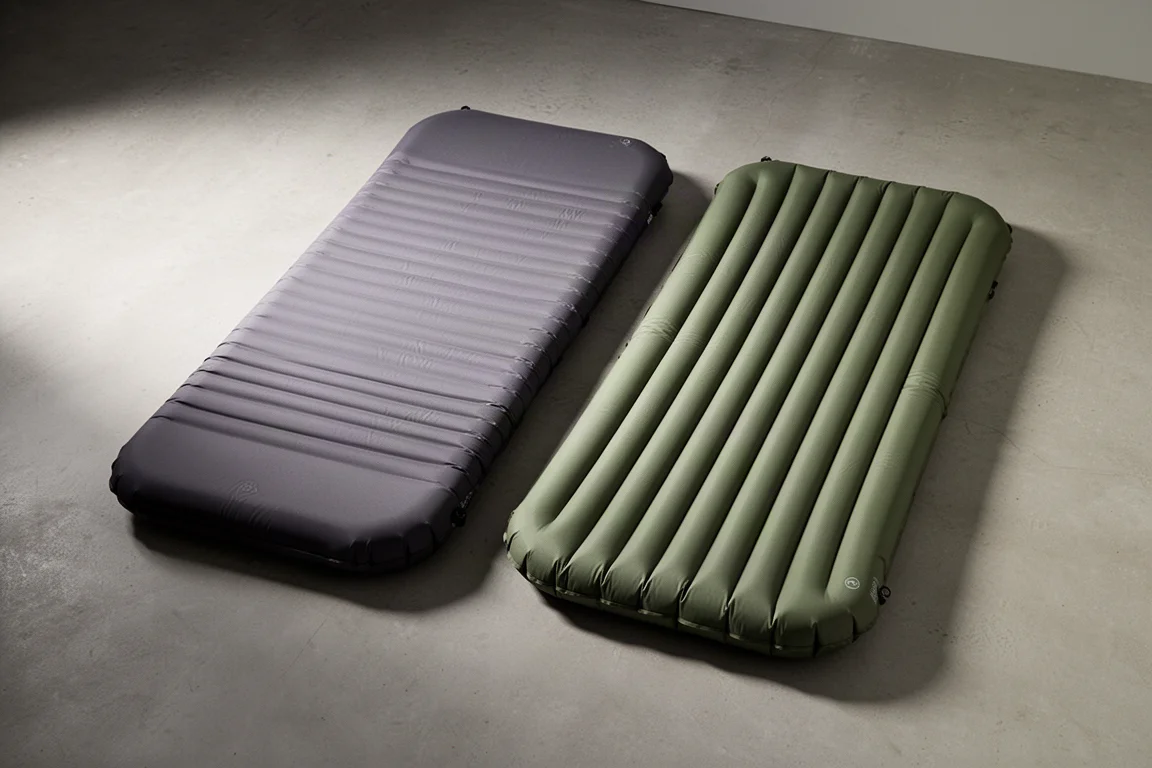
Two thick, stretchy-top sleeping pads sit at the top of the comfort category: the Therm-a-Rest NeoLoft and the Exped MegaMat Ultra. Their spec sheets look remarkably similar, with comparable weights, R-values, and dimensions, yet they differ in thickness, baffle construction, and how much the top fabric stretches. Those differences shape how each pad feels through the night.
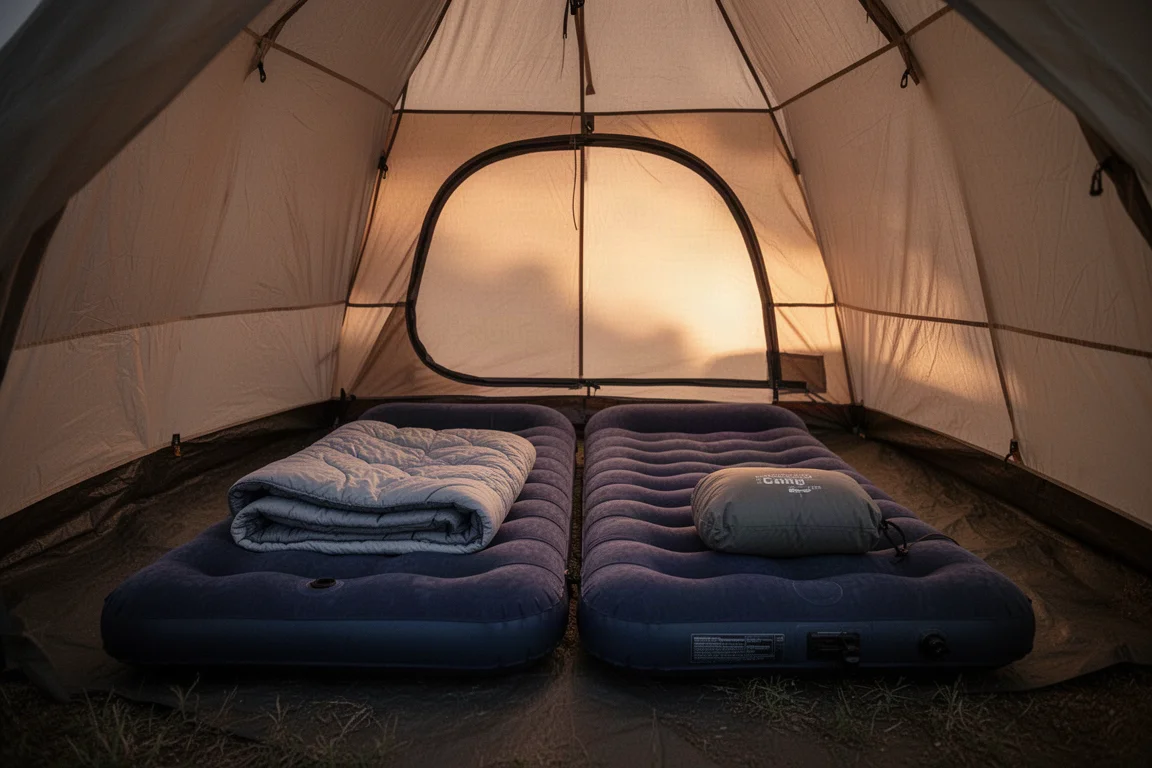
This comparison focuses on one question: which pad is more comfortable? To answer it, the two pads went through four side-by-side comparisons covering top-fabric stretch, true thickness, baffle comfort and pressure relief, and edge support. One pad has more than 20 nights of use behind it; the other was tested overnight with repeated switching between the two.
How We Evaluated These Sleeping Pads
Four comparisons shaped the results:
- Top-fabric stretchiness, tested with both pads fully inflated
- True thickness, measured rather than taken from the spec sheet
- Baffle comfort and pressure relief, assessed over an overnight test
- Edge support and overall stability
For the comfort-oriented tests, both pads were deflated slightly, which is how most people sleep on them. For stretch testing, both pads were kept fully inflated so fabric behavior could be isolated.
Therm-a-Rest NeoLoft: The Pressure Relief Leader
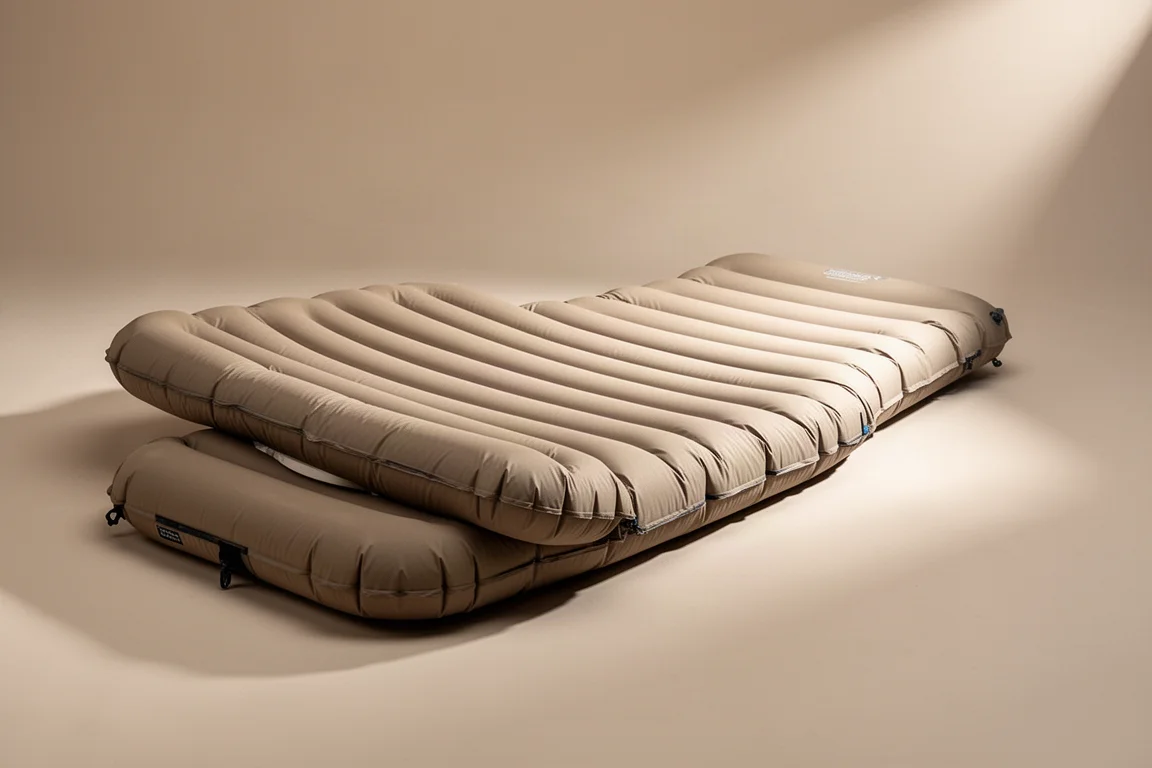
The NeoLoft has earned award recognition as one of the most comfortable sleeping pads available, and its design explains why. It is advertised at 4.6 inches thick, and measurement confirmed that figure. It uses horizontal baffles and a stretchy polyester top fabric.
Across the stretch tests, the NeoLoft felt slightly more stretchy in the two-hand weight-shift test and when sitting up on the pad. Lying on it produced no discernible difference from the other pad. Its main advantage is pressure relief: sleepers who stay in one position tend to feel the pad conform under the shoulders and hips, with less concentrated pressure.
The trade-off is stability. Near the edges, the NeoLoft feels less supportive, and when the pad is partially deflated a sleeper can slide off it. It also feels more balloon-like as air shifts around during movement.
Exped MegaMat Ultra: The Stability Leader
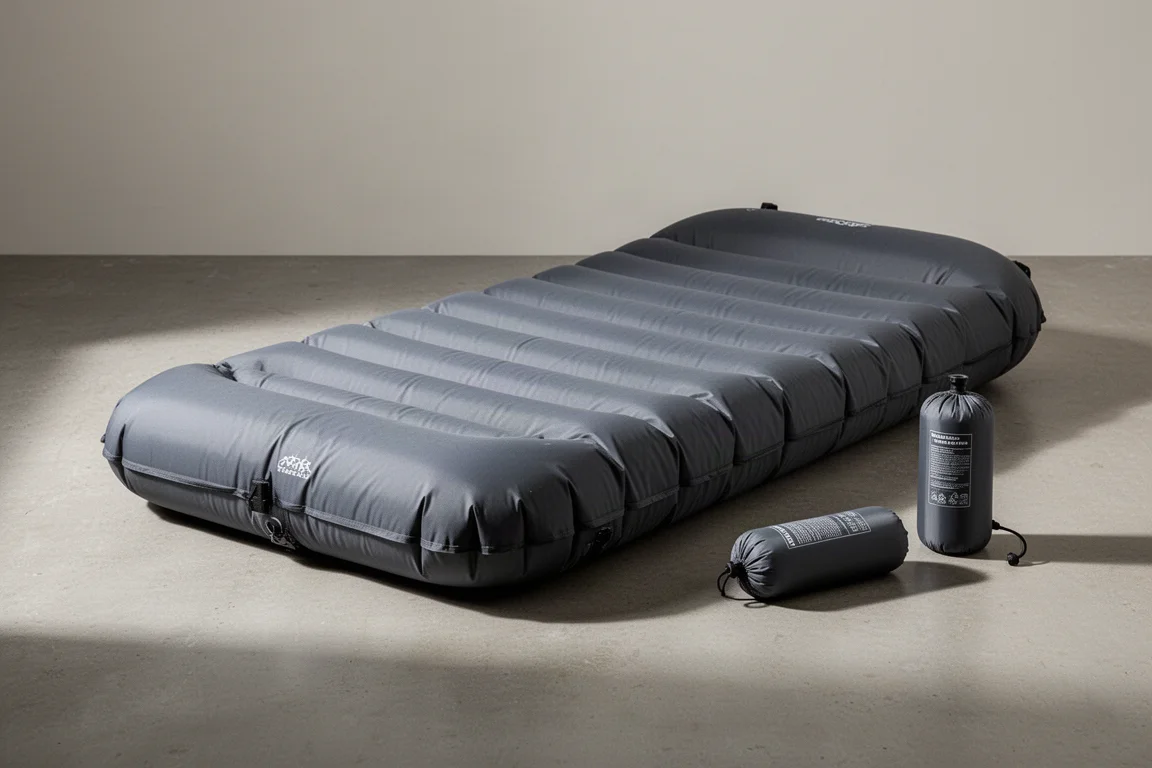
The MegaMat Ultra is advertised at 4 inches thick and measured true to that figure. It uses vertical baffles and the same stretchy polyester top material concept as the NeoLoft, and its first overnight test proved comfortable.
Vertical baffles give the pad noticeably more structure. Where the NeoLoft feels soft and conforming, the MegaMat Ultra feels solid and planted, with much better edge support. Sleeping near the edge does not create the sense of sliding off, and the usable surface feels wider as a result. Moving around on it does not produce the balloon sensation that the NeoLoft can create.
The compromise runs the other way: pressure relief is slightly less pronounced than on the NeoLoft.
Stretchiness and True Thickness: What the Measurements Show
Stretchiness was expected to separate the two pads, and it did not. In the single-finger push test, the MegaMat Ultra felt marginally stretchier. In the two-hand test with weight shifting back and forth, the NeoLoft felt marginally stretchier, possibly because the vertical baffles on the MegaMat Ultra add structure that resists movement. Lying on both pads, on the side and on the back, produced no noticeable difference in how far the shoulders, hips, or seat sank into the surface. Sitting up on each pad hinted at slightly more stretch from the NeoLoft.
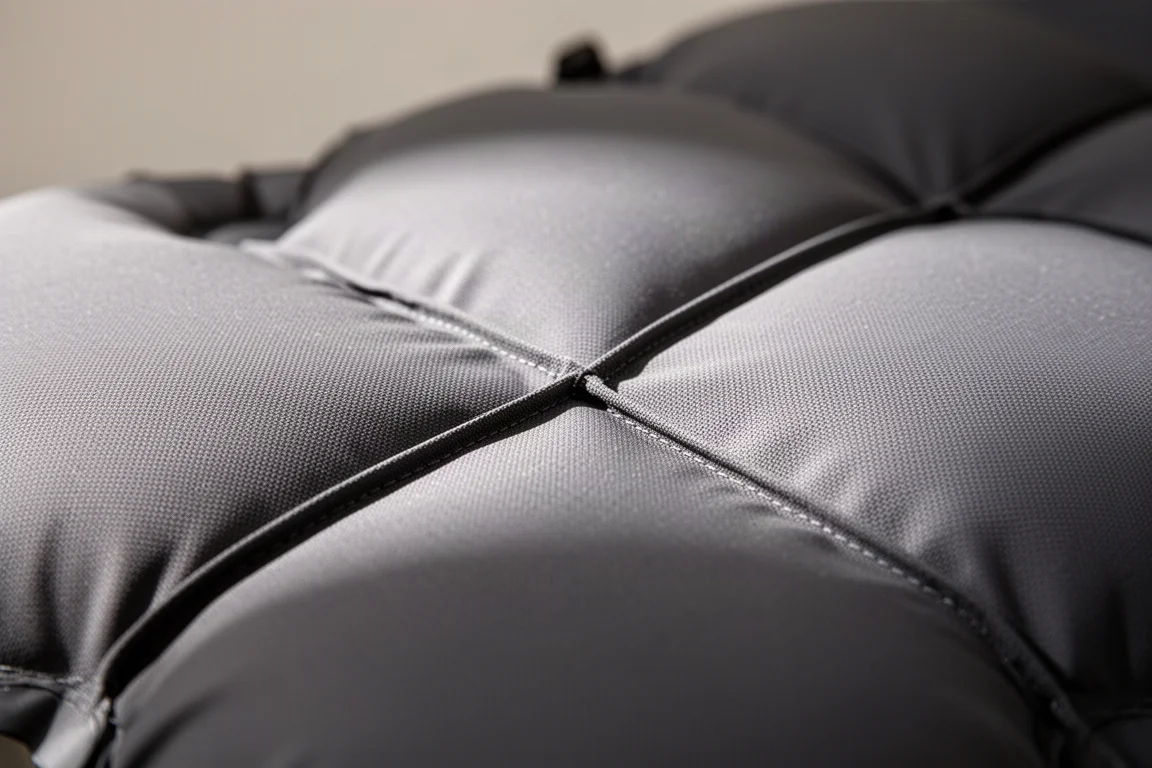
Thickness produced a clearer, measurable result. The NeoLoft is 4.6 inches thick and the MegaMat Ultra is 4 inches thick, and both matched their advertised figures when measured. That 0.6 inch gap rarely registers for a sleeper around 185 pounds, but above roughly 200 pounds the extra thickness can be the difference between resting on the pad and bottoming out against the ground, especially when side sleeping or sitting up.
Baffle Comfort and Pressure Relief: A Narrow Gap
Baffle style has historically been a major comfort factor. Vertical baffles have ranked as the second most comfortable construction, dimpled baffles have ranked first, and horizontal baffles have ranked lowest. Pads with stretchy top fabrics have blurred those rankings, and the NeoLoft is the clearest example: despite its horizontal baffles, it ranks among the most comfortable pads tested.
The overnight comparison produced no dramatic pressure-relief differences between the two. The NeoLoft felt slightly stretchier under the body, while the MegaMat Ultra’s vertical baffles made their presence felt more in structure than in pressure relief. Neither pad triggered arm numbness or an urgent need to shift position within an hour of lying down.
Edge Support and Stability: The Clearest Difference
Edge support affects comfort in three ways: how secure the pad feels near its perimeter, how much usable surface remains, and whether the pad feels like a balloon when shifting position. On all three counts, the MegaMat Ultra is the stronger performer.
Its vertical baffles hold the perimeter firm. Even near the edge, there is enough structure underneath to feel stable, and the pad does not feel like it is about to tip a sleeper off. That stability also makes the sleeping surface feel wider than its dimensions suggest, since more of the pad can be used without drifting toward the middle.
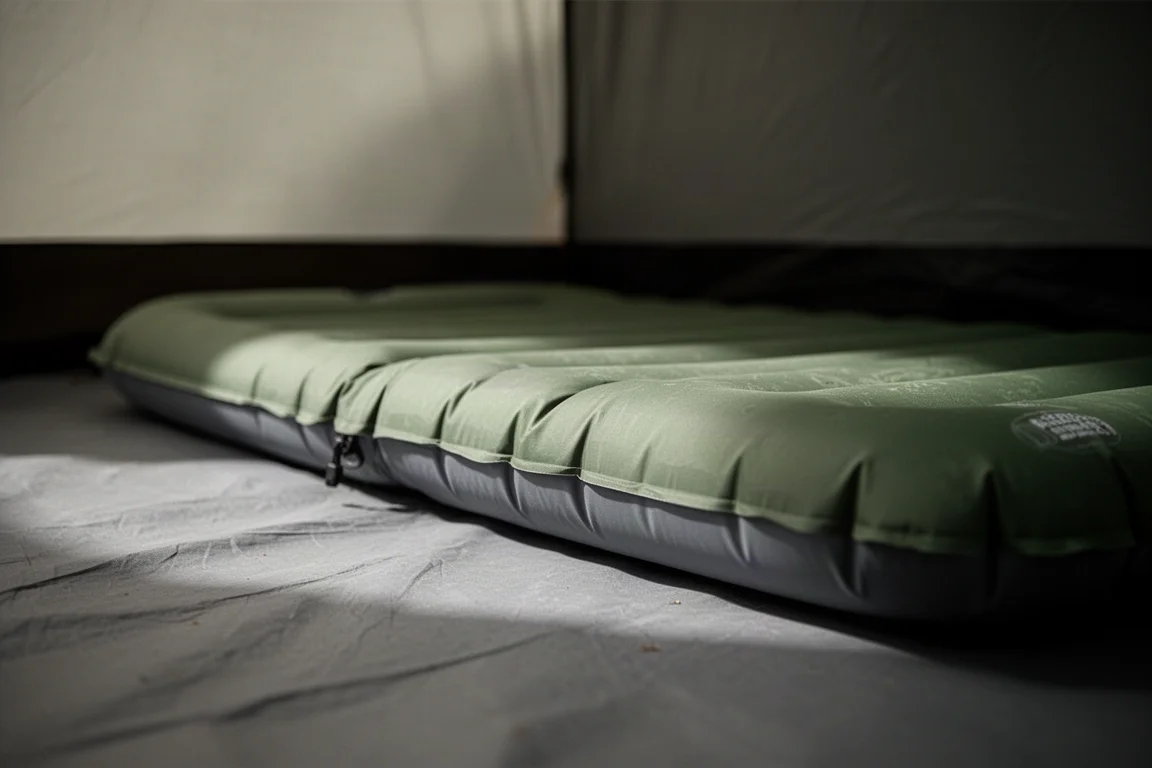
The NeoLoft behaves differently. Toward the edges it feels less supportive, and with the pad partially deflated a sleeper can slide off. Movement also produces a balloon-like sensation as air redistributes. The compensation is comfort in the center: pressure relief is a little better on the NeoLoft, which matters most for sleepers who stay put.
What the Overnight Test Revealed
Switching between the two pads roughly every hour during the night showed how differently they behave rather than which one is objectively better. The NeoLoft conforms and cradles, with softness that rewards a still sleeper. The MegaMat Ultra holds its shape, with firmness that rewards a restless one.
Neither pad produced a decisive comfort advantage. The differences that emerged were about character: more pressure relief on one side, more stability and edge support on the other. Both pads also belong to a broader trend toward pads that weigh under a kilogram, stay thick, use a stretchy top fabric, and provide enough warmth for three-season trips with some shoulder-season potential.
Buying Advice: Which Pad Suits Which Sleeper
There is no clear winner between these two pads, so the decision comes down to how you sleep.
Choose the Therm-a-Rest NeoLoft if you tend to stay in one position, want maximum pressure relief, and value the extra 0.6 inch of thickness, particularly if you weigh more than about 200 pounds and want to avoid bottoming out. Choose the Exped MegaMat Ultra if you move around a lot at night, want a pad that feels solid rather than balloon-like, and prefer strong edge support that makes the full surface usable.

Both pads have similar weights, R-values, and dimensions on paper, so the practical differences come down to feel. If possible, lie on both before deciding. The pad that matches your sleep style will be the more comfortable one over a full night.
Conclusion
The Therm-a-Rest NeoLoft and the Exped MegaMat Ultra are closely matched comfort pads with distinct personalities. The NeoLoft leans toward softness, pressure relief, and extra thickness. The MegaMat Ultra leans toward stability, edge support, and a planted feel. Neither is the wrong choice, and for most campers the better pick is simply the one that matches how much they move during the night.
Further reading
Related Reviews
Sleeping Pads
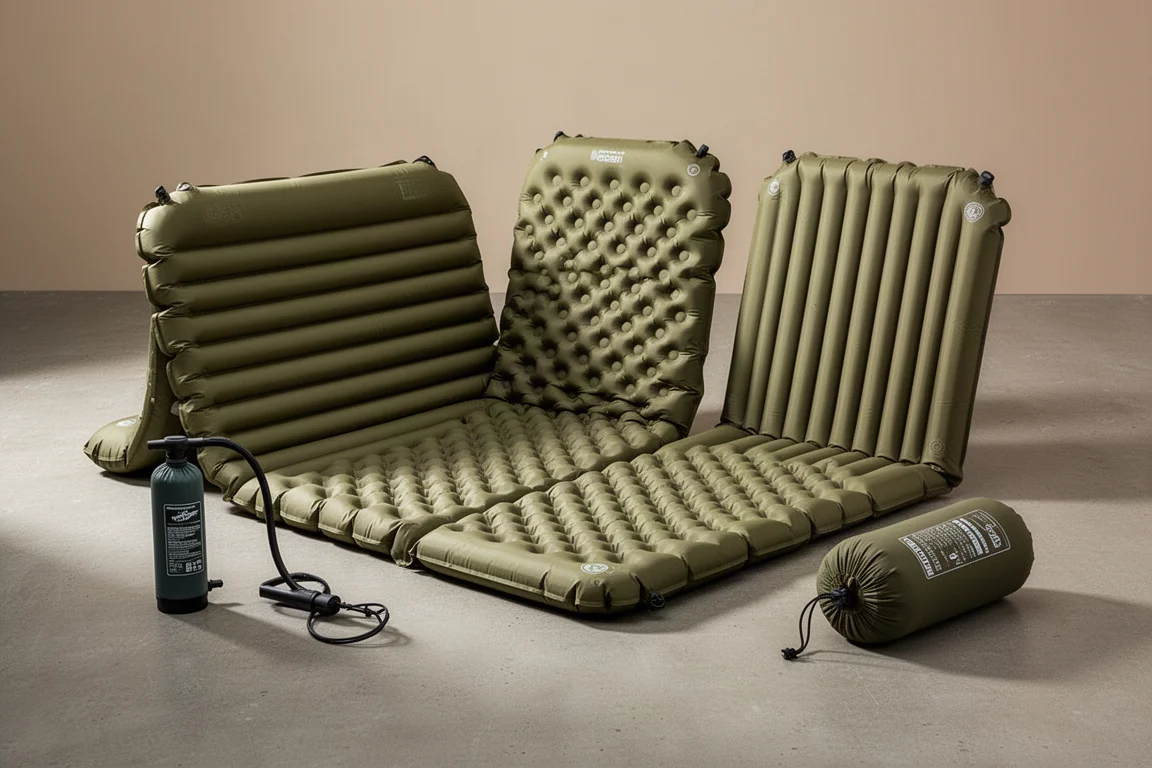
Best Backpacking Sleeping Pads 2026: Nine Pads Rated on Price, Comfort, Warmth, and Weight
Nine backpacking sleeping pads compared on price, comfort, warmth, and weight, from a $65 summer pad to a year-round option rated at R-7.3.
Sleeping Pads
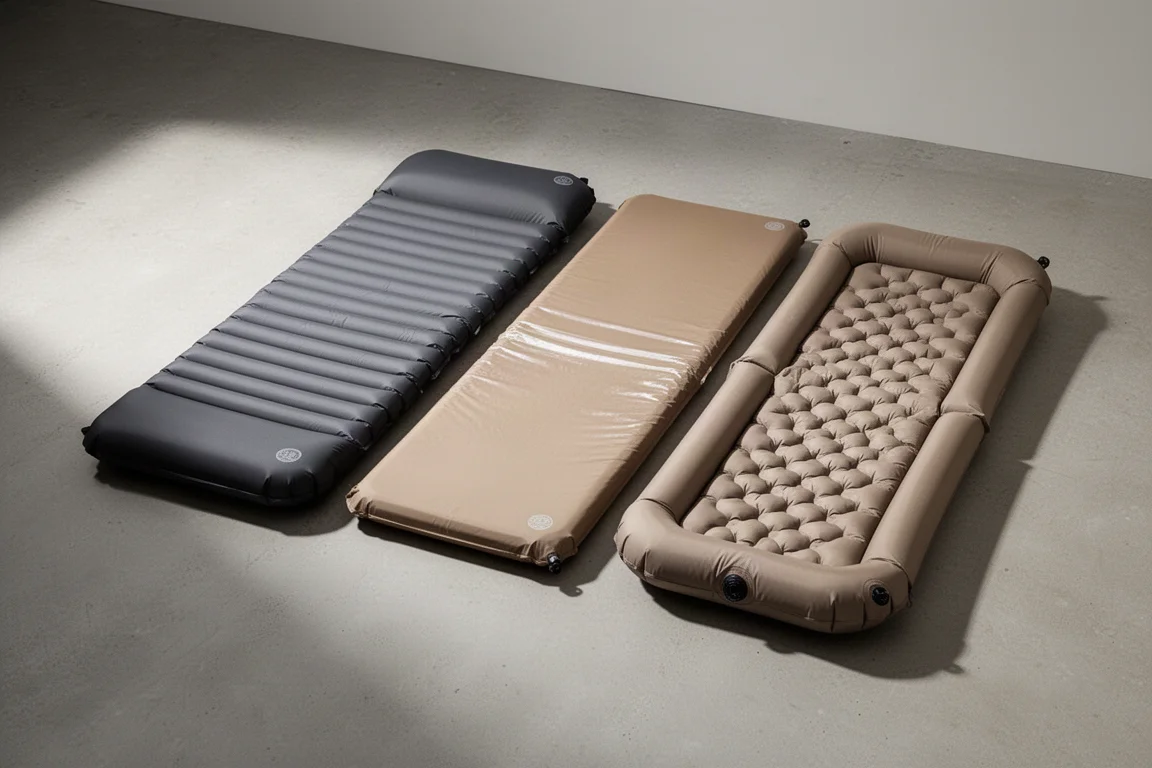
Best Backpacking Sleeping Pads: Comfort, Warmth, and Weight Compared
A practical comparison of the Nemo Quasar 3D, Therm-a-Rest NeoAir XTherm Max, and Big Agnes Rapide SL for backpackers choosing between comfort, warmth, and packed weight.
Sleeping Pads
Best Backpacking Sleeping Pads: Ultralight, Winter, Comfort and Budget Picks
A practical roundup of the sleeping pads that stand out for ultralight weight, winter warmth, pressure relief and value, plus three popular pads that fell short.