Sleeping Pads
Therm-A-Rest NeoLoft vs Big Agnes Rapid SL: Two Comfort Sleeping Pads Compared
A side-by-side look at two comfort-first sleeping pads, covering weight, packed size, thickness, warmth, noise, and price so you can pick the right one.
Introduction
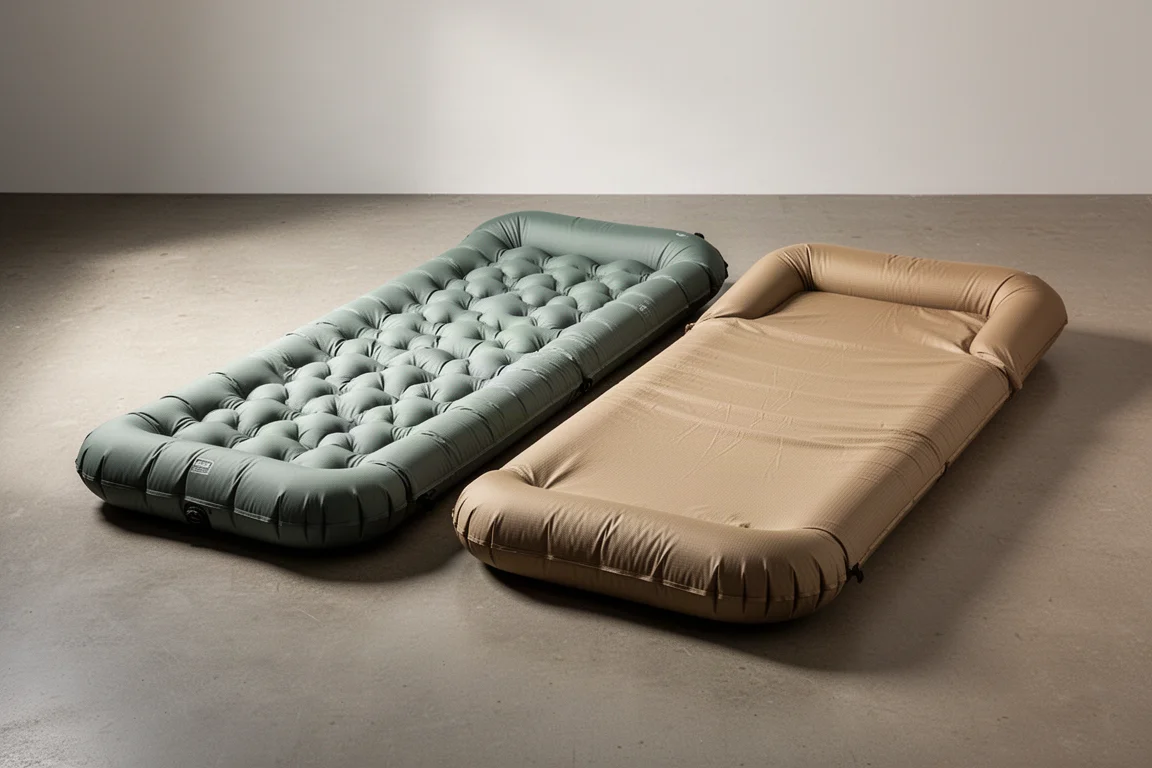
Comfort has become one of the most interesting corners of camping gear, and two mats sit right at the centre of that conversation: the Therm-A-Rest NeoLoft and the Big Agnes Rapid SL. Both come from established outdoor brands, both are built around comfort rather than minimum weight, and both are regular wide pads that measure within a couple of centimetres of each other.
That similarity is exactly why the comparison is worth making. The differences look small on paper, but they point in two different directions. The NeoLoft leans towards maximum comfort and quiet, while the Rapid SL leans towards lighter weight and a smaller pack. Here is how they actually differ, and which one suits which kind of trip.
What the Two Pads Have in Common
Before the differences, it is worth noting how much these two share. Neither is trying to be the lightest mat on the market. Both are regular wide, both come with a pump sack for inflation, and both are straightforward to fill despite their generous size. Their R-values sit within a tenth of each other, so warmth is not really the deciding factor here.

Both also land in the same season bracket: three-season mats that push into four-season use in all but genuinely cold conditions. If you are choosing between them, you are choosing a feel and a packed size rather than a category.
Therm-A-Rest NeoLoft: Comfort You Can Feel
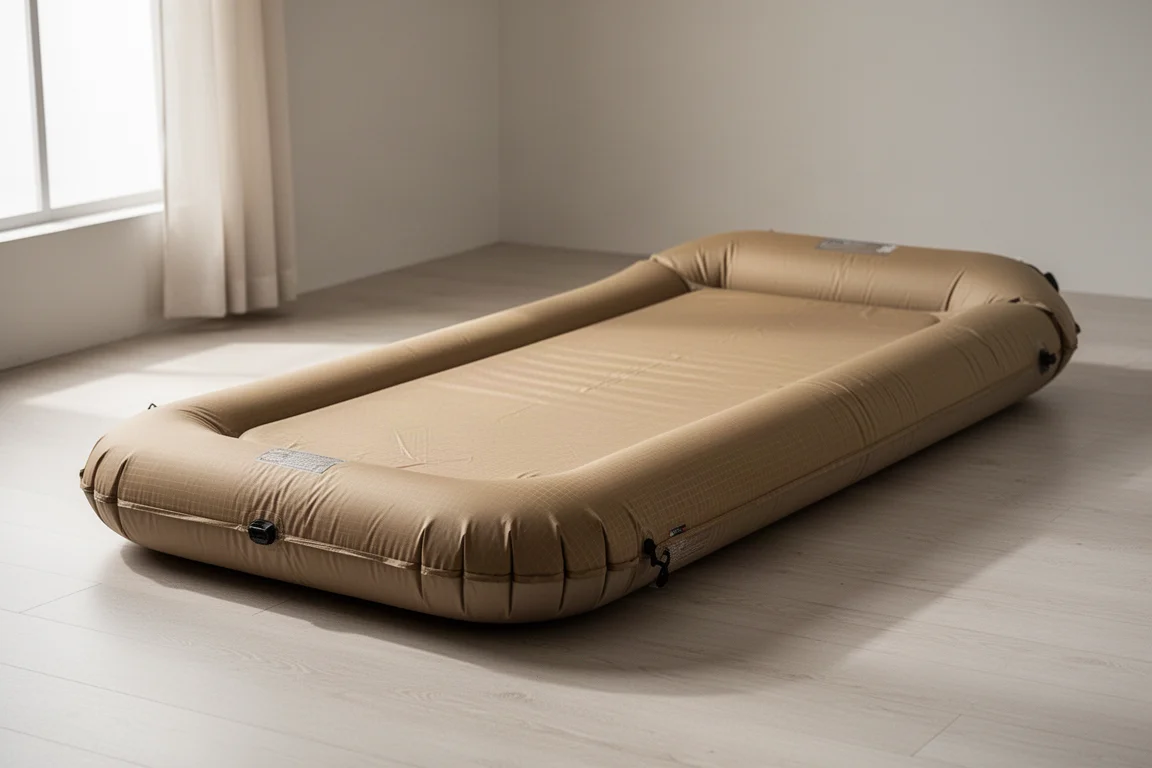
The NeoLoft is the thicker of the two by a clear margin. At around 11.7 cm deep, it delivers the kind of cushioning that makes a tent floor feel almost like a bed at home. The regular wide measures roughly 185 cm long and 66 cm wide, so it is slightly longer and slightly wider than the Rapid SL, even if the two look very similar when laid on top of each other.
The surface fabric is a stretch knit, and that is the detail most people notice first. It feels plush under a sleeping bag, closer to a sheet or a base layer than a typical nylon mat. Warmth comes from the main construction rather than internal reflective layers, which helps explain why the NeoLoft is close to silent when you shift position during the night.
The NeoLoft weighs around 850 g in the regular wide, and its stuff sack is generous enough that packing it away is genuinely easy, with room to squeeze and manoeuvre. Its pump sack is the larger of the two, yet it took the same number of breaths, or fewer, to inflate. The NeoLoft carries the higher recommended retail price of £250.
Big Agnes Rapid SL: Lighter and Smaller in the Pack
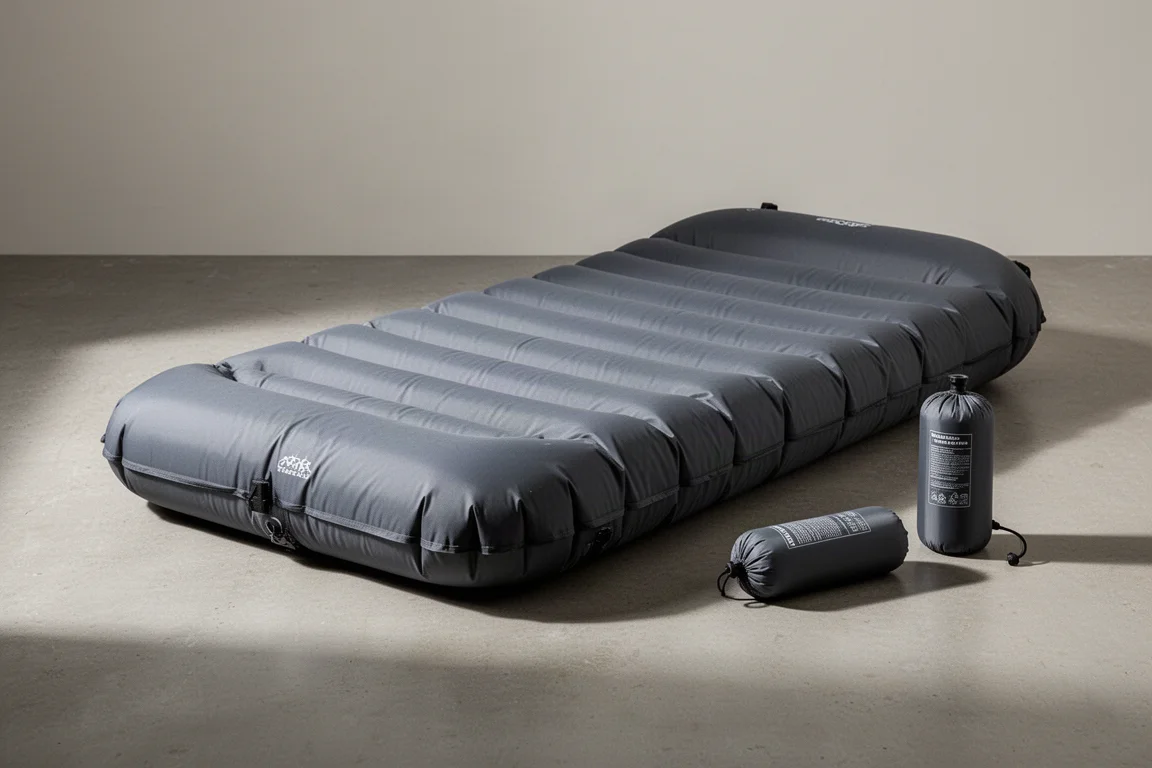
The Rapid SL takes the opposite approach. It weighs around 645 g in the regular wide, roughly 200 g less than the NeoLoft, and it packs down smaller. That gap matters most once the mat is inside a backpack, where the Rapid SL takes up noticeably less volume.
Its regular wide measures about 183 cm long and 64 cm wide, so it is marginally smaller than the NeoLoft. Thickness is still generous: about 9 cm across the sleeping area, with the side walls raised to roughly 11 cm to help keep you from rolling off.
Warmth comes from two reflective films inside the pad, and this is one of the few areas where the Rapid SL gives something up. It is among the quietest mats to use this technology, but it still makes a little more noise than the NeoLoft when you move. The outer face is a double ripstop nylon, which feels robust and is comfortable to sleep on, even if it lacks the plush stretch of its rival.

The Rapid SL also comes with a lighter pump sack, and inflation is easy despite the pad’s size. The trade-off is the stuff sack, which is smaller and takes a bit more effort to load. Once it is in a rucksack, though, that compactness is the whole point.
Warmth Ratings and Season Ratings
The numbers here are close. The Rapid SL is rated at 4.8 and the NeoLoft at 4.7. In practice, a tenth of an R-value is not something you are likely to feel. Both mats are three-season pads that can stretch into four-season use unless conditions get really cold.
That means the warmth rating should not decide this purchase for you. The two pads will keep you comparably warm, and the real question is how much comfort you want to carry and how much pack space you are willing to give up for it.
Thickness, Fabric Feel, and Noise
Thickness is where the two separate most clearly. The NeoLoft’s 11.7 cm of depth and stretch-knit surface give it the edge in outright comfort and in how the fabric feels against a sleeping bag. The Rapid SL answers with 9 cm in the sleep area and raised side walls, which is still substantial for a mat of its weight.
Noise is the other divider. The NeoLoft is close to silent. The Rapid SL is quiet in absolute terms and among the quietest of the reflective-film designs, but it is not quite as hushed.
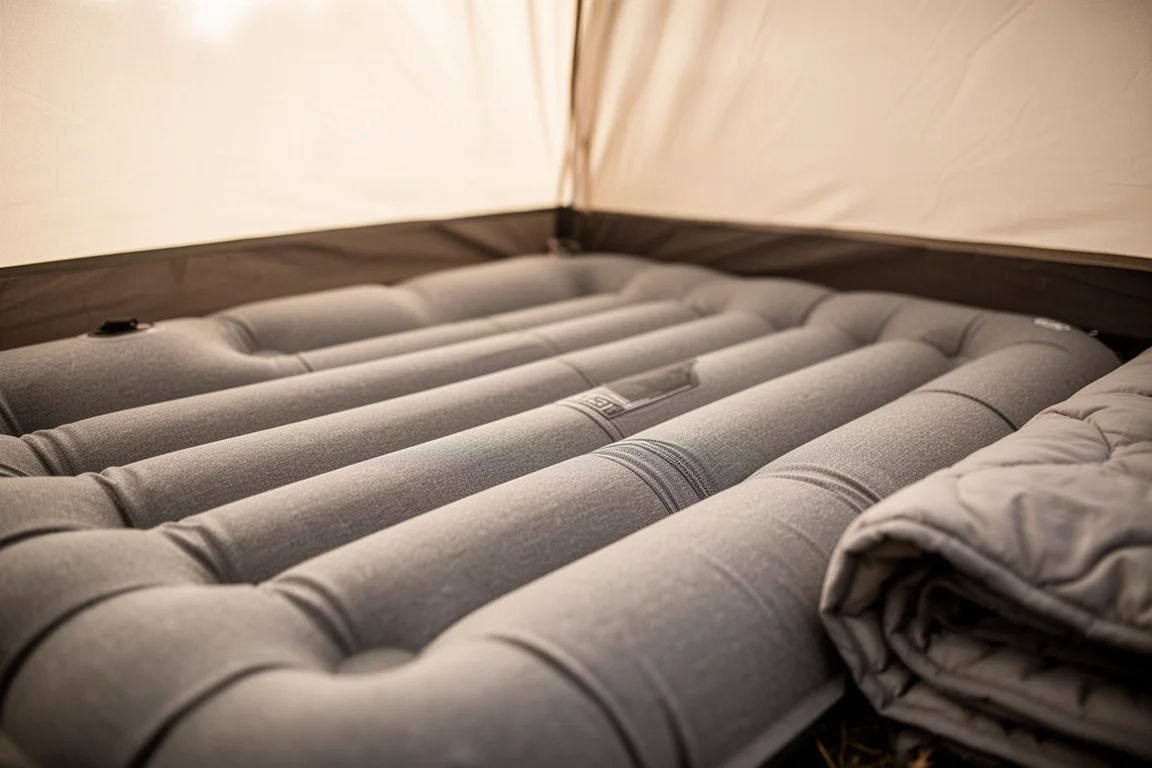
For most sleepers, the NeoLoft’s extra depth is the more noticeable of the two differences across a long night, while the Rapid SL’s noise is mild enough that it rarely disturbs sleep.
Packing, Pump Sacks, and Price
Packing behaviour splits along the same lines as weight. The NeoLoft’s larger stuff sack is easy to fill, and there is room to squish the mat down. The Rapid SL’s smaller sack demands more effort but rewards you with a smaller bundle in the pack, which is the more useful outcome on a long walk.
Both include pump sacks. The Rapid SL’s is lighter, while the NeoLoft’s is noticeably bigger yet fills the pad in the same number of breaths or fewer, so the larger sack is not a disadvantage in use.
Price is the last variable. The Rapid SL costs £190 for the regular wide, with a narrower version at £150. The NeoLoft has a recommended retail price of £250. Retail prices do move, so it is worth checking the current figure before you commit.
Which Sleeping Pad Should You Choose?
These two mats are similar enough that neither is a bad choice. They are both comfort-first designs with warmth ratings in the same bracket, and the decision comes down to what your trips actually look like.
Choose the Therm-A-Rest NeoLoft if comfort is the priority. It is the thicker, quieter, more luxurious mat of the two, and the one that comes closest to sleeping at home. Car campers, basecamp users, and anyone who is not counting grams will get the most from it.

Choose the Big Agnes Rapid SL if you are heading out on a long backpacking trip and want to keep weight and pack size down. It gives up a little thickness, a little quiet, and a little surface softness, and in return it saves around 200 g and packs smaller, while still being a genuinely comfortable mat.
Either way, you end up with a pad built for comfort first, and neither one is likely to leave you regretting the purchase.
Conclusion
The Therm-A-Rest NeoLoft and the Big Agnes Rapid SL are close enough that the choice is really about your priorities rather than about one being clearly better. The NeoLoft wins on depth, fabric feel, and silence, and it is the easiest of the two to pack away, at the cost of around 200 g and a higher recommended retail price of £250. The Rapid SL wins on weight and packed volume at around 645 g and £190 for the regular wide, with a marginally higher R-value, at the cost of a thinner sleep surface and a little more noise from its internal reflective films.
If you camp close to the car or do not mind carrying a bit more, the NeoLoft is the more indulgent sleep. If your trips are long and measured in kilometres, the Rapid SL is the more sensible companion.
Further reading
Related Reviews
Sleeping Pads
Best Backpacking Sleeping Pads 2026: Nine Pads Rated on Price, Comfort, Warmth, and Weight
Nine backpacking sleeping pads compared on price, comfort, warmth, and weight, from a $65 summer pad to a year-round option rated at R-7.3.
Sleeping Pads
Best Backpacking Sleeping Pads: Comfort, Warmth, and Weight Compared
A practical comparison of the Nemo Quasar 3D, Therm-a-Rest NeoAir XTherm Max, and Big Agnes Rapide SL for backpackers choosing between comfort, warmth, and packed weight.
Sleeping Pads
Best Backpacking Sleeping Pads: Ultralight, Winter, Comfort and Budget Picks
A practical roundup of the sleeping pads that stand out for ultralight weight, winter warmth, pressure relief and value, plus three popular pads that fell short.