Sleeping Pads
Therm-a-Rest NeoLoft Review: Plush Three-Season Comfort That Still Packs Down
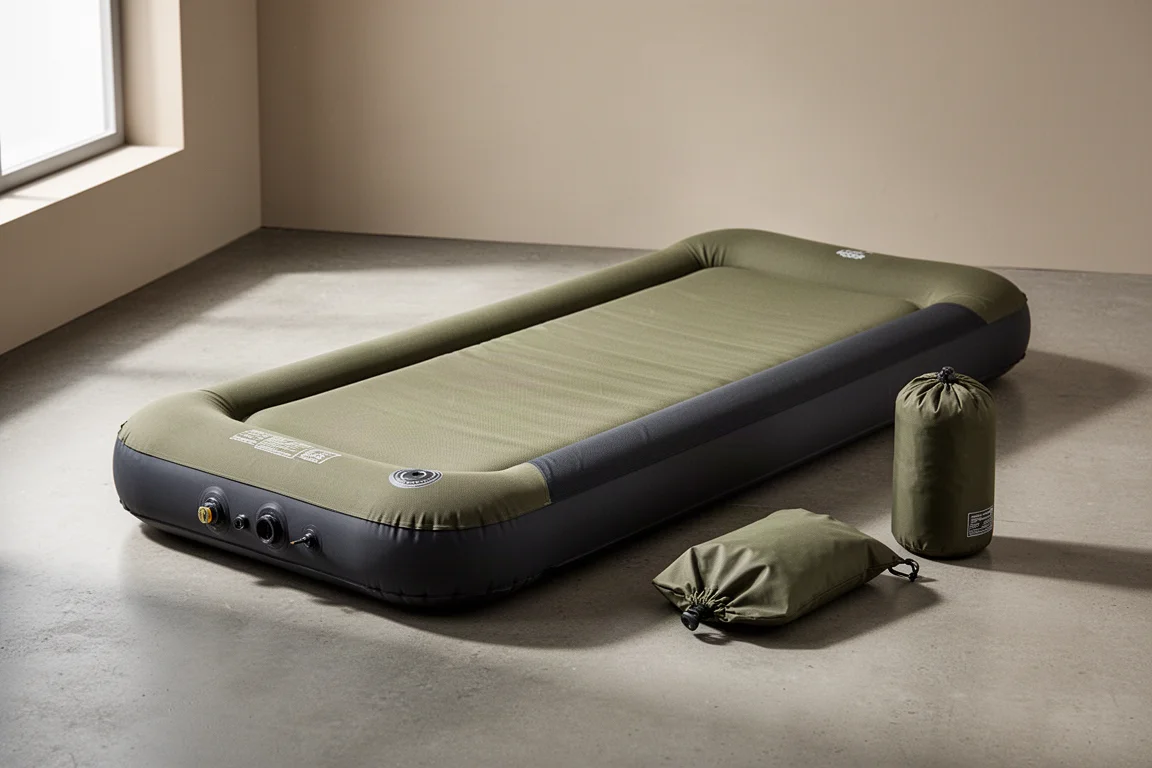
A close look at the Therm-a-Rest NeoLoft, a three-season sleeping pad with an R rating of 4.7, an 11.7 cm thick profile and a soft stretch knit top surface.
Introduction
Therm-a-Rest is one of those names that has become shorthand for the thing itself. Ask for a sleeping mat at a campsite and someone will answer with the brand. The NeoLoft is the latest addition to that line, and it lands deliberately in the middle of the range, between the featherweight pads built for counting grams and the bulky, deeply cushioned mats that never leave the car.
It is a three-season inflatable pad with an R rating of 4.7, and it reaches that warmth without the crinkly metallic films or foam layers that define so many lightweight designs. The regular wide measures 66 cm across, 185 cm long and 11.7 cm thick, and it weighs around 850 g.

That combination of numbers is the whole argument for the pad. Years ago, this level of thickness and warmth would have meant a self-inflating mat with foam inside, which packed far larger and slept far less comfortably.
Who this product is for
The NeoLoft is not aimed at ultralight backpackers chasing the lowest possible base weight. It is for everyone who has decided that a good night’s sleep is worth a few hundred extra grams.

Multi-day walkers are the clearest fit. Better sleep on the trail usually means more energy the next day, and for many people that trade is worth the weight. It also suits base camp trips, where the pad stays in one place for a week while you climb different peaks in the area, and car campers who want genuine comfort without the bulk of a traditional car camping mat. At home, it doubles as a spare bed for guests.
Main strengths
Start with the construction. Therm-a-Rest has taken the contour matrix design used in its ultralight pads and scaled it up, which is what produces the generous loft. The result is a pad that is genuinely thick and still compresses small.
The 3D build gives it a top, a bottom and proper side walls, and the baffles at the edges are thicker than the middle to form side rails. Those rails keep you centred instead of rolling you off the edge, and the structure feels solid rather than bouncy.
The top surface is a stretch knit fabric that feels closer to a base layer than to a plastic sheet. It is soft, it stretches, and it contours to your body, which helps if you sleep under a quilt and some skin ends up touching the mat.
Warmth comes from the design rather than from synthetic fibres or lofting foam, which is how the pad earns an R rating of 4.7. For most people and most conditions, that covers the bulk of the year, and it is positioned as a three-season pad.
The valve system is simple: two dedicated valves, one for inflation and one for deflation, so you are not fighting the same opening for both jobs. The included inflation bag is unusually large, and filling the pad with it takes only a few breaths.
Small details round it out. The base fabric is shinier and more robust than the top and resists absorbing moisture from the ground. The stuff sack is deliberately roomy, so packing up is easy rather than a wrestling match, and if you want to save a few grams you can leave it behind and use the inflation bag as a stuff sack or even a dry bag. A puncture repair kit is included, and the pad is covered by a lifetime guarantee.
Things to consider before buying
Weight is the first trade-off. At around 850 g in the regular wide size, this is not an ultralight pad, and anyone counting every gram will find lighter options in the range.
Size is the second. The regular wide is 66 cm across and 185 cm long, so if two people both plan to use one, check that they will fit side by side inside the tent before ordering a pair.
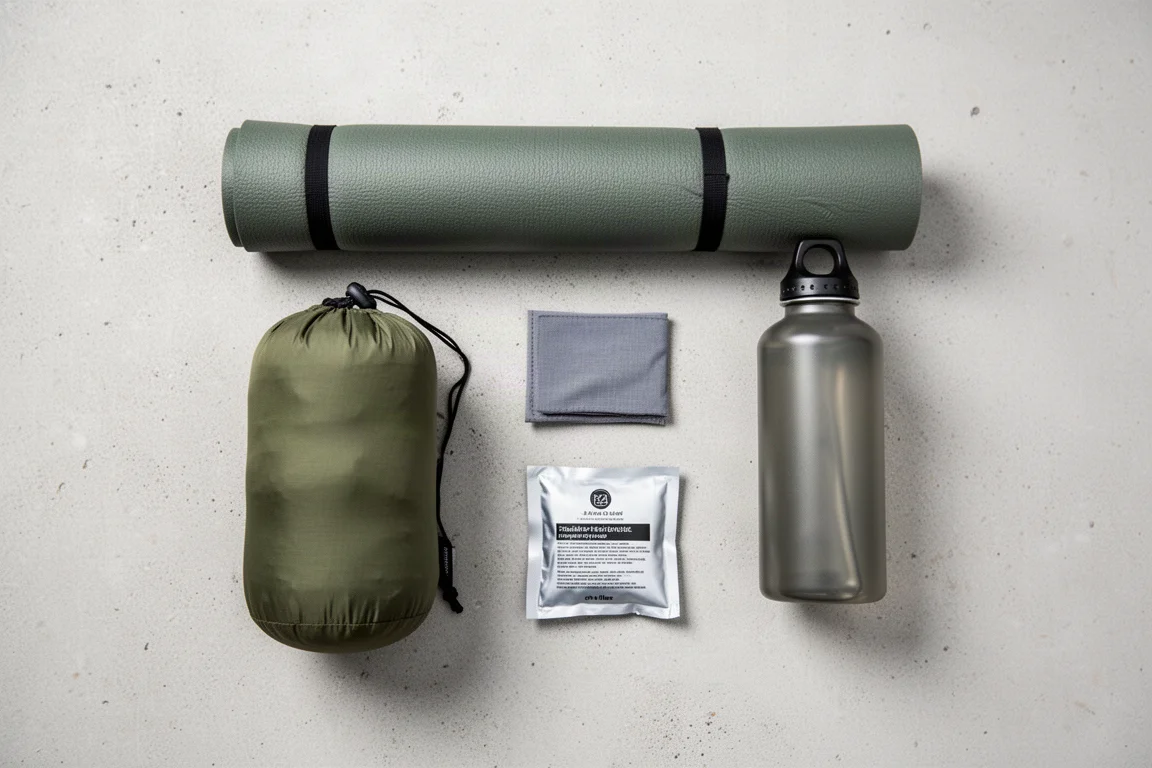
Third, this is an inflatable pad, so punctures are a possibility, although a repair kit comes in the box. Packed size is small for the comfort on offer, but it is not tiny: the rolled pad is only a little bigger than a one litre water bottle, which is worth knowing if your pack is already tight.
Buying advice
The case for the NeoLoft rests on one idea: the sleeping pad is the wrong place to save weight. A tent, a sleeping bag or a rucksack can all get lighter without ruining your night, but a pad that is not comfortable will leave you tired the next morning no matter how light the rest of your kit is.

If you mostly walk ultralight routes and count every gram, look elsewhere in the range. If you want one pad that works for multi-day walks, base camps and car camping trips, and that packs down far smaller than the thick mats of the past, this is an easy one to justify.
Conclusion
The NeoLoft blurs the line between car camping comfort and backcountry kit. It is thick, warm, stable and softly finished, it packs down small enough to travel, and it weighs less than many people would expect from a pad this plush. For anyone who values sleep over minimum weight, it is a straightforward recommendation.
Product link
View more details for Therm-a-Rest NeoLoft
This product is mentioned in the review. Check the specifications, options, and compatibility before buying.
View more details for Therm-a-Rest NeoLoftFurther reading
Related Reviews
Sleeping Pads
Best Backpacking Sleeping Pads 2026: Nine Pads Rated on Price, Comfort, Warmth, and Weight
Nine backpacking sleeping pads compared on price, comfort, warmth, and weight, from a $65 summer pad to a year-round option rated at R-7.3.
Sleeping Pads
Best Backpacking Sleeping Pads: Comfort, Warmth, and Weight Compared
A practical comparison of the Nemo Quasar 3D, Therm-a-Rest NeoAir XTherm Max, and Big Agnes Rapide SL for backpackers choosing between comfort, warmth, and packed weight.
Sleeping Pads
Best Backpacking Sleeping Pads: Ultralight, Winter, Comfort and Budget Picks
A practical roundup of the sleeping pads that stand out for ultralight weight, winter warmth, pressure relief and value, plus three popular pads that fell short.