Sleeping Pads
Therm-a-Rest NeoAir XTherm Review: A Cold-Weather Sleeping Pad Built to Last
A close look at the Therm-a-Rest NeoAir XTherm, an insulated air pad with a 7.3 R-value, a 15.5 oz regular weight, and a decade-long durability record.
Introduction
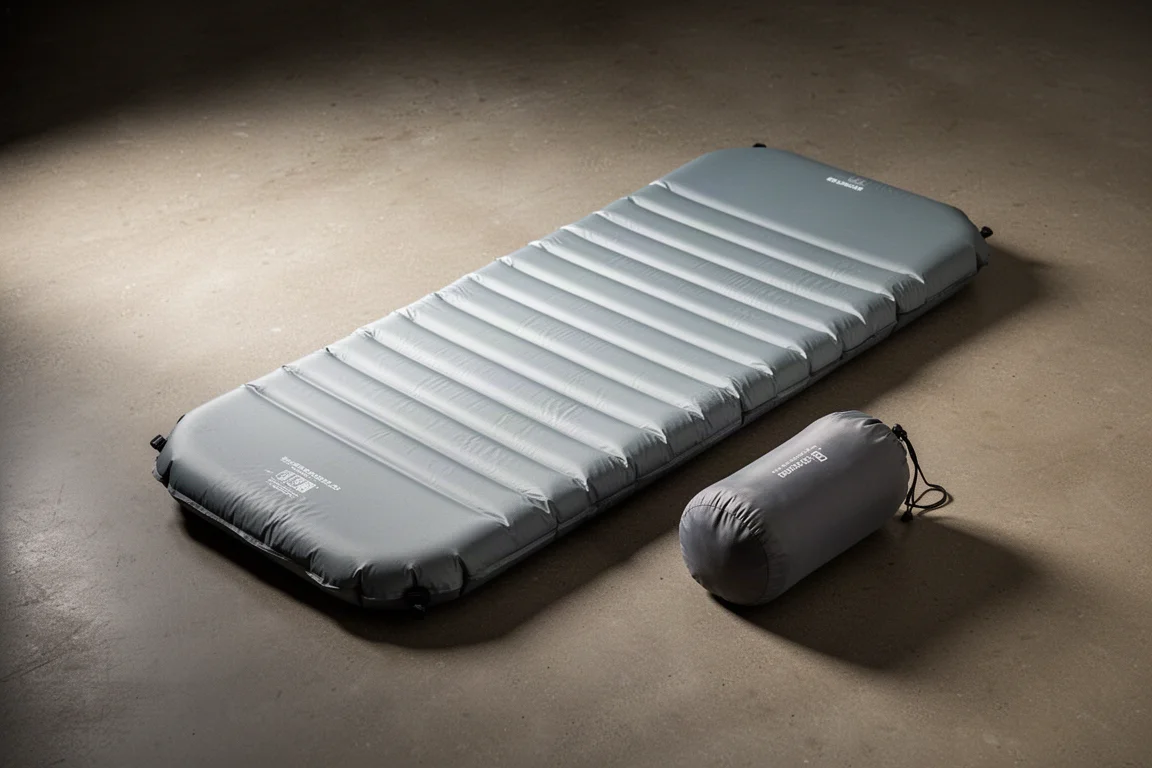
Cold-weather camping puts real pressure on a sleep system, and the sleeping pad is usually the component that decides whether a night outdoors is restful or miserable. The Therm-a-Rest NeoAir XTherm sits at the top of that category, built around warmth, low weight, and a packed size that disappears into a backpack.
This pad has been in production long enough to build a genuine track record. The design has carried through multiple generations, and the current version keeps the same core approach while trimming a little weight and adding a little warmth compared with earlier models. In practical terms, that means the reputation earned by older versions still describes what you get today.
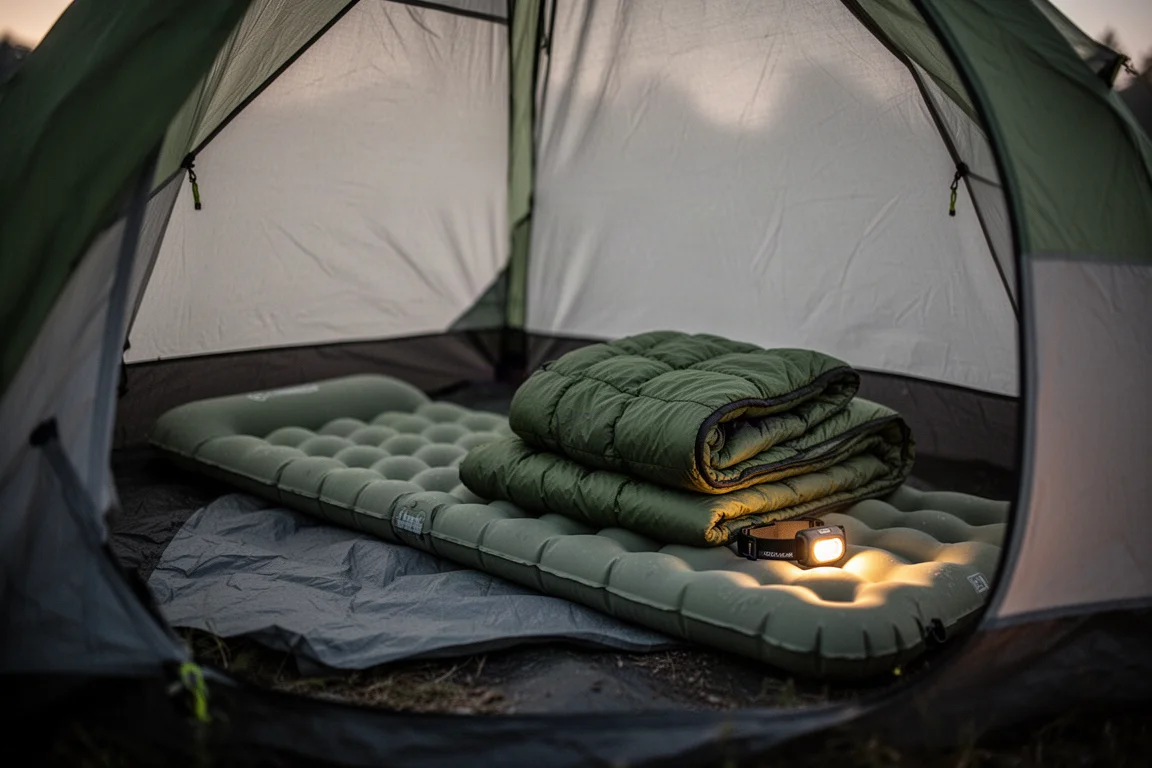
The headline number is an R-value of 7.3, paired with a 3-inch inflated thickness and a regular-size weight of 15.5 oz. For anyone who camps in shoulder seasons or through the winter, those figures are the reason this pad keeps coming up in the same conversation.
Who This Sleeping Pad Is For
The XTherm makes the most sense for campers who sleep cold, camp in cool or cold conditions, or want one pad that can handle every season rather than a rotation of options. It suits backpackers who care about pack volume as much as weight, because the regular size compresses to roughly 9 in by 4.5 in.
It is also a reasonable choice for people who already own a warm quilt or sleeping bag and want to push their comfort range further down the thermometer. Because the pad reflects body heat rather than relying on bulk insulation, it works with a lighter bag instead of requiring a heavier one.
Where it fits less well is with casual campers who only sleep out a handful of warm nights a year, or anyone working to a tight budget. The performance is real, but it is aimed at people who will use it often enough to justify the outlay.
Main Strengths
Warmth and R-Value
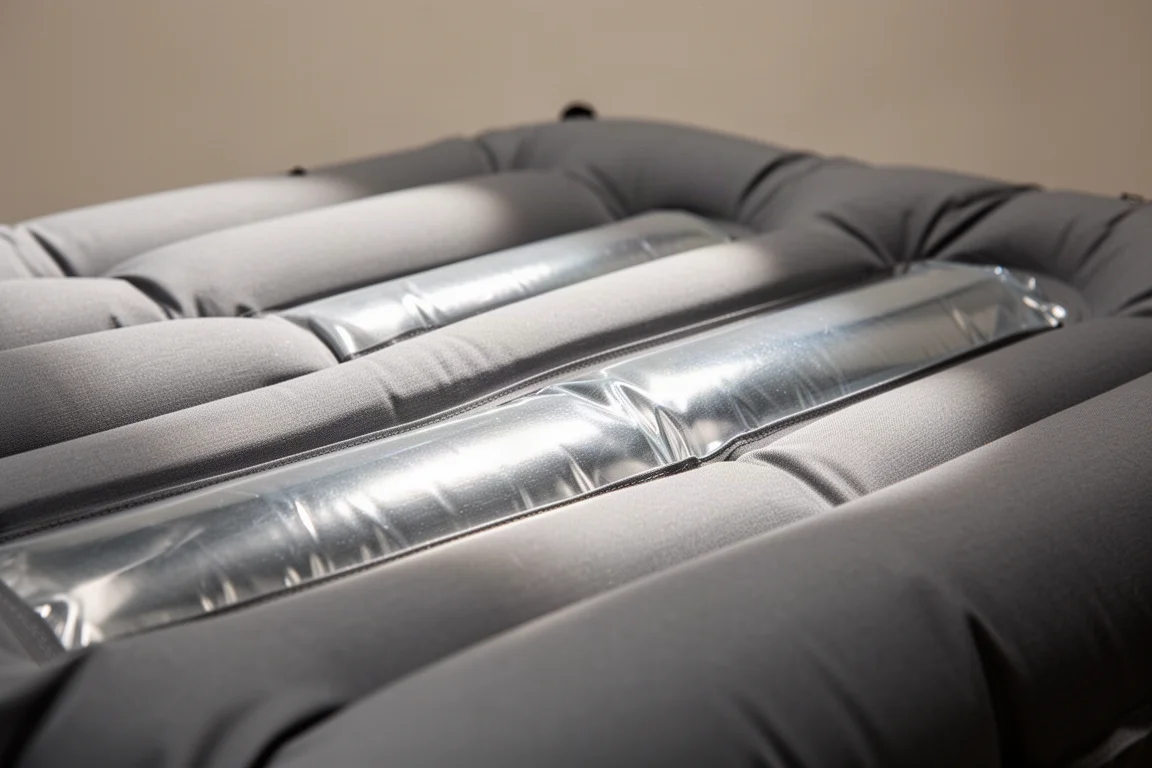
Warmth is the defining feature. The R-value of 7.3 is among the highest ratings you will find on an insulated air pad, and it comes from a reflective construction rather than a layer of fiber fill. Two systems do the work: Therm-a-Rest calls them the Triangular Core Matrix and ThermaCapture. Together they reflect body heat back toward the sleeper.
The practical result is a pad that feels warm almost immediately on contact. Inflated thickness of 3 inches also keeps hips and shoulders clear of the ground, whether you sleep on your back, side, or stomach. That combination is what makes it a first choice for cold-weather trips rather than a fair-weather pad.
Comfort and Packability
Comfort here is not just about thickness. The pad’s surface is stable enough to avoid the balloon-like wobble that cheaper air pads develop, and the 3-inch depth is sufficient for most sleep positions. The regular size measures 20 in wide by 72 in long when inflated, which is a standard backpacking footprint.
Packability is where it separates itself from most insulated alternatives. At 15.5 oz for the regular size and a packed size around 9 in by 4.5 in, it takes up a fraction of the space that many insulated air pads demand. Comparable pads are frequently heavier and can pack down to double or even triple the volume.
Durability and Long-Term Quality
Longevity is the quiet argument for this pad. Units from roughly a decade ago are still holding air without leaks, and the construction has survived a wide range of abuse: sand, snow, ice, rain, high elevation, low elevation, and the back of a truck. The materials support that, with a 70-denier nylon base and a 30-denier nylon ripstop top.
The pad is made in the United States, and the build quality reflects the broader standard of the brand’s sleeping pads and bags. It is a buy-once proposition: pay more up front, then keep using the same pad for years rather than replacing a cheap one every season or two.
Versatility Across Seasons
A high R-value can sound like a limitation, but the XTherm is more flexible than its rating suggests. In summer it lets you dial the rest of your sleep system back, swapping a full sleeping bag for a lighter quilt or blanket and still sleeping comfortably, because so much heat is reflected back to you.
That range means one pad can cover mountains, coast, and desert trips across summer, fall, and winter conditions. Being able to use a single pad all year is a real advantage over owning a warm-weather pad and a separate winter pad, and it simplifies packing decisions before every trip.

Things to Consider Before Buying
Price is the obvious hurdle. At around $250, the XTherm sits at the top of the market, and insulated winter pads from other reputable brands tend to land in the same bracket. Lower-cost pads that advertise high R-values are widely available, but those claims frequently do not hold up in practice, which is worth keeping in mind when comparing headline numbers.
Noise is the other trade-off. The internal reflective film has a crisp, crinkly character similar to a bag of chips, and it is noticeable when you shift position during the night. This is true of both older and current versions, since the reflective technology is unchanged. It is a minor annoyance rather than a functional flaw, but light sleepers sharing a tent should know about it in advance.
A third point worth noting is inflation method. Roughly 20 breaths will inflate the pad directly. Earlier versions shipped with a stuff sack that doubled as a pump sack, but it was small enough that filling the pad that way took a long time. The current version includes a properly sized pump sack, which makes inflation far less tedious.
Buying Advice
The XTherm is available in two colorways, a silver-grey and a greenish-grey silver, and in both mummy and rectangular shapes. Three sizes are offered: regular, regular wide, and large. If you are between sizes and sleep cold or move around at night, the wider option adds usable surface area without changing the core performance.
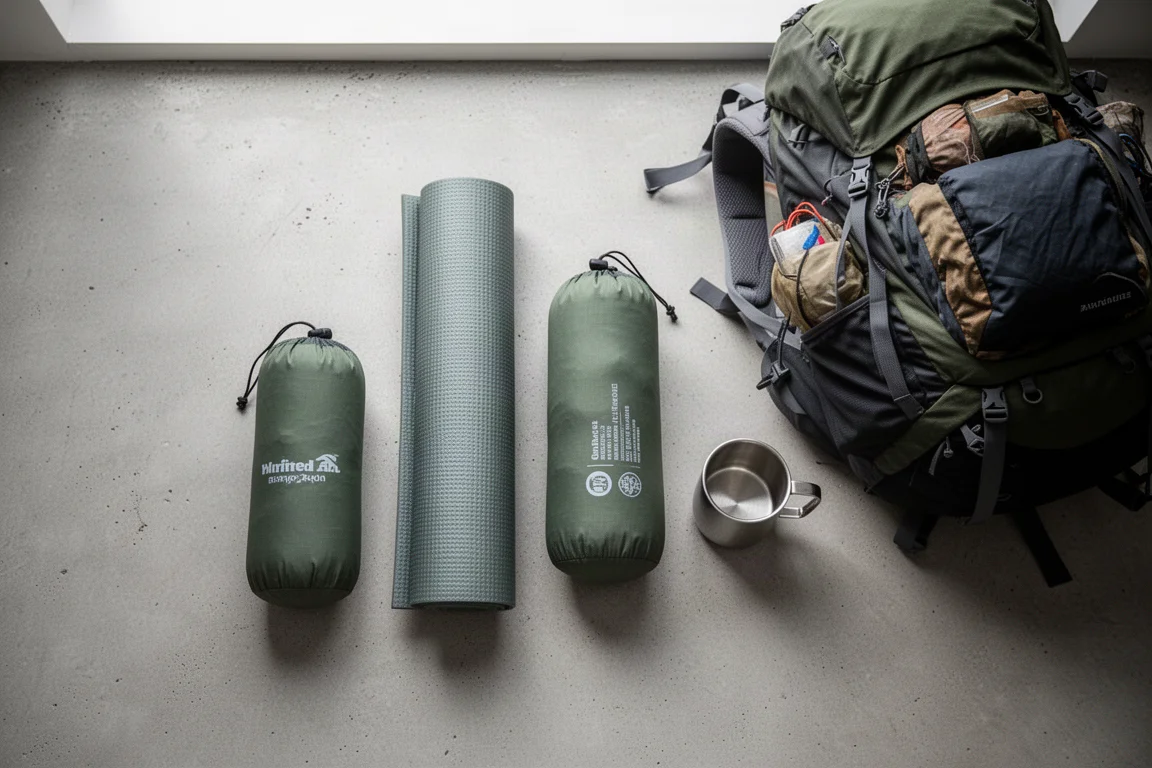
For most buyers, the regular size is the sensible starting point, since it delivers the full R-value and the lightest weight in the lineup. Choose based on how often you camp in cold conditions and how much you value pack volume. If winter or shoulder-season nights are a regular part of your year, the cost is easier to justify than it looks on paper. If your camping is mostly warm-weather and occasional, a less expensive pad will likely serve you just as well.
Conclusion
The Therm-a-Rest NeoAir XTherm remains one of the strongest cold-weather sleeping pads you can buy. It is warm, comfortable, lightweight, and compact, and its durability record over a decade of hard use is difficult to argue with. The R-value of 7.3, the 15.5 oz regular weight, and the 3-inch inflated depth cover the fundamentals that matter most when the temperature drops.
The two drawbacks are straightforward and well documented: a premium price around $250 and a crinkly sound when you move. Neither affects how well the pad performs. For campers who want a single pad that handles cold nights year after year, this is a straightforward recommendation.
Product link
View more details for Therm-a-Rest NeoAir XTherm
This product is mentioned in the review. Check the specifications, options, and compatibility before buying.
View more details for Therm-a-Rest NeoAir XThermFurther reading
Related Reviews
Sleeping Pads
Best Backpacking Sleeping Pads 2026: Nine Pads Rated on Price, Comfort, Warmth, and Weight
Nine backpacking sleeping pads compared on price, comfort, warmth, and weight, from a $65 summer pad to a year-round option rated at R-7.3.
Sleeping Pads
Best Backpacking Sleeping Pads: Comfort, Warmth, and Weight Compared
A practical comparison of the Nemo Quasar 3D, Therm-a-Rest NeoAir XTherm Max, and Big Agnes Rapide SL for backpackers choosing between comfort, warmth, and packed weight.
Sleeping Pads
Best Backpacking Sleeping Pads: Ultralight, Winter, Comfort and Budget Picks
A practical roundup of the sleeping pads that stand out for ultralight weight, winter warmth, pressure relief and value, plus three popular pads that fell short.