Sleeping Pads
Therm-a-Rest NeoAir XTherm NXT Review: A Cold-Weather Sleeping Pad for Every Season
An R-value of 7.3, a 16.6-ounce packed weight, and a small packed size make the NeoAir XTherm NXT one of the most capable cold-weather sleeping pads available, with price as the main trade-off.
Introduction
A cold-weather sleeping pad has to solve three problems at the same time. It has to lift you off frozen ground, it has to stop body heat from draining away underneath you, and it still has to pack small enough to disappear into a backpack. The Therm-a-Rest NeoAir XTherm NXT is the current version of a pad that has been a reference point in that category for about a decade.
The original NeoAir XTherm earned its reputation through roughly ten years of hard use, across hundreds of trips and a long list of cold nights. The NXT version keeps that formula and pushes it further. It is warmer than the model it replaces, just as light, and just as durable. It is also substantially more expensive, and that trade-off sits at the center of the buying decision.

What follows is a practical look at how this pad performs in the cold, what arrives in the box, how small it packs, and where the genuine compromises sit.
Who This Sleeping Pad Is For
This pad is aimed at campers who sleep out in genuinely cold conditions and do not want to carry a heavy, bulky mattress to stay warm. Backpackers who prefer a single pad for every season will also find it useful, because the extra insulation can be offset with a lighter sleeping bag or quilt. Side sleepers get particular attention here: at three inches thick, the pad keeps hips and shoulders clear of the ground.
It is a less obvious fit for anyone who is highly sensitive to crinkling sounds at night, or for shoppers working to a tight budget. Both of those points are covered in more detail further down.
Warmth and Comfort: How the XTherm NXT Performs
The headline figure is an R-value of 7.3, which is very high for an air mattress and the main reason this pad costs what it does. Warmth comes from a layered internal structure. A Triangular Core Matrix and ThermaCapture technology sit inside the pad, alongside multiple layers of reflective material that bounce body heat back toward the sleeper while blocking cold from rising up through the air chambers.
In practice the result feels very different from a standard air mattress. Lying on your back, you are fully off the ground. Rolling onto your side, hips and shoulders do not push through to the dirt. In the most recent winter the coldest night of testing sat at around 12 degrees Fahrenheit, and the pad handled it without any drama. The previous generation was used comfortably at minus 10 degrees Fahrenheit, and this version is warmer still.

Comfort is the other half of that story. The three-inch thickness and the internal structure keep the sleeping surface stable, so you can shift position through the night without sinking into the ground or feeling the cold through the base.
Weight, Packed Size, and Year-Round Versatility
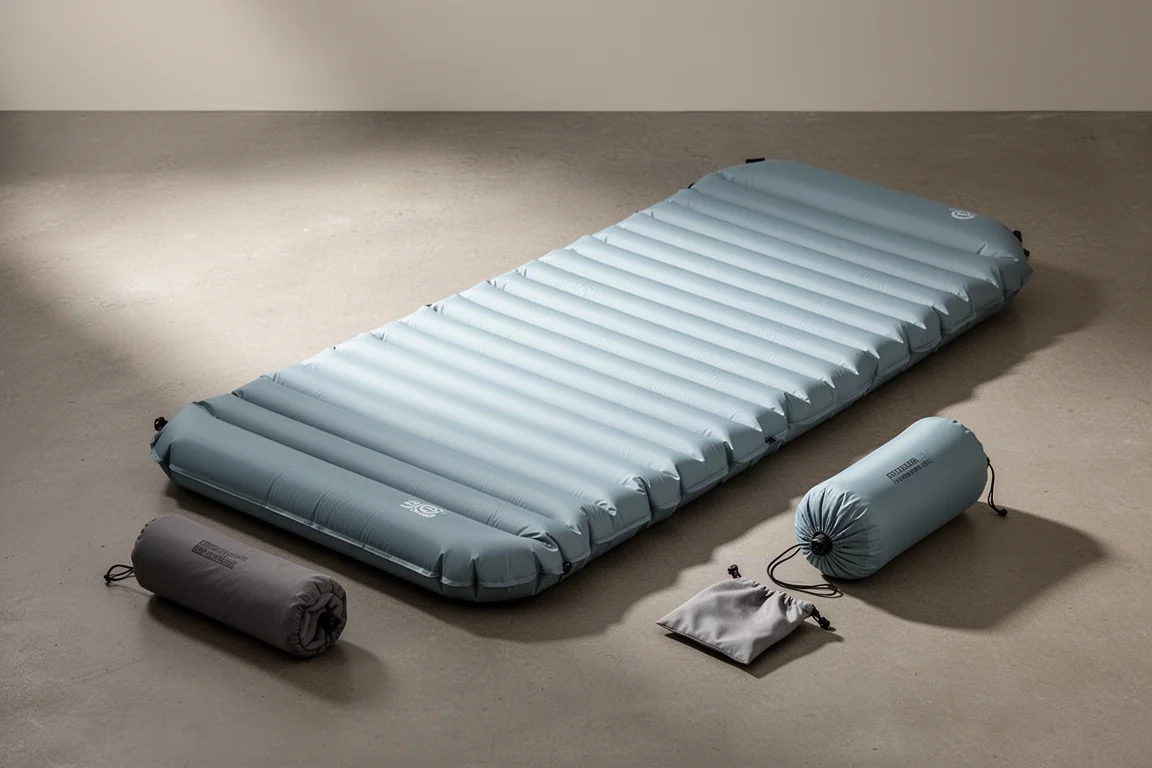
The regular size weighs 16.6 ounces including the storage bag, measures 72 inches long by 20 inches wide, and rolls down to roughly 9 inches by 4.5 inches. Three sizes are available: regular, regular wide, and large. For a pad this warm, that packed volume is unusual. Cold-weather mattresses often arrive heavy, bulky, or flimsy, and this one avoids all three of those compromises.
Year-round use is a genuine part of the appeal rather than a marketing line. Because the pad itself supplies so much insulation, warmer months allow a thinner sleeping bag, quilt, or blanket to come along instead. The weight saved on insulation offsets part of the weight of the pad, and the sleeper stays comfortable in hot weather as well as cold.
Valve Design, Included Accessories, and Build Quality
Inflation runs through a WingLock valve. Air goes in one way and does not escape between breaths, and deflation happens by rotating the valve to release the air. A pump sack is included so the pad can be filled without blowing moist breath into it. That matters in cold conditions, because trapped moisture inside a pad reduces how warm it can be.
The box also contains a storage bag with a drawcord, an instruction sheet, a user guide, warranty information, and a repair kit. The top surface uses 30-denier ripstop HT nylon, while the base uses a tougher 70-denier nylon. The color is a pale blue-grey that Therm-a-Rest calls Neptune.
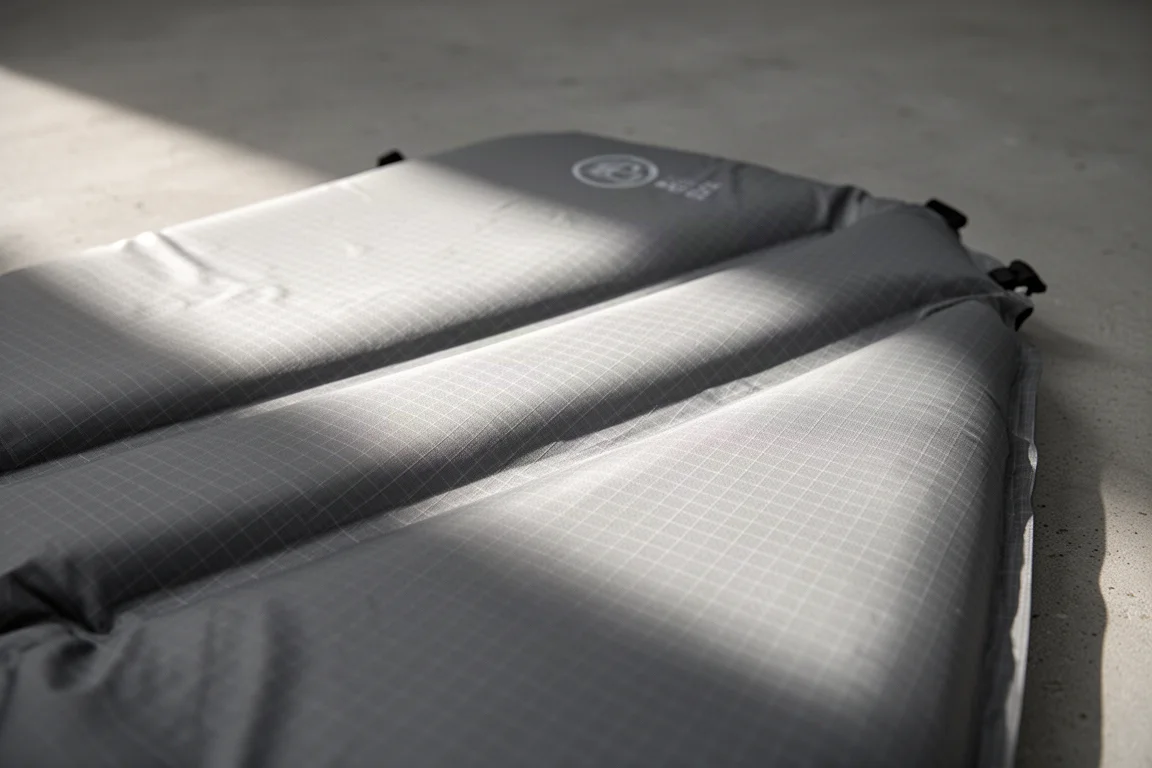
Set-up and pack-down both stay simple. Inflate with the pump sack or by mouth, rotate the valve to deflate, then roll the pad down to its packed size and slide it back into the storage bag.
Durability, Warranty, and Manufacturing
Durability is where long-term owners tend to be most loyal. After a year of regular testing there have been no leaks and no failures of any kind, and the previous generation went through hundreds of trips without a single problem. The fabric and construction feel substantial rather than fragile.
Warranty support is a real part of the value here. Therm-a-Rest has a strong reputation for standing behind its pads and helping owners resolve problems. The pad is also made in the United States by American workers, which is uncommon in outdoor gear and is one reason the price sits where it does.
Things to Consider Before Buying
Price is the first and largest consideration. At $240, this pad costs more than most campers expect to spend on an air mattress, and the NXT version is substantially more expensive than the model it replaces. What that money buys is a combination that is hard to find elsewhere: very high warmth, very low weight, a small packed size, and a strong warranty.
Color is a smaller point. The previous version used a light grey top with a dark grey base, which looked sharp. The Neptune blue-grey finish on this model is a matter of taste.
Noise is the final consideration. Moving around on the pad produces a soft crinkling sound, similar to a bag of chips. It is not loud, and it has not disturbed sleep on test nights, but anyone who wakes easily or sleeps lightly in camp should weigh that before buying.
Buying Advice
This pad makes sense for campers who spend real time in cold conditions and want one mattress that works all year. The warmth on offer means a lighter sleeping bag or quilt can come along, so part of the cost and weight is recovered elsewhere in the pack. Anyone who camps in mild three-season weather only, or who is working to a strict budget, can reasonably look at a less expensive pad.
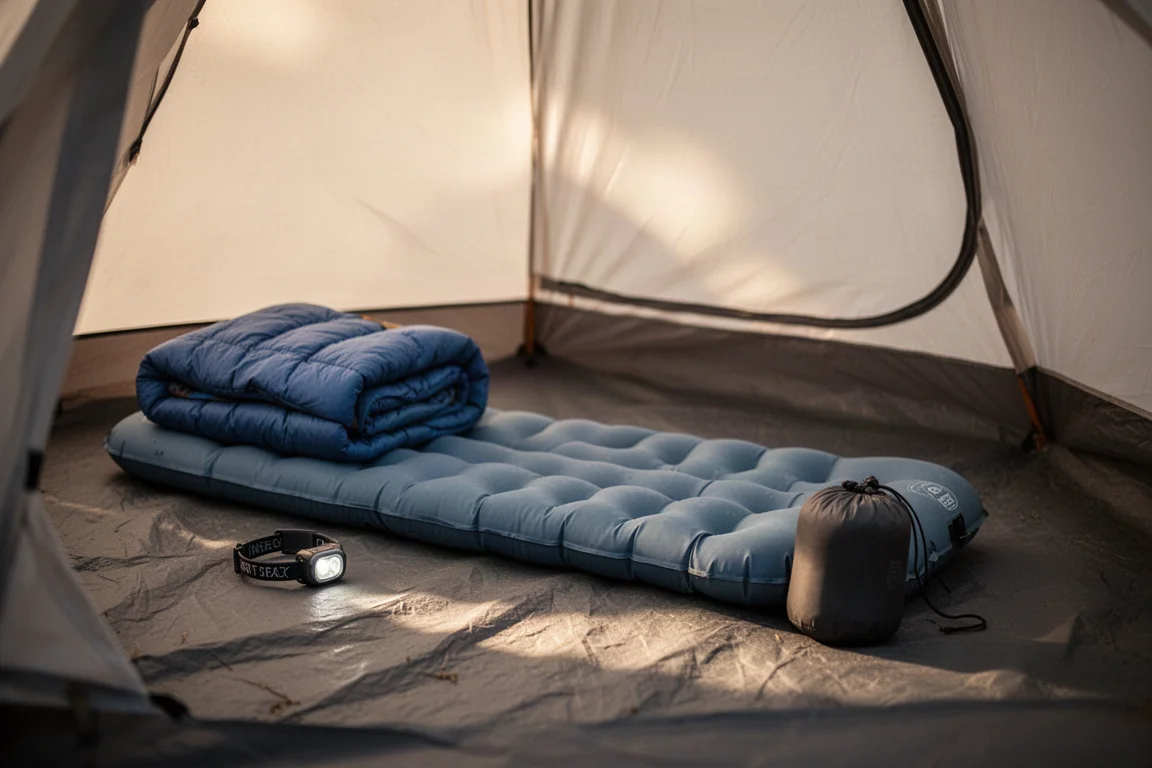
If cold nights are a regular part of your year, the case for this pad is straightforward: it is the warmest and lightest option in its class, and the price reflects the materials, the construction, and the warranty behind it. The earlier version of this pad remains a sensible alternative for anyone who wants similar durability at a lower cost.
Conclusion
The Therm-a-Rest NeoAir XTherm NXT delivers exceptional warmth, strong durability, a well-designed valve, and genuine year-round versatility, all in a package that packs down small. The only real obstacle is the price. If cold-weather camping is a regular part of your year and you want the warmest, lightest option in this category, it is worth every penny. If it does not fit your budget or your sleeping habits, a less expensive pad will still get the job done.
Product link
View more details for Therm-a-Rest NeoAir XTherm NXT
This product is mentioned in the review. Check the specifications, options, and compatibility before buying.
View more details for Therm-a-Rest NeoAir XTherm NXTFurther reading
Related Reviews
Sleeping Pads
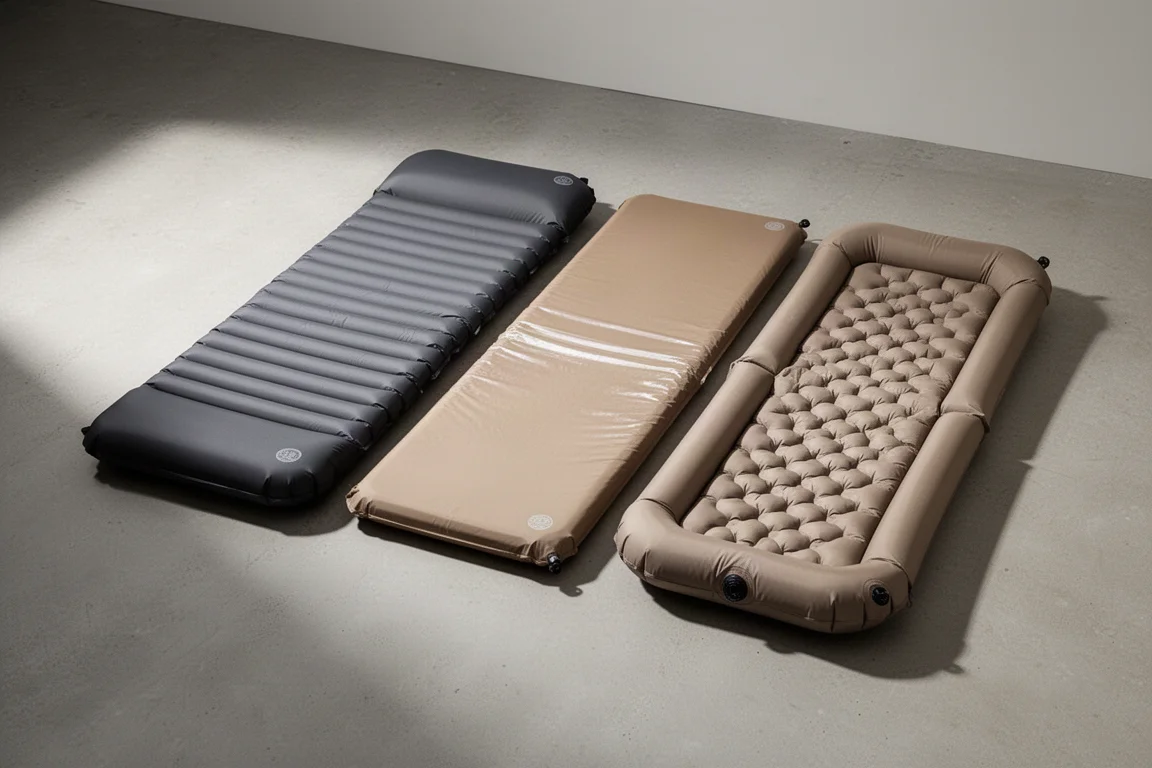
Best Backpacking Sleeping Pads 2026: Nine Pads Rated on Price, Comfort, Warmth, and Weight
Nine backpacking sleeping pads compared on price, comfort, warmth, and weight, from a $65 summer pad to a year-round option rated at R-7.3.
Sleeping Pads
Best Backpacking Sleeping Pads: Comfort, Warmth, and Weight Compared
A practical comparison of the Nemo Quasar 3D, Therm-a-Rest NeoAir XTherm Max, and Big Agnes Rapide SL for backpackers choosing between comfort, warmth, and packed weight.
Sleeping Pads
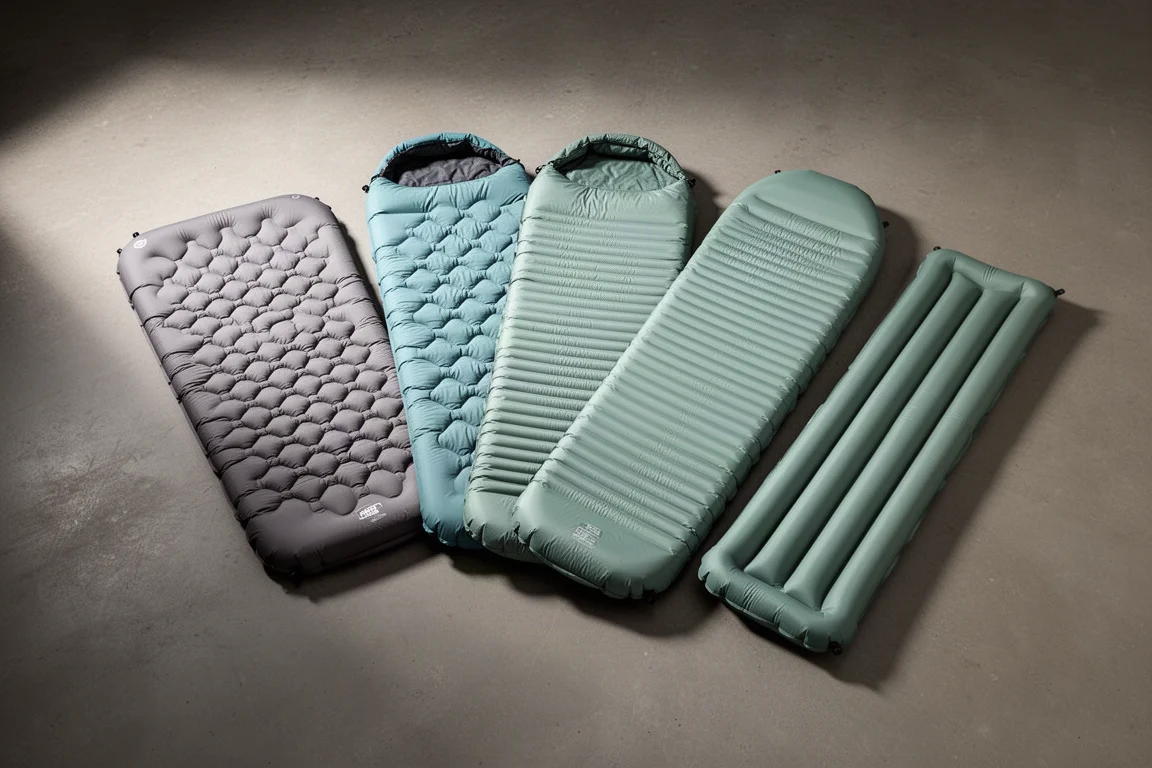
Best Backpacking Sleeping Pads: Ultralight, Winter, Comfort and Budget Picks
A practical roundup of the sleeping pads that stand out for ultralight weight, winter warmth, pressure relief and value, plus three popular pads that fell short.